
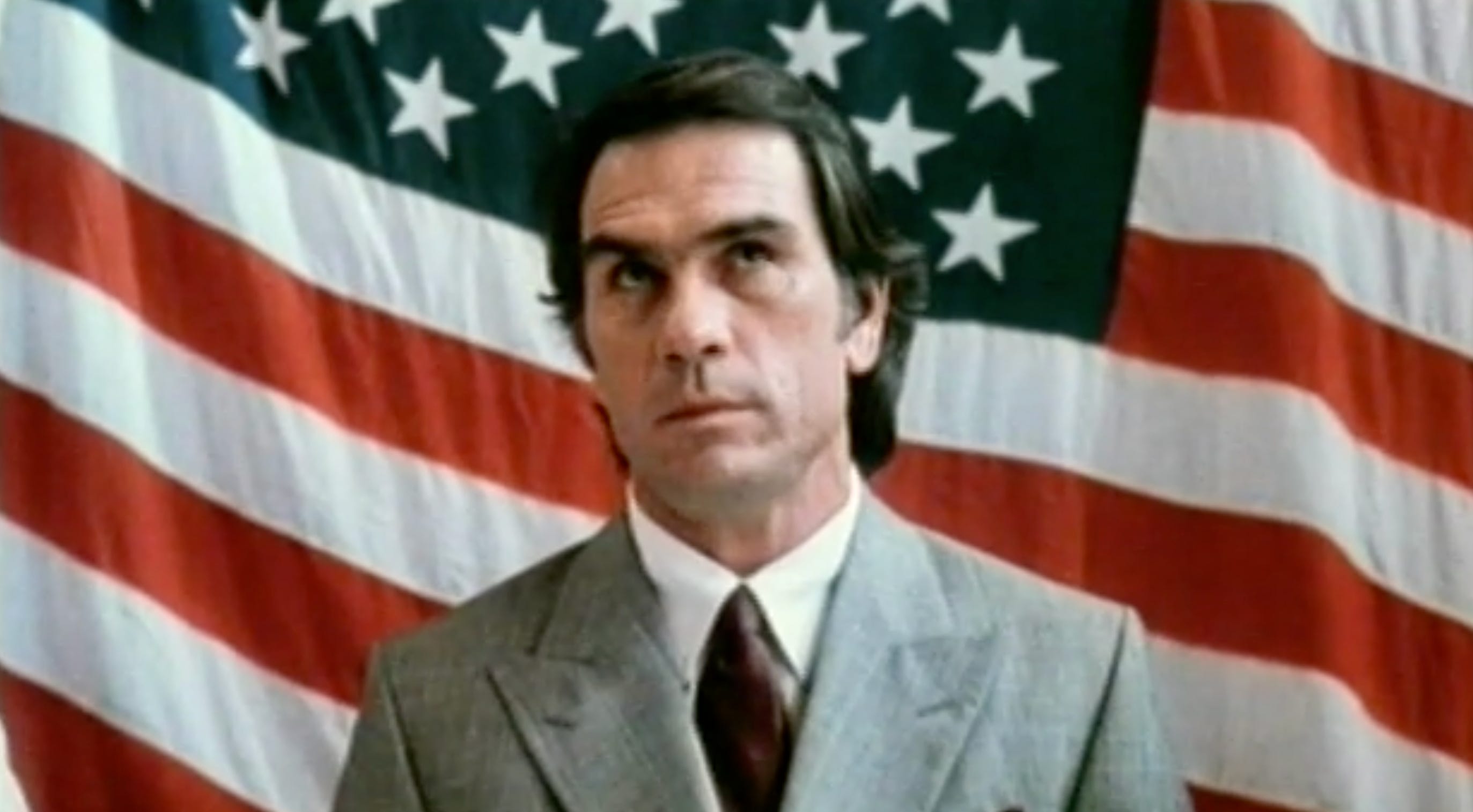
NUMBER 1, STORMY MONDAY
I have a friend who watches every movie I recommend. This is one of the reasons I love him.
Of all the things in God’s perfect, shiny kingdom, I love movies and television most—particularly those made in America. By the time I turned fifty, I was certain I’d seen almost every one worth seeing. Turns out I was wrong.
Lately I’ve been scraping the internet for things to watch. I’ll visit the Wikipedia page of a movie I thought was shot beautifully, click on the cinematographer’s name, then watch other films he’s worked on. This is how I found Stormy Monday—Mike Figgis’s first feature—which is now one of my all-time favourite movies. My friend agrees that it’s perfect.
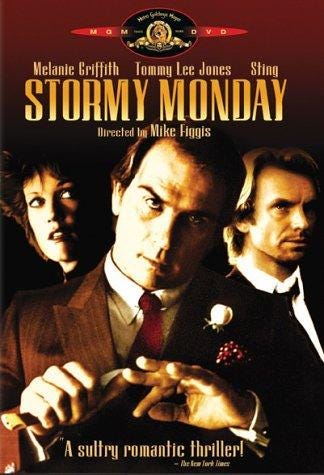
There’s been a resurgence of interest in, and appreciation for, 1990s erotic thrillers. Released in 1988, Stormy Monday could easily be mistaken for a precursor to Basic Instinct, Wild Things, or The Last Seduction. The poster promises a "sultry romantic thriller." But while it’s a thriller, and romantic as fuck, it’s not at all sultry. This is what makes it interesting.
The film is set in economically depressed Newcastle, a city I’ve never given much thought to that looks pretty fucking cool. Sting plays Mr. Finney, a suave-ass jazz club owner who’s got a wife at home but is in demand with the local ladies. One of the first scenes involves Brendan, played by Sean Bean—an Irishman who’s just arrived in town and is looking for work—literally bumping into Kate—played by Melanie Griffith—at a mall. Later on the two cross paths when Bean orders dinner at the restaurant she’s waiting tables at. Their chemistry is evident, Bean slips Griffith his number when he pays the bill, and the two arrange to go on a date.
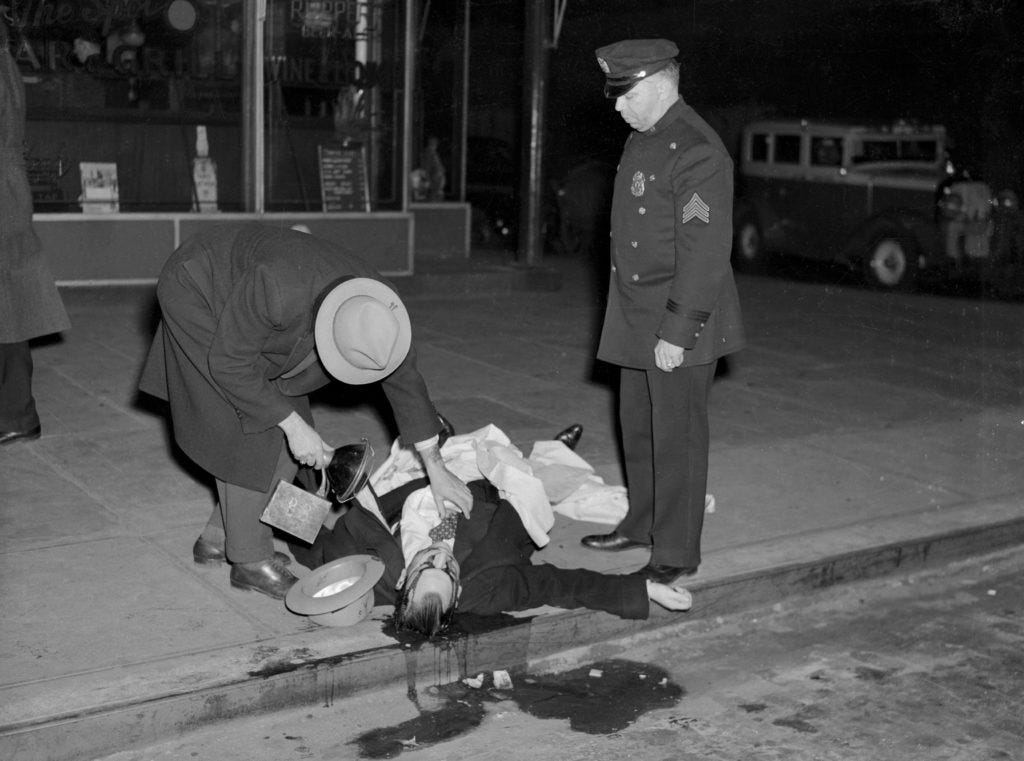
Melanie Griffith is amazing in this film. Kate’s an American waiting tables at Weegees’s, a bar restaurant with huge prints by the famous crime photographer on the walls. But she also works in quasi-sex worker capacity for her ex-boyfriend, Francis Cosmo, played by Tommy Lee Jones, an American corporate fixer slash mobster who’s attempting to buy up properties in downtown Newcastle, including the Key Club, owned by Sting, who remains the last holdout. Cosmo wants Kate to honeypot local politicians and club owners into cooperating. Kate wants to be free of Cosmo, her job at Weegee’s—which involves a shitty boss—and start fresh with Brendan. Brendan, who found work at Sting’s Key Club cleaning bathrooms and babysitting visiting musicians, just wants Kate and to be free of whatever he was escaping by moving to Newcastle.
The details aren’t that important. I also don’t want to ruin the movie for anyone else. Like any good neo-noir, Stormy Monday contains a crime, a love triangle, a beautiful woman, an evil man, and a white knight.
I’ve never seen Dune or Quadrophenia. Sting, it turns out, is a good actor. But the star of Stormy Monday is Melanie Griffith. She plays both innocent and jaded perfectly. It’s hard not to be captivated by her giant 80s hair and her soft, high voice. The scenes involving Griffith and Bean are unspeakably tender. And unlike 90s erotic thrillers, there’s essentially no sex. Some teenage boy in a video store in 1989 might’ve rented the movie hoping to see Griffith naked, but the only nudity is Sean Bean’s toned, pale ass.
Mike Figgis is most famous for Leaving Las Vegas, a film starring Nicholas Cage about an alcoholic screenwriter that for some reason I’ve never seen. I looked Figgis up after watching Stormy Monday and learned that he’s a big jazz fan. Me too. One of the nice touches throughout the film involves the Krakow Jazz Ensemble, a free jazz group booked to play at the Key Club. They’re visiting Newcastle during “America Week,” a week-long celebration of visiting American business interests tied to Francis Cosmo’s redevelopment push. The band appears throughout the film—on local radio, at the club, and in various transitional scenes. Early on, they break into spontaneous improvisation while waiting at the airport for their ride. Later—after the band booked for a formal “America Week” event is killed in a traffic accident—they perform a discordant, Coltrane-esque version of the American national anthem, until they’re told to shut the fuck up. Sting’s Mr. Finney—resistant to Cosmo’s enticements to buy his club—pointedly enjoys how much the Americans dislike the Polish band’s music. Cosmo comes off as a heartless brute who mistreats women and thinks money can solve any problem. Members of the Krakow Jazz Ensemble are portrayed as gentle creative spirits, more concerned with community and ideas than with success. Through long takes of musicians playing obscure, mostly unpopular music, Figgis effectively protests American expansionism. I found that interesting.
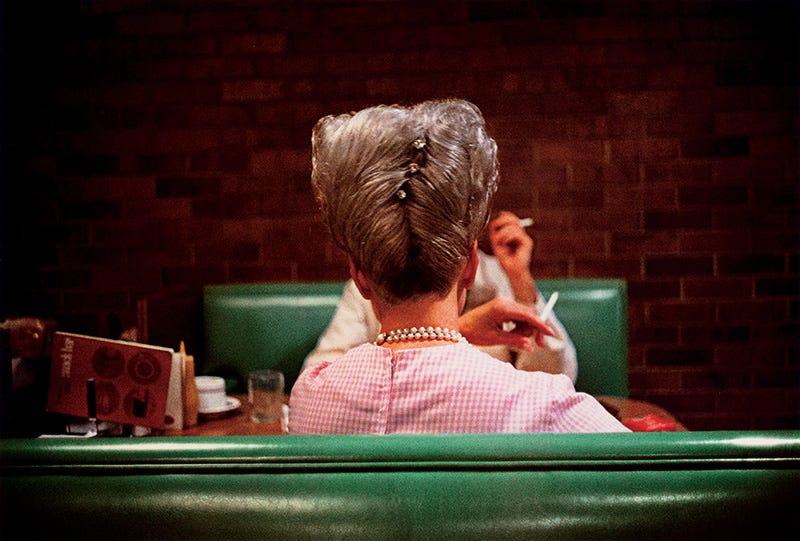
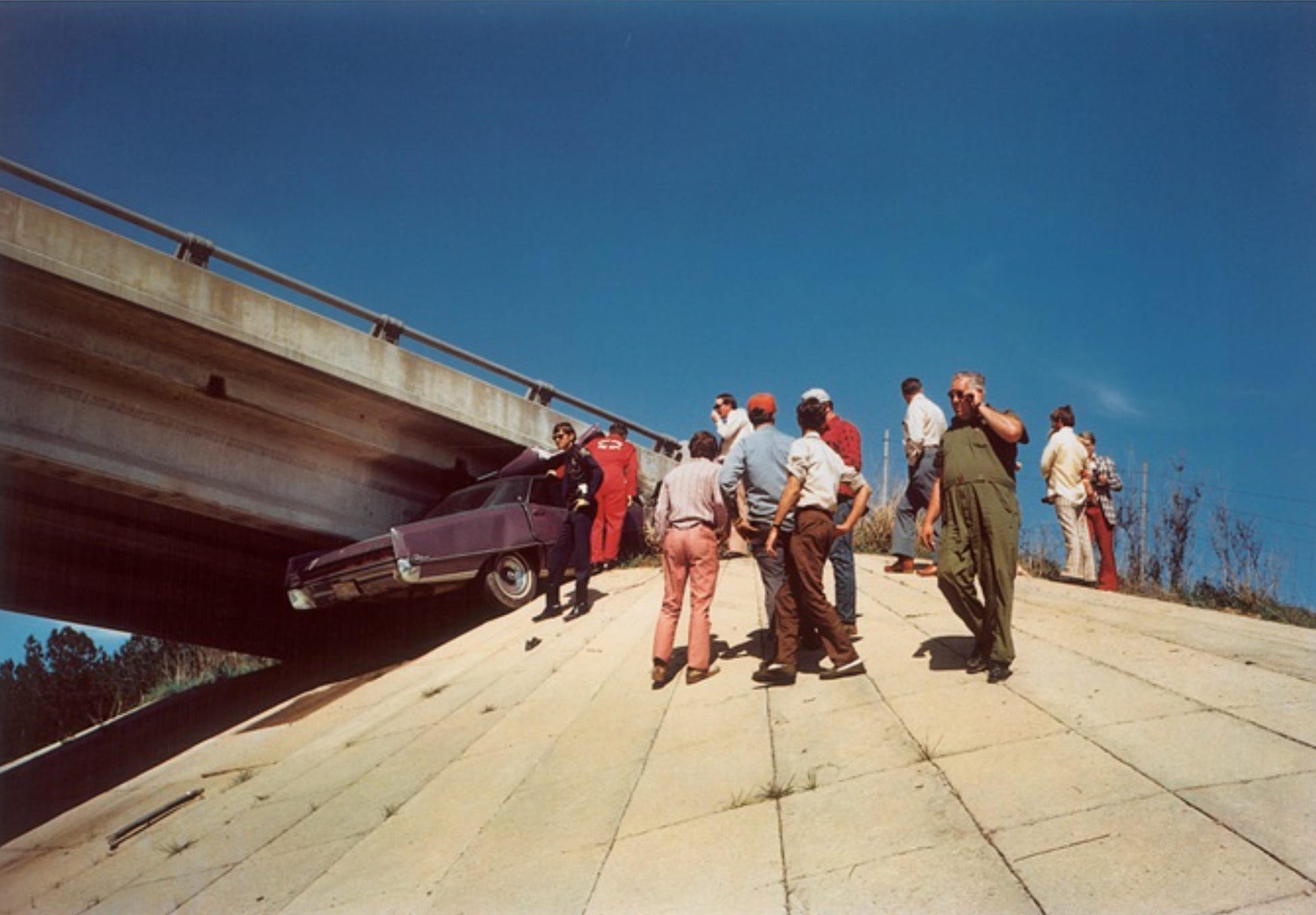
The most beautiful thing about Stormy Monday is how fucking beautiful it is. Every shot is painterly, and many reminded me of William Eggleston, who himself is very painterly. Wikipedia told me that Stormy Monday was shot by Roger Deakins, who apparently is “regarded as one of the greatest and most influential cinematographers in cinema history.” I can believe it. Deakins shot No Country for Old Men and Fargo, too pretty good-looking films. He also shot Sicario, which has a beautiful scene involving an assassination attempt at the US/Mexico border. There’s some stuff with greens and reds that my friend picked up, that flew right over my head. Colour used symbolically, stuff like that. This movie looks so good you want to eat it, and that’s not something I feel too often.
Overall, I can’t recommend this movie enough. It’s rocketed into my top three films of all time, jockeying for space with The Conversation and another overlooked film, David Mamet’s directorial debut, House of Games.
Comments
Nothing yet. Say the first thing.
Sign in to join the conversation.