
Welcome, aspiring polyglot! People often ask me how many hours per week they should commit to their target language. In general, one hour per day is a pretty safe answer. However, that comes with the massive asterisk that you need to be actively using that hour, for the whole hour, every day. The reality is quite different from this theoretical minimum.
Second Language Strategies is a reader-supported publication. To receive new posts and support my work, consider becoming a free or paid subscriber.
Enhancing your daily routine
Learning a new language is unique in that you can actually make progress while completing mundane daily tasks. I know several people who learned how to understand Spanish by watching their favorite shows during their cardio workouts. For those with pets, even walking the dog is normally enough to provide ample audio input on a weekly basis.

At the very least, you can add in your audio comprehension practice to anything that everyone has to do. Showering? Spanish music. Doing the dishes? French podcast. Walking the dog? German comedy show. The options are basically endless for the vast majority of languages and the point of doing this is not to understand everything you hear.
Of all the possibilities, the best option for the average working professional is the commute. Aside from daily cardio, nothing is as certain for a daily habit as a commute. If you have over a 30 minute commute that is a guaranteed hour of language immersion you can get every day of the week. Then take the weekend off, sometimes a little time off is important. To see why, read this:
Whatever you do, having a growing list of resources is going to be crucial to your long term success. Fortunately, the better you get the more options you open up for yourself. However, this is where most people end up over doing it with regards to consumption while neglecting their production skills. Remember, for every hour you consume content, you must produce for 30 minutes.
Thanks for reading Second Language Strategies! This post is public so feel free to share it.
Building your list
Building your list is easier said than done. In reality, the vast majority of content you encounter is not going to be overly interesting to you. Worst of all, the content that is interesting often has downsides like bad audio quality and no new or updated content. A good way of avoiding frustration, well, at least of mitigating it, is by diversifying the content.

Yes, it is helpful to have things that cover various topics, but you also need to diversify the medium. Personally, I find videos with subtitles to be the most effective. TV shows and movies are often too scripted to help with natural speech and pure audio means giving up visual cues that are helpful from the start and all the way throughout your language acquisition journey.
When you are in person, you are going to have gestures and mannerisms and body language to read that all end up being equally important when in actual conversation. Even amateur lip reading provides insight into where the words you are hearing begin and where they end. However, for pure vocabulary and for learning how to speak fluidly (not fluently) written media is next level.
Depending on how much you are willing to challenge yourself, that written media can range from a short children’s book to something like Atlas Shrugged and everything in between. Personally, I recommend picking a challenging book and using websites that discuss things in which you are interested. Unfortunately, most websites are just sales pages now, but there are some good ones left!

All of my students get a personalized resource document and some of them say it is their favorite part of the whole class, which only hurts a little bit. You can make your own, I can make you one, or you can have someone else make one, but having a resource document with a variety of content so that you aren’t always doing the same thing is incredible for avoiding boredom/fatigue/frustration.
Exercises to try
Once you have built up your list, there are a few exercises you can add into your daily routine that will help accelerate your language acquisition. For most of these, more than 30 minutes comes with diminishing returns. The audio itself should be playing for hours if at all possible, but that does not mean you should be actively engaging with everything you are hearing.
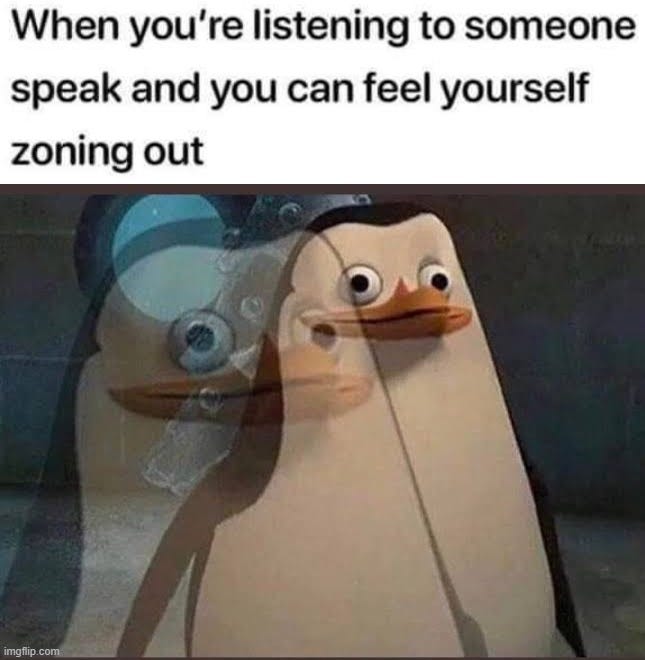
Those who have been in full immersion know that, after a while, you just stop hearing anything. People can speak to you and you just don’t hear anything. It is a very strange phenomenon. However, the entire time you think you are hearing nothing of value, your subconscious is reorganizing and you are learning to hear the new language in a new way. It takes time, but it does work.
When you think about it, and when you are alone ideally, mimicry is one of the most powerful language learning tools you have at your disposal. For more on how to use mimicry to improve your second language, read this:
Aside from that, reading out loud is incredibly beneficial. Learning how to read fluidly means learning how to speak fluidly. This is one of the fastest ROI activities that you can do with tangible results showing up in as little as three weeks. It’s pretty easy to take this recommendation as something that won’t help, but give it a shot for 21 days. Record yourself on day 1 and on day 21. See what happens.
Finally, the most effective exercise that I am always trying to push onto people. This is the one that is most critically done in short bursts. Anything more than 30 minutes becomes an exercise in futility which can cause burnout to happen much faster than it otherwise would. That exercise is dictation, or transcription. I learned about it in Belgium and I have used it for 10 years.
In short, find an audio, play it for 20 second, write down what you hear. That’s it. No tricks, no secrets, just pain. For a full break down and step by step, be sure to read this article:
Share Second Language Strategies
Conclusion
Electronics are ubiquitous with daily life nowadays and to pretend that most people are willing to opt out is just silly. So, that means we have a choice to make. Do we choose entertainment as a distraction or do we use it as a tool? Personally, I think if you can get to 50:50 you are doing phenomenal. Anything more than that is just gravy.
At first it is one of the most frustrating experiences, but that period is temporary and it truly does not take much time to get to the point where you are enjoying the same content you already enjoyed in English, just in a totally new language. It will be difficult, but you can do difficult things and be great. So go out and do some difficult things and become great. I am rooting for you.

Second Language Strategies is a reader-supported publication. The strategies in this post are a fraction of what’s available to paid subscribers. The full Guides library, including The First 30 Days blueprint and advanced acquisition frameworks, is waiting for you on the other side.
If you’re ready to stop reading about language learning and start doing it with personalized instruction, learn about my private courses here. 29 out of 29 students have spoken their target language after completing the program.
Comments
Nothing yet. Say the first thing.
Sign in to join the conversation.