
After the calamities of the Late Middle Ages, including the Black Plague, Europe bounced back in a big way. New modes of thought, humanism, the proliferation of universities, scientific advances, grander paintings, and more–all created what some called a rebirth (the very definition of “renaissance”).
Feudalism weakened and would collapse entirely in the coming centuries. More than half of the European population died in the 1300s. Such an extreme death toll weakened ties between classes and created power vacuums. Social, spiritual, and political instability led to shortages of laborers, soldiers, and more. Which in turn led to lords offering the lower classes better working conditions, more pay, and even freedom. The evolution of firearms also made knights obsolete when even the sickliest peasant could be a significant force on the battlefield.
The Renaissance began as an extension of Medieval Europe, with greater wealth and shifts of power leading to a notably complex and rich period of Western history.
Although Rome gets a lot of attention, it took a long time for the city to recover after the fall of the Roman Empire. The “birthplace” of the Italian Renaissance was Florence, which became a wealthy center of trade and banking in the Medieval era. Rome’s recovery didn’t begin until the time of Pope Martin V (1417-1431).
Some people seem to believe the Renaissance was purely about Italian art and architecture. True, many of the greatest works were by Italian artists, yet other areas of the world had their own cultural evolutions. The Netherlands and Germany as two examples. Some cultures preferred non-visual arts like literature and music, as in the later English Renaissance (associated with Queen Elizabeth I, 1558-1603).
The Renaissance was a continent-wide phenomenon when artists turned from craftsmen into public figures. In prior eras, artists rarely got credit for what they did, and there was little room for personal expression. Art served a specific purpose, usually devoted to higher powers or as a specific commission. Although this continued during the Renaissance, the trend began to weaken. Some patrons gave a new level of agency to the artists they commissioned. Artists like Michaelangelo were household names, celebrities in their own right, and people clamored to work with them.
Artistically, the Renaissance began by blending Gothic and Classic styles and taking things in a new direction. Many artists were inspired by ancient Greek and Roman works as a renewed interest in the Mediterranean’s legacy gushed forth.
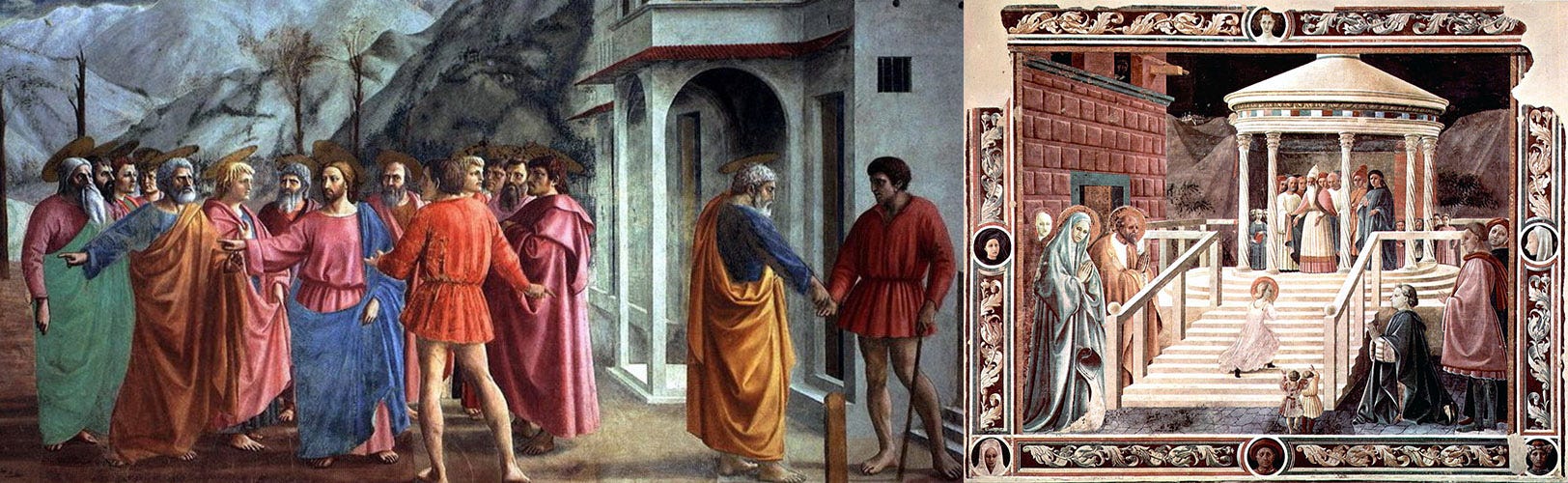
Artists revisited concepts like depth, perspective, chiaroscuro, and foreshortening, which lasted only briefly in ancient art. Most art throughout history didn’t bother with trying to portray an accurate illusion of three-dimensional space. (Egyptian works for instance.)
The most famous artists are the ones who later inspired the Ninja Turtles’ names:
Donatello aka Donato di Niccolò di Betto Bardi (1386-1466)
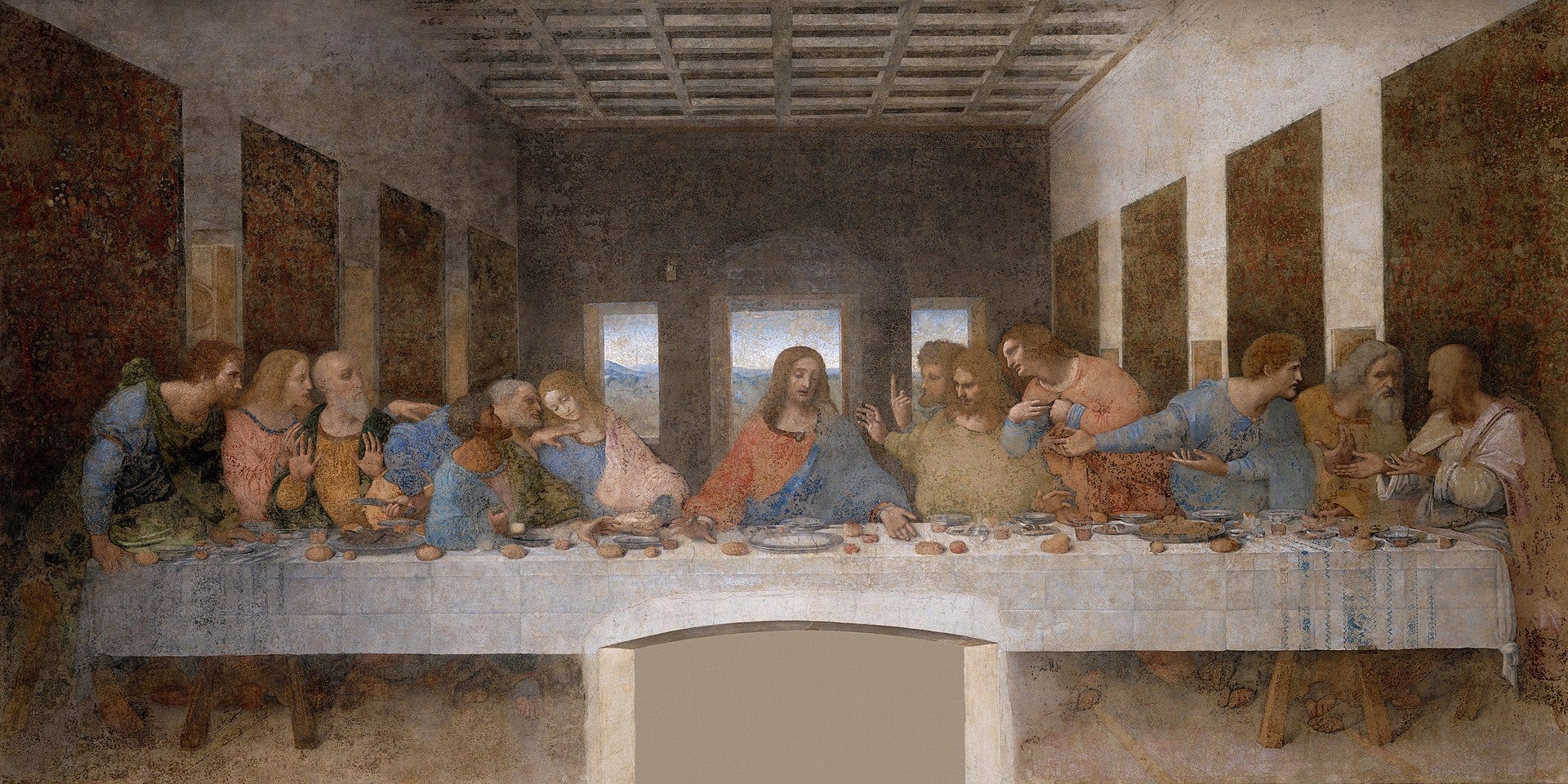
Leonardo di ser Piero da Vinci (1452-1519)
Michelangelo di Lodovico Buonarroti Simoni (1475-1564)
Raphael aka Raffaello Sanzio (1483-1520)
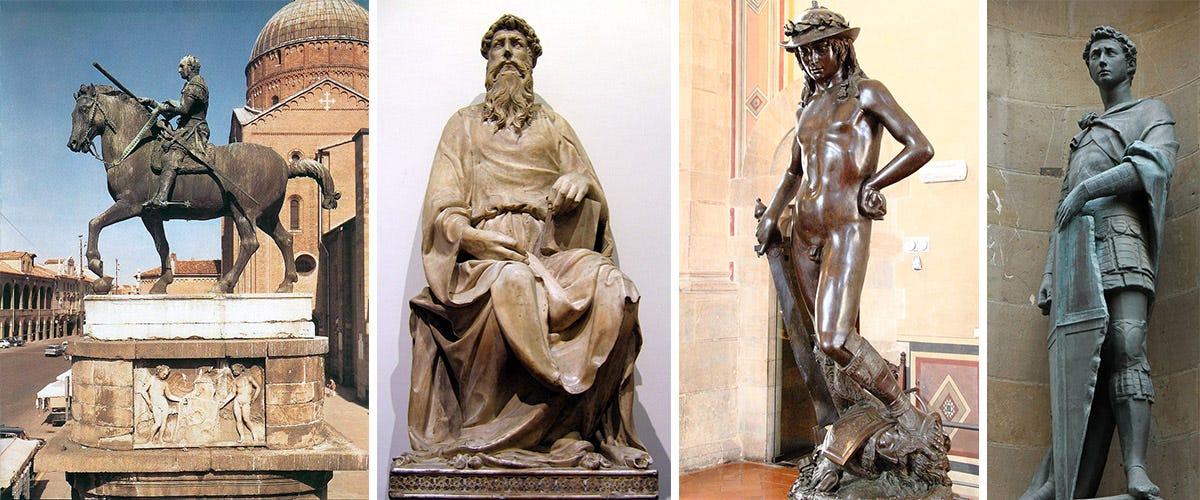
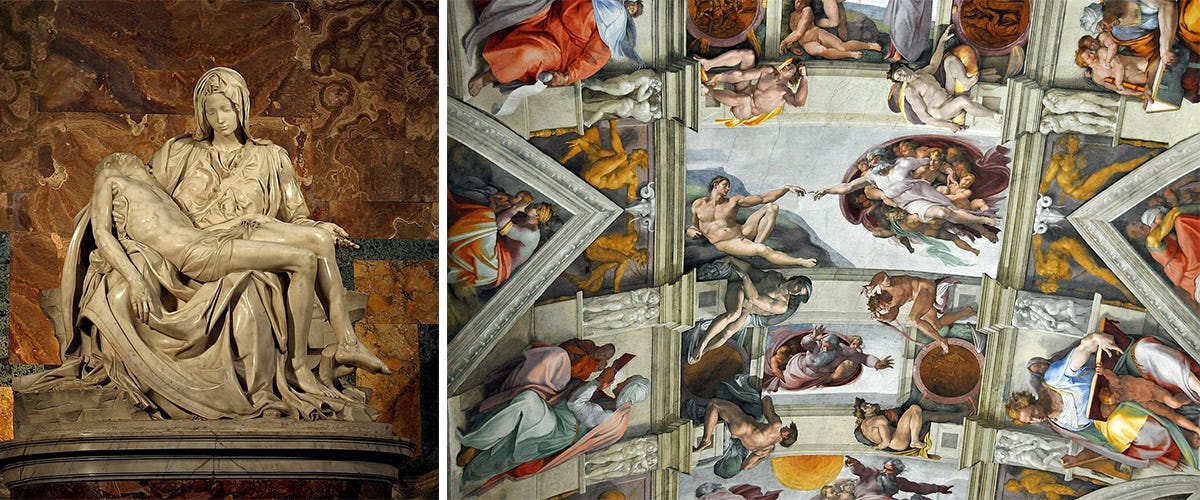
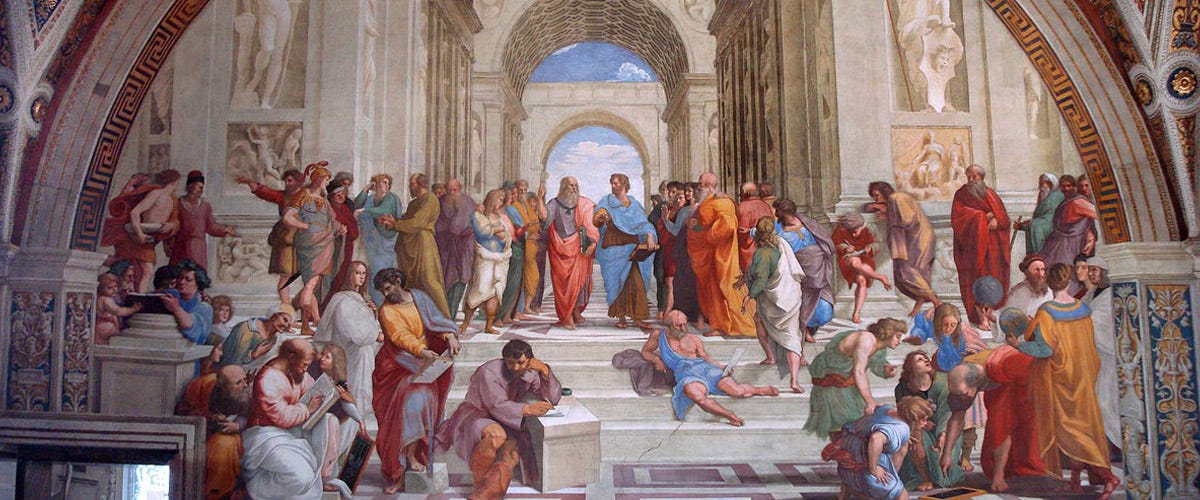
Other notable works include:
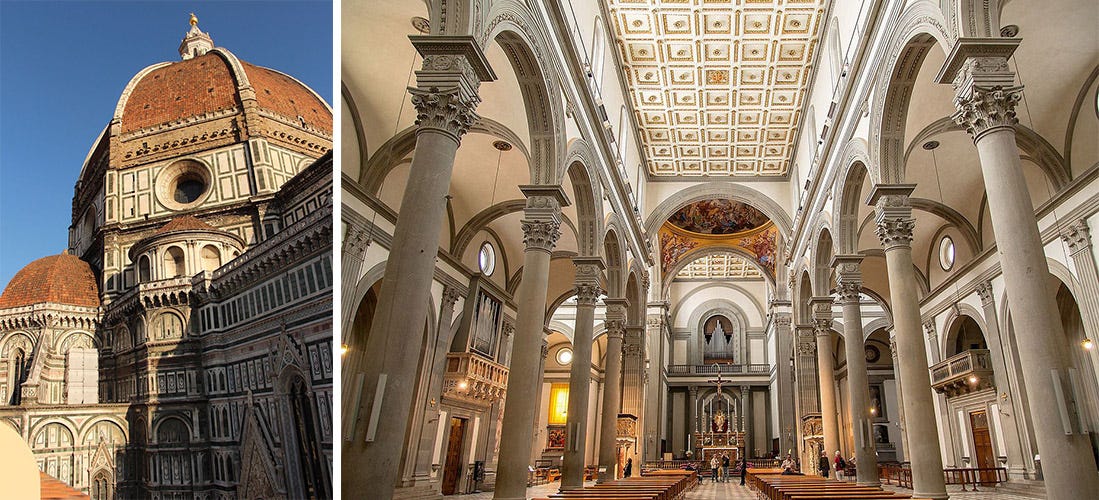
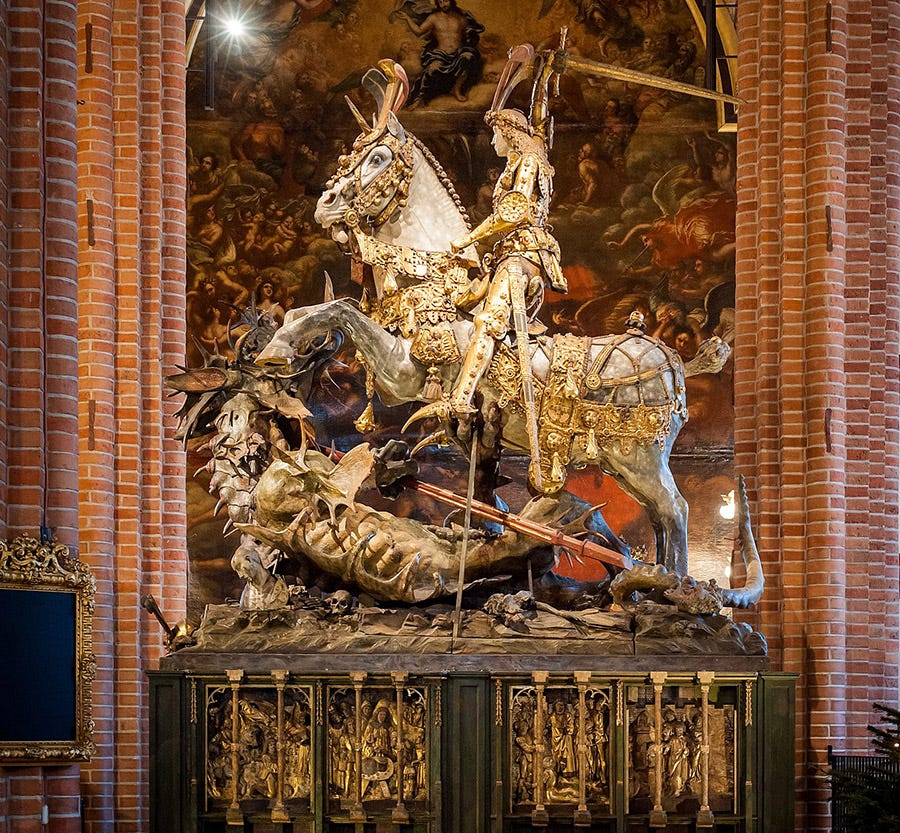

Giovanni Bellini, known for works like the San Zaccaria Altarpiece, was called “the greatest Venetian painter of his time.”
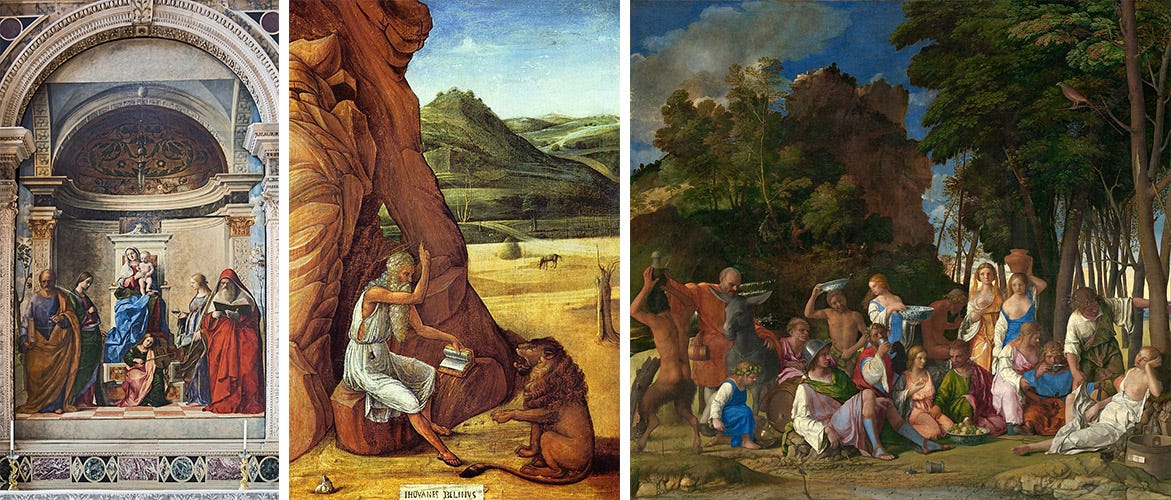
Europeans developed woodcut art in 1300-1400. This began as simple textile patterns and religious images. The Forlì “Madonna of the Fire” is an early example, printed sometime before 1428. Engraving also took off as an option for creating prints. Well-known artists include Martin Schongauer (1450-1491), Albrecht Dürer (1471-1528), and Rembrandt van Rijn (1606-1669) who elevated this into true art.
Etching is thought to have begun with Daniel Hopfer (1470-1536) around 1500, shortly before Dürer. Printmaking quickly became elaborate and popular. Not just as a way to quickly produce copies of great works, but also create original works. This also made art affordable even for common people. The less affordable type of copy was textiles; some famous works were turned into tapestries.
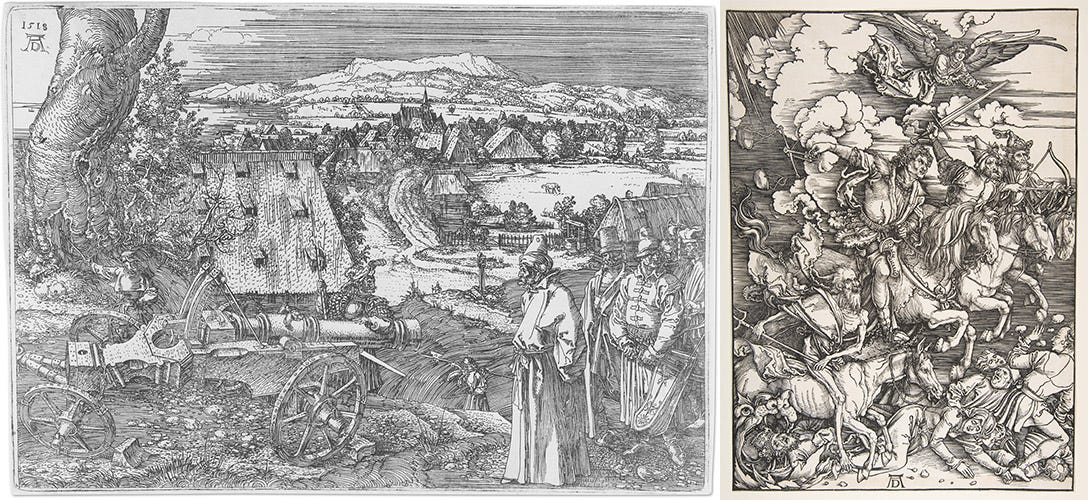
Hieronymus Bosch (Jerome van Aken) is best known for his bizarre and surreal Garden of Earthly Delights (1490-1510). Entire books can be written about this piece alone for its level of detail and symbolism.
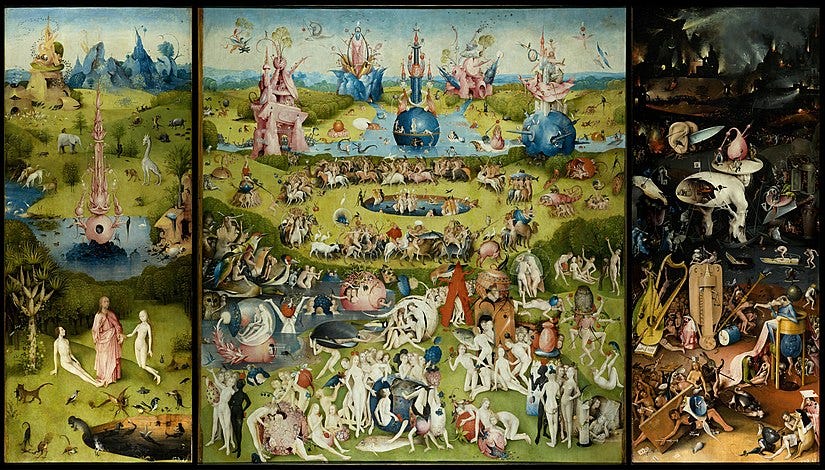
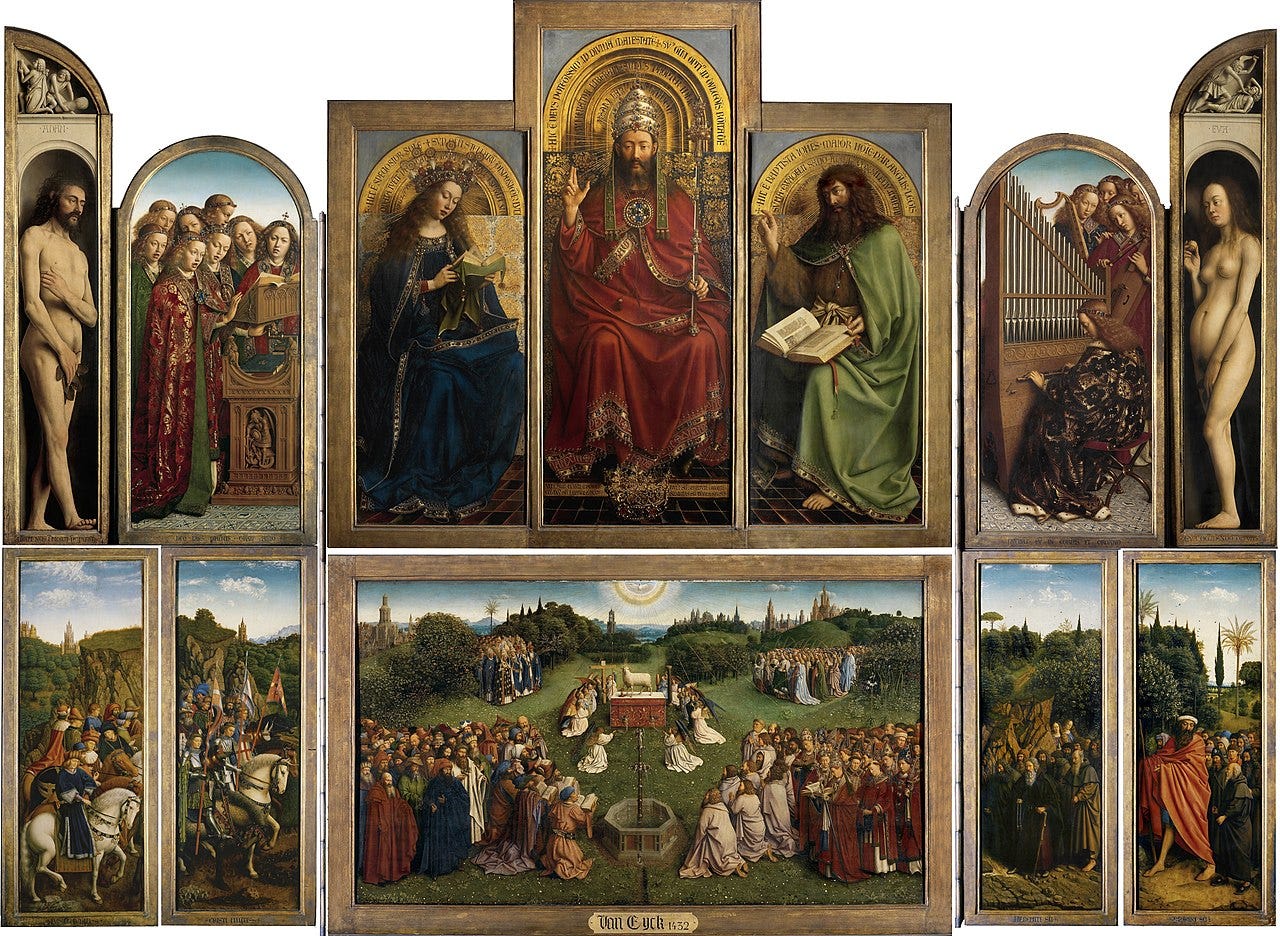
Jan van Eyck (1380-1441) was well-known for his use of oil paintings, to the extent that some people at the time claimed he invented oil paints. He didn’t (it was understood by at least 1110-1125) but most pre-Renaissance paintings used a less flexible egg tempera paint. Oil paints were a significant invention that allowed artists to reach new heights. Most people now know van Eyck for his intricate symbolism-laden Arnolfini Portrait—although it appears to be a simple portrait of a couple, it has a lot of interesting details.
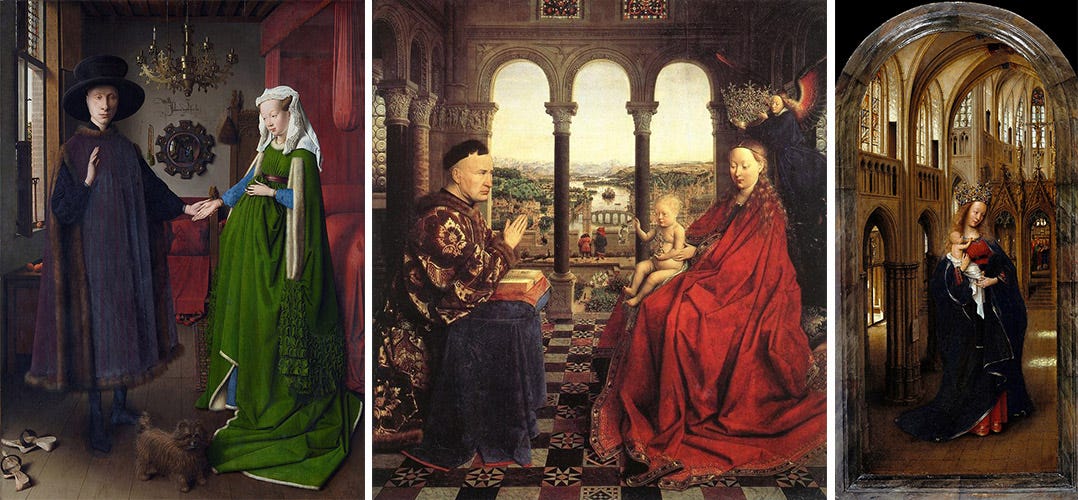
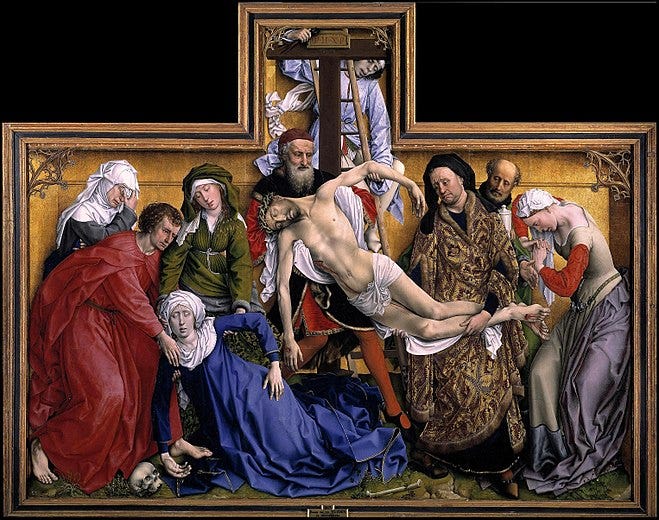
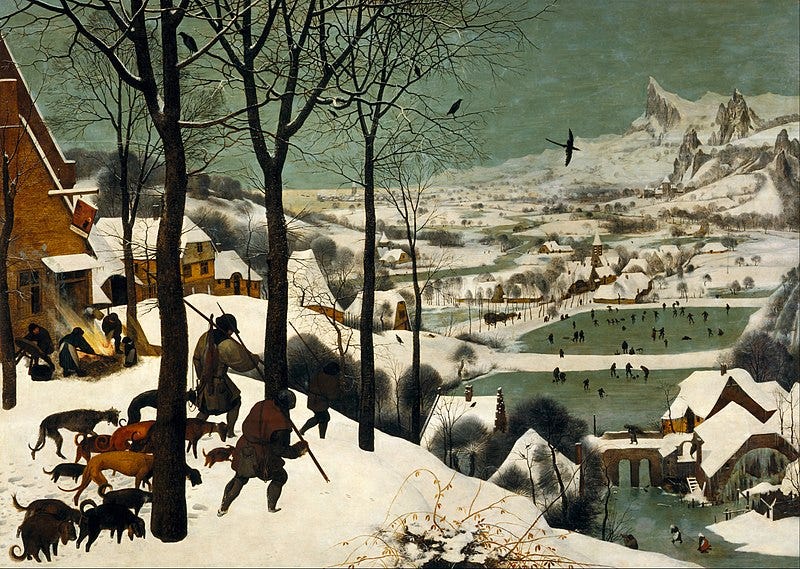
Early landscape painters included Joachim Patinir (1515-1524) and Pieter Brugel the Elder (especially works like his 1565 Hunters in the Snow and the Harvesters). Backgrounds were somewhat of an afterthought compared to the main subject of a painting, so it was unusual to see them as the focus.
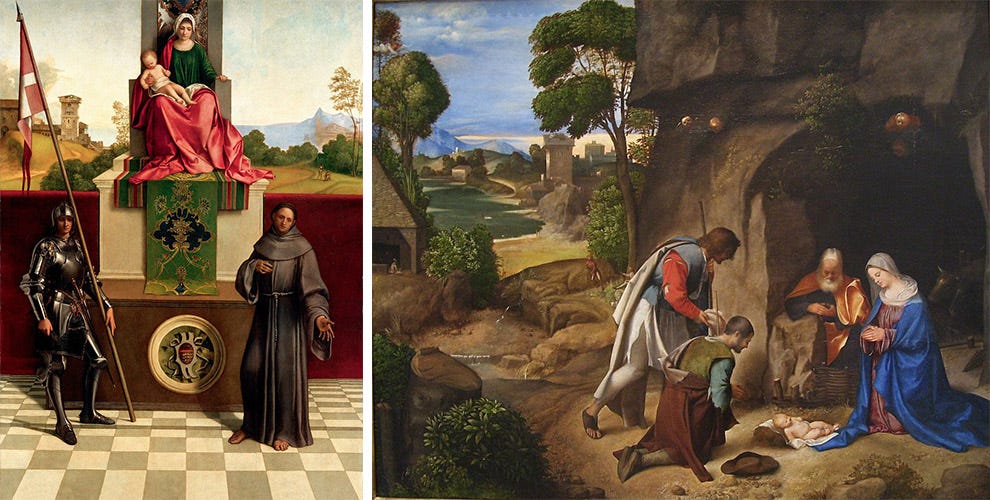
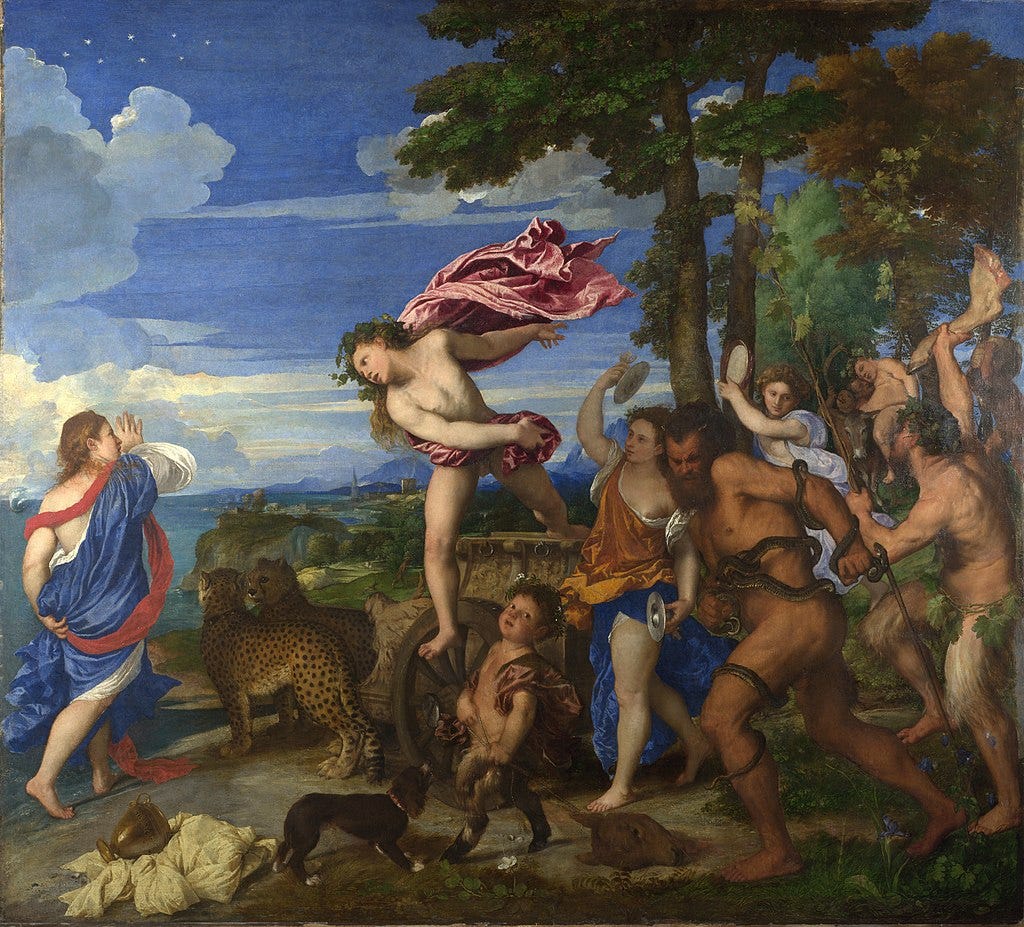
Important names included: Tintoretto, El Greco, Pontormo, Bronzino, Sofonisba Anguissola, Lavinia Fontana.
Niccolò Machiavelli published The Prince in 1532.
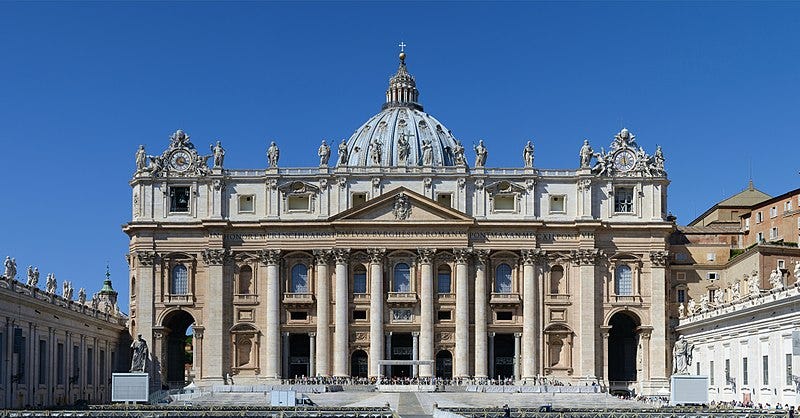
Construction on St. Peter’s Basilica began in 1506 and took over a century to complete. When fully unveiled, it was the largest church in the world–and still is, by interior measurements.
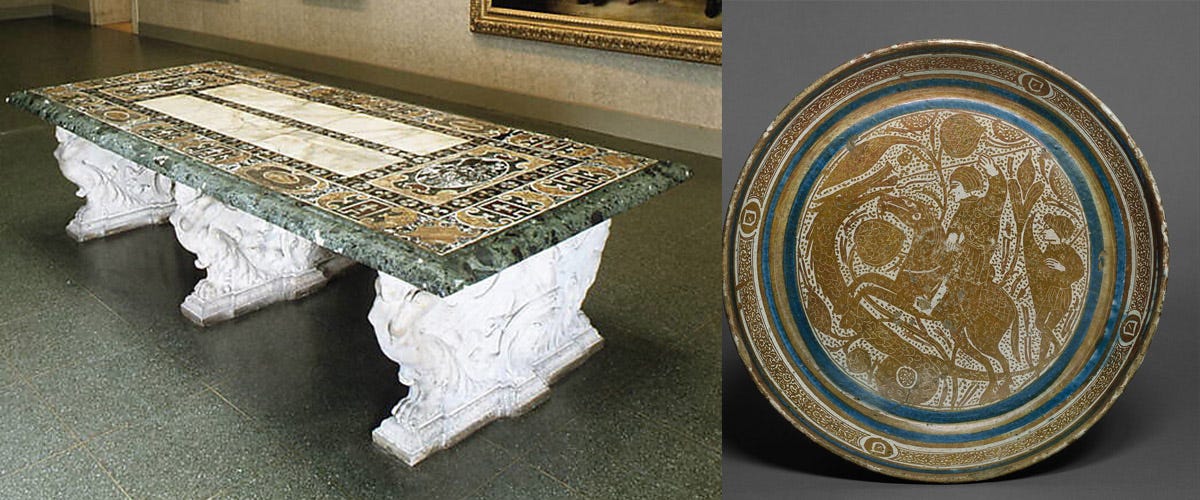
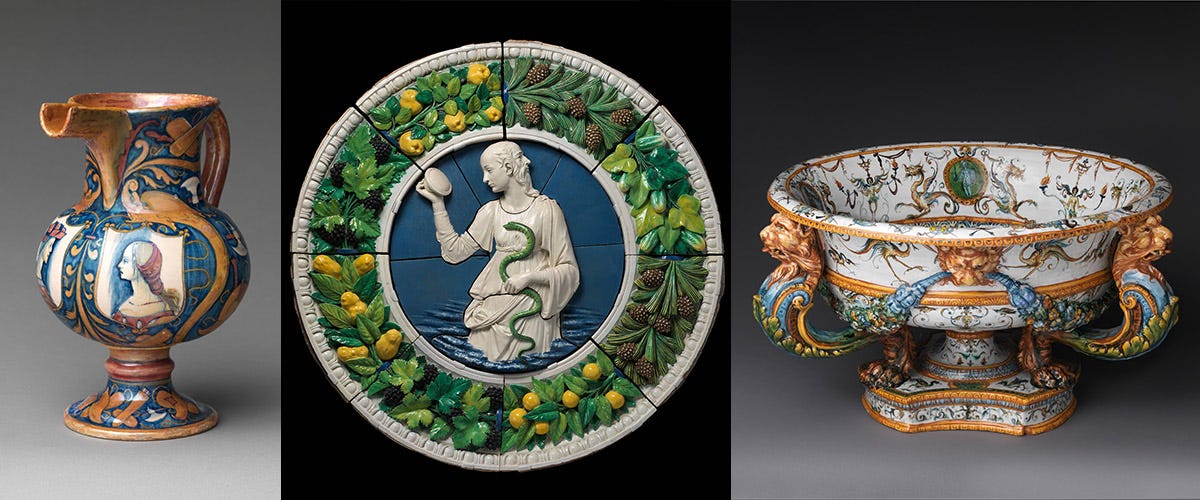
The Renaissance wasn’t just about high arts, either. It made its way into plates, tables, ceramics (maiolica), and other normally-mundane items.
Giorgio Vasari, one of Italy’s most famous artists, is credited as one of the founders of art history and the first to refer to the Renaissance as a “rebirth.” His tremendous multi-volume work Le Vite de' più eccellenti pittori, scultori, e architettori (Lives of the Most Excellent Painters, Sculptors, and Architects) was first published in 1550. It had dozens of biographies and hundreds of pages of information about the Italian Renaissance. Many later biographies and encyclopedias used this as a reference.
This “brief introduction” is getting too long, so we’ll end for now, and return with further discussion another time.
A lot happened during the Renaissance: political intrigue, papal drama, assassinations, war, and the rise of families like the famous Medici lineage and the Borgias. Advances in the sciences included those by Nicolaus Copernicus, Galileo Galilei, Francis Bacon, Tycho Brahe, and Johannes Kepler. Christopher Columbus’ first voyage to America in 1492 created yet another shake-up.
Subscribe for more artposting:
This is a reader-supported publication. For further support of my work:
I sell physical artwork and journals at ApolloGallery.org with more to come
I have a masterlist of 100+ AI-related tools for increasing efficiency
You can hire me for graphic design work
And if you don’t already know, I’m on both Twitter and Instagram
No posts
Comments
Nothing yet. Say the first thing.
Sign in to join the conversation.