
The photos are gorgeous. You spent an hour getting the lighting just right. Your description tells the whole story—the inspiration, the materials, why this piece matters.
You hit publish and wait.
And wait.
Views come in. Maybe some favorites. But the sales? Not what you hoped.
Here’s what I’ve learned after talking to hundreds of makers: it’s rarely about your product. Your work is beautiful. Your craft is solid.
The problem? You can’t see what your customers see.
The Blindspot Every Seller Has

When you write your own product descriptions, you’re too close to see the gaps.
You know why your pricing makes sense—but does your customer?
You understand what makes your work special—but is that clear in the first three seconds?
You’ve answered every question in your mind—but are those the questions your buyers are actually asking?
This is why friends and family aren’t helpful. They love you. They’ll say it’s great. But they’re not opening their wallet and thinking, “Is this worth it? Do I trust this seller? What if it’s not what I expect?”
Real customers think all of that. And they leave without telling you why.
Three Things That Kill Sales (That You Probably Can’t See)

1. Unclear value in the first moment You have 3 seconds. If someone can’t immediately understand what you’re selling and why they’d want it, they’re gone. Your headline might make perfect sense to you—but to a stranger scrolling fast? Maybe not.
Quick fix: Read your title and first line out loud. If someone overheard just that, would they know what you’re offering?
2. Pricing without context When buyers see your price, they compare it to something—usually the wrong thing. If you don’t frame your pricing (handmade vs mass-produced, time invested, quality of materials), they’ll make assumptions that don’t favor you.
Quick fix: Add one line that builds in value context. “Each piece takes 6+ hours of hand-stitching” or “Made with premium Italian leather that lasts decades.”
3. Missing the one question they need answered Every product has an objection buyers need resolved before they’ll purchase. For jewelry: “Will this irritate my sensitive skin?” For home goods: “Is this actually the size I’m picturing?” For art: “Will this match my space?”
Quick fix: Read your listing as if you’re skeptical. What would make you hesitate? Answer that directly.
What the Pros Do Differently
Successful sellers test everything before it goes live.
They show drafts to people who aren’t afraid to be honest. They ask specific questions: “Is this confusing? What questions do you still have? Would you pay this price based on what you see?”
But finding those honest reviewers takes time. And most of us don’t have it.
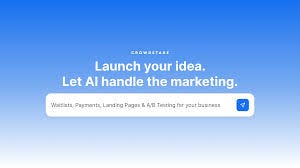
This is actually where something interesting has shown up recently: AI Society by Crowdstake.
Stay with me—this isn’t another “AI will solve everything” pitch.
Here’s what it actually does: it simulates real customer behavior on your pages. These aren’t bots—they’re modeled buyers with actual shopping intent, skepticism, and attention limits. They visit your site the way real people would, then tell you exactly where they got confused, what felt off, or what questions weren’t answered.
It’s like having 100 honest friends review your work in 10 minutes. Before you launch. Before you spend money on ads. Before real customers bounce without explanation.
If you’re curious:
The Simplest Way to Improve Your Conversions Today
Whether you use a tool like that or not, here’s what works:
Get outside your own head. You can’t see your blindspots alone. Find someone who’ll be brutally honest, or use technology to simulate that honesty.
Test before you launch. Don’t wait for sales data to tell you something’s wrong. Catch it earlier.
Fix the first impression. If your title, first photo, and opening line don’t work, nothing else matters.
Answer the doubt. Every buyer has one. Figure out what it is for your product and speak directly to it.
Your work deserves to be seen and valued. But being talented isn’t enough—you need to communicate that value in a way that lands with strangers who are scrolling fast, comparing options, and making snap decisions.

The difference between a page that converts and one that doesn’t? Usually just a few words in the right place.
You’ve got this.
With love and cheering you on, Fede & Maria
This post is sponsored by Crowdstake, but the advice on conversion comes from years of watching talented makers struggle to sell work that deserves to thrive.
Comments
Nothing yet. Say the first thing.
Sign in to join the conversation.