
There’s a ceramic tea set sitting on my shelf that I’ve never used.
I bought it four years ago from a maker in Kyoto—delicate porcelain cups with hand-painted cherry blossoms. The listing was entirely in Japanese. I pieced together the shipping details through a translator and held my breath until it arrived.
Inside, I found a handwritten note. Beautiful calligraphy on rice paper. I still don’t know what it says.
The Words We Can’t Say
That note has haunted me. Did she thank me for my purchase? Share the story of how she made this set? I’ll probably never know.
Running a handmade business means connecting with people. But what happens when the people who would love your work the most speak a different language?
Imagine opening your shop to the Spanish-speaking market—over 500 million potential customers across the US, Mexico, and Latin America. Or connecting with European buyers in their native language. What if growing your business isn’t just about better photos or smarter keywords? What if it’s also about growing yourself?
Growth That Fits Your Life
My friend Elena runs a jewelry shop on Etsy. Last year, she started learning Spanish—just enough for basic customer conversations. She added one line to her shop: “Hablo un poco de español—feel free to message me in either language.”
Her messages from Latin American customers tripled. Not because she was fluent. Because she was trying.
Here’s what I’ve learned about learning as a business owner: we don’t have time for complicated. But fifteen minutes while coffee brews? That, we can do.
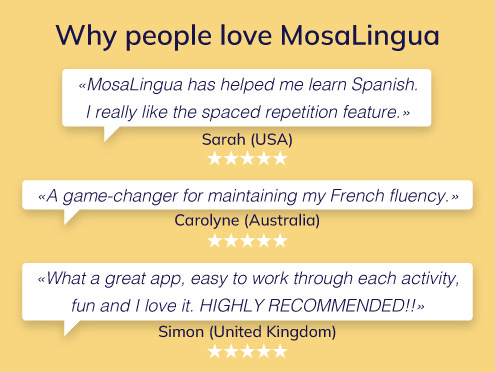
I recently found something that actually fits into the margins of a busy life. MosaLingua Premium focuses on practical phrases you’d actually use—reading product reviews in another language, understanding customer questions, adding a personal touch to thank-you notes.
They’re offering ThriveCrafters readers a special rate through January (30 percent less than usual).
What I appreciate most is their approach to trust: they offer a complete satisfaction promise. Try it for 30 days, and if it’s not working for you, just send one email for a complete return of your payment. No questions asked. That kind of confidence tells you something about what they’ve built.
You can learn more here:
What This Could Mean
Imagine adding “Se habla español” to your shop. Reading techniques from makers worldwide without a translator. Writing a personal thank-you in your customer’s language—even just a few words.
These aren’t small things. They’re bridges that turn your shop from local to global.
Three Small Steps You Can Take This Week
Even if learning a new language isn’t on your radar right now, you can start building bridges today:
Add a welcome message in another language to your shop announcement. Use a simple “Bienvenidos” or “Bienvenue” with a note that you’re happy to use translation tools to communicate. It signals openness.
Study your shop analytics. Where are your international visitors coming from? If you’re getting consistent traffic from specific countries, that’s your market telling you where opportunity lives.
Connect with one maker who sells in another language. Follow their shop. Study how they photograph their products. Notice what transcends language—composition, lighting, the story a photo tells without words.
The skills we build don’t just help our businesses grow. They help us become people who can reach further and connect deeper.
What would become possible for your business if you could connect with people in their language?
Have you ever connected across a language barrier, or noticed international interest in your shop? I’d love to hear your story—reply and let me know what you’ve discovered.
Comments
Nothing yet. Say the first thing.
Sign in to join the conversation.