
A rubbish victory
For a politician not known for being camera-shy, Farage’s no-show at the vote count spoke volumes, despite winning the Clacton by-election with 63.3% of the vote. Saying he refused to be “demeaned and humiliated by nobodies,” and alleging police warnings of threats, he held a private party down the road and cancelled his victory speech.
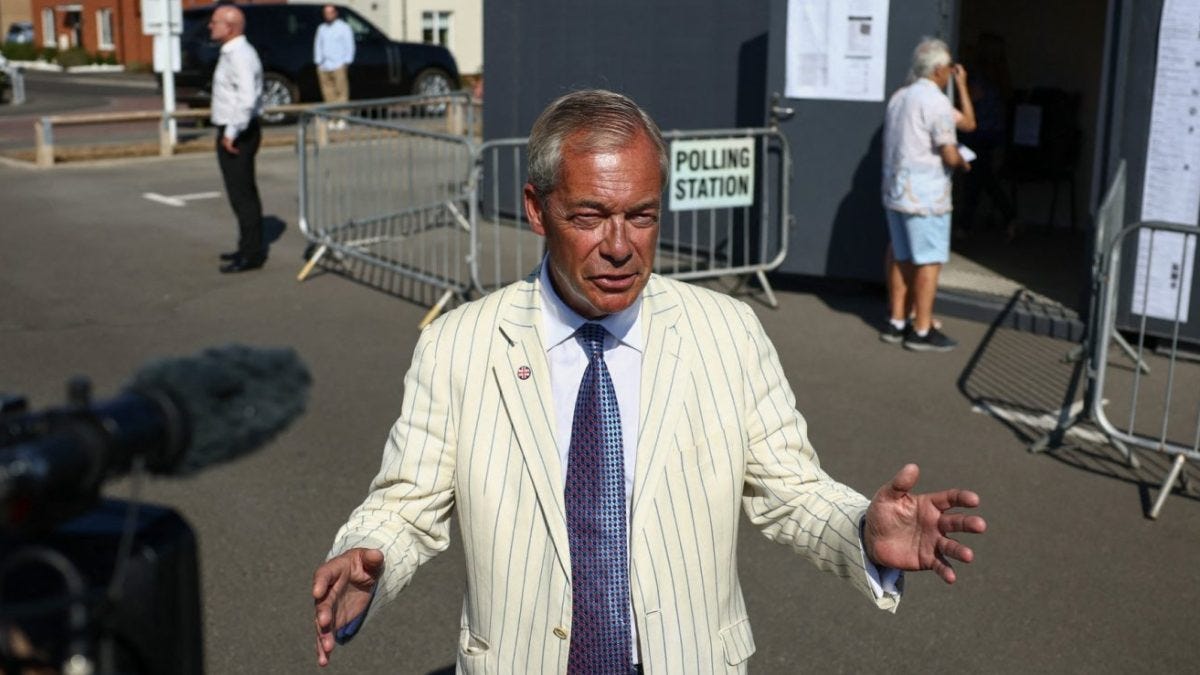
Farage declared his victory both “convincing” and “overwhelming.” Having justified his decision to call the by-election as a way to prove that the people did not want him scrutinised and investigated by the parliamentary authorities, it is notable that coverage of the results sits directly alongside the news that the parliamentary investigation, halted for the by-election, has resumed.
Farage’s team held the line, with fellow Reform MP Lee Anderson calling out the “witch-hunt” against Farage and insisting, with the air of a manager after a scrappy home win, that the results speak for themselves. As we’ve discussed before, this was no ordinary by-election, and the majority victory doesn’t simply silence the critics.
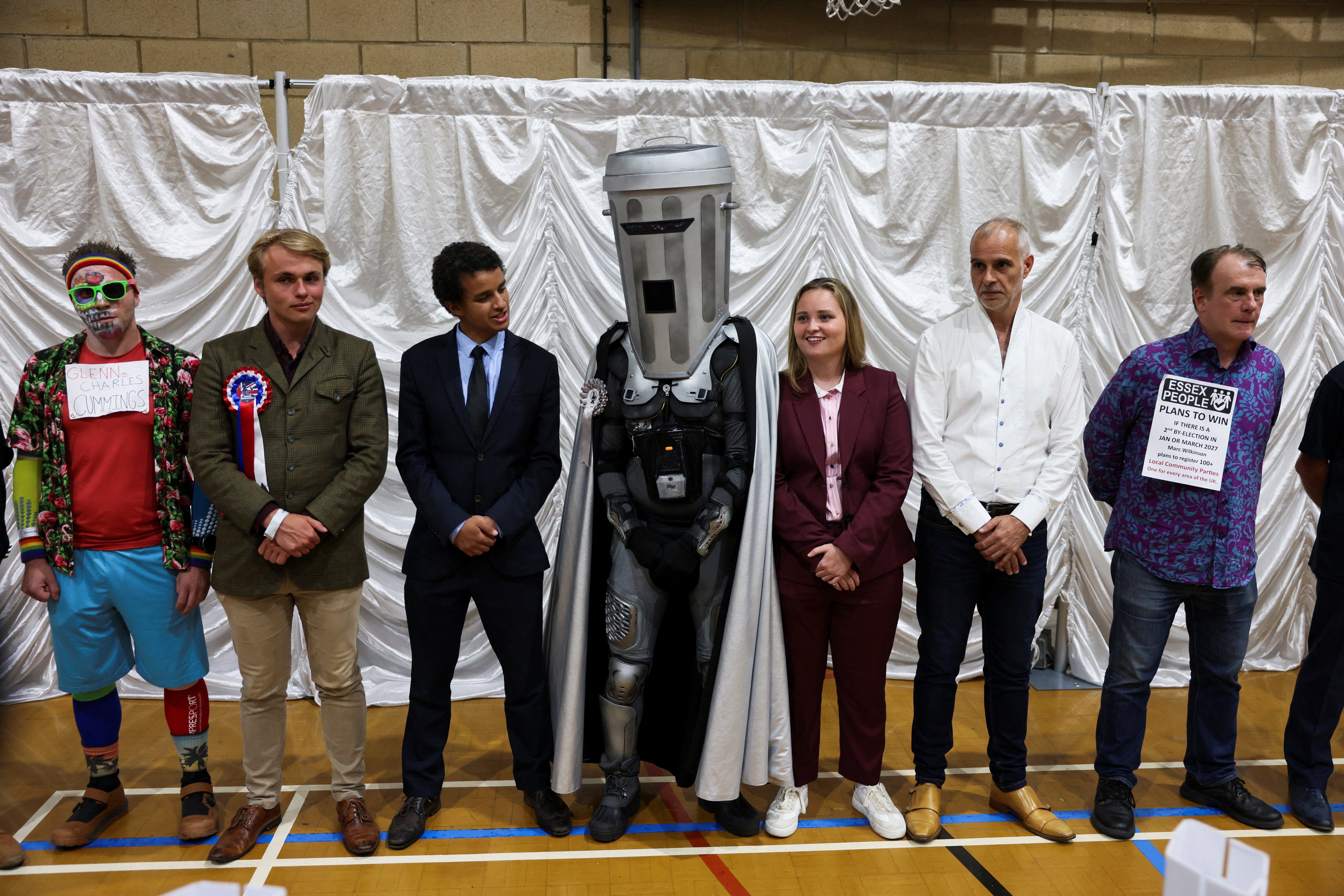
Unsurprisingly, the other political parties have drawn different conclusions, calling the £250,000 election, held in one of Britain’s poorest constituencies, a stunt. Comments by Labour and the Conservatives on the result quickly pivot back to the investigation.
After his election loss, Count Binface called the result a humiliation for Farage, comparing his Clacton showing with his earlier run in Makerfield against Burnham, claiming “10,000%” more votes this time round. More striking is his other figure: over one in four would rather a comedian in a bin as their MP. Binface is of course hailing his biggest-ever showing, both in votes and media attention.
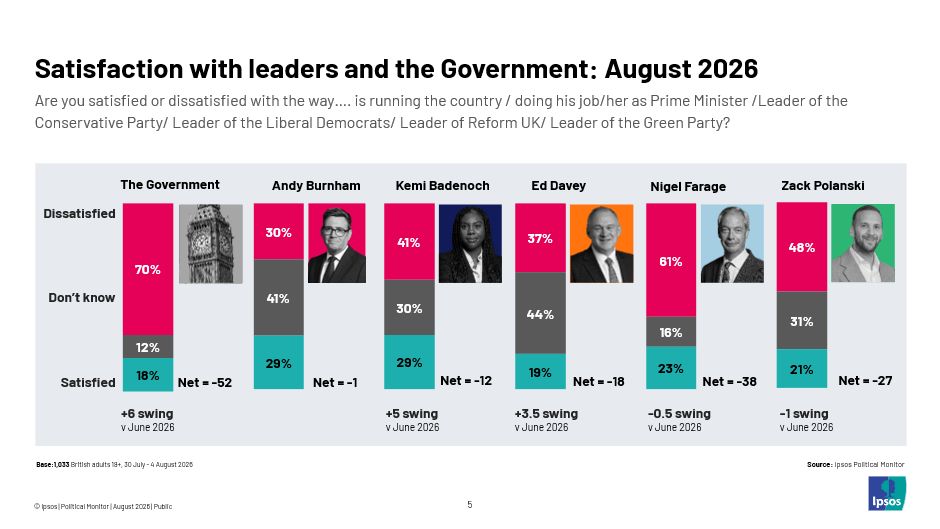
Latest IPSOS data shows Farage polling behind Burnham, and his approval rating is down. Farage may have beaten the bin at the ballot box, but with the parliamentary investigation back in full swing, the future is anything but clear for Farage.
Discontinuing the AI slop shop
When ChatGPT suddenly appeared in 2022 for free, we weren’t sure what hit us. While the advent of GenAI was new and exciting, most were familiar with the perils of AI through sci-fi. But with no practical tool widely available, this seemed like a problem for the future. But GPT was so easy to use that most glossed over how to use it appropriately or safely; the allure of the prompt in all its simplicity was too enticing, with full access to a tool that spits out reams of text in seconds. This created a very dangerous precedent. The art of writing has been cheapened, which the tech companies welcomed for the precious training data. It’s almost four years since that moment, and while many have railed against “AI slop”, only now does there seem to be meaningful pushback.
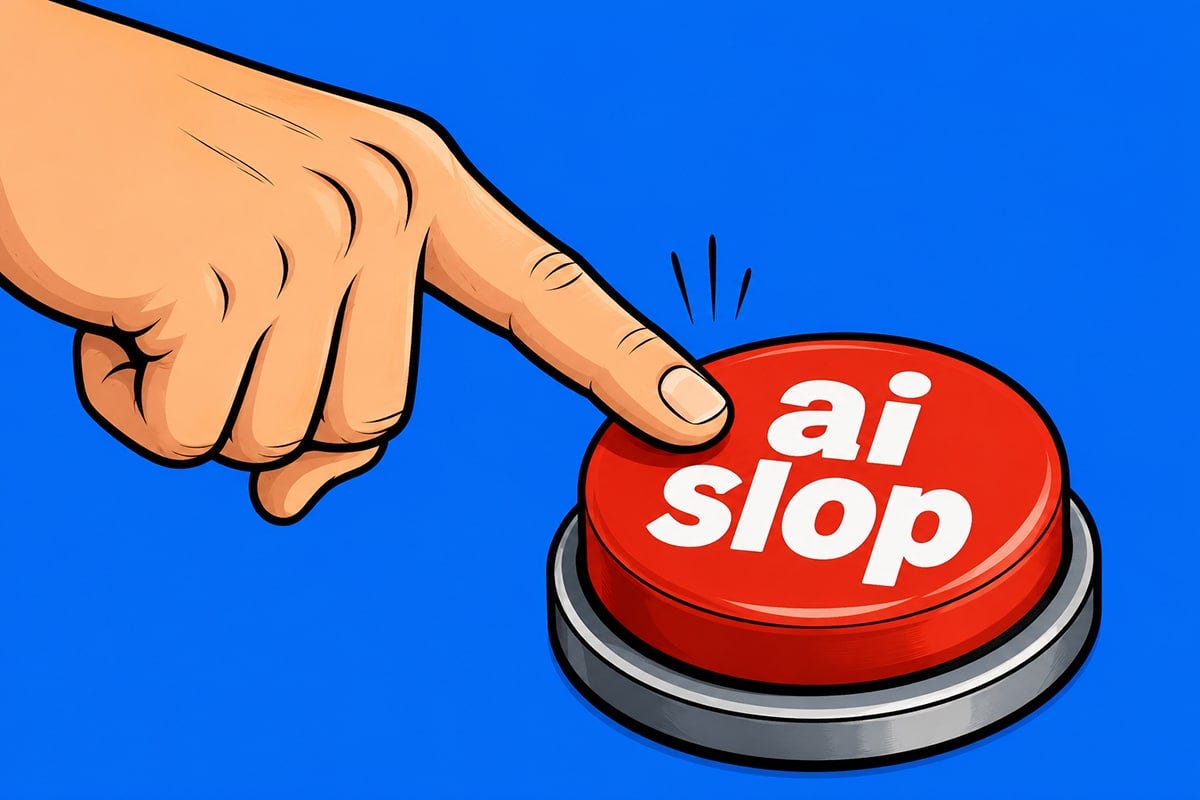
One major enabler of this change is the EU’s AI Act’s Transparency Code, which came into force on 2 August, requiring AI companies to mark AI content. And there has been action around this: LinkedIn - the unofficial home of AI content - has added a “seems like AI slop” button to flag and block users who rely too heavily on AI. Substack has implemented a similar system to detect blatant use of AI with minimal human intervention, while Snapchat announced that fully AI-generated videos will no longer be findable in its discovery feeds. However, many of these platforms offer their users built-in AI tools to make creating content easier, so really, it’s more quality control than a principled stand against AI writing and editing.
Anthropic has also opted into this framework, announcing that Claude will now embed an invisible watermark in generated text to detect AI, making it easier for the detection tools to sniff out those leaning a bit too heavily on Claude (Google has its own SynthID technology, which does something similar). For those using Claude to proofread and format text, it may also see a detectable mark, so it’ll be very hard to disguise one’s use of AI.
This won’t stop people from using AI, but it will make people think twice about how much they use it for their own content. The activity of trying to decipher what is man or machine-made has grown tiresome, so if it helps eliminate the AIisms that have infiltrated the World Wide Web, then it will be refreshing.
With Great Box Office…
In 2025, not one Marvel film entered the box office’s top 10, which for a once dominant studio leaves many questioning whether the Marvel era is over. One of its saving graces has been the umpteenth instalment of Spider-Man: Brand New Day, which has surpassed $700 million in domestic ticket sales, becoming the fastest film to notch the box office benchmark. Globally, with Tom Holland starring, it has brought in $1.8 billion after just two weekends of release. Insiders are even tipping it to surpass Avatar ($2.9 billion).
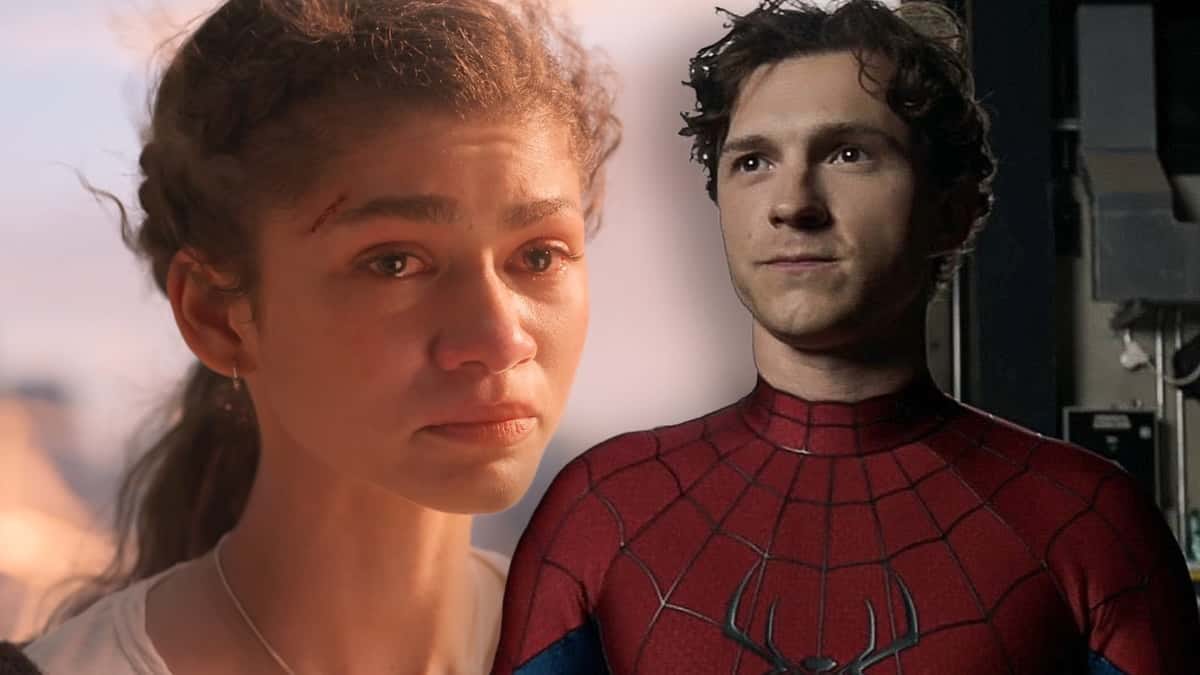
Is Marvel back, or is it leaning a bit too heavily on its star power? Hollywood’s favourite couple is playing the iconic romance of MJ and Spider-Man. More specifically, it is these roles that Tom Holland and Zendaya landed 10 years ago that mark the start of their love story. From meeting when they were 19, to now being Mr and Mrs Spider-Man. Everyone loves to blur the lines between reality and fiction, but even better when there are no lines. Both starred in Nolan’s The Odyssey, while Zendaya had The Drama earlier this year and has Dune: Part Three due in December. It is some run.
On top of this, Sadie Sink has also played a role in the Marvel revival and is going from strength to strength following Stranger Things. And then of course, the public undeniably loves Spider-Man, with the last instalment bringing Tobey Maguire and Andrew Garfield’s Spider-Men back into the fold, uniting three generations of fanbase in one go. We still see memes from the first film circulate today.
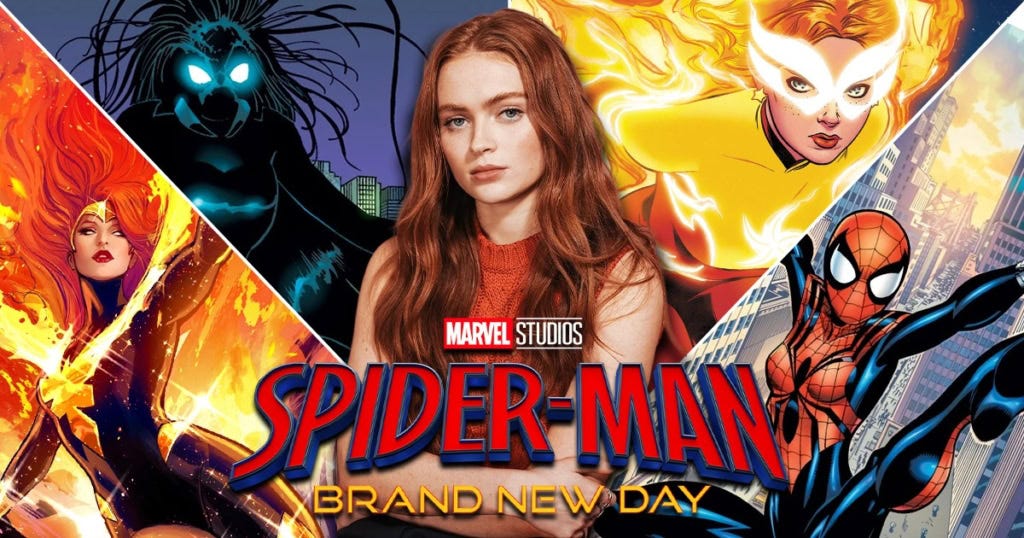
The numbers are eye-wateringly impressive, however you interpret them, and with no sign of slowing down, Marvel must use this as a jumping-off point. After a very slow start to the 2020s, they have a very clear opportunity to build on this momentum. Time will tell if it’s just the Holland/Zendaya bump, or if they actually have something to work with.
Barbie 2: Trouble in the Dreamhouse
Three years after Barbie turned the world pink, Warner Bros is discovering that getting everyone back into the Dreamhouse is rather more complicated than expected.
The sequel is stuck in a standoff between the studio and Margot Robbie, Ryan Gosling, Greta Gerwig and Noah Baumbach over new deals, with Warner Bros facing a December deadline before the rights revert to Mattel. According to reports in the New York Times and Variety, the studio has made six offers to the creative team, with Gosling said to be seeking $20m to return as Ken, more than triple his fee for the original. Warner Bros disputes some of the reporting, but the impasse is real enough.
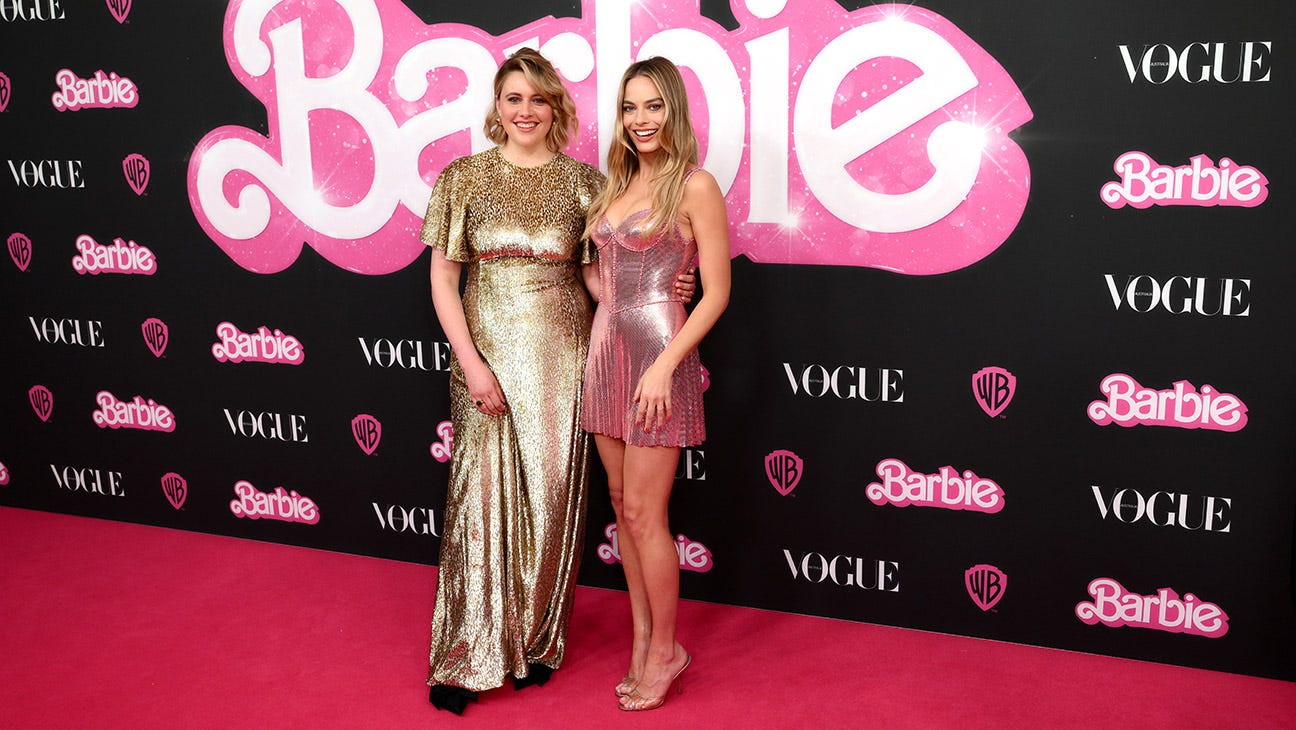
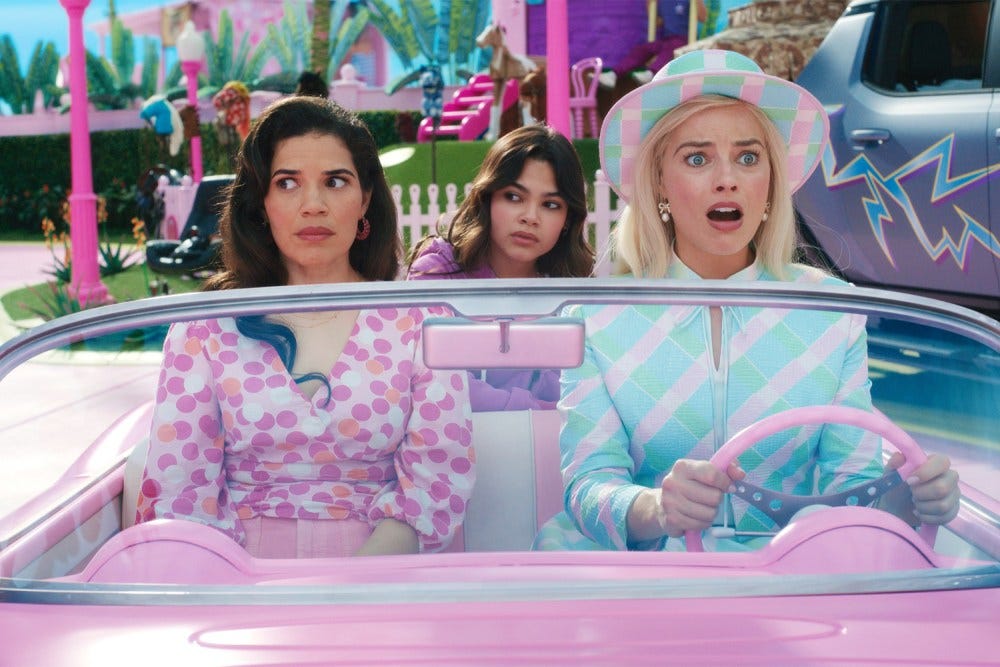
There is an obvious commercial logic to wanting another Barbie. The original made around $1.5bn, becoming Warner Bros’ biggest film ever and, alongside Oppenheimer, one of the defining cinema moments of the post-pandemic era. That logic looks more urgent given Warner Bros’ own recent run: both Supergirl and The Bride failed to recoup their costs this year. Walking away from a franchise with Barbie’s track record, while other bets are struggling, is a hard sell to shareholders.
This impasse has prompted a broader question of whether the public needs, or even wants, a Barbie 2. Hollywood seems to have a growing dependence on what has already worked, between Disney live-action remakes and the latest instalment of the Minions franchise, all released this year alone (Marvel too, as discussed above).
Two of this year’s biggest box office stories suggest that logic may be outdated. Obsession and Backrooms, low-budget horror films from first-time directors in their twenties, have outperformed franchise blockbusters at the box office this summer, evidence that audiences aren’t as risk-averse as studios assume.
Perhaps that is the lesson Barbie should leave behind. Its success came from taking familiar IP and turning it into something nobody had quite seen before, at a very particular cultural moment that is unlikely to be recreated. Trying to manufacture that moment twice may miss the point entirely. Whether a sequel follows or not, the real momentum this year belongs to a younger generation of filmmakers proving there’s still an appetite for something new.
Comments
Nothing yet. Say the first thing.
Sign in to join the conversation.