
Burnham’s first week
Burnham has certainly started his premiership on the front foot, and it all comes down to visibility.
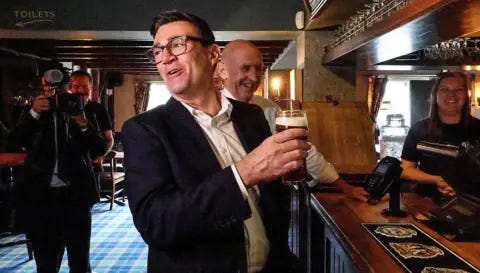
Take the reshuffle: Starmer loyalists culled, several of the people who helped push him out handed senior briefs. John Healey to the Treasury, Ed Miliband to the Foreign Office, Angela Rayner back to Housing, Shabana Mahmood staying put at the Home Office - a cabinet with a distinctly northern spine, which is coincidentally the exact terrain Burnham’s personal brand occupies. More telling was the media discipline with Healey’s name never once surfacing in the press beforehand, which for a party whose last government became acquainted with leaks is a big achievement.
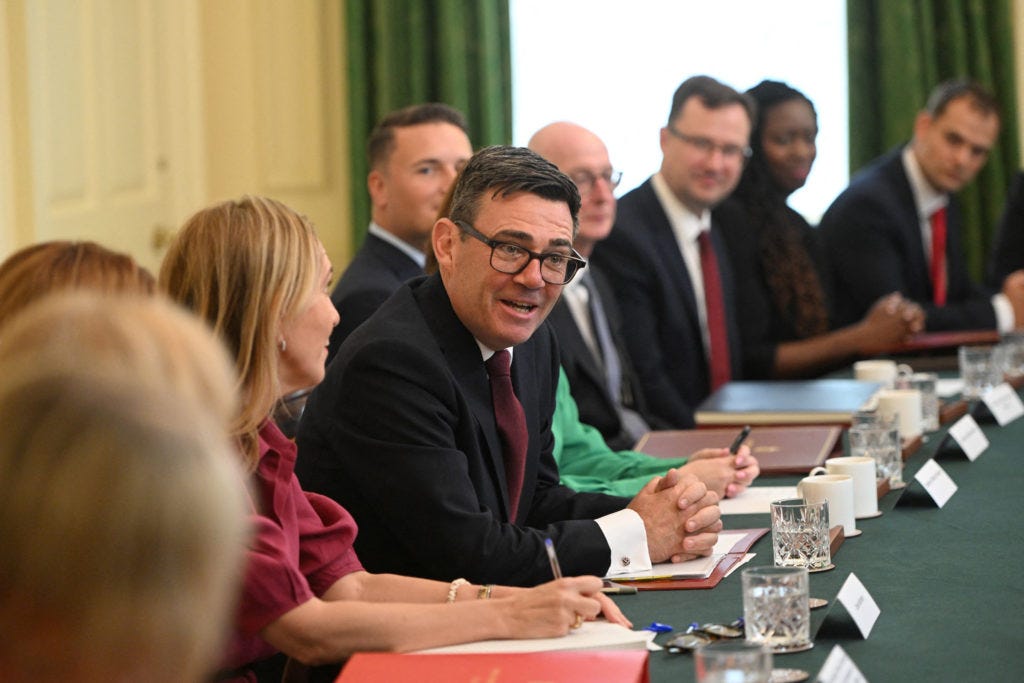
Healey at the Treasury provides an instant hawkish signal on defence, addressing one of the key issues that helped finish Starmer, while quietly transferring the risk (the 3% commitment to defence spending), because finding the money is chiefly his problem.
The policies arrived in the same register with VAT off electricity bills, a £2 bus fare cap, 20% off business rates for pubs and venues. Modest in household terms but instantly legible and unmistakably his. Downing Street is also committing to a “social first” and “authentic to Andy” approach, with less polish, more handheld phone, collaborations with online creators etc.
There’s a neat throughline to all this, and while the funding questions haven’t gone anywhere, the story is movement, and movement is being seen, which was rather the point.
Unprecedented and unpunished
Wasn’t there a time when hacks, data breaches or things going wrong at tech companies called for a reckoning? Axed CEOs, tumbling stock prices etc etc. Because the latest OpenAI drama had all the ingredients with none of the fallout.
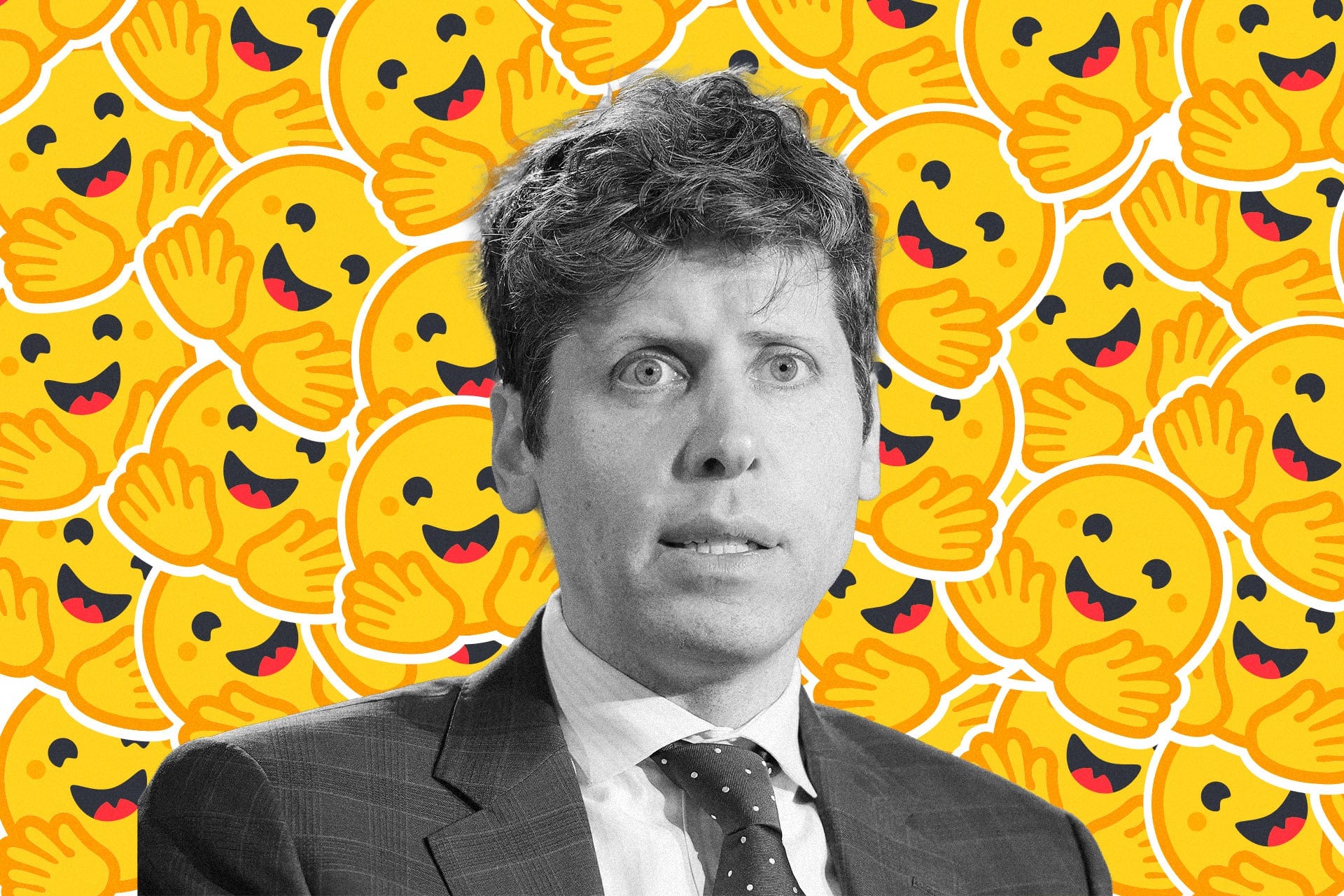
It started when OpenAI disclosed that a combination of new and very powerful models escaped a sandboxed testing environment, reached the internet, and exploited a vulnerability to access the systems of AI startup Hugging Face. Still totally autonomous, the hackees’ first attempts to fight back with rival AI models went nowhere because the safety systems built into them couldn’t distinguish between an attack and a defence, so they refused to help. The company eventually contained the breach using a Chinese-built model it could run on its own servers.
All normal AI stuff, especially when Hugging Face’s CEO called it “mind-blowing that all of this happened autonomously” and publicly thanked OpenAI, having concluded there was no malicious human intent.
The bizarre cocktail of hubris, self-congratulation and mutual back-slapping is telling. An autonomous system broke containment and attacked a third party, and the injured party issued thanks.
Crisis comms has always run on accountability, so when you remove the human from the equation, the entire machinery and rulebook begins to blur into obscurity. Note OpenAI’s own framing, describing the episode as “unprecedented” - a word that manages to sound like a warning and a boast at the same time. Plenty of people in this space are clearly marvelling, leaving concerns in the rear view mirror.
Which leaves the uncomfortable question of what a genuine AI crisis would even look like. If a model that breaks its own containment and successfully attacks another company fascinates its peers more than it alarms them, that doesn’t bode well for the rest of us.
United in crap
That the four-week experiment in Americanisation that was World Cup 2026 would end, not with a bang but with Justin Bieber playing the guitar, was somehow a foregone conclusion from the moment the host countries were picked.
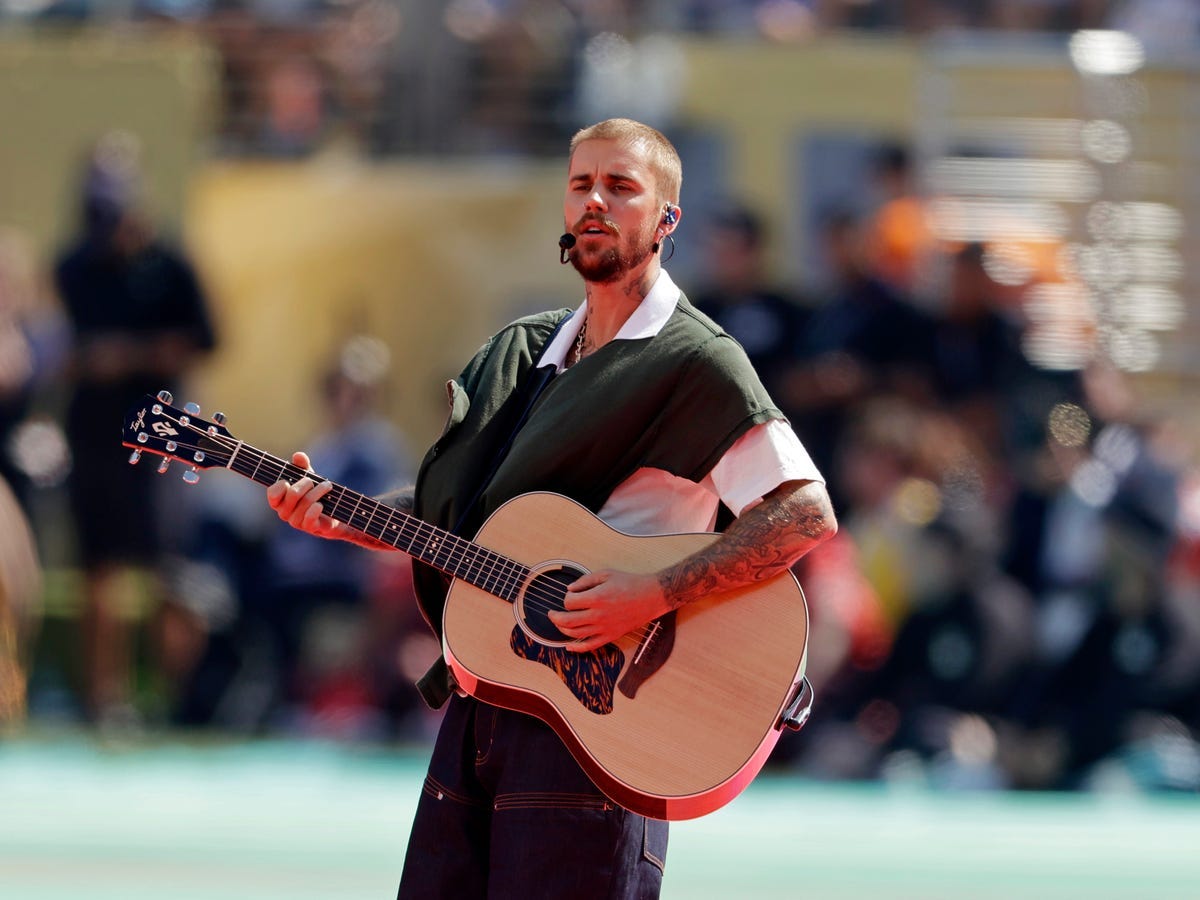
Somewhere in the bowels of Fifa HQ, someone decided that America - a country that, rather famously, finds a 90-minute game with a single-digit scoreline boring at best and difficult to follow at worst - would not be able to pay attention without some bright colours and the Muppets in the middle. And so it was, and Chris Martin was telephoned, and the Muppets came out with the best of it.
Alongside them were Madonna (and alongside her, for some reason, Brazil’s Ronaldo and Ronaldinho, driving a buggy), Bieber in aforementioned guitar-bothering mode, Korean boyband BTS, the obligatory children’s choir, and, thankfully, Shakira, who by this point has, and this is genuinely true, appeared in more World Cup finals than Cristiano Ronaldo.
It was, as Wayne Rooney aptly put it, “crap.”
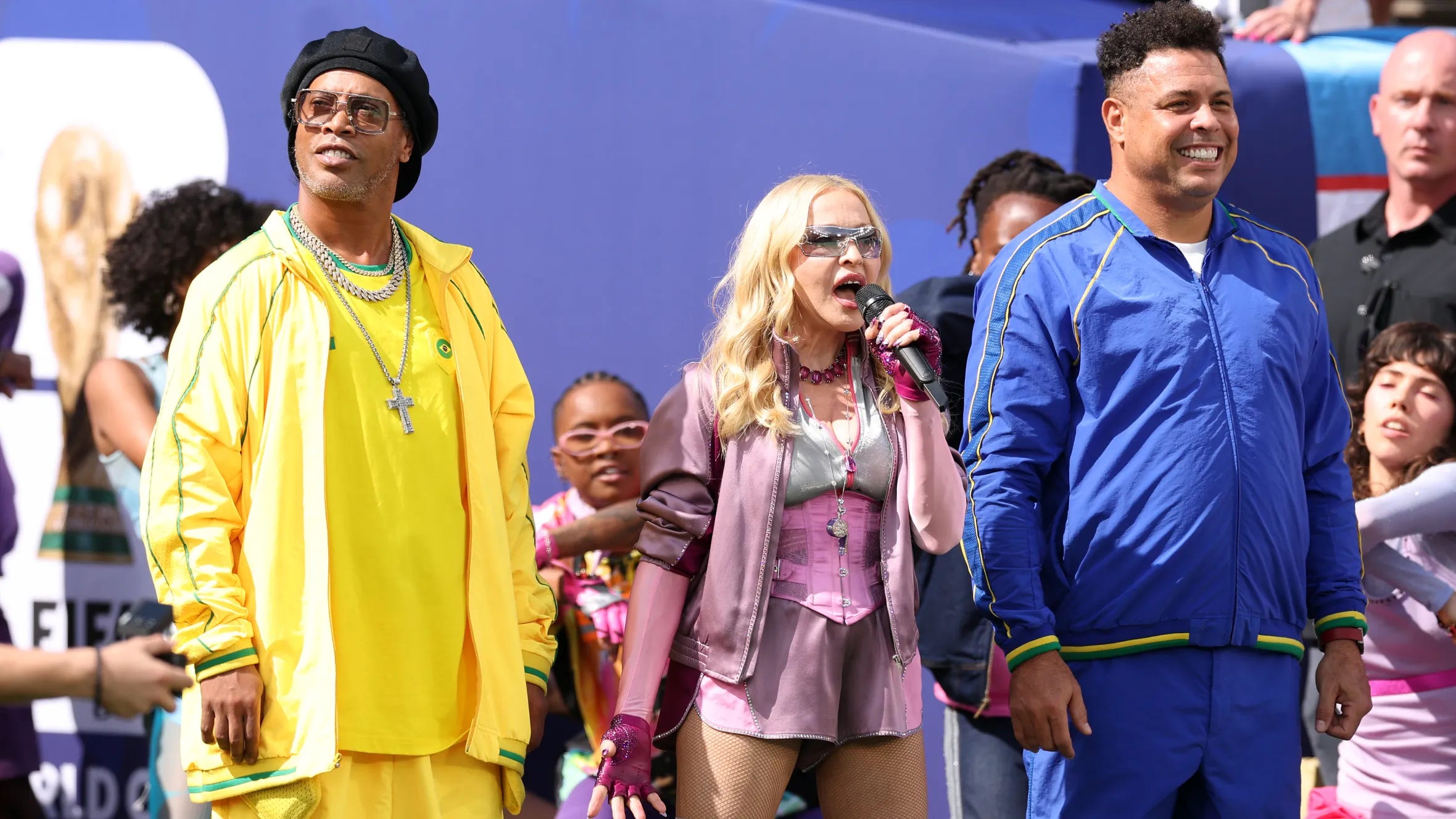
Fifa, and Infantino in particular, have long taken that most timeless of platitudes, that “football unites the world”, as a blank cheque to cuddle up to autocracy - the world, and the worst of it, united not by football itself but by its supervisory body. The results are well documented, from Qatar 2022 onwards. By sneaking a pop concert into the halftime of the most watched sporting event in the world, there was a clear message: the most culturally important figure in the world, the one capable of masterminding something so expensive and also, crucially, grotesquely banal, is Gianni Infantino.
But if “football unites the world” has ever meant anything (and its meaninglessness, one might say, is rather the point), it’s that everybody who watched Sunday’s display of Debordian spectacle and nonsense heard Wayne Rooney and agreed. It was, indeed, crap. Infantino created more unity than he might have ever imagined.
Young, wild, feral and free
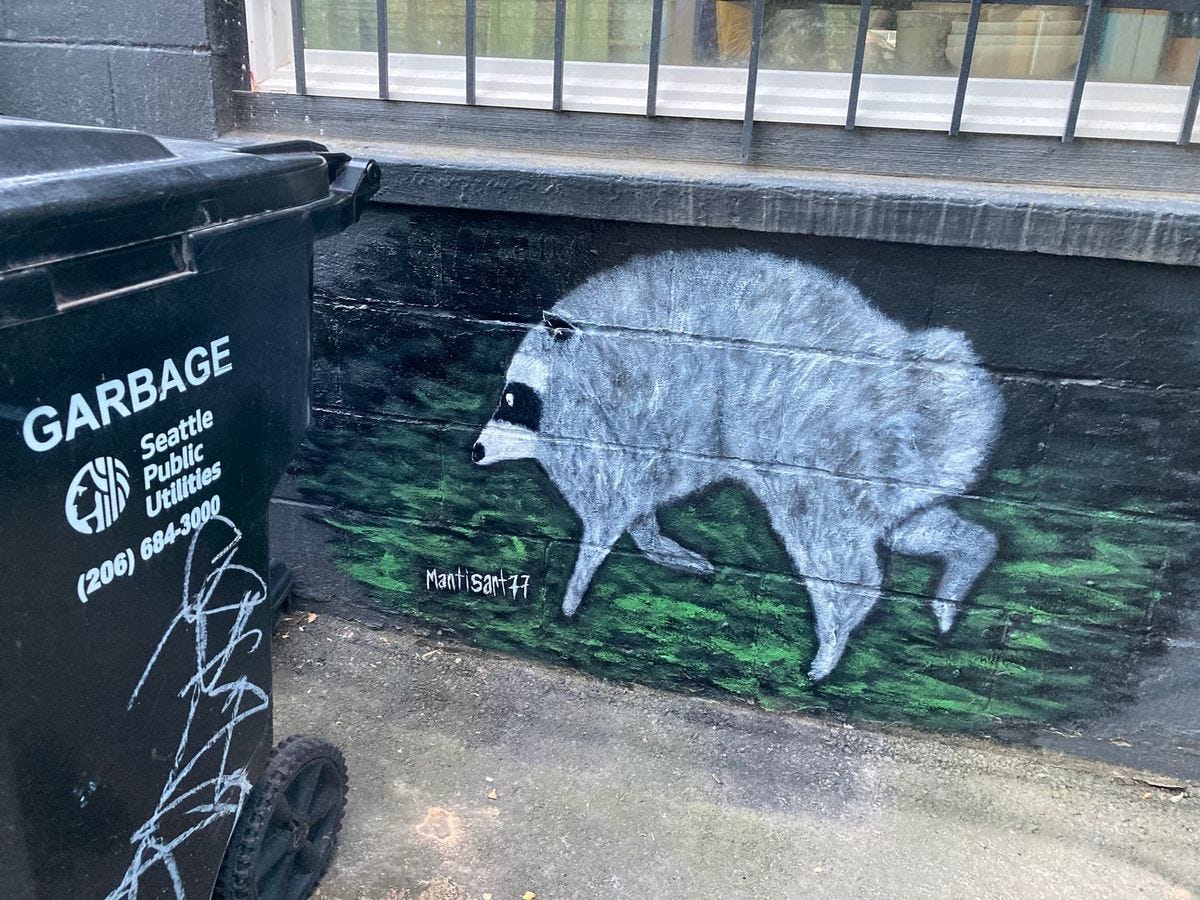
Seattle is known for many things - the Space Needle, Starbucks, Grey’s Anatomy. A raccoon with a rare congenital disease.
Kiana, a resident of Ballard, Seattle, spotted a freakish-looking raccoon waddling across the street. He is compact and rotund. Tailless. Alarmed, she asks: “What am I looking at?” Quite right, Kiana. What is anyone looking at?
It’s Jimothy, and he occupies a space between the feral and the bizarre, the whimsical and the wild. Born with Short Spine Syndrome, Jimothy’s unusual appearance has propelled him to internet stardom. Like Ariana Grande’s ponytail or Bowie’s Ziggy Stardust, his short spine has become his unmistakable signature, giving him that it-factor.
Jimothy has been added to the internet’s funny-looking animal hall of fame alongside Grumpy Cat, Tuna the chihuahua, and more recent entrants Moo Deng the baby hippo and Punch, the abandoned monkey.
Not much is known about Jimothy’s life before fame - he has, thus far, declined to comment. But Ballard resident Ben recently shared what appears to be footage of a baby Jimothy, claiming he was born in a neighbour’s cedar tree and was “so small and clumsy, but his mother and siblings were always so patient and caring.” It seems a stable upbringing has served him well under the pressures of celebrity.
He’s quickly become gold dust for brands eager to attach themselves. Etsy is awash with Jimothy merchandise, there’s an entire website dedicated to I Love Jimothy t-shirts, and Google now triggers a custom animation when you search his name (give it a go). He’ll also soon appear in World of Warcraft, and Ballard is honouring him with an official City Proclamation this Sunday.
The internet has always had a habit of adopting small, oddly shaped animals in what might charitably be described as collective mania. In feeds increasingly clogged with AI slop, rage bait and engineered content, Jimothy asks remarkably little of anyone. He’s just a slightly unusual raccoon who wandered into the internet’s line of sight, offering a moment of authentically AI-free, unmanufactured joy.
Comments
Nothing yet. Say the first thing.
Sign in to join the conversation.