
Following refugee routes to understand protection, law, and practice
On March 20, 2026, in Katowice, I worked with social workers on a deceptively simple exercise: following refugee routes.
Not in a storytelling sense and not as an exercise in empathy. We traced movement through borders, informal crossings, waiting zones, detention points, returns, and procedural pauses. Once you do that, protection needs stop being abstract, while international protection and EU asylum law stop feeling like a single decision moment. Explicit consideration of routes turns legal determination into a protection-sensitive process.
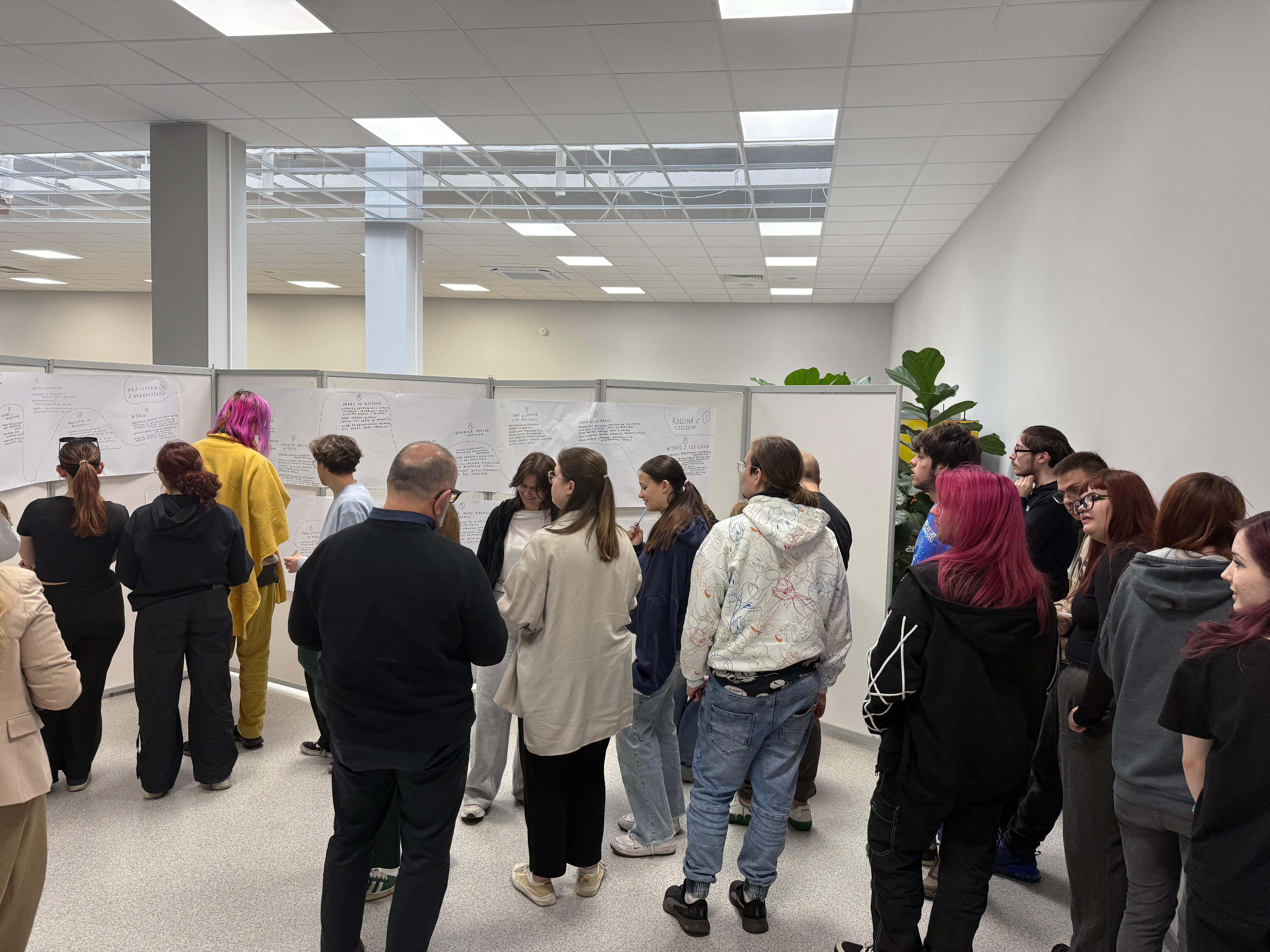
What routes reveal that case files often miss
When you follow a route, vulnerability becomes cumulative. Violence, enforcement, lack of information, prolonged uncertainty, and fragmented procedures stack on top of each other. Legal status or a screening checklist alone do not capture this.
During the workshop, routes explained many things practitioners encounter daily and struggle to interpret: distrust of institutions, inconsistent narratives, missed appointments, resistance to formal procedures, or the opposite, automatic compliance with documents that should raise red flags.
Seen through prior encounters with borders and authorities, these behaviours make sense. They are neither accidental nor individual failures. Rather, they are structured by law, policy, and enforcement practices encountered along the way.
Route‑based thinking as a legal and social tool
For those working with refugees, asylum‑seekers, and migrants, route‑based thinking does something very concrete. It reconnects international protection law and EU asylum law to lived experience.
Participants mapped stressors and resources across stages of movement: before departure, during transit, after arrival. They then marked where legal and social interventions realistically have leverage. A recurring insight was that legal empowerment works best when it is timed to routes, not only to procedural milestones.
Information given too early is forgotten. Given too late, it becomes damage control. Given at the wrong stage, it increases fear rather than agency.
Working with law, not against experience
The workshop also focused on trauma‑informed practice in direct relation to asylum procedures. Interviews, appeals, and institutional encounters are not neutral events for people whose routes include prior detention, violence, or deportation threats.
Integrating trauma‑informed principles into legal and social work is not about softening standards but about making procedures intelligible, predictable, and proportionate, so that law does not unintentionally reproduce harm. This matters not only for clients, but for practitioners. Several discussions circled back to secondary trauma, burnout, and moral stress when systems demand output while limiting meaningful protection.
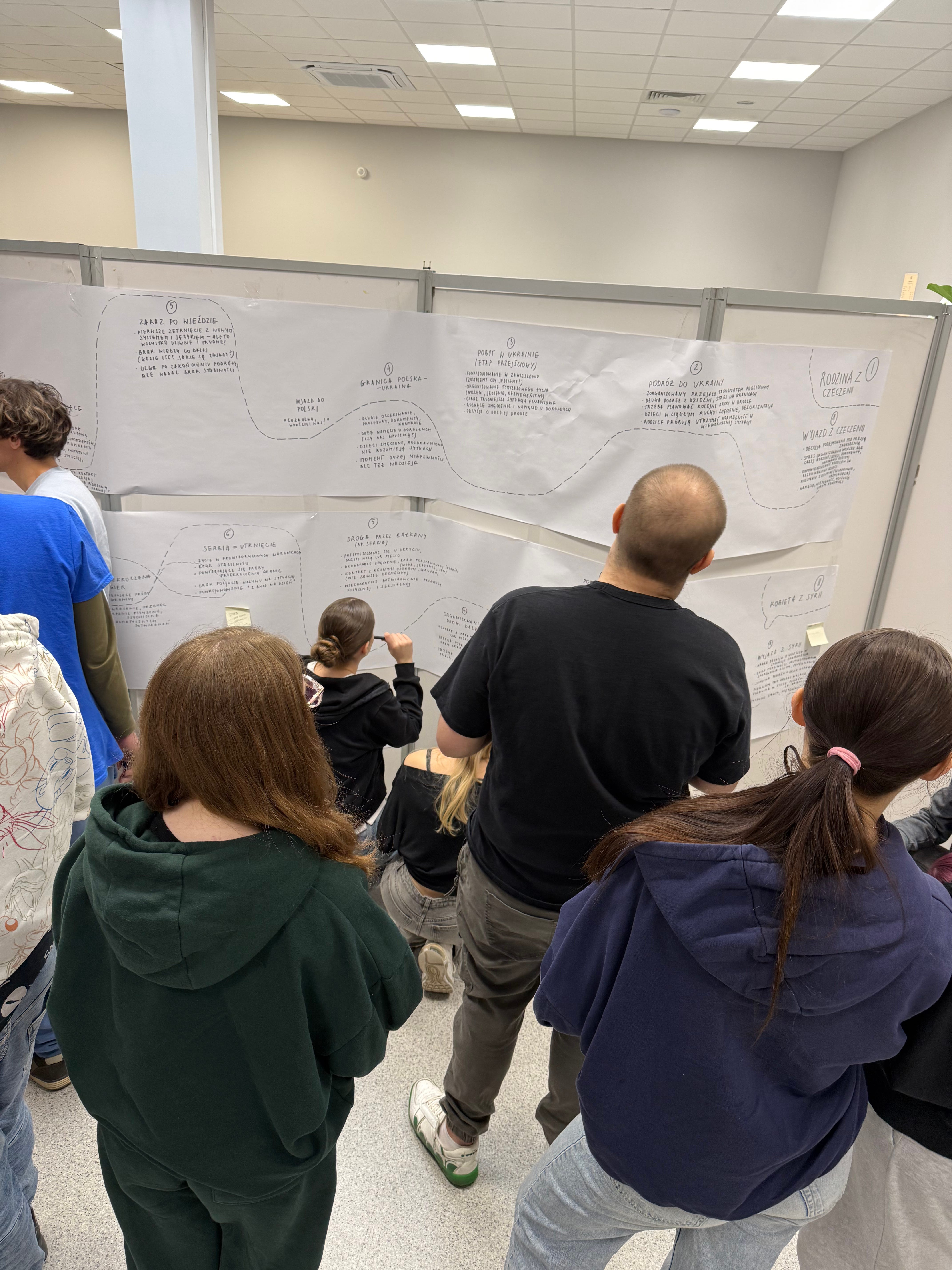
Resources that travelled well across professions
Some tools resonated across disciplines during the workshop, and hopefully they can contribute to your daily practice as well.
UNHCR’s Route‑Based Approach, which treats movement itself as a protection space rather than a prelude to asylum.
The Routes Monitor platform, designed to surface risks and rights violations along migration corridors.
Trauma‑informed approaches integrated directly into legal and social casework, particularly around decision‑heavy moments.
Route‑based thinking does not solve structural constraints but it helps practitioners identify where their intervention matters most, where it must be cautious, and where institutional limits need to be acknowledged openly. For social workers, similarly as for lawyers, and protection professionals, routes are not background context but an essential part of the case file.
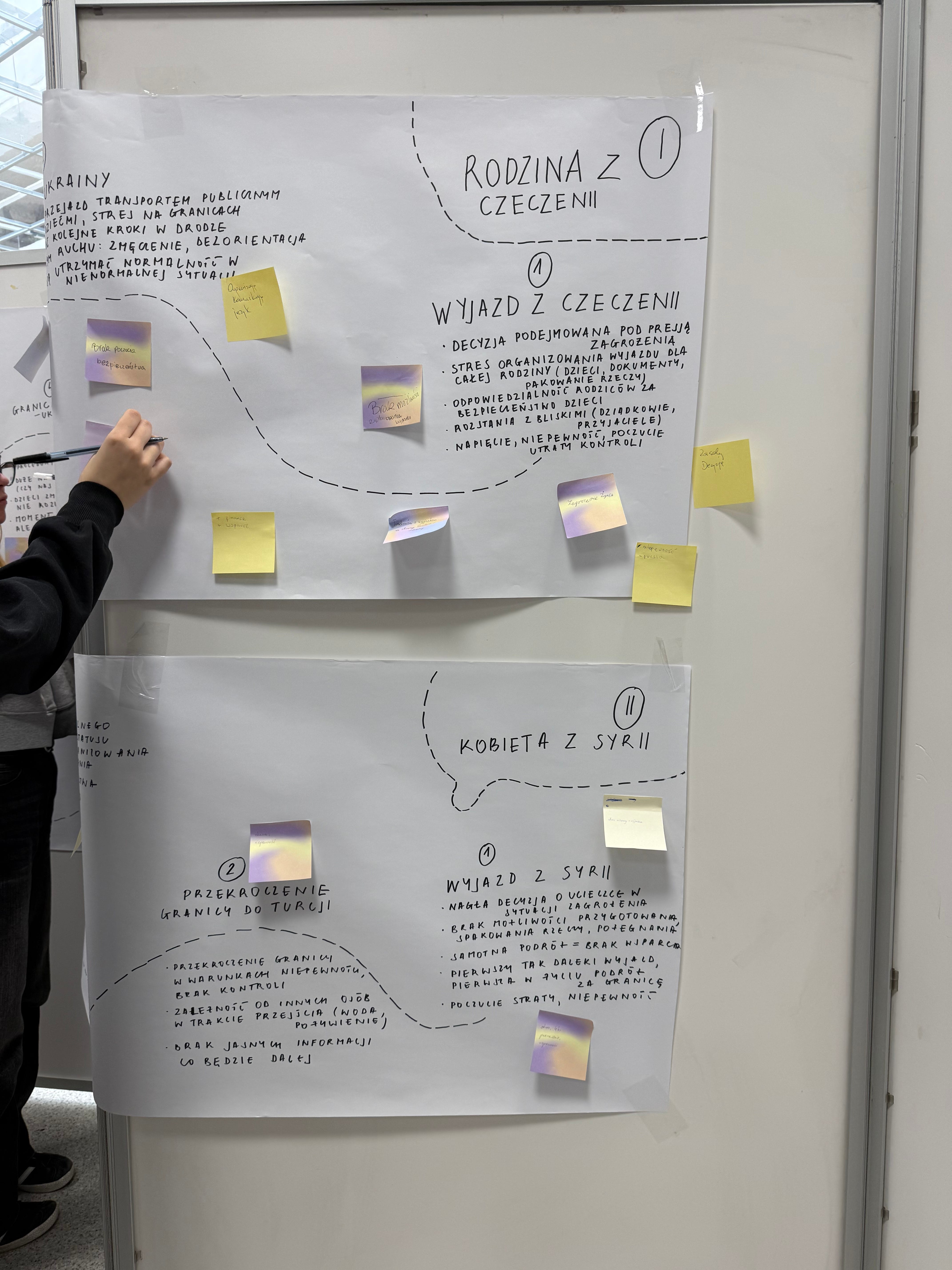
I’m grateful to the organizers and participants of the 12th National Social Work Week (XII Ogólnopolski Tydzień Pracy Socjalnej) for bringing precision, ethical tension, and care into the room. The quality of the discussion confirmed how much expertise already exists on the ground when the right analytical lens is shared.
If you work at the intersection of refugee protection, asylum law, and capacity‑building, I’d be interested to hear how route‑based approaches shape your work.
Comments
Nothing yet. Say the first thing.
Sign in to join the conversation.