A Discourse Upon Foreskins
He leaned back in his chair and looked up at the leaves of the oak or elm. Ah, yes, he thought, it was a beautiful afternoon, and look at all these pages he’d blackened with ink! What a subject, he thought: foreskins!

Live Last read · last published · next check
He leaned back in his chair and looked up at the leaves of the oak or elm. Ah, yes, he thought, it was a beautiful afternoon, and look at all these pages he’d blackened with ink! What a subject, he thought: foreskins!
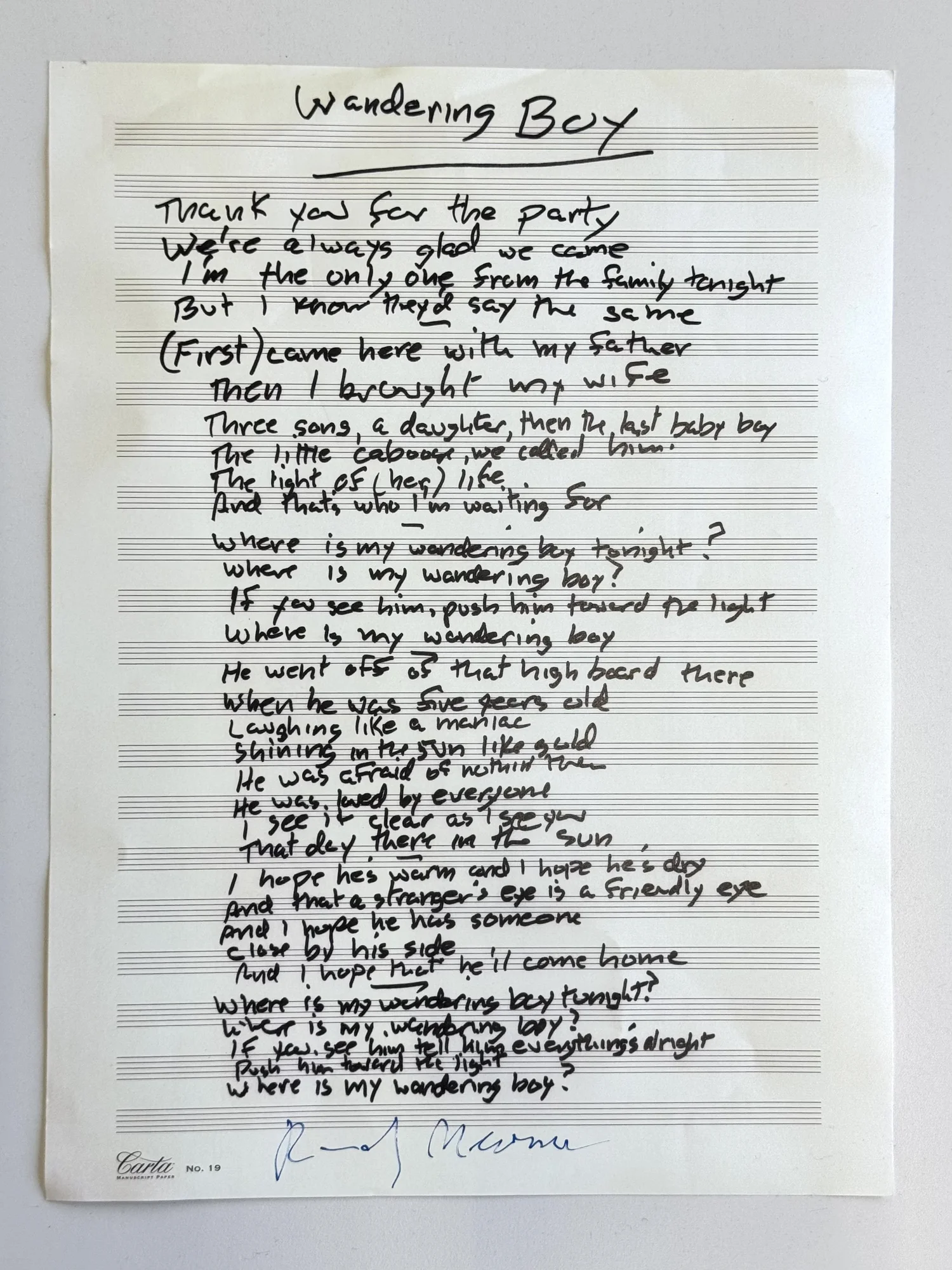
What makes you think I am going to die? As far as I’m concerned, it will not happen in my lifetime. In the unlikely event that it does happen… I hope someone will sing to me.
The soul's traditional appointments after forty days or eighty days or in the moment of the first cry never arrived, and so a woman walks past a dry canal past the mill of her childhood past the dead to meet the soul, but she comes instead to the sea again and to a cracked wall, its stone scored with cracked veins, and on pressing her palm against it finds warmth.
To inhibit the imagination is a form of self-censorship. If you censor yourself, then you shouldn’t be writing in the first place. True writers must develop a pachydermatous skin because illiterate readers (an oxymoron that’s unfortunately alive and well) are bound to charge you with this or that thought crime.
In her side-view mirror, she saw the watch diminish to a glint stolen by the wind. She wished she could snuff out the sun as well, for it proved a nuclear timepiece, unavoidable if but for blind eyes, and even then you could still sense it on the skin as it stimulated melanocytes. Not to mention the globe’s diurnal nature, which in the absence of a sun would still succumb to the ticking stars—…
I dogear, bookmark, highlight, underline, write in the margins, write shopping lists in the back of them. I never treat them as pristine artefacts. And I like to see my marginalia of yesteryear.
I was the kid who looked up from reading, unsure what time it was or where I was or even who I was. I love that feeling, something that’s gotten harder to get back as an adult
And so, horizontal on the carpet, sweat drying on my forehead, staring up at our painted wood-lath ceiling, I heard this chorus, and a lump ballooned in my throat. I sobbed.
I no longer sought the novel as the ‘bright book of life’. I’m tempted to say that my taste darkened, but it was more complex than that. It was a matter of a kind of involution – of a writing concerned with itself, with what called it into existence, however pretentious that may sound. I wanted to see what could be done with writing.
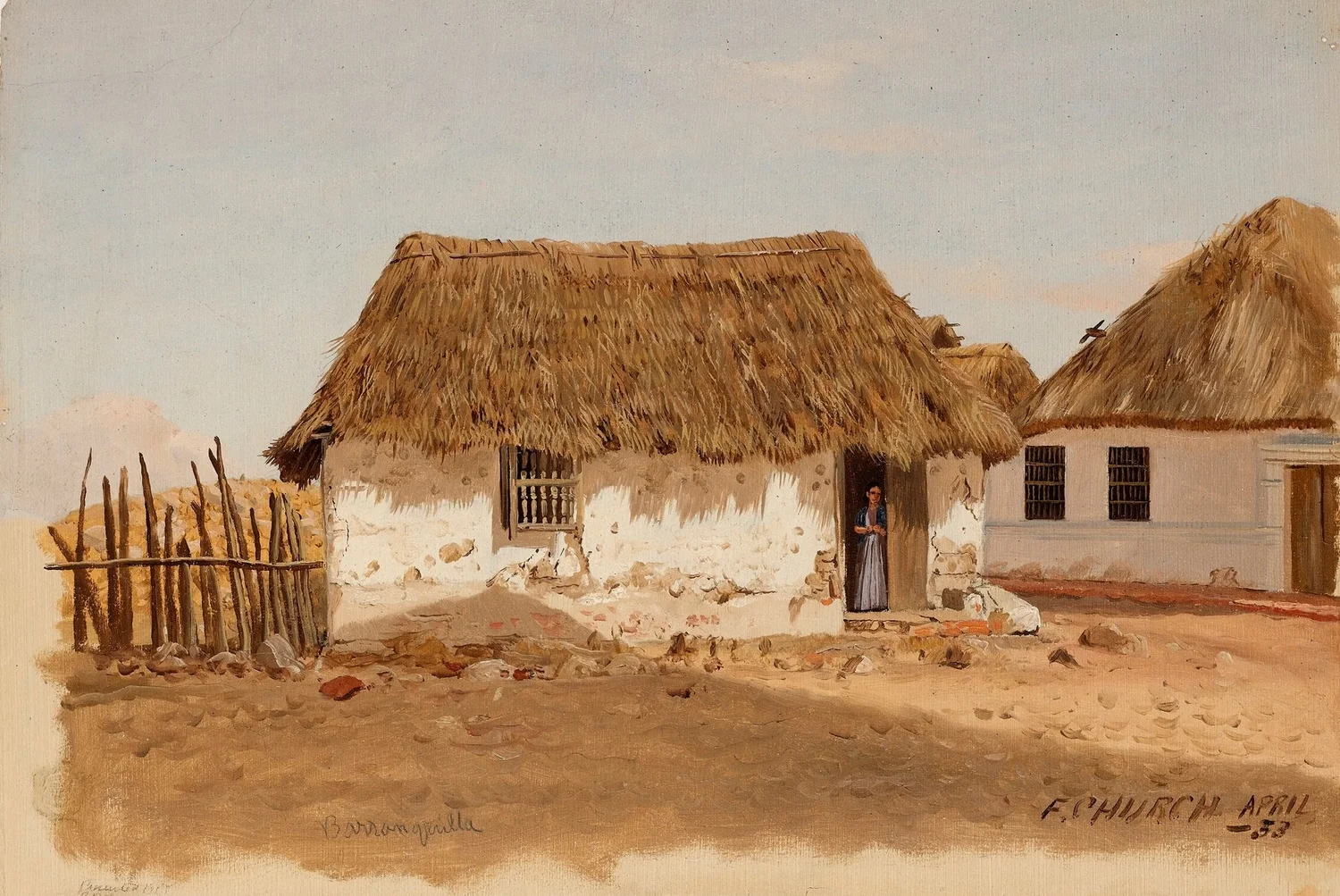
In this lyrical meditation on One Hundred Years of Solitude and the 1928 Banana Massacre, Nathan explores how Gabriel García Márquez transforms historical silence into mythic resonance. He argues that the power of fiction lies not in recovering lost facts, but in the arrangement of language itself—a structure that resists forgetting when history fails.