
It’s been quite a while since I’ve compiled a book guide for you all and I’m excited to share this one with you. This month I’m sharing a human science focused book guide full of wonderfully fantastic reads on a variety of topics within the human sciences. We have death, foresight, language, female evolution, dreams, friendships, navigation, and parenting. I hope you find something worthy of adding to your TBR.
Happy reading!
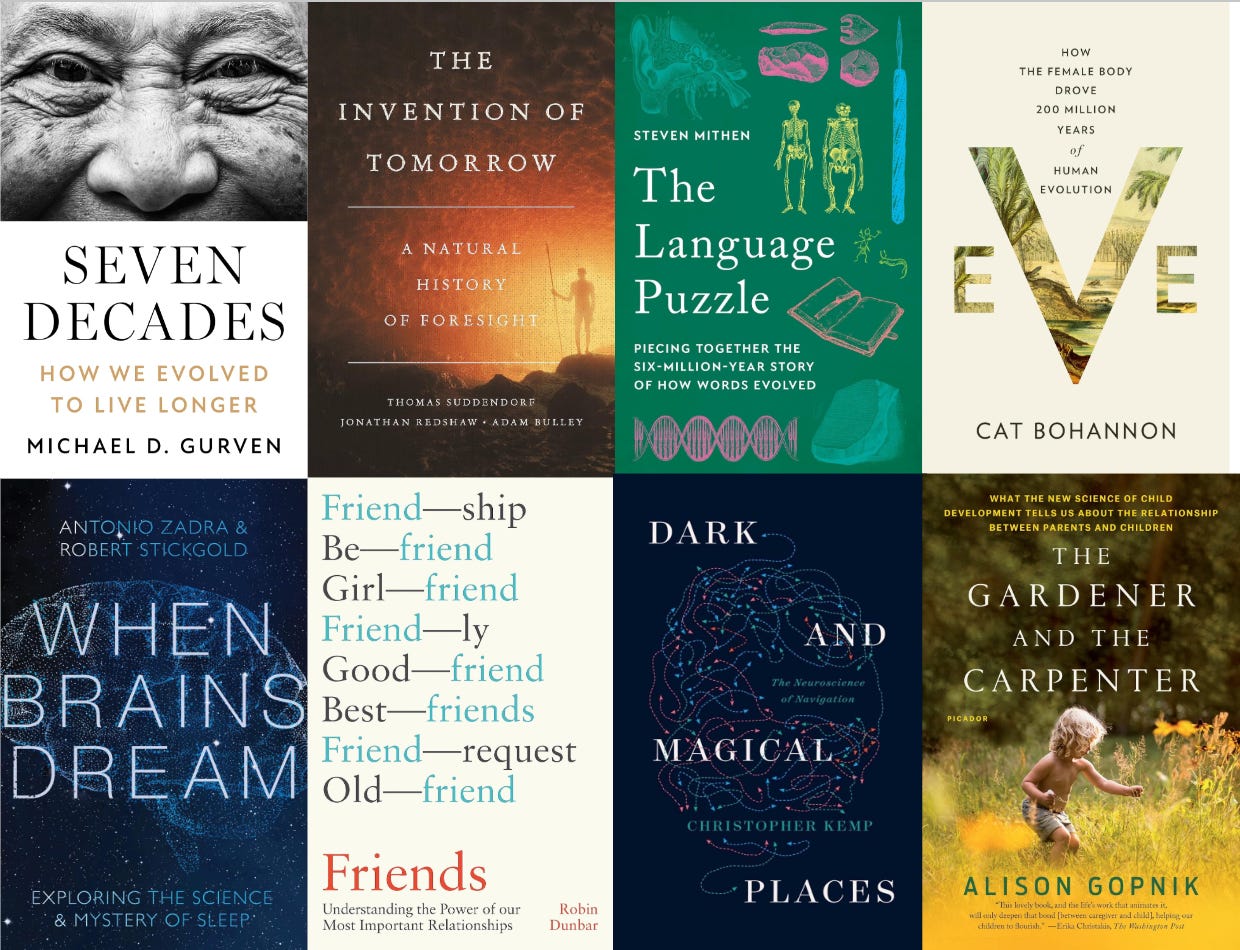
Seven Decades: How We Evolved to Live Longer
By Michael D. Gurven | Published 2025 from Princeton University Press | Read my review
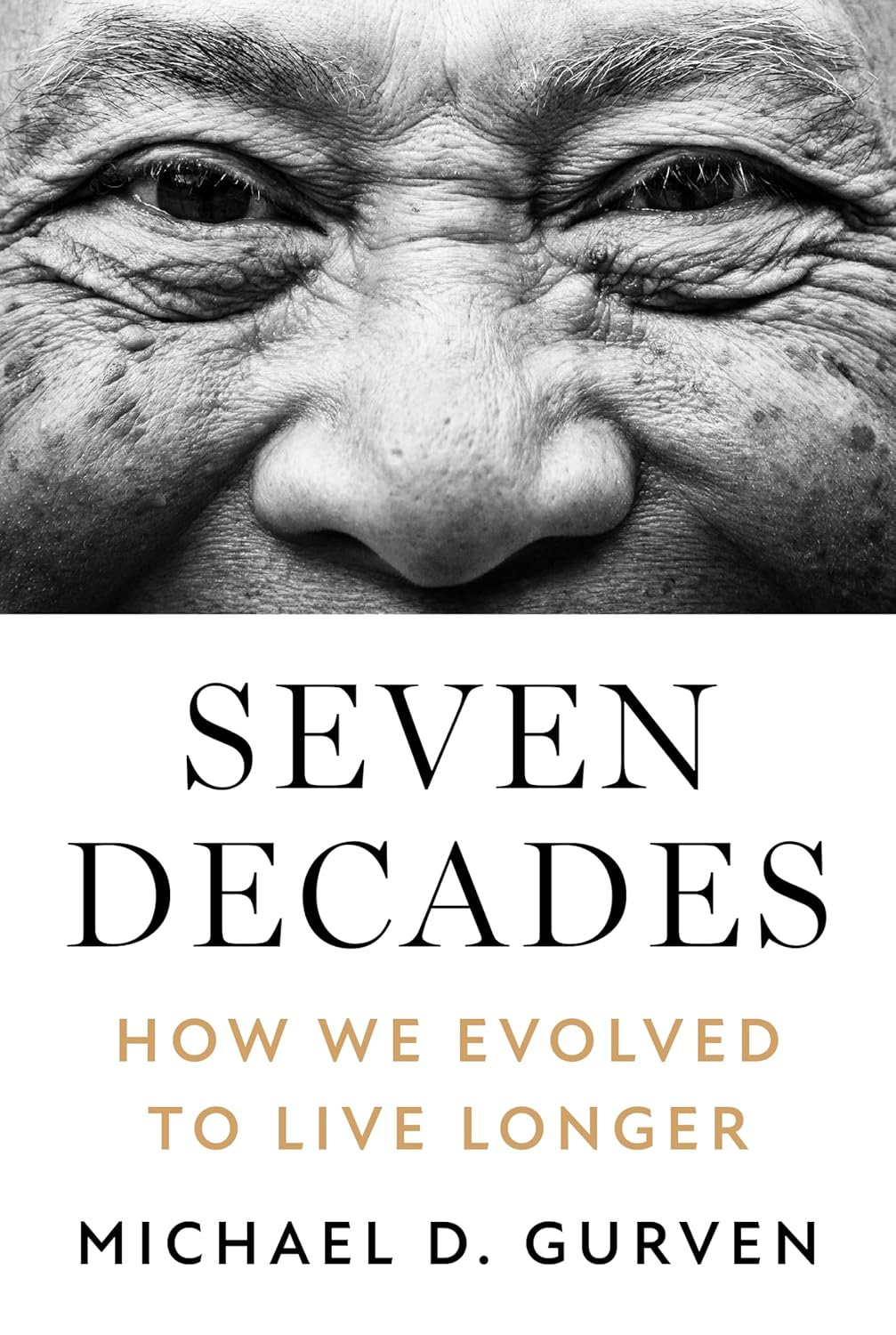
Seven Decades is split into three parts. The first covers the basics of lifespan, life expectancy and other foundation concepts, along with clarifying other common terminology, statistics, and methodology in the field of aging and lifespan. In part two, Gurven details more of the deep evolutionary history of our lifespan, including the fitness benefits of long life and theories about selection pressures that may have produced the type of lifespan humans experience. The final part comes up a level to discuss more of the psychology and sociology of aging. Overall, this is a great book and is extraordinarily comprehensive in scope and detail. If you’re going to read one book on aging and why we humans live as long as we do, this is the book.
The Invention of Tomorrow: A Natural History of Foresight
By Thomas Suddendorf, Jonathan Redshaw, and Adam Bulley | Published 2022 from Basic Books | Read my review

This remains one of my ultimate favorite human evolution books. The Invention of Tomorrow is a synthesis of human evolution, developmental and cognitive psychology, and neuroscience explaining in detail what foresight is, how it develops, how it evolved, and what it means for the future of our civilization. It’s an expertly written book, highly informative, and enormously engaging. Foresight, or our ability to create mental models, thoughts, and predictions about a future state – and plan accordingly – is a foundational part of our cognitive machinery that makes us who we are as humans. Our personal “time machine”, as the authors refer to it, is what makes our societies possible. It’s what set humans on the trajectory of apex predator and world dominator in an evolutionary blink of an eye.
The Language Puzzle: Piecing Together the Six-Million Year Story
By Steven Mithen | Published 2024 from Basic Books | Read my review
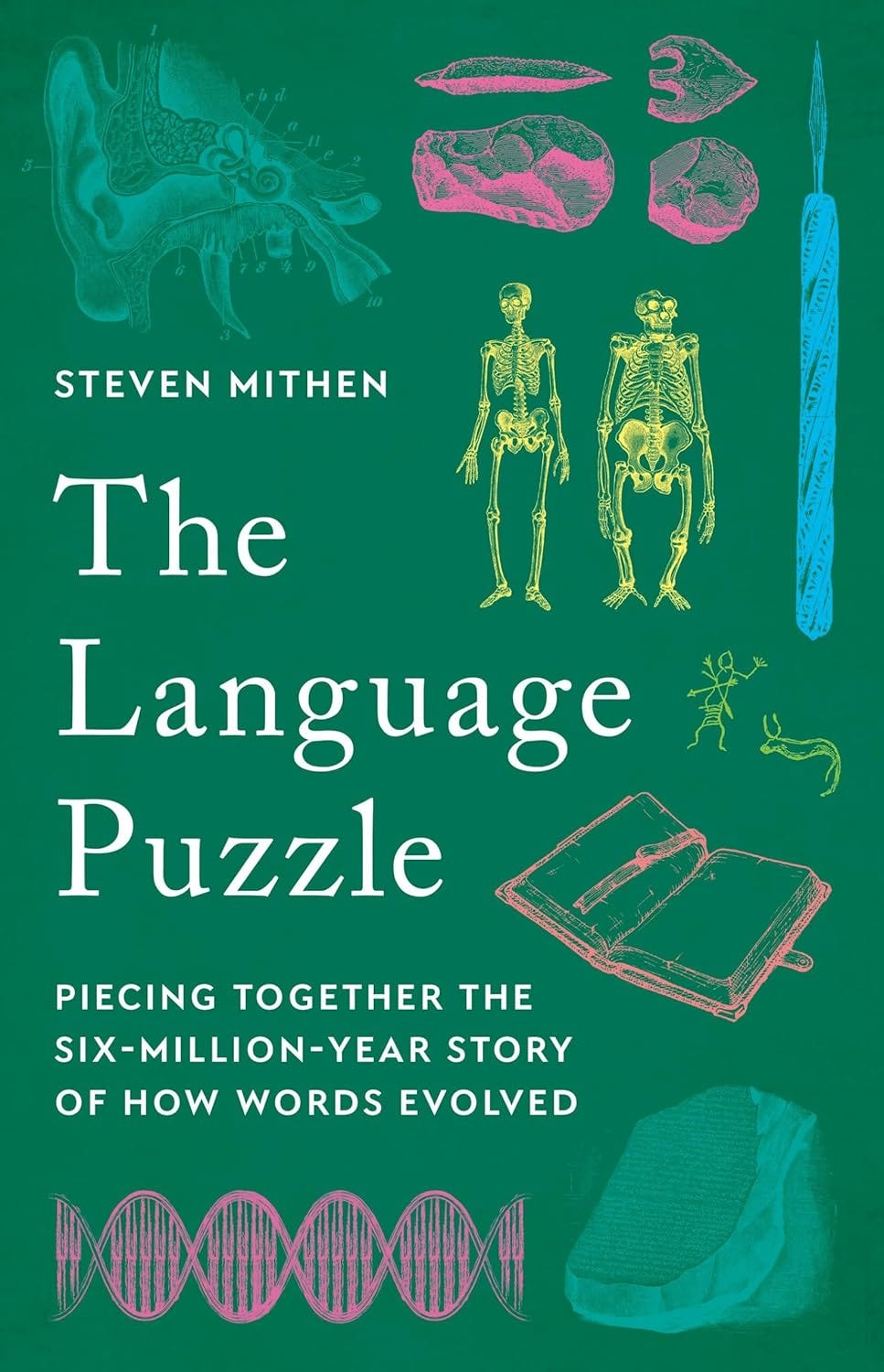
The Language Puzzle is a highly detailed book and explicitly evolutionary in scope. Mithen’s basic theory is that language evolved from vocalizations, not hand gestures, citing evidence of animal communications having specific meanings that others understand. He also shows how the development of the vocal tract and mouth allowed for, or restricted, the range of sounds human ancestors were capable of making to piece together the constraints on language throughout human evolutionary history since our split with chimpanzee ancestors about six million years ago. He then goes into detail of how calls turned to iconic words and eventually to abstract words and metaphors that now dominate our language. Plus, he beefs with Pinker’s viewpoints on language evolution.
Eve: How the Female Body Drove 200 Million Years of Human Evolution
By Cat Bohannon | Published 2023 from Knoft | Read my review
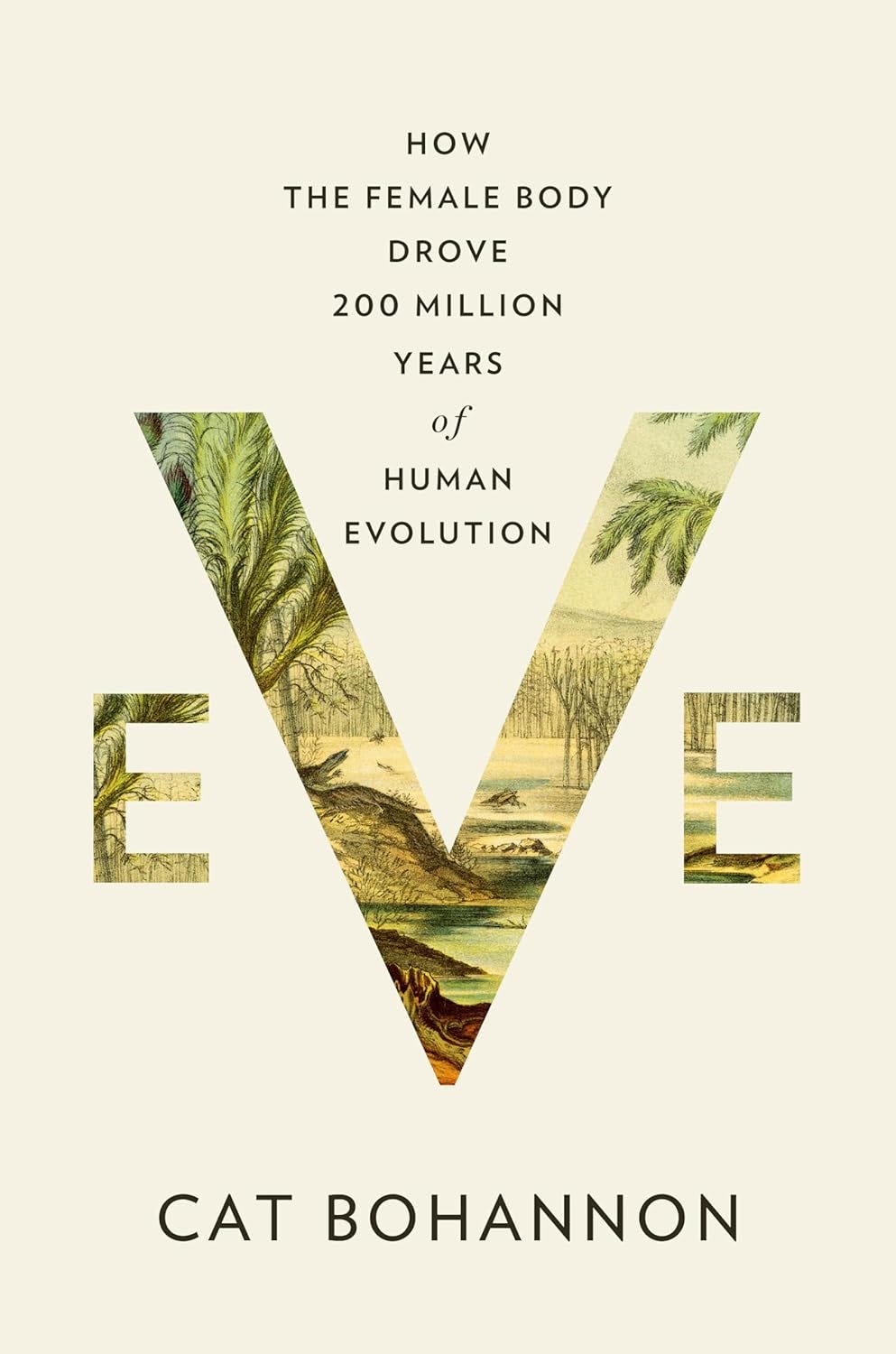
Eve takes a unique approach in its set up. Each chapter is dedicated to one key aspect of human evolution – milk, walking, language, etc – with a focus on how sexually dimorphic evolution and female adaptive problems drove the evolution of each of those human traits. The title of the book is so because in each chapter, Bohannon attempts to find the ‘eve’ or the first evolutionary manifestation of each trait in focus. It’s a fantastically original approach to the topic of female evolution.
When Brains Dream: Exploring the Science and Mystery of Sleep
By Antonio Zadra and Robert Stickgold | Published 2021 from W. W. Norton & Company | Read my review
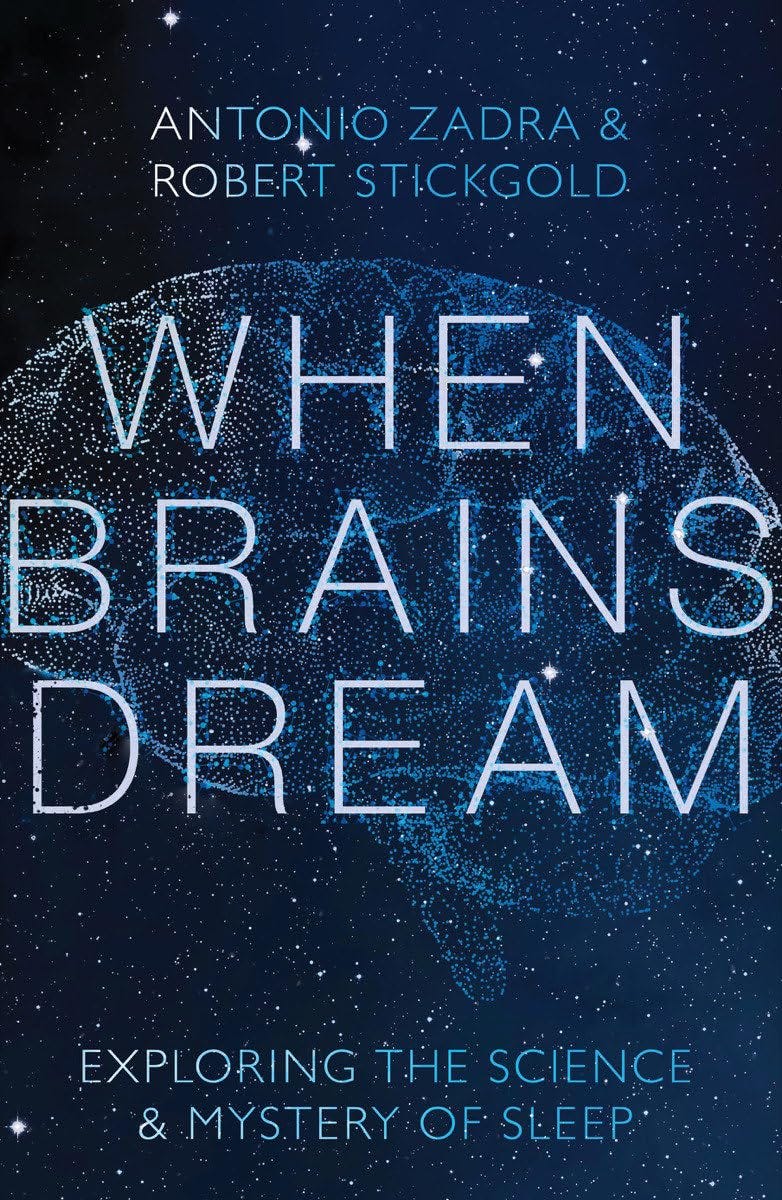
When Brains Dream is centered on the authors’ framework for the function of dreaming called NEXTUP. NEXTUP proposes that dreaming is a form of sleep-dependent memory processing, and specifically explores weak associations between memories. What this means is that the brain takes memories and events from the day, and searches our brain for weakly associated memories to connect them too. The result is enhanced memories that are “processed” but also potentially novel, insightful, or creative solutions related to the memories that were processed. The book covers a variety of other sleep topics, too, and answers so many questions about sleep and dreaming along with debunking some common myths.
Friends: Understanding the Power of our Most Important Relationships
By Robin Dunbar | Published 2022 from Little, Brown | Read my review
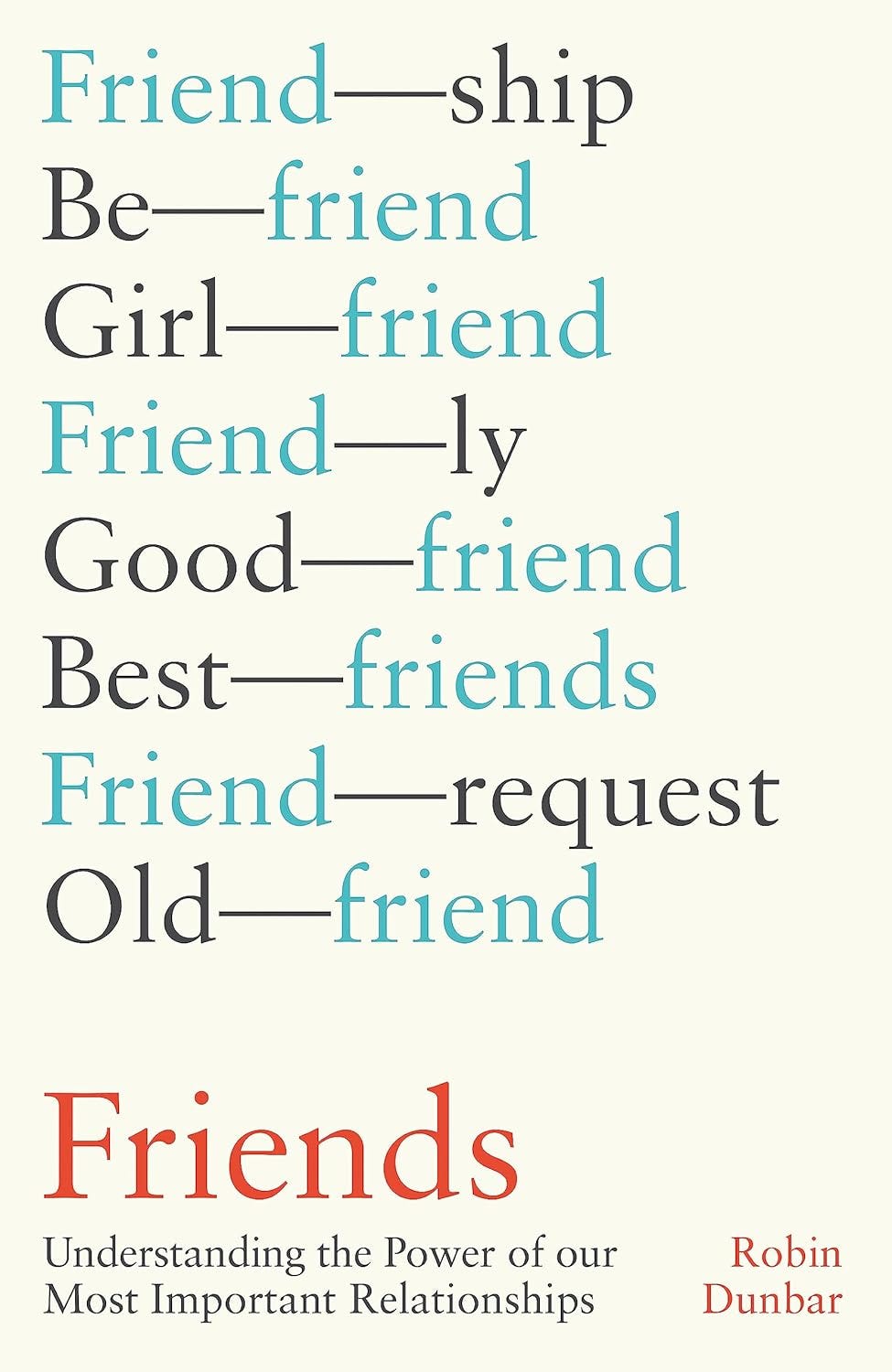
Friends really is a science world tour of everything there is to know about friendships from a psychological perspective. I also found particularly interesting how consistent these results are cross-culturally, which should be expected as social relationships were foundational to our long evolutionary history as humans. But also that these friendship layers also seem to play out in a decidedly modern context – online! If you’re curious about friendships, this is a must-read book. It’s quite research heavy in presentation, but written well and on a topic that resonates with everyone who may read it.
Dark and Magical Places: The Neuroscience of Navigation
By Christopher Kemp | Published 2022 from W. W. Norton & Company | Read my review
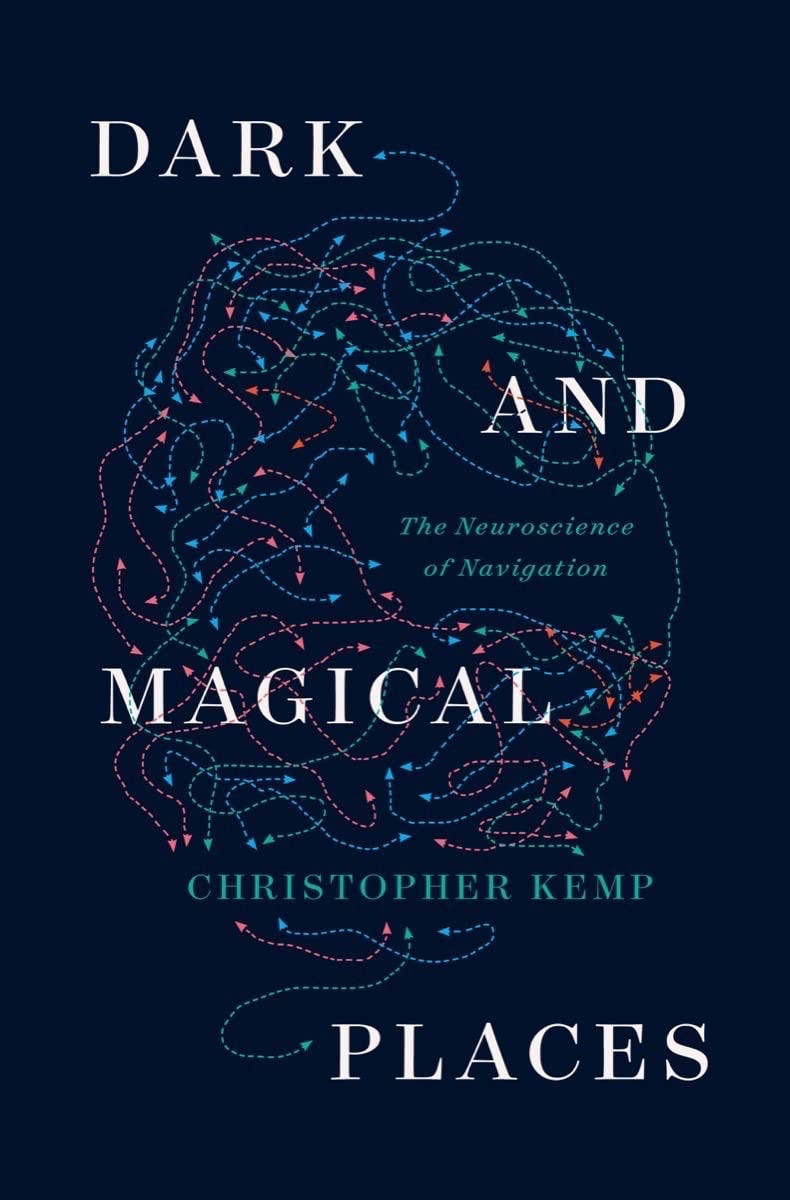
Navigation is highly complex, and requires several core components, including forming memories, identifying our current place, building a cognitive map, understanding the place of our destination, building a route, then executing on that route plan. And as you might now expect, a host of brain regions get involved. The hippocampus (which I learned means “seahorse”) is the star of the show, along with the caudate, the parahippocampal and occipital place area, the precuneus, prefrontal cortex, and more. Although this all seems quite dense, the book is quite an accessible read. There is necessarily some neuro-jargon, but not much outside the technical names for brain structures.
The Gardener and the Carpenter: What the New Science of Child Development Tells Us About the Relationship Between Parents and Children
By Alison Gopnik | Published 2016 from Picador | Read my review
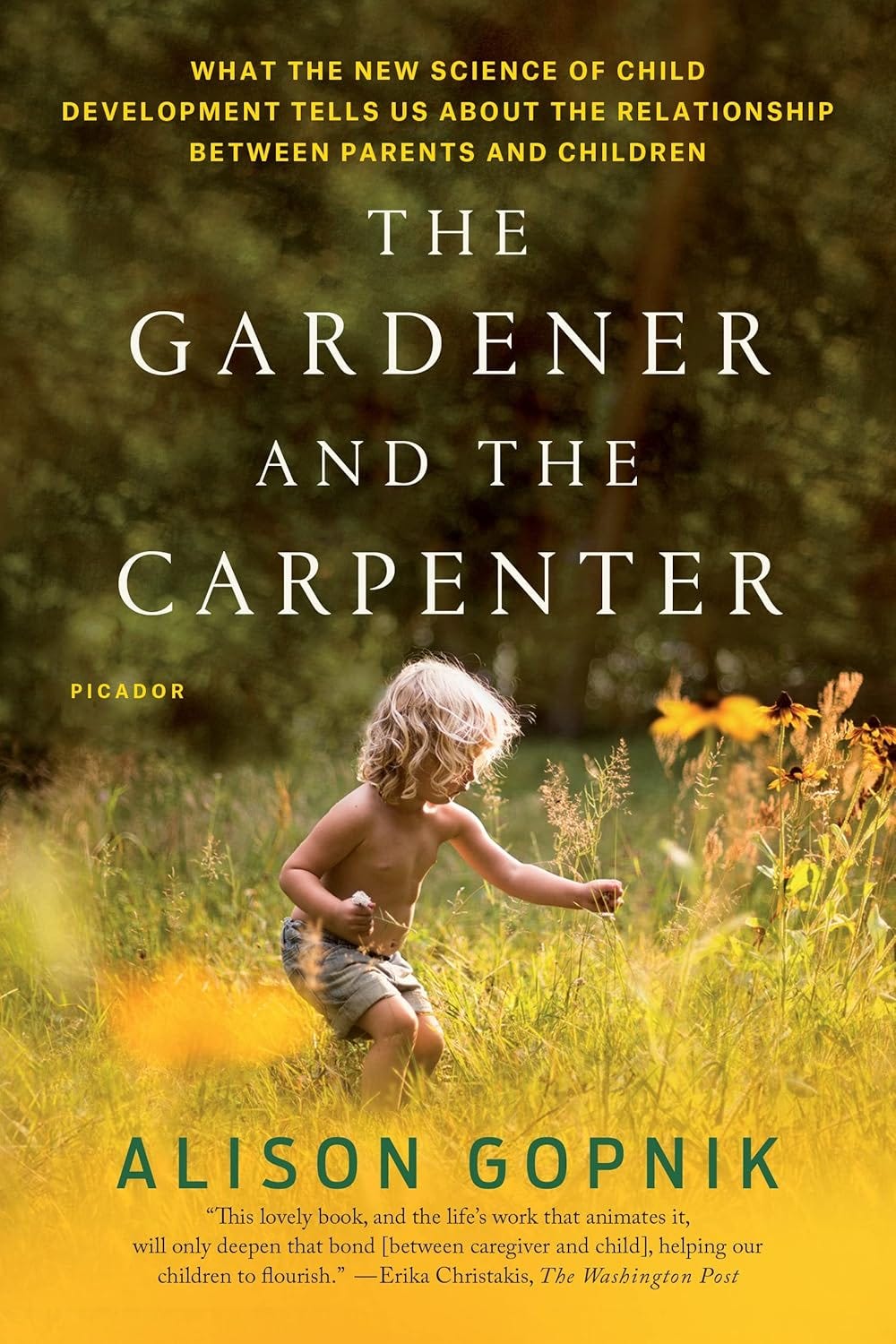
Gopnik’s book holds many top accolades from me. It’s my most read book ever – three times – one of my most recommended books of all time, and definitely one of my favorite popular science books overall. And I’ve used it as a primary text in two of my seminar courses to the approval of my students. The Gardener and The Carpenter takes a fresh angle to a common debate in developmental psychology, especially among behavior geneticists. Rather than getting into a fruitless debate of whether parents matter, Gopnik focuses on how parents matter – because it’s obvious they do, just not in the way many behavior geneticists like to argue about.
Comments
Nothing yet. Say the first thing.
Sign in to join the conversation.