
Hello all,
Welcome to this week’s BookGo newsletter. We have a wonderful mix for you. As BookGo becomes ever more international, our ‘Writer’s Toolkit’ this week looks at the art of literary translation.
Michael pays a moving tribute to the late Joe Herbert, Deputy Chief of the NYPD, whose memoir BookGo is very proud to be publishing. In honor of this New York legacy and given that the BookGo team was in New York last week to work on production schedules for the summer, our poem of the week is Emma Lazarus’ well-known sonnet “The New Colossus”. One of the great odes to humanity’s capacity for compassion and openness.
And we’re also celebrating the remarkable ongoing success of Come Up Big, which was selected by book reviewer and podcaster Amy Shannon as one of her Top 10 books of 2026! Plus the audiobook version just came out, so you can listen to Chuck describe his remarkable life himself! Check it out…!
Finally, if you’ve already read Come Up Big, we’ve got a short list of three other memoirs by veterans that we love.
Have a great weekend,
The BookGo Team 💛
Writer’s Toolkit: “Found in Translation” by Nancy Merritt Bell
Feature: “NYPD Proud” by Michael McKinley
Poem of the Week: “The New Colossus” by Emma Lazarus
Reading Roundup: “If You Loved Come Up Big: Three Vietnam Veteran Memoirs to Read Next”
In the News: Come Up Big is one of Amy Shannon’s Top 10 Books of 2026!

By Nancy Merritt Bell
Stephen King, his royal highness of horror, author of Carrie, It and 83 more works (and counting), has sold more than 400 million books in his career — even if he is also the most banned author in the US. And those numbers are just for books in English. King’s cannon of horror, fiction and short stories, has been published in over 50 languages. No easy feat for translators as his novels are packed with American slang, puns, regional idioms, and as a result, are often very loosely translated. Even King’s simplest titles posed a linguistic challenge: his 1986 novel It received a major translational sleight-of-hand around the world, retitled in French as Ça, meaning “It”, in Brazilian Portuguese it became A Coisa, meaning “The Thing”, and in Danish it became Det Onde, meaning “The Evil”.
For decades, translating books and conducting their international distribution and sales were the domain of publishing’s so-called “Big Five,” having a ready pile of cash to buy author’s rights, a willing crew of scribes to translate, and blocks of brick-and-mortar facilities in which to produce and sell books around the world.
Even then, quality control was questionable, and not just when it came to a novel’s title in Danish. Author Don Winslow’s magnificent crime series, The Cartel, was translated into dozens of languages, including Japanese, where it became very popular, winning him a dedicated following, and earning him Japan’s prestigious Falcon Award four times — more than any other writer. When Winslow went to Tokyo to check out his growing popularity, he found out it was because his books were growing: an unscrupulous publisher had taken the first book in the series, The Power of the Dog (2005), chopped it up into five different books, then sold it under different titles. Winslow’s agent very quickly set the publisher right and the five books were reunited as one, and the royalties reunited with Winslow.
By contrast, independent presses can have more control over the quality of our books wherever they are and in whatever language. For indies, translation can also be big business: one single translated edition can almost double a book’s readership and sales. And because we’re indie and our work is mostly in-house — and in our case in-family — we can be sure no one is hacking up our epics into five pieces and tagging them with spoiler titles.
French translation, for instance, is a massive market because the French are huge consumers of books, with a literary love of American and English works in translation. To find out why, check out this great piece from MyFrenchLife on France as a country of readers!
The French market alone for the translated works of Agatha Christie keeps her estate richer than Dame Christie ever was in her lifetime. According to the UNESCO Index Translationum, she is the top translated author in the world, with her mysteries published into at least 103 languages. Next on the list, I was surprised to find Jules Verne’s works, and trailing behind at number three are the works of the Bard himself.
The numbers seem to say that translation favors the classics, but there is a high demand for French and also German translations for new American works. About two-thirds of book titles released in Germany every year are translations, and German is one of the world’s most lucrative language markets for fiction as well as non-fiction. Note that the German market demands high-quality translations which are made for the German-speaking audience, be they in Germany, Switzerland or Austria.
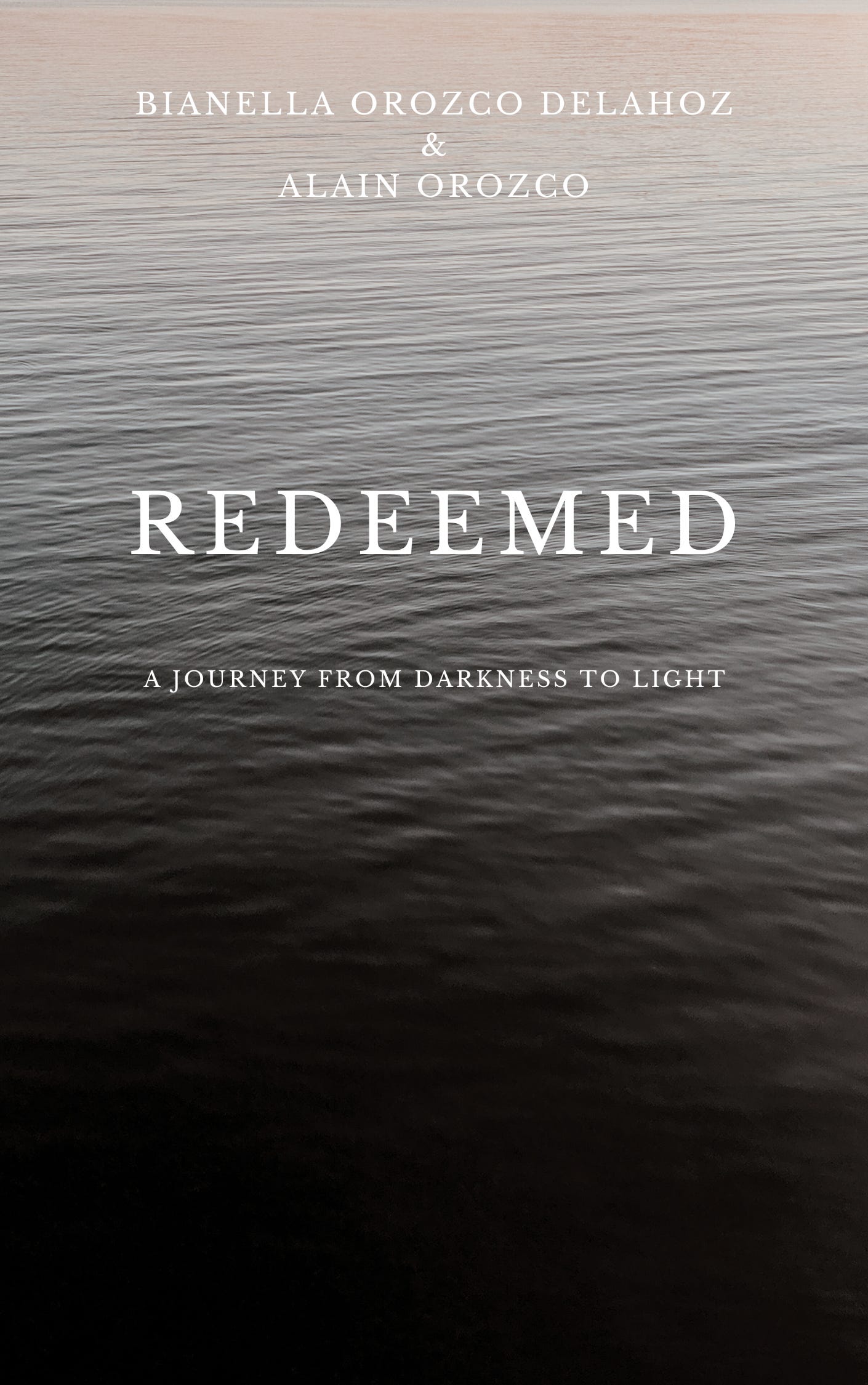
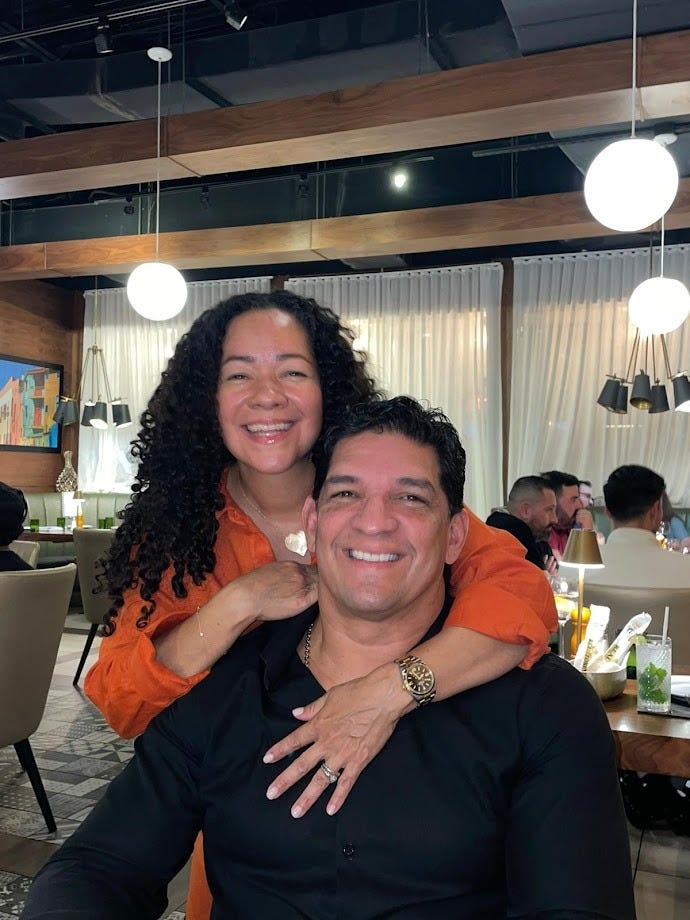
When the team at BookGo wanted to translate one of our own books, we knew it had to be Redeemed: A Journey from Darkness to Light (2025). With authors Bianella Orozco-DeLaHoz and Alain Orozco being Spanish speakers, their gripping dual memoir of their lives growing up in 1980s Miami, under the harsh realities of a drug-dealing father and a mother and uncle murdered in what was a ‘revenge’ killing, translating this book was a natural fit.
Our upcoming Spanish translation of Redeemed, now Redimido: un viaje de la oscuridad a la luz, means that the twins, Alain and Bianella, and their story can reach more than 635 million Spanish speakers worldwide. While English remains the top language spoken globally, about 59 million people in the US alone speak Spanish, making it the second most spoken language in the country, and proclaiming it to be “the language of the future.”
The BookGo team have lots of experience with translation. Michael McKinley and I grew up learning French, and our Media Director Tomas Elliott and Communications Manager Cory Knudson translated Georges Bataille’s The Limit of the Useful in 2023.

Having worked in French translation, we know the challenge of bringing a book to life in another language and continuing its literary growth as it travels the world linguistically, meeting more and more new readers.
For Redeemed, we had a Spanish translator work on it and took it to our two authors for their approval. We then gave the book a Colombian regional edit since that is where the book is set and has important consequences for the translation. For example, ‘twins’ in Spanish (gemelos) simply means ‘twins’, whereas in Colombian regional Spanish it means ‘identical twin’, which Alain and Bianella are not. They are mellizos, which means ‘fraternal, non-identical twins.’
For this Colombian regional translation, Alain contacted his friend in Colombia, Alberto Ocampo Aldemar, who then turned all the salient passages in Spanish — dozens of them — into Colombian regional Spanish. There was a lot of slang, and some expressions that were engaging in the English version but now came fully to life in the Colombian vernacular.
Now, this gripping dual memoir that came out in English in November, will in a sense return to the language it was born, so that even more readers can share in the harrowing lives and inspiring triumphs of Alain Orozco and Bianella Orozco-DeLaHoz.
This story has well and truly been found in translation!
Redimido: un viaje de la oscuridad a la luz by Bianella Orozco-DeLaHoz Alain Orozco is coming in June.

By Michael McKilney
One of the things that independent publishers can do, and do well, is find the things that the Big Five publishers miss. There’s a whole very long piece to do about why they miss them, but let’s say they’re often just wrong.
One of the memoirs that gave me great pleasure to write was that of my friend Joe Herbert, NYPD Proud. Publishers and even agents rejected the story as too “New York centric” which was surprising, as the New York metropolitan area is home to more than 20 million readers. But Joe’s story, while set in New York, is one that connects with the human spirit. It’s about how Joe, as a cop, helped make the city a better place, and that is a story that will resonate with anyone who wants to make things better. So, I would venture, most of the world.
Of course, it takes place in New York because that is where Joe was from and where he lived his life. Joe was a Brooklyn guy, who grew up in Bay Ridge, where I live, and who came from an Irish-Catholic family, as do I. We had a lot in common. Except for the fact that he had retired from the New York City Police Department as a Deputy Chief, and I did not. What I could do, though, was help Joe to tell his wonderfully dramatic story, one filled with good and evil and the people on both sides of that construct. Joe, of course, was on the side of good.
We spoke for many hours about his rise from the streets of Brooklyn to the NYPD, and the crimes he encountered as he worked his way up through the ranks of the police department. All Joe wanted, he told me, was to be a detective like his older brother, whose stories he would listen to on summer evenings when his brother and his fellow detectives would sit out back at Joe’s family home and talk about their work.
Joe did become a detective, decorated with honors, and then through his intelligence and his hard work and his detective’s eye, he went on to become a high ranking member of the NYPD, and the guy they sent to Washington D.C. to let Congress know just which international criminals were planning to put us in their crosshairs.
In all of my conversations with Joe, I always loved the fact that he never once boasted about anything he did, and he did an awful lot of good. What shone through it all was his promise to serve and to protect, and that’s what Joe was about.
His book, NYPD Proud, which BookGo is publishing this year, will tell you his remarkable story, and you will learn how he caught the Flatbush Rapist, the New York Zodiac Killer, and what he did after New York City was attacked on 9/11. There are also many other stories about the people he helped, for that was what Joe at his essence: he wanted to help make the city a better place for everyone.
As we were getting close to finishing Joe’s book, he let me know that his beloved wife Barbara was having medical issues that were puzzling the doctors. About three weeks after Joe mentioned that Barbara had died. It was July. And two months later, in September, Joe died of a heart attack. I think his great heart just broke.
So, Joe’s daughter Kristin and her family will take up the torch of NYPD Proud, and we could not be happier to have them do that. We will let you know when the book is coming out. And we hope that you will be as moved by Joe Herbert and his great story as I was in helping him to tell it. It is a story for the world.
By Emma Lazarus
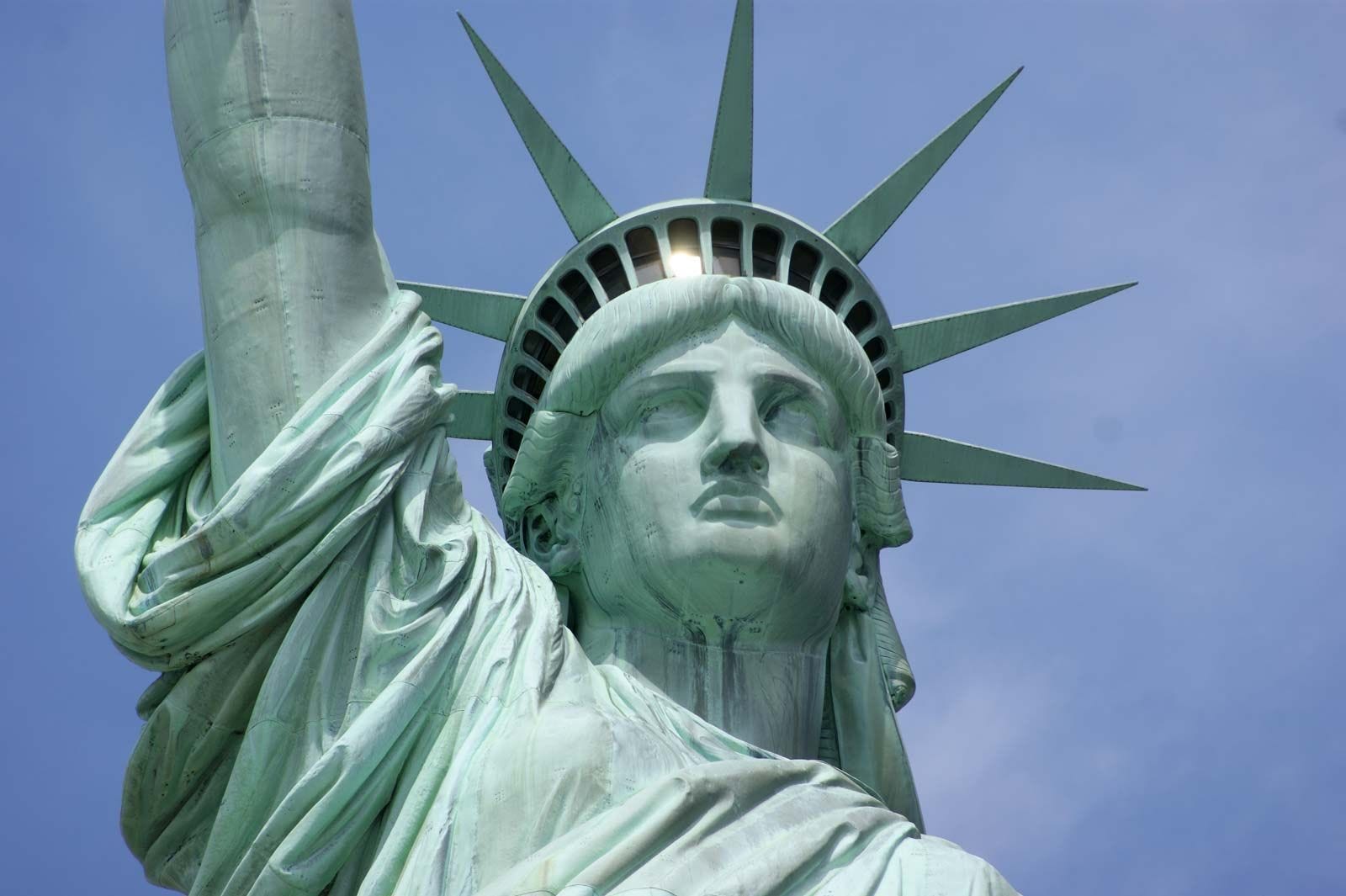
Emma Lazarus wrote this sonnet in 1883 to raise funds for the pedestal of the Statue of Liberty. Cast in bronze, it has been mounted inside the pedestal since 1903.
Text within this block will maintain its original spacing when published
Not like the brazen giant of Greek fame,
With conquering limbs astride from land to land;
Here at our sea-washed, sunset gates shall stand
A mighty woman with a torch, whose flame
Is the imprisoned lightning, and her name
Mother of Exiles. From her beacon-hand
Glows world-wide welcome; her mild eyes command
The air-bridged harbor that twin cities frame.
“Keep, ancient lands, your storied pomp!” cries she
With silent lips. “Give me your tired, your poor,
Your huddled masses yearning to breathe free,
The wretched refuse of your teeming shore.
Send these, the homeless, tempest-tost to me,
I lift my lamp beside the golden door!”
Chuck Wardell’s Come Up Big is war veteran’s memoir that tells the story of a life fully lived — marked by wit, resilience, and humility. If it has stayed with you, here are three other memoirs by Vietnam veterans that share something of its spirit.
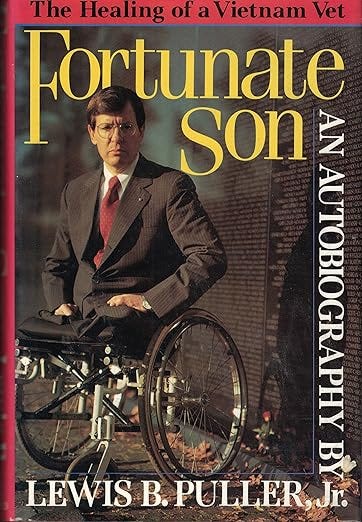
By Lewis B. Puller Jr. (1991)
The son of one of the most celebrated Marines in US history, Lewis Puller Jr. served in Vietnam and came home with devastating wounds — and a story that won the Pulitzer Prize. Like Come Up Big, it is an account of a man who refused to be defined by what the war cost him.
By Tim O’Brien (1973)
Tim O’Brien’s first book blends lyrical prose and searingly honest reflection. Deeply introspective and brutally forthright at times, it’s an essential reckoning with the toll of warfare.

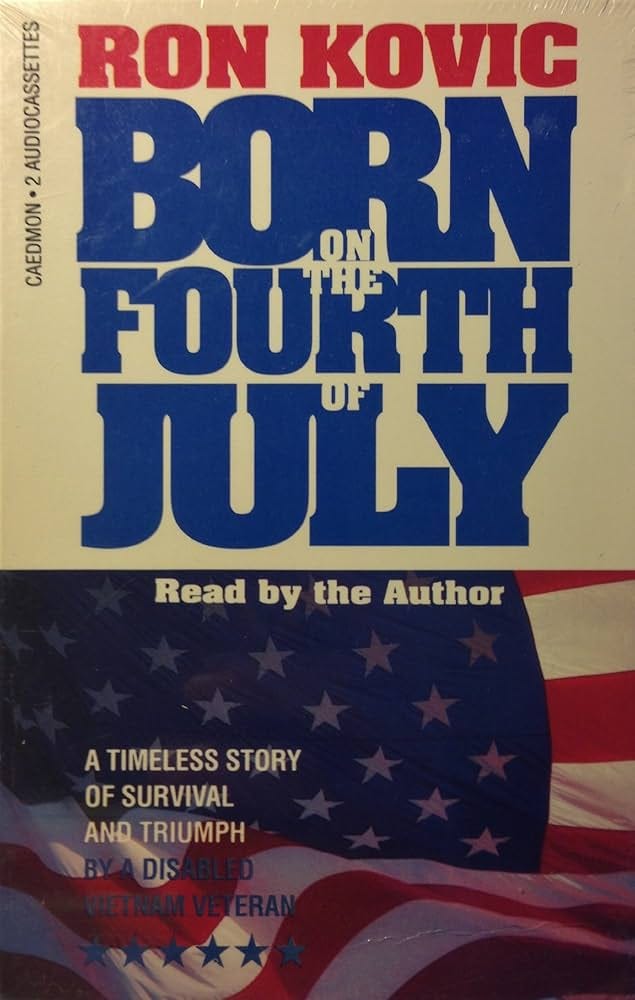
By Ron Kovic (1976)
Ron Kovic’s account of going to Vietnam as a patriotic young man and returning in a wheelchair is one of the defining American memoirs of the twentieth century. The questions it asks about service, sacrifice, and leadership resonate strongly alongside Come Up Big.
This has been another great week for Come Up Big, by Charles W.B. Wardell. Not only did the book come out in audio, but it will also be out in paperback on May 17. And it was awarded a top 10 place in book reviewer and podcaster Amy Shannon’s Top 10 of 2026. Come Up Big keeps coming up big!
First, I want to say thank you to the author for his service. This book is amazing, and his life proves that he can overcome what may come his way. His battle with Dyslexia, to the journey which becomes his life's path. When he titled Come Up Big for this book, once you read it, it makes total sense. He writes with extreme passion and ability, and his words make you want to read them. It is not always easy to sit down and write your own story, in a way that doesn't feel like it's a diary or journal, but this book is completely readable and relatable, as well as inspirational.

We couldn’t agree more with what reviewers are saying, and what better way to experience Chuck’s incredible story than to hear him read it himself. Available now on Spotify and soon on Audible
Come Up Big leads off BookGo’s first round of paperbacks. Pre-order it now with a discount before it releases on May 17!

That’s all for this week!
The BookGo Team 💛

Comments
Nothing yet. Say the first thing.
Sign in to join the conversation.