
To view these books on Amazon, click the book titles.” Are you new here? Here’s the explainer. As an Amazon Associate, I earn from qualifying purchases.
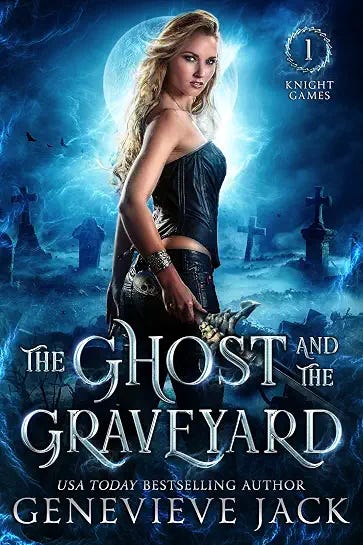
Author: Genevieve Jack
Paranormal Romance
FREE
Genevieve Jack has built a substantial paranormal readership across several series, and Knight Games is where it started. A woman inherits a house next to a cemetery, discovers the previous occupant hasn’t entirely departed, and finds that her new neighbors are considerably more complicated than the welcome basket suggested.
Jack’s register is witty rather than brooding, which sets the book apart from the darker end of paranormal romance. Her heroine handles supernatural revelation with sarcasm and stubbornness instead of swooning, and the comedy keeps the stakes from becoming oppressive even as the plot turns genuinely dangerous. The small-town setting supplies a useful supply of nosy neighbors.
The romance runs on real tension, complicated by the small matter of one party being dead, and Jack handles the premise without letting it collapse into either tragedy or farce. Series readers get a longer arc that develops across multiple books, with worldbuilding that expands considerably past the graveyard. Heat level sits comfortably steamy.
Why this charms: it’s a funny, fast-moving paranormal romance opener from an author with a deep backlist waiting, and it costs nothing to start.
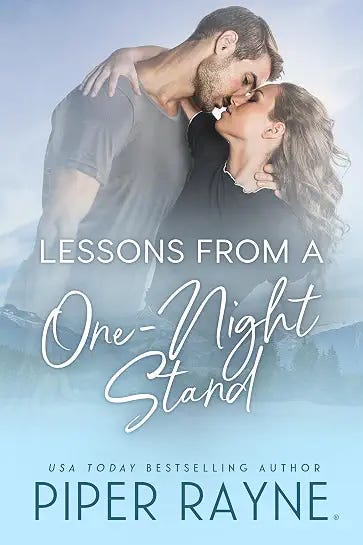
Author: Piper Rayne
Contemporary Romance
FREE
Piper Rayne is two writers working under one name, and the collaboration has produced one of the most reliably entertaining small-town romance catalogs in the business. The Baileys launches with the setup the title promises: a night that was supposed to stay a one-time thing, followed by the discovery that they now work together.
The Bailey siblings are the real draw. Rayne builds a big, loud, aggressively involved family whose group texts and unsolicited opinions supply as much entertainment as the romance itself. Each book hands the spotlight to a different sibling while the others keep meddling from the sidelines, which is exactly the structure that turns readers into completionists.
The workplace angle adds useful friction—professional stakes, forced proximity, and the impossibility of avoiding someone in a town this size. Rayne keeps the chapters short, the banter constant, and the heat firmly on the steamy side. The emotional turn in the back half arrives with more weight than the comedic opening suggests.
Why this hooks: it’s the entry point to a long, warm, extremely bingeable family series, and free is the perfect way to meet the Baileys.
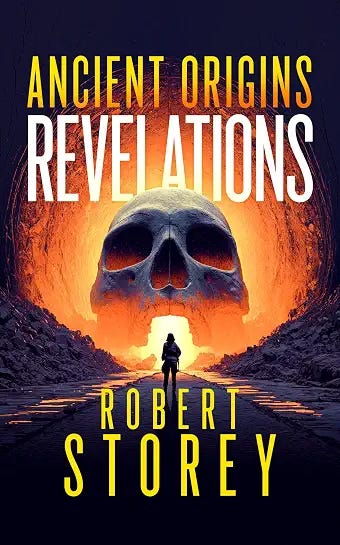
Author: Robert Storey
Science Fiction Thriller
FREE
Robert Storey combines two of the most durable thriller premises available—an asteroid on an intercept course and a buried secret about where humanity actually came from—and lets them collide. The result is big, conspiratorial, and unashamedly built for readers who like their speculation maximalist. ☄️
The appeal is scope. Storey moves between underground research facilities, government cover-ups, and archaeological discoveries that rewrite the timeline, with the countdown supplying constant pressure underneath. The scientific window dressing is thick enough to feel substantial without demanding a physics background, and the pacing rewards readers who enjoy short chapters and frequent perspective shifts.
Readers who came up on Michael Crichton, James Rollins, or the ancient-mystery corner of the thriller shelf will find the register immediately familiar. The series runs long, with the plot expanding considerably past the opening premise, and Storey seeds enough unanswered questions to make continuing feel less like a choice than an obligation.
Why this grips: it’s an ambitious apocalyptic thriller with a substantial series behind it, and there’s no cost to seeing whether the premise pulls you in.
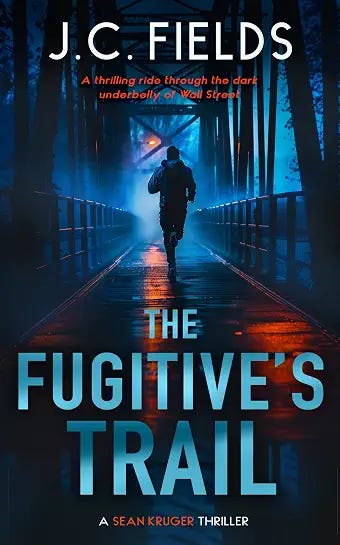
Author: J.C. Fields
Thriller
FREE
J.C. Fields introduces FBI profiler Sean Kruger with a case that reaches back into his own history, which is the oldest hook in the manhunt playbook and still one of the most effective. The pursuit is methodical rather than frantic, driven by pattern recognition and patience rather than car chases.
Fields writes procedural detail with evident care—the interagency friction, the paperwork, the long stretches where nothing breaks. That restraint makes the eventual accelerations land harder. Kruger himself is a competent professional carrying personal weight rather than a maverick with a bottle problem, which readers tired of the damaged-detective template will find refreshing.
The series has grown well past its opener with a loyal following, and Fields uses this first volume to establish the recurring cast and the working relationships that carry across books. Readers who follow Jeffery Deaver’s profiler work or the steadier end of the FBI thriller shelf will find the pacing comfortable and the plotting fair.
Why this holds up: it’s a well-constructed pursuit thriller launching a long series, with a lead worth following, and the first book is available at no cost.
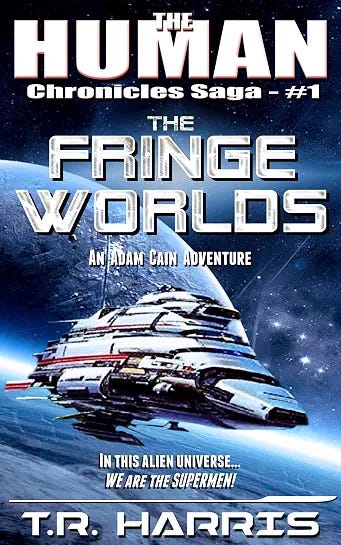
Author: T.R. Harris
Science Fiction
FREE
T.R. Harris built The Human Chronicles into one of indie science fiction’s longest-running sagas on a premise with real comic potential: humans, it turns out, are physically stronger and faster than nearly everyone else in the galaxy, thanks to Earth’s heavier gravity. The rest of the universe finds this extremely inconvenient.
Adam Cain is the marine who discovers this the hard way after being taken captive, and the series follows him from prisoner to something considerably more dangerous. Harris writes with a light touch and a fast clip, more interested in momentum and clever complications than in hard-science plausibility. The tone is closer to pulp adventure than military realism.
The saga has stretched across dozens of volumes, which tells you most of what you need to know about how well the formula holds. Readers who enjoy competent-human-versus-galaxy stories, or who came to the subgenre through John Ringo or the Deathworlders tradition, will recognize the pleasures immediately. ⚔️
Why this delivers: it’s the opening of an enormous space adventure saga with a genuinely fun premise, and it costs nothing to enlist.
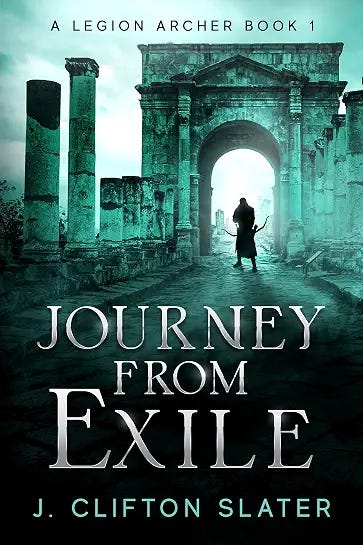
Author: J. Clifton Slater, Hollis Jones (Editor)
Historical Fiction
FREE
J. Clifton Slater has spent years writing Roman military fiction with unusual attention to how the legions actually functioned, and A Legion Archer applies that research to a specialist role most novels ignore entirely. Archers occupied an awkward position in Roman warfare—necessary, foreign, and never quite respected.
The exile framing gives the series its engine. A man cast out has to build a place for himself from nothing, and Slater grounds that struggle in the practical realities of the period: patronage, unit politics, the enormous difficulty of moving through a world where identity depends on who vouches for you. The military detail is the draw for readers who want their history load-bearing. ⚔️
Slater writes in an accessible, brisk style rather than a literary one, which suits the adventure structure. Readers who follow Simon Scarrow, Ben Kane, or Harry Sidebottom will recognize the territory, though Slater’s focus on the ordinary soldier’s economics sets his work slightly apart from the general’s-eye-view tradition. ️
Why this appeals: it’s well-researched Roman military fiction from a prolific specialist, and the series opener carries no cost.
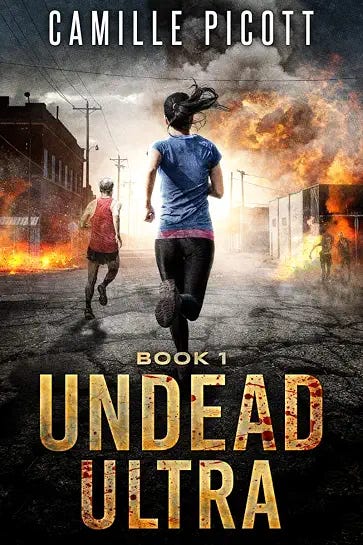
Author: Camille Picott
Post-Apocalyptic Fiction
FREE
Camille Picott had one genuinely fresh idea in a crowded subgenre: make the survivors ultramarathoners. When the outbreak hits, a middle-aged distance runner sets out on foot to reach her son two hundred miles away, and the entire book becomes an endurance event with teeth.
The conceit pays off in ways that reshape the standard zombie novel. Pacing, hydration, blisters, and calorie management become life-or-death concerns alongside the obvious threat, and Picott—herself a runner—writes those details with the specificity of someone who has actually suffered through them. The result feels physical in a way most apocalypse fiction doesn’t.
The emotional core is a mother-and-friend pair grinding through impossible distance, and Picott keeps the relationship as central as the danger. The tone is grim but not nihilistic; these are people who keep moving because stopping isn’t an option. Readers should expect real violence and losses that stick.
Why this stands out: it’s a genuinely original take on a worn-out subgenre, driven by endurance rather than firepower, and it costs nothing to start running.
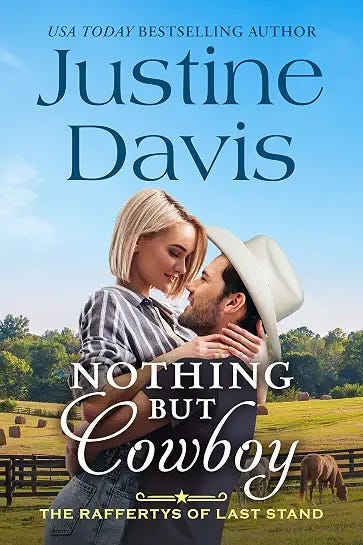
Author: Justine Davis
Contemporary Romance
FREE
Justine Davis has been writing romance since the late eighties with a shelf of awards to show for it, and The Raffertys of Last Stand puts that experience to work on the Texas ranch family setup. Last Stand is the kind of town where everyone knows the family history, particularly the parts nobody discusses.
Davis writes cowboys without cartoon—her men are competent, taciturn, and occupied with actual work rather than posing on fence rails. The heroine arrives with her own agenda and doesn’t dissolve on contact with a Stetson, which keeps the dynamic between them balanced. The ranch operates as a real business with real pressures, and that texture grounds the romance.
The family structure sets up the series efficiently, with siblings and cousins queued for their own books and enough unresolved history to keep the connective tissue interesting. Heat stays on the warmer side of moderate, and Davis’s long experience shows in the clean plotting and the absence of manufactured misunderstanding.
Why this satisfies: it’s dependable Western romance from a veteran author launching a family series, and there’s no cost to riding in.
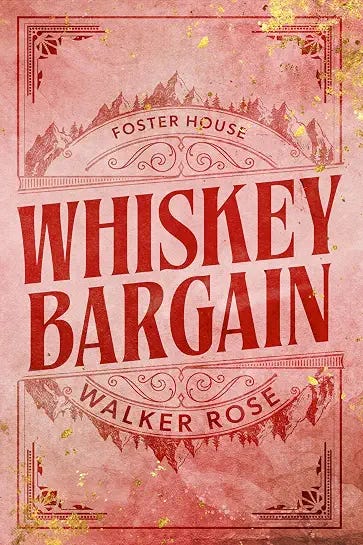
Author: Walker Rose
Contemporary Romance
FREE
Walker Rose opens the Foster House series with a bargain, which is romance’s most efficient device—two people who need something from each other agreeing to terms neither expects to survive contact with actual feelings. The whiskey business supplies the backdrop and, conveniently, the stakes.
The arrangement plot works because it front-loads the proximity and lets the emotional development happen in the gaps between negotiations. Rose keeps the terms specific enough that the reader can see exactly what each party stands to lose, which raises the tension every time one of them bends a rule they set themselves.
The distillery setting gives the book texture that generic small-town romance often lacks—barrels, aging schedules, the particular obsessiveness of people who make something slowly. As a series opener it establishes the Foster House world and seeds the connections that will carry into later installments. Heat runs steamy.
Why this works: it’s a fresh series opener built on one of romance’s most reliable setups, and it costs nothing to sample a new author’s voice.
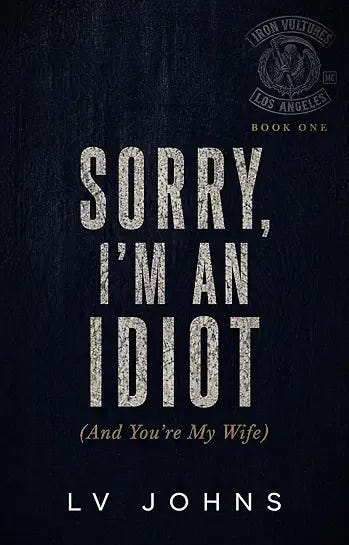
Author: L. V. Johns
Romantic Comedy
FREE
The title is doing the marketing, and it’s honest work. L. V. Johns launches the ‘Sorry’ Universe with a hero who has clearly made an enormous mistake, a wife who has every right to make him earn his way back, and a comedic register that announces itself before you open the book.
Grovel is one of romance’s most divisive pleasures, and this one leans into it without embarrassment. The comedy comes from watching a man who genuinely means well fail repeatedly at the simple task of saying the right thing, and Johns keeps him sympathetic by making the incompetence specific rather than generic. The wife, crucially, is not waiting around to be won.
The series branding suggests more misfired apologies to come, which is a smart hook—a shared universe built entirely around people digging themselves out of holes of their own construction. Expect quick chapters, dialogue-forward scenes, and an emotional turn that arrives once the jokes have earned it. ❤️
Why this entertains: it’s a cheerfully self-aware rom-com opener with a premise you can explain in one line, and free makes it an easy yes.
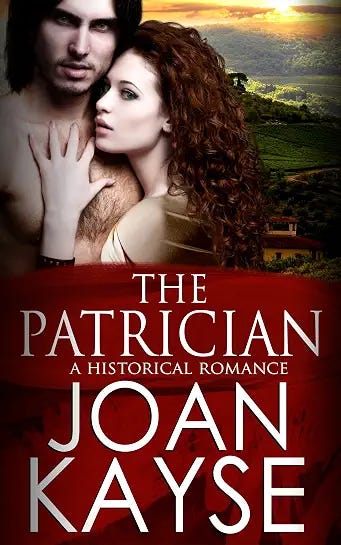
Author: Joan Kayse
Historical Romance
FREE
Joan Kayse sets her historical romance in ancient Rome rather than Regency England, which is rarer than it should be and gives the genre’s power dynamics considerably more bite. A patrician’s world runs on rigid hierarchy, and a romance that crosses those lines carries consequences a ballroom scandal never could. ️
Kayse writes the period with real attention to how Roman society actually stratified—citizenship, patronage, slavery, and the enormous distance between classes that no amount of affection simply dissolves. That research gives the central relationship genuine obstacles rather than manufactured misunderstandings, and the resolution has to be constructed rather than granted.
The sensory detail is a pleasure in itself: baths, markets, villas, and the constant political calculation running underneath every social interaction. Readers who’ve exhausted the Regency shelf and want the same emotional satisfactions in unfamiliar territory will find this a welcome change of scenery. Heat level runs moderate to steamy.
Why this stands apart: it’s historical romance in a genuinely underused setting, researched with care, and the series opener costs nothing.

Author: A.V. Ray
Science Fiction
FREE
A.V. Ray opens with the premise its title states plainly: someone is being experimented on, and getting out is the entire problem. The lab-escape story works because it front-loads the stakes—no world to establish, no slow burn to endure, just a person who needs to be somewhere other than where they are.
What Ray does with the setup is keep the disorientation intact. The reader learns what’s happening at roughly the same rate the protagonist does, which makes the early sections genuinely tense and the revelations land as revelations rather than exposition. The facility itself functions as antagonist, with its own logic and its own reasons for existing.
Readers who enjoy the confined-thriller register of Dark Matter or the early stretches of Recursion will recognize the pleasures here: a small cast, a hostile environment, and a mystery about who benefits from all this. The pacing runs fast, and the questions raised extend well past the escape itself.
Why this hooks: it’s a tense, tightly focused science fiction thriller with a premise that starts at full speed, and there’s no cost to finding out where it goes.
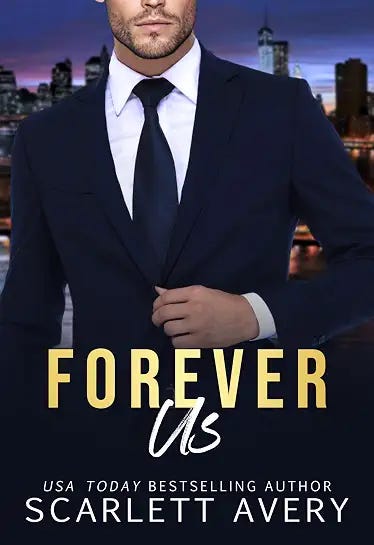
Author: Scarlett Avery
Contemporary Romance
Regularly $5.99, Today $2.99
Scarlett Avery writes billionaire romance for readers who want the fantasy delivered without apology—private jets, obscene real estate, and a man whose competence in the boardroom does not translate remotely to his personal life. Forever Obsessed leans into every convention the subgenre was built on, and the commitment is the appeal.
The engine here is obsession, as the series name promises. Avery’s heroes fixate hard and fast, which shortcuts the will-they-won’t-they stage and puts the tension somewhere more interesting: whether the heroine wants to be wanted that intensely, and what she’s willing to give up to find out. Her women push back rather than melting on contact, which keeps the power dynamic from going flat.
The pacing is quick and the chapters are short, built for the reader who wants a complete emotional arc in a single sitting. Heat level runs steamy without tipping into dark territory, and the emotional payoff arrives where romance readers expect it. Avery has a substantial catalog in this lane, so a good fit here opens up plenty of follow-up.
Why this satisfies: it’s unapologetic escapist romance executed with real energy, and three dollars is a small price for a guaranteed happy ending.
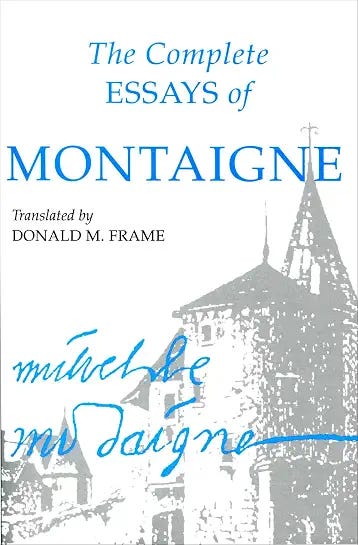
Author: Michel Eyquem Montaigne, Donald M Frame (Translator)
Philosophy
Regularly $23.99, Today $3.99
Montaigne essentially invented the personal essay in the 1570s by retiring to a tower on his estate and writing down whatever he happened to be thinking about—cannibals, thumbs, the education of children, whether his cat was playing with him or he was playing with his cat. Four and a half centuries later, he still reads like a friend talking. ️
The Donald Frame translation is the one scholars and general readers have relied on for decades, valued for keeping Montaigne’s conversational looseness intact rather than starching it into formal English. That matters enormously here, because the whole point of Montaigne is the voice: digressive, self-mocking, willing to contradict himself on the same page and shrug about it. ️
What keeps him permanently modern is his subject, which is simply what it’s like to be a particular person with a body and a set of opinions that keep changing. He wrote about fear, friendship, aging, and his own kidney stones with the same unembarrassed curiosity. Read a few pages at a time rather than straight through; this is a book to keep and dip into for years.
Why this belongs on your Kindle: it’s the complete works of Western literature’s most companionable writer in the standard modern translation, and four dollars for the whole thing is nearly absurd.
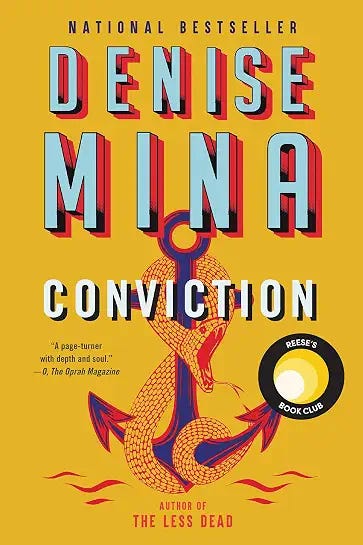
Author: Denise Mina
Crime Fiction
Regularly $3.99, Today $1.99
Denise Mina is one of the major figures in Scottish crime writing, and Conviction was the book that pushed her past genre borders into mainstream literary attention. It opens with a woman listening to a true crime podcast about a sunken yacht and three dead bodies, discovering she knew one of the victims, and then watching her own carefully rebuilt life detonate on the same morning.
What follows is a road novel disguised as an investigation, with an unlikely pair chasing the story across Europe while a podcast audience watches in real time. Mina uses the true crime format as both engine and target—she’s interested in how entertainment gets made out of dead people, and how quickly a woman with a past becomes content rather than a person.
The narrator is the achievement. Mina builds her in layers, releasing information about who she used to be at precisely the wrong moments, and the reveal reframes everything before it. The prose is fast and funny in the bleak Glaswegian register Mina does better than anyone, and the anger underneath is directed squarely at how institutions and audiences treat women who survive things.
Why this stands out: it’s a smart, propulsive, formally clever crime novel from a writer at the height of her powers, and two dollars is nothing for it.
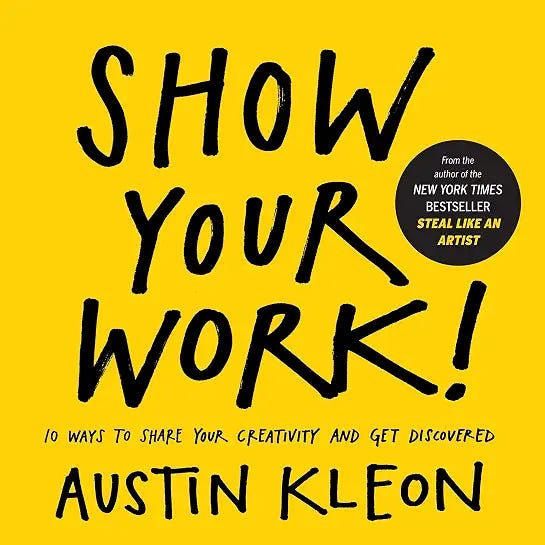
Author: Austin Kleon
Creativity
Regularly $3.99, Today $1.99
Austin Kleon’s follow-up to Steal Like an Artist tackles the part most creative people find genuinely uncomfortable: telling anyone what you’re working on. His argument is that sharing the process—the sketches, the failures, the half-finished attempts—is more valuable than waiting to unveil a finished masterpiece nobody knew was coming. ✏️
The book is short, illustrated, and built for reading in an hour, which is deliberate. Kleon works in aphorisms and small chapters rather than frameworks, and the advice is practical enough to act on the same afternoon: become a documentarian of your own work, tell good stories, teach what you know, don’t turn into human spam. The last one gets more attention than most self-promotion books allow.
It has aged unusually well for a 2014 book about internet visibility. The specific platforms have churned, but the underlying idea—that a body of shared work compounds while a single grand reveal doesn’t—applies just as cleanly to newsletters and video as it did to blogs. Anyone building an audience around anything will find something useful here.
Why this earns its shelf space: it’s the rare creativity book you can finish in a sitting and apply immediately, and two dollars makes it an easy yes.
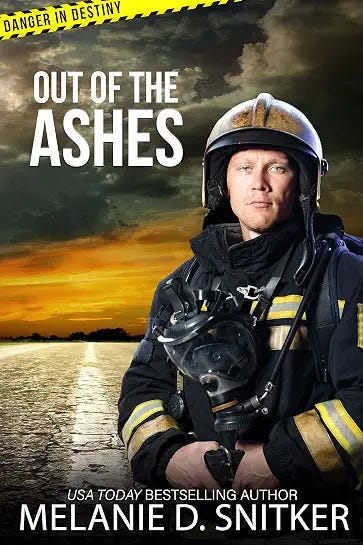
Author: Melanie D. Snitker
Christian Romantic Suspense
Regularly $4.99, Today $2.49
Melanie D. Snitker writes inspirational romance with a suspense engine, and the combination works better than skeptics expect. The faith elements are woven through the characters’ actual decision-making rather than bolted on at the end, and the threat is real enough to keep the pages turning without ever tipping into graphic territory. ️
The appeal for readers in this lane is the balance. Snitker delivers genuine danger, competent protagonists, and a romance that develops through crisis, all while keeping the content clean enough to hand to anyone. That’s a harder needle to thread than it sounds, and her steady readership suggests she threads it consistently.
Her strength is small-town warmth under pressure. The communities in her books function as real support systems, so the isolation of the danger plot lands against a backdrop of people who show up for each other. Readers who follow Susan May Warren or Lynette Eason will recognize the register immediately and find the pacing comfortable.
Why this fits: it’s clean, suspenseful, faith-centered romance from a dependable author, and two and a half dollars makes it an easy addition to the queue.
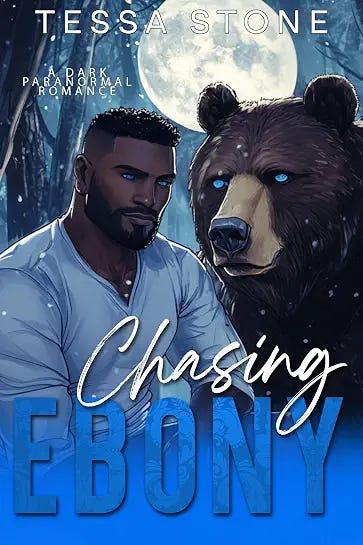
Author: Tessa Stone
Dark Paranormal Romance
Regularly $2.99, Today $1.49
Tessa Stone opens the Wintermoon Shorts with exactly what the label promises: dark paranormal romance in a compressed format, designed to hit hard and finish fast. The short length forces the tension into a tighter space, and the chase framing in the title tells you the power dynamic isn’t going to be comfortable.
Short-form dark romance has become its own thriving corner of the market, and the appeal is specific—readers who want the intensity without the six-hundred-page commitment, and who’d rather have three sharp encounters than a leisurely slow burn. Stone builds atmosphere quickly and doesn’t waste words on setup that the genre’s conventions already supply.
The Wintermoon world extends across the series, so this functions as both a complete story and a doorway into a larger setting. Readers should know the content runs dark and explicit—predator-and-prey dynamics, morally compromised love interests, and the possessive intensity that defines the subgenre. Check triggers if that matters to you.
Why this works: it’s a fast, intense entry point into a dark paranormal world with more waiting behind it, and a dollar and a half is barely a decision.
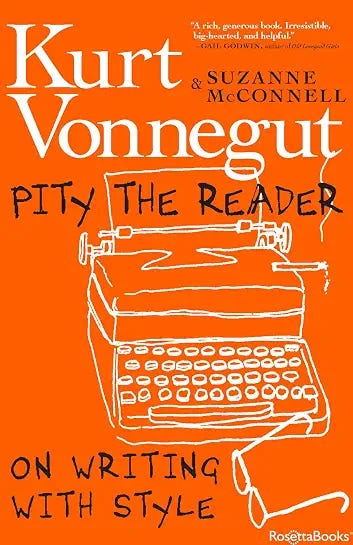
Author: Kurt Vonnegut, Suzanne McConnell
Writing
Regularly $19.99, Today $3.99
Suzanne McConnell studied under Vonnegut at the Iowa Writers’ Workshop, and this book is the result of decades spent collecting what he actually said about the craft—in classrooms, letters, interviews, prefaces, and the novels themselves. It’s part instruction manual, part portrait of a teacher, and considerably warmer than most books shelved under writing advice. ✍️
The title comes from Vonnegut’s central conviction: the reader is doing hard work, and the writer’s job is to make it easier. Simplify. Use the time of a total stranger in such a way that they won’t feel the time was wasted. Have the guts to cut. His rules are famously blunt, and McConnell frames each one with context about how he applied it in his own books.
McConnell’s contribution is more than curation. She interleaves her own memories of him as a mentor with the material, and the effect is something between a masterclass and a portrait of a difficult, funny, deeply humane man who took teaching seriously. Writers get technique; everyone else gets Vonnegut.
Why this belongs in your library: it’s the closest thing to sitting in Vonnegut’s classroom, and four dollars for a twenty-dollar hardcover’s worth of material is a genuine steal.
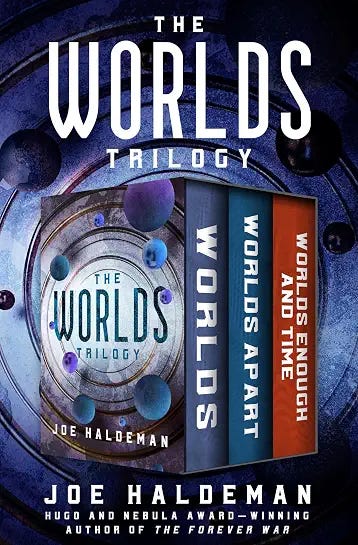
Author: Joe Haldeman
Science Fiction
Regularly $27.99, Today $3.99
Joe Haldeman won the Hugo and Nebula for The Forever War and has spent his career writing science fiction with an unusual amount of hard-earned skepticism about institutions. The Worlds trilogy follows a young woman from an orbital habitat who travels to a decaying, violent Earth and gets caught in its collapse.
The first volume is the strongest, and it’s essentially a political thriller in space—Haldeman is far more interested in how societies come apart than in hardware, and the Earth he builds is grim in ways that have aged uncomfortably well. The orbital colonies aren’t utopias either, just different arrangements of the same human problems. ️
The trilogy stretches across decades and takes some genuinely strange turns by the third book, following its protagonist through survival, exile, and a long attempt to rebuild something after catastrophe. Readers who came to Haldeman through The Forever War will recognize the same preoccupations: war’s stupidity, the cost of time, and the difficulty of going home.
Why this delivers: it’s three complete novels from a genuine Grand Master of the field bundled at four dollars, which works out to well under two dollars a book.
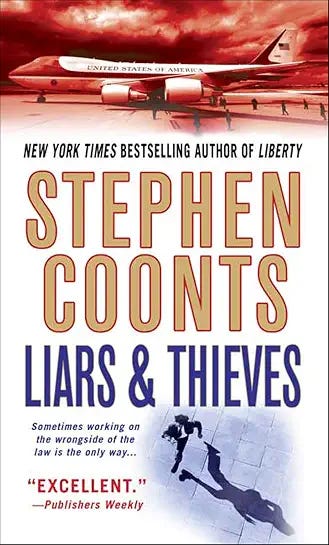
Author: Stephen Coonts
Thriller
Regularly $17.99, Today $3.99
Stephen Coonts made his name with Flight of the Intruder, drawing on his own experience flying combat missions over Vietnam, and he’s been a fixture on the thriller bestseller lists ever since. Liars & Thieves promotes Tommy Carmellini—a CIA burglar with a talent for locks and a weakness for saying the wrong thing—to lead his own series.
Carmellini is the reason the books work. He’s not a superspy; he’s a technician who keeps getting handed assignments above his pay grade, and his running commentary on the incompetence around him supplies most of the humor. The tone sits closer to wry than grim, which distinguishes it from the more self-serious end of the genre. ️
The plot opens with an ambush at a safe house and expands into the kind of institutional betrayal Coonts writes with obvious relish. The action is well staged, the tradecraft feels researched, and the pacing rarely slows. Readers who follow Vince Flynn, Brad Thor, or Daniel Silva will find the register familiar and the series length reassuring. ⚙️
Why this hooks: it’s a fast, funny, well-built espionage thriller launching a long-running series, and four dollars beats the paperback by a wide margin.
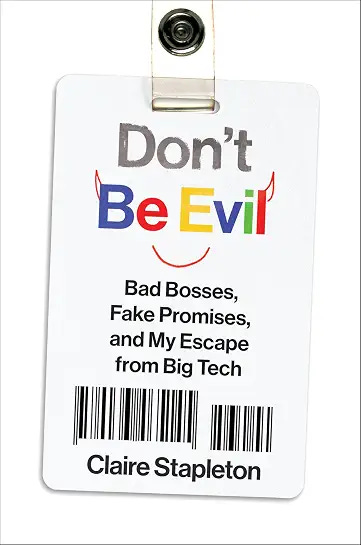
Author: Claire Stapleton
Memoir
NEW RELEASE
Claire Stapleton spent twelve years inside Google, arriving as a true believer in the era when the company’s motto was still a moral claim rather than a punchline. She left as one of the organizers of the 2018 walkout, when twenty thousand employees stopped work over the company’s handling of sexual harassment complaints.
The memoir’s real subject is disillusionment as a slow process rather than a single betrayal. Stapleton writes about the free food and the sincere idealism alongside the gradual recognition that the culture was a management tool, and she’s honest about how long she stayed and why. That self-implication is what separates it from a straightforward exposé.
Her account of the walkout’s aftermath—the demotions, the internal chill, the eventual departure—forms the sharpest section, and it lands as a case study in how large organizations absorb dissent without changing. Readers interested in tech’s cultural history, or in the general question of what happens when a workplace asks you to believe in it, will find plenty here.
Why this matters: it’s a firsthand account from inside one of the defining institutions of the era, written by someone with a clear view of both what it promised and what it did.
Author: Kim Martin-Stevens
Inspirational Memoir
NEW RELEASE
Kim Martin-Stevens takes on a question that hits hardest somewhere in midlife: what’s left when the role you built your identity around goes away. The job title, the parenting phase, the position that answered every “what do you do” for twenty years—and then the quiet that follows when it ends.
The book works in the space between memoir and guidance, using her own experience of letting go as the spine and drawing out something usable for readers walking a similar road. The framing is faith-informed and purpose-driven, aimed at anyone reconsidering what they’re actually for rather than what they’ve been doing. ✨
What distinguishes this kind of book, when it’s done well, is specificity, and Martin-Stevens grounds the reflection in real circumstances rather than abstractions about living your best life. Readers who’ve found value in Bob Goff or Jennie Allen will recognize the encouraging register—direct, warm, and more interested in the next honest step than in a five-year plan.
Why this speaks to people: it’s a newly released, generous-hearted book about identity after transition, arriving for readers in exactly that season.
Author: Matthew Futterman
Sports
NEW RELEASE
Matthew Futterman has covered sports for The Athletic, the New York Times, and the Wall Street Journal, and he’s built a reputation for finding the economic and human machinery underneath the scoreboard. Here he turns to tennis, a sport that looks glamorous from the stands and is brutal almost everywhere else.
The cruelty in the title is structural. Tennis has no guaranteed contracts, no team to absorb a bad stretch, and no salary floor—players below the top hundred routinely lose money traveling to tournaments, and a single injury can end a career that took fifteen years and a family’s savings to build. Futterman follows that reality rather than the highlight reel.
What makes it more than a grim accounting is his access and his eye for character. The people chasing the ranking points are compelling precisely because the odds are so poor, and Futterman writes their calculations—when to quit, when to borrow, when to change coaches—with real sympathy. Fans of Andre Agassi’s Open or David Epstein’s reporting will find the approach familiar.
Why this lands: it’s a newly released, deeply reported look at what elite sport actually costs the people attempting it, from a journalist who knows where to look.
Comments
Nothing yet. Say the first thing.
Sign in to join the conversation.