
To view these books on Amazon, click the book titles.” Are you new here? Here’s the explainer. As an Amazon Associate, I earn from qualifying purchases.
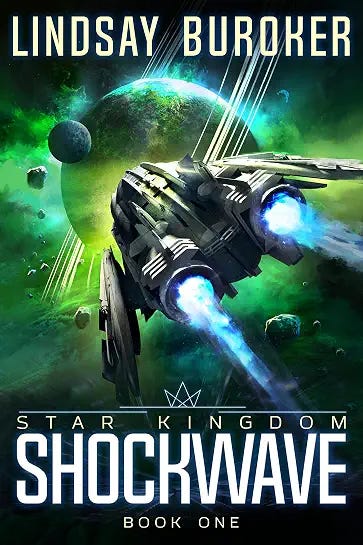
Author: Lindsay Buroker
Science Fiction
FREE
Lindsay Buroker has been one of indie fiction’s most productive and dependable authors for well over a decade, and Star Kingdom applies her instincts to space opera. The lead is a scientist rather than a soldier, which changes the whole complexion of the story — problems get solved by thinking rather than shooting.
Her signature is banter. Buroker’s ensembles argue constantly, and the humor is dry and character-driven rather than jokey, which keeps a long series readable across many volumes. The found-family dynamic that runs through all her work assembles here across a genuinely mismatched crew. ️
The plotting is brisk and the chapters short, with escalating stakes that give the series somewhere to go. Readers who came to Buroker through Emperor’s Edge or Fallen Empire will recognize the register immediately; newcomers get an easy entry point into an enormous catalog. ⚙️
Why this hooks: it’s smart, funny space opera from a hugely prolific author, and the first book costs nothing.
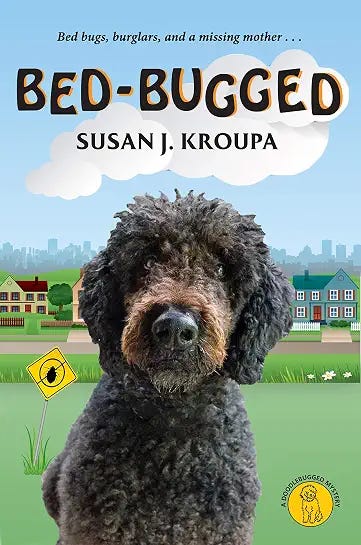
Author: Susan J. Kroupa
Cozy Mystery
FREE
Susan J. Kroupa narrates her mysteries from the perspective of Doodle, a labradoodle trained to detect bed bugs, and the conceit is far better executed than it sounds. Doodle’s world is built from scent and loyalty, and he understands roughly seventy percent of what the humans are doing.
The comedy comes from that gap. Doodle knows something is wrong long before his handler does, and he can’t explain it — which is a genuinely clever engine for a mystery, since the detective and the reader are ahead of the investigation and helpless about it.
Kroupa clearly researched scent-detection work, and the professional detail grounds what could easily have been twee. Violence stays offstage, the tone stays warm, and the handler’s family life gives the series its emotional thread. Animal-narrator mysteries live or die on voice, and this one has it.
Why this charms: it’s a genuinely funny cozy narrated by a working dog who takes his job seriously, and it costs nothing.
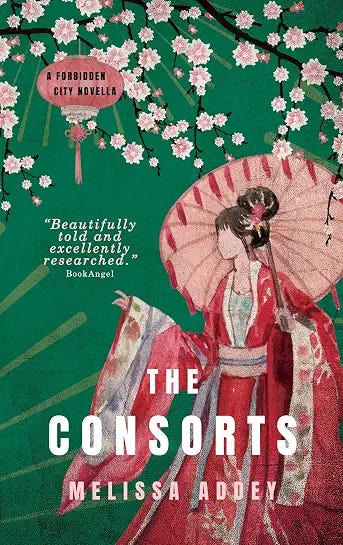
Author: Melissa Addey
Historical Fiction
FREE
Melissa Addey holds a doctorate in creative writing and researches her historical settings seriously, and the Forbidden City books are set in eighteenth-century Qing China among the emperor’s consorts — a world almost entirely closed to Western historical fiction.
The premise is a pressure cooker. Hundreds of women sealed inside a palace complex, ranked by an elaborate hierarchy, competing for the attention of one man on whom their entire status depends. Addey treats that arrangement as a political system rather than a romantic one, and the strategy involved is the point.
The sensory detail is exceptional — the rituals, the clothing, the enforced idleness, the small cruelties available to bored women with no other outlet. Readers who enjoyed Lisa See or the Empress Orchid novels will find the territory familiar and the research deeper than most.
Why this transports: it’s meticulously researched historical fiction in a setting almost nobody else writes, at no cost.
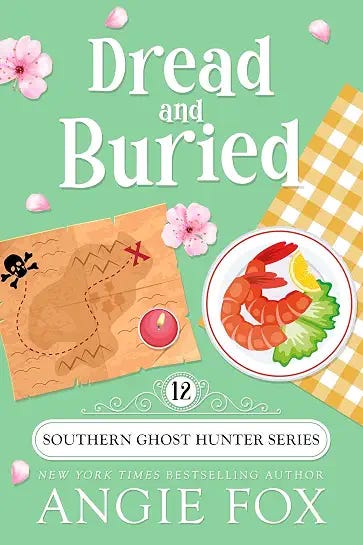
Author: Angie Fox
Paranormal Cozy Mystery
FREE
Angie Fox is a New York Times bestseller, and the Southern Ghost Hunter books have run to more than a dozen installments on the strength of a genuinely appealing premise: a Southern woman who can see ghosts, in a town where the dead have opinions and no discretion whatsoever.
The comedy is regional and affectionate. Fox writes small-town Tennessee with the gossip networks, the church committees, and the particular Southern skill of delivering an insult inside a compliment. Her ghosts have the same problem the living do — they can’t let anything go.
By book twelve the recurring cast has real history, including a romance thread that has developed patiently across the series. Violence stays offstage, the mysteries are fairly clued, and Fox structures each one to work for a drop-in reader.
Why this delights: it’s a warm, funny paranormal cozy from a bestselling series with plenty behind it, and this entry is free.
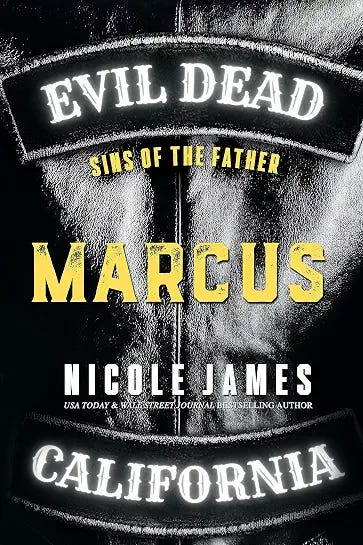
Author: Nicole James
MC Romance
FREE
Nicole James built the Evil Dead MC into one of the more durable motorcycle club romance series, and Second Generation hands the story to the children of the original cast — people who inherited a life nobody asked them whether they wanted. ️
The sins-of-the-father framing is the good part. Marcus is dealing with consequences set in motion before he was old enough to object, and the club’s obligations arrive attached to his surname. That’s more interesting than a hero who simply chose this life.
Series veterans get the pleasure of seeing familiar characters as parents; newcomers can start here without the back catalog. Content runs explicit and includes club violence, and the protective intensity that defines the subgenre is fully present.
Why this hooks: it’s a generational relaunch of a beloved MC series, and there’s no cost to patching in.
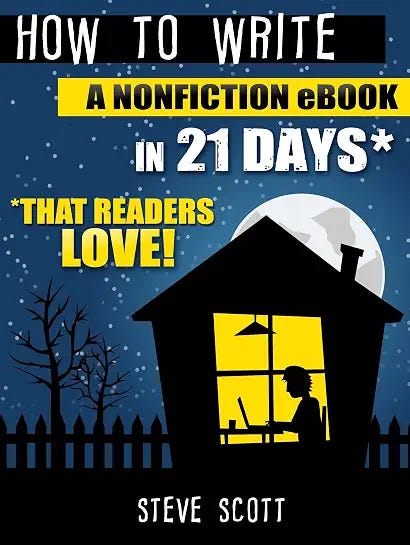
Author: Steve Scott
Writing and Publishing
FREE
Steve Scott built a substantial nonfiction publishing business on exactly the method described here, and the value of the book is that it’s a working practitioner’s process rather than theory. The twenty-one-day frame is a production schedule, not a marketing hook.
The core argument is that short, focused nonfiction serving one specific reader problem outperforms the sprawling comprehensive book most first-timers attempt. Scott breaks the timeline into research, outlining, drafting, and editing phases with daily targets, which is where the practical value sits.
Some of the platform advice has dated — the book predates the current Kindle ecosystem considerably — so treat the tactics as historical and the process as durable. The discipline of finishing remains the thing that separates published authors from aspiring ones.
Why this helps: it’s a concrete production system from someone who used it repeatedly, and free is the right price for testing the approach.
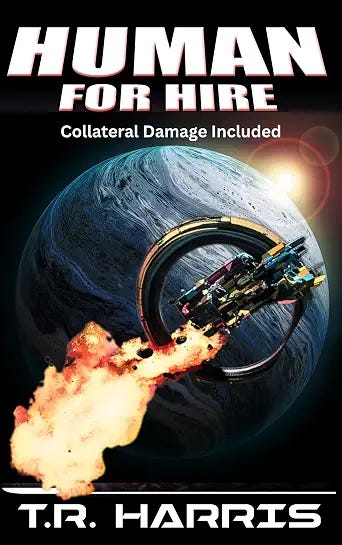
Author: T. R. Harris
Science Fiction
FREE
T. R. Harris returns to the premise that built The Human Chronicles into a decades-long saga: humans, thanks to Earth’s heavier gravity, are dramatically stronger and faster than most species in the galaxy — which makes a human for hire an extremely specific and extremely marketable commodity.
The parenthetical in the title tells you the tone. Harris writes with a light touch and a fast clip, more interested in clever complications than hard-science plausibility, and the humor comes from a galaxy that finds humanity genuinely alarming.
The mercenary framing gives him an episodic structure with room for escalation, and Harris rarely leaves a series unfinished — a real consideration in indie sci-fi. Readers who enjoyed The Fringe Worlds or the competent-human-versus-galaxy tradition will settle in fast. ⚔️
Why this delivers: it’s fun, fast science fiction from a prolific author with an enormous catalog, and the opener costs nothing.
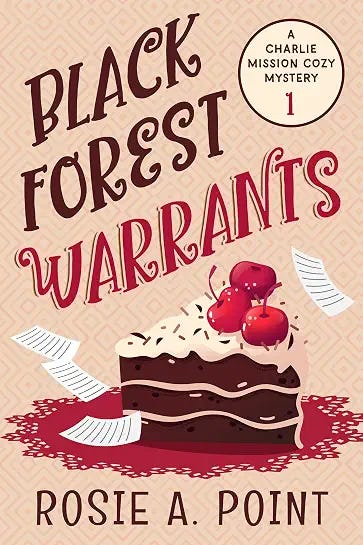
Author: Rosie A. Point
Cozy Mystery
FREE
Rosie A. Point is prolific across several cozy series, and the Charlie Mission books give her a heroine on the move — which solves the structural problem that dogs the subgenre, since a traveling sleuth doesn’t need a village with an implausible murder rate. ☕
The Black Forest setting supplies genuine atmosphere: dense woodland, small towns, and a fairy-tale weight to the geography that Point uses without overplaying. Being a foreigner in the investigation gives Charlie both a disadvantage and a useful outsider’s eye.
Point writes short and quick, with fair clues and violence kept offstage. The series opener establishes Charlie’s circumstances and the reason she keeps moving, setting up installments in new locations. Readers who like their cozies with a travel component will find this a good fit.
Why this appeals: it’s a brisk traveling cozy with a distinctive setting, launching a series at no cost.
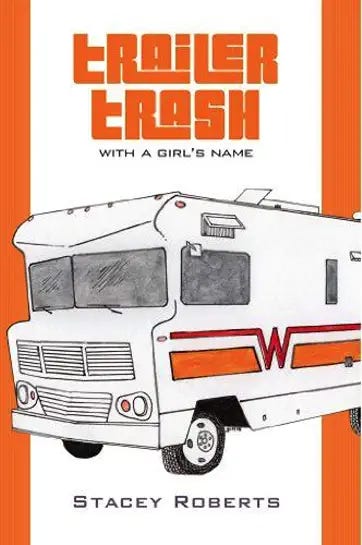
Author: Stacey Roberts
Humorous Memoir
FREE
Stacey Roberts grew up moving constantly across 1970s and 80s America with an unpredictable mother, and the title carries both of the childhood problems he’s working with. The comedy is the delivery mechanism; the material underneath is considerably harder.
The humor is genuinely funny rather than defensive. Roberts writes his mother as a force of nature — impulsive, charismatic, and frequently the reason the family had to leave a town — without either condemning her or letting her off. That balance is difficult and he mostly holds it.
The period detail is a pleasure for anyone who was a kid in that era, and the itinerant childhood gives the book a natural episodic shape. Readers who enjoyed Jenny Lawson or the funnier end of the dysfunctional-family memoir will recognize the register.
Why this entertains: it’s a funny, warm-hearted memoir about a chaotic childhood, and it costs nothing to read.
Author: Joe Clifford
Crime Fiction
FREE
Joe Clifford writes at the literary end of noir, and his Jay Porter novels earned him a reputation for crime fiction that takes economic desperation as seriously as it takes plot. His characters are usually people out of options making the worst available choice.
The title names the shape: someone drawn toward something that will destroy them, fully aware and unable to stop. That’s the noir engine at its purest, and Clifford handles it without romanticizing the self-destruction. His New England settings are cold, working-class, and specific.
The prose is spare and the perspective unsentimental. Clifford has been open about his own past, and the authenticity in how he writes addiction and hard living is a large part of why critics have taken his work seriously. Readers who value Dennis Lehane or Megan Abbott will find the register familiar. Content runs dark throughout.
Why this cuts: it’s literary noir from a writer critics take seriously, and there’s no cost to reading it.
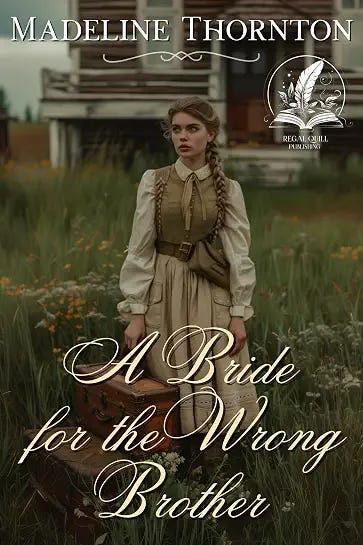
Author: Madeline Thornton
Western Romance
FREE
Mail-order bride stories are built for the wrong-brother complication, since the whole arrangement depended on correspondence and a woman arriving to meet a man she’d only read. Madeline Thornton takes that structural weakness and makes it the plot.
What gives it weight is that the heroine can’t simply leave. She’s traveled hundreds of miles with no money and no protector, and going back isn’t a realistic option — which means the mistake has to be worked through rather than escaped. Thornton draws those constraints accurately.
The heat stays gentle, closer to the sweet end of Western romance, and the frontier setting does real work with weather, isolation, and the practical necessity of partnership. Thornton is prolific in this lane, so a good fit opens up a substantial backlist.
Why this satisfies: it’s a warm frontier romance built on one of the genre’s best complications, and it costs nothing.
Author: Jade Christy
Urban Fantasy Romance
FREE
Vampire romance is having its second major moment, and Jade Christy positions this squarely in the romantasy lane — contemporary setting, immortal politics, and a heroine who becomes entangled in a world that has been operating beneath the ordinary one all along.
The deception in the title is the engine. A relationship built on something withheld has a built-in detonation point, and the tension comes from waiting for it rather than from external threat alone. Christy keeps the reader slightly ahead of the heroine, which is uncomfortable in the right way.
The modern urban setting keeps the immortal politics grounded in recognizable places, and the pacing runs fast with short chapters. Heat is present and the series continues the arc across further volumes. Readers who like their vampires dangerous rather than domesticated are the audience.
Why this hooks: it’s a fast, tense vampire romantasy opener with a lie waiting to go off, and it’s free to start.
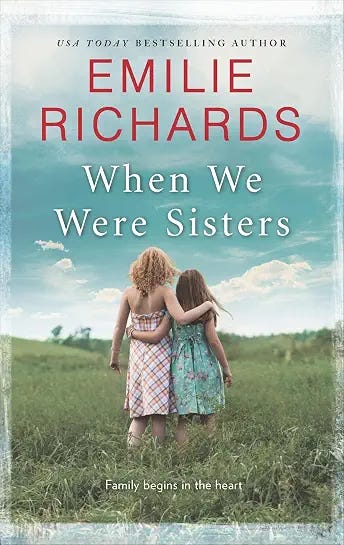
Author: Emilie Richards
Women’s Fiction
Regularly $17.99, Today $2.99
Emilie Richards writes women’s fiction that takes family history seriously, and this one follows two women bound together not by blood but by the foster system that placed them in the same home as children. Decades later, one is a photographer and the other a lawyer, and neither has finished processing what happened.
The documentary framing gives the novel its structure. One of them takes on a film project about children in care, which means returning deliberately to material both women had agreed not to discuss. Richards is patient about how that reopening damages a friendship that had survived by careful avoidance.
What lifts it is the attention to adult marriage alongside the childhood material. Both women’s present-day relationships are strained in specific, recognizable ways, and Richards refuses to let the past-tense revelations solve the present-tense problems. Readers who follow Kristin Hannah or Jodi Picoult will recognize the emotional register. ️
Why this resonates: it’s a substantial novel about chosen sisterhood and the cost of finally telling the truth, at three dollars against an eighteen-dollar list.
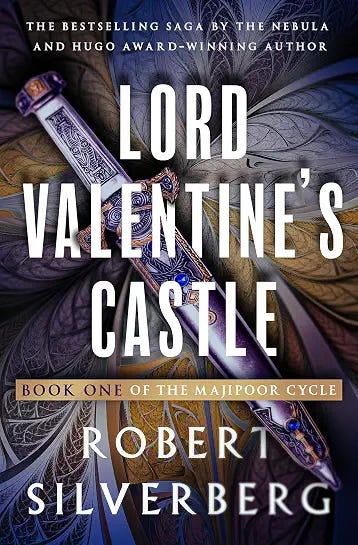
Author: Robert Silverberg
Science Fantasy
Regularly $11.99, Today $1.99
Robert Silverberg is a Grand Master of science fiction with a career spanning six decades, and Majipoor is his most beloved creation: a planet enormous beyond reason, low in heavy metals, populated by humans and several alien species, and governed by an arrangement involving a Coronal, a Pontifex, and a King of Dreams.
The novel opens with a young man arriving at a city with no memory of who he is, falling in with a troupe of traveling jugglers, and slowly working toward the truth about himself. The journey structure lets Silverberg unfold his world at a walking pace, which is exactly right for a place this vast. ✨
It won the Locus Award and remains a favorite among readers who prize wonder over conflict. The dream-communication system is genuinely inventive, the alien cultures are drawn with real curiosity, and the whole thing has a warmth that a lot of ambitious worldbuilding lacks. Multiple sequels followed.
Why this endures: it’s a landmark of science fantasy from a Grand Master, launching a beloved cycle, marked down eighty percent to two dollars.
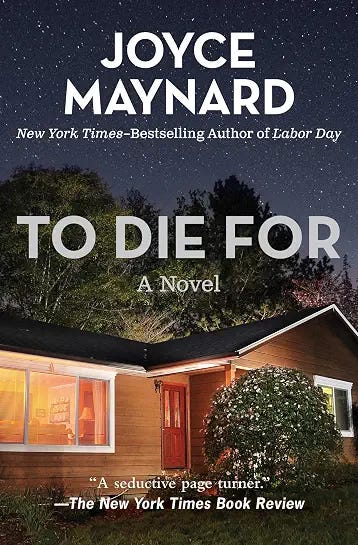
Author: Joyce Maynard
Literary Fiction
Regularly $17.99, Today $2.99
Joyce Maynard’s 1992 novel was loosely inspired by the Pamela Smart case, and it did something the news coverage couldn’t: it made the reader understand a woman who arranges her husband’s murder to protect her television career, without ever asking anyone to forgive her.
The construction is the achievement. Maynard tells it through multiple voices—the family, the teenagers, the neighbors—each convinced of their own version, with Suzanne’s own chapters delivered in the relentlessly upbeat register of someone auditioning for a life. The gap between how she narrates herself and what she does is the whole engine.
Gus Van Sant’s 1995 adaptation with Nicole Kidman is the version most people know, and it’s excellent, but the novel’s satire cuts deeper about ambition, television, and what a certain kind of American striving will justify. Content involves homicide and the manipulation of teenagers.
Why this cuts: it’s a razor-sharp satire that predicted an entire culture of fame at any cost, at three dollars.
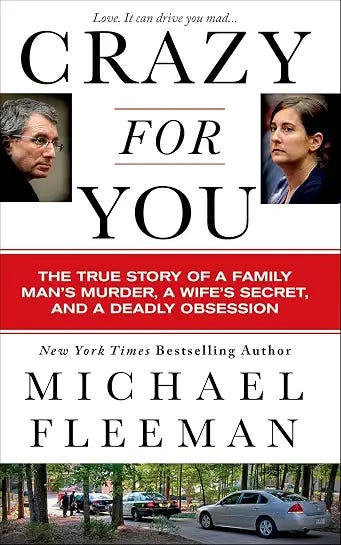
Author: Michael Fleeman
True Crime
Regularly $17.99, Today $2.99
Michael Fleeman came to true crime from the Associated Press and People, and that reporting discipline is why his books hold up better than much of the St. Martin’s True Crime Library output. He works from court records and interviews rather than speculation about what people were thinking.
This case involves a murdered husband, a wife with a secret life, and an obsession that escalated past the point where anyone involved could steer it. Fleeman traces the sequence of documented decisions rather than dramatizing motive, and he’s careful about distinguishing what was proven at trial from what was merely alleged.
The value in these accounts is procedural—how investigators identified their suspect, which evidence carried weight, and where the prosecution nearly failed. Readers should know the subject is intimate partner homicide, with the victim’s family and trial testimony covered throughout.
Why this holds attention: it’s carefully reported true crime from a journalist who knows the difference between fact and inference, at three dollars against an eighteen-dollar list.
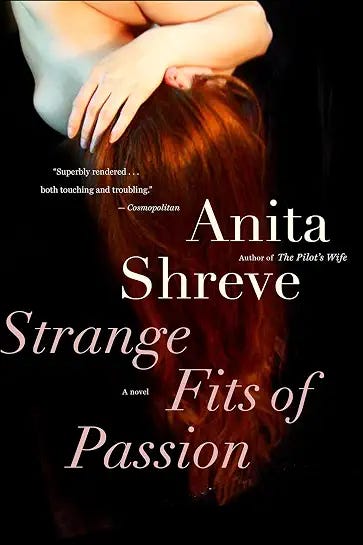
Author: Anita Shreve
Literary Fiction
Regularly $17.99, Today $3.99
Anita Shreve’s first novel established what she would spend a career doing: taking a woman at a moment of crisis and examining it from angles that keep contradicting each other. A journalist flees an abusive marriage to a Maine fishing village, and the events that follow are reconstructed years later by another reporter.
The framing is what makes it. The story arrives as assembled testimony—interviews, documents, competing accounts—which means the reader is put in the position of the investigator, weighing whose version to trust. Shreve is deliberate about how much that assembly distorts.
Her subject throughout is how women’s experiences get narrated by other people, and the coastal Maine setting supplies the isolation and the closed community that make escape complicated. Shreve went on to The Pilot’s Wife and The Weight of Water; this early novel already shows the control. Content involves domestic abuse and its aftermath.
Why this endures: it’s a formally sophisticated novel about violence and testimony from a major American writer, at four dollars against an eighteen-dollar list.
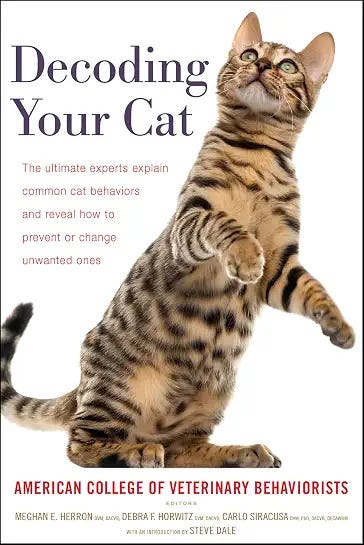
Author: American College of Veterinary Behaviorists, Meghan E. Herron (Editor), Debra F. Horwitz (Editor)
Pets
Regularly $25.99, Today $3.99
This one comes from the American College of Veterinary Behaviorists, which means the contributors are board-certified specialists rather than trainers with opinions. That distinction matters enormously in a field where most popular advice is anecdote dressed up as expertise.
The book works through the behaviors that actually drive people to the internet at midnight: litter box avoidance, aggression toward other cats, destructive scratching, nighttime yowling, and the general problem of a creature whose signals are easy to misread. Each chapter comes from a specialist in that particular area.
The consistent message is that most unwanted behavior is either a medical problem, an environmental problem, or a communication failure—and almost never spite. That reframing alone resolves a surprising number of household conflicts. The advice is practical and grounded in research rather than dominance theory.
Why this belongs on your shelf: it’s genuine veterinary behavioral science for ordinary cat owners, at four dollars against a twenty-six-dollar list.
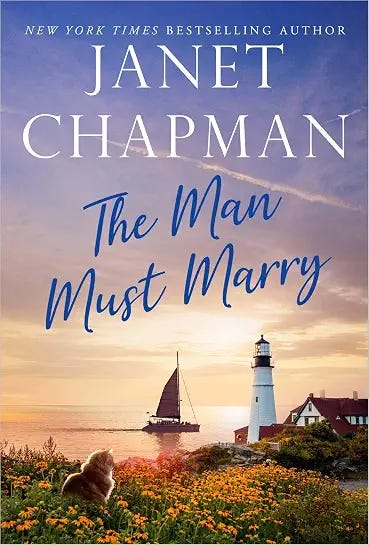
Author: Janet Chapman
Contemporary Romance
Regularly $3.99, Today $1.99
Janet Chapman built a devoted readership on Maine-set romance, and the Sinclair Brothers gives her a wealthy family, a will with conditions attached, and a man who has to marry to inherit. It’s an old device that still works because it forces two people together before either has agreed to anything.
Chapman’s strength is her heroines. They tend to arrive with their own resources and considerably less interest in the hero’s money than he expects, which flips the leverage in useful ways. The banter carries a good share of the chemistry.
The Maine coastal setting is rendered with real affection—Chapman lived there and it shows in the weather, the working harbors, and the local suspicion of outsiders. Heat sits at a warm to moderate level, and the brothers are set up for their own books. ❤️
Why this charms: it’s a warm marriage-of-convenience romance with a strong sense of place, at two dollars.
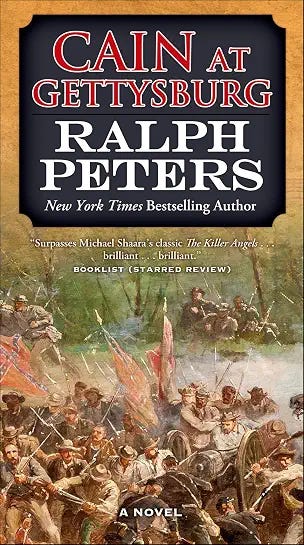
Author: Ralph Peters
Historical Fiction
Regularly $17.99, Today $2.99
Ralph Peters retired as a US Army lieutenant colonel before writing this, and it shows on every page. Cain at Gettysburg won the American Library Association’s W.Y. Boyd Award, and it does something Michael Shaara’s Killer Angels deliberately avoided: it puts the reader down among the enlisted men.
Peters is unsparing. The heat, the flies, the dysentery, the sound of a minié ball hitting bone, the sheer physical labor of moving artillery uphill—all of it is present, and the generals’ decisions look considerably different from the perspective of the men executing them. His Lee is stubborn and unwell rather than saintly.
The immigrant soldiers get particular attention, including the German and Irish regiments that most Gettysburg accounts treat as background. Readers who found Killer Angels moving should know this is the harsher companion piece, written by someone who has commanded troops.
Why this stands out: it’s an award-winning, unsentimental Civil War novel from a career soldier, at three dollars against an eighteen-dollar list.
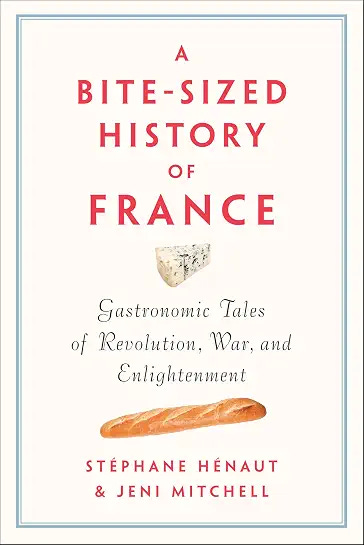
Author: Stephane Henaut
Food History
Regularly $17.99, Today $2.99
Written by a French cheesemonger and his English wife, this tells French history through what people were eating at the time—and the conceit turns out to be far more illuminating than it sounds. Food is where politics, religion, agriculture, and class all become physically visible.
The chapters work as short standalone essays: how Roquefort got legal protection in the fifteenth century, what the salt tax had to do with the Revolution, why Champagne is Champagne, how phylloxera nearly ended French wine, and what the Nazi occupation did to the national table.
The husband-and-wife authorship gives it a useful double perspective—one insider, one outsider—and the tone is conversational without being lightweight. Readers who enjoyed Bill Bryson’s At Home or Mark Kurlansky’s single-subject histories will recognize the pleasure of a big story told through small objects.
Why this delights: it’s an entertaining and genuinely informative history that goes down easily, at three dollars against an eighteen-dollar list.

Author: Anna Elliott
Historical Mystery
NEW RELEASE
Anna Elliott has written across Arthurian fiction, Sherlock Holmes continuations, and Austen variations, and the Homefront Sleuths series brings her to wartime America—where the detective work falls to the people who stayed behind.
The ghost fleet framing is evocative and historically grounded. Mothballed ships anchored in rows, crewed by nobody, are exactly the kind of setting a mystery wants: isolated, industrial, and full of places nobody has looked in months. ⚓
Elliott’s homefront angle is the smarter choice. Wartime shortages, shifting gender roles, and communities emptied of young men create motives and opportunities the peacetime mystery can’t access, and women who suddenly had access to workplaces and information make natural investigators.
Why this intrigues: it’s a newly released historical mystery in a wartime setting most of the genre overlooks.
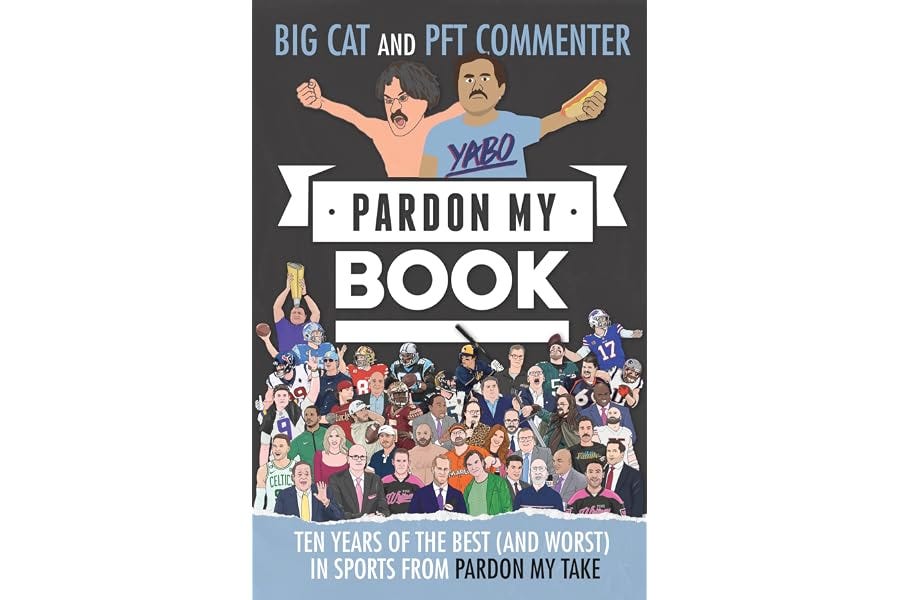
Author: Big Cat, PFT Commenter
Sports Humor
NEW RELEASE
Pardon My Take has been one of the biggest sports podcasts in the world for a decade, built on a hosting style that treats sports media conventions as something to be ridiculed rather than performed. This book collects a decade of that.
The appeal is the running bits—the recurring segments, the invented awards, the elaborate ongoing jokes that only make sense if you’ve been there for years. Listeners will find the collection functions as a yearbook. Newcomers should know a fair amount of it assumes context. ️
Big Cat and PFT Commenter operate in a register of committed absurdity, with PFT’s fake-columnist persona and interviews that veer wildly off the promotional script. The Barstool association means the wider brand’s controversies come attached, which will matter to some readers and not to others.
Why this lands: it’s a brand-new decade-in-review from one of sports media’s most popular and least reverent shows.
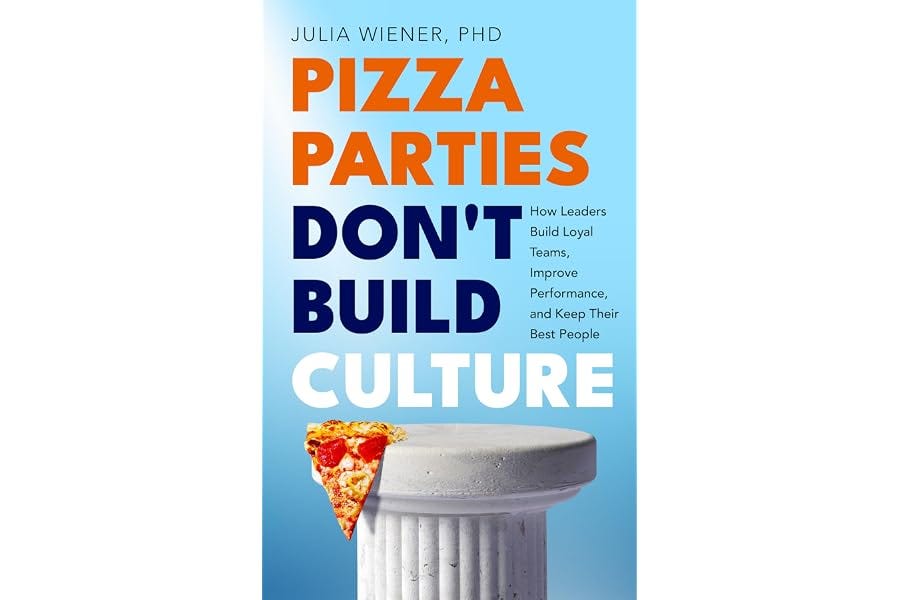
Author: Dr. Julia Wiener
Business
NEW RELEASE
The title lands because everyone has been to that pizza party—the one thrown by a company that has just cut headcount, denied raises, or quietly increased everyone’s workload. Dr. Julia Wiener’s argument is that perks are what organizations offer instead of the things people actually want.
What employees want, on this account, is straightforward and much harder to deliver: fair pay, competent management, clear expectations, real autonomy, and the sense that good work is noticed by someone with authority. None of that can be catered.
The practical value depends on whether readers have the standing to change any of it. Managers will find the diagnostic framework useful; individual contributors may mostly find their frustrations articulated, which has its own value when you’re deciding whether to stay.
Why this resonates: it’s a newly released and refreshingly blunt take on why engagement initiatives keep failing.
Comments
Nothing yet. Say the first thing.
Sign in to join the conversation.