
This is my monthly wrap up where I talk about some of my favourite things from the last month. What I’m reading, enjoying, looking forward to—sort of anything floating my boat.
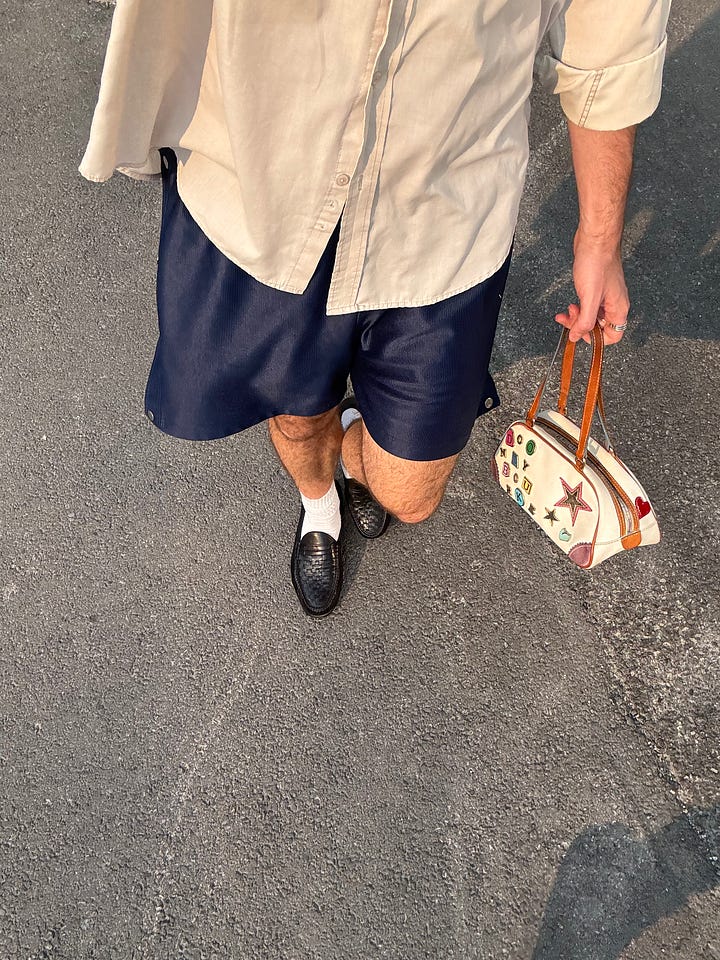


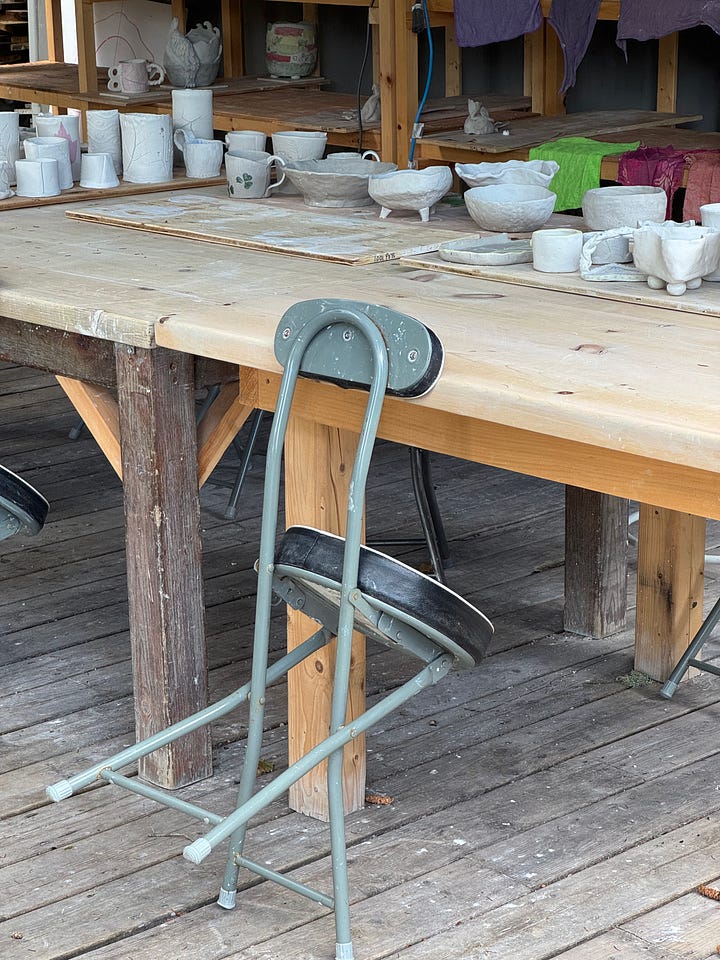
Here is an overview of how my month went:
Got a story published in BarBar!
It’s about grief and Facebook Marketplace 🫶Went on a little solo writing retreat…
Very happy with what came out of it!!!
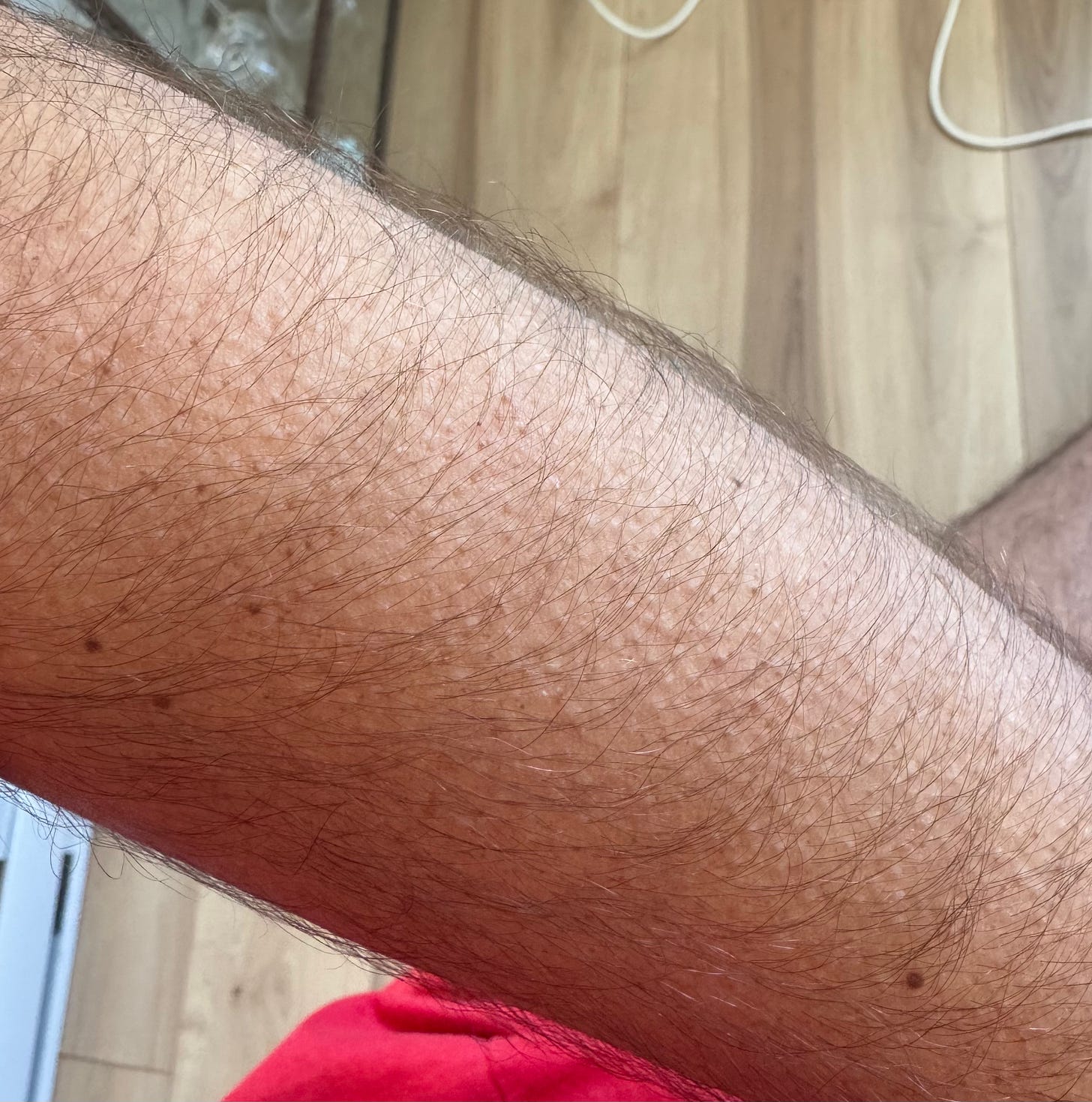
Finally watched TSITP (fought it for four years) in a moment of discourse FOMO. I’m certainly not the target demo… but I’ve been documenting every time I get shivers from it, so it must be doing something right:
Planning a lot of early fall outings and activities
What I Read
Below is a rundown of every book I read last month. I’ll be adding a star next to my standouts, like a starred review where a star isn’t a 1 to 5 scale, it just means good!
Before the written ramblings, here is a video version of my monthly wrap up if you’re more of a visual person:'
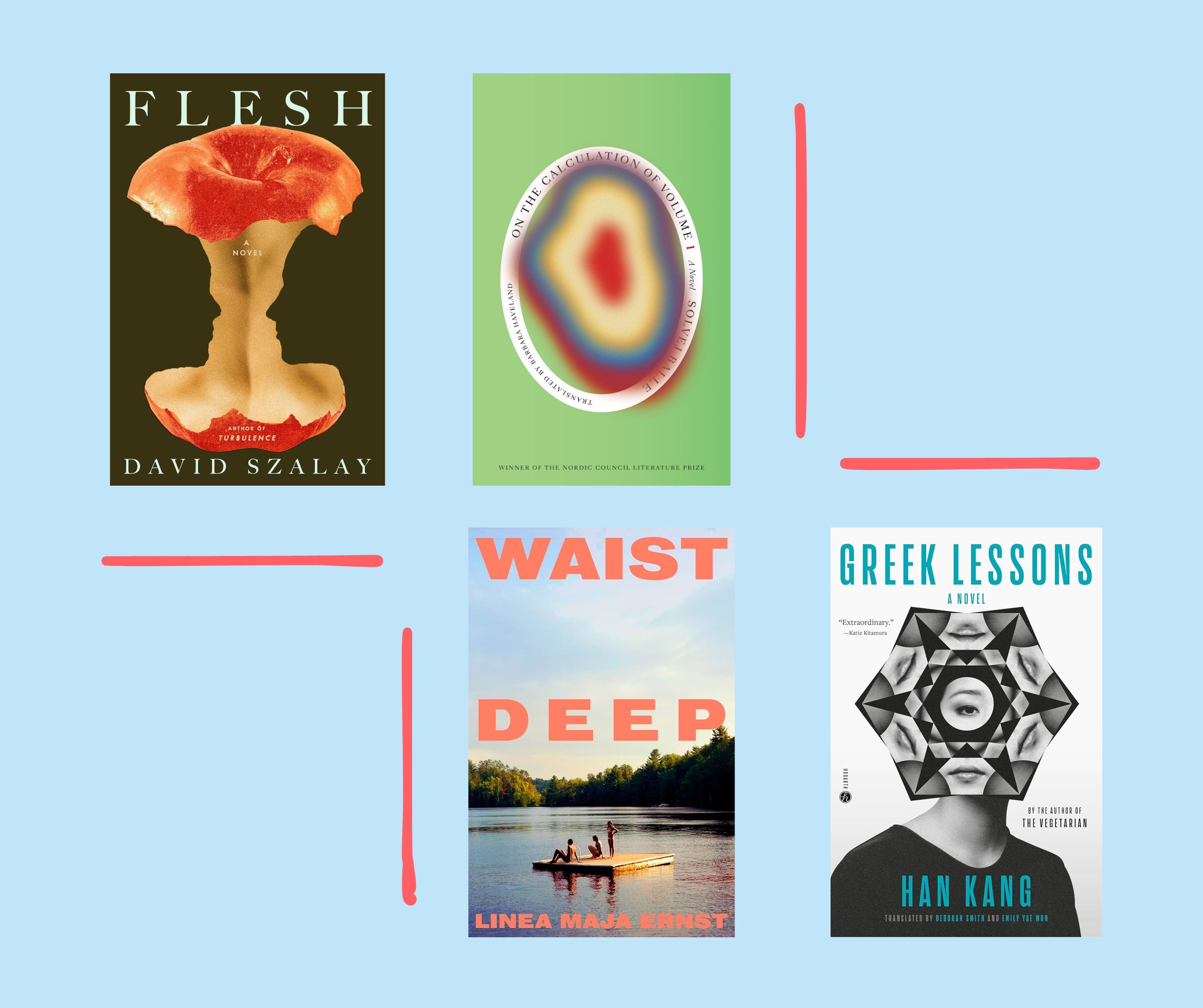
Flesh by David Szalay
I put on a hold on this book long before it was announced as a Booker Prize Longlist title, but it came in at just the right time. This is a novel concerned about masculinity, and the different sharp angles that make up its shape.
Told through long snapshots, the book flies through a man’s life from teenage-hood well into middle age. These moments are defining, but the life isn’t extraordinary. It’s meant to be mundane and it does that beautifully.
Reading this felt like having wet clothes stick to you, just before it starts getting really cold. The narrator is detached and hard as ice, but something about it really gets its claws into you. He deals with a lot of heavy topics without it ever feeling heavy-handed.
I liked this, but I didn’t love it. There was something interesting to me about tragedy told in a commonplace way, the problem with that is there’s an element of heart and soul missing. All of that way intentional, it just isn’t my personal preference.
On the Calculation of Volume I by Solvej Balle (tr. by Barbara J. Haveland) ★
This novel is the first of seven about a woman who is stuck repeating the same day, November 18th, over and over and over again. It opens on her 122nd.
Our narrator has a firm grasp on the day ahead, as it’s the same every time she wakes up. Somedays she tells her husband about her predicament, most days she locks herself in the guest bedroom. She is forced to live for every second, to slog through the mundane.
The coldness that comes from this took my breath away. Her loneliness, her building apathy, and her slipping grasp on what used to be her life.
It’s a rumination on temporality and leaving a mark on the world. How does it feel to take up space in a life that forgets you every single morning?
Can’t wait to read the next instalment!
Waist Deep by Linea Maja Ernst (tr. by Sherilyn Nicolette Hellberg)
This book has so many things I love: queer mess, summer cottage claustrophobia, strong bonds whittled down to flimsy string over time. And while those things got me to finish the book, I can’t say it lived up to it’s potential for me.
A handful of friends from university escape the city for a week in the country, packed into a small cabin by a lake. They’ve all changed from who they once knew each other as, they’ve grown slightly apart. We fly through their rekindling and reminiscing and new contrasts in just over 200 pages, but I felt like this needed 200 more.
The narration is in 3rd person and that made the exposition feel like… exposition. The dynamics are told to us quickly, we’re meant to grasp it all without ever earning it as readers. For me, the missing layer of depth made it harder to connect to the emotional moments.
I think this would work for other people. It could be a great beach read, it could make many people feel seen, I just needed a bit more given how beautifully the scene was set.
Greek Lessons by Han Kang (tr. by Deborah Smith and Emily Yae Won)
This is my fourth instalment of My Year With Han Kang! I’ve read all but one of her english translations, and I really liked this one.
A woman has lost the ability to speak, yet she is taking Greek lessons from a professor who is gradually losing his sight. They’re drawn to each other by their shared experience of pain and loss. The core of this novel is about the ways in which people communicate/connect, and the layered complexity this encompasses.
At first the story feels very sturdy, then it becomes more flimsy as the characters start to be more entwined. The shifting narration starts to accelerate and the blur between them grows more opaque. What starts with an examination of language becomes a dream-like narrative with these two converging.
I felt like there was some meat left on the bone narratively, but Han Kang cut to the marrow of these people so well, I can’t really fault her. And the writing… The writing on language was so lyrical yet sharp. She is so impressive.
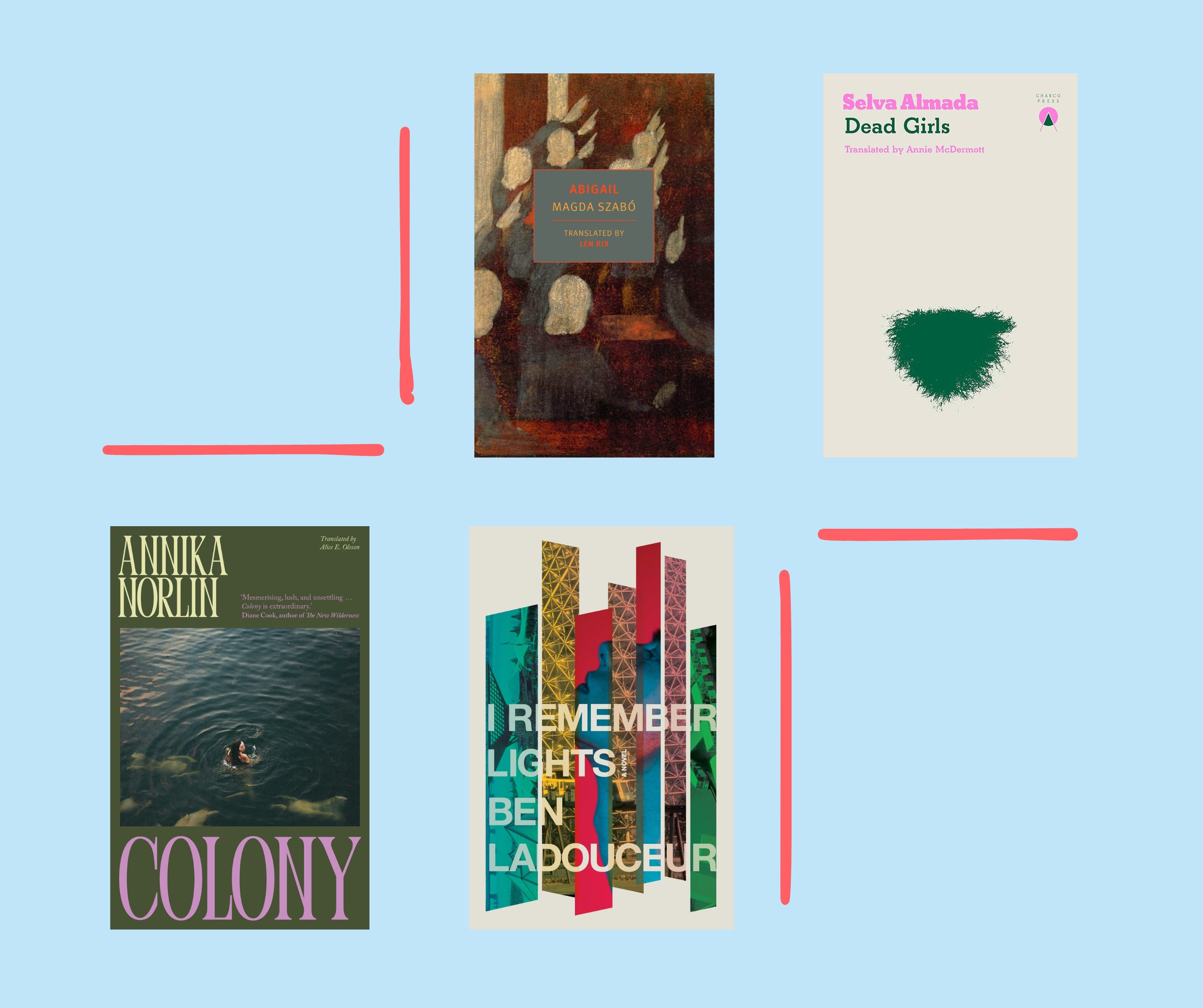
Abigail by Magda Szabó (tr. by Len Rix) ★
My first Szabó, but certainly not my last! This book is from the 1970s, and yet, there isn’t as much dust to get through in order to enjoy the book (which I sometimes feel when reading books from this era).
This novel is the story of Gina Vitay, a somewhat spoiled teenager in Budapest with a full life of seeing operas, going to museums, and having proximity to adults in a way most teens don’t. Her life takes a turn when her army general father sends her to a boarding school where the adults are severe and the students band together.
It’s set against the backdrop of WWII and tracks Gina’s understanding of what’s happening in the world. We see her grow up in real time as she learns about the war beyond her school’s walls and her father’s involvement in it—the cushy padding that’s surrounded her since birth is slowly peeled away.
I loved the Lords of the Flies feel of the school life and social dynamics of this novel. I loved reading about the historical context of Hungary during WWII, without it feeling like a war novel. There’s just so much to get from this and it is so beautifully executed.
Dead Girls by Selva Almada (tr. by Annie McDermott)
This book is nonfiction in a way I haven’t read before. It’s part memoir, part true crime investigative journalism, part social commentary, and each of those parts has beautiful prose.
The author narrates three femicides from the 1980s that all took place in small towns around Argentina and for which nobody was ever held responsible. She travels around the country conducting interviews to add some dimension to the stories and she also gives perspective from her own life. All of this is woven together to frankly discuss women and violence and violence towards women.
I think the nature of what Almada set out to do was always going to be hard to follow, and that’s not a reflection of the work but rather felt like a choice here. She intentionally jumps around from case to case, her stories, life in Argentina, and her thoughts on it all. My interpretation was that she meant to convey violence as seeping into every inch of this story and always being present for her.
I’d be very curious to read more from Almada! I know she has a trilogy about masculinity which I think could be very interesting.
Colony by Annika Norlin (tr. by Alice E. Olsson)
This is a novel written by a Swedish pop star, and that was enough to hook me. All I knew going in was that it would be cult-like, in a remote Swedish setting, and feature messy group dynamics. I did get that, however, I wanted to love this more than I actually did.
It kicks off with Emilie, a journalist on burnout from contract work and the bustling city life, as she floats towards the woods in search of reconnection with nature on a camping trip. When she arrives, she is captivated by a group of misfits seemingly living an alternative lifestyle together.
Then, we switch gears completely and spend 250 pages digging into the lives of each person in the group. It reminded me of The Bee Sting in the way everything else falls to the side as we explore each character.
Don’t get me wrong, I quite liked this, but the construction of the novel is what stopped me from loving it. While the character deep dives were so interesting, I kept waiting to see Emelie reappear. Why is the intruder on the sidelines when she’s a journalist and could easily be the one uncovering the story of how the group came to be?
Colony puts humanity on display through intricately woven group dynamics, and it’s done so well. The ways people are brought together, the things that keep them linked, the mental labour required to live an alternative lifestyle.
This is the kind of book where the more I sit on it, the more I like it. After writing this review, I’m remembering all the good parts and the rest doesn’t feel as important.
I Remember Lights by Ben Ladouceur ★
This is a novel about gay life in Montreal in the 1960s and 1970s. It takes inspiration from Expo ‘67, an international fair held in Montreal to celebrate the culture of 62 participating nations, and a slew of raids of gay bars in the city that happened in the 70s.
We follow an unnamed narrator from New Brunswick who upends his life to move to Montreal. He learns the ins and outs of being a gay man from his cruising partners, nightlife, new friends, and live-in lovers.
The reality of this experience can be quite bleak. There’s so much wonder through exploration and joy from growing self-awareness, but what’s always present is the backdrop in the later timeline where he gets put in jail because of a police raid.
Another fascinating piece of this novel is the way it talks about Expo ‘67 shaping Montreal. The tourism boom was like nothing before, an influx of people deciding to stay, it essentially changed the makeup of the city forever. I loved getting this insight from a part of history I only knew surface level information about.
As a queer man who grew up in Montreal, this book hit exactly where it needed to. I have read so many books like this one set in New York City, or Los Angeles, or Paris, or London, but to get this story told through the lens of a place I know intimately was really special.
On My Bedside Table
A dispatch from my bedside table and the books that litter it, hoping to be read soon.
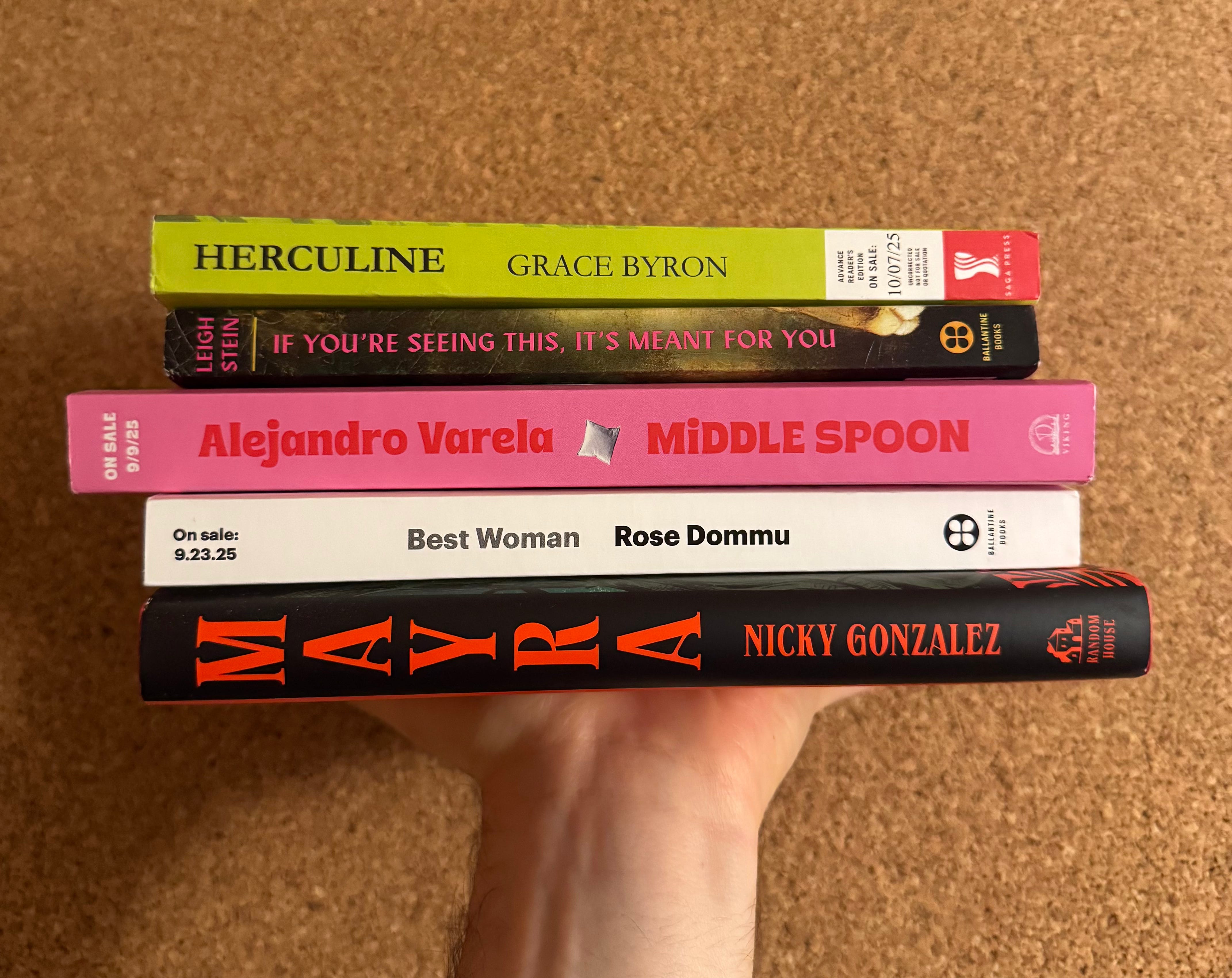
Herculine by Grace Byron, a haunting horror set in an-all trans girl commune.
If You’re Seeing This, It’s Meant for You by Leigh Stein, a woman is tasked with turning a dilapidated gothic mansion into an influencer hype house.
Middle Spoon by Alejandro Varela, a poly man’s life begins to spiral when one of his partners dumps him.
Best Woman by Rose Dommu, a romcom (the 90s Julia Roberts kind) about a girl who is “best woman” in her brother’s wedding and falls for a bridesmaid.
Mayra by Nicky Gonzalez, a dizzying and eerie horror novel about old best friends and a creepy house in the deep swamplands of Florida.
Have you read any of these? Are any of these non-negotiables? Are any of them skippable?
What did you read and love in August?
Tell me what you think in the comments!
That’s been my month! Typos (if any) were made on purpose.
Until next time 🤠
No posts
Comments
Nothing yet. Say the first thing.
Sign in to join the conversation.