
Hi chiquit@s, Bonnie here.
I know we’re bombarded with skincare routines, miracle products, and new trends every single day. But if you want to know who the real Queen B of skincare ingredients is, it’s without a doubt retinol.
She is that girl.

Retinol is a vitamin A derivative that speeds up skin cell turnover. In plain English? It helps your skin act younger. Over time, it can soften fine lines, improve texture, fade dark spots, unclog pores, and even help stimulate collagen, making your skin look smoother, brighter, and healthier.
Enjoying this read? Consider subscribing.
Of all the skincare ingredients available today, retinol has some of the strongest scientific evidence behind it. It’s one of the few ingredients that has consistently been proven to improve the appearance of aging skin.
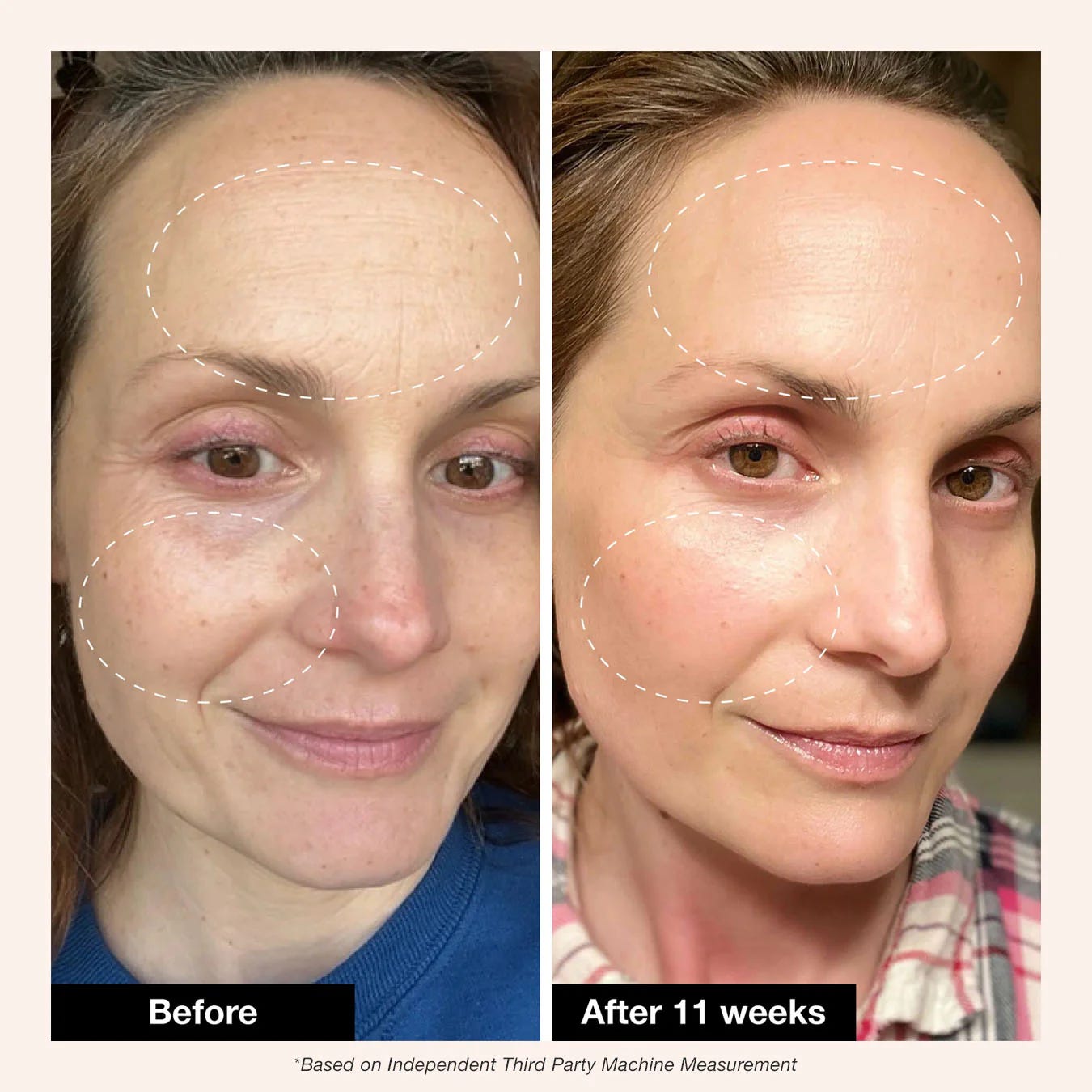
If you’re over 25. Start today… And yes, if you use it correctly, you will see a difference.
But... there’s a catch.
Retinol can also be one of the easiest ways to completely upset your skin. It can cause dryness, peeling, redness, and irritation, especially if you have sensitive skin like I do.
Ask me how I know. 🙂
When I first started, I made every mistake possible. So if you’re thinking about starting retinol—or you’ve tried it before and gave up—this guide is everything I wish someone had told me before I began.
1. Pick the right formulation.
I thought stronger meant better.
It doesn’t.

I started with a 1% retinol, and it was a disaster. My skin was irritated almost immediately. I could have scared small children.
Not everyone’s skin is the same. My husband can tolerate much stronger retinoids because he used them as a teenager for acne. I’m a delicate flower.
If you have sensitive skin, start with a low strength and work your way up slowly. Trust me. I’m currently using 0.25%, and my skin is doing great.
You will still get all the benefits of retinol. More redness and irritation do not mean it is working better. They simply mean you are experiencing more side effects. The goal is not to see how much your skin can tolerate. The goal is to use retinol consistently for the long term.
2. Use less than you think.
The first time I applied retinol, I used it like a regular moisturizer. In my defense, the bottle didn’t have clear instructions.
You only need a pea-sized amount for your entire face. Stretch it as far as it will go.
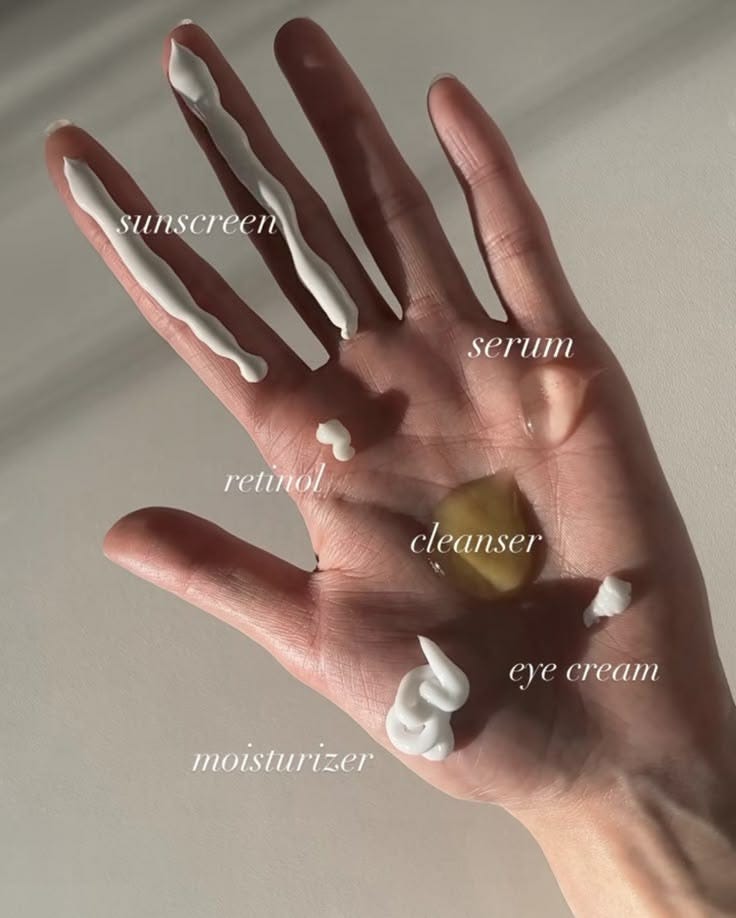
More is not better.
3. Don’t use it every night.
Yes, your goal may eventually be to use it more often, but not on day one.
Start with 2–3 nights a week and let your skin adjust.
I recently had to restart after taking a break while testing products for my blog. My routine looked like this:
Night 1: Retinol
Night 2: Azelaic acid
Night 3: French Recovery (I also use these on my other nights.)
Alternatively, I was also testing THIS.
Repeat
My skin has been much happier this way.
Enjoying this read? Like this post and consider subscribing.
4. Apply it to completely dry skin.
Don’t apply retinol to damp skin. Water can increase penetration, which often means more irritation, especially if you’re just starting.
I wait about five minutes after washing my face before applying it.
Lesson learned.
5. Don’t play cosmetic chemist.
When you’re starting retinol, keep the rest of your routine simple.
Don’t layer it with exfoliating acids (AHAs or BHAs), benzoyl peroxide, or other strong active ingredients unless your dermatologist has specifically recommended it.
Save those ingredients for your non-retinol nights.
On retinol nights, I like to seal everything in with a simple moisturizer. Or I’ll use my French cream and balm because it contains peptides and barrier-supporting ingredients, or I’ll use a peptide moisturizer on its own. The goal is to nourish your skin, not challenge it.
If you can’t tolerate retinol right away...
I couldn’t tolerate retinol at all in the beginning.
So I started with retinol alternatives, and my skin reacted much better. This took years lol.
My skin adjusted really well to Beautycounter Countertime (and it smells incredible). I also saw great results with Vetted Dermlab R Retinoid Serum, which uses a gentler retinoid. I tried Skinbetter AlphaRet too. At first it was amazing, but after a while my skin became too sensitive to continue using it.
Eventually, I worked my way up to a true retinol, and now I’m doing great with it.
The products I’m currently using
Retinol (2 to 3 nights per week)
More affordable retinol options:
CeraVe Resurfacing Retinol Serum (great beginner option)
Naturium Retinaldehyde Cream Serum 0.05% (excellent for sensitive skin)
The Inkey List SuperSolutions 1% Retinol Serum (if someone is ready for true retinol at a budget)
Retinol alternative
More affordable retinol alternative
The Ordinary Granactive Retinoid 2% Emulsion (uses HPR, similar technology)
For advance users
Azelaic acid (Night after retinol night)
French cream (every night contains peptides and barrier-supporting ingredients)
French balm ( To seal everything, plus is healing)
Peptide moisturizer (on relax night, I was testing this product to see if it was good, i like it)
Have you tried retinol? Let me know in the comments.
There is so much more we could talk about, like azelaic acid, retinal, and retinoid alternatives. Let me know what you want to learn about next.
I wanted this to be a concise guide so you don’t have to suffer through the same mistakes I did. If you know someone who’s thinking about starting retinol, share this with them so they don’t have to learn the hard way either.
Alright.
That’s all for today. See you on Wednesday.
With love,
Bonnie 🖤
All the products mentioned in this post, along with my promo codes, are HERE.
Comments
Nothing yet. Say the first thing.
Sign in to join the conversation.