BONE AND SICKLE explores historical topics related to folklore and horror. With acerbic wit and a scholarly penchant for the grotesque, rogue folklorist Al Ridenour delves into a wide but carefully curated range of topics illustrated by stories from historical texts. Narratives are given dramatic readings by “Mrs. Karswell” (Sarah Chavez) backed by richly produced soundscapes blending original music, sound design and effects. The source books, though real enough, are said to be pulled from an…
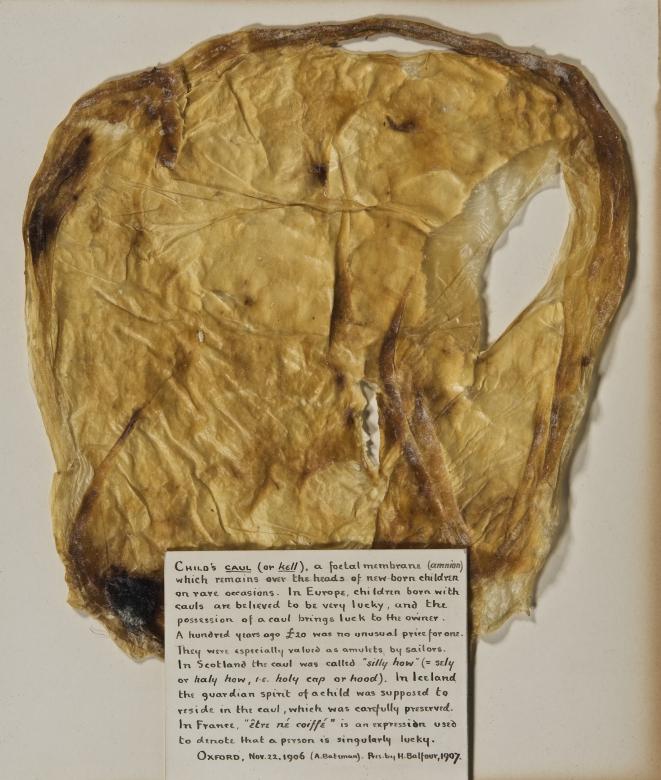
To be “born with a veil” (or caul) was once regarded as far more than an unusual circumstance of birth. Being born with a caul—a portion of the amniotic membrane adhering to a newborn’s head or face—is exceedingly rare, but across centuries of European folklore it has been interpreted as a visible mark of destiny. Those born with one might be exceptionally lucky, possess healing powers or second…
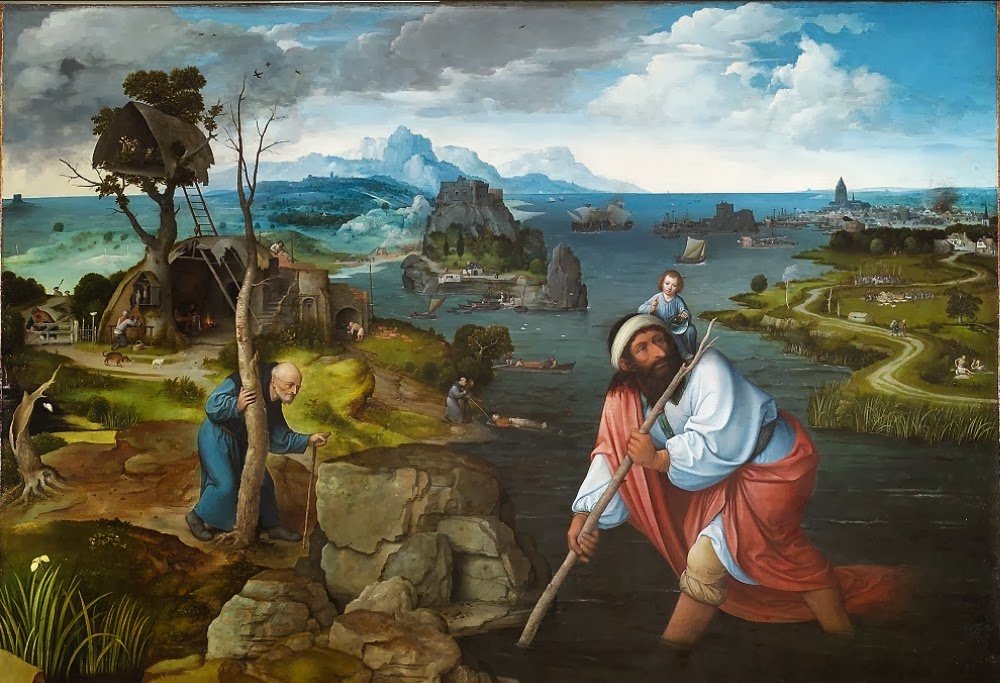
Today he’s known mainly as a figure from medals carried to insure safe travels, but that image of a giant carrying the Christ Child across a dangerous river represents only the final stage in the long and strange evolution of the saint’s legend. Earlier or forgotten aspects of his story describe Christopher as a ferocious soldier, the Devil’s servant, a cannibal, and even a dog-headed monster. Our…
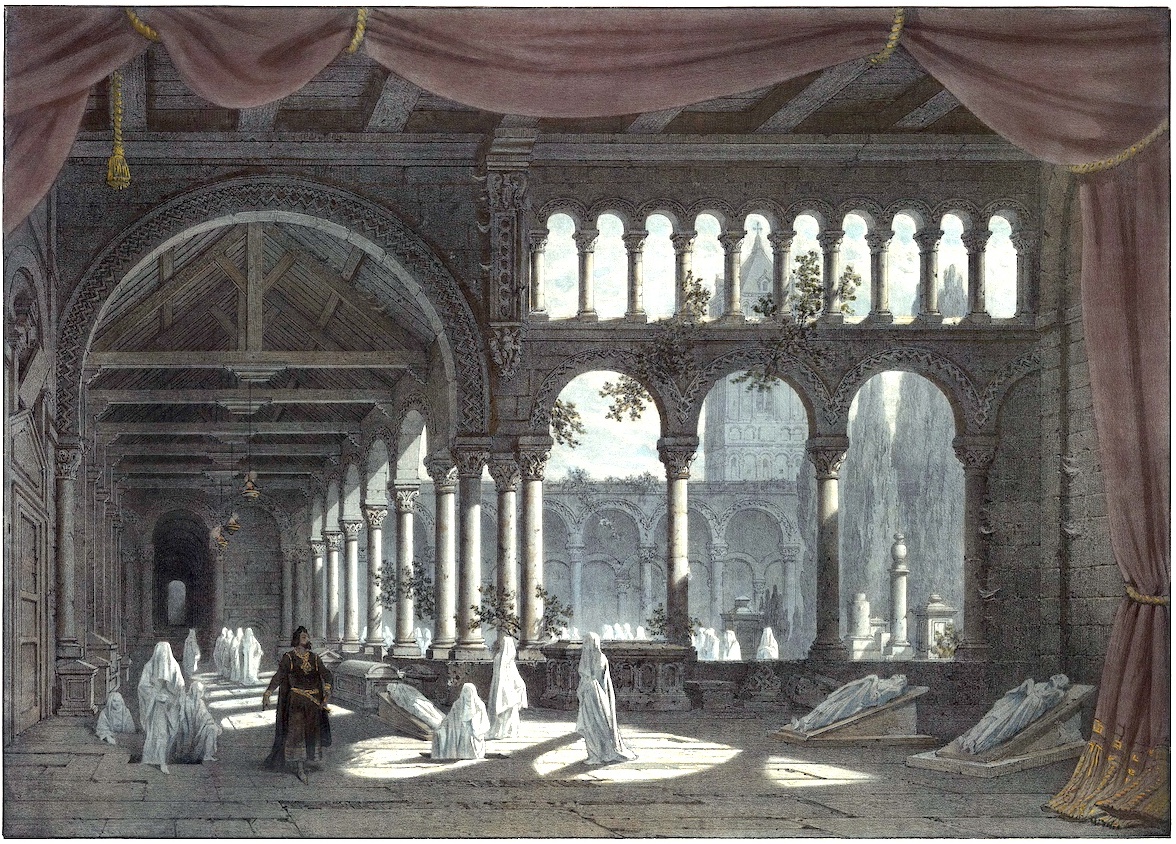
Robert the Devil is a supernatural medieval legend that inspired a 19th-century French opera, which incorporates key elements from a seminal Gothic novel. The opera and legend are substantially different but both interesting. We begin with Giacomo Meyerbeer’s 1831 opera, Robert le diable , which gained notoriety for a ballet sequence in Act III, which portrays an attempted seduction of the hero,…
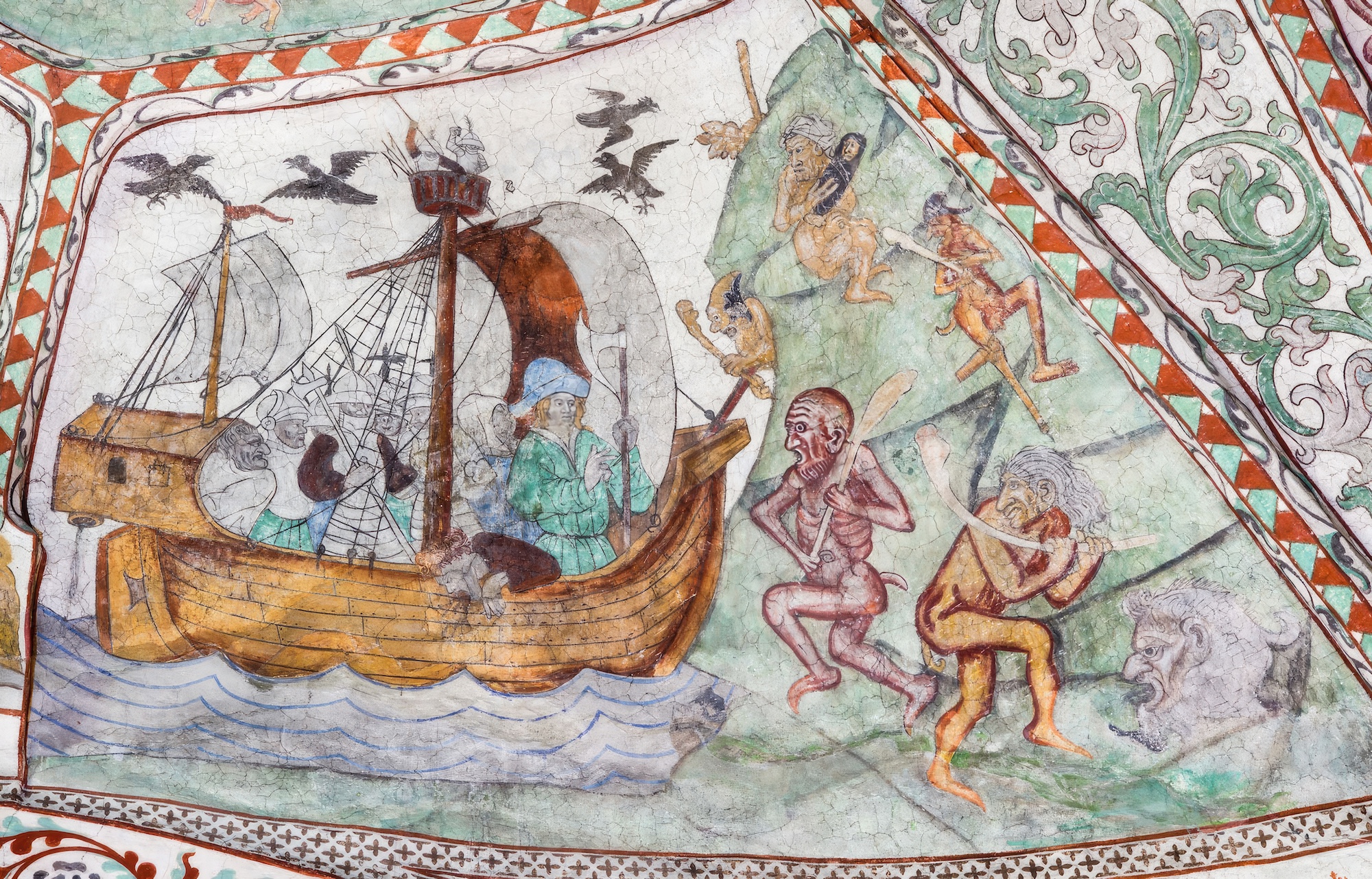
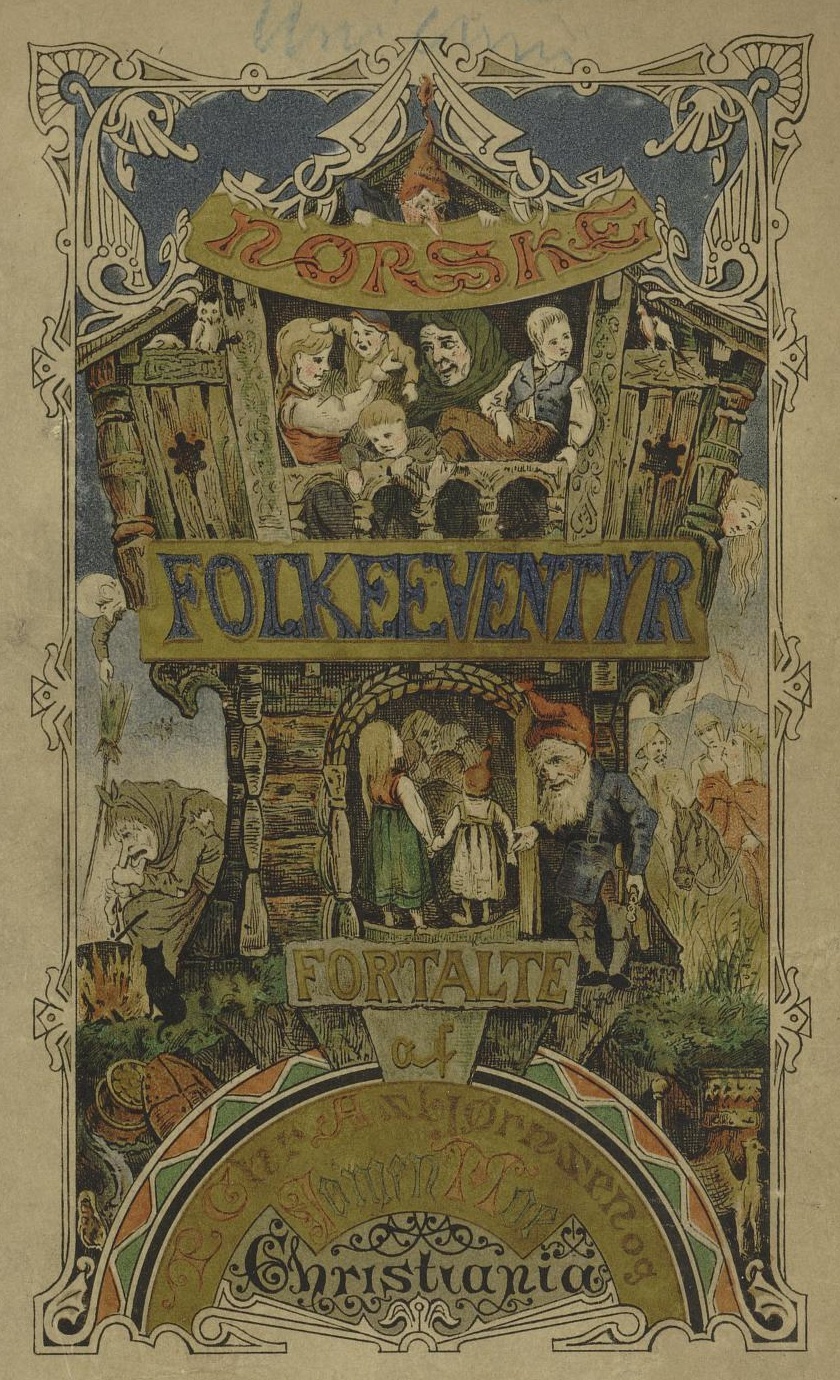
Trolls, as presented in medieval literature, are vastly different from the creatures we encountered in our last episode’s collection of 19th-century Norwegian folktales. These Viking Age trolls are more vividly and gruesomely described, and the “troll-women,” who frequently appear, are akin to witches. We begin the show with a traditional song from the Faroe Islands, “Trøllini í Hornalondum,”…
Trolls in Scandinavian folklore can be a little different from what’s imagined in the rest of the world. We begin our show with a montage of clips from recent movies, Trollhunter (2010) , Troll (2022) , and Troll 2 (2025) — the latter two being Netflix productions that have rekindled interest in the subject while reimagining trollsin a way that does not always conform to the folklore. While all…
Gammer Gurton’s Garland , published in 1784, is one of the earliest collections of English nursery rhymes, and contains verses both familiar and alarmingly unsettling. Intended to be read to toddlers (i.e., “children who can neither read nor run,” according to its subtitle) and named after a fictitious Grandma (“Gammer”) Gurton, who’d be analogous to Mother Goose, the volume were assembled by the…
The Christmas Eve ghost story is a fine old tradition associated with Victorian and Edwardian England, one that’s been making a comeback on both sides of the Atlantic. Since 2018, Bone and Sickle has enthusiastically embraced the custom. Our offering for 2025, is “The Other Bed” written by E.F. Benson in 1912 and read for us by Mrs. Karswell . Previous Christmas ghost stories are linked here in…
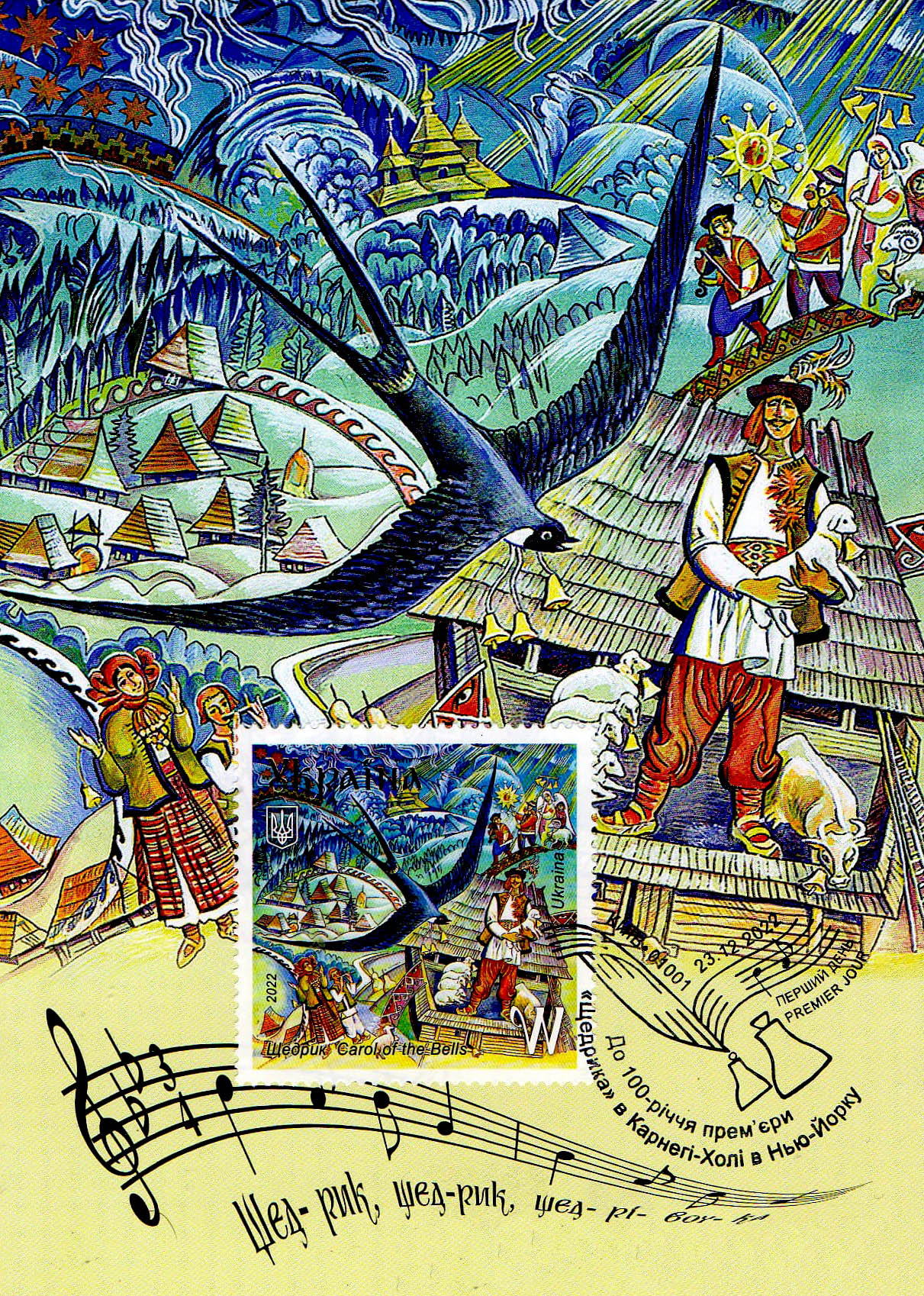
Historically, the celebration of Christmas and Carnival could overlap, and there is some reason to believe that customs associated with the former were inherited by the latter. A clue to this calendrical shift is offered by the Christmas song, “Carol of the Bells,” which uses the melody of an old Ukrainian New Year;s carol, one which dates back to the era in which New Year was celebrated in March…
In our second short episode for November, we take a close look at a the 1692 trial of Thiess of Kaltenbrunn, a purported werewolf in the town of Jürgensburg, in Livonia, (a Baltic region now divided between Estonia and Latvia). “Old Thiess,” as he was known, described himself as being a particularly exotic form of werewolf — one who served God in Hell. The testimony offered was so curious that we…
This is a special short episode looking at fictional evidence used to bolster horror narratives in literature, film, and broadcast media. We compare the found-footage phenomenon with earlier literary techniques and discuss some famous hoaxes and Halloween pranks, some historical and others closer to home.