
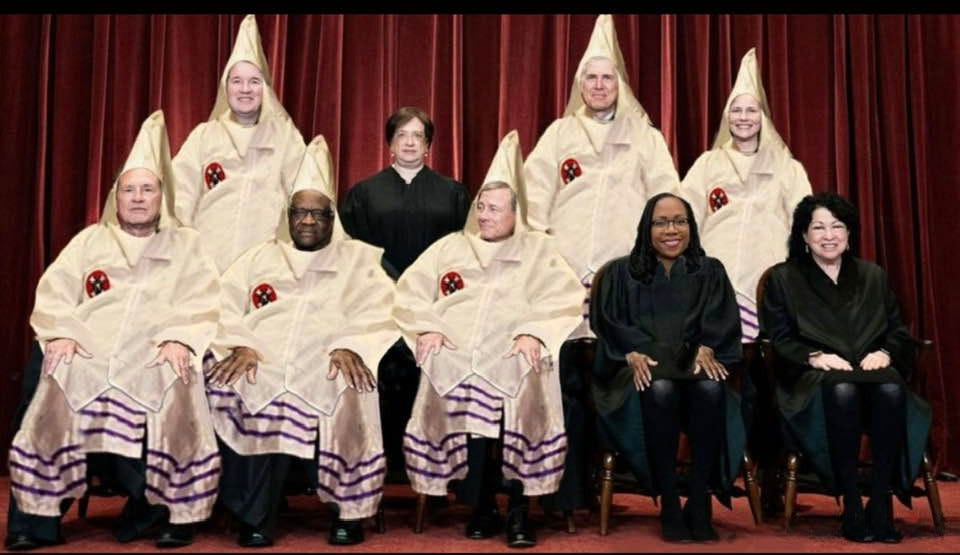
The Roberts Court ruled today, by a 6-3 vote in Louisiana v. Callais, that race-conscious redistricting under Section 2 of the Voting Rights Act is unconstitutional. What makes this decision remarkable that the Voting Rights Act exists to remedy racial injustice. The Voting Rights Act was an attempt at remediating historic voter suppression efforts, lynching, violence, threats of violence, poll taxes, and gerrymandering.
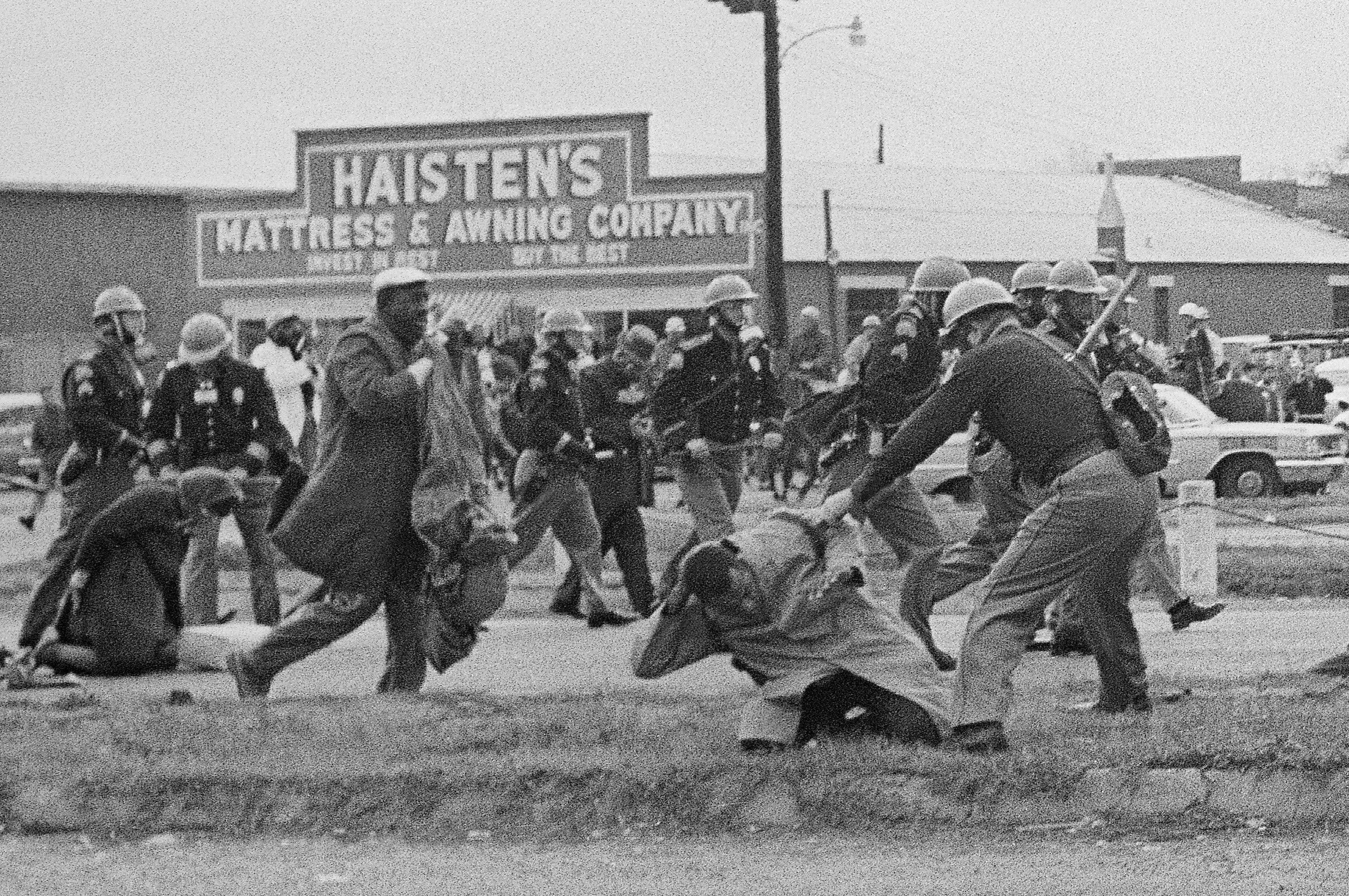
In Louisiana, Black residents comprise one-third of the population and the state has six congressional districts. In an attempt at fair representation, the state legislature drew a second majority-Black district to address what a federal court found to be likely racial vote dilution.
In today’s ruling, the Roberts Court declared the remedy itself a constitutional violation, eliminating one of the majority-Black districts and effectively cutting Black congressional representation in half. [1]
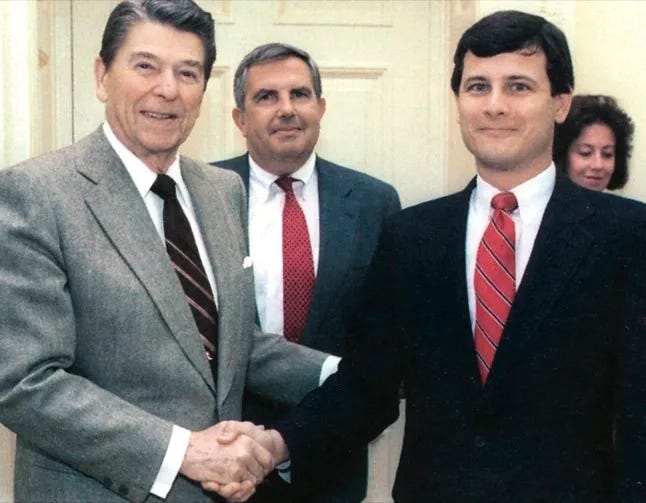
The decision is the fulfillment of a project Roberts has pursued his entire career, the evisceration of the Voting Rights Act. As a young lawyer in the Reagan administration, John Roberts wrote internal memoranda arguing that Section 2 of the Act went too far. His objection was specific: the law allowed courts to act on racial disparities in outcomes without requiring proof that legislators had consciously intended to discriminate.
Roberts wanted courts to ignore outcomes and require proof of discriminatory intent. He knew what that requirement would do: most voter discrimination would become legally inactionable, because proving intent is often insurmountable.
In 2013, in Shelby County v. Holder, Roberts wrote the opinion gutting the Voting Rights Act's preclearance system, the federal review process that required states with histories of racial discrimination to obtain Justice Department approval before changing their voting laws. He assured the country that Section 2 remained as a backstop. Today's ruling reveals what his assurance was worth. [2]
The Fourteenth and Fifteenth Amendments were ratified in the years after the Civil War to secure equal citizenship and protect the voting rights of formerly enslaved people. Both amendments give Congress the explicit power to pass laws enforcing them.
Does the right to vote include the right for that vote to have meaning in our representative democracy?
Today’s ruling does not restrict the right to vote. The decision addresses something with greater complexity and nuance: does the right to vote include the right for that vote to have meaning in our representative democracy?
A district can be drawn to split a racial minority across several districts where they will lose every contested election, even though a fairly drawn map of congressional districts would otherwise produce fair representation. The voters cast ballots. Their ballots are counted. But their political voice has been manipulated out of the result. This is what the law has long called vote dilution.
For sixty years, Congress has treated vote dilution as a violation of voting rights. The Voting Rights Act of 1965, and especially the 1982 amendments to its Section 2, codified that view. Although the text of the Fourteenth and Fifteenth Amendments does not explicitly forbid vote dilution, Congress, exercising the enforcement authority granted by the Fourteenth and Fifteenth Amendments, made the judgment that meaningful participation is part of what the right to vote protects.
The Roberts Court has now disagreed. The remedy to Black vote dilution in Louisiana, drawing a second congressional district so that Black representation matched Black population, is what the Court has declared unconstitutional. The Court has not narrowed who gets to vote. It has narrowed what voting protects.
This is not a single bad ruling. It is a pattern of decisions clearly demonstrating a Supreme Court that has been subverted.
James Sample, “5 things to know about the Supreme Court’s landmark decision on the Voting Rights Act,” ABC News, April 29, 2026.
Shelby County v. Holder, 570 U.S. 529 (2013).
Three distinct mechanisms enabled the capture and subsequent subversion of the Roberts Court: hyper-partisanship in the Senate, the strategic deployment of money, and an institutional pipeline built to deliver judges willing to discard years of legal precedent in service of partisan, democracy-destroying outcomes. Each mechanism reinforces the others. Together, they have produced a Court that no longer functions as a coequal branch checking power, but as an instrument for concentrating wealth and, therefore, power.
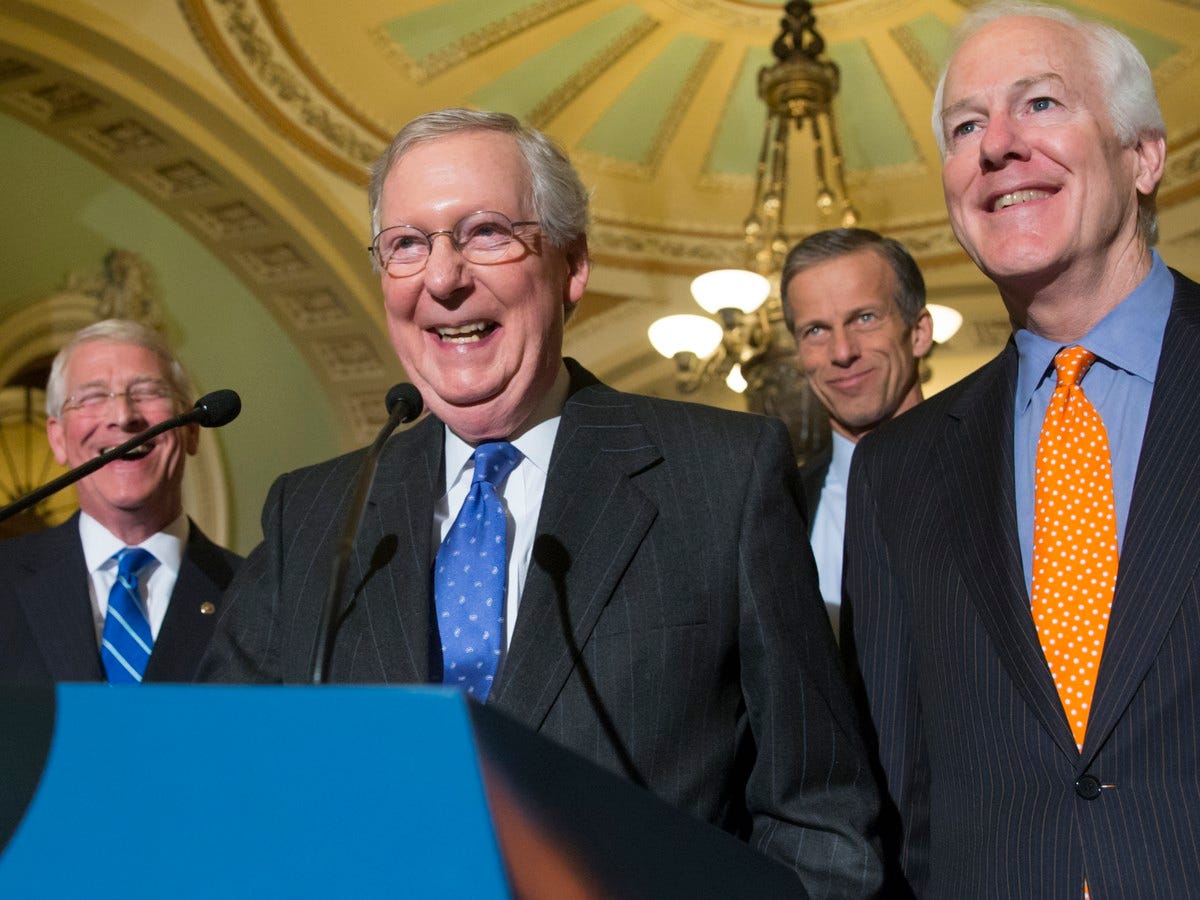
Senate hyper-partisanship overran a two-century-old norm in February 2016. Mitch McConnell, then Senate Majority Leader, announced that the Senate would not consider any nominee President Obama submitted to fill the vacancy left by Justice Antonin Scalia's death. Merrick Garland, a centrist appellate judge with bipartisan respect, received no hearing and no vote for 293 days. McConnell’s stated rationale, that the seat should await the next presidential election, was abandoned four years later when he rushed Amy Coney Barrett’s confirmation through in eight days while ballots were already being cast in the 2020 election. The principle was never the principle. The Supreme Court seat was. [1]

The next mechanism is money, and it is staggering in scale. In 2021, Barre Seid quietly transferred $1.6 billion to a newly formed nonprofit called the Marble Freedom Trust. The transfer was the largest known political donation in American history. By design, it allowed Seid to avoid an estimated $400 million in taxes, money that would otherwise have been owed to the U.S. Treasury. The trust is controlled by Leonard Leo, longtime co-chair of the Federalist Society. The funds pay for the lawsuits the Court will hear and the confirmation campaigns that pressure senators to deliver the justices who will hear them. The same money funds both ends of the case. [2]
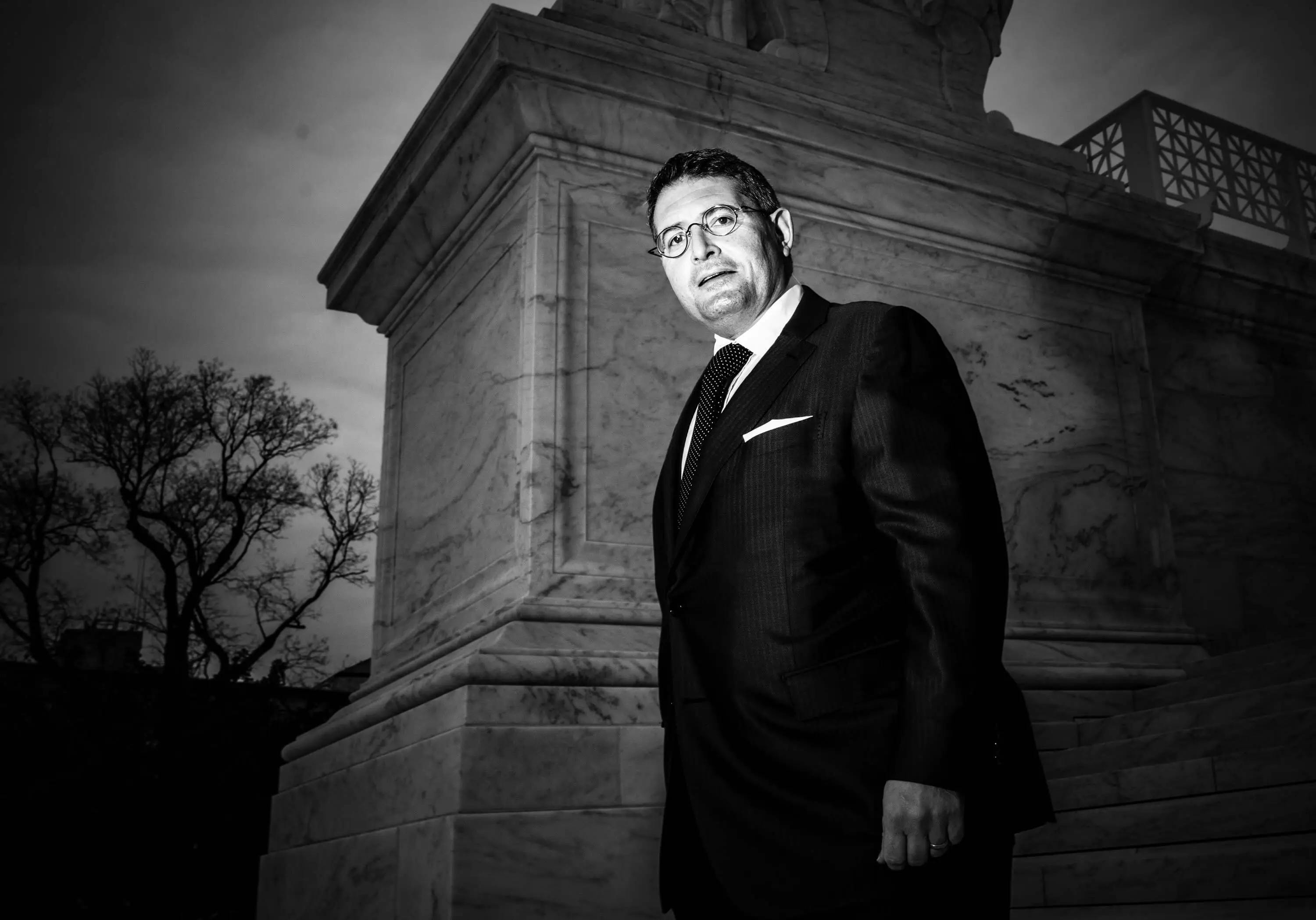
The third mechanism is the Federalist Society itself. Founded as a law school debating organization in 1982, it grew over four decades into a federal judge selection machine. Every justice in today’s six to three justice majority is a current or former member. Leonard Leo personally vetted the shortlists from which Donald Trump chose three of those justices. The pipeline runs from law school chapters, through clerkships and government posts, into lifetime appointments.
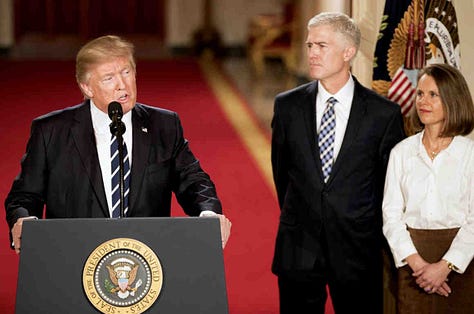

These three mechanisms converged. A stolen seat, an unprecedented river of dark money, and an institution built to direct that money toward producing a particular kind of judge. The court that resulted is the court that ruled today.
Burgess Everett and Glenn Thrush, “McConnell throws down the gauntlet: No Scalia replacement under Obama,” Politico, February 13, 2016. Nicholas Fandos, “Senate Confirms Barrett, Delivering for Trump and Reshaping the Court,” The New York Times, October 26, 2020.
Andrew Perez, Andy Kroll, and Justin Elliott, "How a Secretive Billionaire Handed His Fortune to the Architect of the Right-Wing Takeover of the Courts," ProPublica, August 22, 2022.
The Roberts Court’s decisions read as a coordinated transfer of power. They are not random. They cluster around a small set of beneficiaries, and they share a structural logic: each ruling weakens the capacity of democratic majorities to constrain concentrated wealth.
Citizens United v. FEC, decided in 2010, equated money with free speech and struck down decades of campaign finance limits. Subsequently, in SpeakerNow.org v. FEC, a federal appeals court extended the logic and created the modern Super PAC, a vehicle that can raise and spend unlimited sums in elections. Together, the two rulings opened the floodgates of hoarded wealth suffocating democracy. Elon Musk, Miriam Adelson, Richard Uihlein, Larry Ellison, Charles Koch, Timothy Mellon, and other billionaires effectively capture elections with unlimited, undisclosed funds. Citizens United did not merely permit plutocracy. It constitutionalized it. [1]
The Roberts Court, in the Shelby County v. Holder decision in 2013, dismantled the preclearance formula that had required jurisdictions with histories of racial discrimination to obtain federal approval before changing voting laws. Within hours of the ruling, states began enacting voter ID requirements, closing polling places, and conducting voter registration purges that disproportionately affected voters of color. [2]
Loper Bright Enterprises v. Raimondo, decided in 2024, ended a forty-year doctrine that had quietly held the regulatory state together. When Congress passes a law, it cannot anticipate every technical question that will arise in implementing it. Congress directs the Environmental Protection Agency to keep air and water clean, the Food and Drug Administration to keep medicines safe, the Occupational Safety and Health Administration to keep workplaces from killing people. The agencies, staffed with scientists, doctors, and engineers, write the rules that translate the law into practice. For decades, courts deferred to the agencies' technical judgment, recognizing that judges are not scientists. Loper Bright ended that deference. Federal judges, most of them with no scientific training and most of them appointed through the Federalist Society pipeline, can now substitute their own views for those of the agencies. Environmental, consumer, labor, and public health protections built over half a century are now subject to revision by judges with lifetime tenure and no expertise in the matters they decide. [3]
The pattern of the Roberts Court is not subtle. Citizens United gave billionaires outsized influence over elections. Shelby County and Callais reopened the door to Jim Crow era voter suppression. Loper Bright stripped away worker, community, and environmental protections. Each ruling shifted power to the few.
Karl Evers-Hillstrom, "By the Numbers: 15 Years of Citizens United," OpenSecrets, January 21, 2025.
"Effects of Shelby County v. Holder on the Voting Rights Act," Brennan Center for Justice, June 2023.
Rob Holmes and Mariam Baksh, "The Key Cases Impacted by Supreme Court Chevron Deference Ruling," ProPublica, September 23, 2024.
The donors who funded the capture of the judicial branch are overwhelmingly wealthy, white, male industrialists. Charles Koch, Barre Seid, Harlan Crow, Elon Musk, Richard Uihlein, Timothy Mellon, Paul Singer, and others provide the bulk of the dark money flowing through Congressional candidates, the Marble Freedom Trust, the Judicial Crisis Network, and similar vehicles. Their extreme wealth derives largely from fossil fuels, manufacturing, finance, and real estate. The decisions of the Roberts Court have served those industries with remarkable consistency, legally prioritizing profit and wealth concentration over people and planet. [1]
This loose configuration is not incidental. The donors’ race, gender, and class insulate them from the harms their political project produces. Voters of color lose representation. Working people lose regulatory protection. Poor communities live closest to the polluted air and water that deregulation permits. The donors summer in the Hamptons. They winter in Palm Beach. They are nowhere near the damage they fund. The Court they funded protects them from the consequences of the rulings it issues on their behalf.
This is not an interpretive overlay imposed on neutral rulings. It is the operative logic of the rulings themselves. The Roberts Court has done what its architects built it to do.
Jane Mayer, “Dark Money: The Hidden History of the Billionaires Behind the Rise of the Radical Right,” Doubleday, 2016. OpenSecrets, “Judicial Crisis Network donor records,” ongoing.
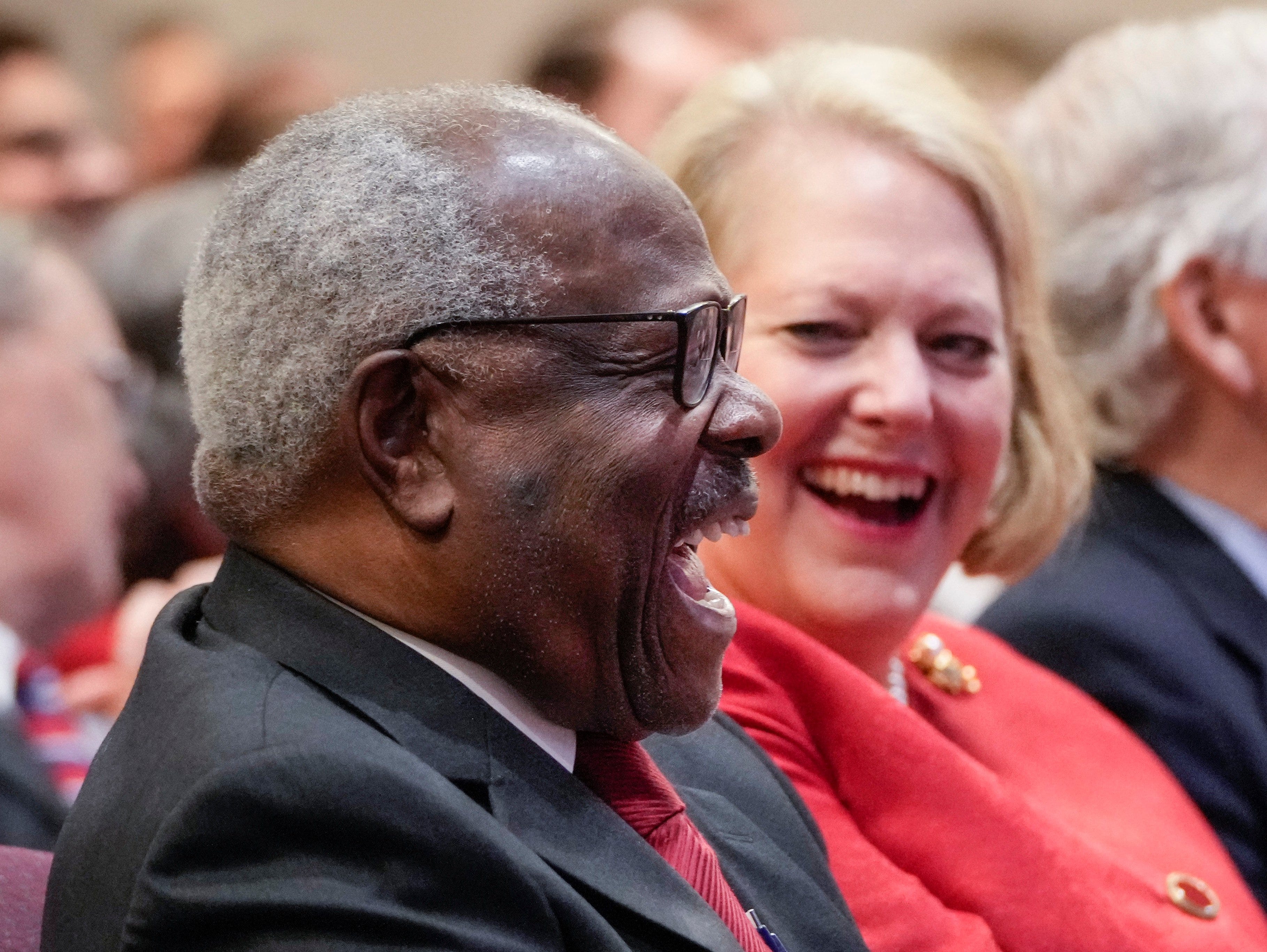
In 2023, ProPublica reported that “Justice” Clarence Thomas had for more than two decades accepted luxury travel, real estate transactions, and tuition payments from the Texas billionaire Harlan Crow without disclosure. Crow purchased the Georgia home in which Thomas’s mother lived. Crow paid private school tuition for a child Thomas was raising. Crow flew Thomas on his private jet and hosted him on his superyacht. The financial relationship spanned the period during which Thomas issued rulings on cases of significant interest to Crow’s business and political networks. [1]
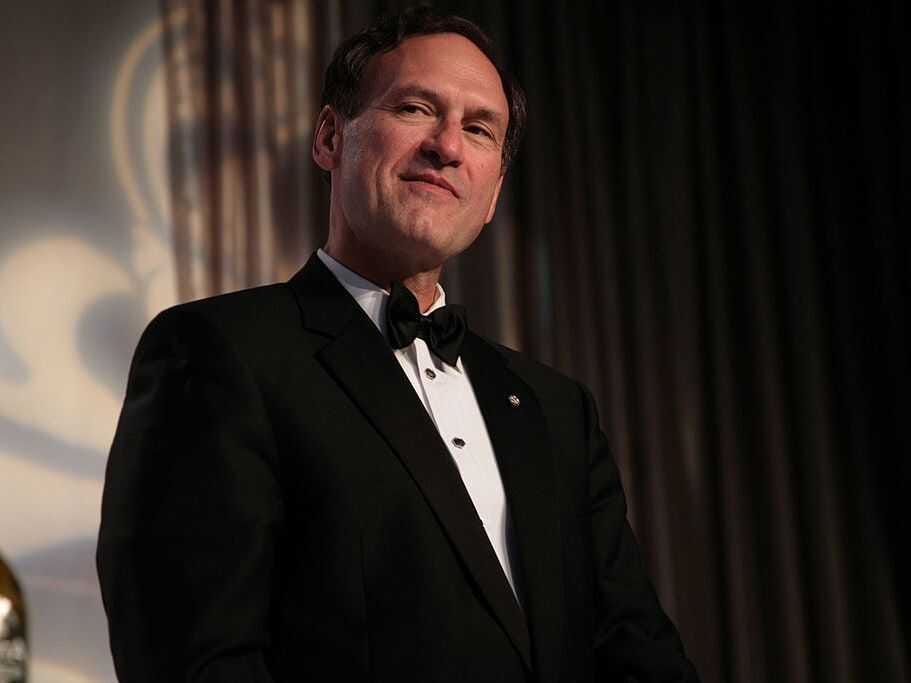
In subsequent reporting, ProPublica documented Justice Samuel Alito’s undisclosed luxury fishing trip to Alaska with the hedge fund manager Paul Singer, whose business interests came before the Court in cases on which Alito later ruled. [2]
The Supreme Court has no binding ethics code. It is the only court in the federal judiciary that operates without one. The justices have repeatedly declined to adopt enforceable rules and have rejected congressional efforts to impose them. Ruling by ruling, the Court dismantled democracy’s safeguards. It rejects ethical accountability.
Joshua Kaplan, Justin Elliott, and Alex Mierjeski, “Clarence Thomas and the Billionaire,” ProPublica, April 6, 2023.
Justin Elliott, Joshua Kaplan, and Alex Mierjeski, “Justice Samuel Alito Took Luxury Fishing Vacation With GOP Billionaire Who Later Had Cases Before the Court,” ProPublica, June 20, 2023.
Architecture is the correct word. This was designed, funded, and built.
It was built deliberately, by named people, using hoarded wealth, over a span of decades. It produces generally predictable rulings because it was designed to produce them. The 6-3 majority that ruled today did not arrive at its conclusion through the application of legal reasoning to neutral facts. It arrived because the wealthy white male architects of this subversion of justice invested billions of dollars over forty years to purchase this conclusion.
The companion to this piece, “The Architecture of a Silenced Press,” described the parallel project: the acquisition and consolidation of media into the hands of billionaire owners whose interests align with those who have funded judicial capture.
A captured court rules in favor of concentrated wealth. A captured press declines to connect the dots. The information pillar of democracy and the legal pillar of democracy are dismantled by the same class.
Naming the architecture is not the end of the work. Structures that are named can be challenged, exposed, organized against, voted around, legislated past, and eventually rebuilt.
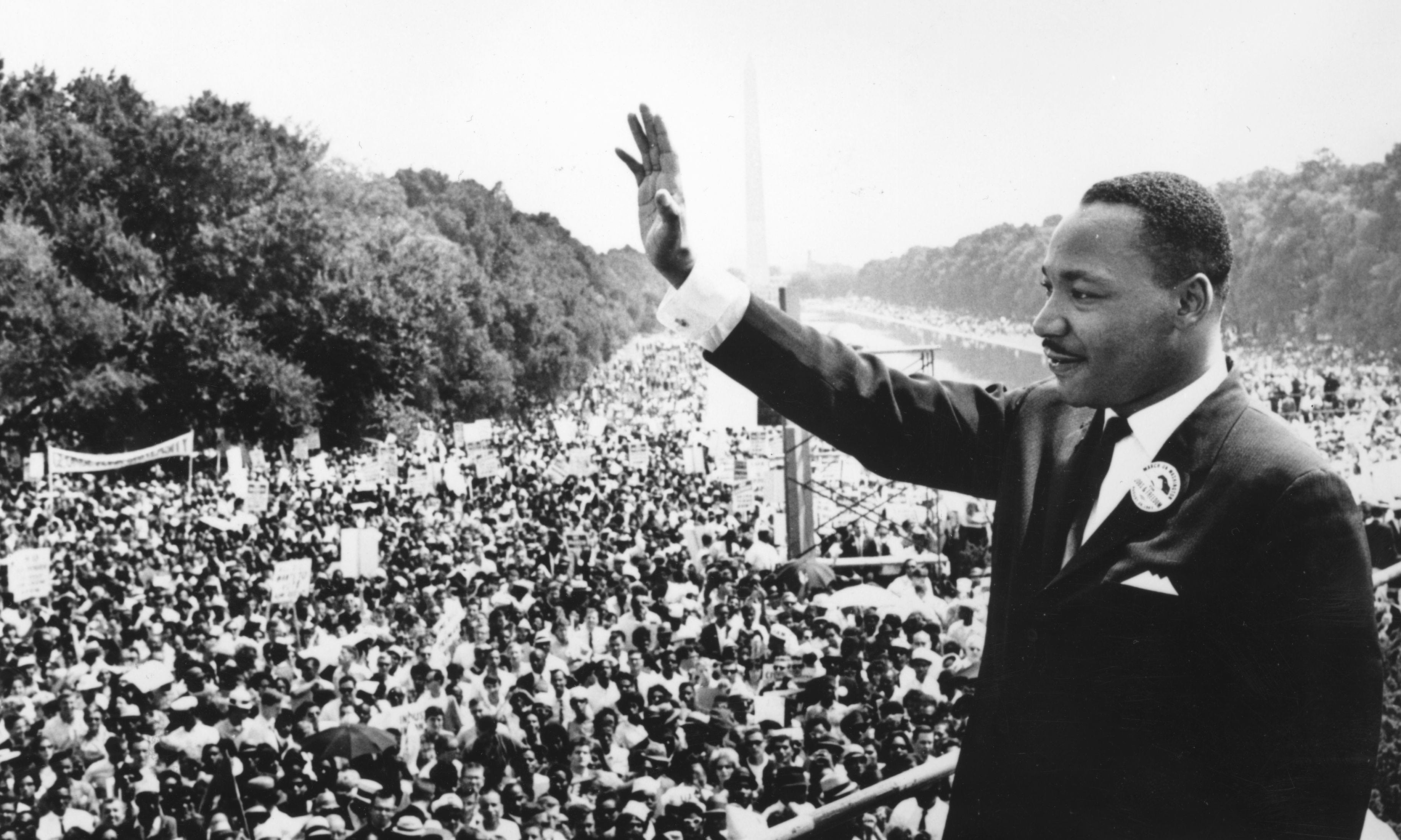
The Voting Rights Act was passed in 1965 because Americans of conscience refused to accept that the architecture of Jim Crow was permanent. The architecture of injustice we face now is younger, and its builders are still alive.
It is not permanent either. It can be dismantled. Justice must be restored.
If you find this article of value, please do share with friends, associates, & others who have an interest in the content.
Please note that my articles and subscriptions are not paywalled. This stems from a guiding principle -that any meaningful democracy requires an informed, educated, and engaged society. It is also to honor the life of Aaron Swartz.
Aaron held firmly to the belief that research and knowledge intended for the betterment of humanity should be freely shared.
If the problem is extraction, then the response must be construction.
I am building Civic Works and its core platform, civ.works, as a direct alternative to the systems that have captured our data, our attention, and our civic life. This is a 501(c)(3) effort to create infrastructure that serves the public, not exploits it.
The goal is simple and necessary. A subscriber-supported, ad-free civic network where people can access trusted information, engage constructively, and take meaningful action without being tracked, manipulated, or sold.
No ads. No data harvesting. No hidden incentives.
Just people, information, and the tools to participate in a functioning democracy.
This kind of infrastructure will not be built by the same forces that benefit from the current system. It has to be built by us.
That is why we are asking for direct public support.
If this work resonates with you, I am asking you to make a simple commitment. Visit the pledge page and commit to supporting civ.works at launch. A small monthly contribution, combined across thousands of people, creates the independence required to build this platform without compromise.
https://civ.works/pledge/pledge.html
This is not just about funding a project. It is about proving that a different model is possible. One where civic infrastructure is accountable to the people who use it, not the interests that seek to exploit it.
If you believe the current system is failing, this is one way to begin rebuilding it.
And if you cannot contribute financially, sharing this effort with others is just as important.
The system we have was built deliberately.
What comes next can be built the same way.
Aside from writing, mentoring others, and projects related to democracy, economics, and social innovation, I’m dedicated to Civic Works, a 501c3 non-profit organization building and managing technology that blends social networking and civic engagement. Our core effort is around civ.works. When complete, it will be a subscriber-supported, ad-free social network that does not betray subscriber trust by selling or sharing data with marketers or sinister political operatives.
I’m incredibly grateful for all who contribute to the civ.works effort through our secure payment processor, Stripe, and all who help us gain visibility by sharing the project with journalists and others to move the effort forward.
Special appreciation for all who continue to recommend my rants and musings, restack articles that are found to be worthy, and share with friends and family. And the following are some special recommendations for stacks I value -
Liz Oyer, Former DOJ Pardon Attorney
Comments
Nothing yet. Say the first thing.
Sign in to join the conversation.