
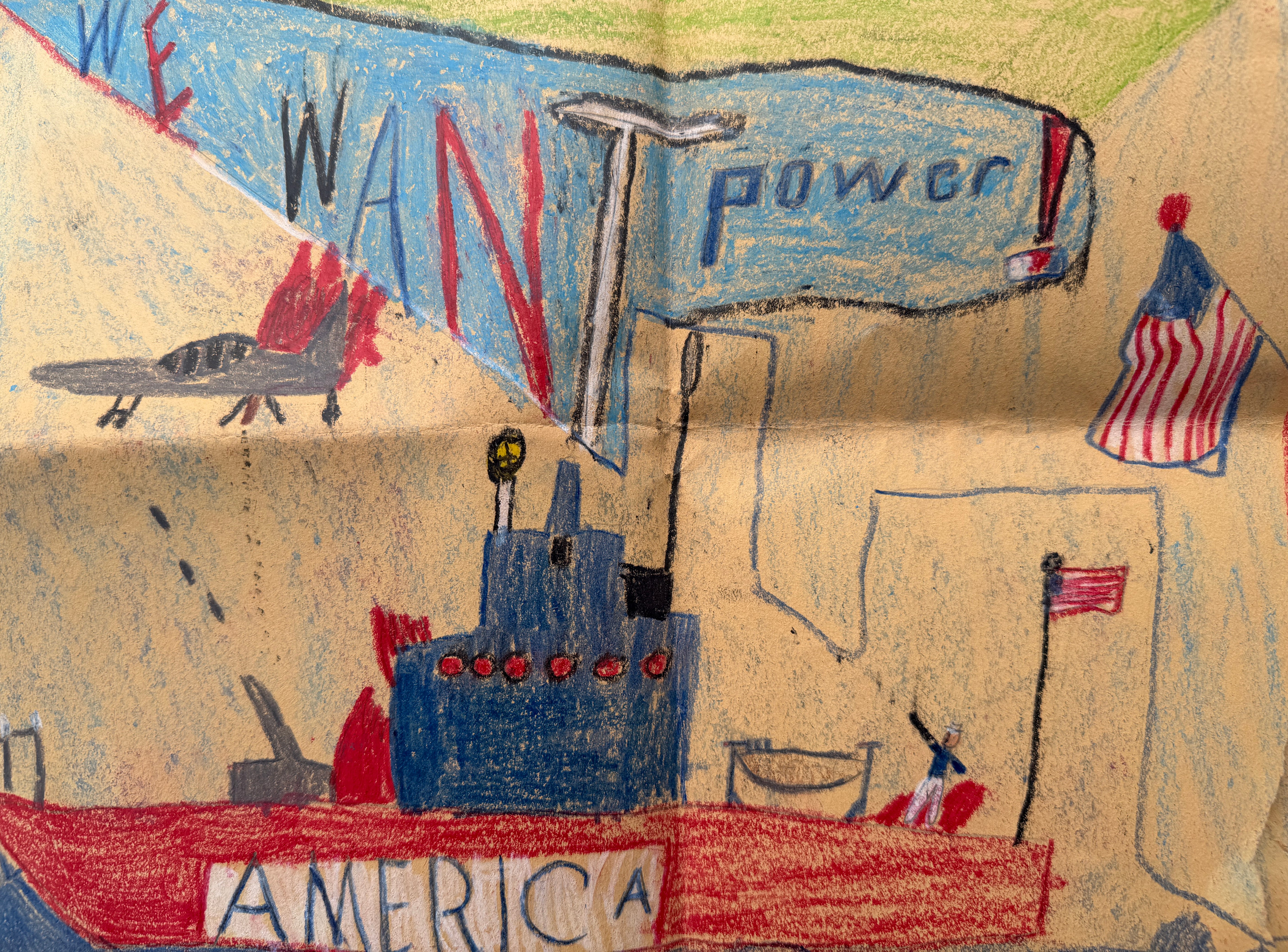
ON MAY 16, 1962, in a World War II-era Quonset hut located just beyond right field of what’s now Oregon State University’s baseball stadium, I was photographed by a Naval ROTC student as I stood beside an American flag. I was 8. I had a buzz cut, giant C-shaped ears and freckles from C to shining C.
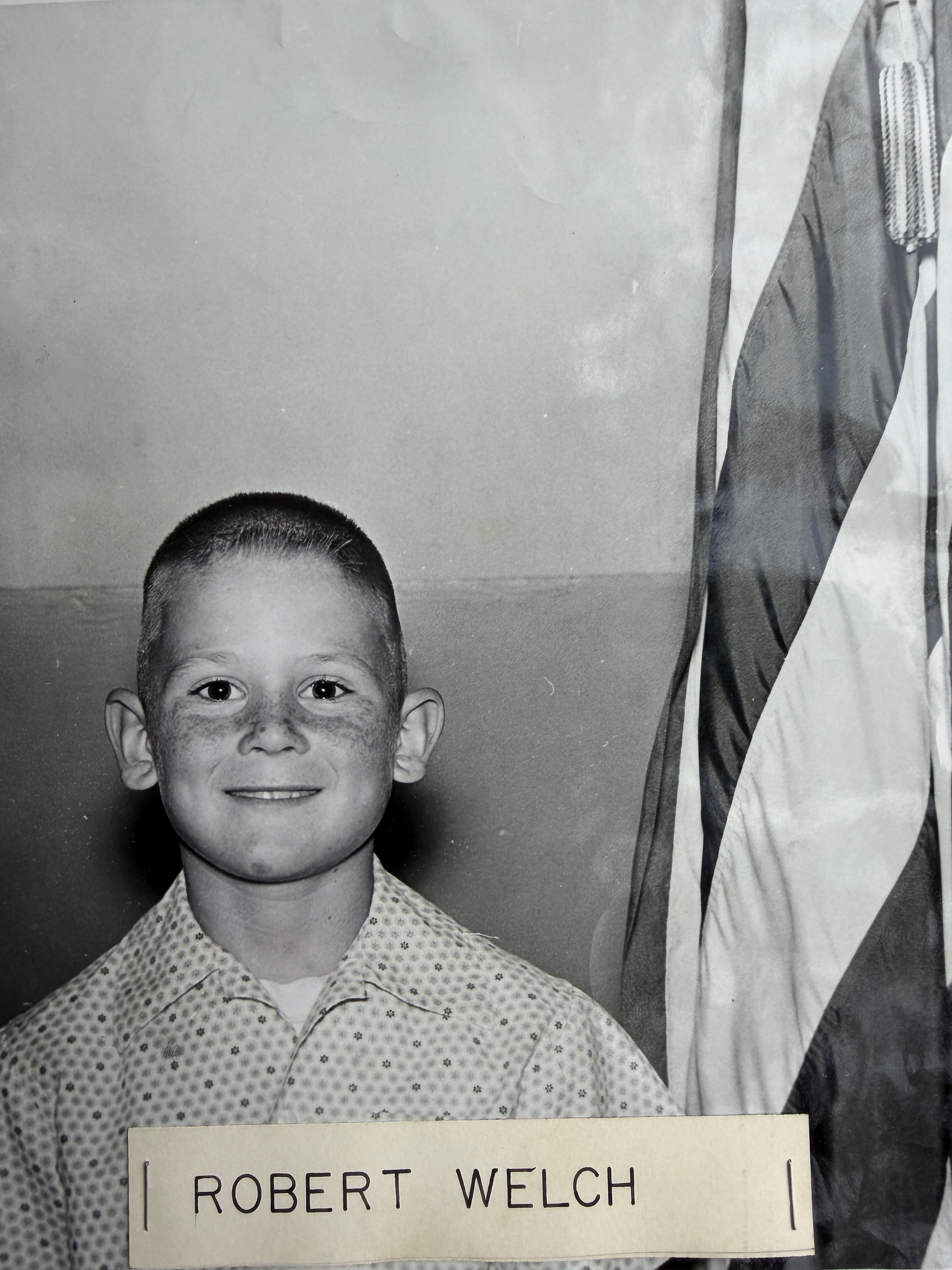
I had won second place in an Armed Forces Day Poster Contest sponsored by the Corvallis Elks Club. My drawing featured a red, white and blue ship, America, firing on an enemy plane.
The slogan: “WE WANT power!”
As our country celebrates its 250th birthday Saturday, the award I received is one of two personal anecdotes I’ll draw on as I assess my admittedly idealistic aspirations for the United States. The other, which I’ll fetch near column’s end, comes with no such childhood charm. I’ll call it, as the court did last month, “The City [of Eugene] vs. Robert Welch.”
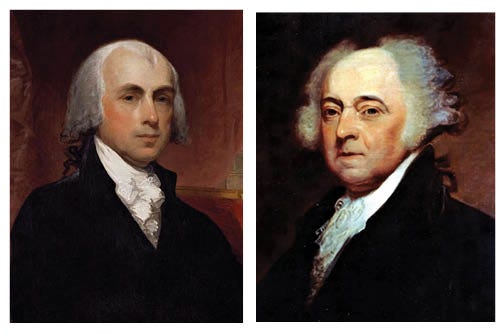
I’ll use the two touchpoints, oddly, to suggest that while the good ship America is to be honored for having survived the stormy seas of wars, depressions, assassinations, political infighting and reality TV shows, it is taking on water fast. Why? Because, collectively, we’ve become so drunk on the very thing I rhapsodized in my drawing — power — that we’ve forgotten the deeper virtues that steady the ship, the self-restraint founding fathers like James Madison and John Adams espoused.
“Public virtue,” Adams wrote, “cannot exist in a Nation without private Virtue, and public Virtue is the only Foundation of Republics.”
Wrote Madison: “To suppose that any form of government will secure liberty or happiness without any virtue in the people, is a chimerical [highly unrealistic] idea.”
But we’ve become a country so hell-bent on power for “our side” that such virtues have been forgotten, as if America’s right and left were two doctors so busy arguing over what’s best for the patient that, during surgery, neither notices, or cares, that the patient has coded.
The Declaration of Independence’s “we the people” phrase imbues us — each of us, from pauper to president — with a noble challenge. In separating from Great Britain to begin anew, we not only were accorded great freedom, but great responsibility to use that freedom wisely. To grow beyond, say, an 8-year-old’s perspective that power should be the ultimate goal.
Not to get all churchy on you, but my Christian faith suggests power is not to be a display of force but a conduit for good. “Each of you should use whatever gift you have received to serve others,” says 1 Peter 4:10.
Scripture teaches that humility is not weakness but strength. Philippians 2:5-8 talks of how Jesus eschewed power; though “being in very nature God, [He] did not consider equality with God something to be used to his own advantage; rather, he made himself nothing by taking the very nature of a servant … .”
Power magnifies. In the hands of some, it’s constructive; in the hands of others, destructive. Some within my Christian faith have begun parroting the idea that empathy — the embodiment of Jesus himself, the ultimate empathizer — is weakness.
And so America arrives at its 250th birthday, fighting a cultural war pitting self-first against others-first. To respect others, especially the scripturally defined “least of these,” requires a giving up of personal power. Some resist doing so; others are eager to do so.
Comments
Nothing yet. Say the first thing.
Sign in to join the conversation.