

My best advice for hair loss is simple: start treatment early - time is hair! Hair follicles miniaturize gradually, so if you notice increased shedding, a thinning hairline, or your ponytail feeling smaller, you’re usually not imagining it. The earlier we intervene, the more hair we can preserve, and fortunately we now have more effective options than ever before.
I do believe supplements can play an important supporting role in hair loss treatment because they target the follicle differently than medications. Hair growth is highly dependent on nutrition at a cellular level, and certain nutraceuticals can help optimize the growth environment and reduce scalp inflammation. That said, I rarely recommend supplements in isolation. They work best as part of a comprehensive treatment plan rather than a standalone solution. In my practice, I often recommend Xtresse hair growth gummies as an adjunct for patients who want nutritional support alongside medical therapy.
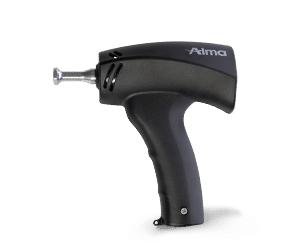
The technology landscape for hair restoration has also evolved significantly over the past few years. In my office, I use the Alma TED device, an ultrasound-based system that enhances delivery of a peptide and growth factor-based hair growth serum into the scalp. What I love about it is that it’s completely needle-free and painless while still improving hair density and quality. Other in-office devices use fractional laser technology to create microscopic channels in the skin, allowing growth serums to penetrate more effectively.
Red light therapy, also known as low-level light therapy, works by delivering specific wavelengths of light that stimulate the mitochondria within hair follicle cells. This increases cellular energy production, which helps prolong the growth phase of the hair cycle and can improve hair thickness over time. It’s one of the few device-based treatments that is FDA-cleared for hair loss, with studies showing modest improvements in density (with consistent daily use!). I also think of red light therapy as a supportive treatment to medical therapy.
When it comes to medical therapy, though, minoxidil is still the GOAT, and I love hearing how much success people have had with it! Oral minoxidil has several advantages over topical formulations. It’s more convenient, which improves consistency, and it can also be more effective because not everyone’s scalp contains enough of the enzyme needed to activate topical minoxidil. Oral minoxidil is metabolized by the liver, so it bypasses that limitation entirely.
As you may have experienced, one of the most common side effects of minoxidil, especially oral minoxidil, is hypertrichosis, or unwanted hair growth. This effect is dose-dependent, meaning higher doses increase the likelihood of facial or body hair growth. The challenge is that lowering the dose may reduce side effects but can also reduce the benefits for scalp hair, so it often becomes a balance between efficacy and tolerability.
For managing unwanted hair growth, laser hair removal can be a great option for thicker, darker hairs because the laser targets pigment within the follicle. However, if the hairs are lighter and finer (more like peach fuzz) laser treatments are less effective, and mechanical options like dermaplaning or gentle facial shaving are often better solutions.
I love dermaplaning and do it myself to control the side effects of minoxidil! Dermaplaning is a cosmetic procedure that involves using a sterile surgical blade or razor to gently remove the outermost layer of dead skin cells along with fine vellus hair (what most people call “peach fuzz”). It’s painless, requires no downtime, and gives an immediate improvement in how the skin looks and feels.
The main benefit is physical exfoliation. By removing that superficial layer of dead skin, dermaplaning leaves the skin looking brighter and feeling smoother. Many patients also notice that skincare products absorb more evenly afterward and makeup applies much more smoothly because foundation isn’t sitting on top of tiny facial hairs.
It’s generally safe for most skin types, but I do advise caution in patients with active acne, very sensitive skin, or a tendency toward folliculitis, since shaving over inflamed follicles can cause irritation.
Dermaplaning can be done either at home or in a professional setting. In-office treatments are typically performed with sterile surgical blades and controlled technique, which lowers the risk of cuts or irritation compared to at-home tools. That said, gentle facial shaving at home with derma planing razors can still be reasonable when done carefully and infrequently.
One of the biggest myths I always like to correct: dermaplaning cannot make hair grow back thicker or darker. Vellus hair grows back with the same fine texture and color because shaving does not change the structure of the hair follicle.
Comments
Nothing yet. Say the first thing.
Sign in to join the conversation.