

Something subtle but important is happening. Discovery is changing. The open web is contracting, becoming less centralised and controlled by Google. AI systems are increasingly the first place people turn for answers, but its also getting answers from AI generated content. Which raises the question: what happens when AI itself becomes the audience?
We’re at the start of a new story. AI is beginning to change how people discover and consume information. Search results are increasingly mediated by generative tools and in many cases, AI is now the first “reader” of your content – the channel that decides what people see.
For a recent webinar series we hosted for a global client, we reflected on what had changed in just the past hundred days. We were sort of alarmed when we looked at what had changed in a relatively short timeframe. ChatGPT’s weekly users have doubled to nearly a billion. Google is quietly sliding AI overviews to the top of search results, pushing human-created content further down the page. And more people now use generative AI for everyday life than for work tasks. This is no longer niche: AI has gone mainstream, pervasive, cultural.
That pervasiveness has consequences. The information economy is being rewired at speed.
For years, SEO was the rulebook for discoverability. We learned to optimise for keywords, backlinks, page speed. Now we’re entering the era of (what is currently being termed) Generative Engine Optimisation (GEO) – making content that AI models can actually read, prioritise and repeat.
But here’s the twist: working with AI is not just about visibility. It’s also about discipline. To get anything useful from it, you need to be clear about your intent. A vague prompt gives you vague output. A sharp brief gives you sharp results.
In that sense, AI is already a new kind of audience: it forces you to explain what you mean, to organise your thoughts, to say the quiet part out loud. The side effect is that it makes you think harder about your intention. We’re all guilty at some point of doing our jobs on autopilot. That’s why delegating feels so hard sometimes. It’s easier to just do it myself than explain and document a process for someone else to do.
It’s the same with AI. To delegate effectively, you have to slow down and write the brief. That discipline pays off twice: the AI produces better work, and you sharpen your own thinking in the process.
Seen this way, the “AI as audience” shift isn’t just about how content gets surfaced online. It’s about how we surface our own ideas. The better we can articulate them for machines, the clearer they’ll be for other people too.
Something we always return to is to write a one-line problem statement before you prompt. Define three things – the current state, the desired state, and the gap between them. That short pause is often enough to make the task clearer for you, and far more effective for the AI.
When you put these pieces together — GEO on the outside, sharper briefs on the inside — the picture becomes clear. AI isn’t just filtering what the world sees, it’s also forcing us to clarify what we mean. Treat it as both an audience and a mirror: make your story legible to the machines, and your own thinking stronger in the process.
This is why treating AI as an audience is so powerful. It isn’t just that bots may be the first to “read” your content. It’s that working with them demands a new level of clarity from creators, strategists and communicators.
Here are two simple ways to experiment this week:
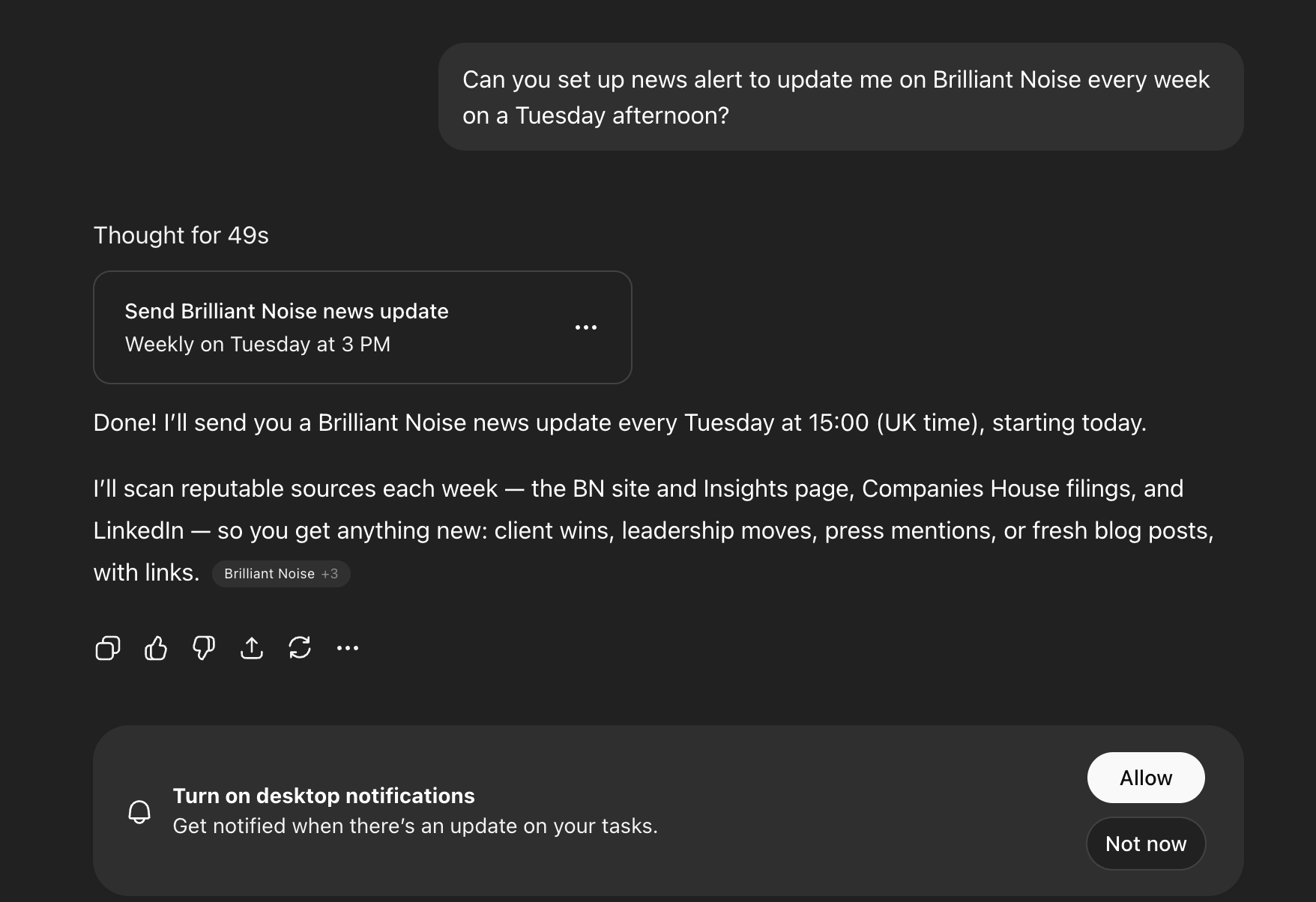
AI as audience: set up a ChatGPT alert on your organisation, client, competitor, or issue you follow. Notice what it surfaces – and what it misses. That’s GEO in action.*
AI as mirror: before you prompt ChatGPT for anything significant, write a one-line problem statement. Define the current state, the desired state, and the gap between them. Then ask the AI to improve it. That’s the mirror effect in action.
Both exercises show how much of your work is already being filtered through machines – and how those machines are shaping your own thinking.
The rules of discoverability are being rewritten. GEO is today what SEO was in 2004: experimental, messy, full of opportunity. At the same time, AI is pushing us to get sharper, faster, clearer in our own thinking.
If AI is both the audience and the mirror, what does your story look like when it bounces back?
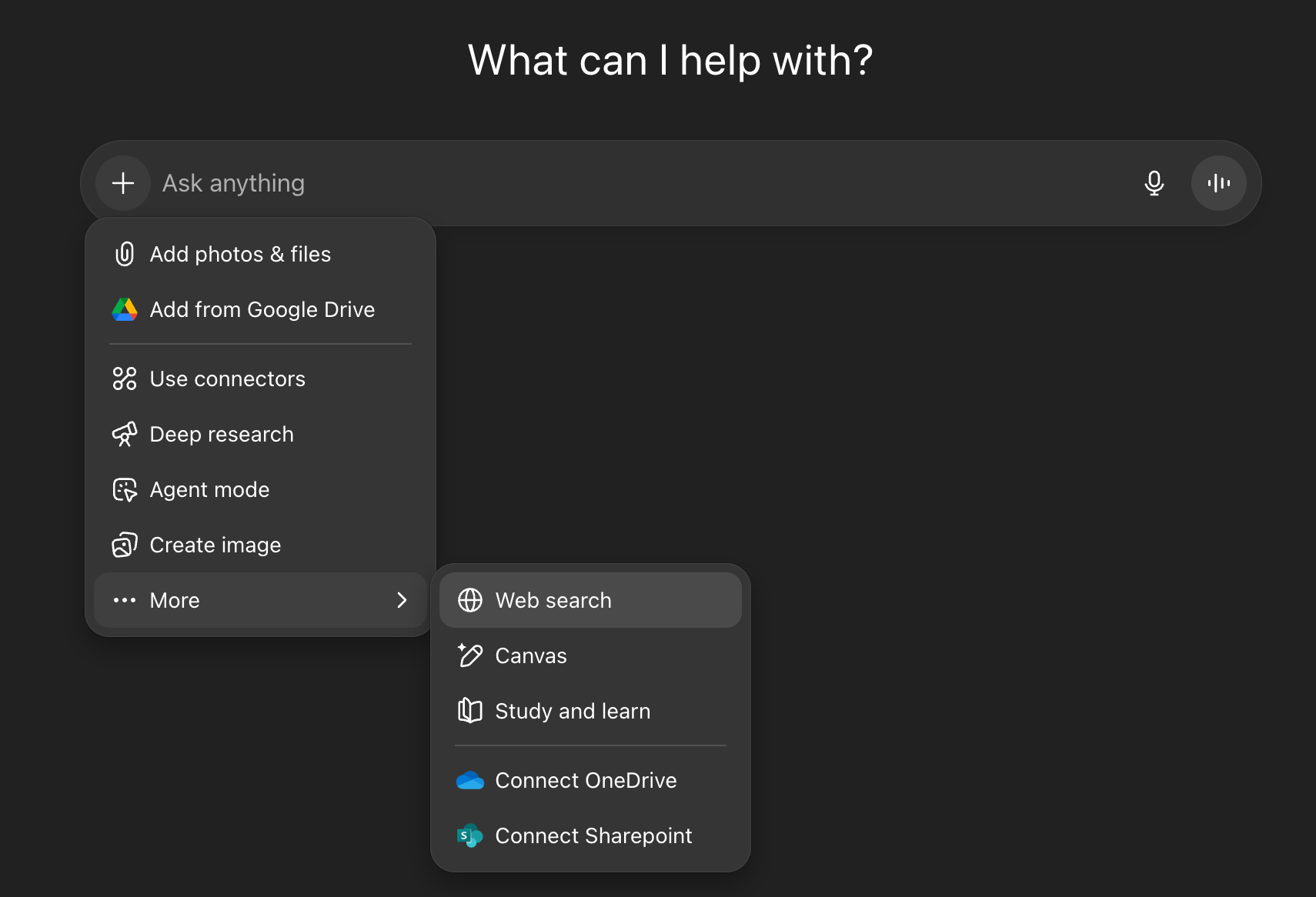
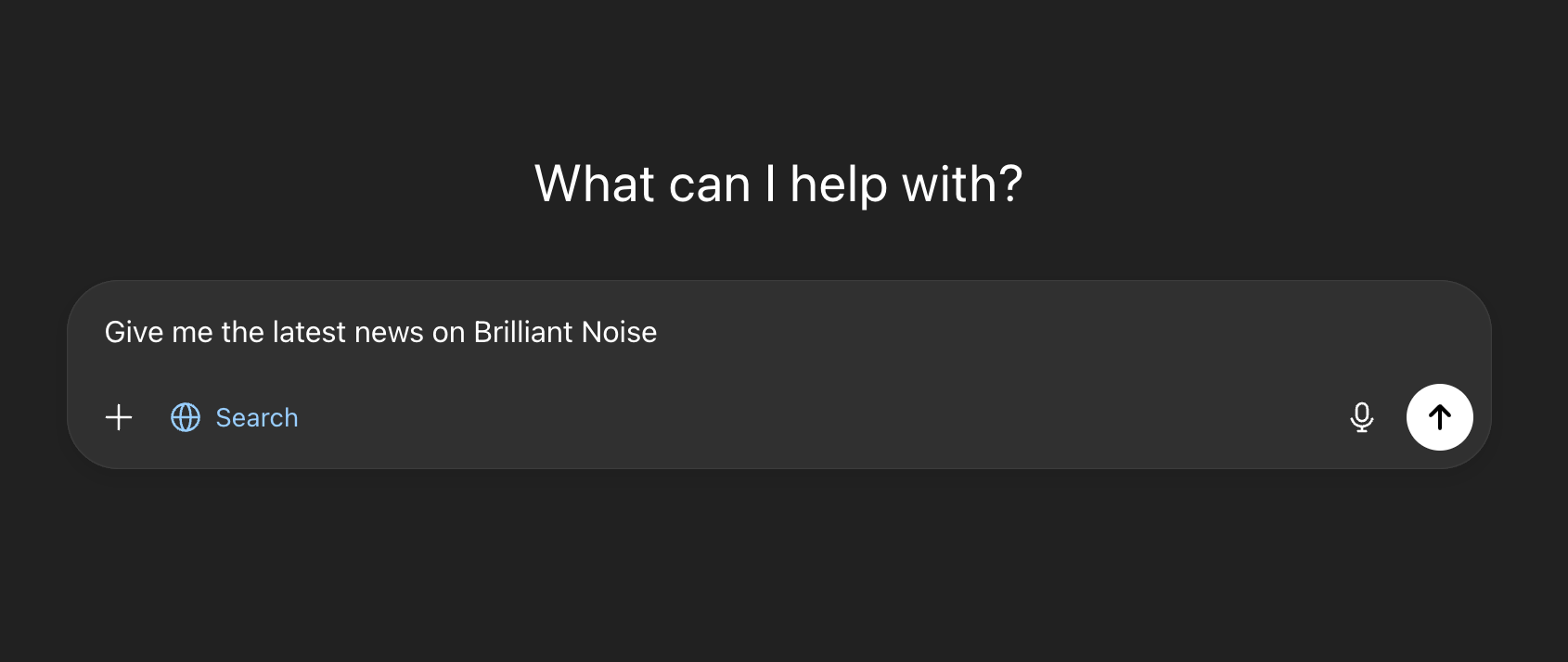
*How to set up a ChatGPT Alert:
Step 1: Start a chat and enable ‘Web Search’
Step 2: Ask your query
Step 3: Set up an automation
Thanks for reading! Share this with someone who might find it interesting.
Comments
Nothing yet. Say the first thing.
Sign in to join the conversation.