Bluiríní Béaloidis is the podcast from The National Folklore Collection, University College Dublin, and is a platform to explore Irish and wider European folk tradition across an array of subject areas and topics. Host Jonny Dillon hopes this tour through the folklore furrow will appeal to those who wish to learn about the richness and depth of their traditional cultural inheritance; that a knowledge and understanding of our past might inform our present and guide our future. Podcasts are…
Ailbe van der Heide is Collections Curator at the National Folklore Collection, having joined the staff in 2020, shortly after graduating from the MA in Irish Folklore in 2020. For several years now, Ailbe has managed the National Folklore Collection’s reading room service, along with fielding an array of queries from members of the public keen to explore our collections. Throughout her work, and…
Steve Roud is a Librarian, folklore scholar and creator of the Roud Folk Song Index, which contains upwards of 750,000 entries to around 45,000 English language folk songs, as found in books, recordings, manuscripts and other sources the world over. His index, and ‘Roud Numbers’ (a numbering system employed to identify the same song across many different titles) are widely acclaimed for the scope,…
Video recording of this episode is available here: https://www.youtube.com/watch?v=2OcxwmDuUeU&ab_channel=UCD-UniversityCollegeDublin Henry Glassie is College Professor Emeritus at Indiana University, Bloomington, USA, and has published widely in the fields of material culture and vernacular architecture. His contribution to the discipline of Irish Folklore and Ethnology has been exceptional.…
Regarding food in Irish tradition, Kevin Danaher, writing in 1964, noted that "Sometimes we get the impression that Ireland, in ancient times, was a land of plenty, and again we get quite the opposite impression - that our forebears lived out their lives on the very edge of starvation. In reality both these impressions are wrong." As an expression of culture that permeates every aspect of life,…
Hello a chairde, and welcome to episode 40 of Blúiríní Béaloidis, the podcast from the National Folklore Collection. It would be remiss of me not to commence this episode of the podcast with long, grovelling apologies concerning the absence of signs of life regarding the series over the last year and a half. The good news is that the podcast still exists, the work of the NFC continues apace, and…
Bees have been cultivated in Ireland since early times. Of value for their wax and honey, there were also believed to be blessed creatures, as Dáithí Ó hÓgáin writes: "probably because of the use of their wax to make church candles, and one medieval legend describes a swarm of bees building a little container around a lost communion wafer to protect it. They were also thought to be possessed of…
Lying in fields and ditches, at the edge of old and overgrown graveyards and in lonesome places all over Ireland rest forgotten echoes of our past. Large and unwieldy stones; blocks of granite and sandstone flags which, used in former times as tests of strength, still reverberate with the memory of heroic feats. The tradition of stone lifting, while well-attested in Scotland, Iceland and other…
"Long as the day is, night comes, and alas, the night is coming for me too... Someone else will have pastime out of my work when I'm gone on the way of truth. A person here and a person there will say, maybe, 'Who was that Peig Sayers?' but poor Peig will be the length of their shout from them. This green bench where she used to do the studying will be a domicile for the birds of the wilderness,…
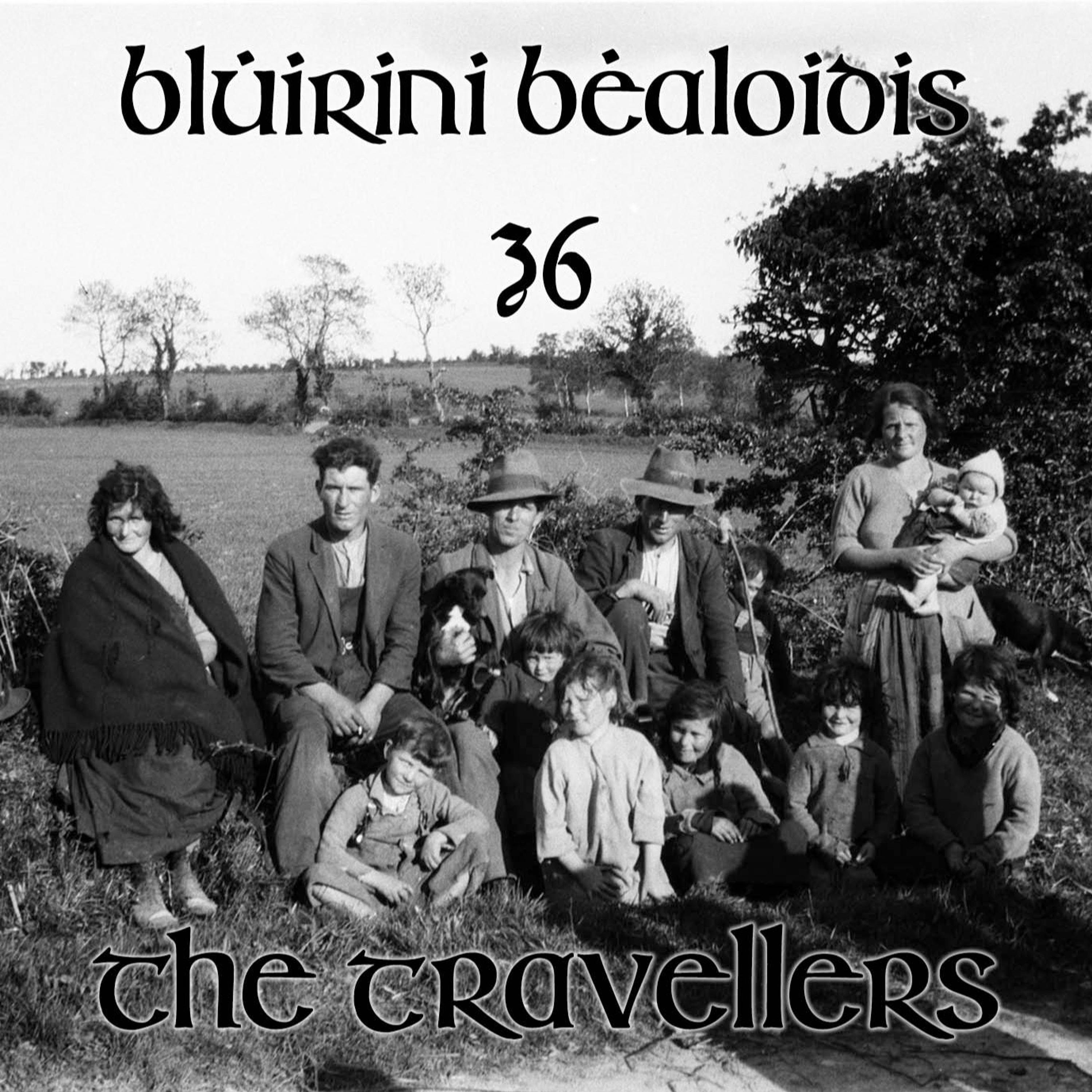
Irish Travellers, known in their own language as Mincéirs or Pavees and in Irish called ‘An Lucht Siúil or, ‘The Walking People’, are a nomadic ethnic minority in Ireland with a distinct history, culture and identity. Historically, Travellers were called Tinkers, a reference to their trade as tinsmiths, and they also made a living through engaging with the settled community; by buying and selling…
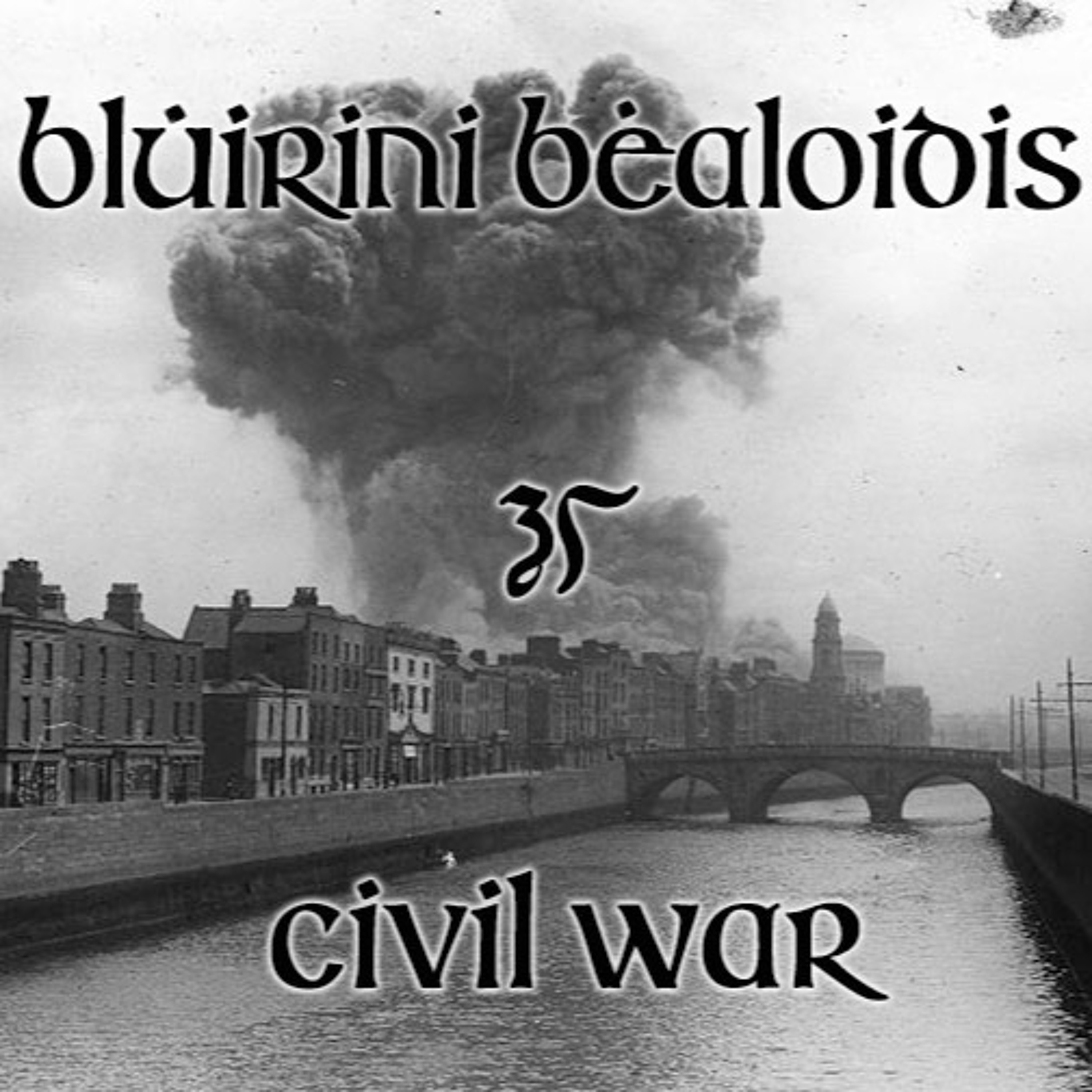
The Civil War was a schismatic moment in Irish history, and the fault lines it left split families, tore apart communities and turned former comrades in arms against one another in a bitterly divisive period of violence and conflict. According to historian Anne Dolan, ‘The memory of the Irish Civil War has been assumed, distorted, [and] misunderstood. It has been manipulated, underestimated, but…