
Before you scroll down to this month’s dispatch, I’d love to direct your attention to The Sameer Project. They are currently doing life-saving work in Gaza. If you are in a position to direct funds their way, I urge you to do so.
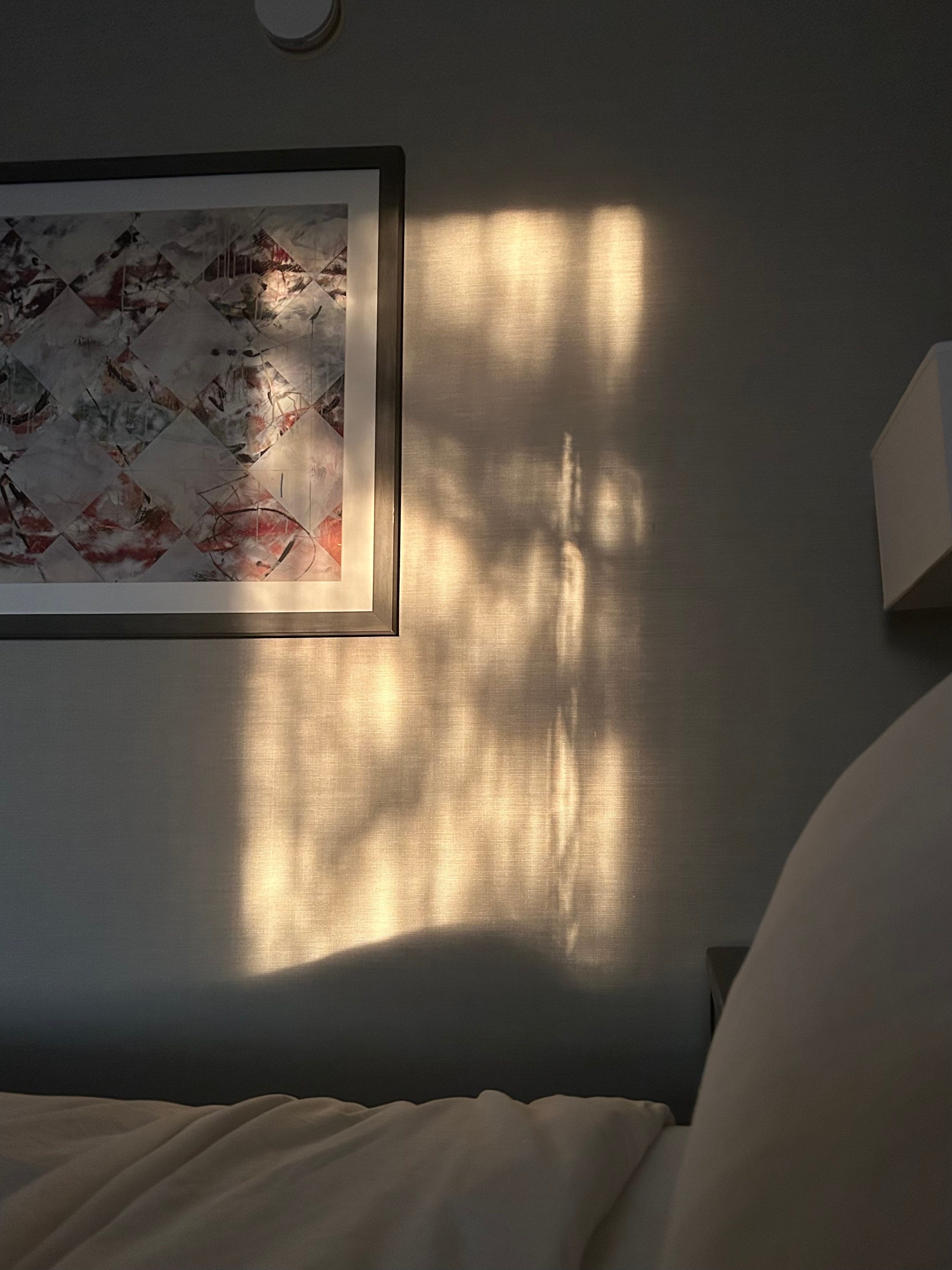
In Dearborn, I settle into the ease of routine. Most of my days begin at 6:30 - 7 AM. Faint daylight paints the sky a gloomy silver, and there is a big orange cat who oversees my breakfast making activities with (dis)approving meows. On my daily walk, the lawns are dotted with flags that alternate between US, Lebanon, and Palestine. The local butcher is Lebanese and we share some banter as he hands me a pound of ground beef. Michigan Avenue is lined with a dozen coffeeshops. All white countertops, white tiles and comfy seats made for hours-long hangouts. The days are slow and mostly quiet.
There’s a complexity to this city that I try to parse out with every visit. A microcosm of Arab America, where both qualifiers hold equal weight. At times, the latter takes up more space than anyone cares to admit.
But Arab America is its own archetype. Most importantly, it isn’t a monolith. Each pocket, from Dearborn, to DC, Houston, or California has molded its own version of the label. It is an identity in flux, always trying to make sense of itself. It oscillates between a pressure to vanish into erasure, and the pull to recreate the village left behind in a country where the task is logistically and ideologically near-impossible.
In the car with Layan, she tells me she moved here from Beirut five years ago and doesn’t feel connected to a community that is more American than it realizes. She sees it in people’s relationship to music, their broken—or in some cases— non-existent Arabic. Homelands sit in the rearview mirror. Their holograms are summoned in home kitchens and restaurants whose shawarma hasn’t been tailored to foreign palates.
Comments
Nothing yet. Say the first thing.
Sign in to join the conversation.