
Over the past ten years, five books have profoundly shaped who I am, both as a person and as a professional. Each of them connects deeply with my story and with the history of my country, Rwanda. They speak to the resilience of my people, the bravery of those who chose compassion over fear, and the lifelong journey of healing from trauma through understanding and connection.
Among these stories stands that of Carl Wilkens, whose courage continues to inspire me. During the 1994 genocide against the Tutsi, Carl chose to stay in Rwanda when almost everyone else left. He not only stayed; he acted. He saved my family and more than 400 children and adults who were at Gisimba Orphanage, the home founded by my grandparents. Today, that same orphanage has become the Gisimba Memorial Center, a trauma-informed community center dedicated to healing, learning, and rebuilding lives.
Blue Ear Books is a reader-supported publication. To receive new posts and support our work, consider becoming a free or paid subscriber.
All these experiences have given me a vision—and a deep curiosity—to understand adversity, trauma, and resilience. They have led me to explore how trauma shapes the developing brain, how caregivers navigate pain while continuing to love and protect children, and how neuroscience helps us connect the dots between what we call the five Bs: brain, biology, body, belief, and behavior. This intersection of lived experience and science continues to guide my path.
These five books are my companions. Anyone who knows me, or has ever peeked into my bag, knows that one of them is always there. They have become my “bibles” of compassion, courage, and curiosity, and they continue to inspire the book I am writing today: a story about the children raised at Gisimba Orphanage, the resilience of our caregivers—our parents, aunties, uncles, grandparents, and older siblings who raised us after the genocide—and the intergenerational journey of trauma and healing.
Most importantly, they remind me that healing is possible, and that the youth we serve today at the community center are the living horizon of a hopeful future.
These are the five books that have shaped my journey:
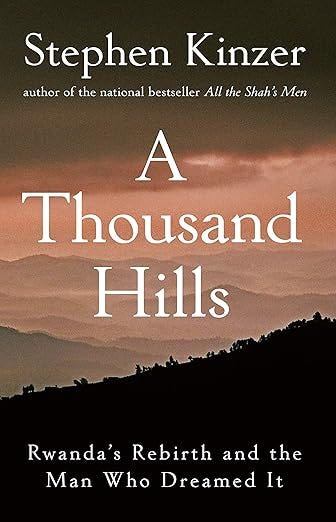
A Thousand Hills: Rwanda’s Rebirth and the Man Who Dreamed It by Stephen Kinzer
Stephen Kinzer is a very distinguished American journalist and foreign correspondent. A Thousand Hills tells the story of Rwanda’s post-genocide recovery largely through the life and leadership of President Paul Kagame, exploring how the country rebuilt itself after 1994.
While the book centers on Kagame, Kinzer also gives a broader picture of Rwanda’s resilience, reconstruction, and reconciliation, themes that deeply align with my reflection. It’s often seen as a story of a nation’s struggle to overcome unimaginable trauma and rebuild a sense of dignity and purpose.
I recommended this book to one of the volunteers who came to work at Gisimba, as well as to some American friends connected to our center. After reading it, they came back to me and said, “There were many things about Rwanda that we didn’t really understand before. Some of the things we used to criticize now make more sense. After reading this book, we finally understand where it all comes from.”
A Thousand Hills not only reflects on the aftermath of the genocide against the Tutsi, but also sheds light on the remarkable resilience of the Rwandan people—a resilience I grew up witnessing firsthand. I had the privilege of seeing our country recover and rebuild after enduring so much.
That’s why I continue to recommend this book to anyone interested in learning about Rwanda and the ongoing work we do at the Gisimba Memorial Center: work centered on building a community of healing, peace, and joy.
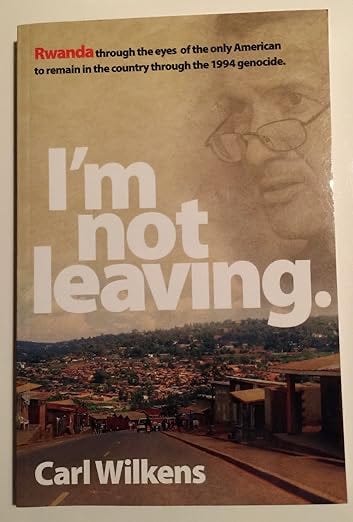
I’m Not Leaving by Carl Wilkens
This book is deeply personal to me. It tells the story of a man we call our hero, who stayed in Rwanda during the genocide against the Tutsi and helped rescue the children and adults at the Gisimba Orphanage, where I was among more than 400 people sheltered.
Unlike anyone else, Carl’s courage and compassion continue to inspire me to this day. I still see him every few months, yet I have never fully understood what he must have felt when he sent his family to safety in Kenya and chose to remain in Rwanda, risking his life to stay with us during the darkest time in our country’s history.
I recommend this book not only because it speaks to me personally, but because it reminds all of us of what it truly means to keep finding the good, even in the midst of unimaginable tragedy.
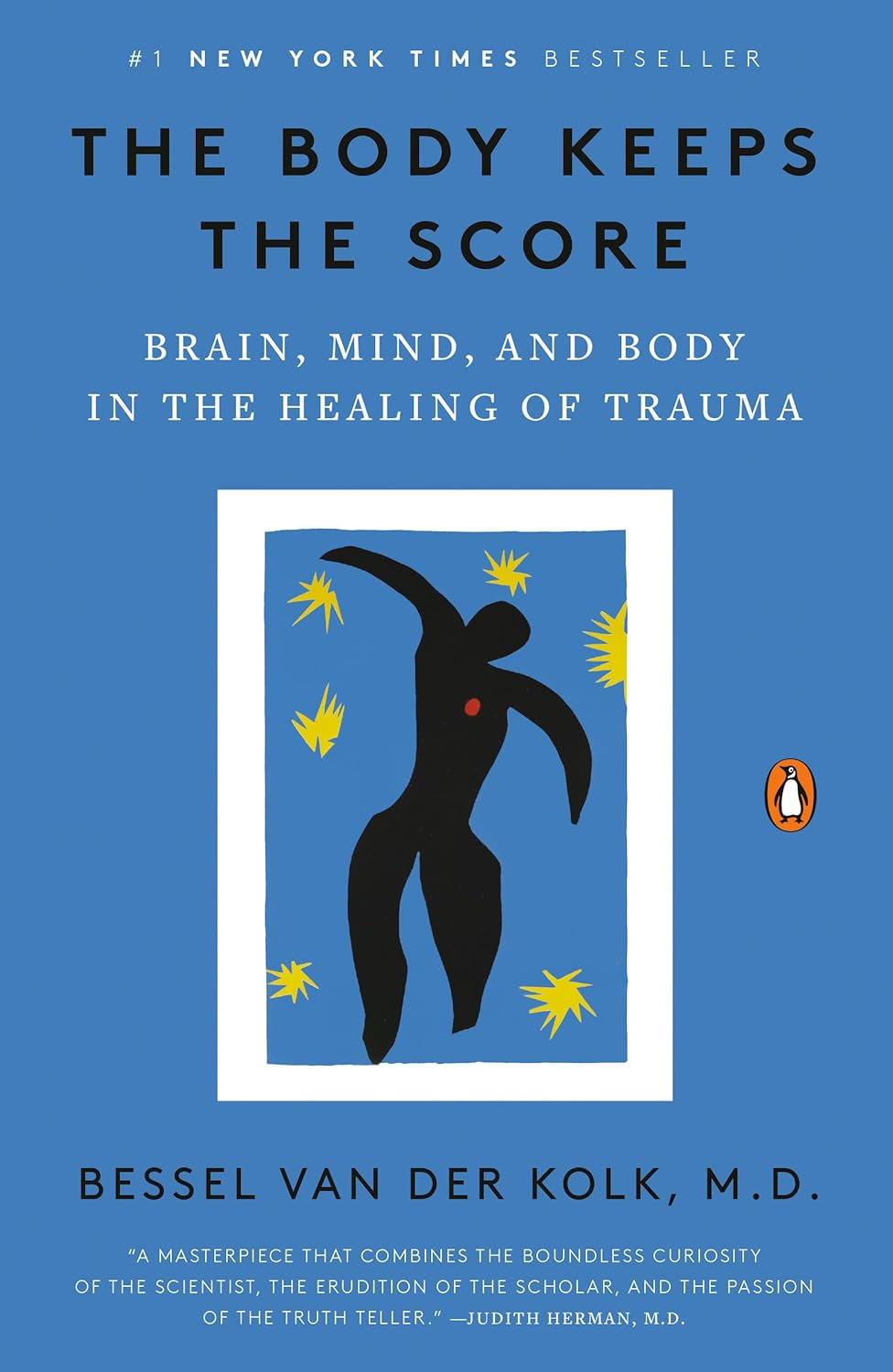
The Body Keeps the Score: Brain, Mind, and Body in the Healing of Trauma by Bessel van der Kolk, M.D.
When I visited a friend in Alaska after my first semester at Texas Christian University, she asked what I was studying. I told her I was pursuing Developmental Trauma at the Institute of Child Development at TCU. Before I left, she gifted me this book. Little did I know it would soon become required reading for one of my classes.
Over time, this book became like a bible to me. The Body Keeps the Score beautifully weaves together stories of children and adults who have experienced deep adversity and trauma. What struck me most was how seamlessly the author blends complex science and neuroscience into real, human stories.
As someone who aspires to write a book myself, this storytelling style deeply inspires me. I highly recommend this book to anyone interested in understanding trauma, healing, and the resilience of the human spirit.
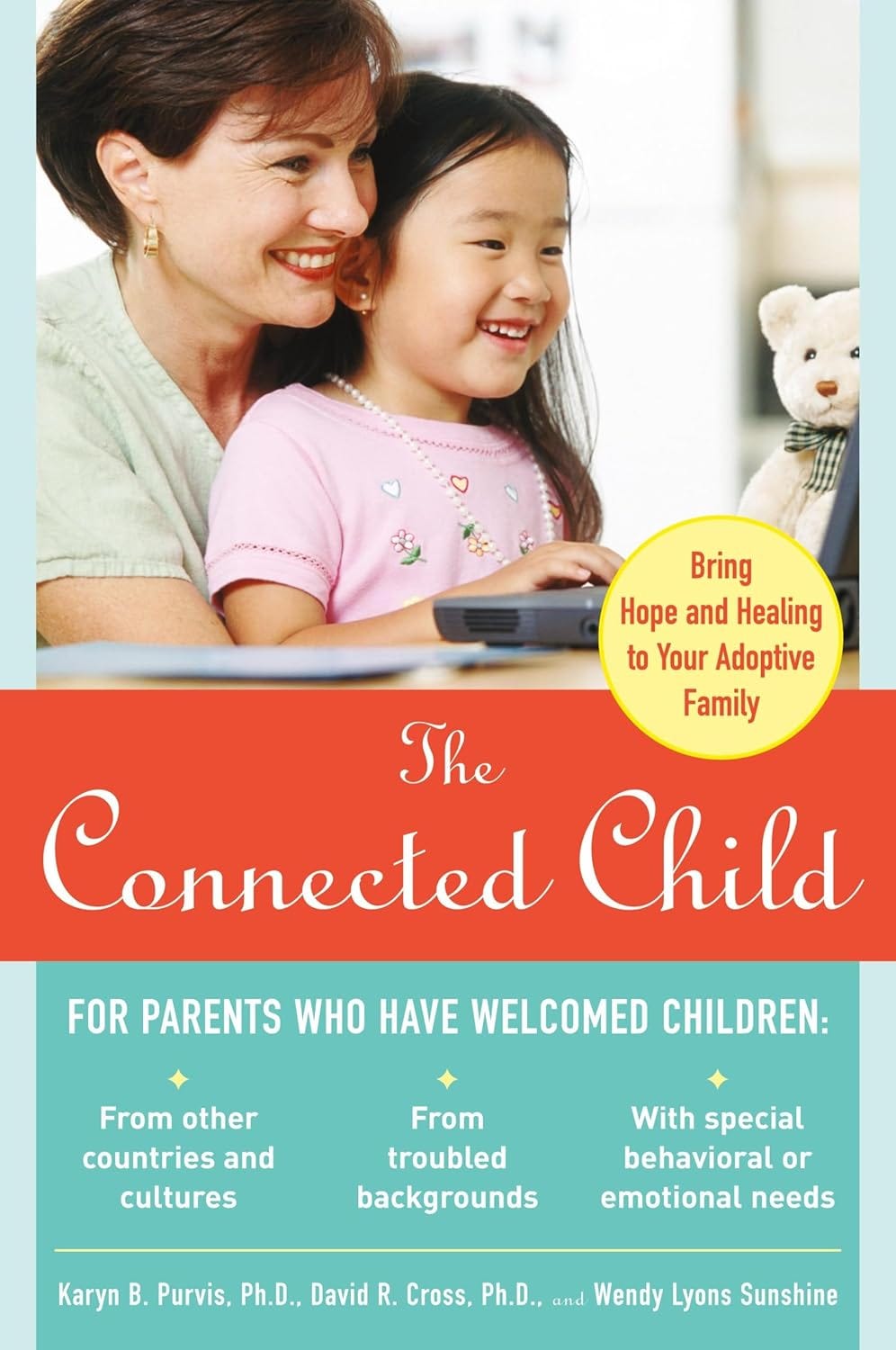
The Connected Child: Bring Hope and Healing to Your Adoptive Family by Dr. Karyn Purvis
I never had the chance to meet Dr. Karyn Purvis. She passed away just a few months after I joined the institute she co-founded at TCU—the one that developed TBRI (Trust-Based Relational Intervention), a trauma-informed approach rooted in attachment and relationships.
When I joined the institute, I knew I had to read her book. Since I didn’t get the opportunity to meet her in person, I truly met Dr. Purvis through the pages of this book. Her voice speaks so clearly throughout. It opened both my eyes and my heart to the profound importance of the relationship between a child and a caregiver.
One message from her work that has become my guiding principle is this: You cannot correct a child’s behavior without first building a strong connection.
I recommend this book to anyone seeking to place connection and relationship at the heart of healing, whether for children or for anyone who has been wounded.
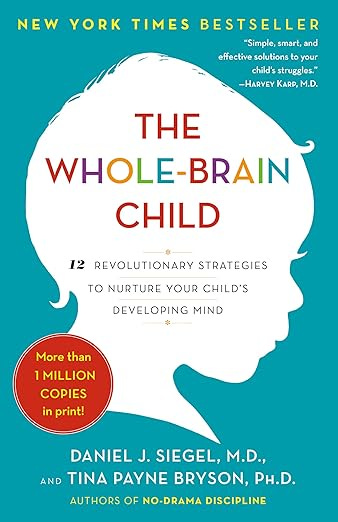
The Whole-Brain Child: 12 Revolutionary Strategies to Nurture Your Child’s Developing Mind by Daniel J. Siegel and Tina Payne Bryson
This is a groundbreaking book that explains how a child’s brain develops—and how parents, teachers, and caregivers can use that knowledge to respond to children in ways that promote emotional and behavioral health.
This book has expanded my language and understanding of the science behind behavior, and it connects beautifully to the work we do at Gisimba Memorial Center. Over the years, we have been striving to better understand not only the child’s brain, but also the behaviors of the children we serve.
The Whole-Brain Child presents these ideas in a way that is both simple and profoundly meaningful. It reminds us that, as a center, we have a responsibility to share this knowledge—the “good news”—with our caregivers, parents, and the wider community we serve in Rwanda.
Fellow readers, I highly recommend this book. It offers a clear and compassionate understanding of the brain as the foundation of both behavior and wellbeing.
I hope you find these books as meaningful and inspiring as I have. Each of them has guided my passion for the work I do and continues to inspire my dream of becoming an author one day.
My wish is that these books bring you not only insight for your work, but also a sense of healing, peace, and shared humanity, reminding us that, even in a divided world, we all belong to the same village.
Patrick Rutikanga is working on a book on generational trauma and healing in the aftermath of the 1994 genocide in Rwanda, to be published by Blue Ear Books.
Blue Ear Books is a reader-supported publication. To receive new posts and support our work, consider becoming a free or paid subscriber.
Comments
Nothing yet. Say the first thing.
Sign in to join the conversation.