
I’ve been feeling out of my movie watching groove lately. I haven’t been checking as many off the watchlist each month as I used to, and after an insanely hectic and busy week at SXSW I took an extended break from anything but rewatches.
I do a watchlist each month on Letterboxd of 20-40 movies I pick out of my larger 800+ film watchlist, as a means of chipping away at the intimidating collection. April feels like a month of retraction and returning to routines. So I made my list only 17 films long this month, and focused more on what feels the most intriguing to me and would incentivize me to get back into my flow.
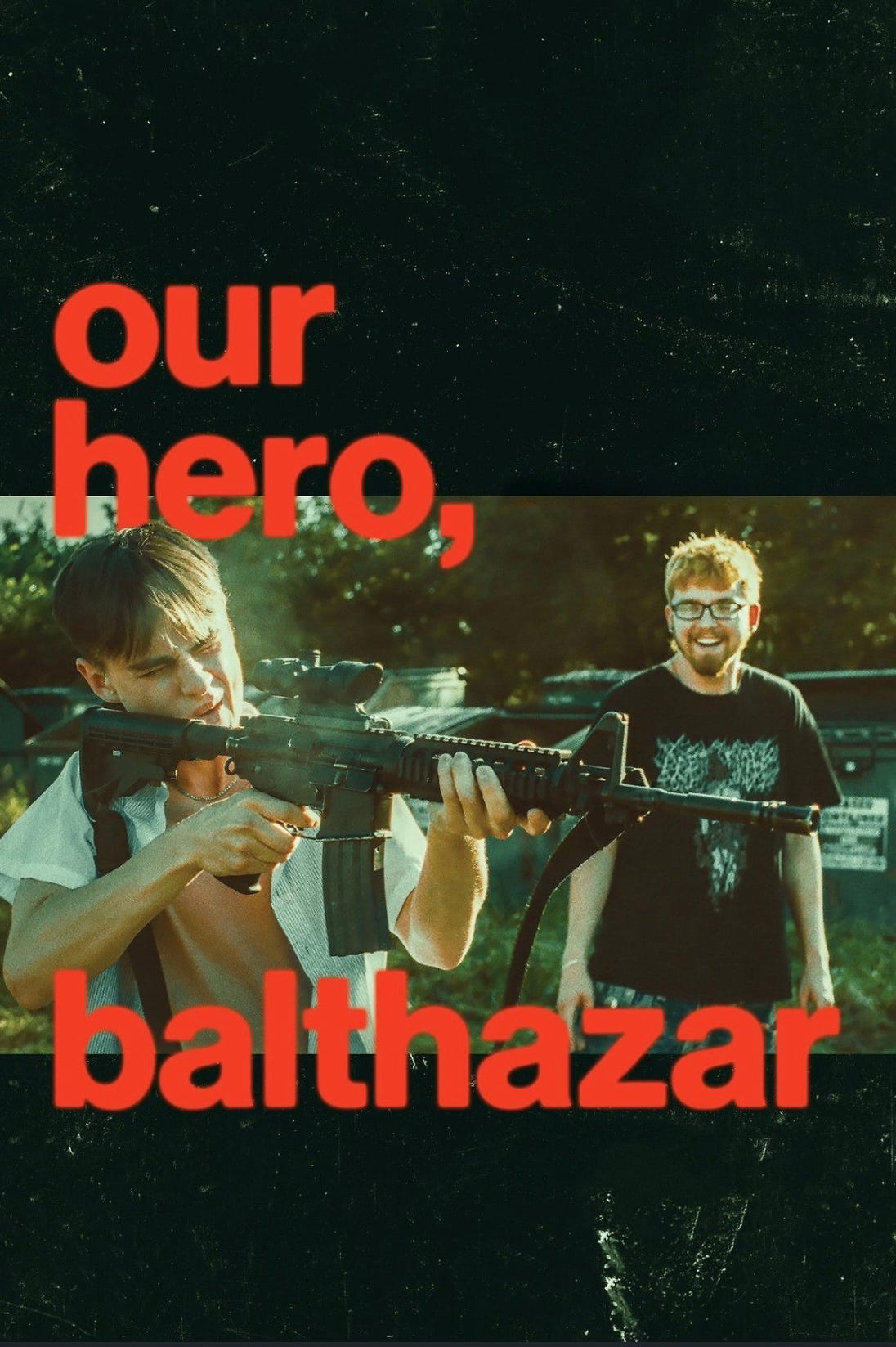
Our Hero, Balthazar premiered in June at the Tribeca film festival, and had its theatrical release on March 27th. I read it was denied a spot at the SXSW film and TV festival for its graphic content, which immediately piqued my interest. Jaeden Martell plays Balthazar, a rich teen (potentially an influencer?) who tries winning over his activist crush by posting videos of himself crying and talking about gun control and mass shootings.
A troll under the comments of one of these videos catches his eye, and he reaches out, asks the boy if he’s lonely. After connecting online, Balthazar is convinced the troll, a boy named Solomon from Texas, is a mass shooter in the making. Not only that, he’s also convinced if he travels there and befriends him, he can stop a tragedy in the making and become a hero. But it seems that when Balthy arrives in Texas, he is sucked in and seduced by Solomon’s dark isolated world.
The trailer bodes well, seems well made, it even teases some potential homoerotic undertones? Quick shots of Solomon showing Balthazar how to shoot a gun, hands firmly grasping his waist, faces mere centimeters apart as they both gaze down the barrel of a long rifle. I’m interested to see what they do with that.
A lot of people have the common strong opinion that, we have enough school shooter movies, it’s become drab and predictable. Particularly in a world where the looming threat of gun violence grows ever larger by the day. Some think it’s too close to home, or that everything that’s needed to be said has been, or that we don’t need reminders about mass acts of terror–we’re reminded every day in real life.
I understand the sentiment, but I disagree at least when it comes to this new movie. I also disagree in reference to any movies about school or mass shootings that were done fresh off of the national shock of Columbine. Sometimes people forget the year and context of a movie they’re critiquing matters. You can’t say school shooter movies are overdone in reference to a movie that came out in 2001. Nonetheless, the lens of Our Hero, Balthazar seems, different. It’s not really about a tragedy, it’s unclear from the trailer if one even takes place at all. It seems to lean more into an exploration of adolescence in the digital age, the unique flavor of isolation and performance for a perceived constant audience that has developed in the last decade and a half.
It’s barely being screened anywhere, but I already have plans to make someone drive me to the next county over just to go see this. That’s how confident I am in the probability that it will be great.
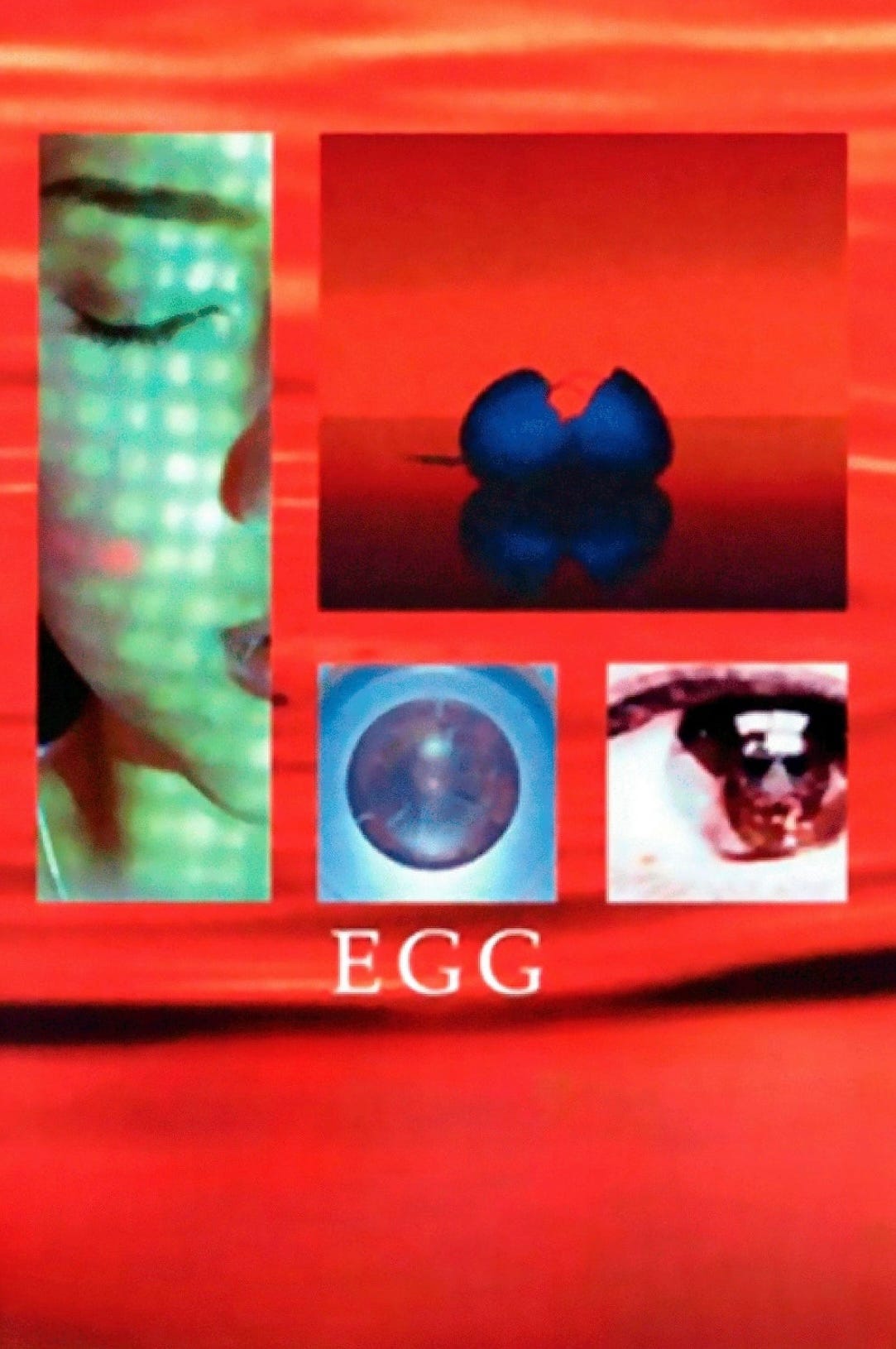
Egg or EGG: The Egg in Her Eyes, is a 2005 Japanese sci-fi horror comedy. I discovered it because a theater not even remotely in my state (or surrounding states for that matter) posted on instagram about a special screening of the film. The images in the carousel post intrigued me.
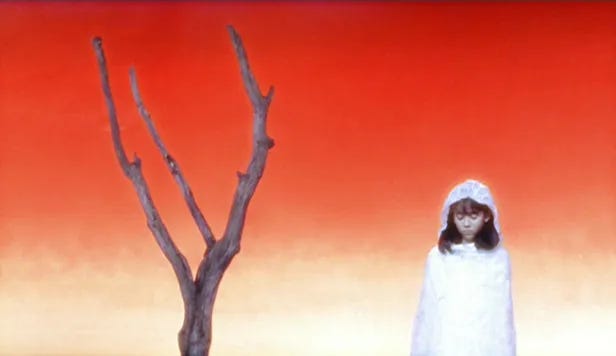
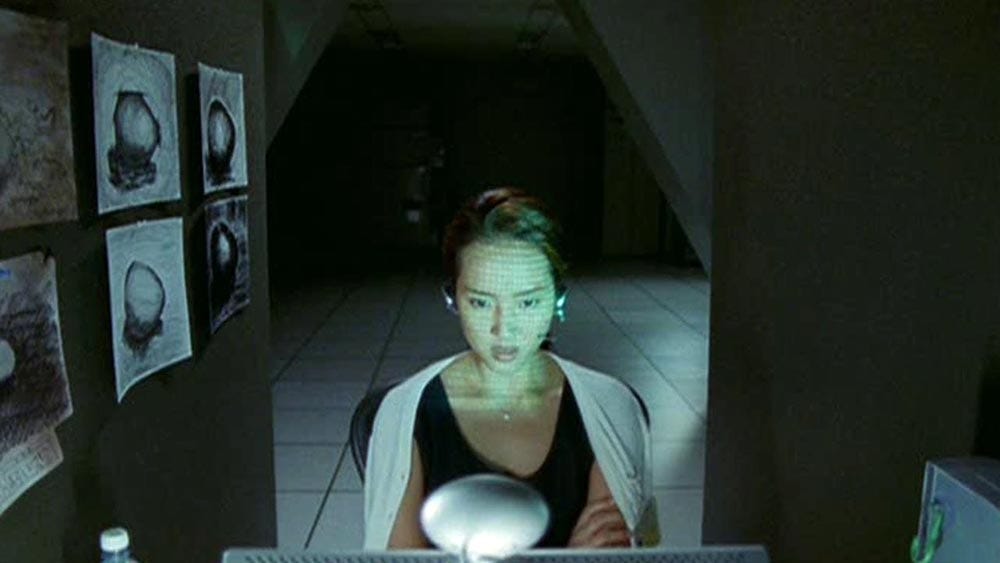
Egg presents us with Arai, a software debugger with a strange mental affliction. Since she was a little girl, each time she closed her eyes she’d see the same vision of a large egg. Each time she sees it, it gets closer to hatching. Until one day it cracks open, a strange creature emerging from within. Now Arai has a new problem; the creature begins to hurt her in her mind’s eye, but the physical impact is very very real. Now she must battle this creature and try getting help wherever she may find it.
The stills I’ve seen evoke a dizzying fever dream, hallucinating and sweating in your bed. I’ll include some below:
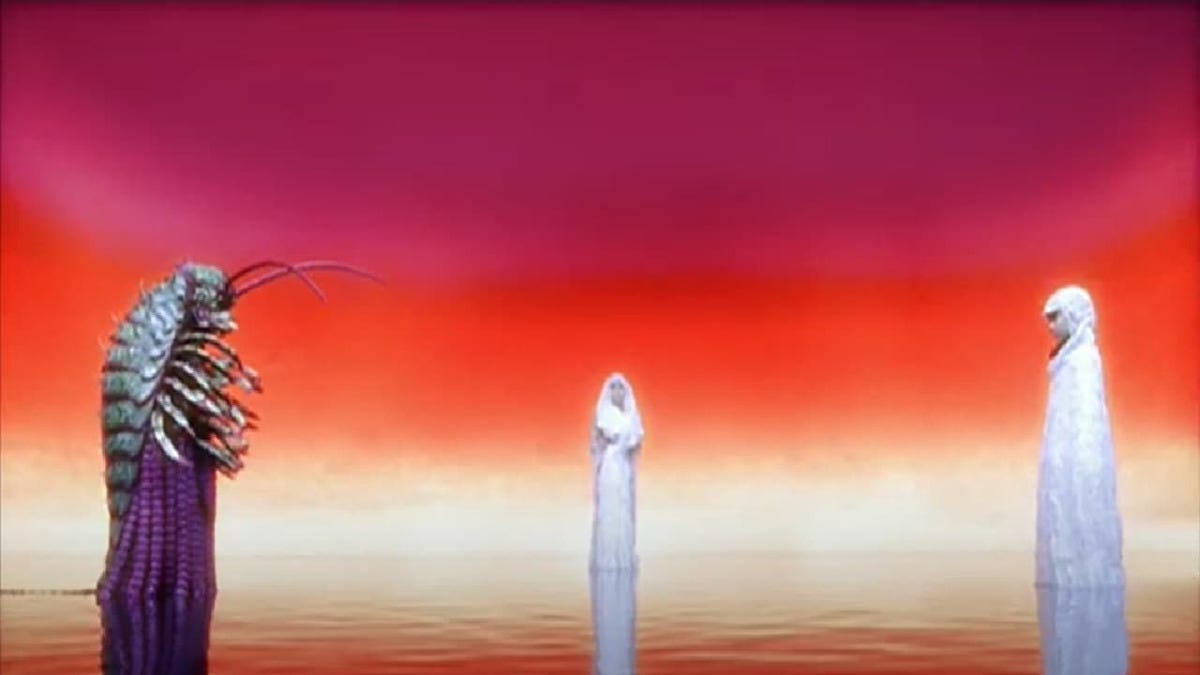
I have a feeling it’s going to become a new favorite that I rave about.
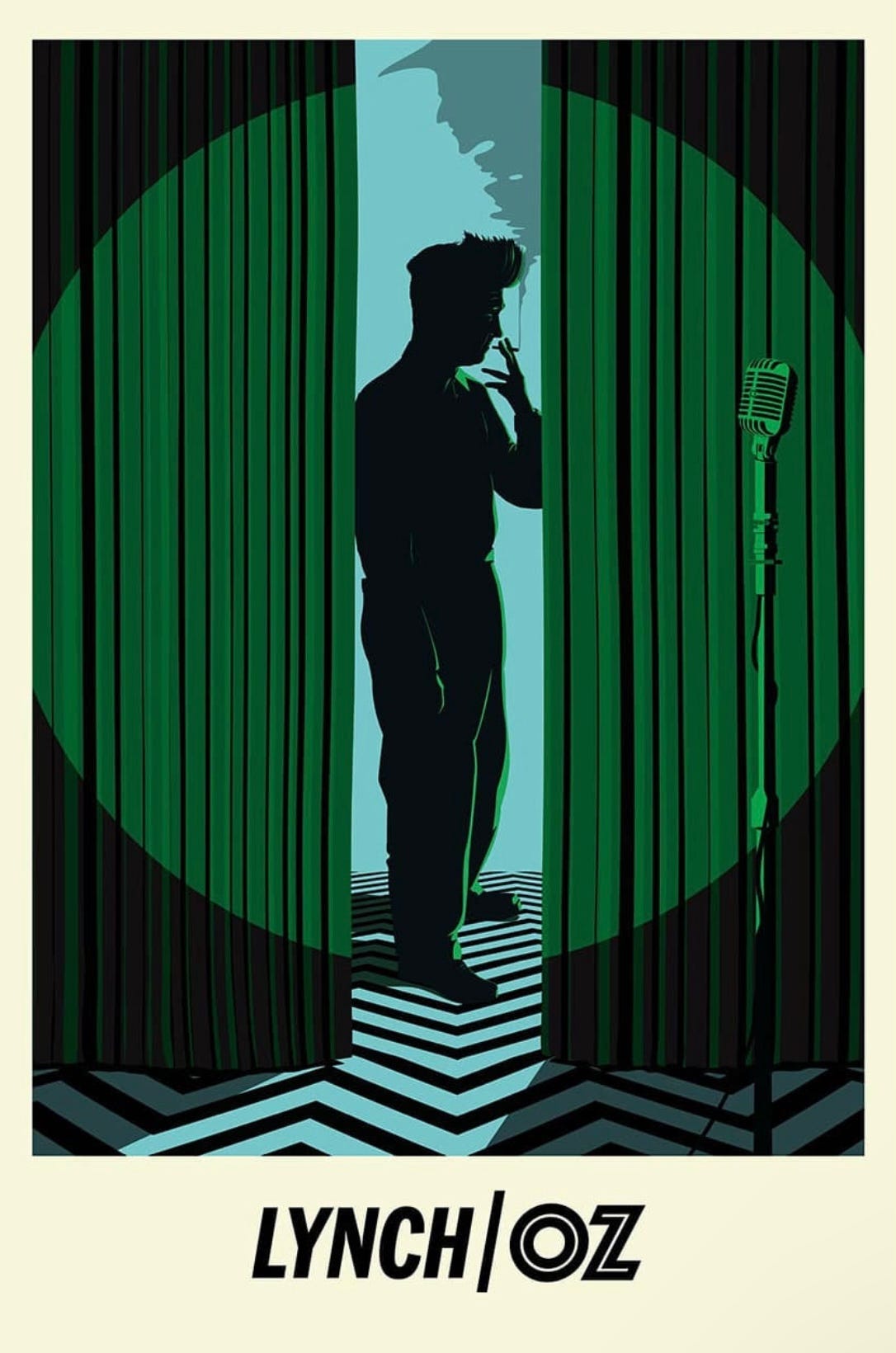
David Lynch is one of my favorite filmmakers of all time, an insane amount of people reached out to me when he passed as if my own grandfather had died. I am constantly thinking and talking about the astoundingly sympathetic and three dimensional portrayal of women and women’s trauma that him and Mark Frost pulled off in Twin Peaks. Me and my best friend love to say that David Lynch “understands the plight of women”. I’ve also been in a more nonfiction/documentary style film mood lately. David often toted his love of The Wizard of Oz. He once said “There is not a day that goes by that I don't think about The Wizard of Oz”.
So what Lynch/Oz aims to do is reexamine his entire filmography all the way up until Twin Peaks: The Return, and recontextualize it with that influence in mind. It attempts to find a through-line in all of his work. The film is split into 6 chapters and each one has a different director narrating, most notably John Waters and Karyn Kusama.
The Wizard of Oz is one of my favorite movies of all time. I’m always dazzled by technicolor, it feels like a drink of fresh cold spring water for my eyeballs. I used to watch my DVD copy over and over and over as a child. I had movie Dorothy slippers, figurines and piggy banks and dolls and t-shirts. Basically i’m true to this not new to this, so this movie seems like a perfect blend of two of my favorite things.

This is a 2006 documentary about the rating system used and developed by the “Motion Picture Association of America”. The mysterious how’s and why’s of the system and how it affects media and culture at large. Particularly, the way films with gay sex are treated differently than films with hetero sex when being rated, and many other “alledged” disparities. Including an interesting one where films that feature sex scenes focused on male pleasure vs. female pleasure are treated differently while being assigned a rating. The film is sprinkled with examples of NC-17 clips from real movies to give us an idea of the kind of material that earns such a rating. The lovely John Waters also appears in this film, I believe to speak about A Dirty Shame–one of my favorites from him.
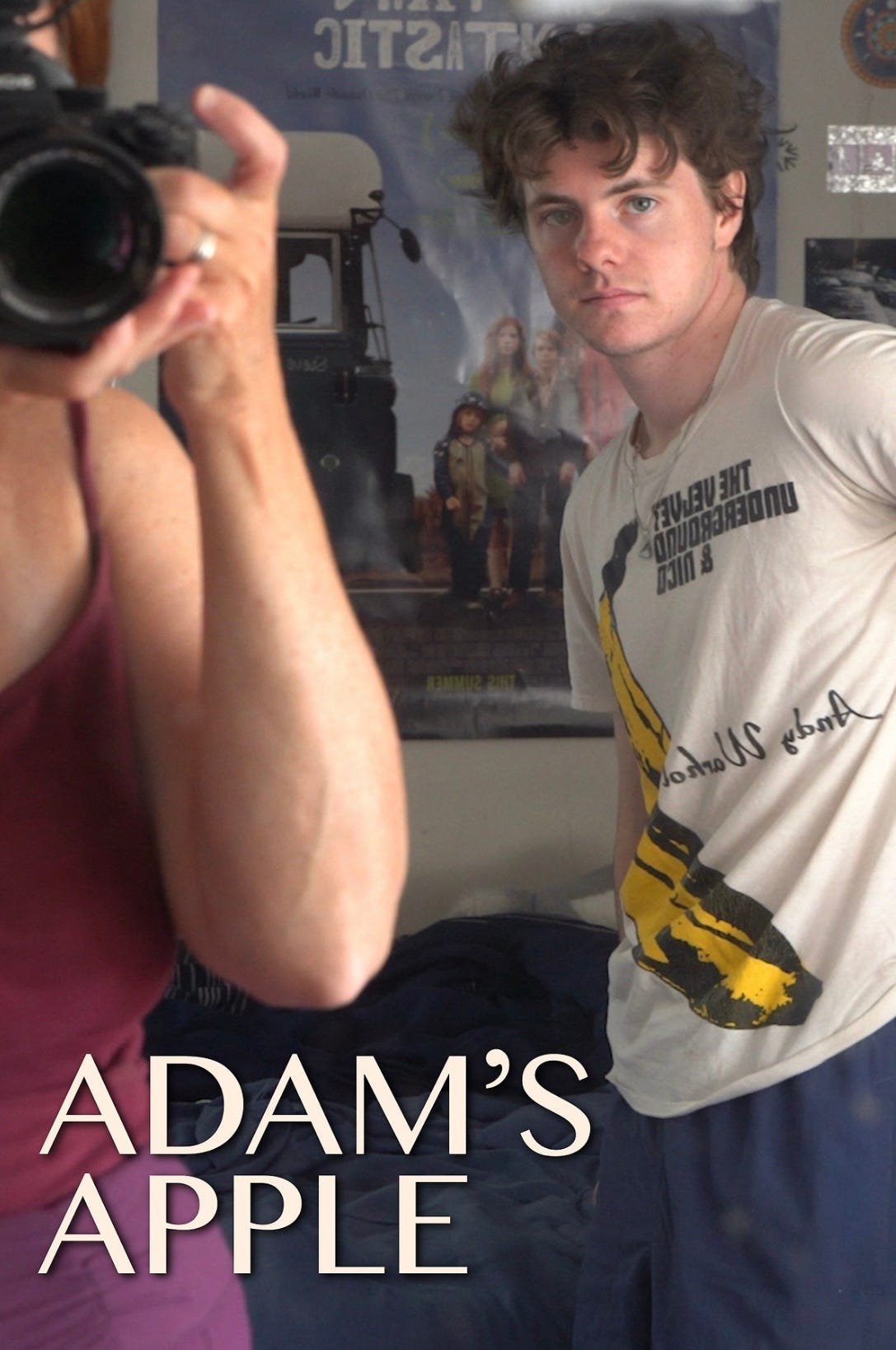
I attended SXSW last month with a print publication called Phantasmag, which does horror coverage and critique from a queer lens. I saw several movies a day, filmed reviews for their socials, interviewed directors and celebrities–it was crazy. However, because I was brought to the festival by a horror publication, I had no time to watch anything that wasn’t a horror film. So now that I’m home I’m trying to email producers and directors and secure screeners for the other films on the lineup that really interested me. Particularly this documentary called Adam’s Apple. It organizes two decades worth of footage that document a young trans boy’s growth into manhood. It weaves filming and personal perspectives of both Adam and his mother Amy Jenkins who is a visual artist.
I love trans documentaries, especially as someone who knows and loves and adores so many trans people. I’m always interested in anything with new perspectives and angles of understanding.
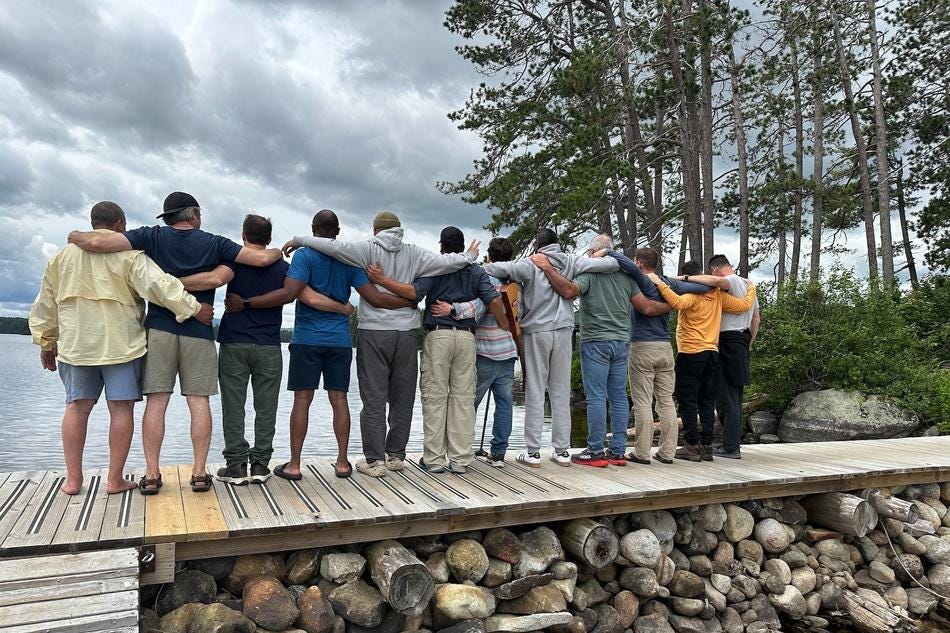
Another doc I learned about at SXSW but couldn’t see was The Dads. Directed by Luchina Fisher, it began as a short film in 2023 that you can still find on Netflix. A very sweet meditation on fatherhood and manhood, the short took us alongside five fathers of trans children as they joined Dennis Shepard (father of the late Matthew Shepard who was murdered in a high profile gay hate crime) for a weekend of fishing in Oklahoma.
The feature length film that premiered at SXSW this year seems to follow the same dads as they try to support their children and start a movement amidst growing anti trans legislation and sentiments in the country. Some even weigh the options of staying to fight, or fleeing the country. Dwyane Wade, who has made waves for unconditionally supporting his own trans child, is an executive producer on the film.
Luchina the director was kind enough to send me a screener when I asked for one so I’m looking forward to watching it later this week and including it in a list I’m compiling of trans movie recs.
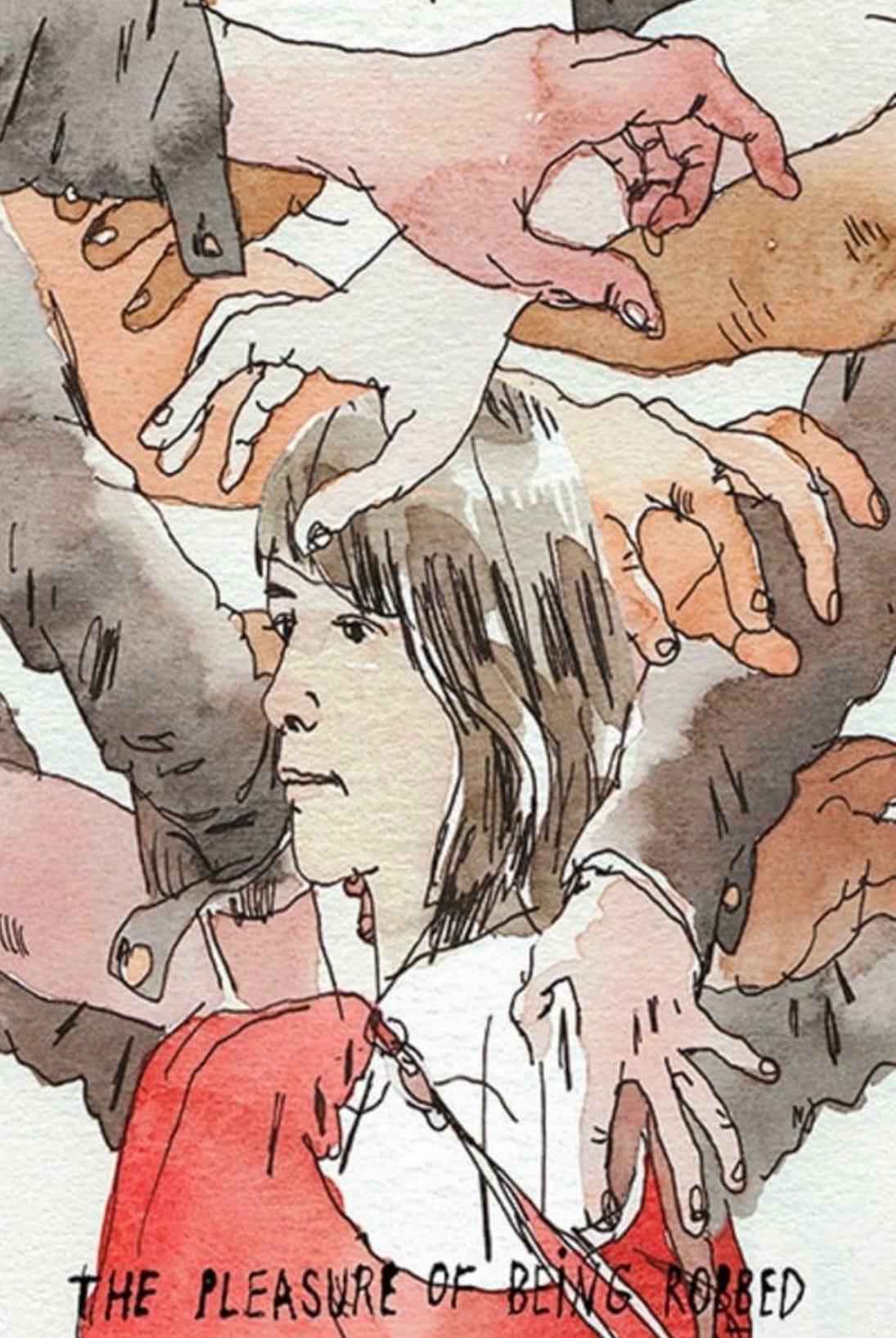
The Pleasure of Being Robbed was Josh Safdie’s directorial debut. It follows a manic woman in New York City who is a kleptomaniac. Her drug of choice being mainly purses or handbags. The meat of the film is when she finds car keys in one of her stolen purses, and drives the stolen car to Boston with a friend. It seems like one of those weird offbeat movies that meditate on the human experience or something. It sounds cool, we’ll see.
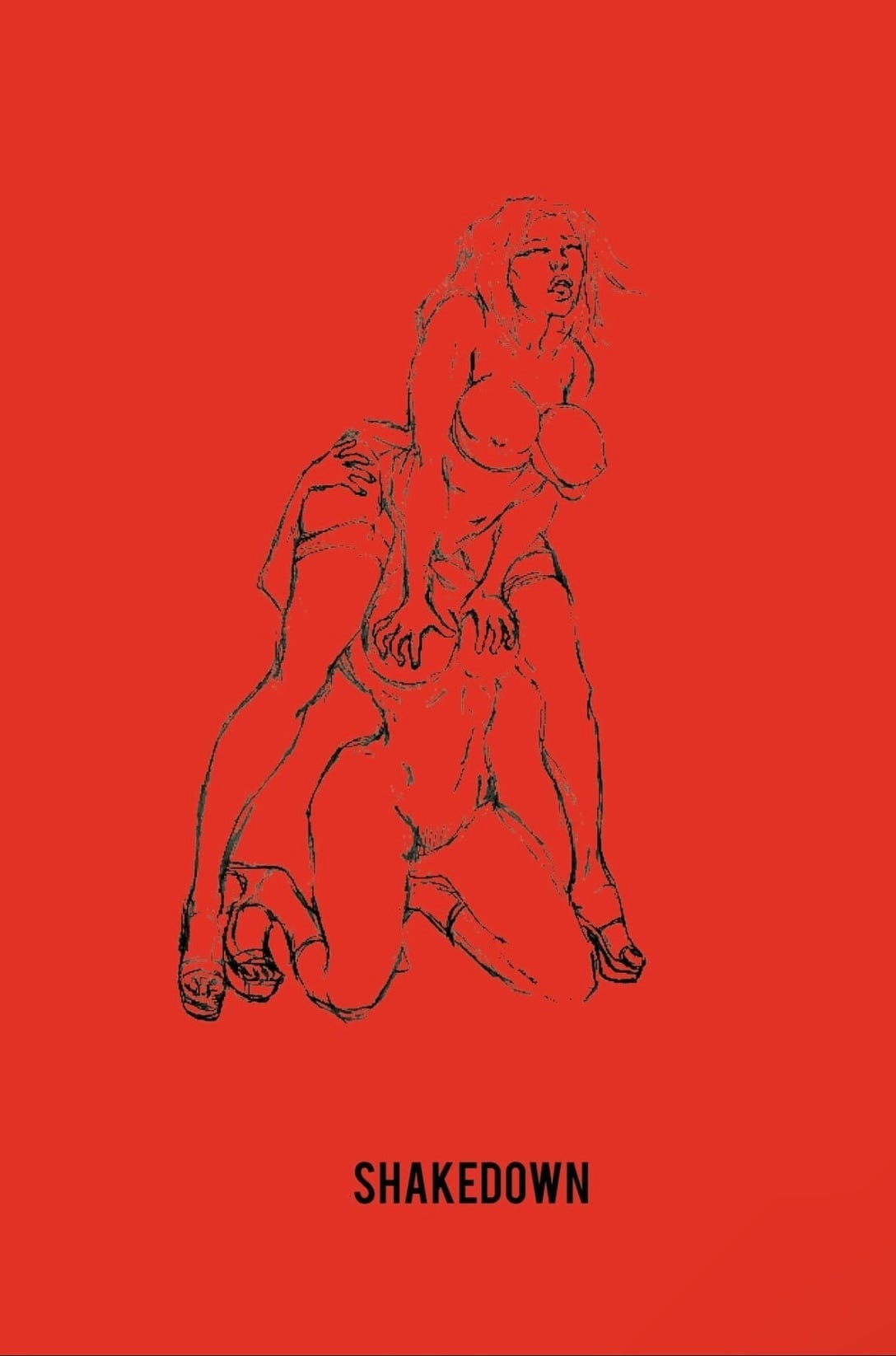
Shakedown is a lesbian documentary, and I love lesbian documentaries. Especially when they revolve around pre-iphone lesbianism. Though released in 2018 it contains footage documenting a black lesbian strip club that existed in LA from 2002-2004 when police shut it down. Wikipedia just describes it as a strip club but Letterboxd says “a series of parties founded by and for African American women in Los Angeles that featured go-go dancing and strip shows for the city’s lesbian underground scene”.
The Letterboxd synopsis also notes that Shakedown was inspired by Mahogany, a transwoman who presided over queer strip shows and balls in the 1980s.
I think if you ever want to really learn about the community you belong to, what has ebbed and flowed and changed over the decades; you need to see how they partied. AND most importantly you cannot ever forget the black community that exists within each subculture, sexuality, demographic, etc.

Brain Sex is a 1988 Japanese horror/ pinku film. It revolves around a teenage couple who drive around at night and peep in on strangers’ sexual escapades. They follow night stalkers and rapists and describe in detail what they witness. It seems they do this on their improvised radio show. As they continue being silent voyeurs, the attackers they follow become more violent. I’m a big fan of pinku films, which denotes a genre of Japanese movie that involves nudity or sexuality. I also love psychosexual films, which I admittedly talk about less now because it seems the word got tiktok-ifed the same way “female rage” did, where it’s beat into the ground and thrown onto performative personality memes so much that it’s affectively lost all meaning in my brain.
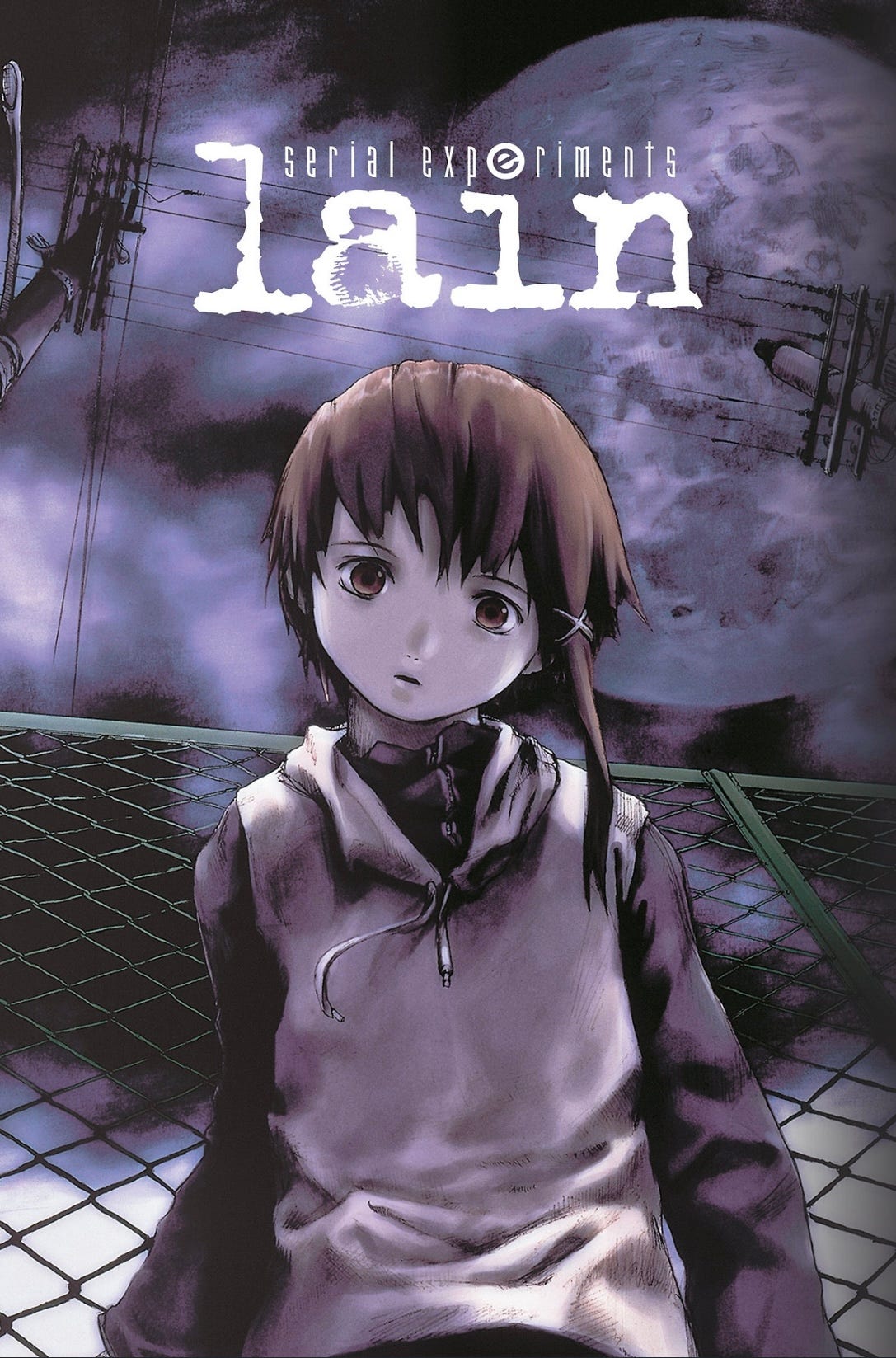
Ok this is a series and not a movie, but it’s only thirteen incredibly stylized but short episodes so in a way, it’s a film. I’m really not into anime–no offense. But Serial Experiments Lain is exactly in the vein of everything I love. Late 90s cyber obsessed techno horror story about becoming one and merging with ever advancing technology. Wires and motherboards becoming your god, becoming your own god. It deals with themes of connection and the self, what a “self” even means. It explores the theme of the self in a similar way my favorite film Noriko’s Dinner Table does. I like contemplating where I end and the rest of the world begins, who I am when all the fluff is pushed out of the way.
The series follows Lain, who is a young girl in Japan becoming increasingly invested in “Wired”, a global communication network. She builds and ever expands her PC set up and grapples with the existence of her digital self, if it is conscious and alive independently of her. If death really means anything at all when you exist online.
It’s surreal and paranoia soaked. If you like Videodrome you’d love this. I’ve seen a good chunk of it but that was so long ago and I never finished. I need to start over and watch it all in one sitting.
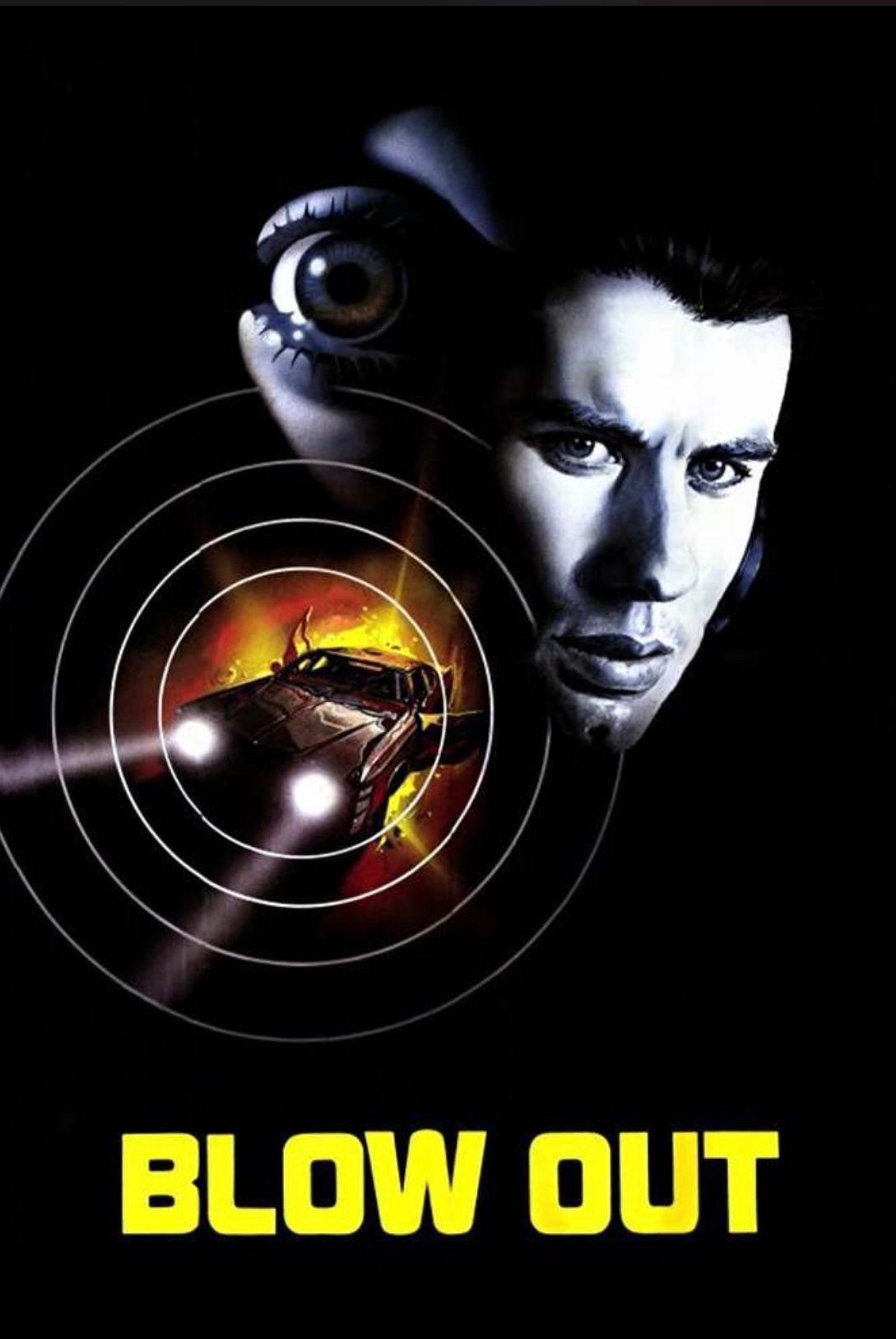
So, I love Brian De Palma. The 80s erotic crime thriller is an art, and he had his finger directly on the pulse. Lest we not forget the round bed and leopard print walls in Body Double.
Blow Out was recommended to me after I had mentioned that as a kid I wanted to be a folly artist–the people who make all the noises in movies. If you hear bones crunching on screen it might just be a nerd, hunched over and crushing uncooked pasta under their boot.
In Blow Out, John Travolta plays a folly artist named Jack working on a low budget slasher film. His producer urges him to find a more realistic scream for the movie, while sound hunting at the park he sees a car drive off the road and into the creek. The driver is killed but he pulls out a young woman who he later learns is an escort, and her dead John was the Governor. As Jack replays the audio of that day he hears a gunshot in the background, seemingly holding in his hands the only evidence that this accident wasn’t much of an accident at all. The film then devolves into what sounds like a lovely sleazy 80 neo-noir mystery.
When I was a kid I had a crush on John Travolta in Grease, and when I was five my mother showed me what he looked like present day (2004) on an episode of MTV Cribs or something–I started sobbing in hysterical denial.
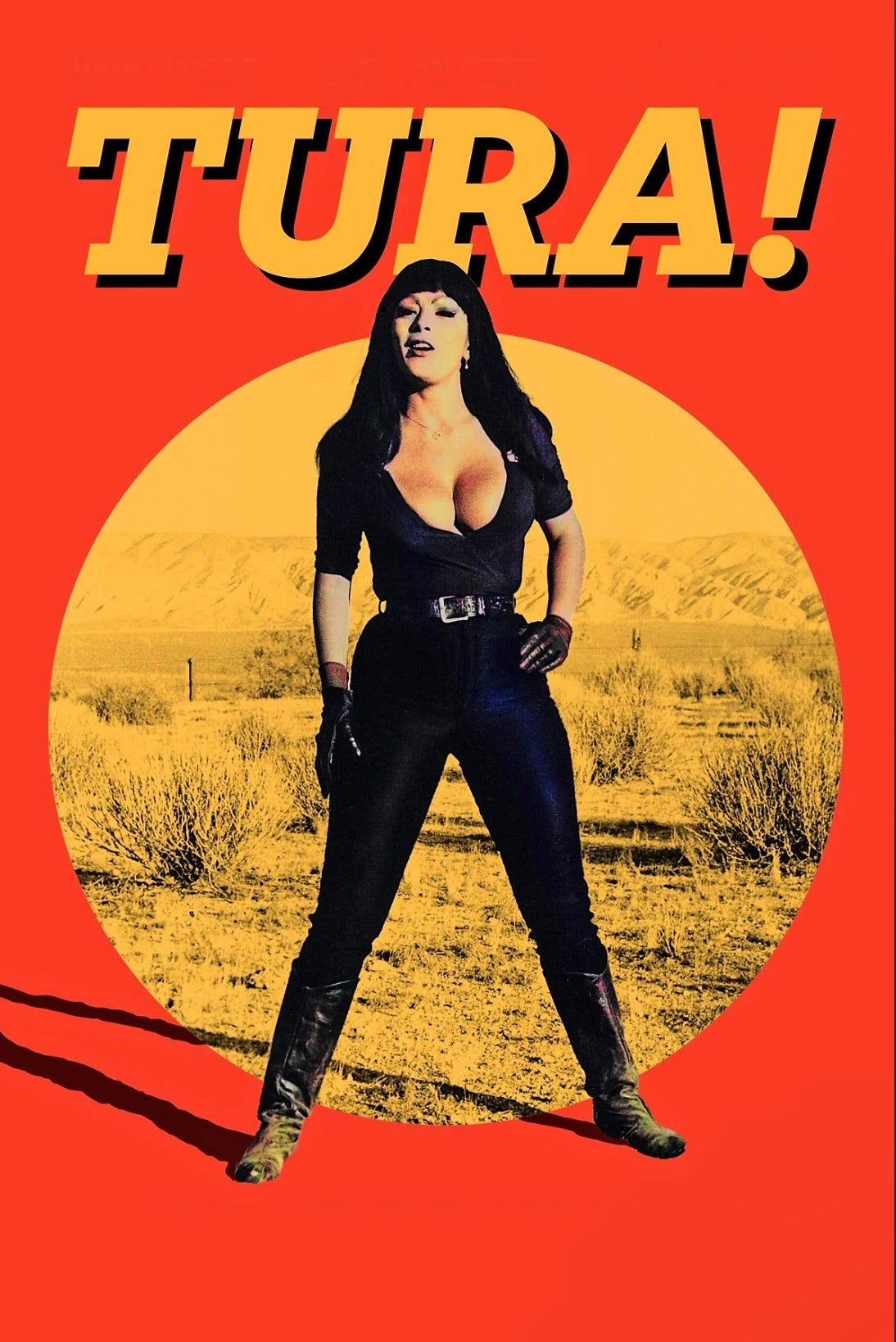
I’ve only seen Faster, Pussycat! Kill! Kill! once, but it was an enthralling theater experience and exists up there with the rest of my all time favorites. The film has been called both feminist and misogynist in equal measure, I think it’s neither. I don’t know why that’s the only rubric used for movies anyway. Faster, Pussycat is what Tura Satana is famous for. The 1965 film presents to us three thrill seeking go-go dancers. They love to drag race, play car chicken, beat up men, wear crazy bras and tight hot pants. They indulge in all of those passions fervently in the movie, with Tura’s character as their ringleader. It’s cult status is in part due to how rough and tough these bodacious ladies are, they’ll square up with anybody. And the relationships between the three dancers are extremely homoerotic, and that may be understating it. Many also find it remarkable that Tura is positioned as this gritty ringleader in 1965 when a lot of Japanese American women were still being cast to play very exotified roles.
This documentary is about Tura in real life. Her career as a burlesque dancer as well as her tough and troubling childhood. She was born in Hokkaido, her father a silent Japanese film actor and her mother a circus performer. From what i’ve heard, right before her 10th birthday she was gang raped by 5 men and she was walking home. She says her attackers were never prosecuted, the rumor had been that the judge was paid off. This injustice inspired Tura to learn karate and aikido, and spend the next 15 years honing in her fighting skills and tracking down each of her rapists. She says she successfully found all of them and that “I made a vow to myself that I would someday, somehow get even with all of them, they never knew who I was until I told them”.
She also started a girl gang in her neighborhood called “The Angeles” and was sent to reform school for frequent delinquency. Tura! has interviews with John Waters, Margaret Cho and many others who speak about her impact and legacy.
The Place Which Isn’t Necessarily Wrong (1996) is a mysterious female directed and written Japanese experimental film. It’s 18 minutes long and not a ton is written about it online. The synopsis reads:
“The enormous amount of modern stars surrounding us is not a fantastic sparkle of light, but a litter of false information. The "I" in this film collects messages from an imaginary research company. A unique personal film that confronts the fictionalised reality on an equal level.”
It seems like another film in one of my favorite flavors; exploring the self, where you end and the next begins. A theme I see pop up a lot in Japanese cinema, it may have to do with (what I hear secondhand) the culture of individualism and isolation that happened alongside the growing capitalistic society. Many of my favorite Japanese films meditate on relationships, personhood, family, what it means to have and be a “self”. Perhaps a symptom of the surreal sensation of loneliness felt in one of the busiest cities in the world.
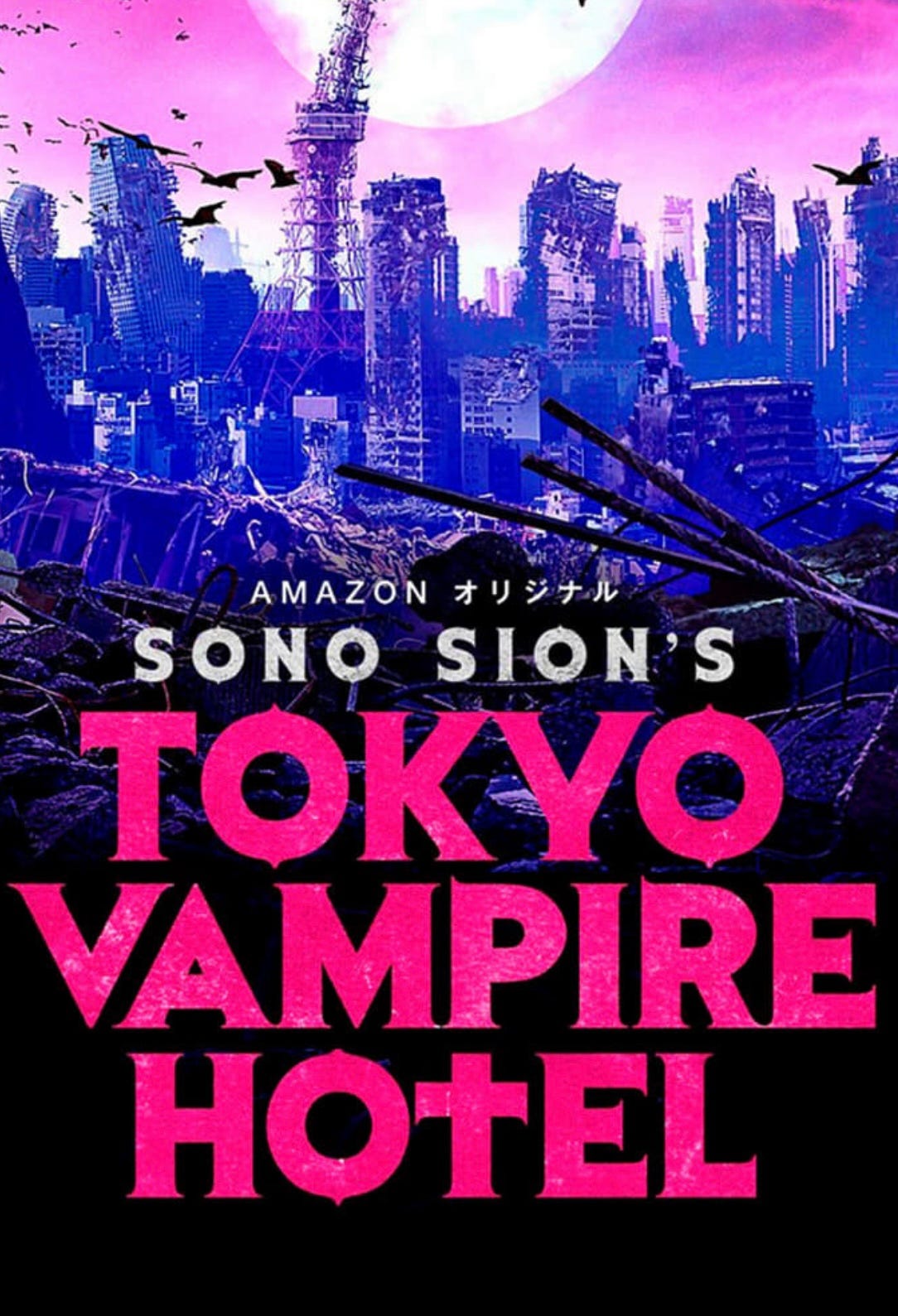
Sion Sono has made a lot of my favorite movies. Noriko’s Dinner table, Suicide Club, Strange Circus, Love Exposure. He can make a damn movie that’s for sure.
I found out about this nine part horror mini series he did a few years back about a bunch of vampires in a hotel for a coupling ritual of sorts. Once they’re sealed inside they are told the world is ending and they will be the only survivors.
This doesn’t sound like his flavor of work at all, I’m curious to see if there are any thematic or stylistic through lines I will notice in this.
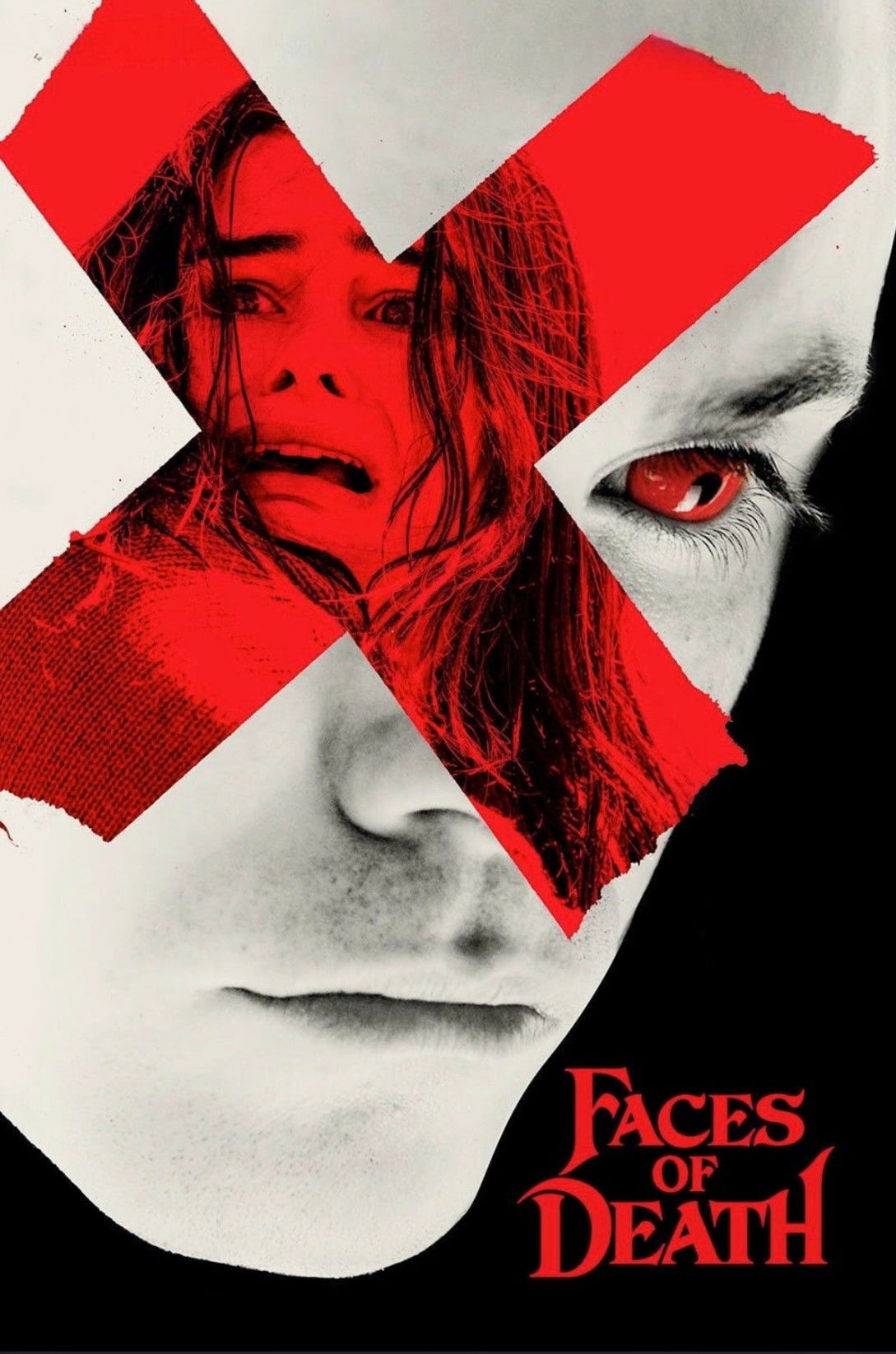
I’ve actually never seen the original Faces of Death, but I intended to at some point. I initially had no interest in this new one when the early marketing was coming out for it and being presented to me on my insta feed. But the more I looked into it, I found the premise to be exactly to my taste.
A moderator for a knock off Tiktok comes across videos of people who seem to be recreating the death scenes from the original FOD. She then has to dive in and determine if it’s SFX and staged, or if these are actual snuff films being posted. This is the kind of “simulated snuff” (not a thing, that’s just called a horror movie) that I would get baby cancelled for on the cesspool that is Tiktok for reviewing. Color me excited! It may be cringe in the way movies that attempt to portray Gen Z are cringe but it could also be fun and gross. And not to ruffle any feathers but I’m excited at the prospect of seeing a movie in which Barbie Ferreira is still fat.
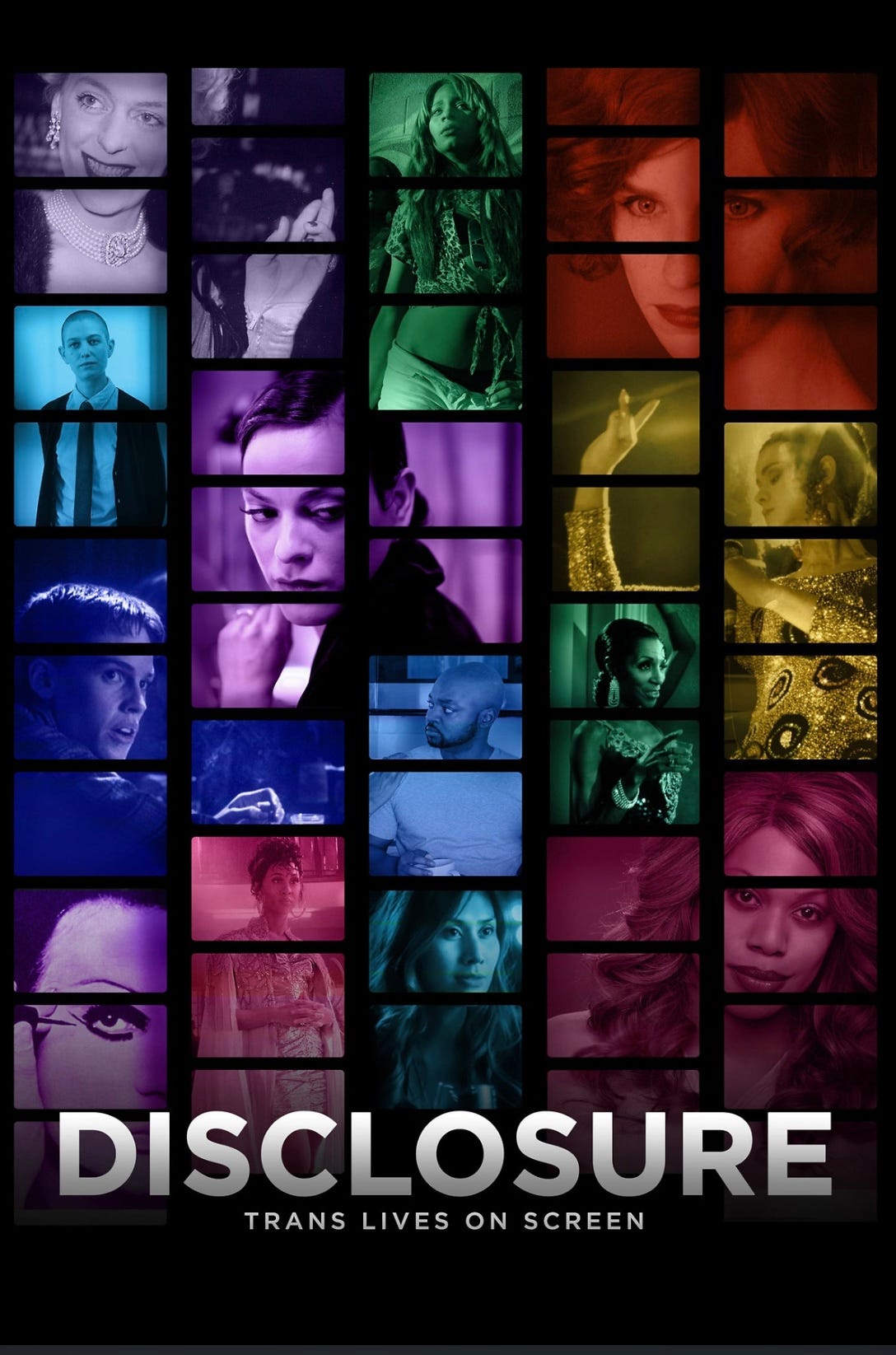
I’ve been trying to check a lot of trans documentaries off of my watchlist. Or moreso just prioritize watching them. My partner recommended Disclosure to me awhile ago, it takes us through the history of Hollywood’s depictions of trans people and the cultural impact of those depictions and characters. I’m also working on a list for Substack of trans doc/movie recs so this is part of my “Research”.
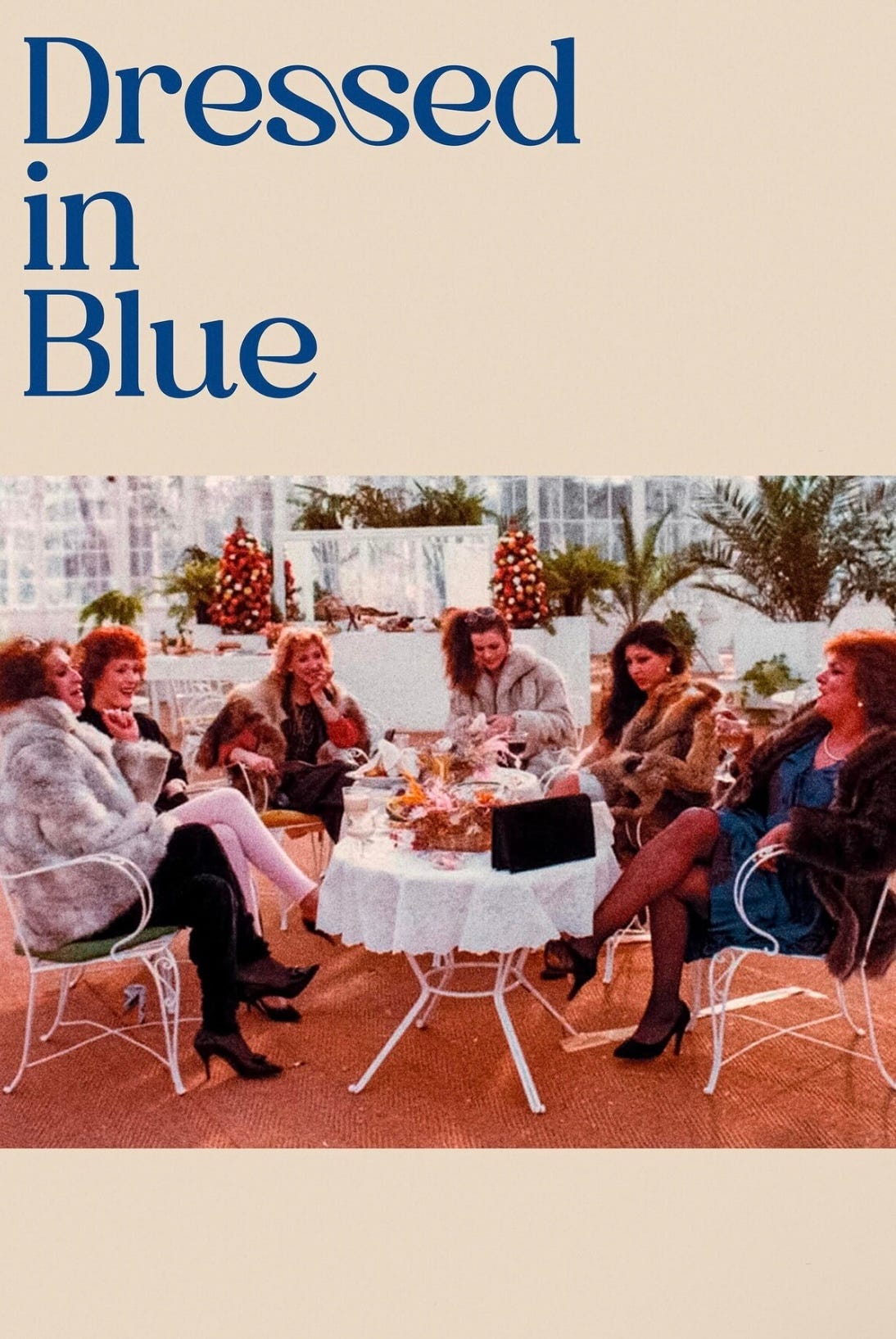
Another trans documentary that I’ve been meaning to watch for so long (and have heard is very beautiful), is Dressed in Blue or Vestida de Azul (1983). The film is a loving portrait of six trans women living in Madrid in the years following Spain’s transition to democracy. From everything i’ve read, Dressed in Blue gives all of it’s subjects the humanity and agency to tell their own stories, include their own friends and families, their histories and talk about the sex work they do or have done. It’s not just about these six women, but at large it’s about a community finally emerging to be seen and let themselves be seen.
You can see the full list here on my Letterboxd if you’d like to follow along and catch my short form reviews in real time.

No posts
Comments
Nothing yet. Say the first thing.
Sign in to join the conversation.