
A Message from the Library
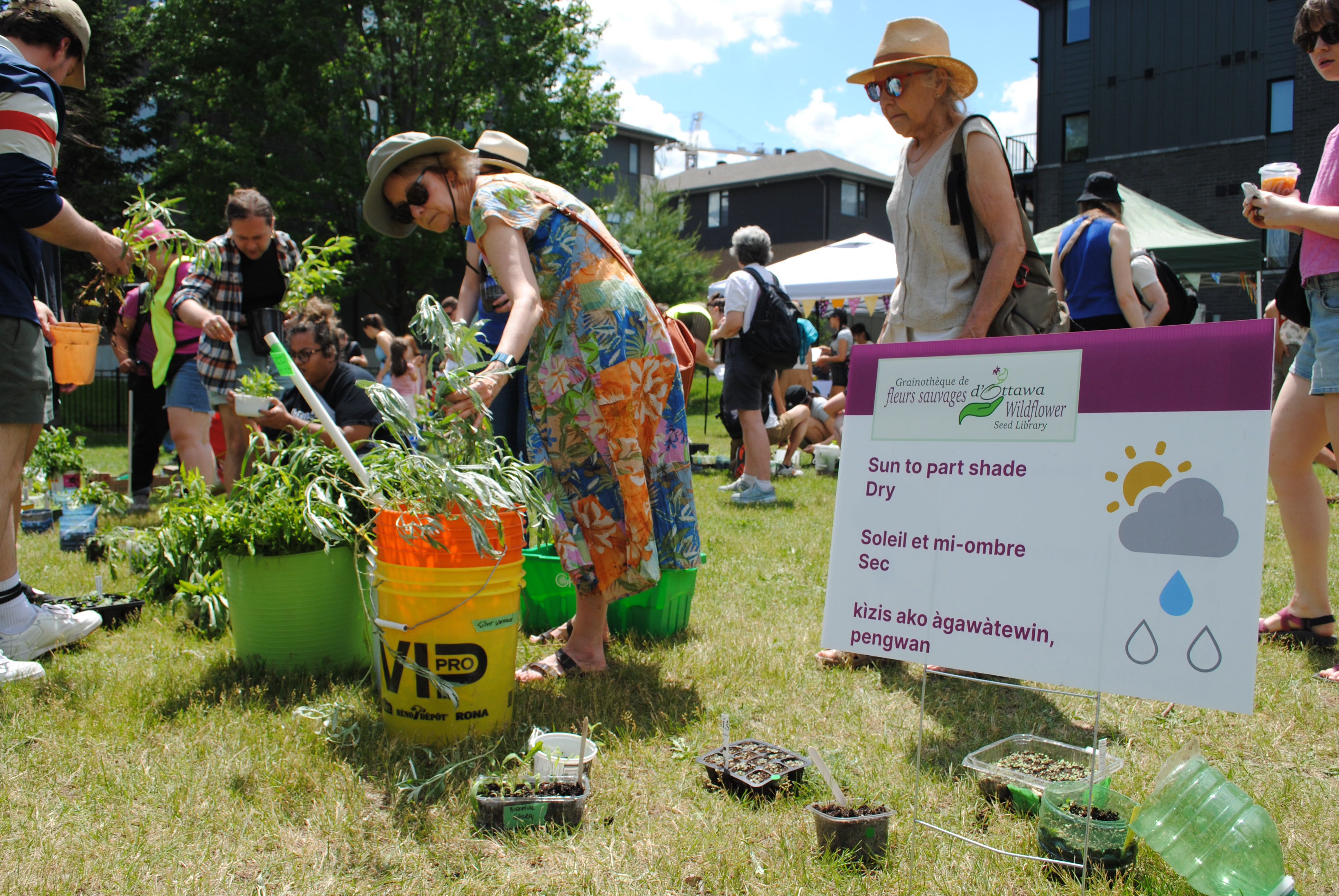
Volunteers have been working diligently on the Seed Library’s catalogue with pictures and descriptions being added to the list of existing plants. Our volunteers have also been busy representing the Seed Library at various events, such as our recent Native Plant Giveaway.
We are also looking for volunteers to help us with activities for kids and representing us at outreach events. If you are interested, please email volunteer@wildflowerseedlibrary.ca.
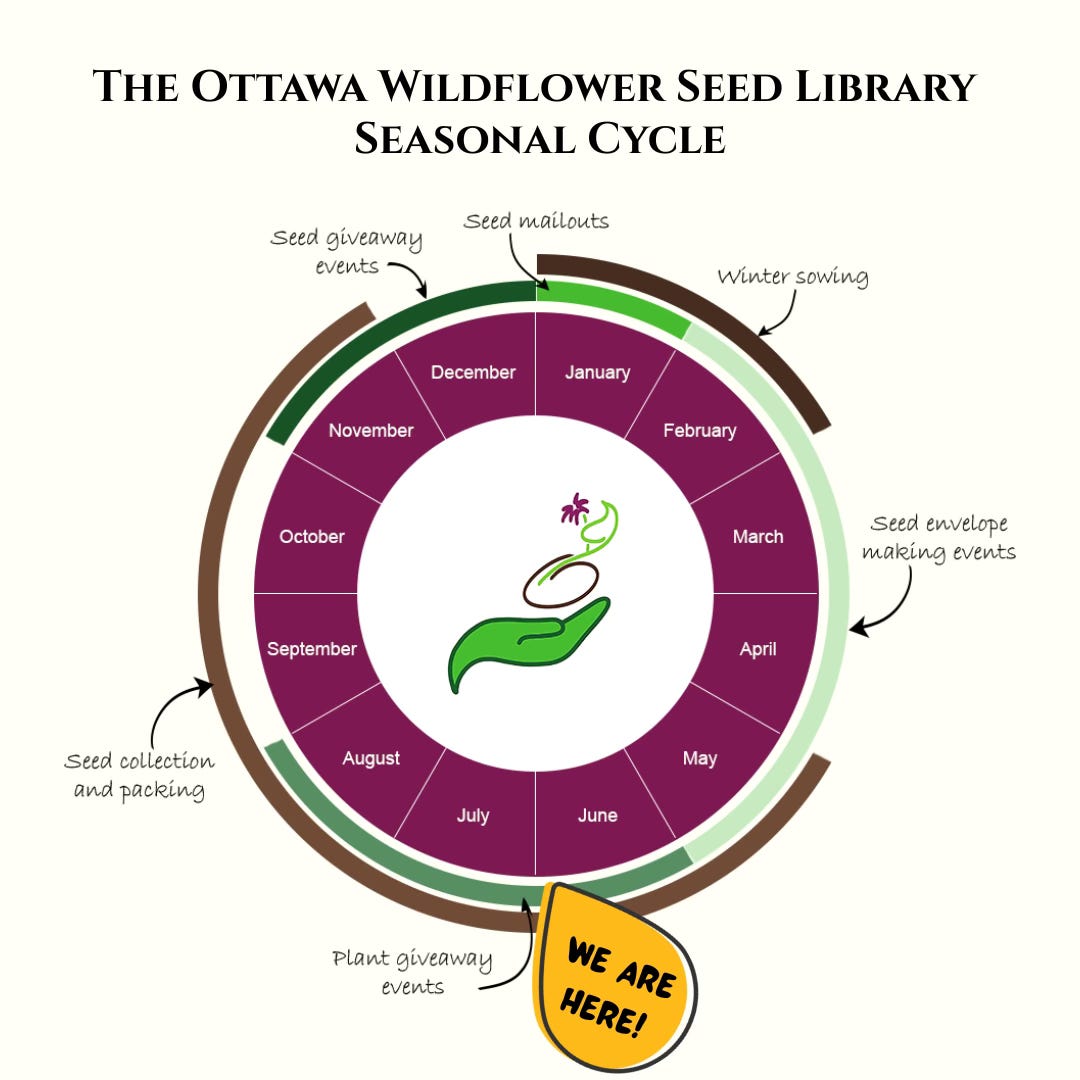
This is also the beginning of the seed harvesting season! If you would like to know more on how to harvest seeds you can check out our YouTube Channel or read up on harvesting information in our catalogue. We have drop-off locations in Alta Vista, Barrhaven, Kanata, Nepean and Orléans. E-mail us at info@wildflowerseedlibrary.ca for drop-off addresses.
Mélanie Ouellette, the Seed Library’s founder and president, will hold a presentation, one in French and one in English, for Bee City Canada on how to start a local seed initiative on July 23, 2026. While registration for this event is not open yet, if you’re interested in attending, please reach out to info@wildflowerseedlibrary.ca.
Seed Mailout Notice
Sometimes mistakes get made during the mailout process and some seeds get mistaken for others. In the December 2025 to January 2026 seed mailout:
Spreading Cinquefoil (Potentilla supina) seeds given out by the library in 2025 were likely Tall Cinquefoil (Drymocallis arguta).
Eastern/Carpenter’s Figwort (Scrophularia marilandica) was likely Lance-Leaved Figwort (Scrophularia lanceolata).
Upcoming Events
Native Plant Giveaway
When: Saturday, July 11, 2026, 1:00-3:00pm
Where: Springhurst Park
About: Join us at Springhurst Park for one of our annual plant exchange/giveaway events! Come and pick up some free native plants, no donations are required. If you have native plants to give away, please check out our webpage for more information.
Seasons in the Garden
Full Moon Date: July 29, 2026
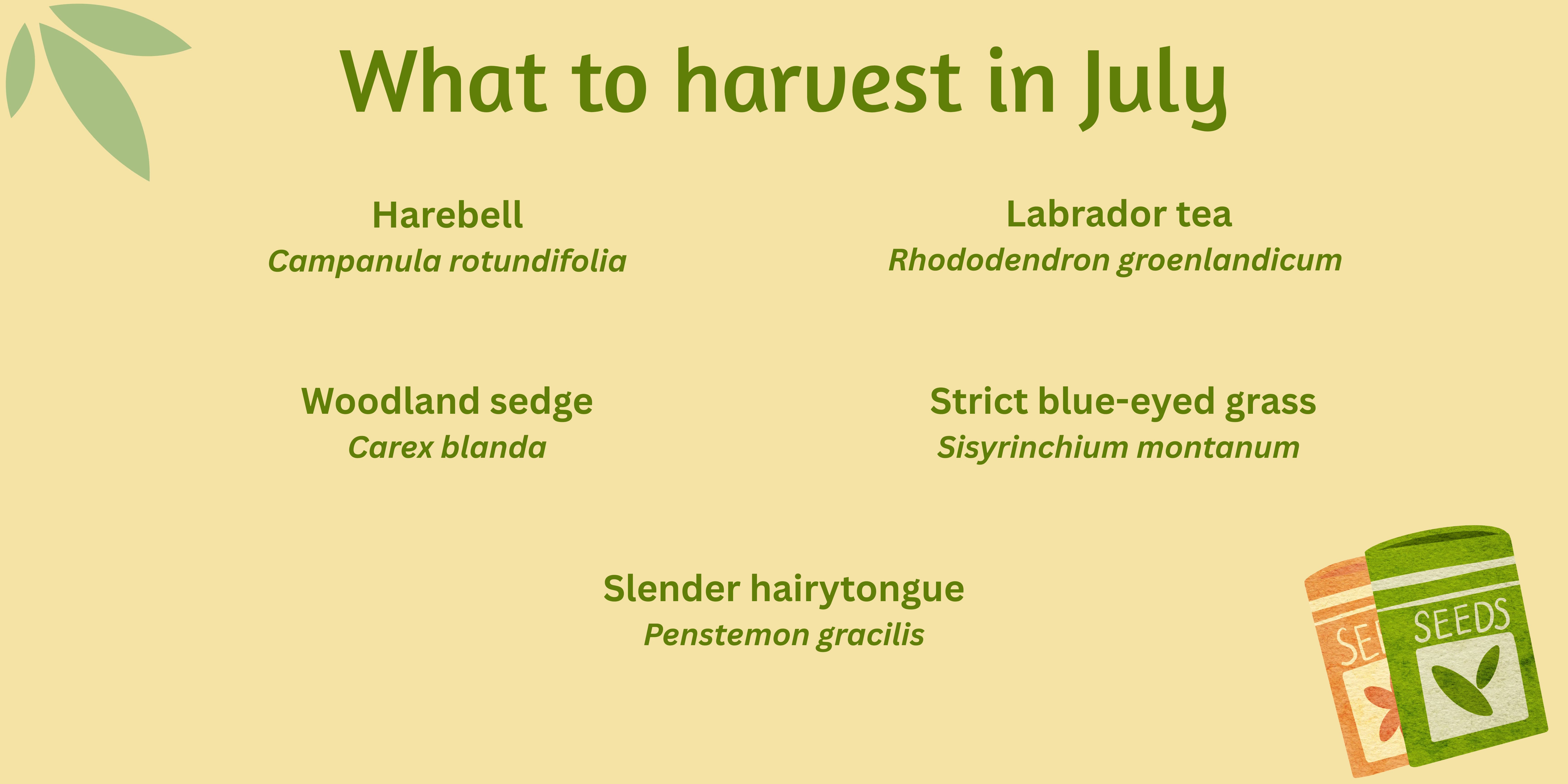
What to Harvest This Month
Contact us at volunteer@wildflowerseedlibrary.ca to drop your seeds off at one of our locations in Alta Vista, Barrhaven, Nepean, Kanata or Orléans.
Native Plant of the Month
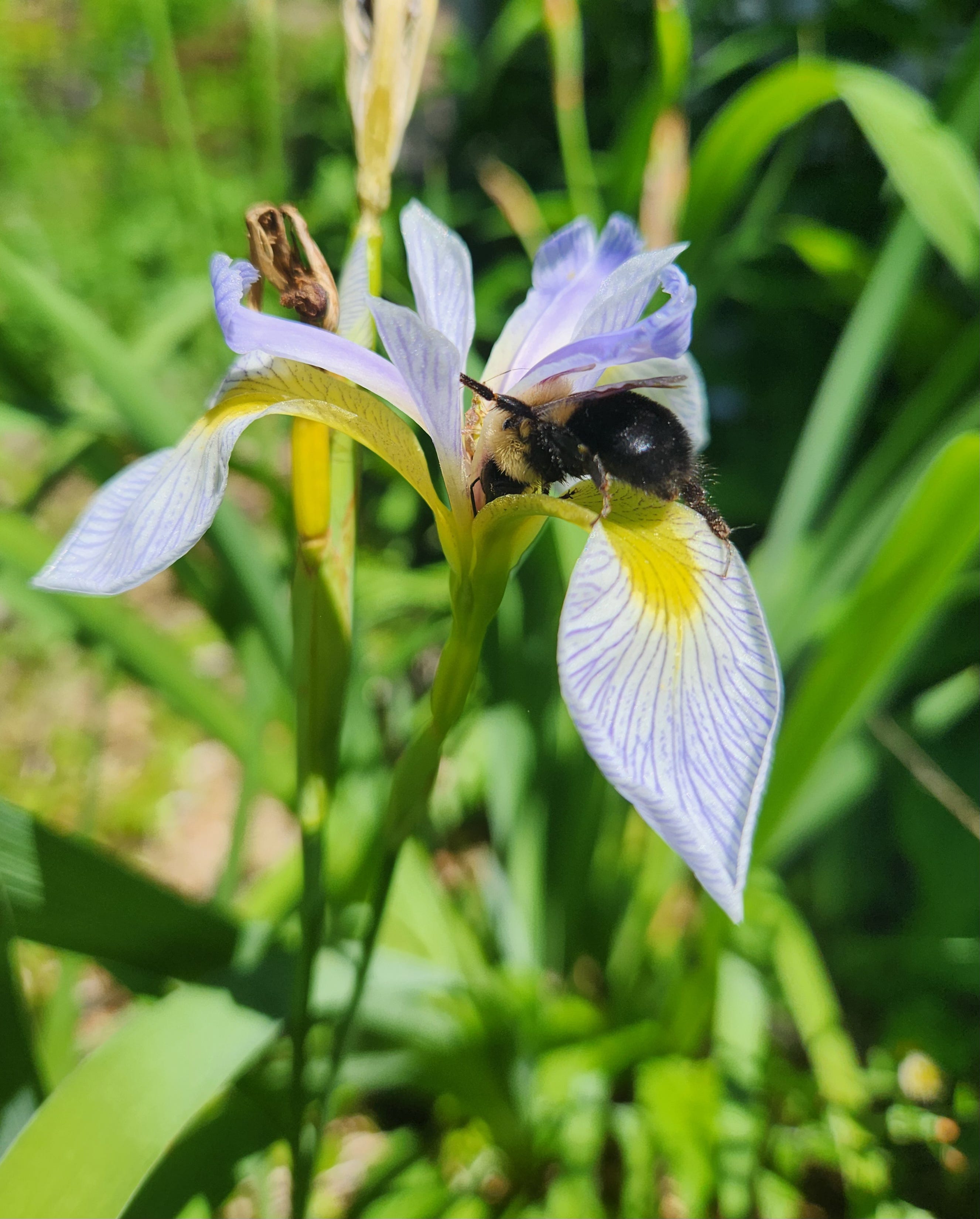
Harlequin Blue Flag (Iris versicolor)
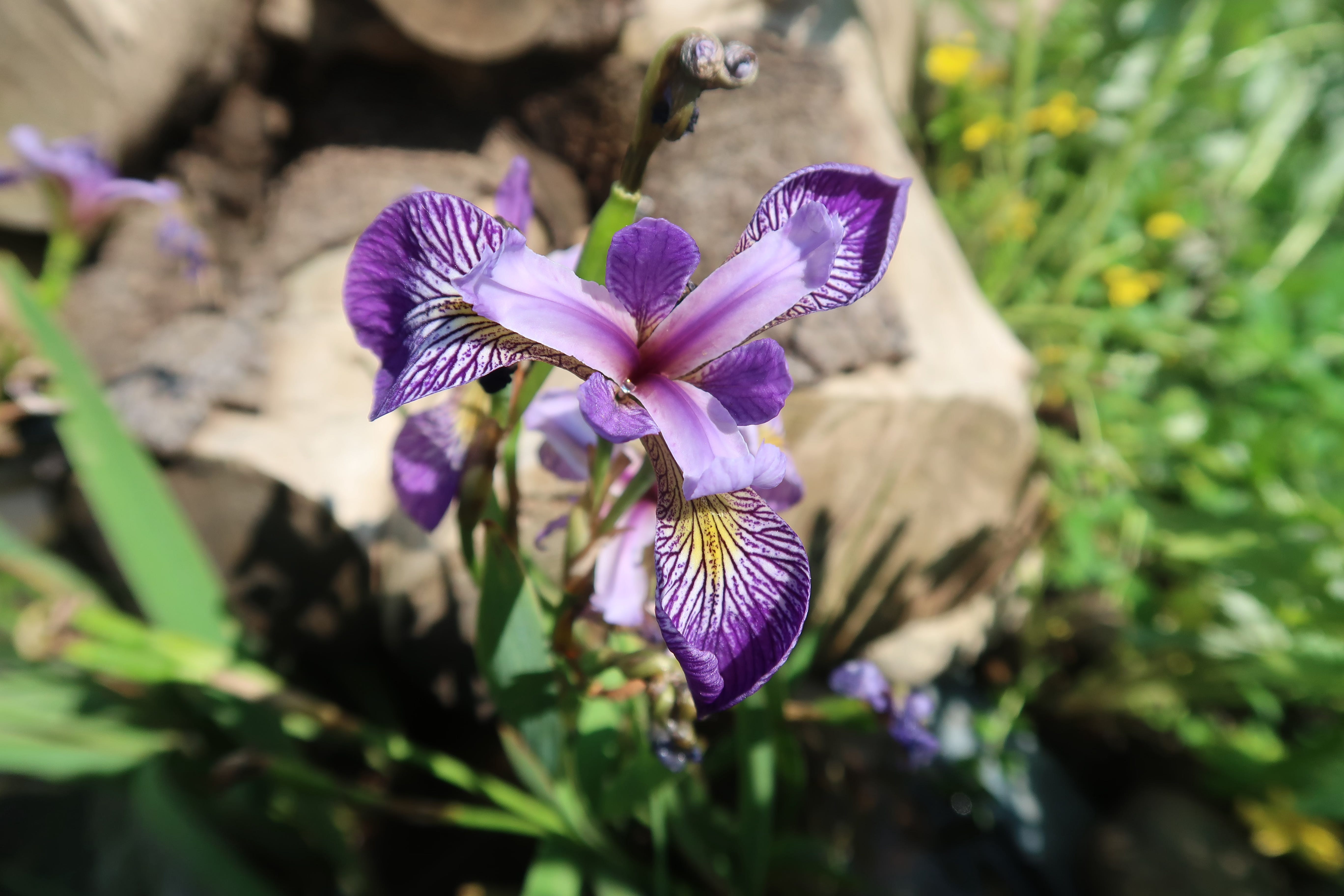
Harlequin Blue Flag, also known as Blue Flag Iris, Large Blue Flag and Dagger Flower, is a stunning native plant with violet-blue petals (that can vary in shades), dark purple veins and a smattering of yellow and white at the base of the petal. The flower boasts the classic iris silhouette and sword-like basal leaves. This jewel-like flower blooms from May to July and prefers wet to moist soil as marshes, pond edges, swamps and wet meadows are its natural habitat. However, it is very hardy and can also grow in drier conditions. The Latin name of this flower, Iris versicolor, translates to multicoloured (versicolor) rainbow (iris). While a bit redundant, the name highlights the plant’s colourfulness.
Apart from being visually striking, Harlequin Blue Flag is ecologically significant to wetlands as its deep roots help stabilize streambanks and pond margins, preventing erosion. It also serves as a host plant for several moths such as the Virginia Ctenucha (Ctenucha virginica), Iris Borer Moth (Macronoctua onusta), Burdock Borer Moth (Papaipema cataphracta), and Agreeable Tiger Moth (Spilosoma congrua).
This flower serves as an important source of nectar, particularly to bumblebees. Due to the flower’s anatomy, it is difficult for smaller pollinators to open up the petals to access the nectar. As such, the plant relies on larger pollinators, such as bumblebees, who can get to the nectar source by pushing between the petals (as seen in the photo below).
Garden Tidbits: Save Some Water, Get a Barrel
It’s summertime – with its long days, blooming flowers, buzzing bees, and … heat. As days start getting hotter, gardeners look to keep their plants well-watered to avoid wilting in the summer sun. While relying on tap water can be one of the simplest solutions, it’s not always the most environmentally friendly nor cost effective. One way to have access to water while also being environmentally conscious, is rain barrels.
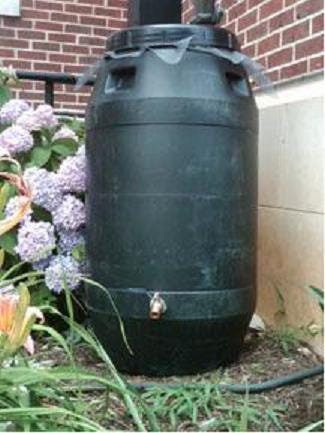
Rain barrels, simply put, are large barrels that collect and store rain water for later use. They include a spigot at the bottom which can allow for water to be emptied into a watering can or hooked up to a hose. The top of most rain barrels are covered in a fine mesh that keeps out both mosquitoes and debris. Rain barrels can be placed in an uncovered area of a garden or below a downspout to collect diverted rain from gutters. That water can then be used to keep your plants hydrated on hot summer days (although native plants generally do not need to be watered as much as non-native plants).
In addition to storing water to help with gardening and reducing your water bill, they also help reduce storm water runoff. In urban environments we’ve decreased nature’s ability to soak up storm water and as a result there can be flooding and erosion. Additionally, storm water runoff can pick up pollutants and impact local waterways. By adding rain barrels to your garden or under your downspout you can help reduce the impacts of storm water runoff.
Rain barrels come in many shapes and sizes, can be purchased from your local hardware store, online, or even DIYed. The City of Ottawa recognizes the importance of rain barrels, and other activities such as creating rain gardens, in their Rain Ready Ottawa program that encourages and supports residents to take action on their property to reduce the harmful impacts of rainwater runoff.
Volunteer Spotlight & Community Stories
For over a year The Bloom & Buzz has been delighted to share the stories of our many dedicated volunteers who have provided the OWSL with their knowledge, time and support. This month we’d like to do something a bit different and highlight the work of one of our board members, the OWSL’s founder and chair, Mélanie Ouellette.
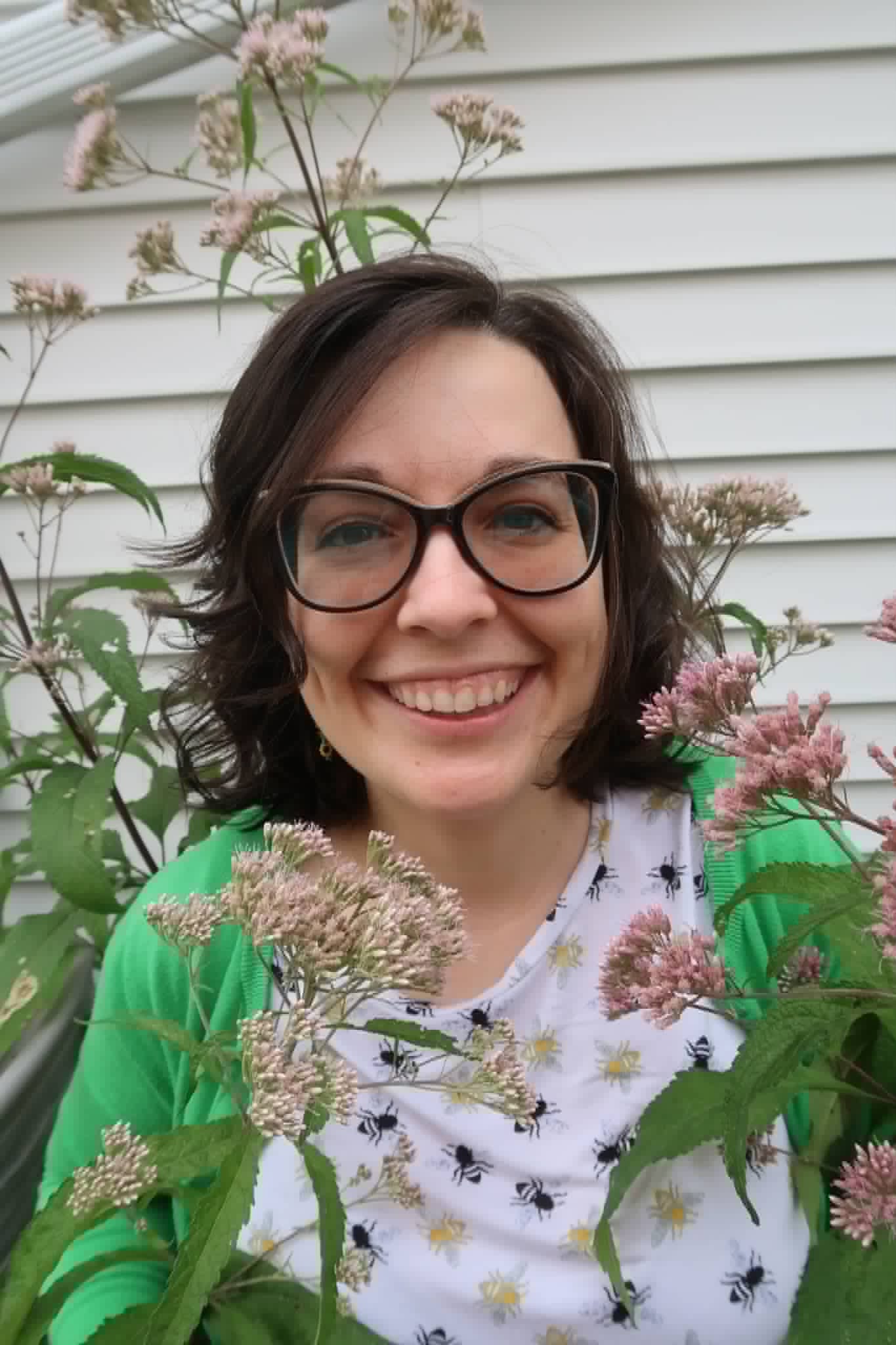
Mélanie first learned about native plants from the Ontario Native Plant Gardening group on Facebook. In 2020, she planted her first native plant, a Spotted Joe Pye Weed, which she received from Ontario Native Plants. This was followed by planting a not-so-native cultivar from a local nursery which didn’t survive the summer. This was a good learning experience and helped teach her about cultivars and how they affect our ecosystem. Mélanie found that the native, non-cultivar species brought her joy as they attracted so much more wildlife to her garden. This joy was something she wanted to share with others and became the spark that started the Seed Library!
Mélanie knew that she wanted to do something about climate change, Indigenous reconciliation, and to empower women. After watching a talk by Dr. Robin Wall Kimmerer, a renowned professor, botanist and member of the Citizen Potawatomi Nation, in which Dr. Wall Kimmerer advised people to do something they are passionate about and that uses their talents to help fight climate change, Mélanie got to work. She identified two barriers that prevented people from native gardening: knowledge and access to seeds. From there she started the OWSL Facebook group, the website, and began giving seeds out for free in the fall. Due to COVID-19 restrictions, seeds were mailed out or given away in people’s driveways. Slowly people began joining the movement, volunteering and becoming members of the Seed Library.
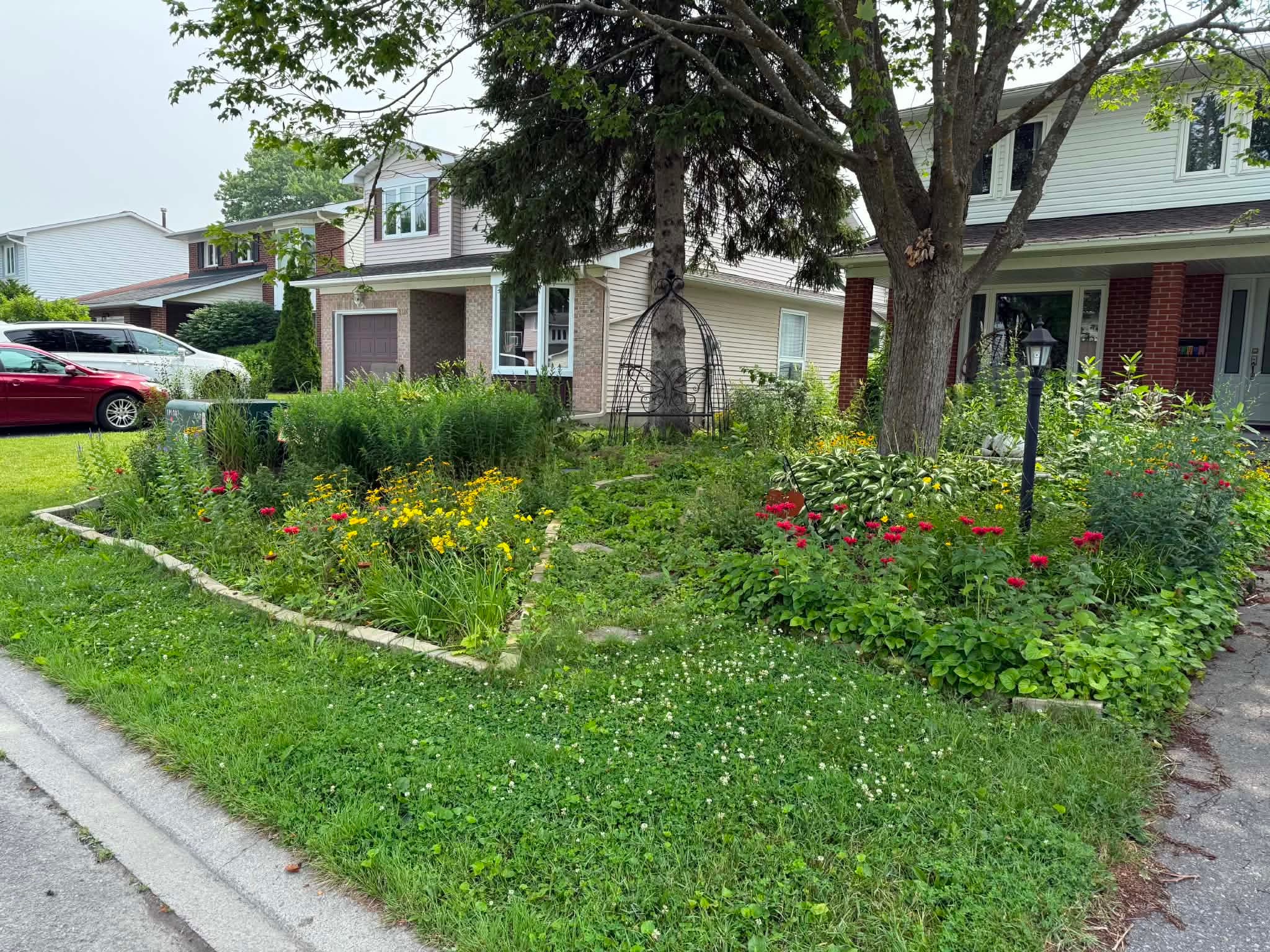
When asked what her favourite native flower is Mélanie noted it was difficult to choose, akin to picking a favourite child! She likes yellow flowers as they’re highly beneficial to bees – so she’s a fan of Black-eyed Susans, Lance-leaved Coreopsis and Wingstem. She also likes violets as they offer early season food for pollinators, are a host plant and keep their shape. Wild strawberries have the closest place in her heart though, as they remind her of her childhood and the pies her grandma used to make with them in New Brunswick.
Comments
Nothing yet. Say the first thing.
Sign in to join the conversation.