
If there is one thing that defines the investment world, it is that it is filled with clichés, parrots, and an enormous resistance to change. At times, it is almost laughable to watch market experts repeat the same one-liners for twenty years straight, endlessly recycling their “market wisdom” while reality has already moved on without them.
Whether many investors like it or not, investing is changing.
Playing Economist
I was trained and brought up as a multi-asset investor with the belief that, with the right macro lens, you can, to a certain extent, and while accepting that you inevitably get things wrong in investing, figure out which asset class should perform well over the next six to twelve months.”
That approach created an entire ecosystem of economists, usually not the best investors by the way, macro strategists, and model builders, all trying to optimize portfolio allocation through economic analysis.
I spent years immersed in that world myself, with some pretty solid results.
Political Experts
Where I used to start my Bloomberg terminal every morning with a quick macro overview through the classic “WECO” command, I now almost always start by hitting “Top News.”
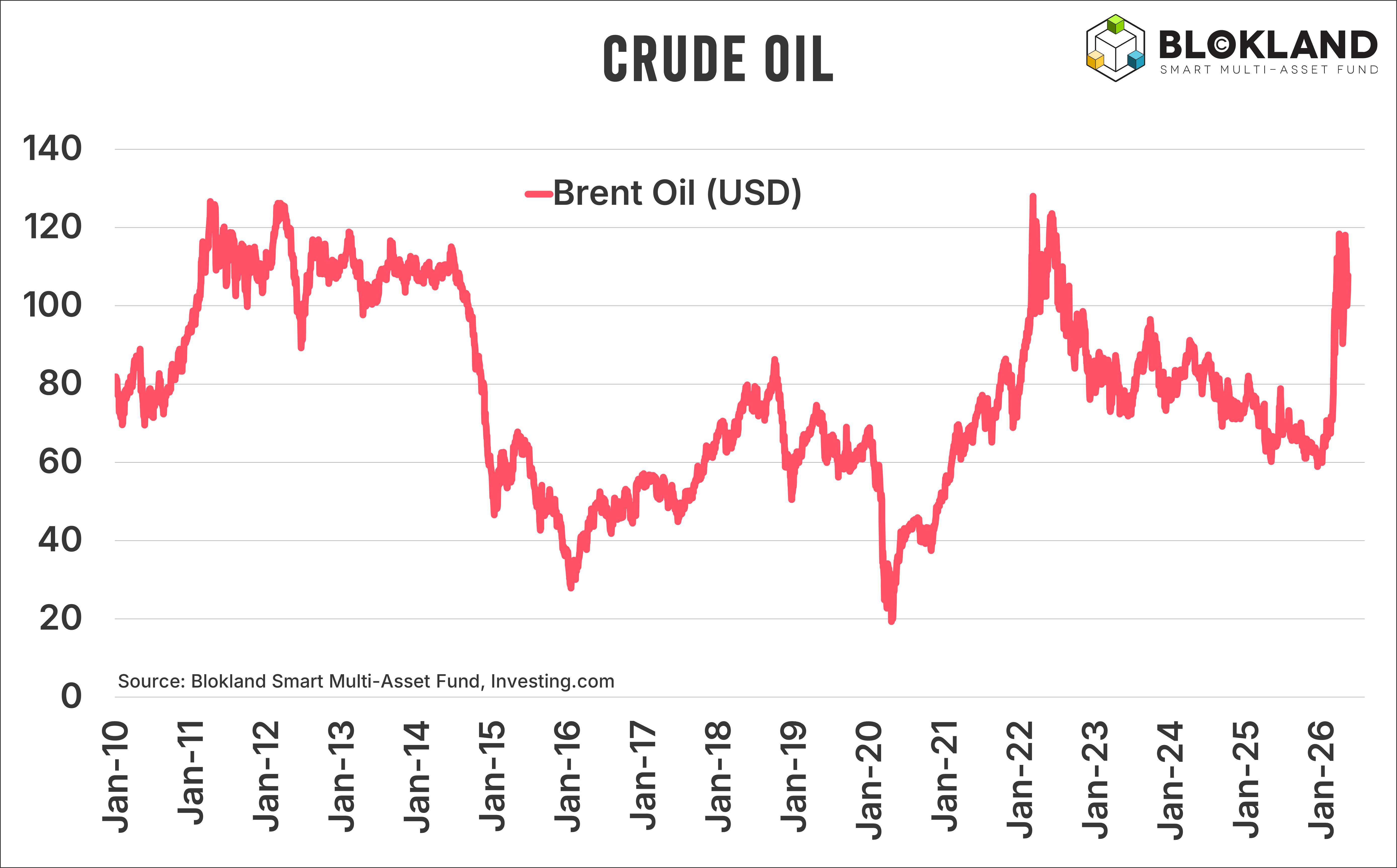
And for years now, that news feed has been dominated by virus outbreaks, failing regional US banks, exploding government deficits, tariff wars, and, at the top of the list, geopolitical tensions increasingly spilling over into military conflicts.
What is the value of the latest inflation report if Trump announces new tariffs the next day? What does a jobs report in the United States really tell you while borders are closing and migrants are being deported at scale? How meaningful is the once highly respected German Ifo index when the German manufacturing industry is simultaneously being hollowed out by bureaucracy, declining competitiveness, and increasingly unrealistic climate policies?
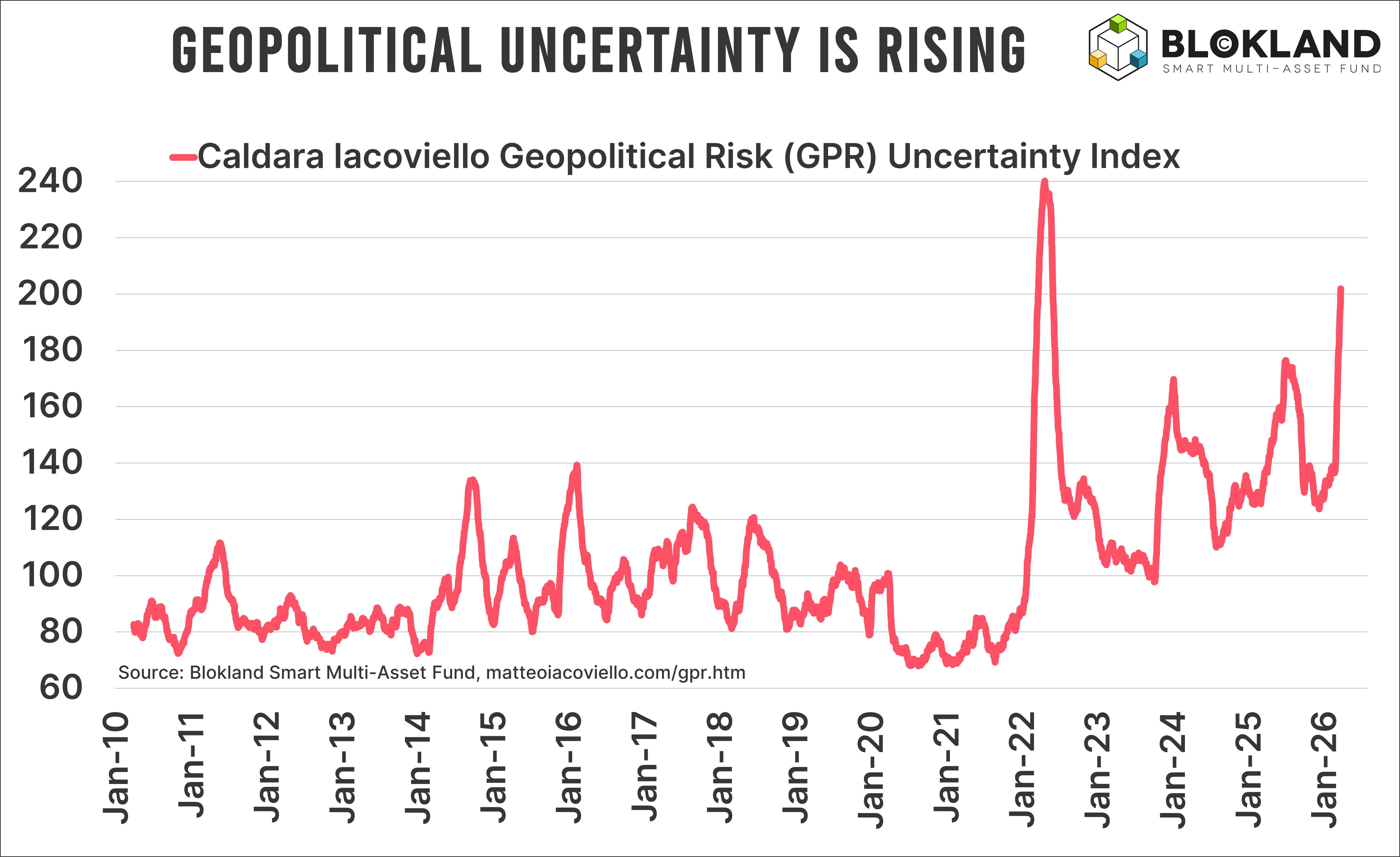
Over the past few years, you have been far better off being a political expert with an understanding of geopolitical relationships than being a traditional macro investor.
During those years, geopolitical uncertainty, as illustrated by a leading uncertainty index below, was structurally higher than in previous decades, with repeated spikes on top of that.
Central Banks
Of course, not all macroeconomic data has become irrelevant. Central banks still matter enormously. But even there, the landscape is changing in ways that force investors to rethink how monetary policy actually works.
The chairman of the Fed was sued over renovation expenses that allegedly became too expensive. Worldwide, construction projects routinely end up costing twice as much as initially projected. Before his focus shifted toward the Middle East, Trump openly talked about firing the Fed chairman for months. And more recently, a temporary member joined the FOMC, the committee responsible for setting interest rates, who presses the “cut rates” button every single meeting.
And that is without even mentioning the extraordinary intellectual gymnastics central banks have performed over the past fifteen years to maintain the narrative that inflation targeting is their primary mission, while simultaneously buying massive amounts of government and corporate bonds and holding interest rates artificially low for years.
Here We Go Again
Perhaps I sound like a broken record by now. And with the recent decline in gold prices, many critics suddenly feel comfortable crawling back out from under their rocks.
But if the world is clearly changing, should our portfolios not change with it?
If markets increasingly need to be analyzed through a geopolitical lens rather than a purely macroeconomic one, is it not logical that the investment outcome changes as well? Does a passive stock-bond portfolio still truly fit this new environment?
The direct political attacks on the current Fed chairman. The revolving door of French prime ministers collapsing under impossible budget negotiations. Endless money creation as the necessary lubricant keeping debt-driven economies functioning. Combined with higher and more volatile inflation fueled by geopolitical tensions, where oil increasingly acts as the transmission mechanism.
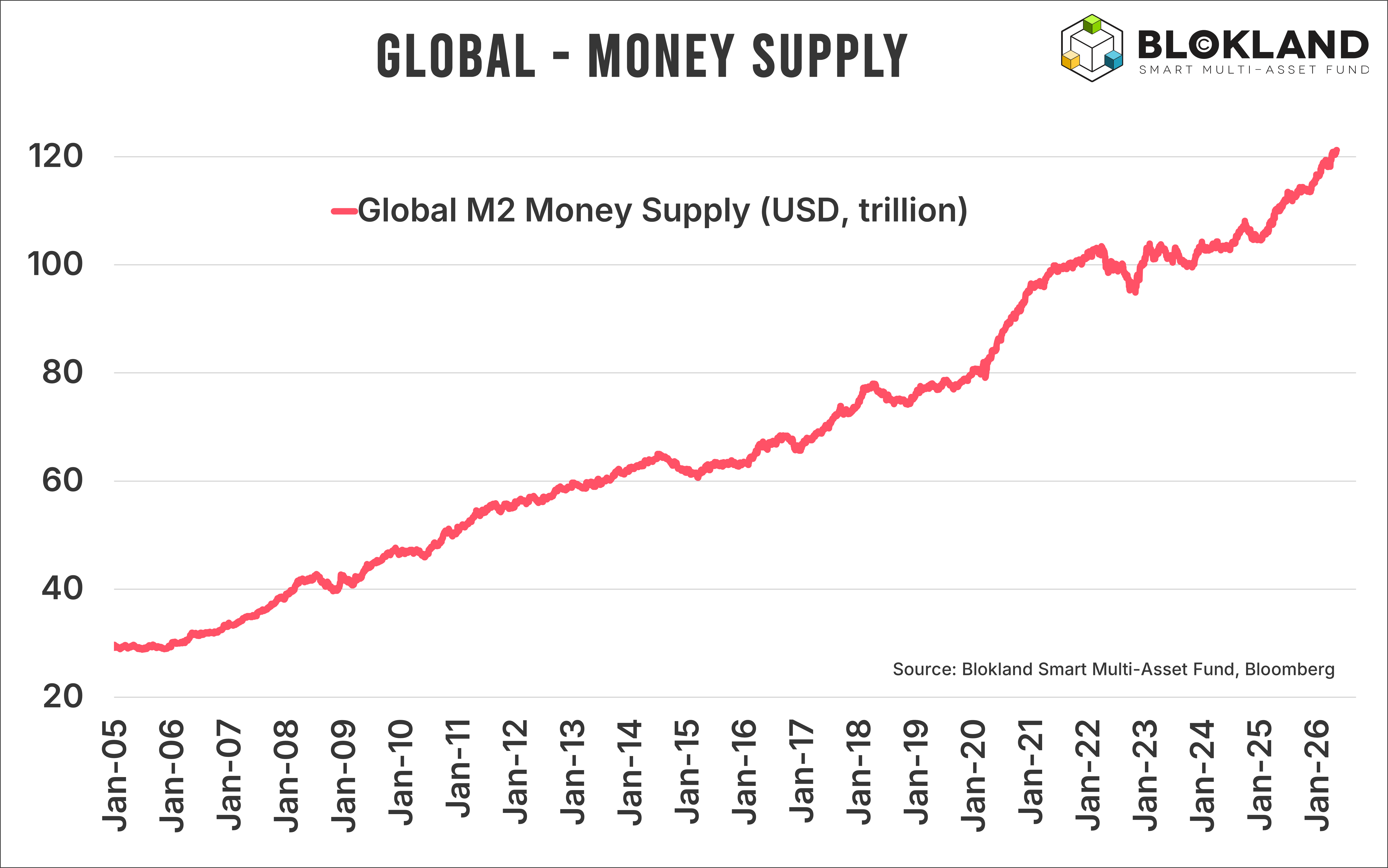
Does that not raise serious questions about how much exposure investors should still have to bonds, and whether commodities, especially gold, deserve a structurally larger role?
The Great Rebalancing
And do you really believe that India, and especially China, emerged from these conflicts with a stronger desire to cooperate closely with the United States? And to support the current financial system that relies solely on the US dollar?
The Strait of Hormuz may have let some ships through, but some of these oil shipments were reportedly settled in yuan instead of dollars as a condition for passage.
By now, it is pretty clear that China, together with many of its major trading partners, is actively trying to reduce dependence on dollar hegemony.
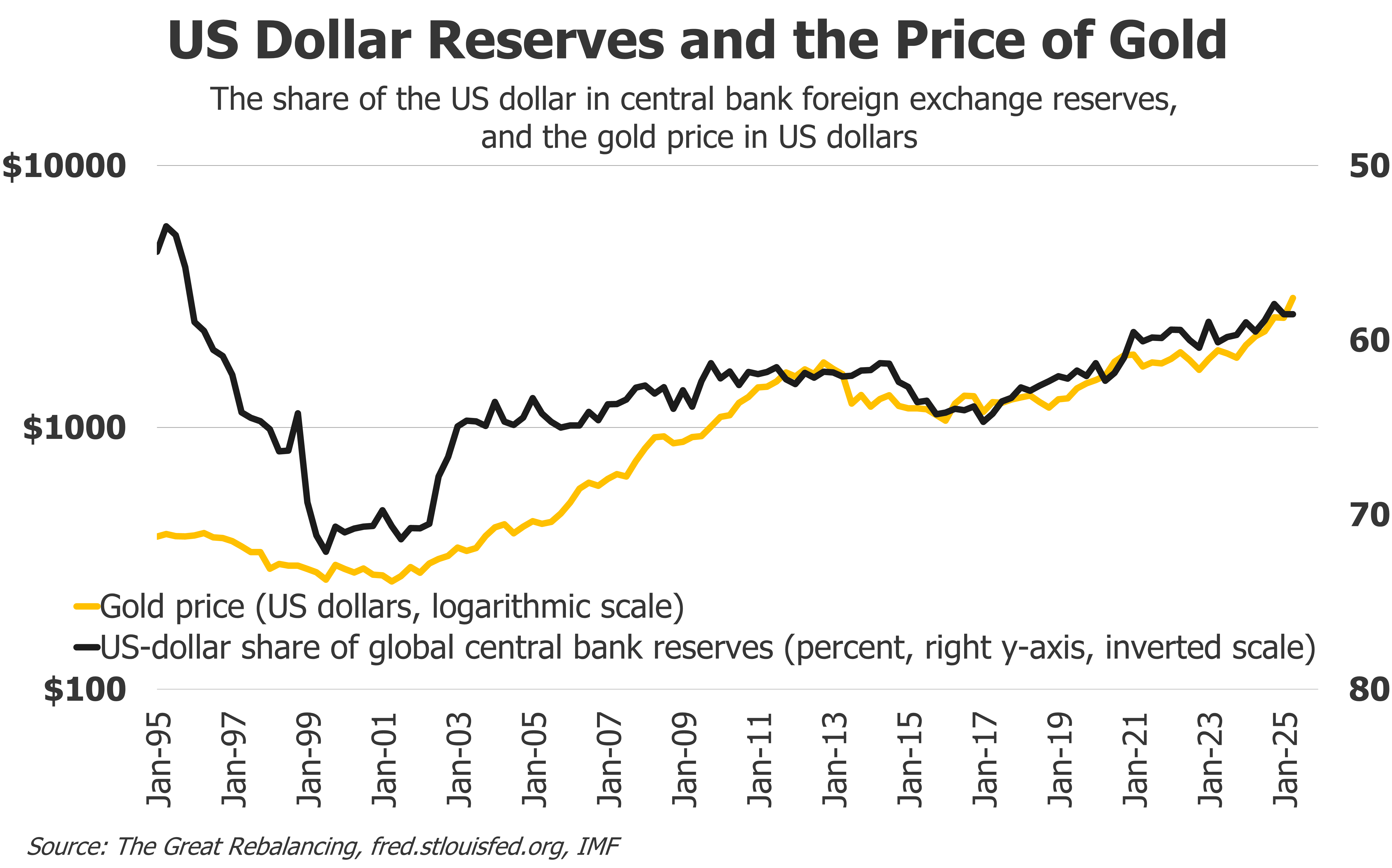
In my book, The Great Rebalancing, I include a chart showing that when the dollar’s share of global reserves declines, gold prices historically tend to rise.
Almost nobody pays attention to that relationship today. But that does not mean the relationship has disappeared.
We are witnessing the destruction of purchasing power in bonds, a positive correlation between stocks and bonds that was once considered almost impossible, a structurally expanding money supply, increasingly polarized political and economic systems, inflation that is more volatile and persistently higher than investors had grown accustomed to, energy insecurity that refuses to disappear, and monetary policy becoming more extreme in order to keep the system functioning.
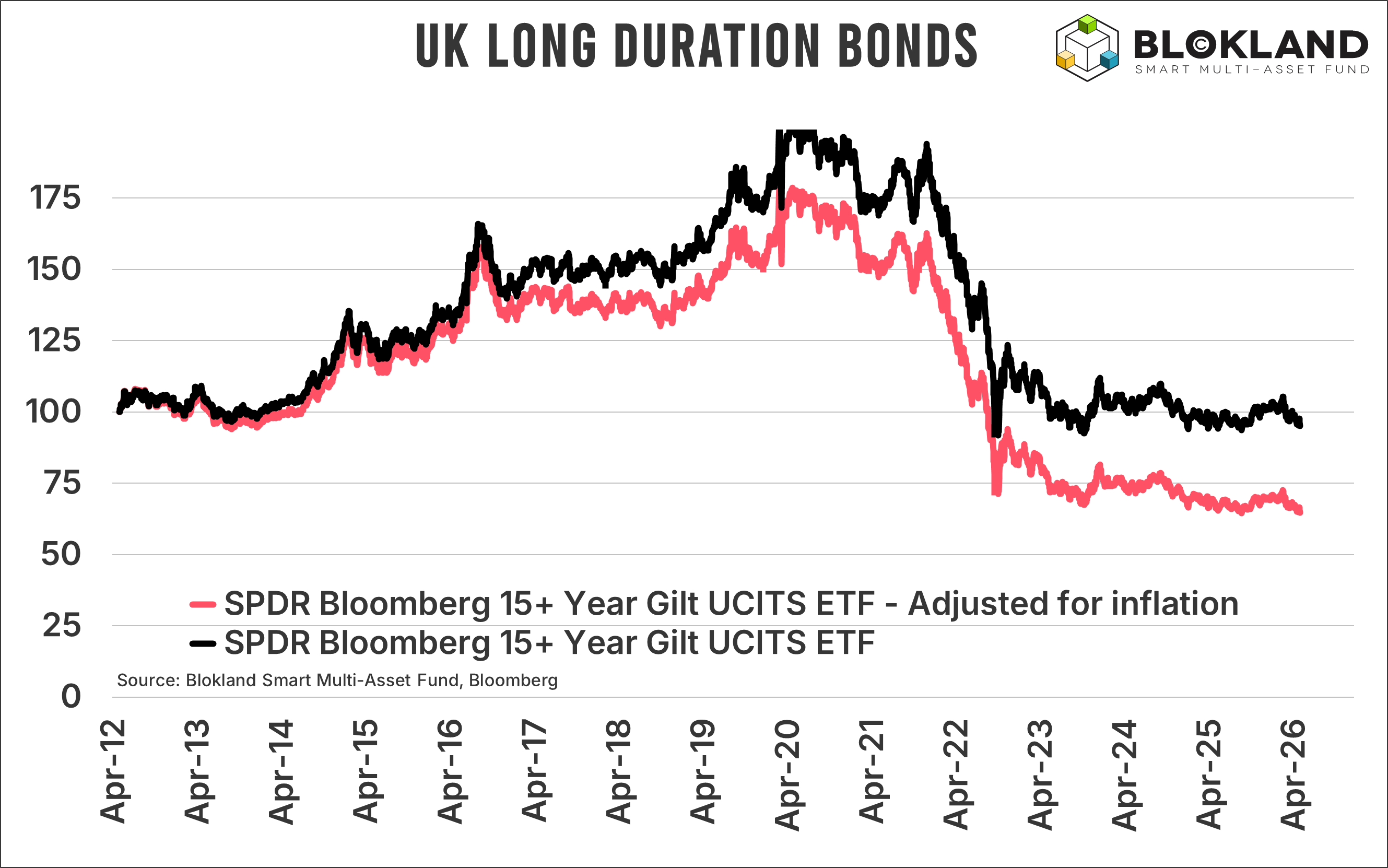
At the same time, asset classes that were aggressively marketed for years as superior investment solutions have proven far less resilient than the glossy brochures suggested.
Hint: their names often begin with “private.”
Something in the investment world will eventually have to change. Right? Nobody wants to get stuck in yesterday’s world.
Blokland Smart Multi-Asset Fund
The Blokland Smart Multi-Asset Fund has already made that transition toward a portfolio designed for a more geopolitically unstable world.
No cash. No bonds. Only scarce assets: quality equities, physical gold, and bitcoin.
Would you like to know more? Feel free to contact us through the details on our website, or schedule a call directly through this link.
In a world full of debt, invest in scarcity.

Comments
Nothing yet. Say the first thing.
Sign in to join the conversation.