
Every time I go offline for a few days the internet gets even weirder.
I just got back from a few days offline and, boy, did I have a rough entry. It was hard re-acclimatising.
I spent the past few days in Northern Spain, meeting up with some of my oldest friends. I love these people. Back when I lived in London, some of us were flatmates, others dropped in often enough that it made no difference. All flights led to London, and more specifically, to our shared home.
We didn’t imagine that one day we would no longer be seeing too much of each other, watching endless crappy TV, throwing house parties, and dealing with each others’ questionable cleanliness standards. Now we try our best to meet once a year and painstakingly co-ordinate flights, accommodation, and schedules months in advance to make it happen. Of course I wasn’t going to spend that precious time online.
While I was there and, in no particular order, experienced Paris Syndrome in Spain, learned how to knot cherry stems with my tongue, made some very exciting book purchases, and walked about 30,000 steps a day, the online world has been on a ride through hitherto unexplored circles of hell.
AI slop has reached peak religious frenzy, monasteries are fully booked for the summer with young women taking vows of silence, over on Reddit the expats are fighting, reading app Pocket is dying (and taking with it a more wholesome way of engaging with the internet), and the US-Iran-Israel war is generating content too fast for anyone to keep up with.
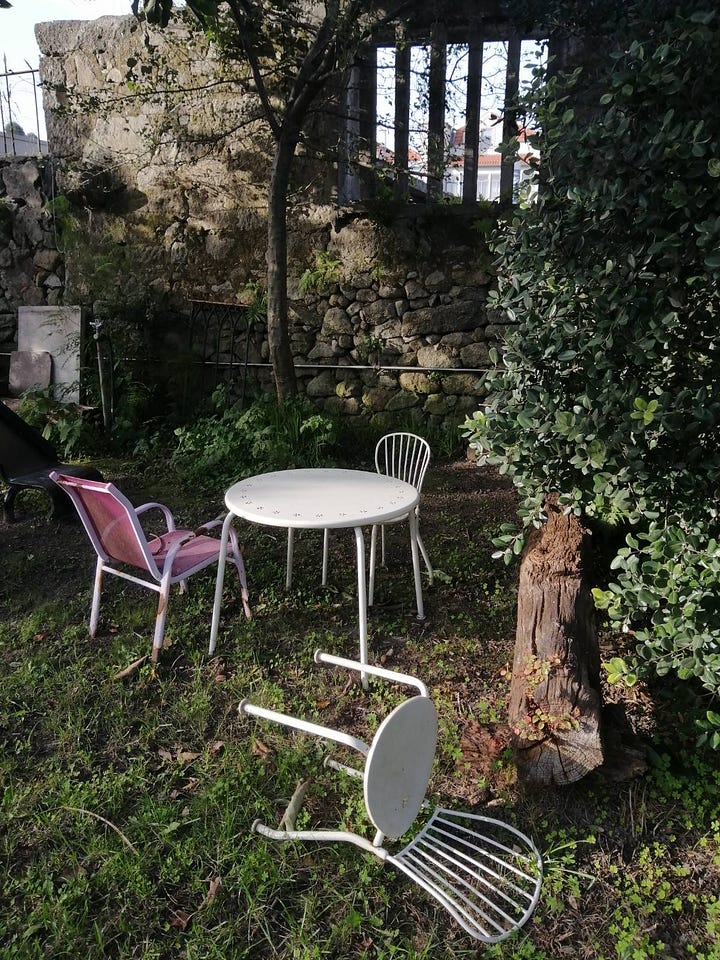
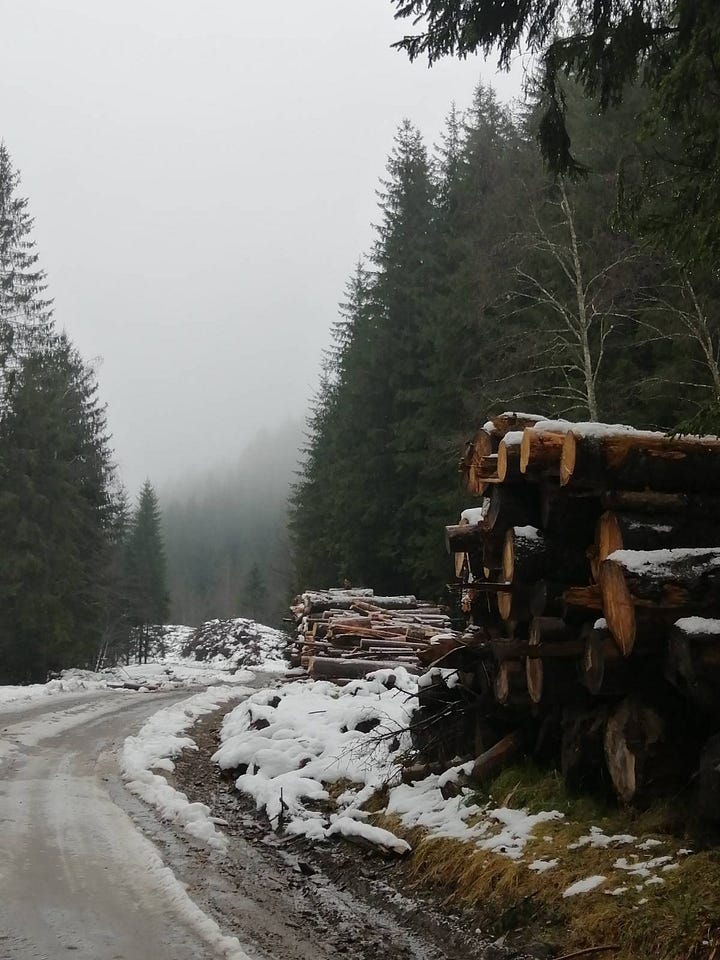
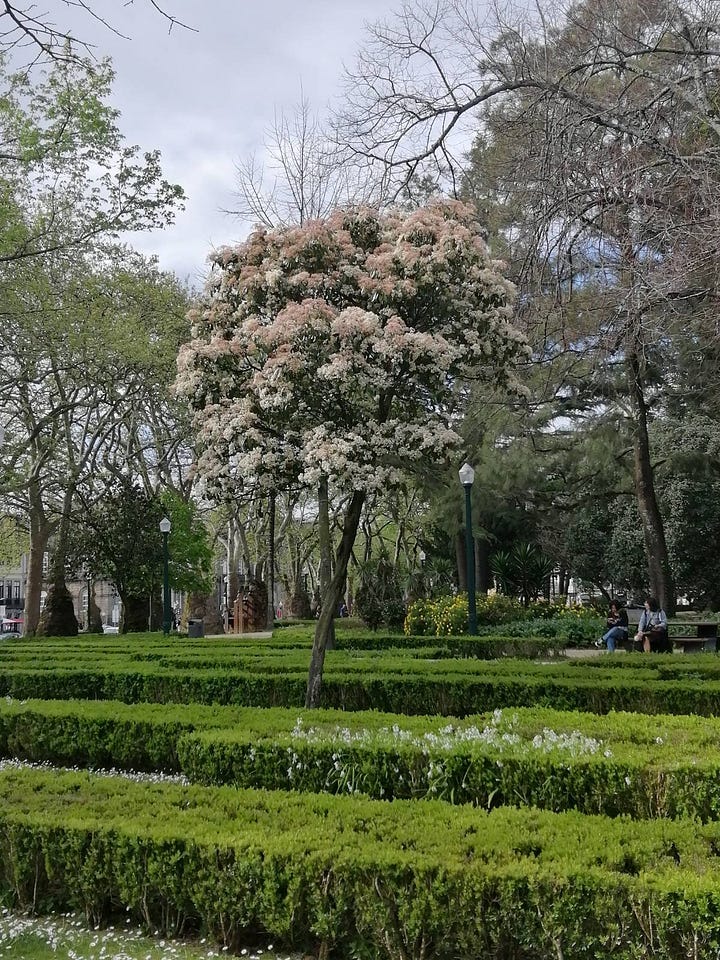
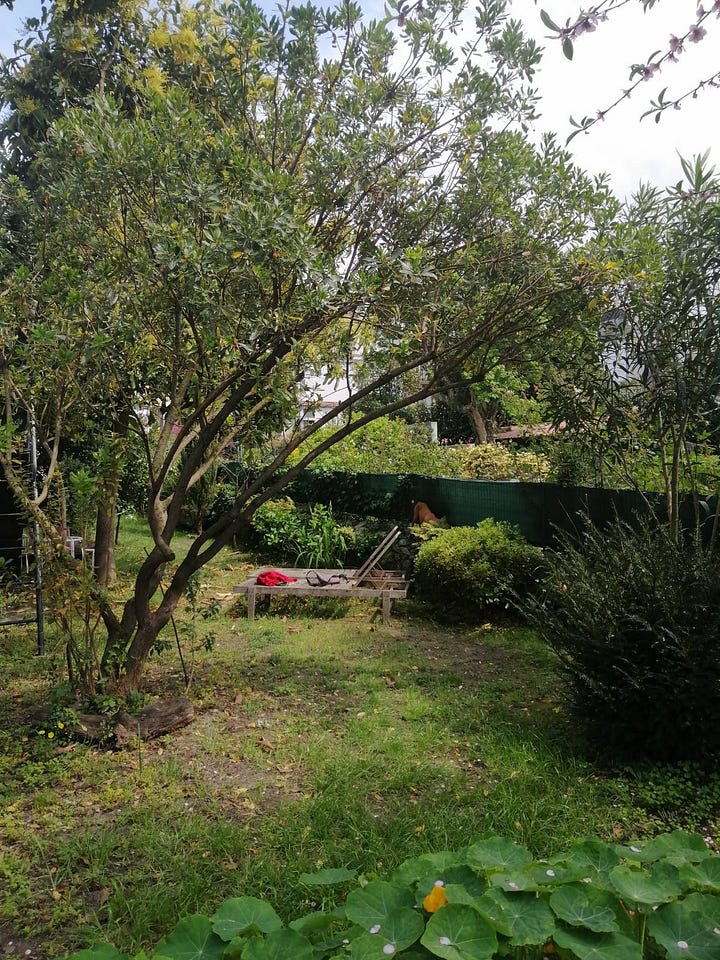
With all of this in mind, I’ve been thinking a lot about how I can make time spent online—or indeed using any electronic device—feel more intentional and less like being waterboarded. And so far, my favourite solution has been keeping a daily visual journal.
I’ve been into photography for as long as I can remember. At one point I tried to make it my career and even got commissioned for a couple of shoots. I exhibited some stuff together with a visual art collective back in London.
Between 2010 and 2020, I shot almost exclusively on 35mm film and learned to develop it at home, to save money. My partner and I turned our bathroom into a darkroom, started scanning our own negatives, the works.
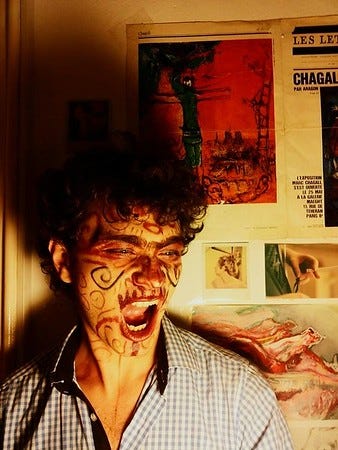
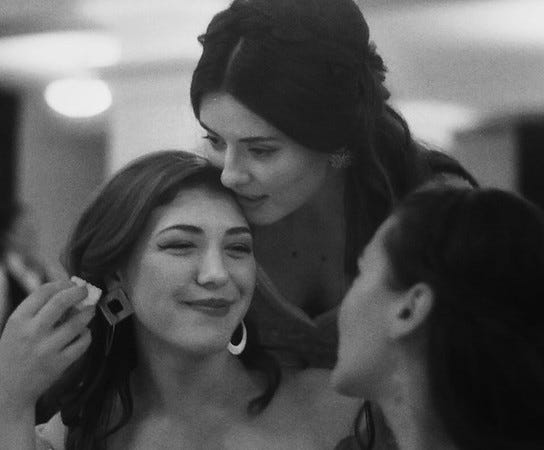
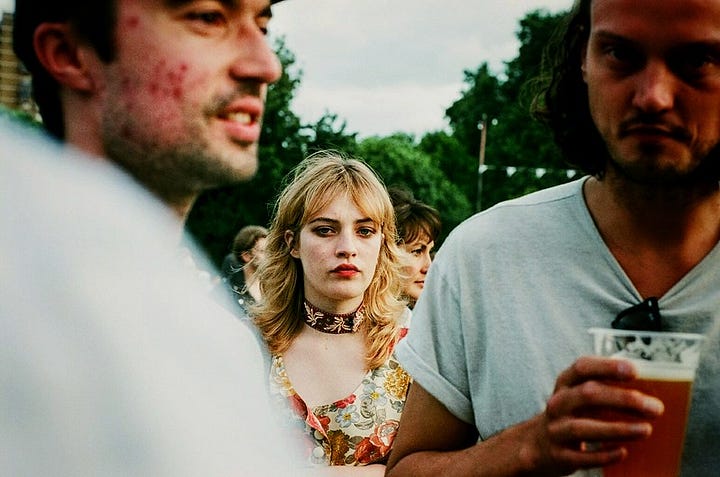
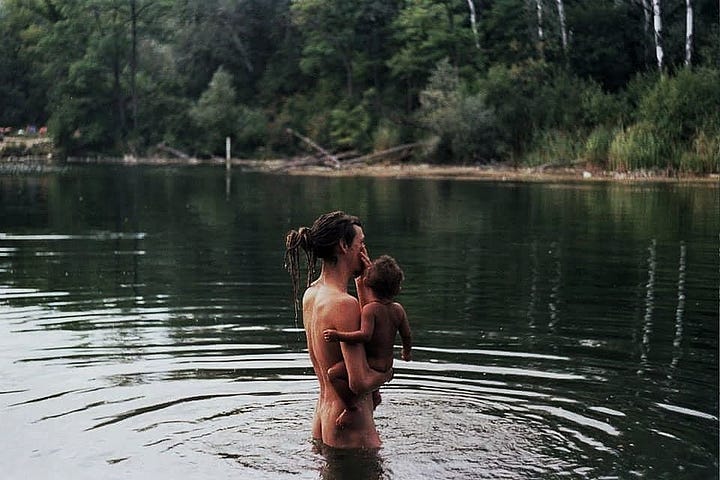
My favourite things to photograph are people—street photography, random portraits, friends and acquaintances in rare moments of candid intimacy—but when the pandemic started, that became impossible.
I never stopped photographing entirely, but I slowly did it less and less. Film was already too expensive and what was the point without it? I didn’t think photographing with just my phone camera would feel the same. The depth of field was all wrong, the dynamic range was shot, grain recreates a feeling of movement, and my phone’s manual camera features would never cut it.
But I started to miss it. I noticed myself no longer seeing things the way photography made me see them: not noticing a splash of colour, being oblivious to a well-composed or unusual scene. I could feel myself becoming visually agnostic, in a way, and that felt like a loss to big to bear.
Also, I missed how photography could redirect my attention, and its near-magical power of documenting. I stull wanted a visual archive—on film or otherwise. Before, between the endless stream of cheaply-developed film and a random assortment of phone photos, I’d had that. Now, I didn’t like how entire weeks could slip by unaccounted-for.
So, last year, I finally committed to keeping a visual journal.
Thanks for reading Blog Therapy! This post is public so feel free to share it.
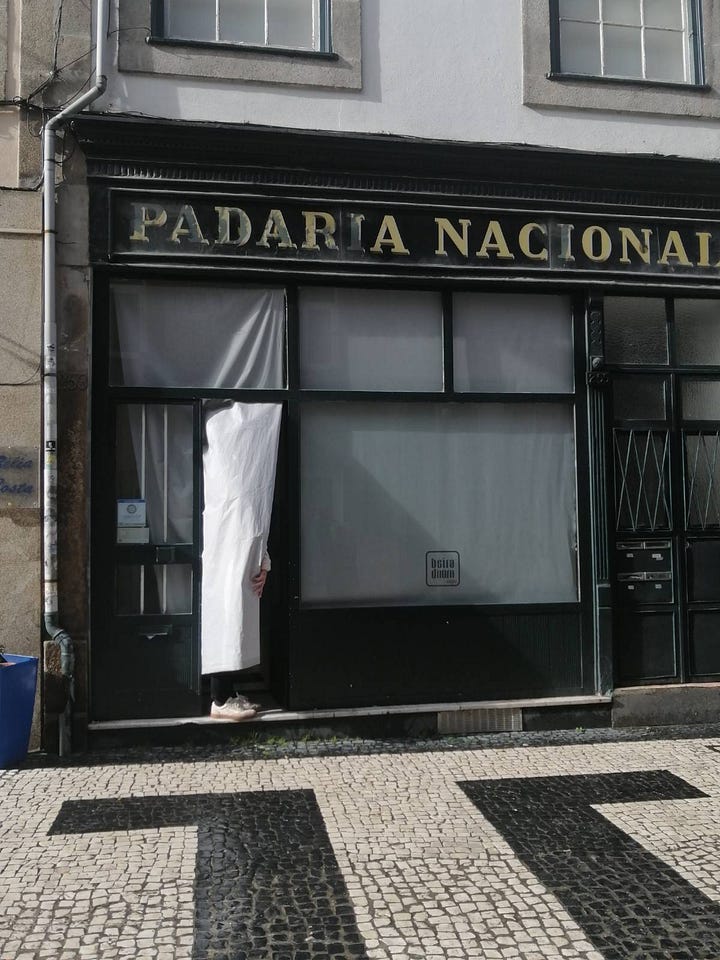
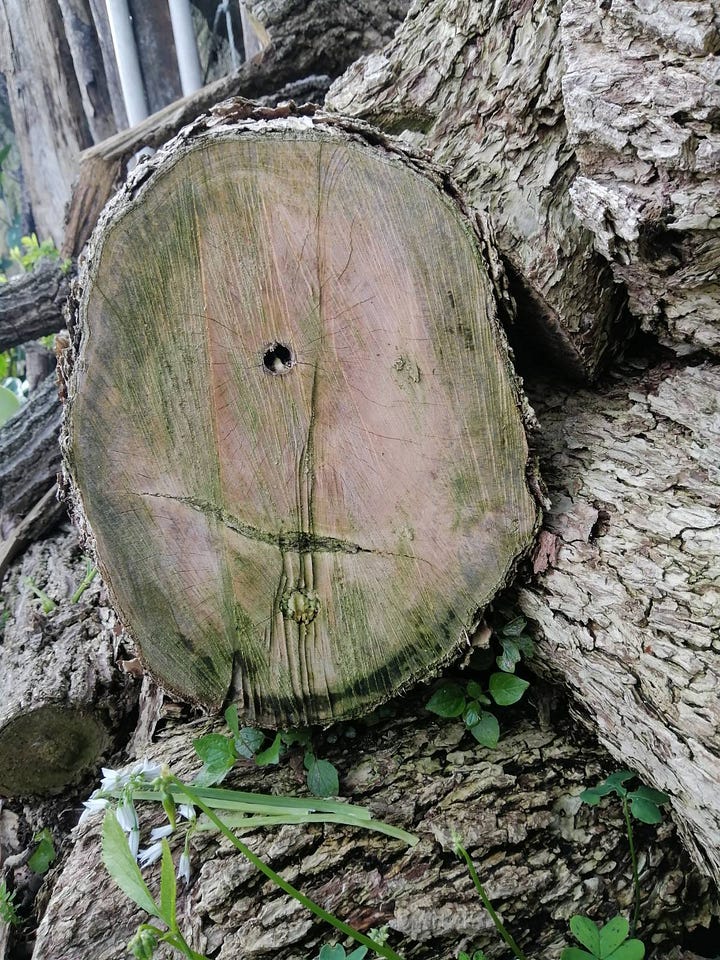
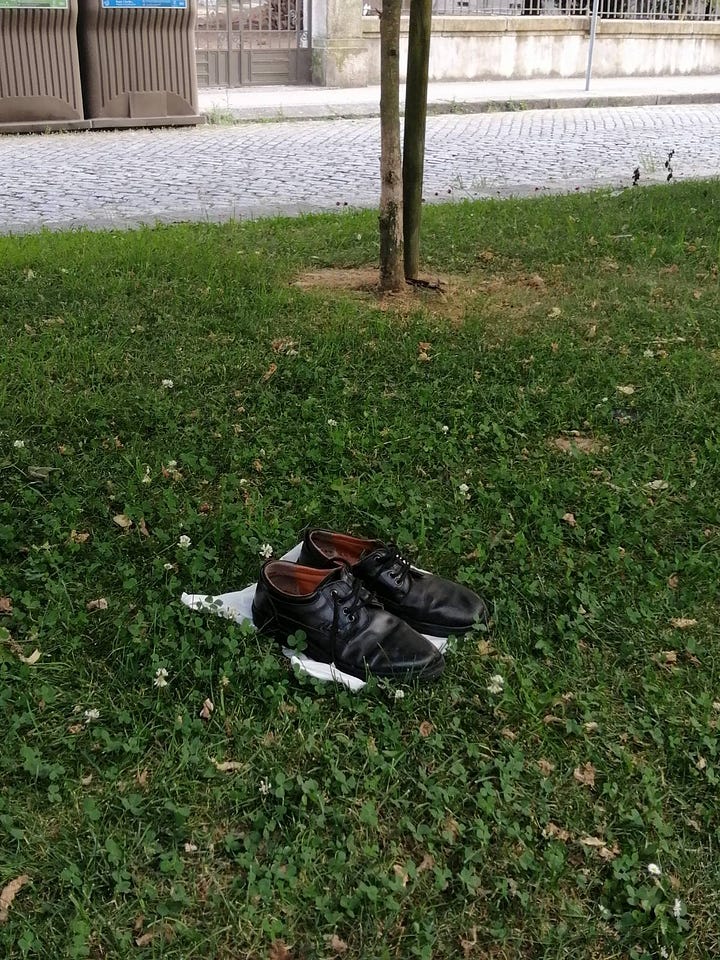
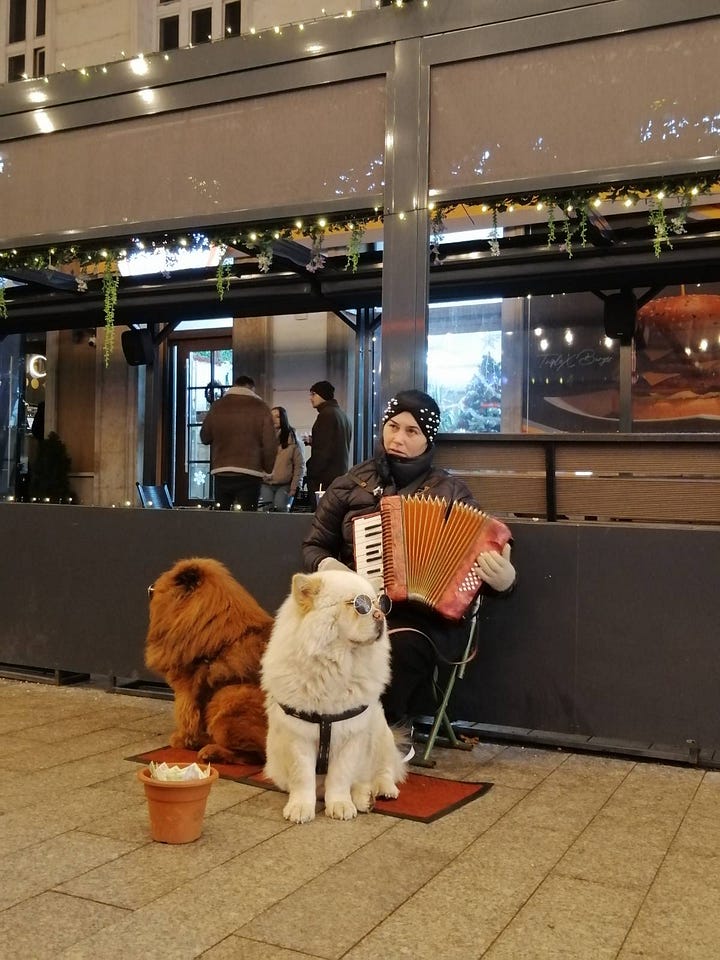
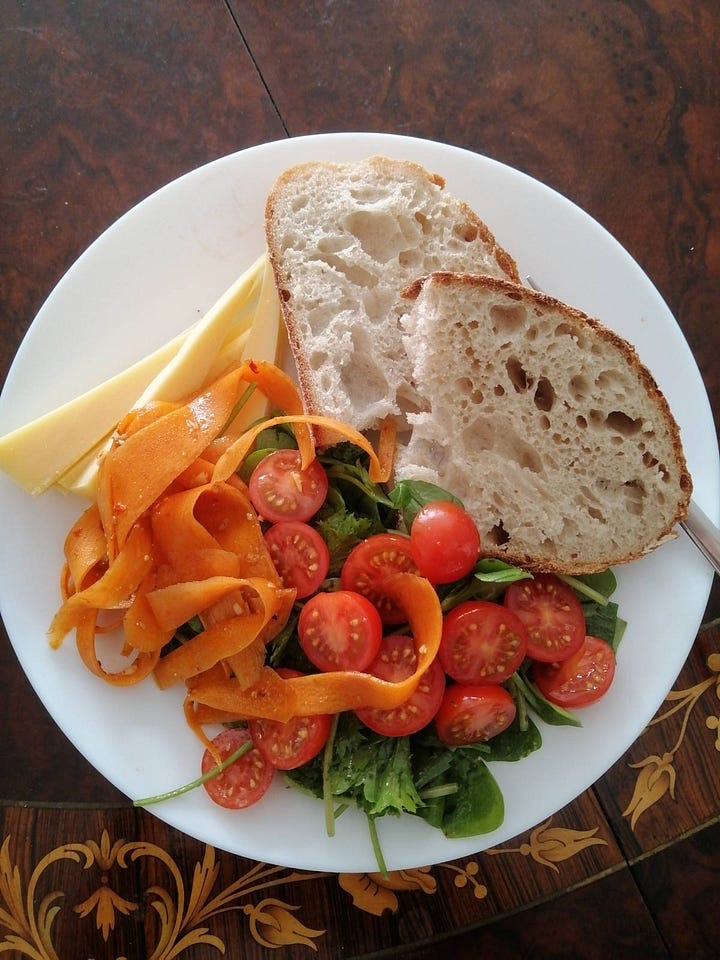
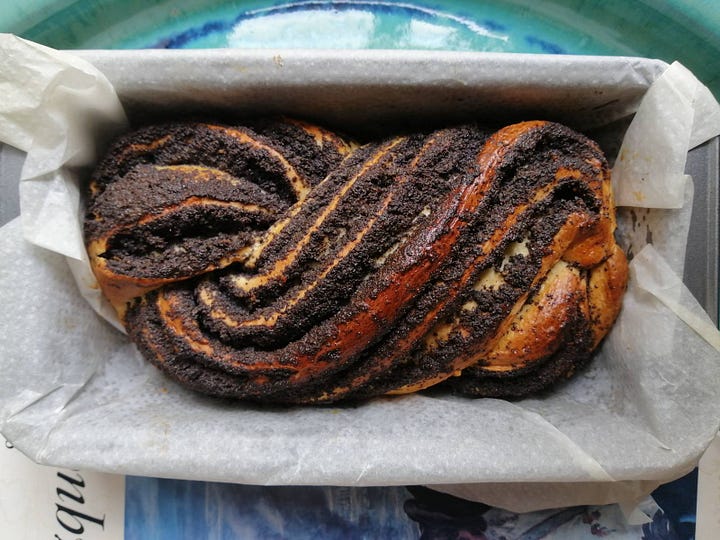
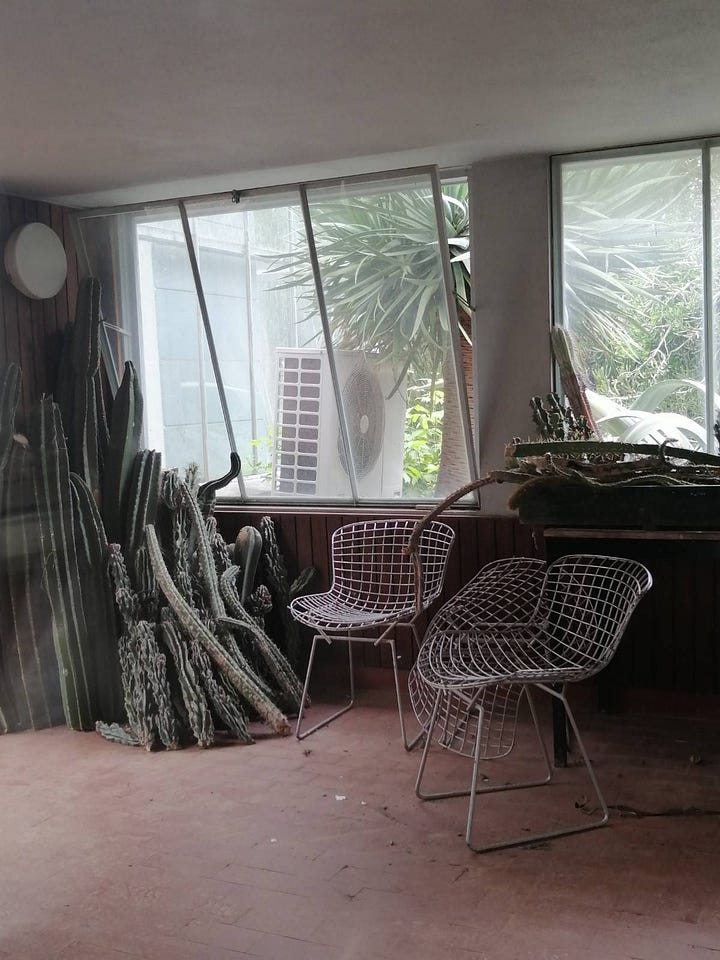
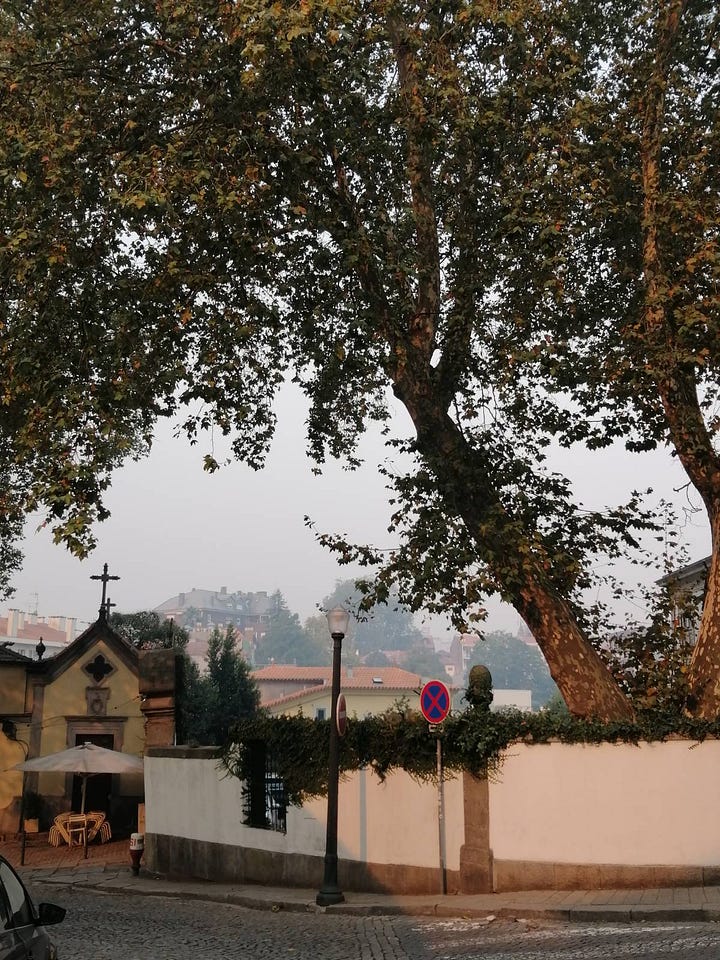
It’s really simple: every day, I have to take at least one photo. I don’t have to post them anywhere if I don’t want to, I don’t even have to show them to anyone. Importantly, I do my best not to bring Millennial Hobby Energy to it. Imperfect is exactly the vibe I’m going for.
Also, about not sharing my visual diary online: the point of this exercise is to be less tied to social media, but honestly, I might change my mind later. For now, I enjoy the anonymity of it. And this way, I’m the only one who decides what makes a moment photo-worthy, uninfluenced by an imaginary Instagram audience. Like with an old-fashioned, pen and paper diary, I get to decide what is significant (or mundane) enough to record, what’s worth remembering.
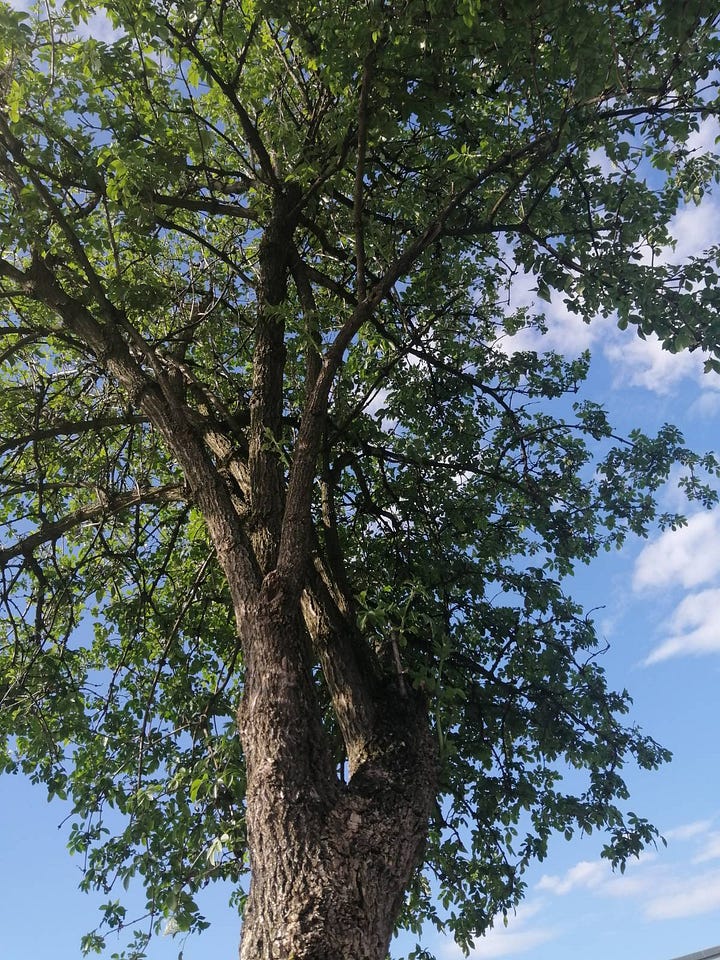
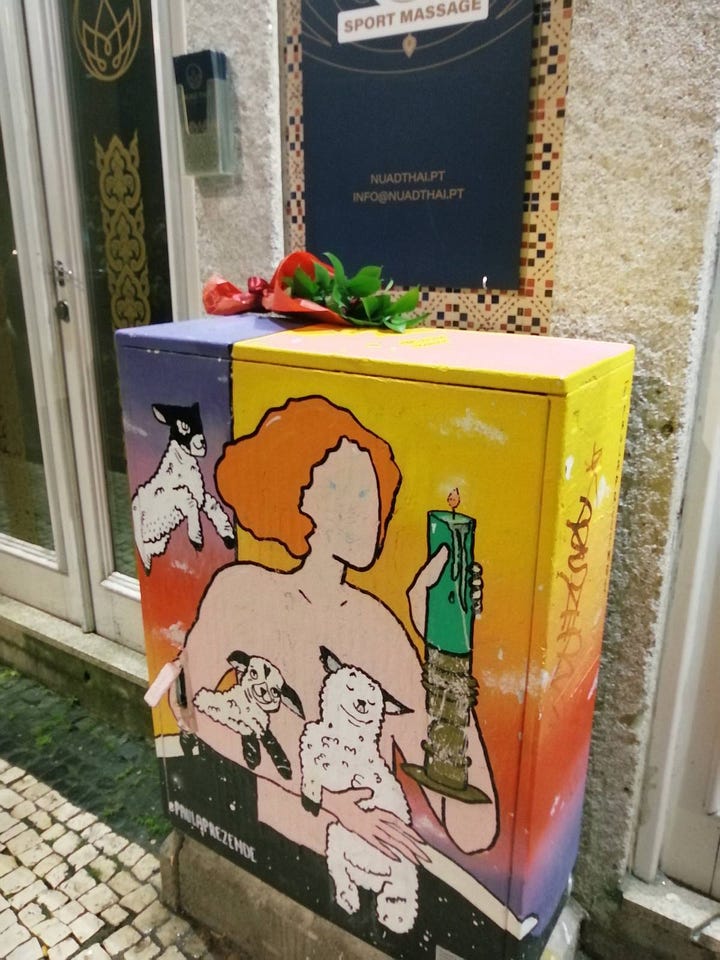
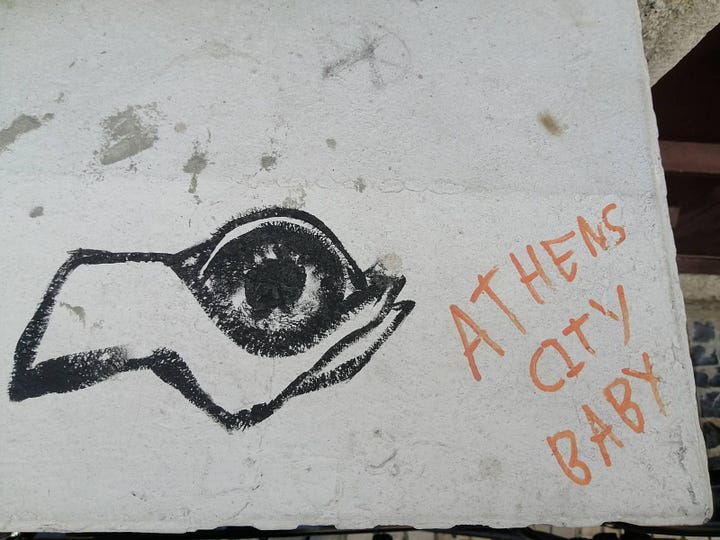
This has made such a difference. When I’m out, I try to notice my surroundings, even if I’m just walking the dog or waiting in line. Instead of reaching for my phone when I’m anxious, I’ll look for photo-worthy patterns or obsess over the way light falls on an object I’ve seen a million times before. Kind of like the “romanticise your life” trend but chronically offline.
And now that I’ve built up a thick enough archive already (I only skipped two or three days!), it gives me such pleasure to look back on it. What happened on a random day last September and how did I decide to remember it (or not)? These days, I usually prefer scrolling through my photo roll than through social media.
I cannot recommend this enough. Keeping a visual diary will be the summer reset to end all summer resets (lol). You’ll feel like an artist every day. You’ll finally fix your busted attention span.
Photographing forces us to be mindful, present, slower in ways that are incompatible with our current online habits. Therefore, you’ll be less chronically online, by necessity. Your days and your mind will start to feel more spacious. You’ll have physical memories to look back on, not for an imagined, judging audience you must please at all costs, but for yourself.
There are even scientific benefits: this study calls it “a practical, daily, stress-relieving, self care strategy”. And if it’s good enough for overworked physicians (the cohort studied), it’s good enough for us, too.
So, if you’re tired of feeling drained from consuming someone else’s curated online existence, if your eyes are rolling in your head like an out-of-control pinball machine and your attention span has been ragdolled like a toy in the jaws of a hyperactive pitbull, you should keep a visual diary.
You could use it…




No posts
Comments
Nothing yet. Say the first thing.
Sign in to join the conversation.