
Dr. Brooke Bartlett, Ph.D. is a licensed clinical psychologist and owner of Center for Trauma, Anxiety, and Stress. In addition to being an expert in trauma and anxiety, Dr. Bartlett is a highly specialized first responder and military psychologist.
She has extensive research history examining mental health, with over 20 publications in scientific journals, and dozens of research presentations at national and international academic conferences.
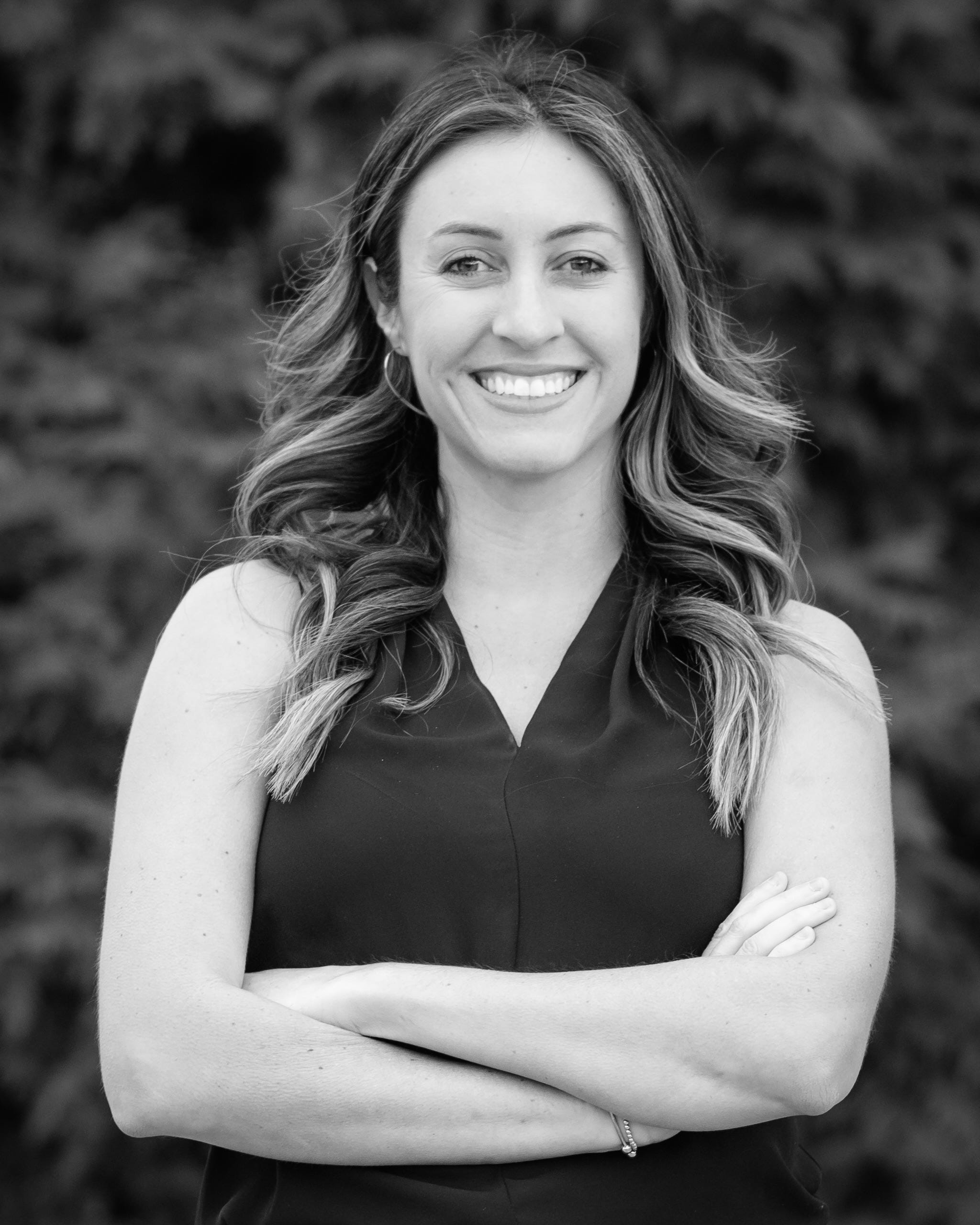
Dr. Bartlett’s practice provides a variety of services to individuals and organizations including therapy, speaking engagements, trainings, mental wellness programming, critical incident response.
Thanks for doing this, Brooke; how did you find your way to Psychology, and more specifically, the First Responder/Military community?
When I finished undergrad, I applied to a handful of graduate Psychology programs and was rejected by all except my "shoot for the stars" program. I found out later, the only reason I was considered was because of my personal statement. Certainly not because of any scholarly merit. (laughter)
I played tennis in college, six days a week training. I really didn't do anything to set myself apart in terms of getting into grad school; I never worked in a lab. I was playing tennis all day.
What do they expect an undergrad to have accomplished at that point?
Volunteering, doing unpaid work in a lab, and perhaps helping with research, perhaps. All that kind of stuff helps.
That makes sense. Instead, you focused on tennis and then wrote a solid personal statement. That seems easier.
That's right. My grades were decent but not typical of who they usually admit to Boston University Graduate Psychology programs.
I laid out the hard work and discipline required to be a Division One athlete. I was lucky in that it resonated with the supervisor who read it, someone I still keep in touch with today.
So anyway, I went to grad school in Boston, spent a few years at the National Center for Post-Traumatic Stress Disorder doing trauma research with military vets. And from there I got into a doctoral program at the University of Houston.
At that point, my plan was to be a military psychologist, but as soon as I got to Houston, the lab I was with had just started a partnership with Houston Fire. I immediately loved it.
A lot of overlap between First Responder's culture and Veteran culture. At that department, about 25% of the first responders were vets.
Anyway, it took about 12 years, but finally got licensed a few years ago.
Good for you. Long road. And you practice as a clinician today?
I do. My practice includes therapy, consulting – going into agencies – doing training, speaking engagements, running peer-support programs, and critical incident response. A ton of stuff.
In recent years, the number of outlets people turn for mental health advice seems to have multiplied ten-fold. Thinking back to when I was a child, the typical response to any mental health issue, was basically to consult a psychologist or another form of licensed talk therapist.
That's changed, now we see people derive their mental-health advice from all kinds of places. How do you think about the risks and perhaps the benefits of that shift?
Well, you're right. If someone wants to invest in their mental health, they should find a competent, well-trained clinician. When I say "competent," I don't mean someone who's taken a 1-hour online course on "military culture."
Someone who has done hours and hours - years of training with a particular population is going to add a ton of value as a result of that. Working with a combat vet, working with a police officer, it's very different from working with civilians.
For example, I'm a specialized trauma psychologist. I don't know the first thing about helping or treating trauma with a child. That's a totally different thing.
I most worry about any clinician or business that looks like a "catch-all." What I mean by that is, for example, someone who says they specialize in 25 things, or in working with a handful of very different populations. I would be cautious there.
Another thing I would say is that when I say "shop around," I mean really shop around. Most clinicians offer an initial consult for free; I wouldn't give them a shot if they don't. But ask questions, "Do you have experience working with military?" "What training do you have?"
When people contact me, I tell them at the beginning, "You're not expected to make a decision at the end of this call; take some time and think about it."
The last thing I'll add is that many providers working with military/first responders are trained in "evidence-based treatments." do you know what I mean by "evidence-based treatments"?
Yes, but it might be helpful for you to explain.
These are protocols that have been very stringently tested through randomized control trials (RCT). Protocols shown to treat various things, trauma for example.
In trauma, often military trauma, we commonly think about Cognitive Processing Therapy and Prolonged Exposure.
You've probably heard a lot about EMDR? (Eye Movement Desensitization and Reprocessing.)
I have. I did it last year.
Did you find it effective?
Yes. If I have to give a yes or no, the answer would be "yes."
Good. So EMDR is also an evidence-based trauma treatment, but with slightly less efficacy than PE and CPT, but many have benefited, nonetheless. But the reason I say that is because EMDR is a company, and they have a lot of good marketing, so most people only hear and know about EMDR.
You don't hear as much about PE and CPT because they're formed by people who work at the VA, funded through grants, and don't have the same backing structure as EMDR.
Plenty of RCTs show EMDR to be effective, so I’m not trying to say it isn’t. But I get a lot of military/first responders that come to me and they feel they're screwed because they tried EMDR and didn't get the results they were looking for - no one's told them there are two other gold standards when it comes to treatment.
That's interesting. I wasn't aware of that.
How often do you see someone come to therapy for job-related trauma, and then as you work with that person, what they're experiencing has more to do with childhood or something separate?
It's a good question, and I don't have any research to tell you about, but I can tell you anecdotally, it's common.
Trauma in general is common, especially among military and first responders. More common than you might think among these populations is also childhood trauma of all sorts. It's not uncommon for someone to seek care about a certain call or an event that took place on a deployment… In session one, we identify why we're meeting, and then, by session four or five, you know, they throw out something like "I forgot to mention this happened when I was a kid."
Abuse, sexual trauma. Whatever the case may be. And that's not unique to the populations I serve. Trauma is comprehensive and tends to snowball; it shapes how we see ourselves, how we see the world, how we see everything, so whenever we try to isolate one particular event, it's quite common to uncover roots which connect to other things.
Is it possible that "healing culture" can be taken too far? Confusing mental health "problems" with what is really just the normal human experience?
Yes absolutely. This is another important reason to find a highly trained, competent professional. There's undoubtedly pathologizing, which just means making something generally expected, and treating it as abnormal.
Generally, we should all pursue a strategy of self-efficacy, which basically means having confidence in our own ability to identify, tolerate, and address stress and issues as they arise. Not telling people their stress is a bigger deal than it needs to be – to drive business or as a marketing strategy.
There's a book called "Bad Therapy: Why the Kids Aren’t Growing" by Abigail Shrier that has much to do with this idea. In other words, poorly trained therapists providing “therapy” to people who do not have any issues that necessitate therapy can actually create or worsen problems.
The number of non-profits that serve the military and first responder communities has multiplied in the last few years. Many of which I have a lot of respect for – but if someone is curious about engaging with a particular group, a retreat let's say, what should they look out for?
Yeah, there's a lot of nuance. You do have to look at each one to see specifically what it is they offer and how they provide support.
What's bothersome to me is when it's marketed incorrectly. You see the word "coach" everywhere now. "Coaching," "You'll get to work with our coaches," I even see "Trauma Coaches."
Becoming specialized in the trauma protocols we were talking about takes ten-thousand hours, eighty-hour week rotations. Not, "I'm a veteran; I had PTSD, so I can help you with yours."
Right? Having a heart attack isn't a qualifier to "coach" cardiology patients to recovery from their heart disease. Now, can a veteran who has experienced PTSD provide peer support or play an extremely beneficial role to others experiencing PTSD? Absolutely. And I am a huge proponent of someone building a network with peers who they can relate to and find support from.
But peer support and evidence-based therapy aren't the same thing. And this is something I talk a lot about. It’s extremely important that veterans and first responders understand this difference, because someone who is struggling with significant post-traumatic stress needs a specialized licensed professional to help address it. Seeing an unlicensed/unqualified person for something like post-traumatic stress can be very detrimental and, in some cases, pretty dangerous. I can't tell you how many people have come to me and told me they worked with a "coach" or a group that provided "coaching," and things got worse.
What makes you the most excited about the work you do? Where are you seeing progress in your work?
I get most excited about proactively educating military and first responders.
Programs that normalize mental health. Creating programs where it's talked about, everyone gets the same education so that when an incident happens, they already have the tools and some foundational self-efficacy in place to recognize how certain factors are affecting themselves or the department. From there, they’re able to identify what their needs are, whether it be self-care or needing some outside help, to proactively intervene before things snowball.
When I say “proactively”, I mean equipping fire departments or police departments with information, tools, and resources before bad things happen.
We still have a way to go, but more departments are taking that approach—versus the alternative, which is a “reactive” approach that deploys resources and info after something bad happens like a line of duty death or suicide.
That kind of stuff.
I usually end by asking people about the younger generation, sometimes younger versions of themselves. If you talk to someone early in career, a young firefighter or police officer, what advice would you have for this person?
Start now.
Start to normalize and incorporate - just like you would with your physical health – routines and information. Talk to other people at your department. Learn from their experience. What I see too often is waiting until there’s a problem.
I would read Substacks like yours, read books, listen to podcasts, utilize their peer support team. It’s all so much better than waiting until things start to get bad.
I use the example of professional athletes. The reason they’re professionals, yes, they’re talented, yes, they work hard, but they have an entire program that they stick to, so much of which is pre-emptive. Things that keep you resilient and prepared for the wear and tear of our work. Mental and physical.
Thank you for doing this, Brooke. So much respect for the work you do.
You can find more about Brooke on her Website, LinkedIn, and on Instagram (@doctorbrookephd)
If you enjoyed this interview, please hit the like button, share it, and share your thoughts.
This is how more readers are able to find my work.
No posts
Comments
Nothing yet. Say the first thing.
Sign in to join the conversation.