
There wasn’t a singular moment that pushed me toward Tulsa, but a series of questions that kept resurfacing. I first learned of the Tulsa Race Massacre when Viola Fletcher testified before Congress in May of 2021, speaking with clarity and resolve at 107 years old as she recounted what she witnessed as a seven-year-old child in Greenwood –a thriving Black enclave set ablaze by an all-white mob in the heart of Oklahoma.
Hearing her speak plainly, without hesitation, more than a century later, pierced me.
“I still see Black men being shot, Black bodies lying in the street. I still smell smoke and see fire. I still see Black businesses being burned. I still hear airplanes flying overhead. I hear the screams.”
By 2024, I found myself returning to her words time and again. I was wrestling with a disheartening public discourse that we were living in a “post-racial” society. That civil rights had been won. That anti-Blackness had been resolved. That ‘wokeness’ and ‘DEI’ were unnecessary impositions on innocent white Americans who had no role in our country’s racialized past. And yet, that supposition didn’t align with what I knew to be true, or what the historical record continued to reveal; that we had never adequately repaired the legacy of America’s racial caste system, the mind-bending terror it levied, nor the economic devastation it left in its wake.
It was in that search for evidence of what had been built, what had been taken, that Tulsa emerged with unmistakable clarity. The story of Tulsa isn’t singular, but it is distinctive. Greenwood was a self-sustained, economically vibrant Black community built from the ground up—one of the most prosperous Black districts in U.S. history.
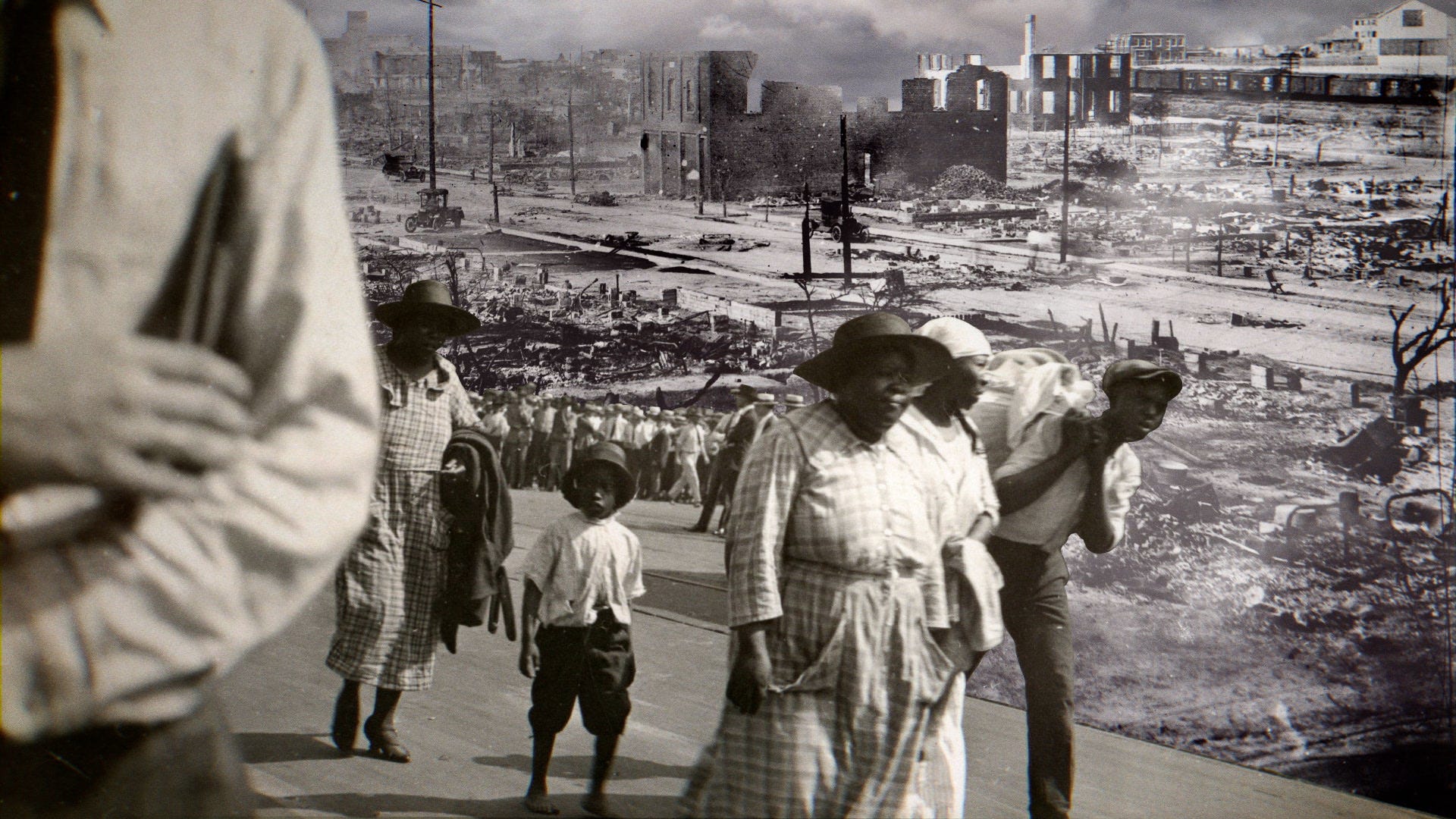
By 1921, it was home to 108 Black-owned businesses, including grocery and meat markets, restaurants, boarding houses, hotels, billiard halls, and professional offices. The community supported a robust professional class—physicians, surgeons, lawyers, pharmacists, real estate and insurance agents—alongside skilled craftspeople such as tailors, contractors, painters, and shoemakers, as well as barbers, cleaners, and other service workers.
Viola Fletcher was seven years old when that world was taken from her. When Greenwood was destroyed, so too was the future it made possible. Forced to flee with her family and deprived of the stability, education, and economic foundation Greenwood provided, she spent most of her life navigating poverty and financial precarity–outcomes not incidental but directly tied to the violence that sought to erase her community.
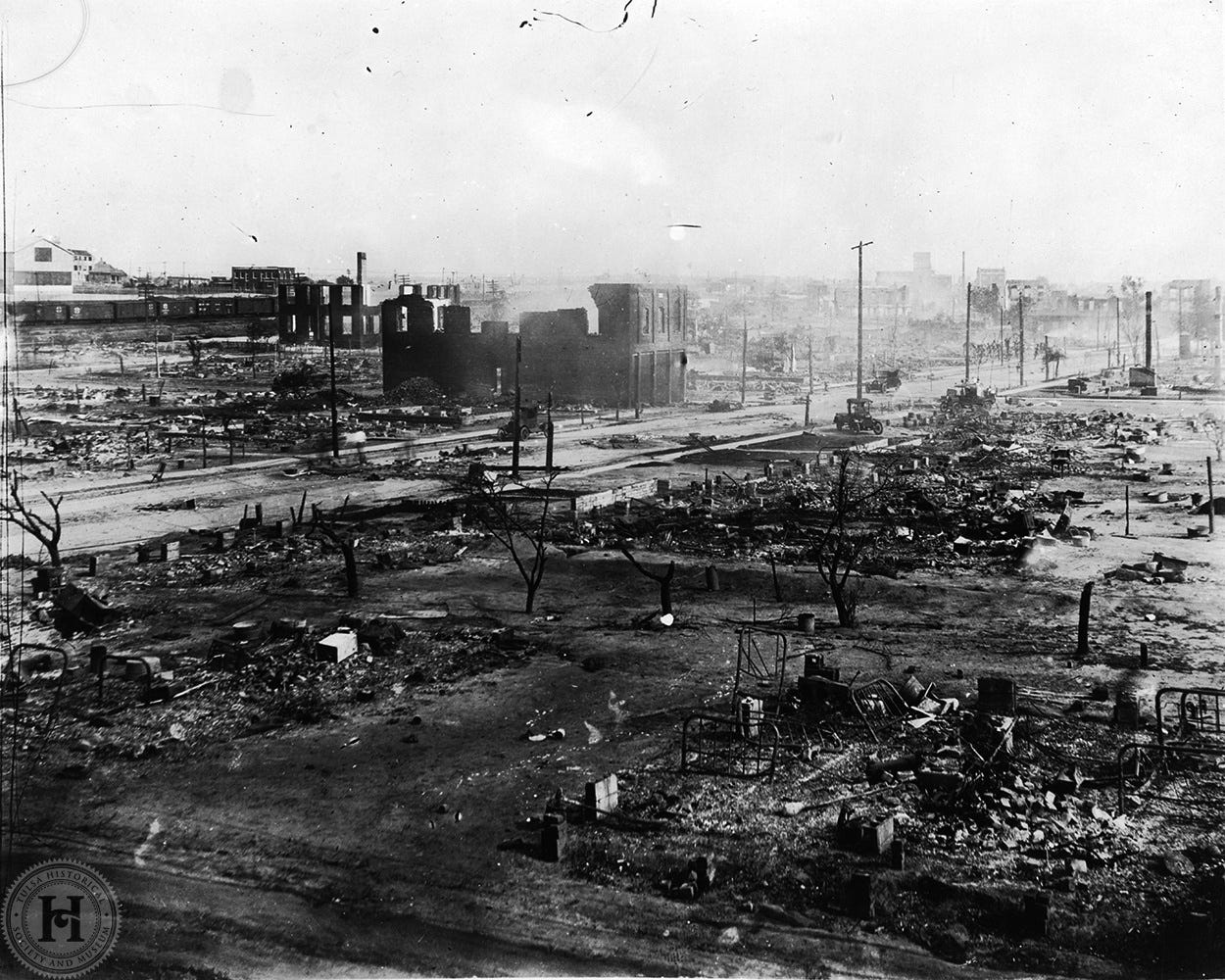
What unsettled me most was not just that Greenwood was destroyed, but the scale and coordination of that destruction. The inciting incident—a contested accusation involving a white woman—felt wildly insufficient to explain the systematic leveling of an entire forty-block neighborhood. The deputizing of white civilians and the participation of law enforcement pointed to something far more deliberate than spontaneous violence.
The massacre wasn’t an isolated eruption of racial violence, but a warning—about Black autonomy, Black wealth, and Black citizenship in America.
Understanding that survivors of that violence were still alive—and still waiting for recompense—led me to try to connect with Viola Fletcher herself. In the process, I connected with her grandson, Ike Howard, a Navy veteran who served in Afghanistan and Iraq, the CFO of the Viola Ford Fletcher Foundation, and her closest confidant in the family’s ongoing pursuit of justice.
Tulsa, and Greenwood in particular, became central to my understanding of what it means to be Black in America: to know the history, to live with its consequences, and to continue navigating a country that has yet to fully reconcile with the harm it caused—or the repair it owes.
That research inevitably intersected with my work at the Black Veterans Project (BVP). BVP’s mission is rooted in examining how Black service members and their families have been systematically denied the benefits, recognition, and care promised to them for generations. At its core, the work is about reparative justice—about acknowledging harm and asking what accountability looks like when the state fails the people who have worn its uniform, fought its wars, and served honorably.
The parallels between that work and Greenwood were impossible to ignore. Tulsa represents one of the clearest examples of a Black community experiencing extraordinary harm, followed by more than a century of denial, delay, and deflection. The survivors of the Tulsa Race Massacre have asked not for sympathy, but for repair.
And like many Black veterans and their families, they have largely been met with silence.
When news broke that Viola Fletcher had passed away, I reached out to her grandson, Ike, to offer my condolences. I didn’t reach out as a photographer looking for access—I reached out as someone who had been deeply affected by his grandmother’s testimony and wanted to acknowledge the weight of their loss.
Ike responded by inviting me to Tulsa.
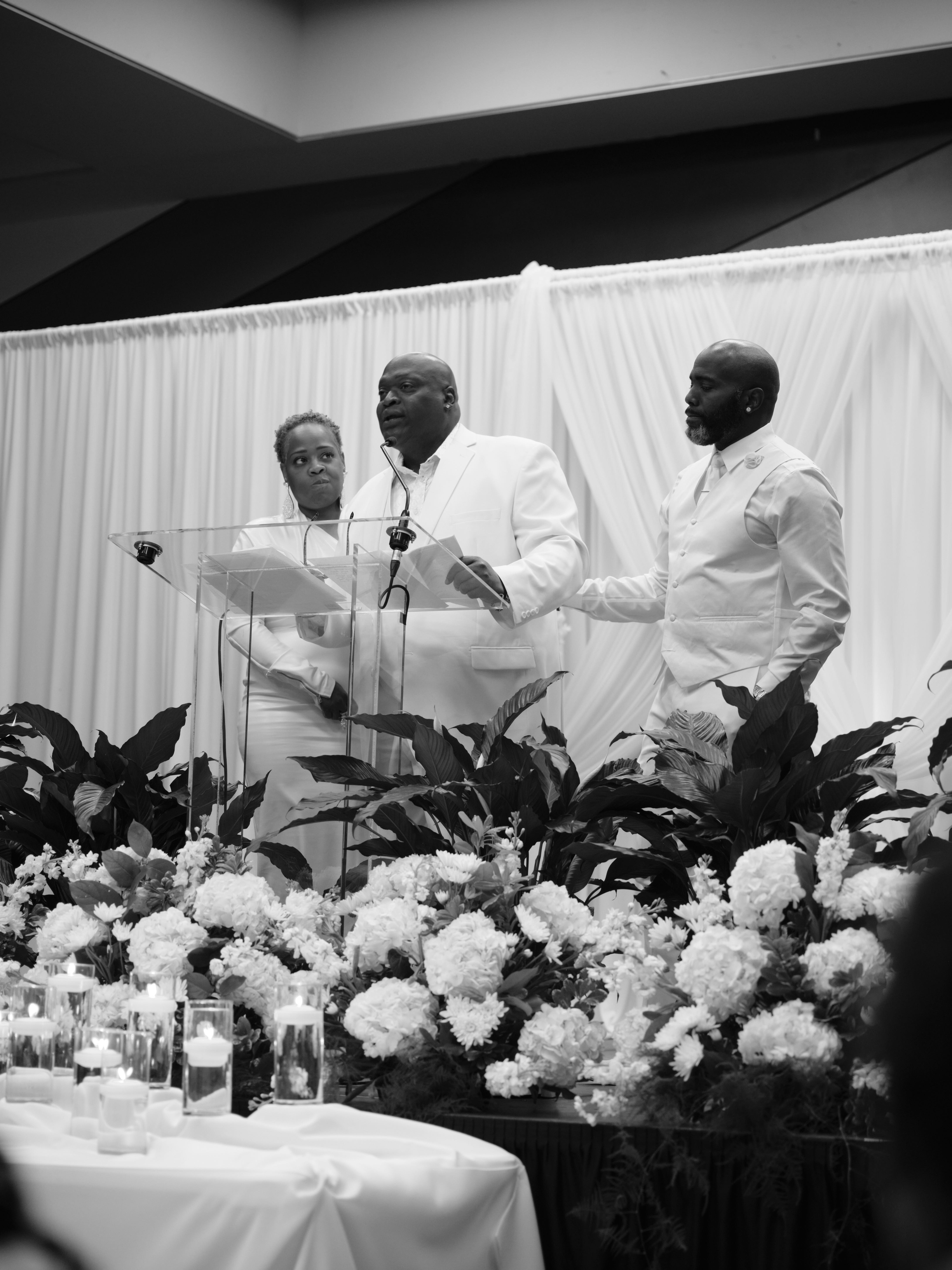
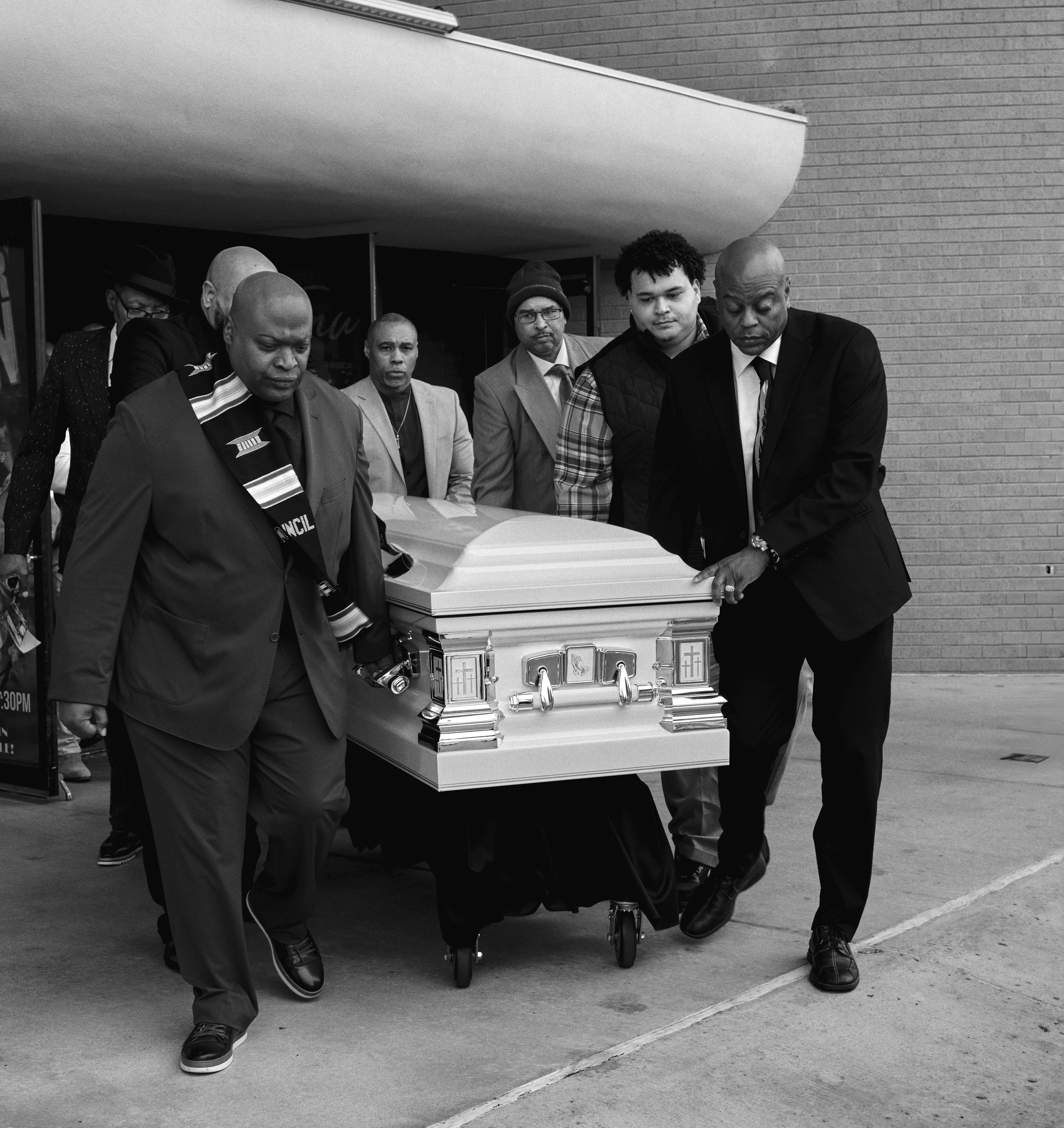
He told me about the funeral plans—how his grandmother would be laid to rest in Bartlesville, where her family fled after the massacre, and memorialized in Tulsa, in the neighborhood she was forced to escape as a child. He shared that family members, many of them veterans themselves, would serve as pallbearers.
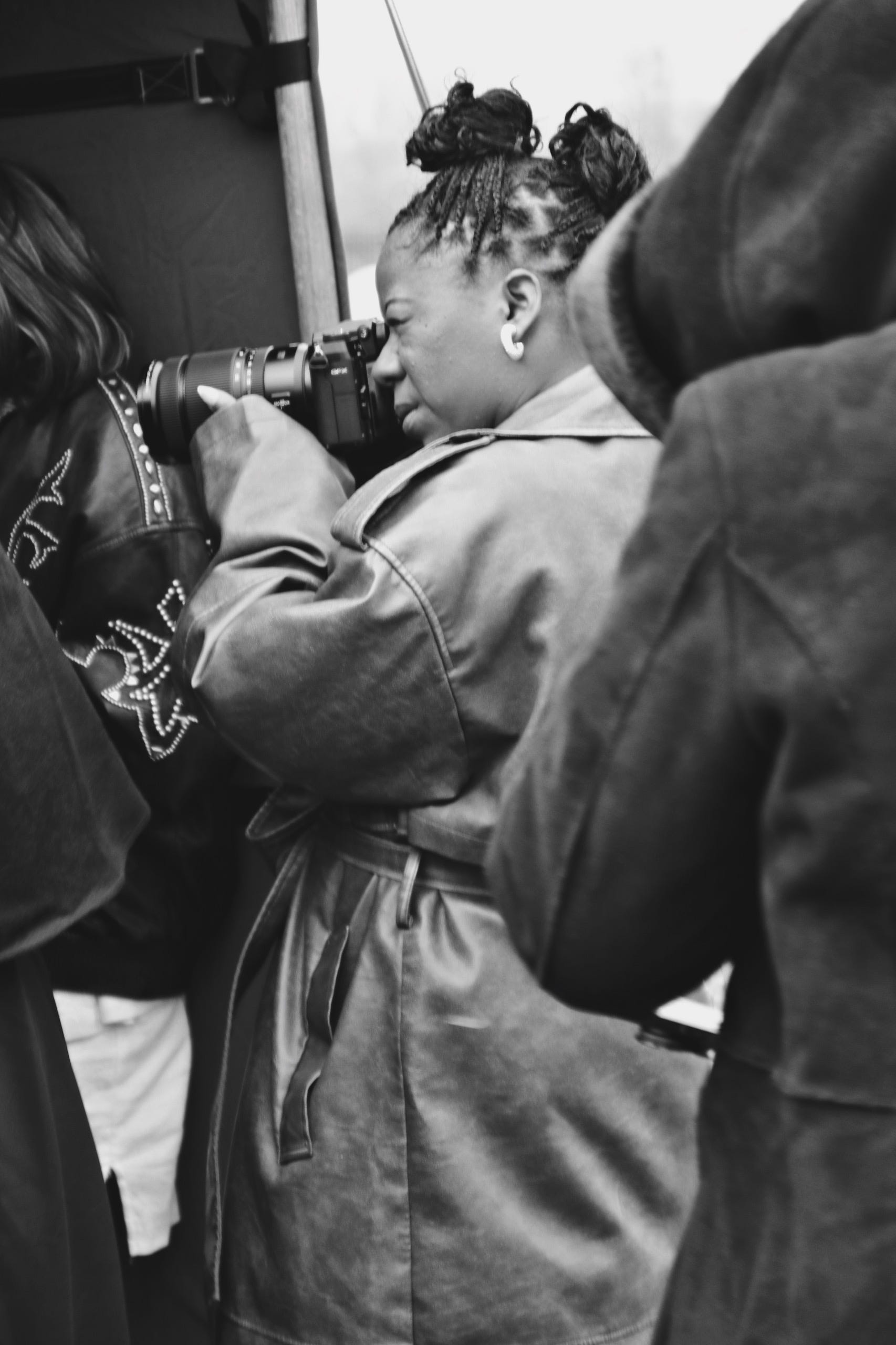
With the support of the Black Veterans Project, I traveled to Oklahoma not just to document a funeral, but to bear witness to a moment that felt historically and morally significant.
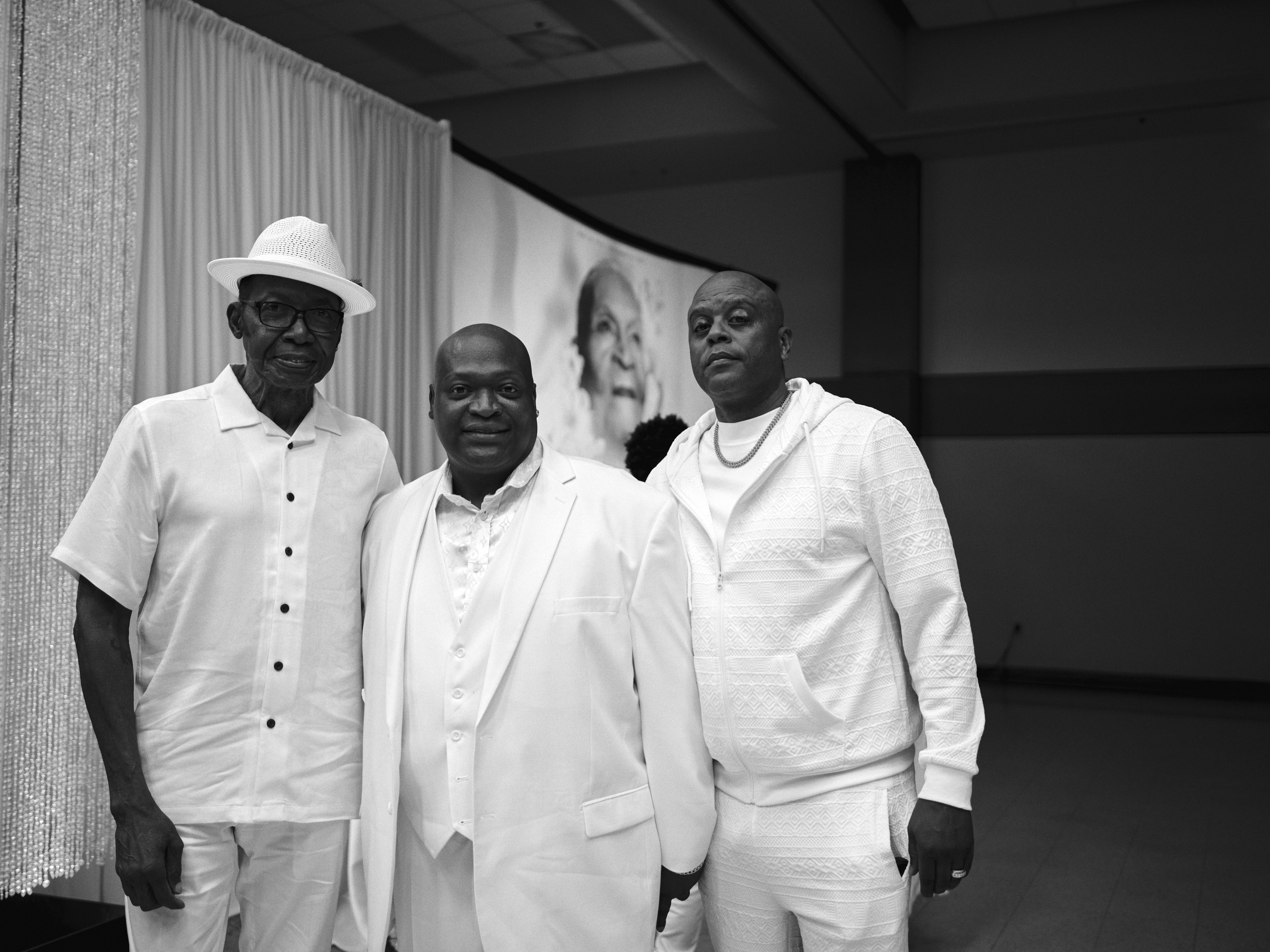
On November 29, 2025, family members, community leaders, politicians, and national advocates gathered in Bartlesville and Tulsa to honor the life and legacy of Mother Viola Fletcher at 111-years-old.
Throughout the funeral, one message echoed: the fight continues.
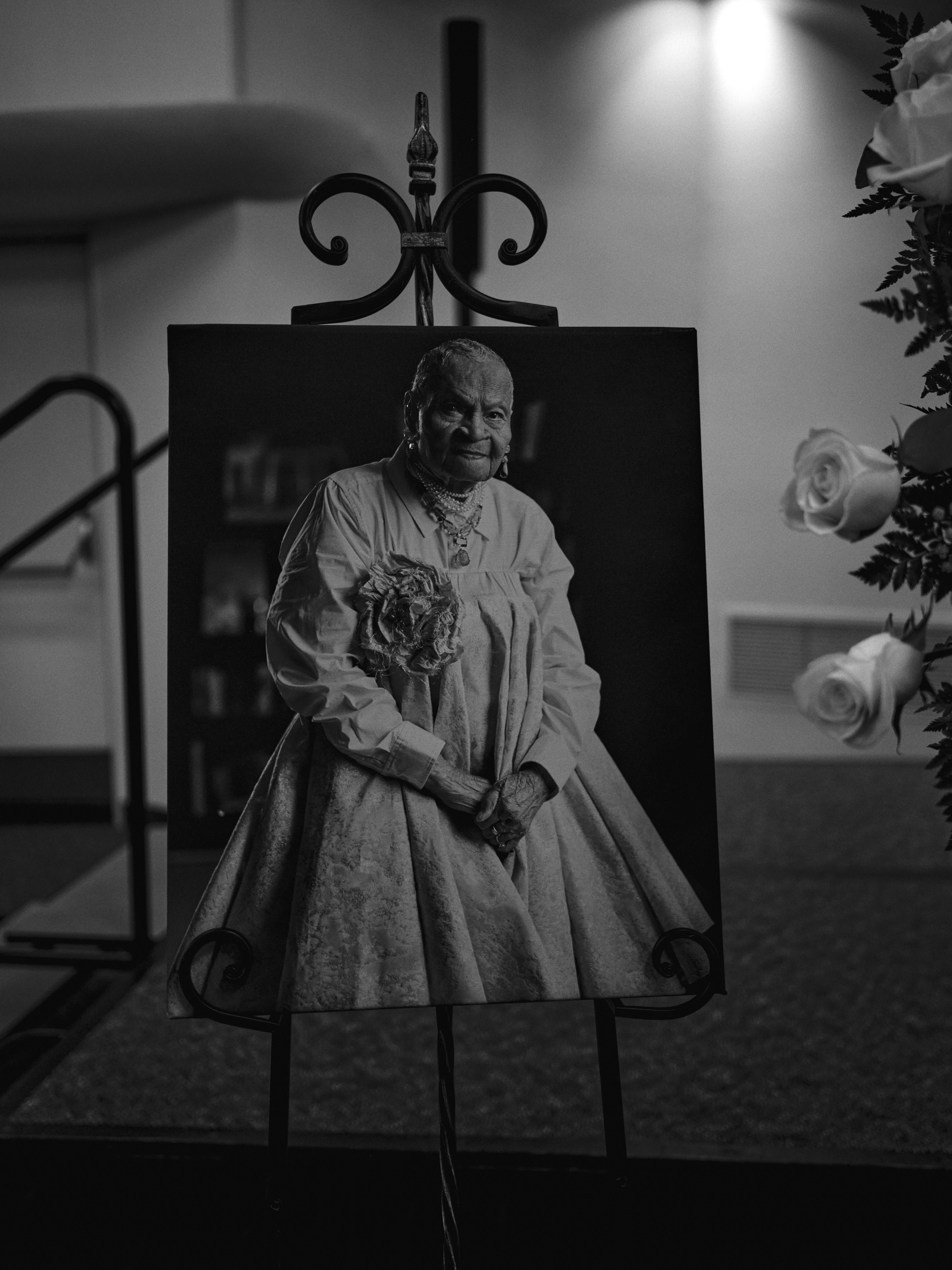
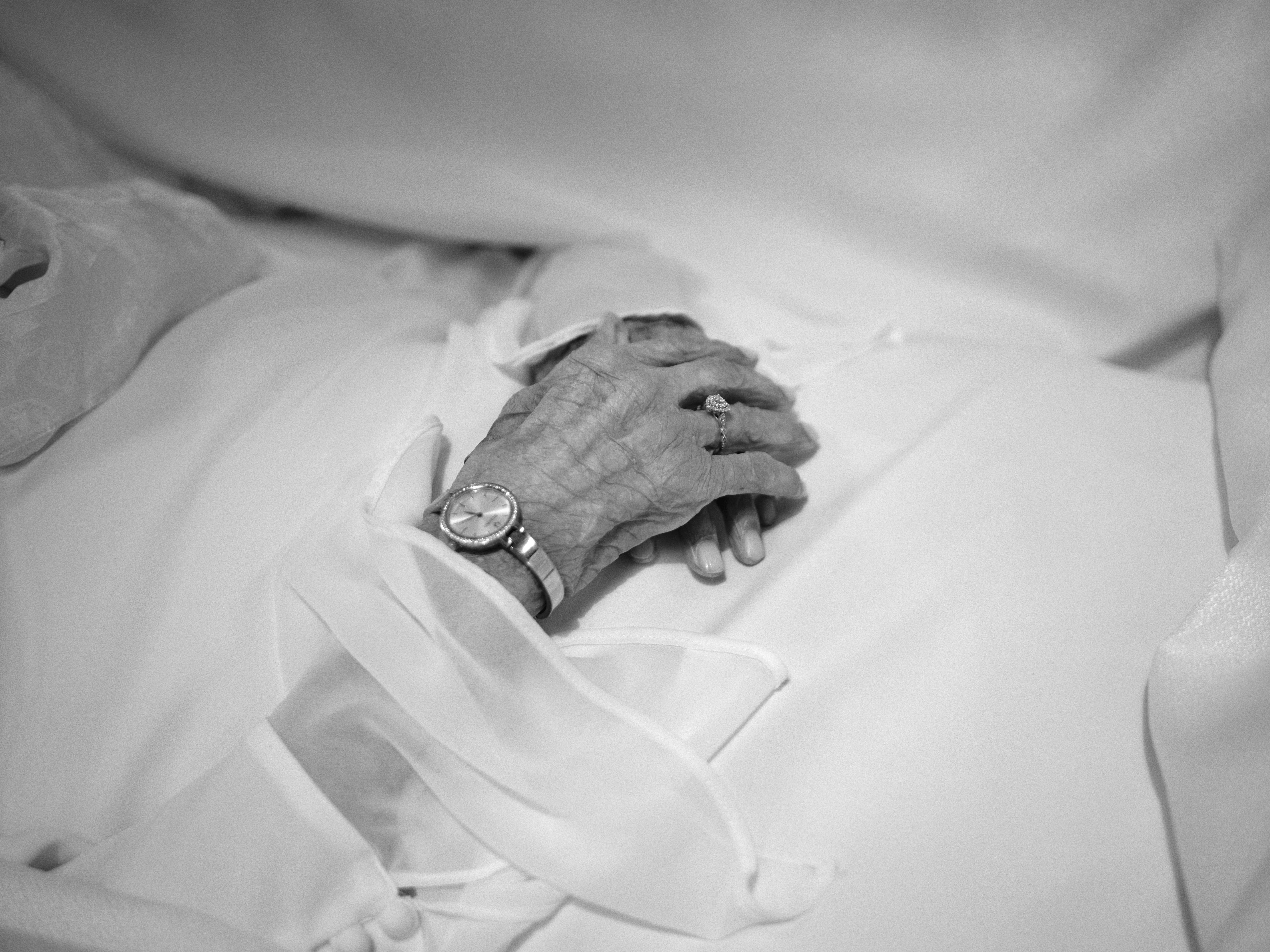
That fight is not abstract. In 2021, the City of Tulsa began a physical investigation into the massacre by excavating Oaklawn Cemetery. In 2024, the city announced the first confirmed identification of a victim: C. L. Daniel, a World War I U.S. Army veteran. DNA evidence linked him to Burial 3, and archival records confirmed he was killed during the massacre.
A letter preserved in Daniel’s military pension file states plainly that he “was killed in a race riot in Tulsa, Oklahoma, in 1921.” His family struggled to even establish his death. Whether they ever received survivor benefits remains unknown.
The presence of Black veterans in Greenwood was not incidental. When the massacre erupted, it was largely Black World War I veterans who stepped forward to defend the district—men who had returned from military service with training, discipline, and a deep sense of duty to their community.
That legacy of service ran through Mother Fletcher’s own family. Her baby brother, Hughes “Uncle Red” Van Ellis, an infant during the massacre, later joined the segregated U.S. Army in 1943 and served as a Technical Sergeant in the 234th AAA Gun Battalion during World War II. While he was overseas, Viola Fletcher contributed to the war effort herself, working as a welder on Navy ships in California.
That tradition continued across generations. Members of her family served in Vietnam, Iraq, and Afghanistan. At her funeral, it was veterans—her own kin—who carried her casket.
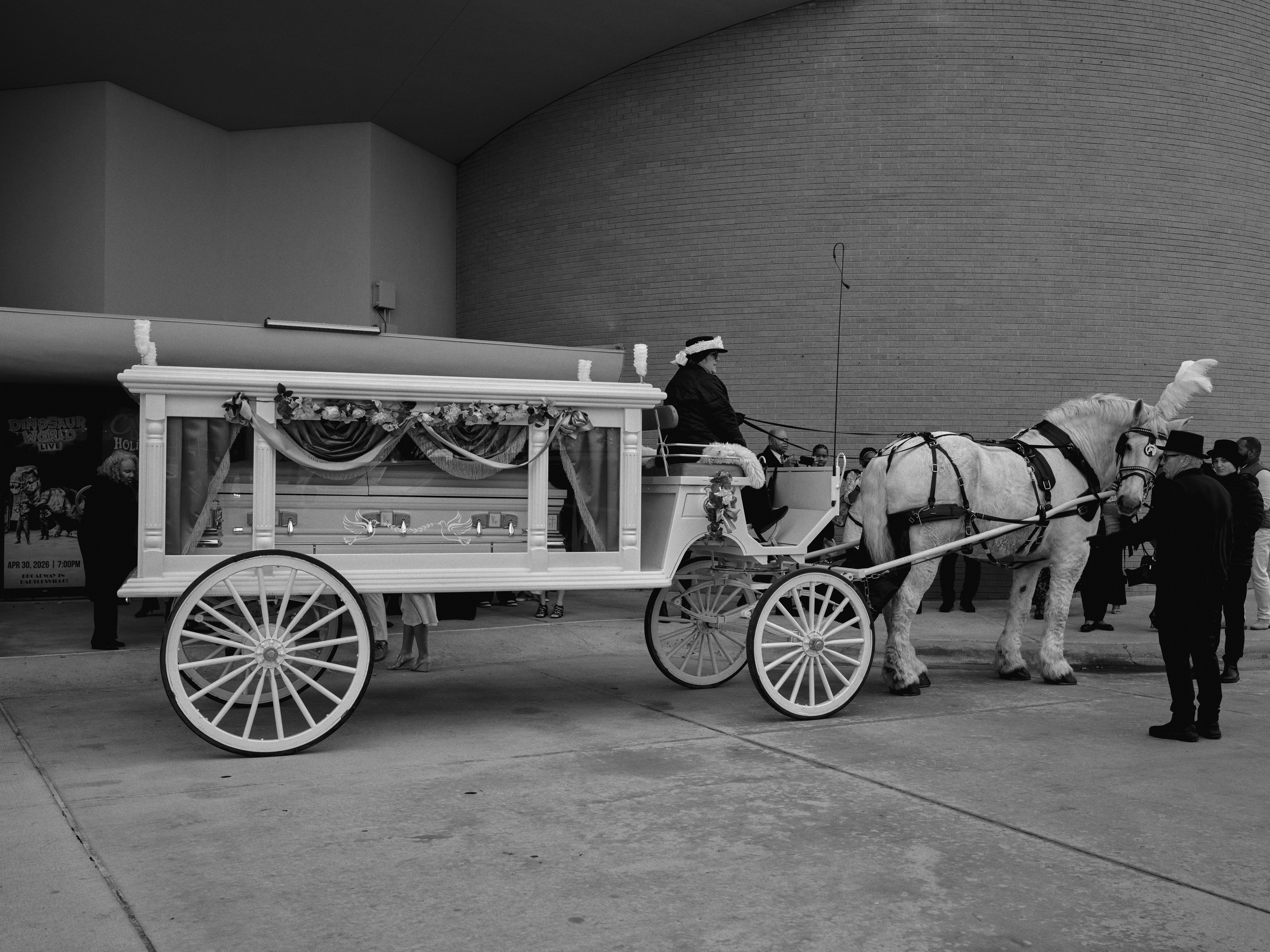
A horse-drawn carriage moved slowly through Bartlesville. Elders dressed in white gathered at the Greenwood Cultural Center in Tulsa. The room filled with candlelight as the community stood together—children, veterans, descendants—mourning a woman who carried the memory of Greenwood for more than a century. Violinists played. Prayers were offered. Messages were read from across the country, including a note from President Barack and Michelle Obama honoring Mother Fletcher’s courage and lifelong pursuit of justice.
The grief in the room was unmistakable, but it was not passive. Beneath the sorrow was a steady insistence that her passing did not mark an ending. At both services, a single message rose again and again:
Reparations.
Reparations.
Reparations.
Not as rhetoric, but as a demand.
Mother Fletcher passed without receiving the justice she sought, but the responsibility she named remains. The harm done to Greenwood was real. The loss was measurable. And the absence of repair continues to shape the lives of her family, her community, and countless others.
This is why Tulsa matters. This is why the work continues. For Black veterans, survivors, and descendants, reparations are not about aimlessly revisiting the past—it is about reckoning with harm and taking deliberate, measurable action to address and repair its lasting consequences.
Editor’s Note: In June 2025, Tulsa’s first Black mayor, Monroe Nichols, unveiled a $105 million reparations initiative, “Road to Repair”, to address the long-term harm caused by the 1921 Tulsa Race Massacre – the first major monetary commitment of its kind in the city’s history.
The move was a major step in the case for repair, as just one year prior, Oklahoma’s Supreme Court dismissed the final lawsuit brought by survivors of the massacre, ruling that the claims could not proceed despite evidence of ongoing harm. -
Learn More: www.justiceforgreenwood.org
Comments
Nothing yet. Say the first thing.
Sign in to join the conversation.