
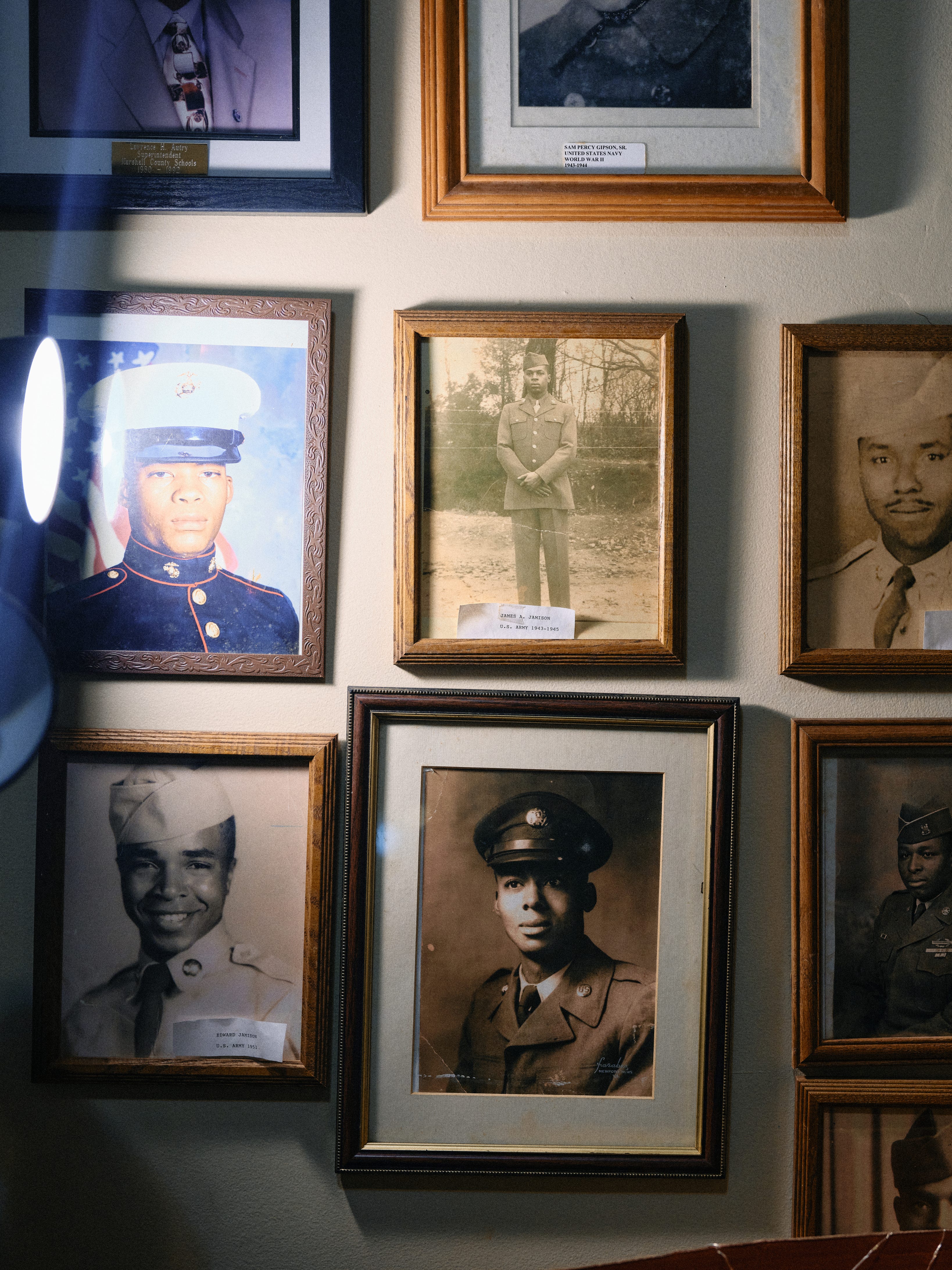
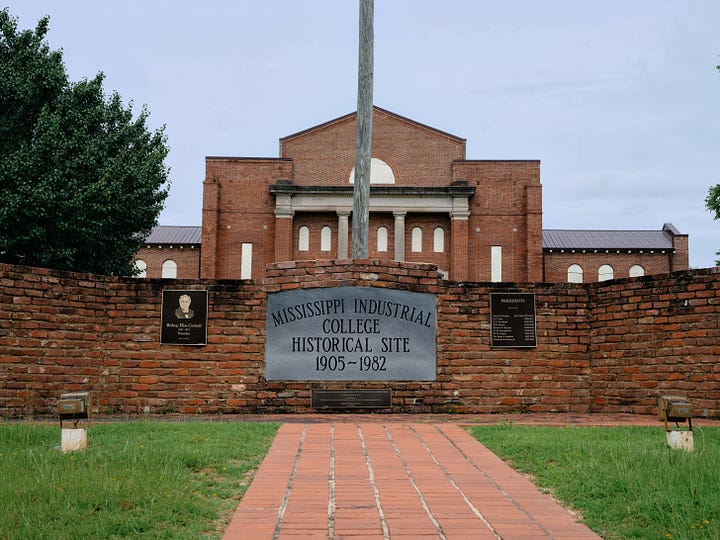
Holly Springs, Mississippi, is a town shaped by the contradictions that have defined much of Black life in America. Its history contains both the violence of exclusion and the persistence of Black ambition: a place that was once a center of cotton production and home to Confederate leaders, but that later became a gathering place for Black education, political organizing, and cultural life. Rust College and Mississippi Industrial College emerged there as important institutions of Black learning, while figures including Ida B. Wells, Hiram Rhodes Revels, and Reverend James D. Lynch became part of the town’s long legacy of resistance and leadership.
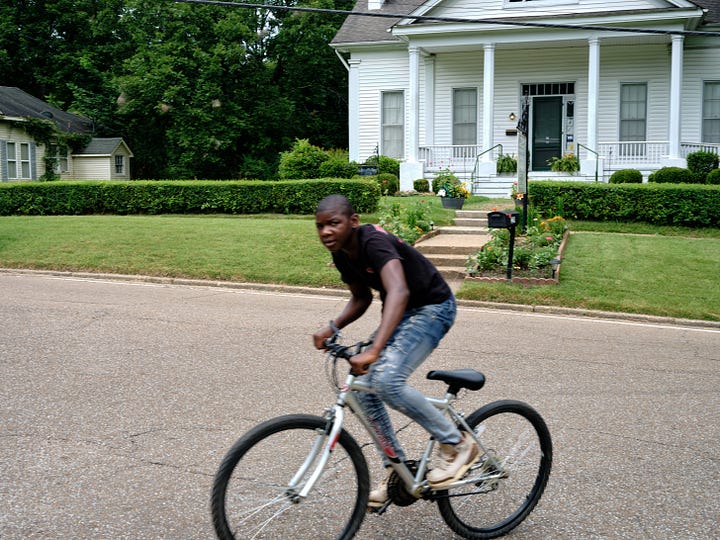
That tension remains visible today.
Holly Springs is a majority-Black community of roughly 7,000 people, but like many towns throughout the Mississippi Delta and the broader South, it continues to live with the consequences of decisions made generations ago.
The decline of manufacturing, the erosion of economic opportunity, and decades of discriminatory policies have all shaped the landscape. Among the most consequential of those policies was the unequal administration of the GI Bill after World War II, a program that transformed American society while leaving many Black veterans on the margins of its promise.
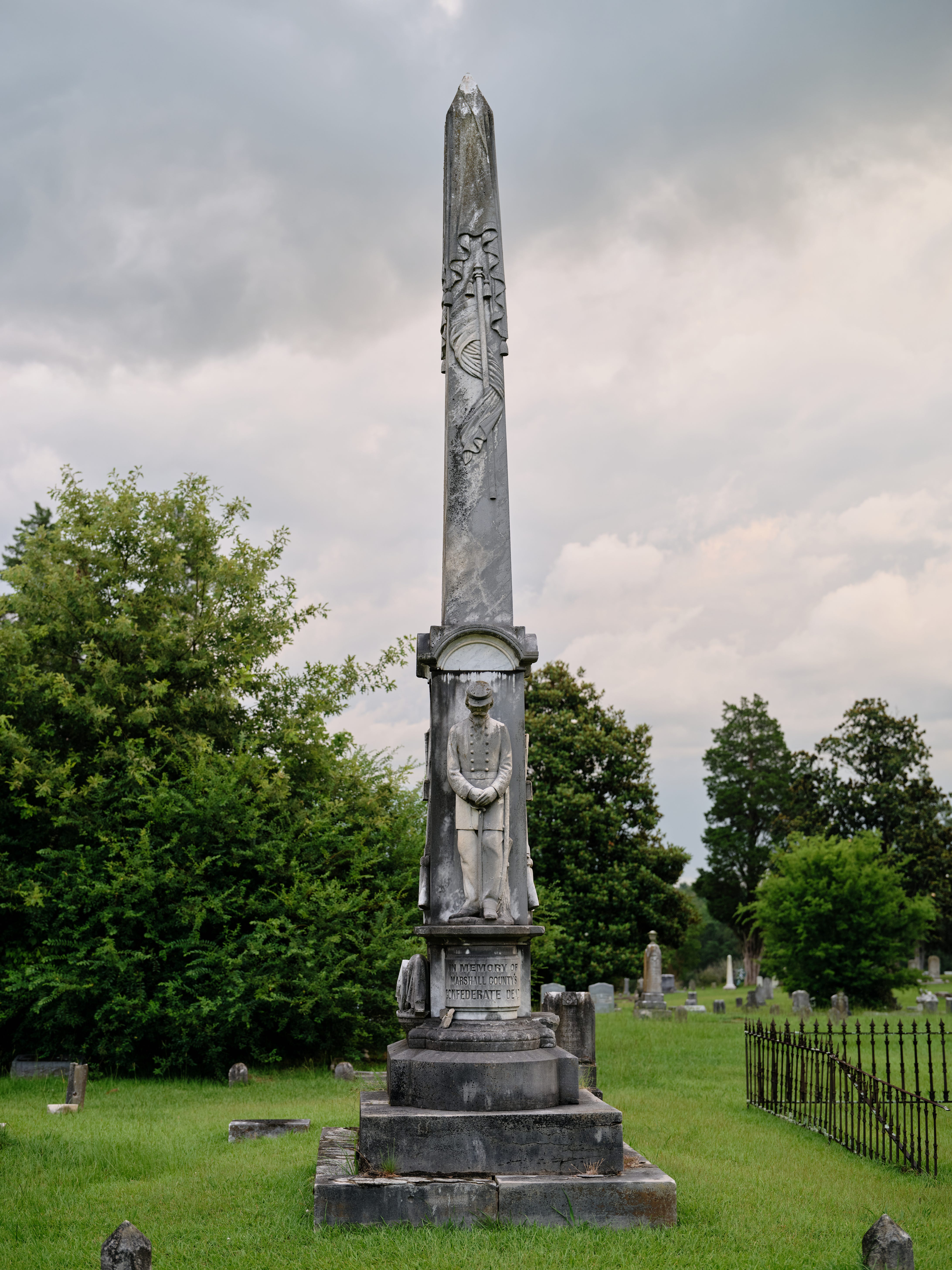
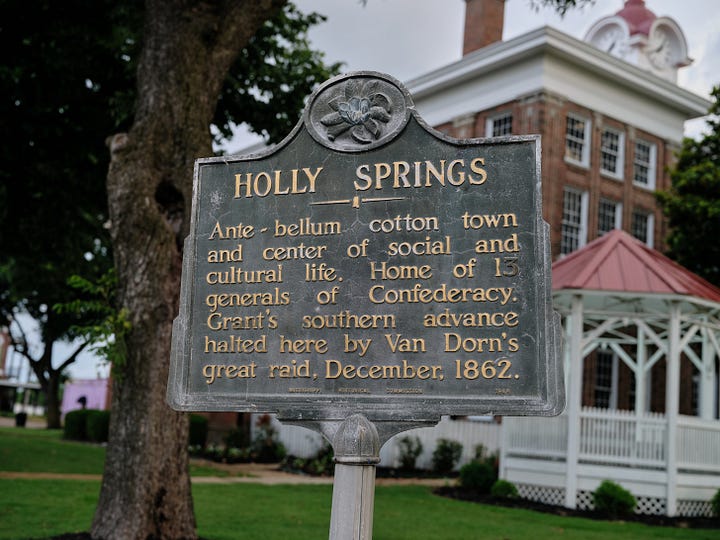
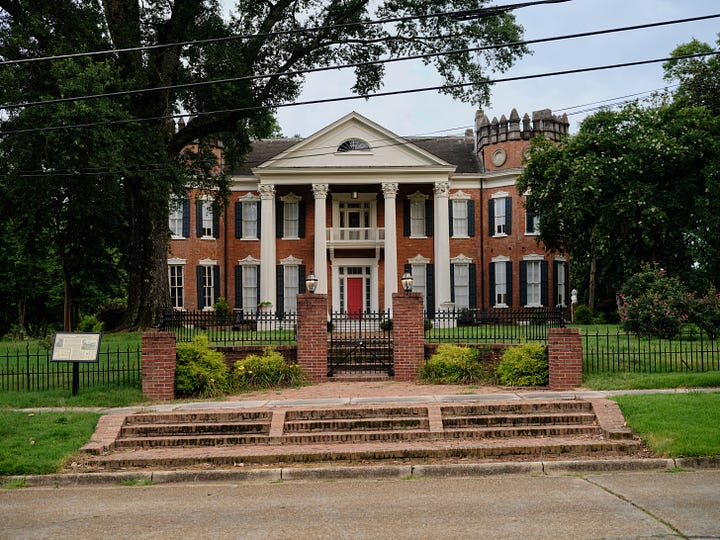
When the GI Bill became law in 1944, it represented one of the largest social investments in American history. It provided access to higher education, job training, and homeownership opportunities for millions of people returning from war. For many white veterans, those benefits became a foundation for economic security that extended to their children and grandchildren.
For Black veterans, the story was different.
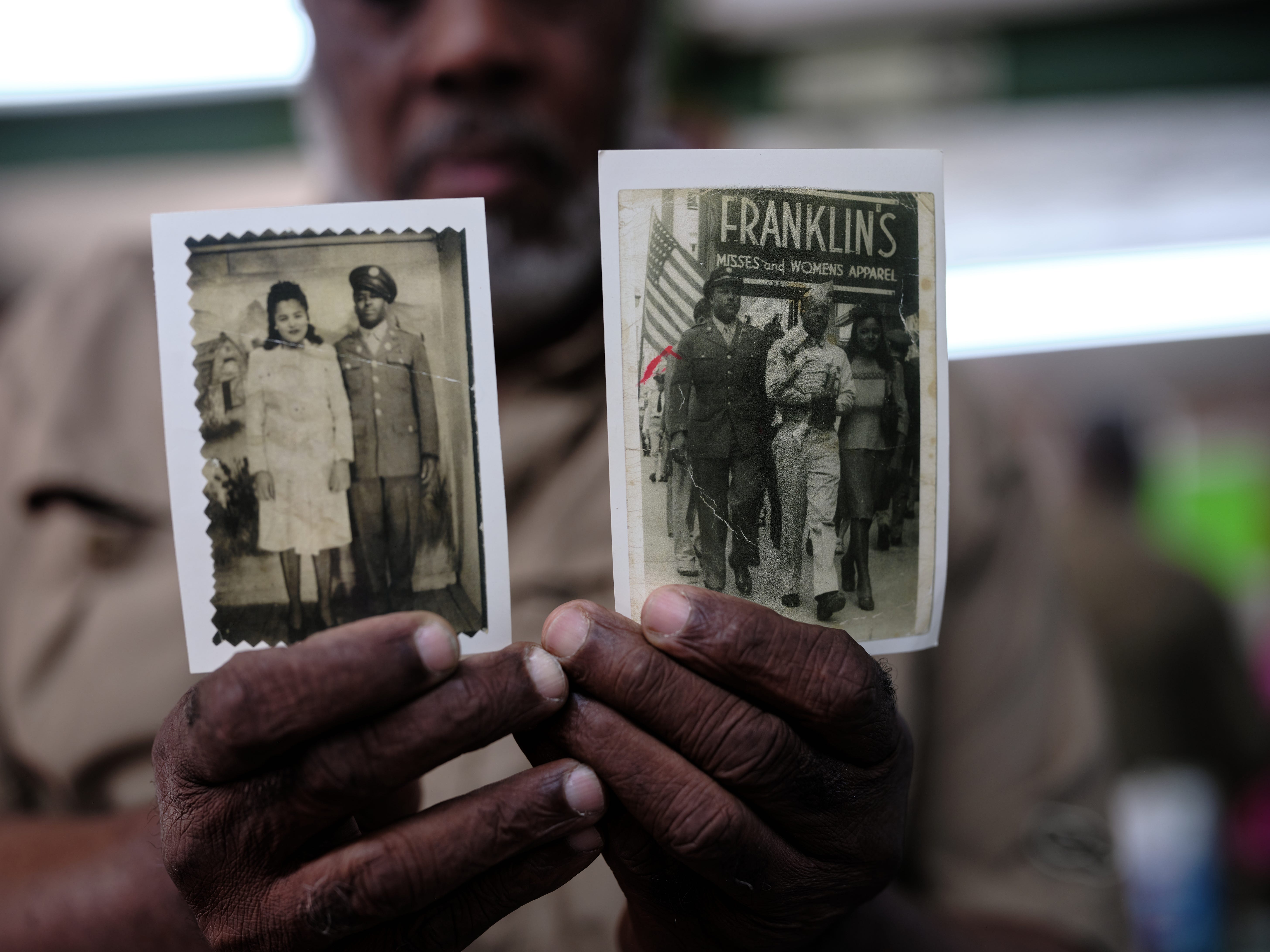
Although Black Americans had served in every major American conflict, many returned home to find that the benefits they had earned through military service were administered through systems that allowed racial discrimination to determine who could access them. In places like Mississippi, local control of veterans’ programs created opportunities for officials and institutions to restrict Black veterans’ access to home loans, education, and other resources.
The effects of those decisions did not disappear with time. They became embedded in communities. That history is what brought Army veteran and Holly Springs organizer Thelbert Lesure to Black Veterans Project (BVP).
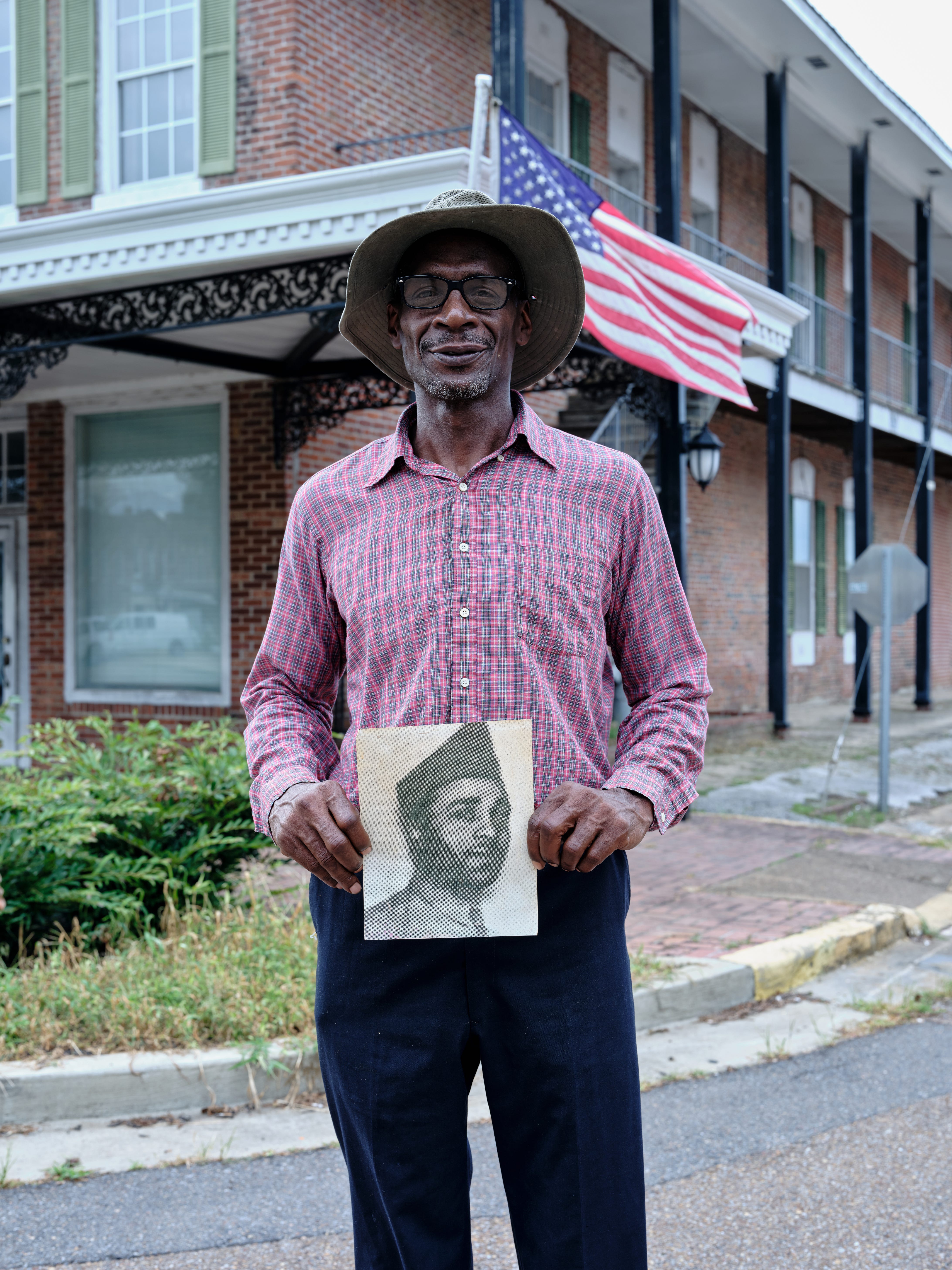
Thelbert had followed BVP’s work for several years, including Monk v. United States, a legal case the organization helped conceptualize alongside Yale Law School’s Veterans Legal Services Clinic and the National Veterans Council for Legal Redress. The case seeks to address decades of racial discrimination within the Department of Veterans Affairs (VA), including the long-term consequences of unequal access to benefits promised to Black veterans after World War II.
For Thelbert, the questions raised by Monk were not abstract legal questions. They were visible in the lives of veterans and families around him.
In early 2025, he reached out to BVP about bringing the organization’s legal and storytelling work to Holly Springs. Together, they developed BVP’s first-ever community workshop, designed to help Black veterans and their descendants document their experiences, understand their legal options, and begin organizing around a shared history.
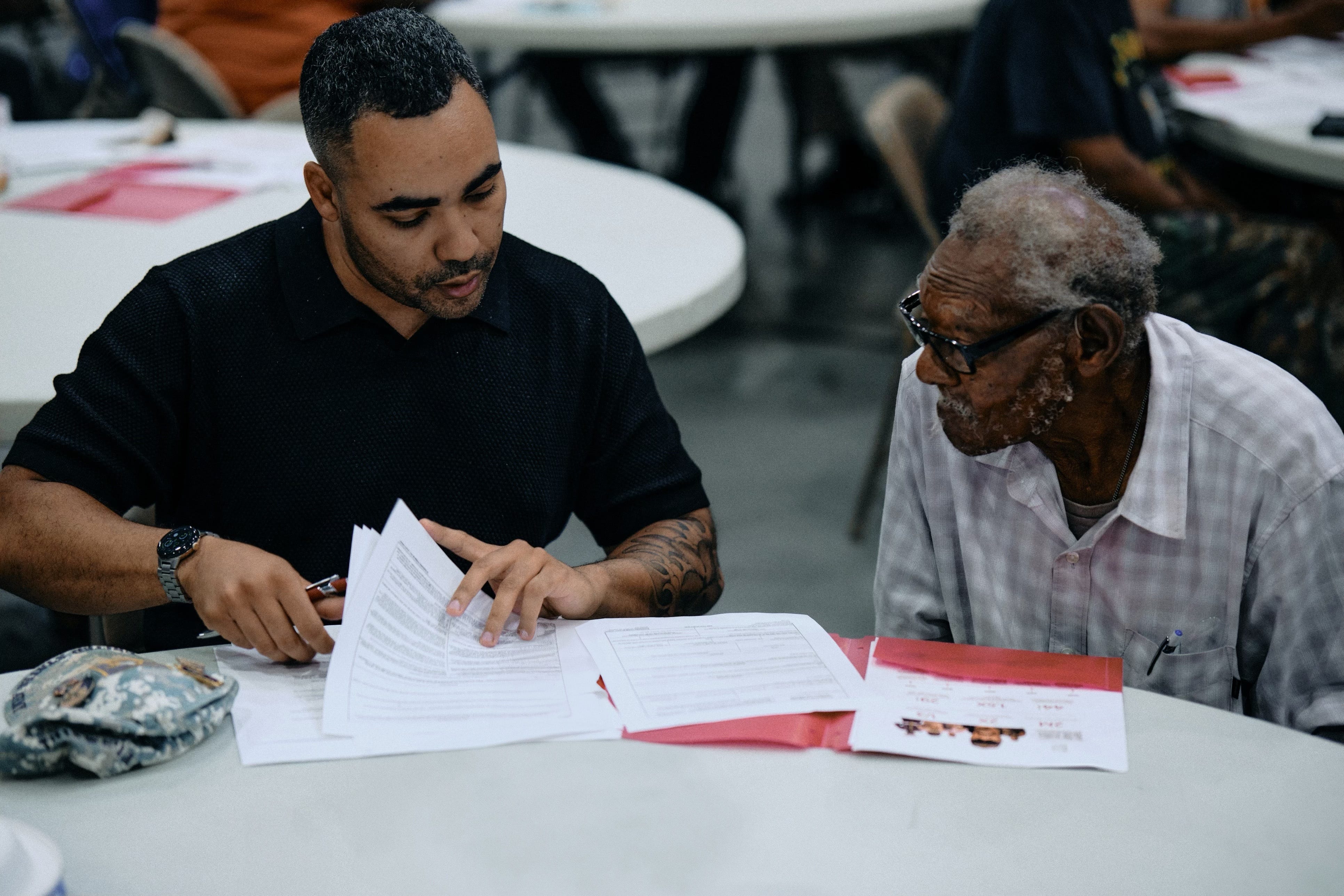
That summer, veterans and their families gathered in Holly Springs for a day focused as much on listening as it was on filing paperwork. The workshop provided attendees with assistance in completing SF-95 administrative tort claims against the VA while creating a space for veterans to share experiences that, in many cases, had never been formally documented.
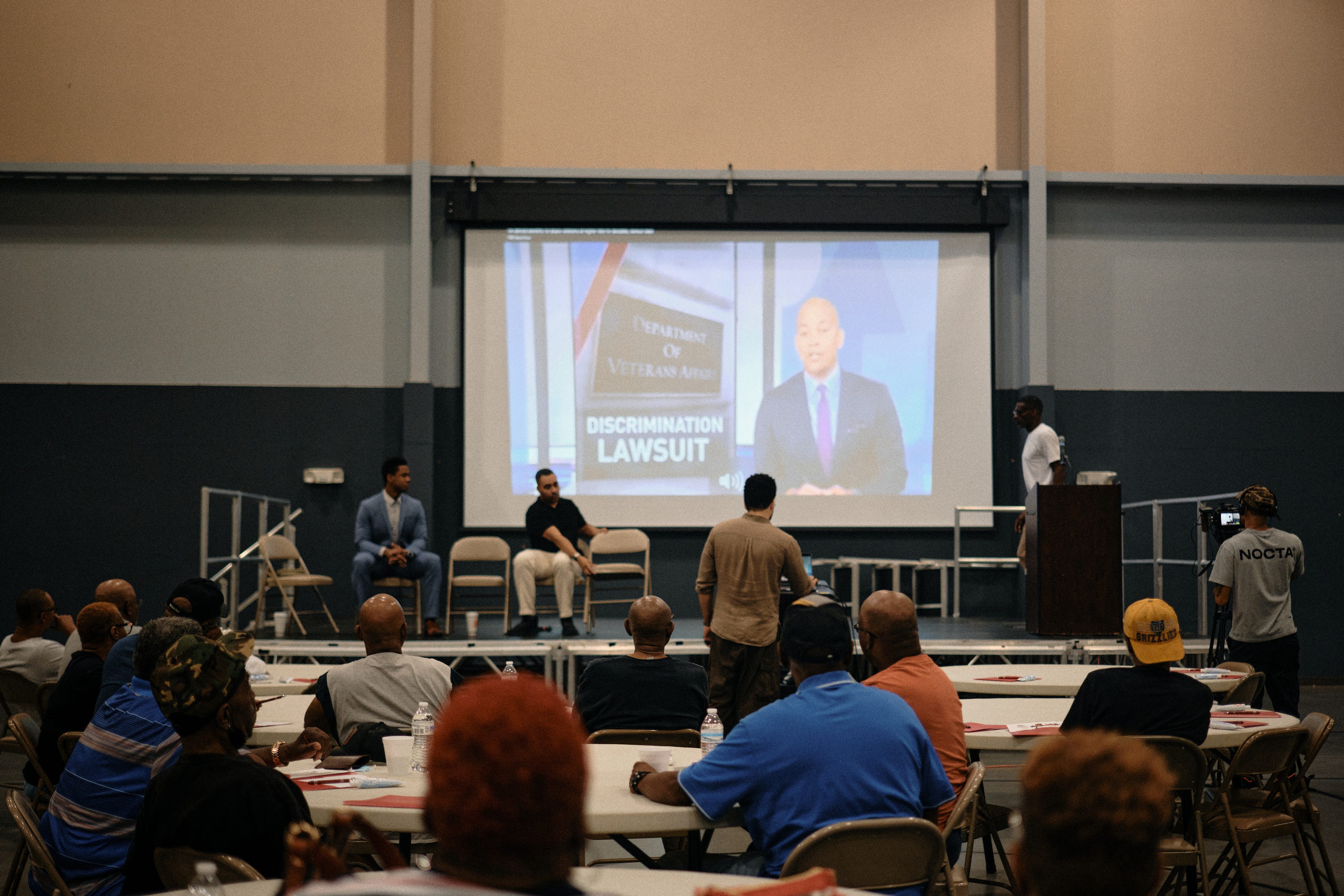
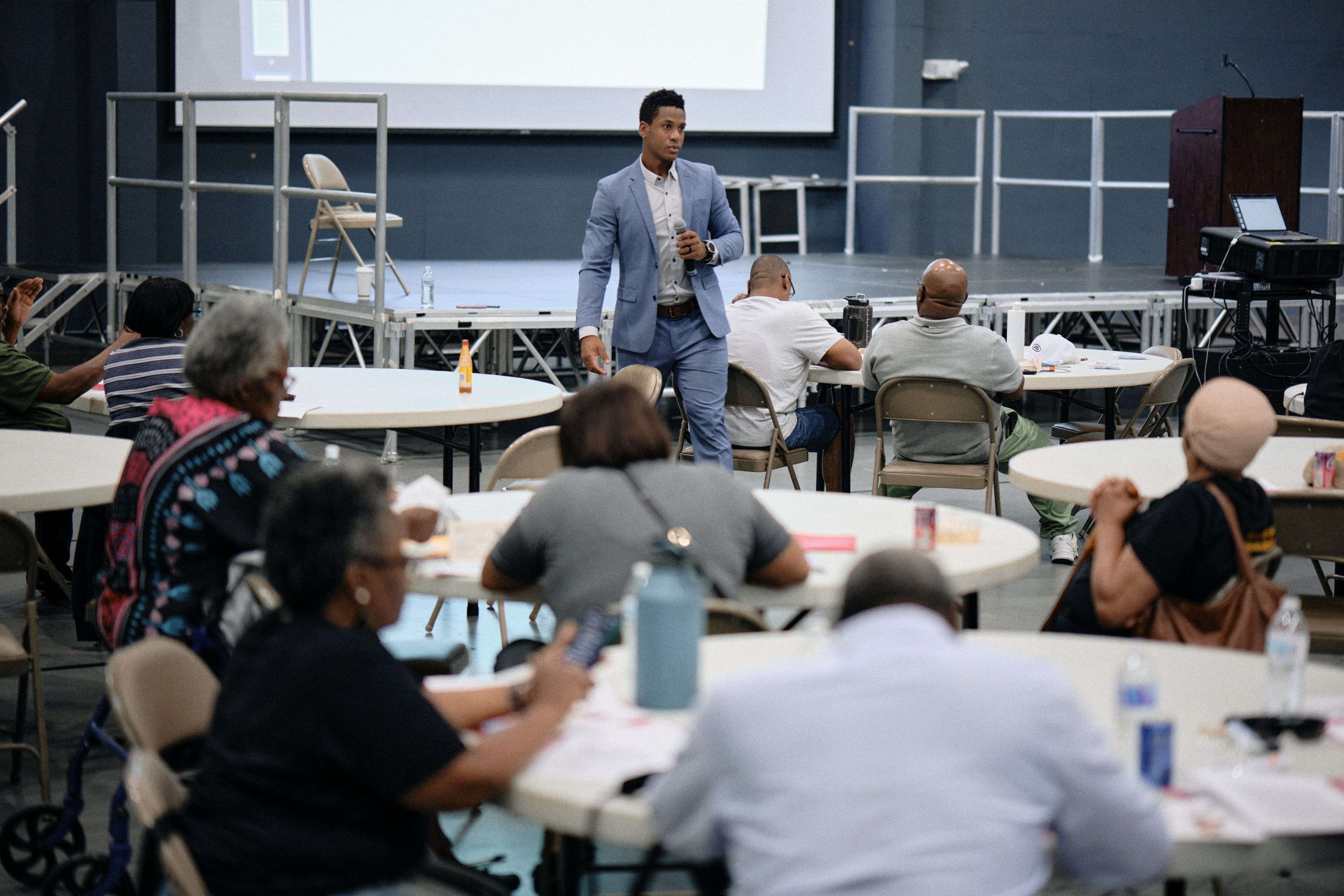
The gathering reflected a central idea behind Monk v. United States: individual stories, when viewed together, can reveal patterns that institutions have long ignored.
Many of the veterans who attended the workshop had spent years navigating government systems on their own. Some had been denied opportunities and benefits they believed they had earned. Others carried memories of barriers they could not explain until they saw their own experiences reflected in their neighbors’ stories.
By the end of the workshop, dozens of Mississippi veterans had completed administrative claims, BVP had documented new narratives, and the organization welcomed its first cohort of Black veterans as members.
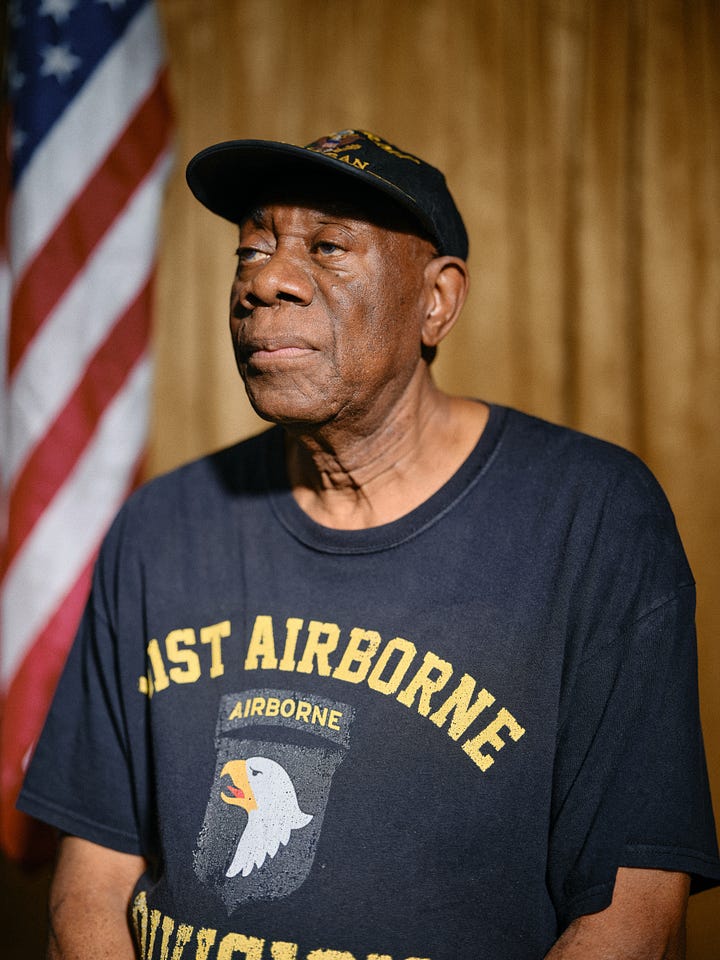
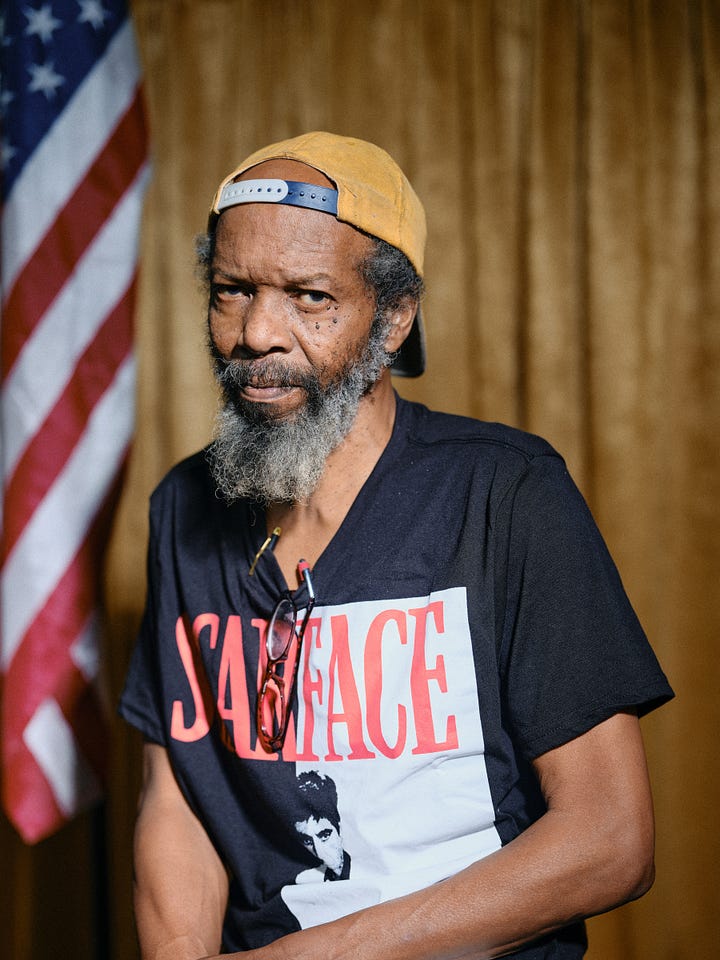
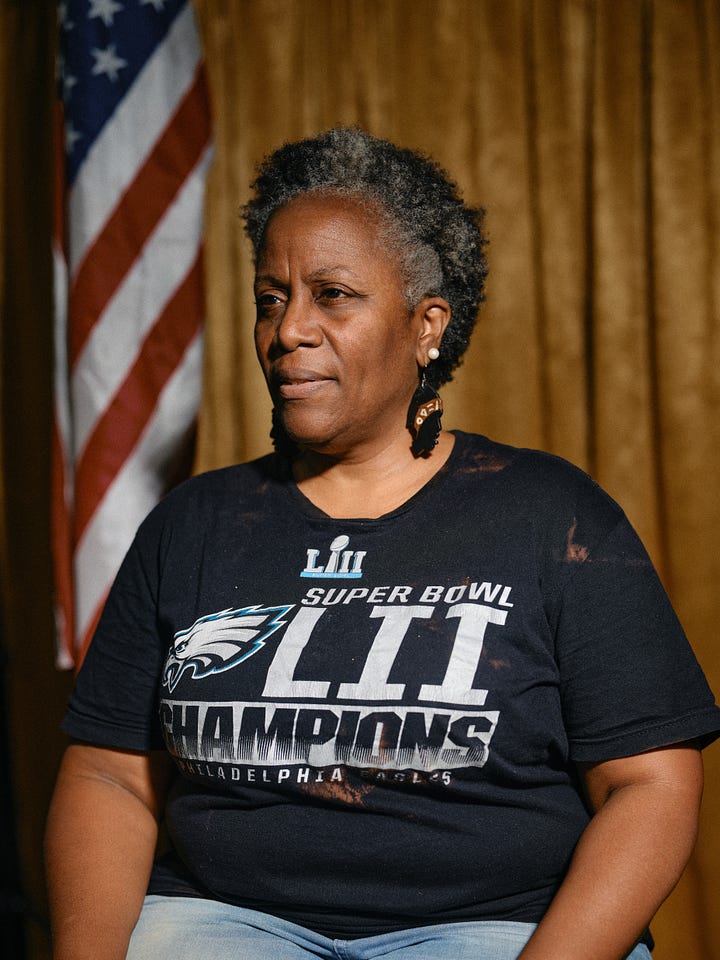
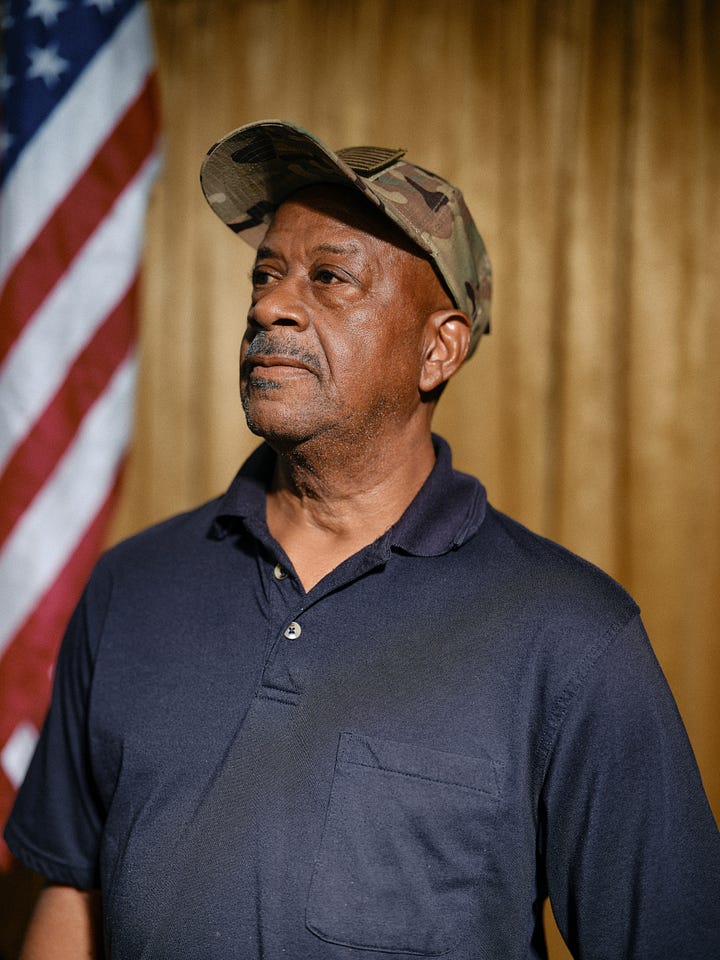
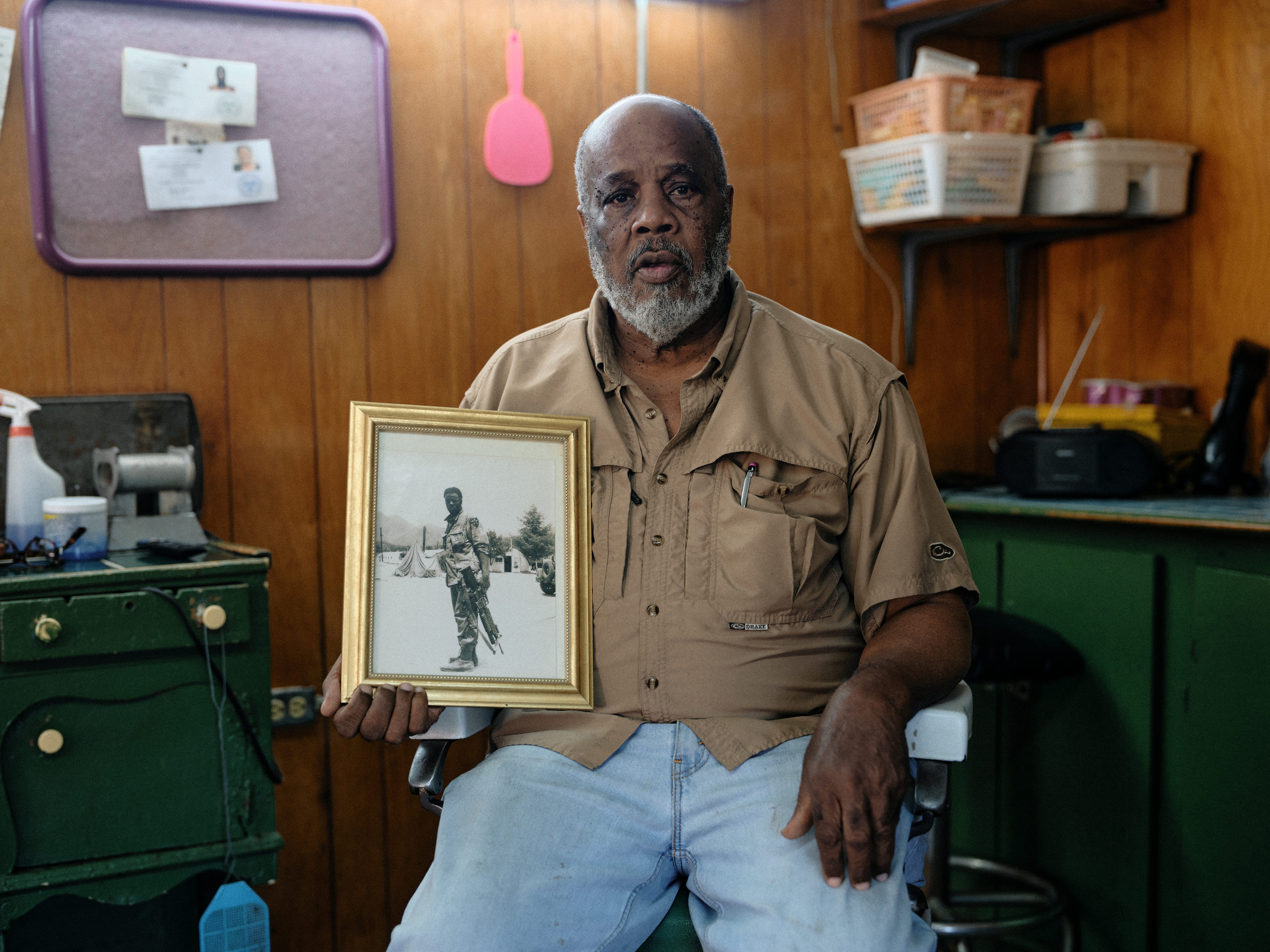
Among those stories was that of David Caldwell. At 97 years old, Caldwell remains one of Holly Springs’ most recognizable community figures.
Born in 1928, he enlisted in the United States Army in 1944 at age 16, serving for a decade, including deployments to Japan and Korea, before making Holly Springs, Mississippi home. Across decades, he became a caretaker of local history himself, operating one of the oldest record shops in the state and serving as a gathering place for generations of residents since the 1950s.
Caldwell qualified for the VA home loan program. He never received the opportunity to use it.
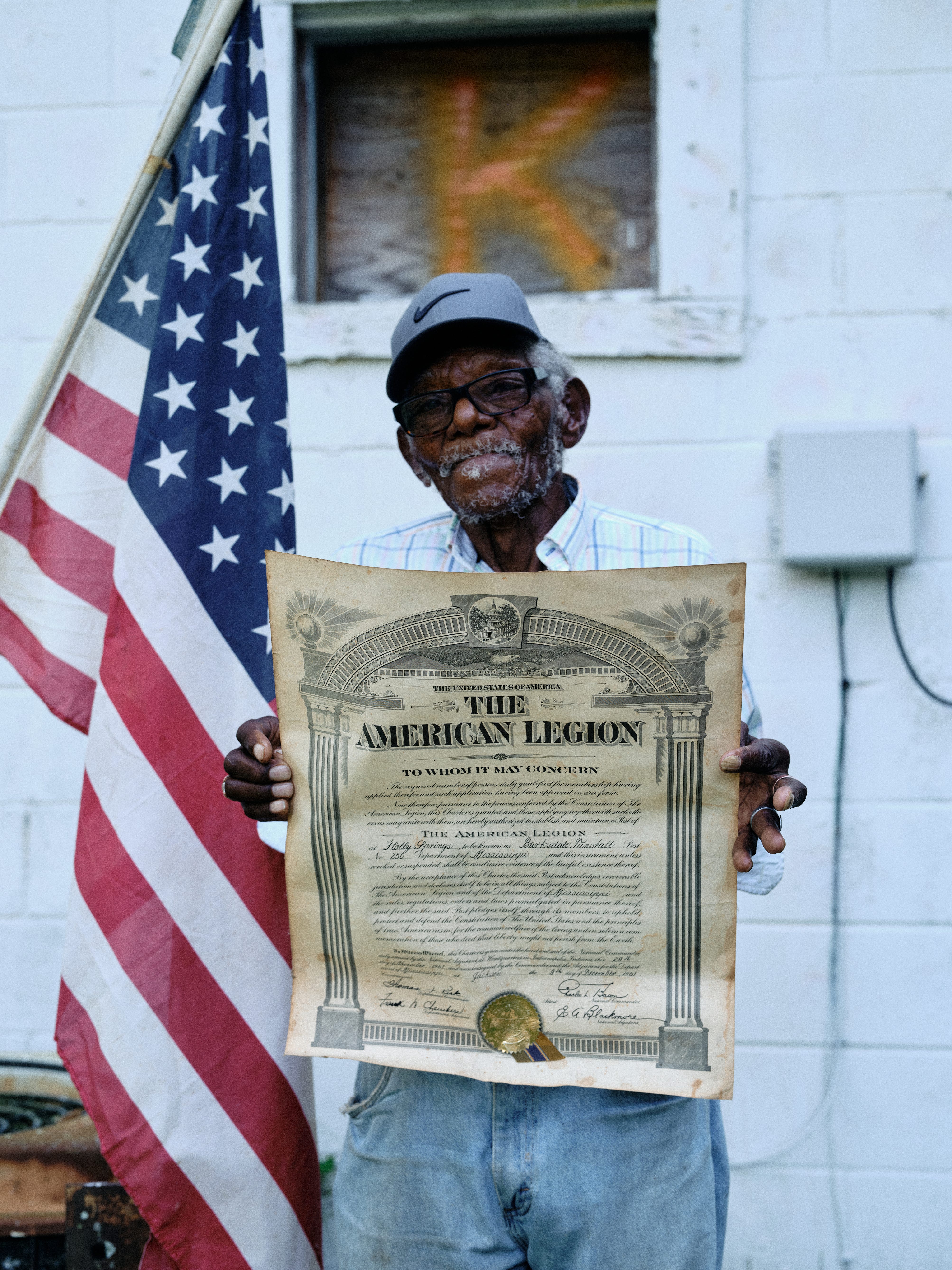
The program helped thousands of white Mississippi veterans purchase homes and build wealth in the years following World War II. For many Black veterans, however, discriminatory administration meant that homeownership, one of the primary ways American families accumulated generational wealth, remained out of reach.
The forces behind that exclusion were not hidden. Mississippi Representative John Rankin, an outspoken segregationist and one of the architects of the 1944 Servicemen’s Readjustment Act, advocated for veterans’ benefits to be administered locally, a structure that allowed racial discrimination to shape access to one of the nation’s most transformative social programs.
BVP assisted Caldwell in filing an SF-95 administrative claim documenting his experience. His story is one among many.
In 2021, BVP sued the Department of Veterans Affairs to compel the agency to release race-based data on access to veterans’ benefits for the first time in its history. That effort revealed longstanding disparities in access and outcomes for Black veterans.
More recently, BVP’s research found that nearly 100,000 Black veterans, predominantly in the Deep South, were unjustly denied access to disability compensation and PTSD-related care because of persistent racial disparities in the administration of veterans’ benefits, resulting in more than $2 billion in lost payments to Black veterans and their families since the year 2000.
The numbers are staggering, but the work in Holly Springs began with something smaller: a room full of people willing to tell the truth about what happened to them.
BVP plans to expand these legal and storytelling workshops throughout the South and beyond, building a broader archive of Black veterans’ experiences while connecting more veterans with resources and organizing efforts. The goal is not simply to revisit past harm, but to understand how the decisions of previous generations continue to shape the lives of veterans today.
For Black veterans, the promise of American democracy has always carried a complicated history. They have served a country that asked them to defend ideals of freedom and equality while often denying them full access to those ideals at home.
In Holly Springs, those contradictions were not resolved. But they were named.
And for many veterans in the room, that was the beginning of something they had been waiting decades to see: their stories treated not as isolated memories, but as part of the history of America itself.
Black Veterans Project is the first comprehensive effort building the collective power of Black veterans, military families, and their allies to demand federal repair, protect racial equity, and preserve our nation’s multiracial democracy. Support from allies like you makes our work possible. Please consider a donation to ensure repair and equity are made possible.
No posts
Comments
Nothing yet. Say the first thing.
Sign in to join the conversation.