
“The historical reason that we’ve been so impoverished in terms of future images is because, until fairly recently, as a people we were systematically forbidden any images of our past.” – Samuel R. Delany, “Black to the Future”
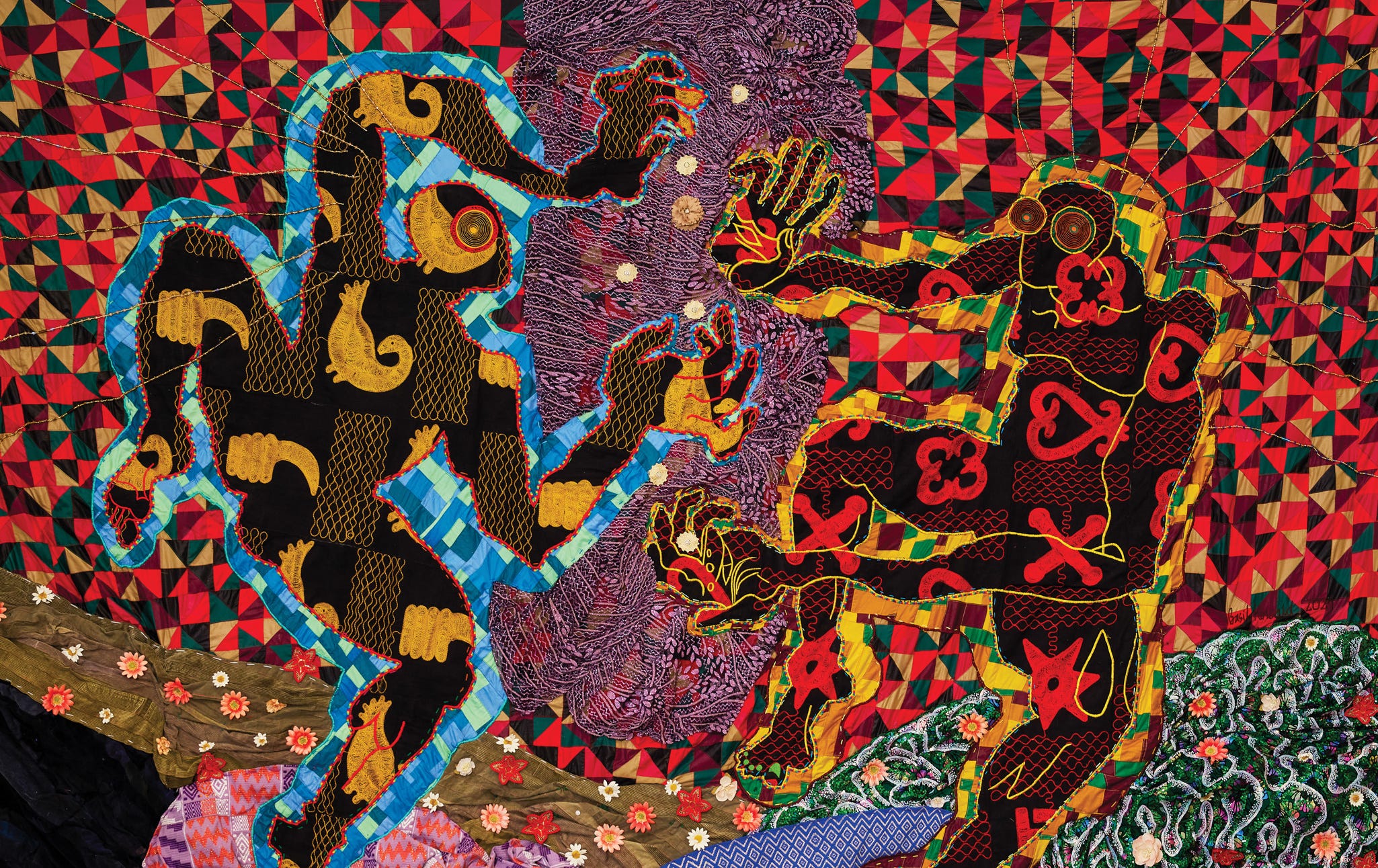
This week, Beyoncé reminded everyone that it’s been ten years since Lemonade dropped, which reminded me that it’s been about ten years since the mass reconnection to Hoodoo among millennials and younger generations began.
Make no mistake, a great deal of this reconnection did have to do with Lemonade, the many references therein to Hoodoo, Julie Dash’s Daughters of the Dust, the system of plaçage (which informs much of the Black southern gothic aesthetic in and of itself,) and Ifa.
This is the primary reason Beyoncé is so often mentioned and referenced in my Substack: she is, for better or worse, religiously relevant to me. I am neither a Beyoncé hater nor stan; I am merely a thirty-seven year old Black fem raised in The Church, and thus there is no escaping her vast influence.
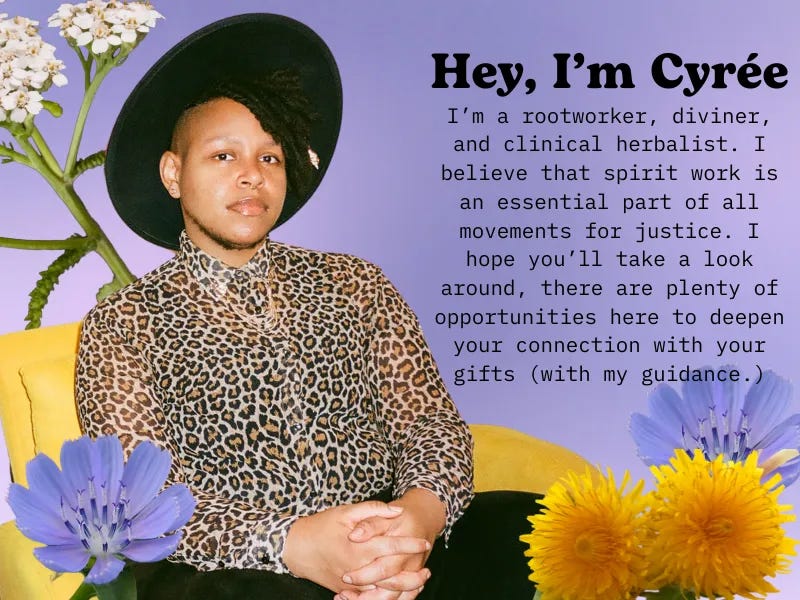
black medicine || black magic is a Black trans written, reader supported publication. Your support sustains my work as an herbalist, rootworker, and diviner working in Hoodoo tradition. Consider becoming a founding member to keep this work possible for me.
Yet what isn’t often spoken about when we talk about the mass reconnection with Hoodoo specifically, and African Traditional and Diasporic Religions (ATRs and ADRs) more generally is what preceded it. Namely Black Lives Matter, with its rambling, vaguely communist cliques and extremely online personas, and a renewed focus on Afrofuturism in the form of #BlackGirlMagic.
These presences no doubt coincided with and informed the development of Lemonade itself, as evidenced in the album’s lead single “Formation,” and The Carters’ major donation to BLM just months before its release.
Long story short, Beyoncé’s Hoodoo aesthetics within Lemonade have influenced the aesthetics of Hoodoo overall through the late twenty-teens and beyond.
I think this is a net good. Unlike most other artists, Beyoncé had the team to research and compile an authentic body of work on the subject which, unlike her work on Black political life, does not strike me as an attempt to profiteer or commodify the tradition. It was a case of an ideal message from an ideal messenger.
Beyoncé gave us beautiful, resonant images of our past and present, the kind Delany rightly names we have historically been denied.
Yet now that we are ten years out, (and this is not a question for Beyoncé,) what now? What’s next?
Ancestor Veneration Without Fear of the Future
The most major shift I’ve seen in the past two years is the assertion that Hoodoo is always a liberation-focused tradition. I’ve been pretty clear about what I think of that, so I won’t belabor the point here.
If we take that idea—that Hoodoo is inherently and always a tradition exclusively focused on liberation, a liberation that has yet to enter our lives and consciousness, then why are so many aesthetic cues and religious debates centered only on the past? I know I’ve been guilty of the latter myself!
That sounds like “your ancestors didn’t have X,” or “our ancestors did Y,” etc. There’s definitely a place for these conversations, but there also will be changes to the tradition because there are living Hoodoos alive right now responding to the conditions under which they lived. We can be informed by the past while planning for a better future.
Thanks for reading black medicine // black magic ! This post is public so feel free to share it.
After all, our ancestors aren’t just past, they’re past, present, and importantly, future. Yes, they lived, but they are also likely to come back to earth! That is also an essential part of our religious beliefs as far as I can tell.
So why all the fuss about the way technology will change the tradition? Why would I spend my time thinking about whether my indigo picking ancestors also dyed their fingertips with it for the sake of beauty, and whether it’s traditional to do so now?
Who gets to decide what we leave for the ancestors who come back, and what’s worthy of reconfiguring?
Making an Unpredictable Future from the Predictable Future
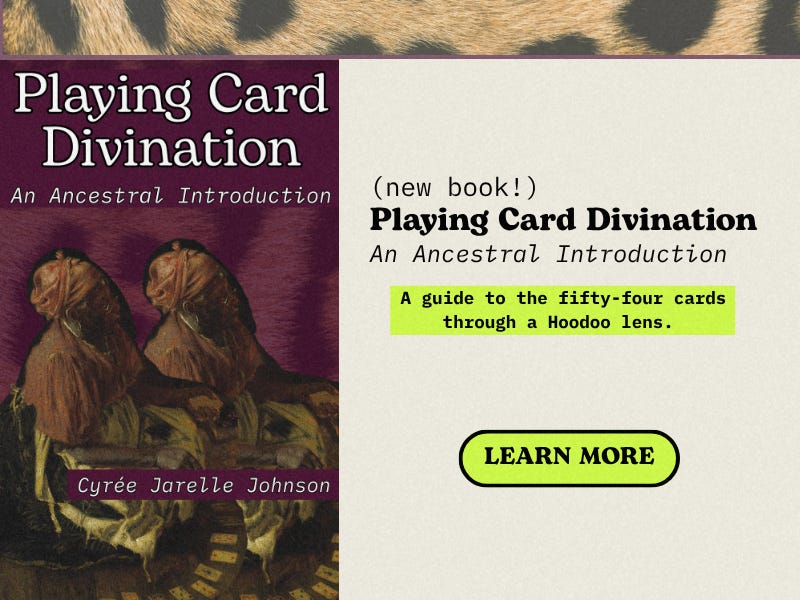
Now, before I go on too long, I would be remiss if I didn’t announce that my book Playing Card Divination: An Ancestral Introduction, a Hoodoo-centric guide to playing card cartomancy was released a few days ago!
I’m stoked. You can get a copy right here!
I’ll write more about this topic on my blog (because it’s the way people most often find my work organically, and I love blogging) but fortune telling and divination are both part of the tradition.
Sometimes these terms are used interchangeably, and often that’s not a huge issue because there can be a lot of overlap between divination and fortune telling.
That being said, fortune telling gives us an opportunity to change the world. It’s generally informed by the decisions we’ve already made—certainly in the case of playing card reading. Fortune telling is our point of opportunity. We can look the future in the face and ask ourselves if we like what we see.
Thus fortune telling is a futurism, as is divination—which gives us the opportunity to see how we should move forward in large ways and small.
It’s no wonder that these skills are all but absolutely essential to the practice of Hoodoo. Signs and wonders. The reading of shells, cards, and bones. We do these things to know the outcome. We do these things to read the future and align ourselves with the will of our wise minds, our ancestors, our spirits, our angels, our gods.
I would never work a root with or for someone (including myself) let alone put something on someone without divination, and I know many who would agree with me.
Not all divination involves a long process, like I said, signs and wonders have often done just fine. Yet the presence of these future telling modalities do point to the futurism inherent in Hoodoo itself.
Comments
Nothing yet. Say the first thing.
Sign in to join the conversation.