
🎉Checkout our subscriber giveaway at the end 🎉
Black Fiction University kicked off our watch 2026 watch parties and Historical Fiction curriculum with Eve’s Bayou.The film is gorgeous, very unsettling, emotional and extremely layered. Our discussion went on for over an hour because there was just so much to unpack.
The movie is set in the 1960s, rooted in Southern Black history and culture, and it blends folklore, memory and family secrets. Even though I had seen it before, it hit so much harder as an adult. What stayed with me all these years were bits and pieces; mostly Journey’s lines, the sisters’ hushed conversations, and that moment when Cicely drives away and shushes Eve from the car window.
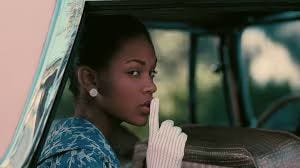
The emotional weight landed differently. I said during our discussion that it felt like “a shock to the system,” and it really was. The film stirred up questions about memory, perception, truth and responsibility in ways I am definitely still processing; The movie was a lot. And I was not alone. The whole group had reactions ranging from “I yelled at the screen” to “Why was I watching this as a child?” to “This feels completely different as an adult.” We all agreed that this time around, we were able to better appreciate the film’s complexity. So here are 8 topics we discussed after watching Eve’s Bayou with our adult brains.
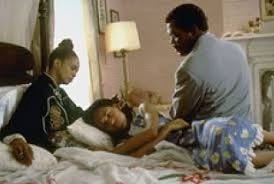
(The Rashomon Effect)
One BFU member pointed out that no matter which version of the key event you believe, “either way, it is all bad.” Another reminded us that, for Cicely, “her father hit her, and that is something she has never experienced before,” so her perception would be negative regardless.
That is the heart of the film for me. We never get a neat, objective truth. We get memories shaped by pain, confusion and longing; which feels very true to the human experience. Someone in the group referenced the Rashomon Effect, which is when the same event is described in conflicting ways by different people, each with their own perspective and bias. The name comes from the film Rashomon, where multiple characters recount the same incident but cannot agree on what really happened.
Eve’s Bayou shows that once emotions and power are involved, “what happened” and “what it felt like” are not always the same thing.
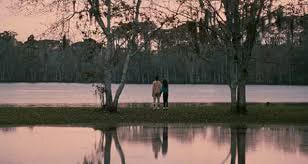
One person in our discussion mentioned how beautiful the outdoors looked, how the costumes and landscape created this rich, layered world. I added that the bayou feels intentional, that it feels like a presence watching the family. The title is not just cute a cute name, the environment is part of the story.
The fog, the water, the trees, the isolation of that big house in the swamp, all of it shapes the mood and the characters’ choices. The setting is not just where the story happens, it participates in it.
When we talked about Cicely not fully remembering what happened, one person emphasized that regardless of the exact sequence, she still walked away harmed. “Either way, he hit her,” they said, and that alone would change her forever.
Trauma does not require a perfectly archived play by play. The emotional and physical impact is real, even when the memory is messy or fragmented. I think it’s very important to acknowledge that trauma can impact our ability to recall specific details of the past, but that does not deduct from the harm and impact of said trauma. As an audience, we do not know for sure what happened between Louis and Cisely that night but regardless of whether Cisely’s or Louis’ versions of the events hold more truth to them, we have to also acknowledge that it was a traumatic experience.
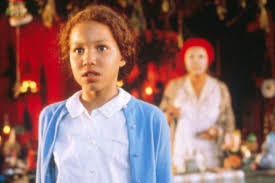
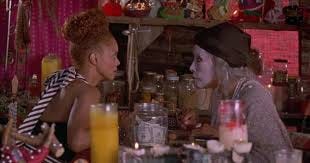
Another BFU member framed the story as “the travesty of using hoodoo to murder someone.” Watching Eve go from curiosity to action with the “hoodoo lady” reminded us that spiritual practices are not toys and they are not neutral.
Someone else joked about how their spiritual friends now make more sense, and how they are glad those friends have a soft spot for them. Behind the humor was a real point: when you call on spiritual power out of hurt, the consequences can spiral beyond what you imagined.
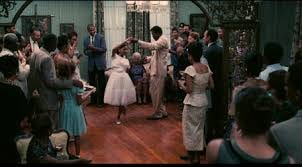
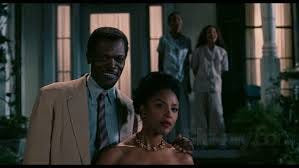
We spent a good deal of time on that opening party scene, where the mom watches another woman dance with her husband very intimately. One person said they simply could not process how calm she looked.
Later, we talked about the dad calling his wife “perfect,” and the wife saying she once saw him as a man who could “fix things” before realizing he was “just a man.” On the surface they are “goals,” but underneath, infidelity and resentment are wreaking havoc on their relationship. The film is very honest about how optics and reality can live in separate houses.
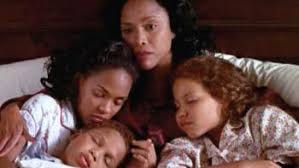
We also talked about the time period. The story takes place in the 1960s. One member reminded us the mother left her family to move out to this small Louisiana town, had three children, and was limited by both gender roles and social expectations.
Even if she wanted to leave, where would she go, and how would she manage with three kids and no nearby support system. It is not just about pride, or “staying for the optics,” it is about survival and the limited choices of that time.
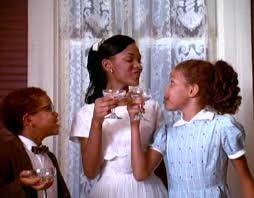
The group definitely needed the scenes where the kids were just being ridiculous. One person laughed about how they were quoting Shakespeare, tangling with snakes, and generally being too bored for everyone’s safety.
We all agreed that in a modern context, these kids would either be outside or on a tablet, because the way they were running around that estate was a hazard. The movie uses their antics as much needed comedic relief in the middle of something very heavy, which is exactly how real life often works.
Several people in the discussion had seen Eve’s Bayou as children and then again recently. The overwhelming consensus was that watching it as an adult is a completely different experience.
Scenes that were “just dramatic” when we were kids now feel like deep commentary on gender roles, family systems, mental health, and generational trauma. Things we laughed off before now land in our chest. For me, that is part of why this film is so powerful, it grows with you and challenges you differently each time.
When I sit with everything we said, Eve’s Bayou feels less like a “who did what” mystery and more like a meditation on perception, memory and consequence. It asks, “What is true,” but also, “What did it feel like, and who had the power to tell the story.”
And even if you cannot fully name how you feel at the end, you know something in you has shifted. That, to me, is what makes a film worth revisiting.
Click here to join our watch party for Daughter of the Dust, tonight (January 22nd) at 8 PM
Please click the link below to add the BFU calendar to your Google Calendar so you receive automatic reminders, updates, and quick access to our watch parties and discussions.
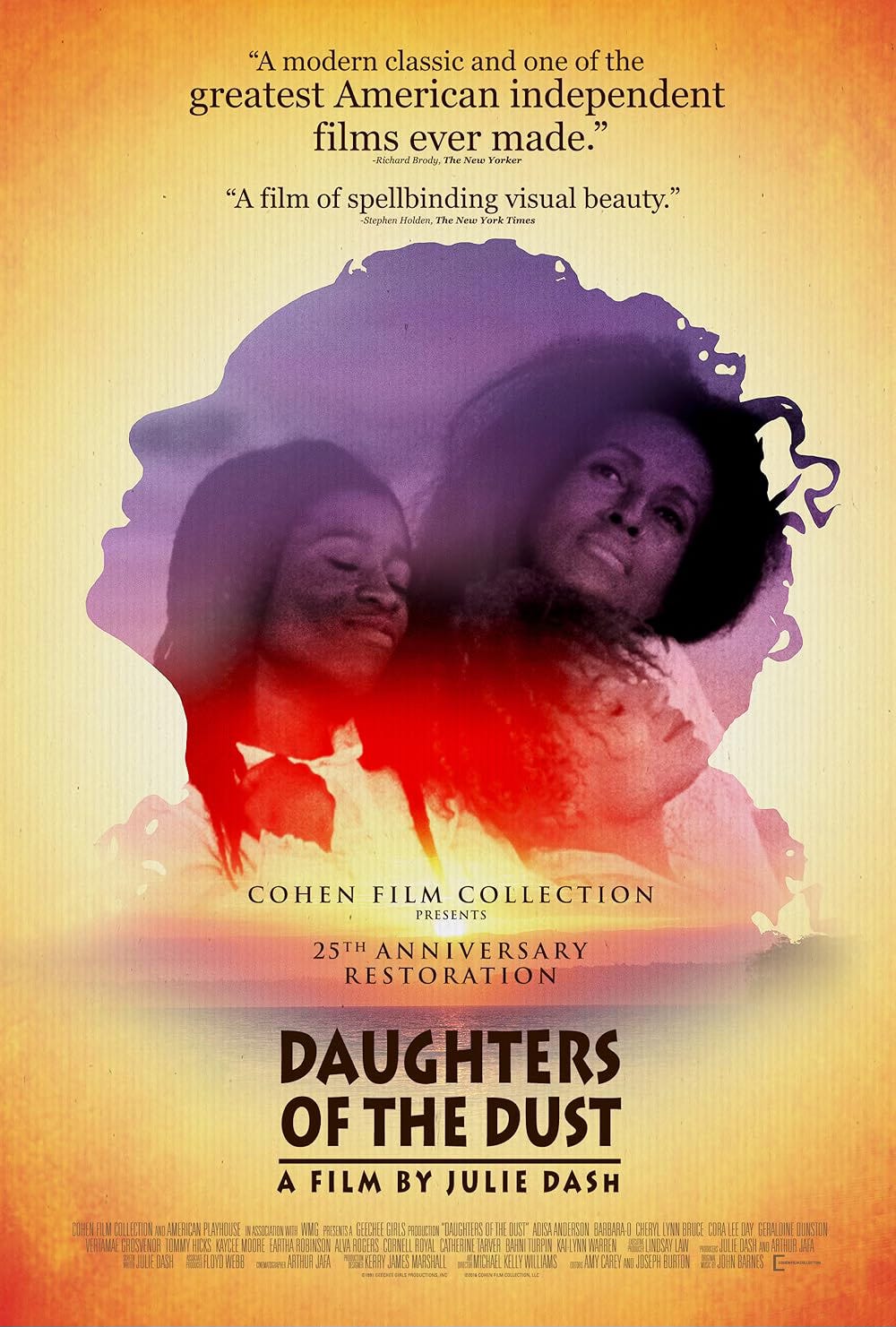
Reminder you can also add the BFU calendar to your personal calendar. If you’re adding it on your phone, please download the Google Calendar app first. The link will prompt you to log in through your browser and then automatically add the BFU calendar to the app.
🗓️ Add Calendar
Here is our book club pick for January. Everyone will read at their own pace and we will discuss the book January 31st. Make sure to check out the discussion question at the end of the book!
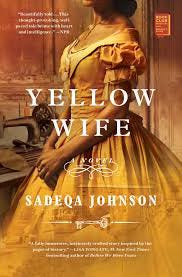
January: Yellow Wife by Sadeqa Johnson
This novel follows Pheby Delores Brown, a woman born enslaved who is forced into a role she never chose as the mistress of a slave jailer. We are reading this because it explores survival, moral compromise, and motherhood under slavery while challenging how we think about agency and power.
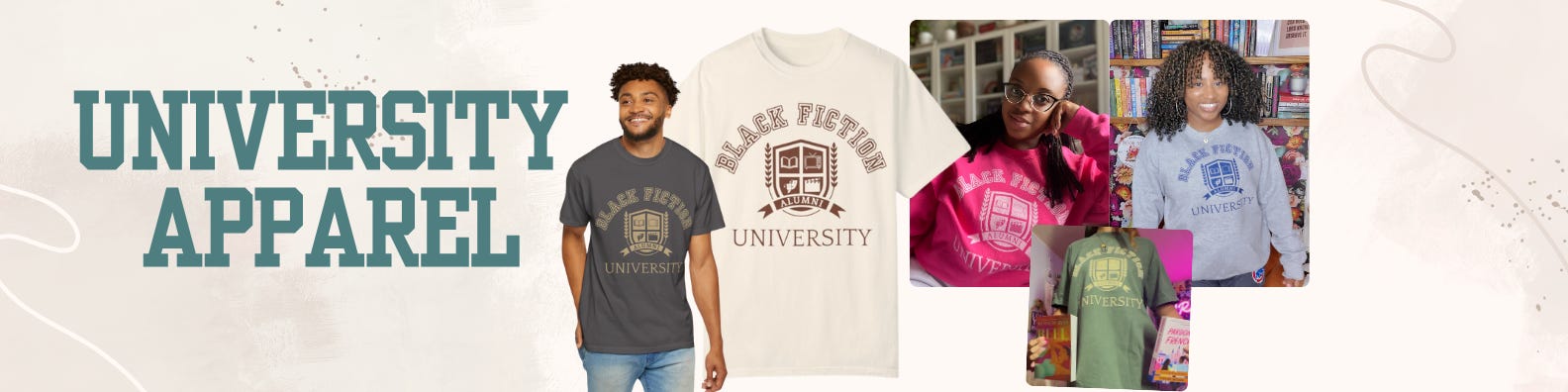
Black Fiction University is a free newsletter, but if you’d like to show your support, you can represent the movement with official BFU apparel. Sweatshirts and T-shirts are available.
To get more out of BFU such as:
Access to video recap of each discussion
Invite to join the “lectures” with industry professionals / Guest Speakers and participate in the Q&A
A chance to win monthly giveaways
Digital Ad Space in our Newsletter (2k+ Subscribers)
…check out our options for upgrading your subscription.
Thank you so much for supporting Black Fiction University! I really appreciate every one of you as I continue refining my formula for creating the best possible experience for you.
Be sure to watch the video below to find out who our giveaway winner is! The winner will receive a code via email for a free BFU T-shirt.
I’m also excited to share that all paid subscribers now have access to the recordings from my previous watch-party discussions you’ll find the link below.
I’m thrilled to announce that Rasheed Newson, television writer and producer known for his work on Bel-Air, The Chi, and more, as well as the author of My Government Means to Kill Me, and ReShonda Tate, bestselling author of more than 50 books including The Queen of Sugar Hill (soon to be adapted for television), will be leading our BFU “Lectures” for February and March.
Paid subscribers will receive a special link to join the live audience for these lecture recordings, where you’ll also have the chance to ask questions during the Q&A portion.
As always, feel free to email me with any requests, ideas, or suggestions that can help make your BFU experience even better. Your feedback helps shape this community.
Love and Basketball (Thesis Contest)
Comments
Nothing yet. Say the first thing.
Sign in to join the conversation.