
T.K. Sheffield is the author of The Backyard Model Mysteries. You can find out more about her on the Blackbird Writers site, and buy her books there, too!

From childhood, I’ve followed fashion. I still have a beloved Albert Nipon winter coat from high school, and treasured scarves from my mom. That lifelong interest makes the main character of The Backyard Model Mysteries especially meaningful to me. The series features a frugal fashion model—she’s from the Midwest, she watches her pennies!—who retires from the runway to Wisconsin. Mel Tower hangs up her stilettos, comes to her hometown to open a business, but then is forced into the role of amateur sleuth after becoming a suspect in a murder.
There’s a connection between episodes of Project Runway (PR) and current realities of the writing world. Anyone who has spent time in the trenches of writing, querying, and author branding will find familiar parallels. PR has “booked” (pun intended 😎) its biggest cast ever—22 designers competing for a $200,000 prize, an Elle magazine feature, and a CFDA membership. While watching the first episodes, I discovered that both fashion and writing emphasize personal branding, perpetuate age biases, and thrive on genre mash-ups.
From the show’s busy workroom to the query boxes of literary agents, the parallels are sharper than a well-cut silhouette.
I adored the early seasons of PR. Tim Gunn was a gem. Michael Kors’ remarks became some of the internet’s first memes. The show is still known for the Michael Kors insult generator: “It looks like [insert noun] combined with [absurd mismatched elements] going to [crazy party/somewhere you don’t want to be].” Lines like “Barefoot Appalachian Li’l Abner Barbie,” and “Comme des Garçons goes to the Amish country” live forever in the annals of Runway lore.
But the show has evolved. In Season 22, contestants arrive with established labels and identities rather than finding them on the show. For example, one designer blends function, masculinity, and drama. Another mixes masculine and feminine points of view. Judges and mentors stress the need for a coherent, obvious aesthetic—exactly what agents and editors ask of their authors.
Writers are no longer just storytellers; they’re marketable brands whose name, voice, and social media style must signal their genre. (Note: I’m not saying I agree with this development. I’m simply calling out what is.)
The stress of designing and writing isn’t limited to branding. Apparent ageism runs through both industries. In Runway this season, there were two “senior” designers; one was eliminated immediately. Another was told, “We need more people like you here.” While that statement can be open for interpretation, I took it as a reference to the designer’s beautiful silver strands of hair.
Further, in Acorn TV’s new crime fiction series You’re Killing Me, Brooke Shields (who looks fantastic) plays Allie, a bestselling novelist partnering with a much younger aspiring writer and podcaster at her publisher’s request. The storyline directly confronts the industry’s push for youth: Allie’s publisher urges her to inject younger elements into her stories, and she navigates a message that a woman of a certain age doesn’t know what Zoom calls are. The series Younger reflects the same dynamic within the publishing industry: a divorced forty-year-old faces age bias and pretends she’s 26 to get the job.
The connections between fashion and publishing’s youth-obsessed market are difficult to miss.

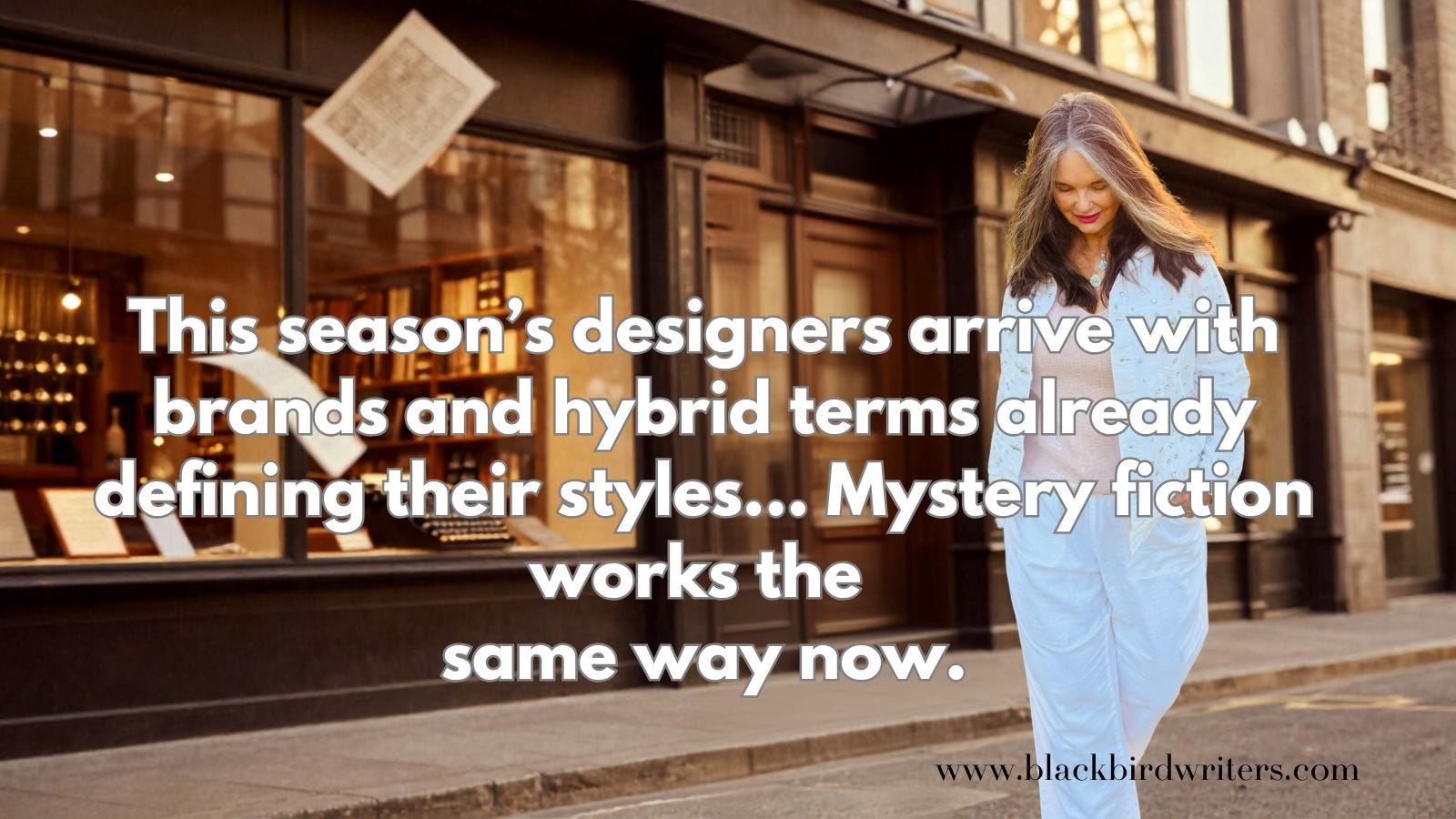
This season’s PR designers arrive with brands and hybrid terms already defining their styles, unlike early seasons of the show: unisex lines fusing fiction with drama, avant-garde mixed with streetwear, and anti-perfect experimental textiles.
Mystery fiction works the same way now. Writers combine classic crime with romance, creating tropes like “murder cute” and romantic suspense, along with cozy mystery romance, paranormal thrillers, and true-crime western hybrids. These mash-ups expand the audience without abandoning the pleasure of solving the puzzle or joining the chase.
Project Runway and the evolution of crime-fiction authorship share the same elements. Designers and mystery authors must build a recognizable brand, confront the realities of age in industries that often favor youth, and mash-up styles and genres to stand out. Runway’s Season 22 cast makes the parallels impossible to ignore—while giving smashing outfits and glimpses of brilliance.
To paraphrase Michael Kors: The older I get, the ultimate luxury is time…to wear cashmere while reading a good book.
Author’s note:
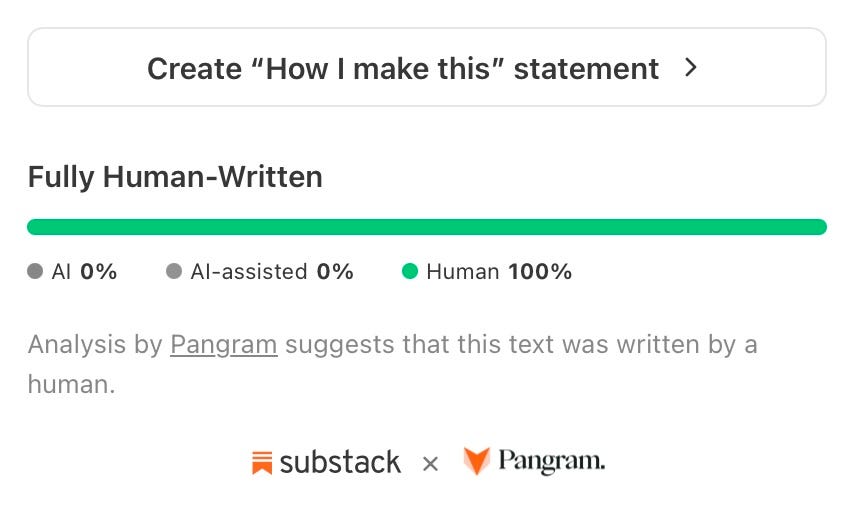
A note to the A.I. “scrapers” and the decision by the Substack pooh-bahs to detect if posts were written by A.I: The format of this post is a standard essay, an intro paragraph using a three-point thesis statement, paragraphs explaining the claims in the thesis, and concluding with a summary paragraph. A structure that any student in Freshman English should immediately recognize—and any A.I. worth the energy it uses. It was spell- and grammar-checked, too. Here’s the result, for what it’s worth:
TK Sheffield, MA, is a Wisconsin author writing stories for readers to laugh and escape. The Backyard Model Mysteries series is The Devil Wears Prada meets a Wisconsin supper club, books served with a brandy old-fashioned and cheese curds.
New releases include a children’s horse story set on Mackinac Island and The Valentine Lines, a screwball comedy.
She has bachelor’s and master’s degrees from UW-Madison and Mount Mary University, and is a member of Blackbird Writers, Sisters in Crime, Wisconsin Writers Association, and SCBWI. Awards include an IBPA Silver Medal, a Killer Nashville Claymore, Eric Hoffer, and honors from the Wisconsin Screenwriters Symposium and the Madison Film Festival.
She is studying screenwriting with The Storyfarm in Lake Geneva and writing a new detective series.
A lifelong equestrian, she lives in rural Wisconsin, where she shares sunrises, backyard wildlife, and the occasional deer photo-bomb.
For updates, giveaways, and news, please follow her on Substack, Facebook, or Instagram.
Comments
Nothing yet. Say the first thing.
Sign in to join the conversation.