
In the midst of shifting global alliances, funding cuts, and dire predictions about Africa’s ability to weather health crises without foreign aid, Uganda’s recent success in containing an Ebola Sudan virus outbreak tells a different story. It’s a story of resilience, leadership, and a continent rewriting the tired narratives about dependency. This piece reflects on what Uganda’s success and those of its neighbors should teach us about the future of global health.
This past week, Uganda officially declared the end of its latest outbreak of Ebola Sudan virus, one of four Ebola virus species known to infect humans and cause deadly disease. This milestone is significant not only because Sudan virus outbreaks have historically been devastating, but because Uganda achieved containment amid a rapidly shifting and often hostile global health funding landscape.
Since the United States' withdrawal from the World Health Organization and cuts to foreign aid, a dominant narrative has warned that countries across Africa would be unable to respond to emerging infectious threats without foreign intervention. Uganda's response and those of its regional neighbors powerfully proves otherwise.
The outbreak was declared on January 30, 2025. By April 25, Uganda had reported just 12 confirmed and two probable cases, including four deaths (case fatality ratio[CFR] of 29%). Through rapid contact tracing, quarantine, and effective clinical care, Uganda swiftly contained the outbreak. Even more striking: within four days of the outbreak being declared, Uganda launched a clinical trial of an experimental Sudan virus vaccine, a virus for which there is currently no licensed vaccine. This response marks a significant improvement over previous Sudan virus outbreaks in the country, including the 2000–2001 outbreak (425 cases, 224 deaths; CFR 53%) and the 2022–2023 outbreak (164 cases, 74 deaths; CFR 47%).
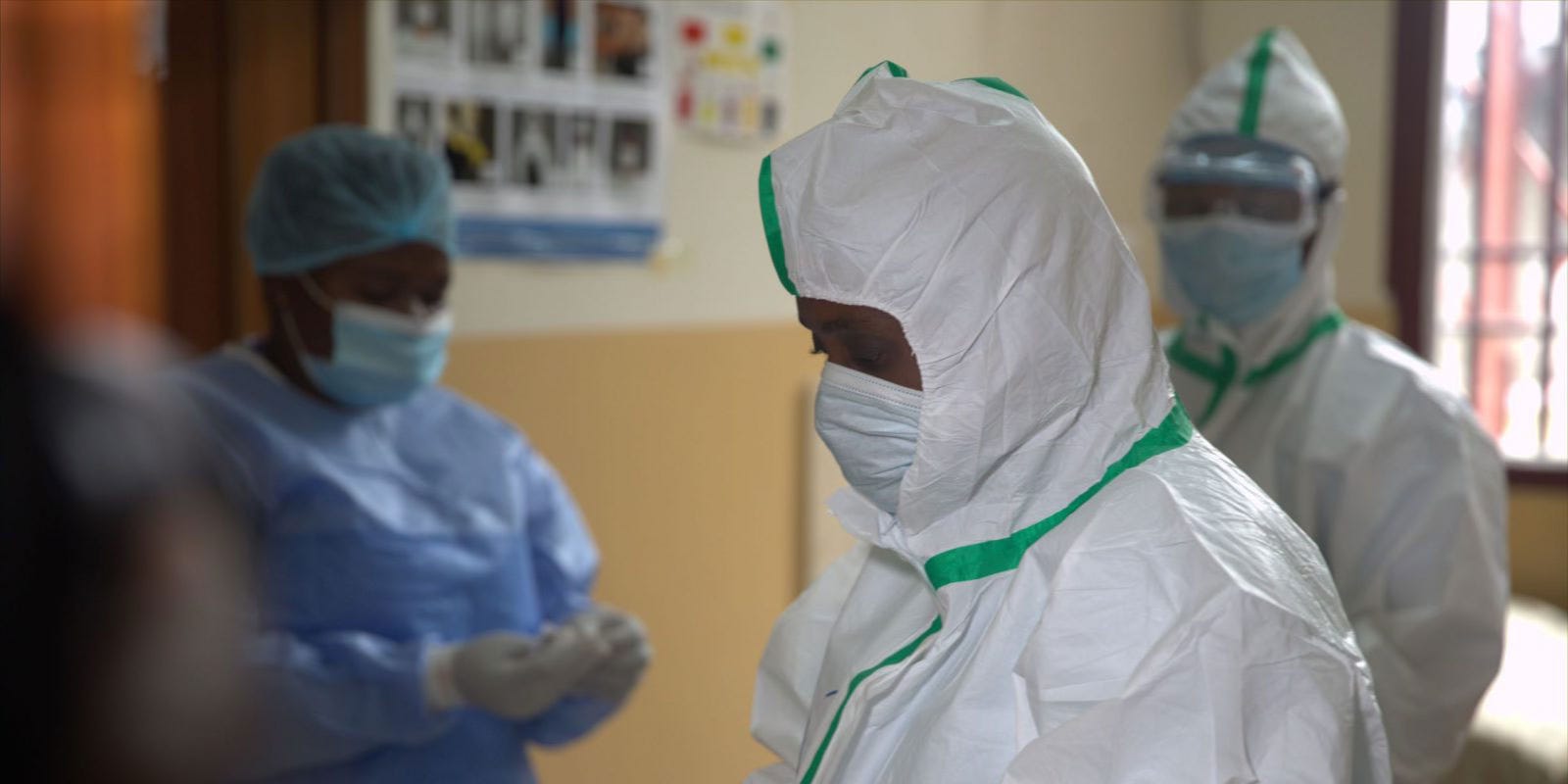
These successes are not accidents. They are the result of sustained investments in outbreak and pandemic preparedness across the African continent. Following the devastating 2014–2016 West Africa Ebola outbreak and more recently COVID-19, countries have had to strengthen their health systems, build rapid response capacity, and developed research infrastructures capable of launching clinical trials under emergency conditions. Filovirus outbreaks like Ebola and Marburg have historically had case fatality rates reaching 70%. Yet today, the dividends of prior investment are clear: improved containment, licensed Ebola Zaire vaccines, and the growing prospect of licensed vaccines for Marburg virus disease and Sudan virus.
In the past six months, three separate viral hemorrhagic fever outbreaks across East Africa have been contained with extraordinary speed and coordination:
Rwanda, from September to December 2024, managed its first-ever Marburg virus disease outbreak. Sixty-six cases were confirmed, including 15 deaths (23% CFR). Rwanda also achieved the first successful intensive care management of critically ill Marburg patients in Africa and embedded vaccine trials into its response.
Tanzania, in January 2025, contained a smaller Marburg outbreak — just two confirmed and eight probable cases — within a month.
These outcomes stand in sharp contrast to predictions of collapse and uncontrolled spread following reductions in foreign support.
Despite these real-world successes, a persistent narrative warns of the total collapse of healthcare systems across Africa following cuts to U.S. foreign aid. A recent modeling study predicted that without the approximately US$12 billion the United States spent on global health in 2024, up to 25 million additional deaths could occur over the next 15 years, largely due to disruptions in programs targeting tuberculosis, HIV, family planning, and maternal and child health.
These warnings are important for underscoring the urgency of the situation. However, while the sudden loss of funding creates a serious vacuum, such projections can easily slip into stereotypical portrayals of African nations as wholly dependent on foreign aid. They often overlook a critical reality: foreign aid is rarely without conditions, and its benefits are far from one-sided.
For example, the United States stands to incur substantial financial and strategic losses from cutting aid to Africa, including negative impacts on American businesses, diminished geopolitical influence, and heightened national security risks. U.S. industries that supply goods and services for aid programs such as agriculture and healthcare, are likely to suffer, while opportunities for market expansion and resource access may be ceded to global competitors like China. Moreover, foreign aid has historically contributed to political stability in regions critical to U.S. security interests, making the potential fallout from these cuts far more costly than the $12 billion annual investment currently made.
Ironically, while global health investments are shrinking abroad, the U.S. is contending with its own unraveling public health infrastructure. Under the leadership of RFK Jr., a known purveyor of medical disinformation, funding for local health departments and the CDC has reached historic lows.
Imagine what would happen if a case of Marburg or Ebola were imported into this weakened environment. The only reason that scenario hasn’t materialized is because African countries stopped outbreaks at the source.
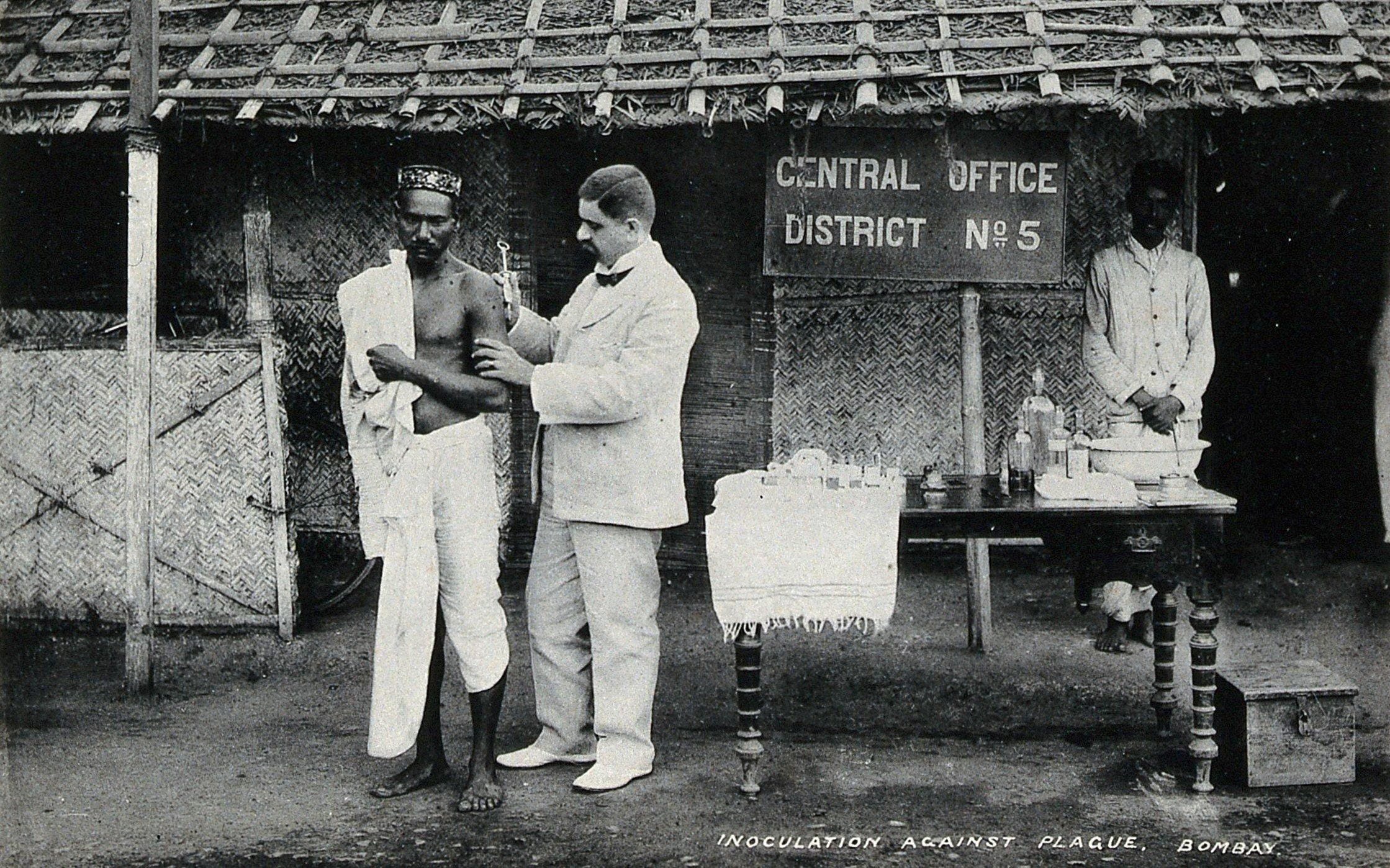
A deeper examination of global health’s history and its colonial origins reveals that these narrative flaws are not new. Colonial-era campaigns to control tropical diseases were rarely motivated by altruism; rather, they aimed to protect colonial settlers and ensure the continued exploitation of lands and peoples. These efforts also routinely dismissed or suppressed local medical knowledge, branding it as primitive or irrelevant. Although today’s global health frameworks have evolved, they still risk replicating these dynamics unless equity, genuine partnership, and local leadership are intentionally centered.
While foreign support has helped strengthen healthcare systems and advance research, the products of collaborative studies involving African populations have not always been equitably accessible to those communities, nor have the contributions of local leaders been adequately recognized. For global health partnerships to be truly transformative, their benefits must be mutual rather than extractive and built with sustainability in mind. Equally important, we must shift how global health is framed: who benefits, who is labeled "dependent," and who is positioned as the "savior" must all be critically re-examined.

As we grapple with the fallout from funding losses, it is crucial not only to amplify Africa’s recent successes but also to reframe the narrative. We must confront the historical roots of dependency, dismantle the systems that perpetuate inequity, and focus on breaking the cycle not reinforcing it through negative portrayals that risk infantilizing an entire continent and its people.
A total reimagining is needed: one that inspires hope, acknowledges resilience and growth, and builds new narratives that finally uproot the damaging legacies of the past. The recent successes in Uganda, Rwanda, and Tanzania challenge entrenched ideas of “white saviorism” and dependency. They remind us that when investment builds sustainable capacity and when local leadership is centered, African countries are not only capable of protecting their own populations, but of setting global standards for outbreak response. The world benefits from this, not just Africans.
We should not simply lament the loss of foreign aid. We must champion these victories as proof that investment in African-led systems works and that the return on that investment is global safety. Collapse and despair should never be accepted as the inevitable outcome of one foreign country’s withdrawal of support. Dependency is a narrative, not a destiny. It’s time we stopped mistaking one for the other.
If you enjoyed this piece, please consider sharing it. Reframing global health narratives starts with amplifying stories of resilience and leadership and your voice helps make that possible.
No posts
Comments
Nothing yet. Say the first thing.
Sign in to join the conversation.