
The end of the year is usually a time of mixed emotions for me. I love the laughter, the togetherness, and the gentle chaos that comes with holiday gatherings. But as an infectious diseases doctor, nothing tests my ability to relax quite like an office party potluck. While everyone else sees trays of joy and community, I see outbreak potential. I’ve seen too many consults triggered by well-intentioned casseroles and dips that spent just a little too long on the table.

The potato salad left out since noon? Staphylococcus aureus waiting to strike. The rice that cooled on the counter overnight? A playground for Bacillus cereus. The creamy dip by the chips station? Possibly harboring Norovirus, the king of winter outbreaks and the reason “stomach flu” can take down entire departments in 48 hours. If you don’t believe me, read this story from last year where a noodle dish brought to an office potluck in Maryland resulted in 46 people who ate the dish being taken to hospital for food poisoning.
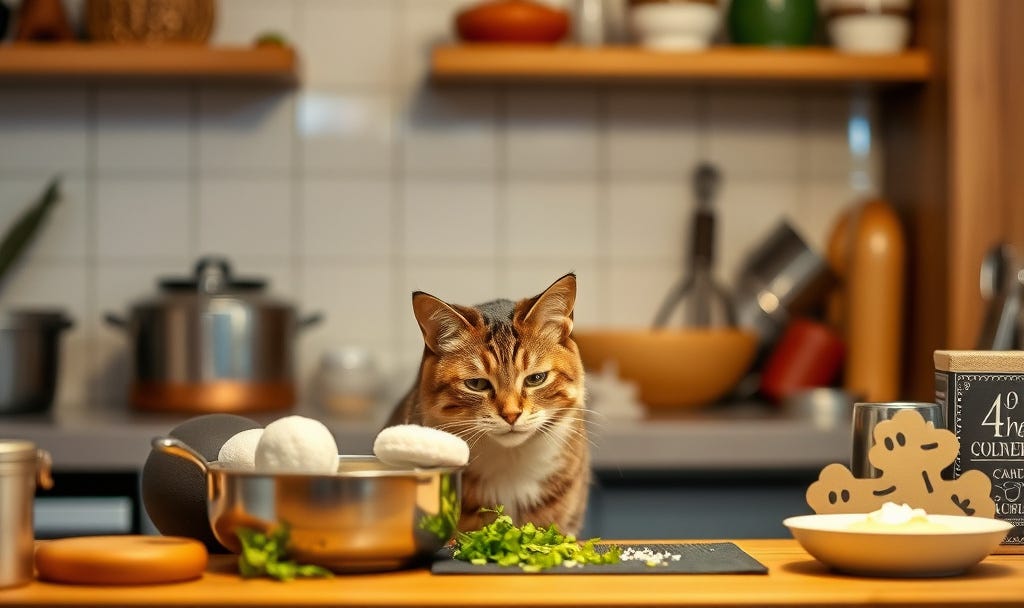
No one brings food to a potluck intending to spark an outbreak that lives in workplace legend, but the combination of homemade dishes, questionable refrigeration, and the occasional cat sous-chef makes for a microbial minefield. So, in the interest of keeping both your holiday spirit and your intestinal tract intact, here’s my guide to navigating the season’s potlucks and office parties food-poisoning free.
The Danger Zone
Most foodborne bacteria thrive between 41°F and 140°F (5–60°C), the aptly named “danger zone.” Food that sits too long at these temperatures becomes a rich culture medium. The two-hour rule is non-negotiable: after that, bacterial counts can double every twenty minutes. Common offenders include Clostridium perfringens (the “cafeteria germ”), Salmonella, and E. coli O157:H7. All can cause severe gastrointestinal illness, and all love a warm buffet. Keep hot foods hot, above 140°F (60°C), using slow cookers or chafing dishes, and cold foods cold, below 40°F (5C), preferably nestled in ice. When in doubt, throw it out, I know grocery prices are high but there is no glory in being stoic about spoiled shrimp cocktail or sushi.
Preparation: Where the Outbreaks Begin
Failure to cool food properly is one of the leading causes of foodborne illness. Large pots of stew or chili need to be cooled in shallow containers no more than two inches deep to allow heat to escape quickly. Never partially cook food to “finish later”; bacteria such as Clostridium perfringens flourish in half-cooked environments. Plan ahead. Prepare dishes close to serving time whenever possible. And remember that some foods like cooked rice and potatoes can be deceptively risky because they provide ideal moisture and nutrients for bacterial growth once cooked.
Hygiene and Cross-Contamination
Good hygiene remains the simplest and most effective infection-control measure we have, whether you’re in an ICU, an operating theater or your kitchen. Wash hands with soap and water before, during, and after food preparation. Use separate cutting boards for raw meats and ready-to-eat foods. Wash knives and utensils thoroughly after contact with raw poultry or seafood. Cross-contamination is how your “fresh” salad ends up contaminated with Campylobacter from the cutting board that previously hosted the chicken. One careless step can undo even the most perfect cooking.
Cooking: Data-Driven Doneness
Undercooked meat can be hazardous:
Cook beef, lamb, and pork to at least 145°F(63°C) (medium rare, after a three-minute rest).
Ground meats and egg dishes should reach 160°F (71°C).
Poultry and stuffing require 165°F (74°C).
Viruses and parasites like Giardia, Toxoplasma gondii and Trichinella are killed at these temperatures. A cooking thermometer costs less than a co-pay in an emergency room or a visit to my office; use one.

The Human Factor
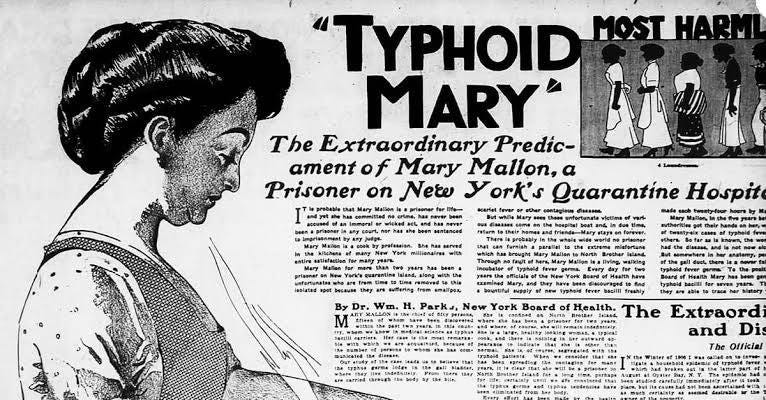
Roughly one in five food-borne illness outbreaks in the U.S. each year is linked to an infected food handler (who may be symptomatic or asymptomatic). A single asymptomatic norovirus carrier can contaminate hundreds of servings. If that sounds dramatic, meet the original celebrity culinary super-spreader: Typhoid Mary. Mary Mallon was an early-1900s cook who managed to infect at least 51 people (possibly more than 100) with typhoid fever all while looking perfectly healthy. After public health officials tracked her down, she was quarantined… twice! The first time didn’t stick; she simply changed her name and went back to cooking. The second time lasted the rest of her life. If you are sick or recovering from a “24-hour bug” please sit this one out. Bringing sealed store-bought cookies is a completely acceptable act of public health heroism strongly endorsed by your friendly neighborhood ID doc.
Transport and Service
If you’re bringing food to share, think like an epidemiologist. Hot foods belong in insulated containers packed right before you leave; cold foods ride in a cooler with ice packs. Transport food separately from pets or groceries. Once at the event, use clean serving utensils. Don’t top up half-empty platters replace them with freshly filled ones. Keep serving portions small so food isn’t left at room temperature for long. After two hours, unserved dishes should be refrigerated or discarded. The bacteria don’t care how expensive the ingredients were.
How to Handle Leftovers
Immediately refrigerate or freeze food that wasn’t served. Divide it into shallow containers to speed cooling. For thick foods like stew, aim for no more than two inches of depth; for soups, three inches. Keep your refrigerator below 40°F (4 degrees centigrade). Any food that sat out on the buffet? Thank it for its service and let it go. No amount of microwave reheating can undo four hours in the danger zone.
Final Thoughts
Foodborne illnesses send an estimated 128,000 Americans to the hospital and kill about 3,000 each year numbers that rise every holiday season. Most are preventable with simple precautions: clean hands, separate cutting boards, adequate cooking, and prompt refrigeration.
So, this year, may your potluck plate bring you joy, not Giardia. Celebrate, connect, and remember that a little microbiologic awareness is the secret ingredient to a truly safe holiday feast. Keep hot food hot and cold food cold. And if it’s been sitting out long enough to require a risk-benefit analysis just skip it. Nothing grows in alcohol so if you would rather not risk it, indulge safely in the festive booze.

Happy Holidays, whichever ones you celebrate!
If you enjoyed reading this piece, consider sharing it with others and subscribing so you never miss a post.
Comments
Nothing yet. Say the first thing.
Sign in to join the conversation.