
Hi everyone! Here is an edited version of the script for my latest video. I’m working on some TCMFF highlights now, so I hope you can enjoy this in the meantime.
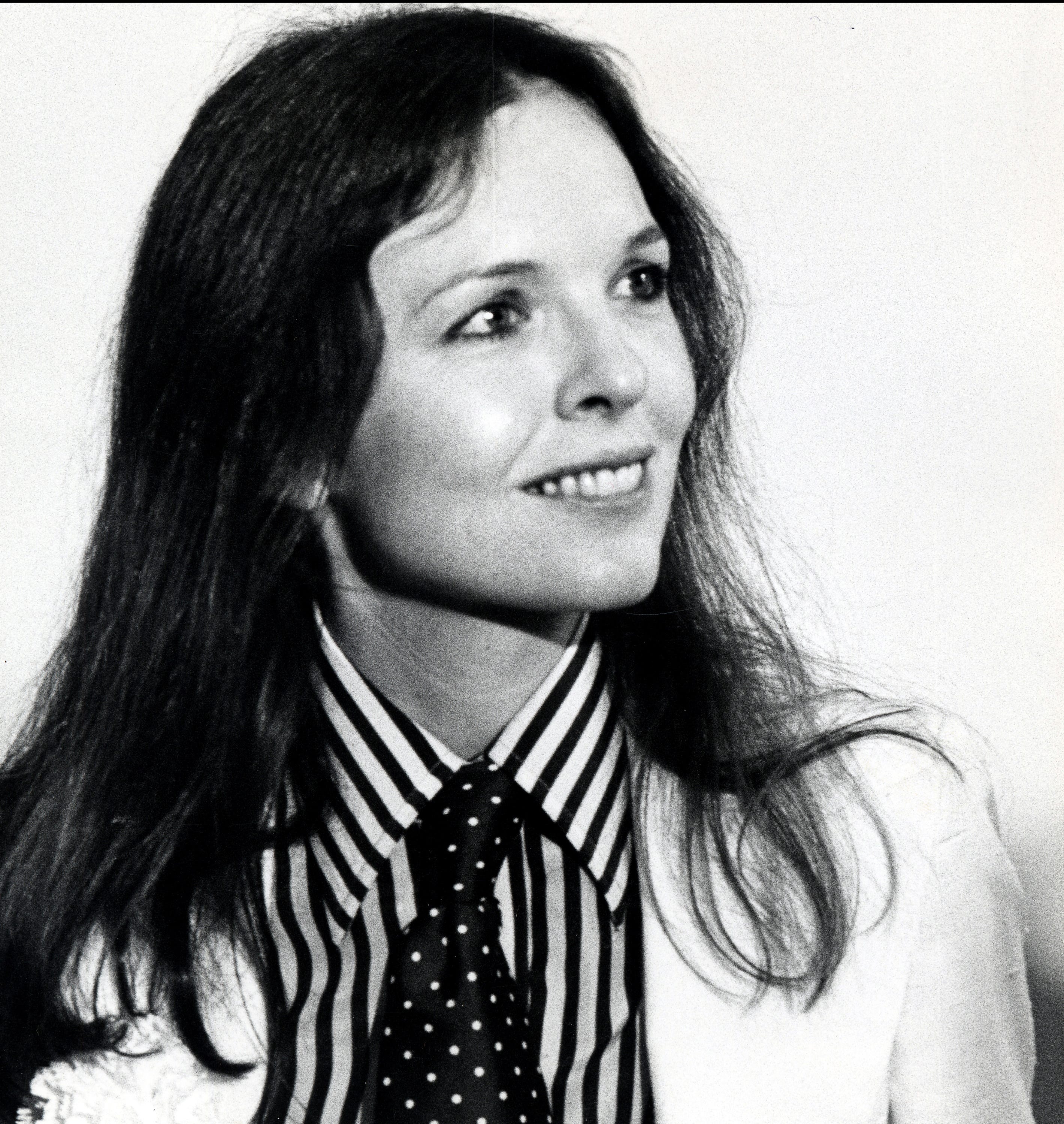
If you were an avid theatergoer in New York City in 1968, you might’ve known who Diane Keaton was. If you knew her, you knew her as the one cast member in Hair, a rock musical about the counterculture lifestyle of hippies, who refused to take her clothes off for the musical’s infamous nude scene. “It wasn’t for any sort of philosophical reason,” she later told The New York Times. “It was just that I was too scared.” No one on the show pressured her to do anything she didn’t want to do—thank god. But in remaining clothed, she unwittingly established a truism that would last throughout her career. Diane Keaton’s strength was her singularity. Her instincts, her idiosyncrasies, even her insecurities coalesced into something absolutely unique that would always grab your attention. She remained in Hair for 9 months, before attending an audition that would alter the fate of her career forever: Woody Allen’s latest play, Play It Again, Sam.
(Of course, we have to address the tiny, bespectacled elephant in the room. This period in Keaton’s career is inextricably linked with Woody Allen. My approach is to accurately and honestly illustrate how critics and audiences discussed films upon their release, and in order to do that here, we have to understand Keaton and Allen as collaborators. This should not be read as excusing his behavior or that I believe we should turn a blind eye. I think there’s like a place and an occasion to litigate how we address the work of men like him, but for now, especially in the wake of Diane Keaton’s passing, it’s important to me to honor her career and to give her the credit she so deserves.)
By 1969, Woody Allen was an established, respected name in comedy. He’d recorded albums, performed standup regularly on stage and on television, hosted television specials starring some of the biggest names in the industry, wrote and directed films. In 1966, he wrote his first Broadway play, Don’t Drink the Water, a farce about the American Ambassador to a fictional country behind the Iron Curtain, which was a massive success and ran for over 500 performances. All of this is to say, a role in one of his plays would have been a really nice step for someone who had only just made her Broadway debut. The pair clicked right away at her audition, bonding over social anxieties that they exorcised on stage every night. “We both have our definite problems,” she told The New York Times. “I understand him and he understands me. When I first read for the part in the play, I remember thinking that Woody seemed as scared of me as I was of him. And you know, he really was.” The show was enormously successful—playing for over 400 performances on Broadway and earning Keaton a Tony nomination for Best Featured Actress in a Play.
Shortly after the play closed, she made her film debut in Lovers and Other Strangers, a romantic comedy in which a young couple prepares for their wedding as their loved ones’ marriages fall apart around them. Keaton plays the WASPy daughter-in-law, navigating her relationship with her colorful Italian-American in-laws as her feelings for her husband fade. No wonder Francis Ford Coppola saw this performance and called her in to screen test for The Godfather. He later said in an interview, “I saw her in a movie called Lovers and Other Strangers and I just thought she was cute. She was so eccentric and weird.”
The Godfather and its sequel, released two years later, Keaton plays Kay, Michael Corleone’s fiance then wife, who grows increasingly alienated from him as he embraces the family business. I obviously don’t want to understate the impact of The Godfather on Keaton’s career—we all know how monumentally successful those films were—but going back and actually looking at her press coverage from this time, it’s actually amazing how infrequently The Godfather comes up. Although the films need Kay to successfully chart Michael’s moral decay, she is by no means a focal point in either film, and Keaton (like Kay) would essentially be sidelined in in the press for the titanic, masculine personalities of Francis Ford Coppola, Al Pacino, Marlon Brando, and later Robert DeNiro.
If The Godfather came up in interviews or articles about her, it was usually as a brief aside. In fact, she’s barely even acknowledged in reviews of the films themselves. For example, when The Godfather Part II came out in 1974, after Keaton had become more of a name, New York Times critic Vincent Canby quickly mentions her as Michael’s “square, long-suffering wife;” Pauline Kael and Roger Ebert do something similar. John Dorr of The Hollywood Reporter simply notes she’s returned to re-create her role, and that’s pretty much it. Even Michael Schumacher’s biography of Coppola spends pages and pages detailing how Pacino and Brando were cast and doesn’t even bother to explain why they wanted Keaton—she simply just appears at rehearsal.
So while The Godfather clearly affected her career in terms of credibility and visibility—funnily enough there are multiple meta references to it in her other films from this time—she really made a name for herself in Woody Allen’s films. And her performances in those films dominated the way she was discussed by critics, which makes sense, given how much more substantial the roles were.
Comments
Nothing yet. Say the first thing.
Sign in to join the conversation.