
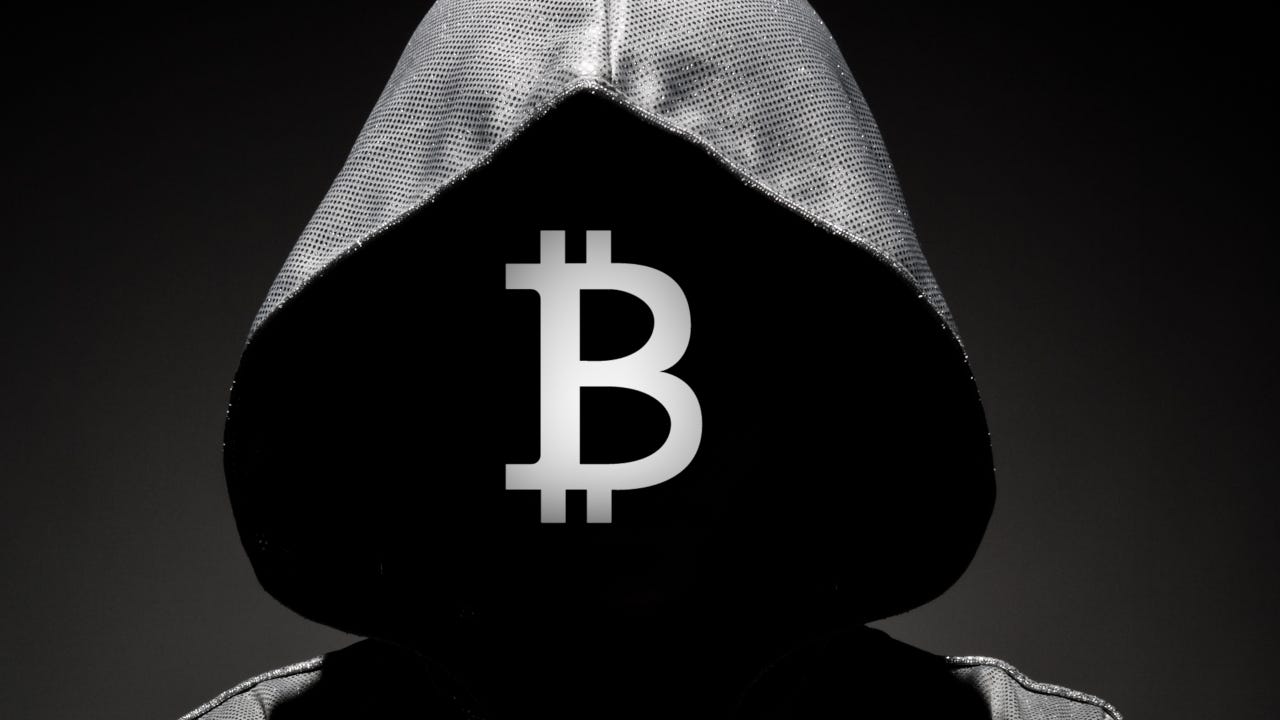
The Many Faces of Satoshi Nakamoto
In 2014, the world thought it had its answer.
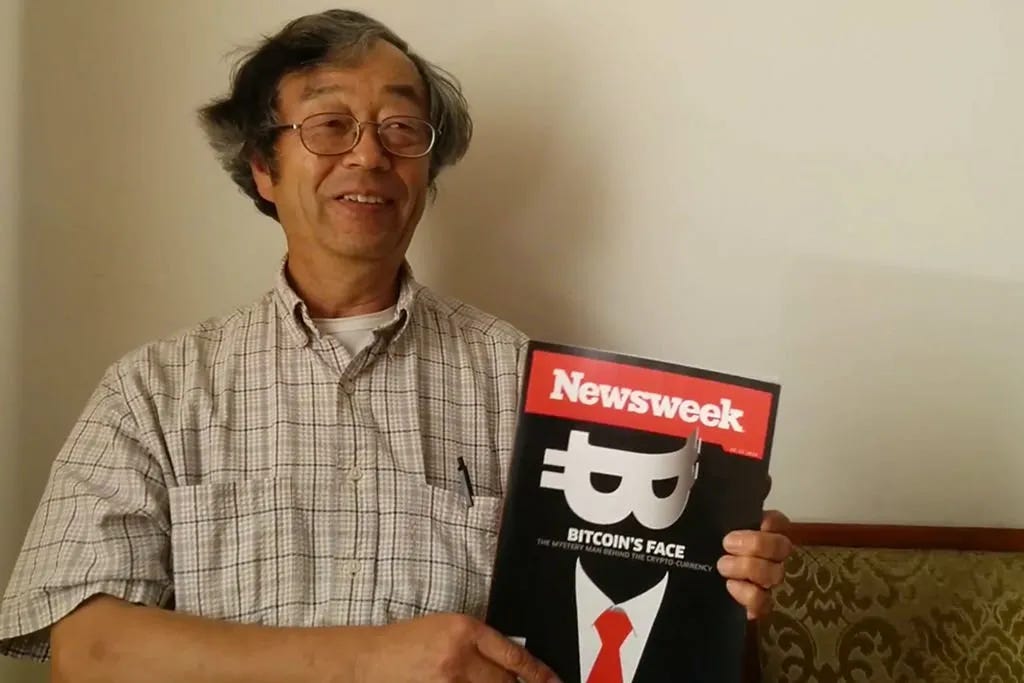
A Newsweek investigation pointed to a quiet man in California: Dorian Nakamoto.
The story leaned on a web of coincidences: his name, his background, a few ambiguous quotes. It felt convincing.
Until it wasn’t.
Within days, the narrative unraveled.
And then, something even stranger happened: a long-dormant account associated with Satoshi Nakamoto resurfaced briefly to say, “I am not Dorian Nakamoto.”
And just like that…
We were back where we started.
No closer to the truth.
Enter Adam Back
More than a decade later, the question still lingers and occasionally resurfaces in new forms, be it a documentary or a one-off investigative piece.
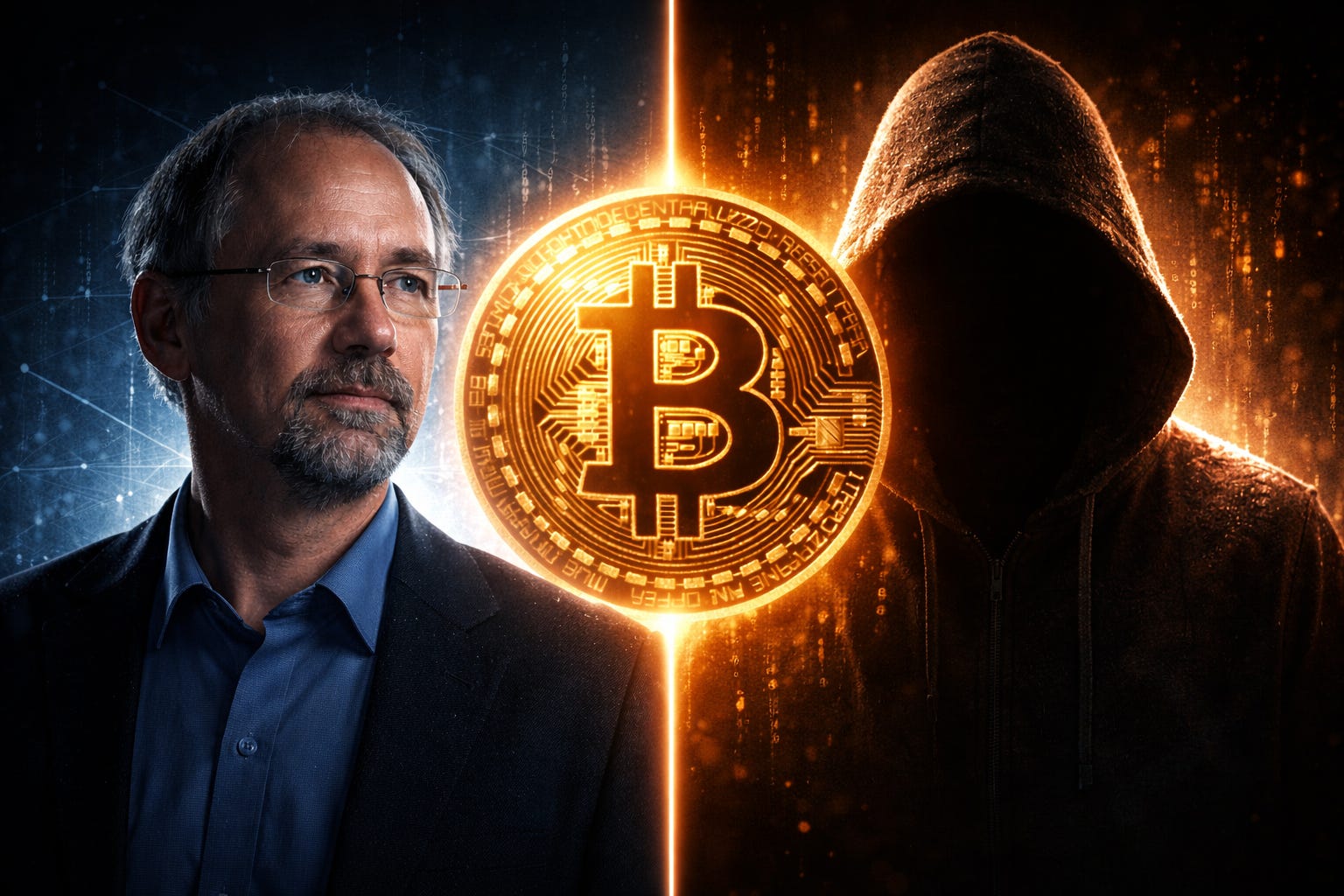
A recent piece from John Carreyrou in the The New York Times revisited one of the most enduring candidates: Adam Back.
If you were going to construct Satoshi from scratch, Back would check a lot of boxes. He created Hashcash, a proof-of-work system that Bitcoin would later build upon. He was one of the first known people Satoshi reached out to via email. He’s British, and Satoshi consistently wrote in British English. He founded and runs one of the biggest companies in the Bitcoin industry.
On paper, it fits.
But like every serious candidate before him, Back has long denied being Satoshi. And realistically, that denial doesn’t move the needle much either way.
If he were Satoshi, or part of a small group more or less operating under that name, Back would almost certainly deny it.
That’s part of the paradox.
The Case for Hal Finney
Then there’s Hal Finney.

A legendary cryptographer. The recipient of the first Bitcoin transaction. A direct collaborator with Satoshi in the earliest days.
Finney lived just blocks away from Dorian Nakamoto, another strange coincidence that fueled speculation for years.
He, too, denied being Satoshi.
And unlike many others, Finney’s reputation remained pristine. No grand claims. No attempts to capitalize on the mystery.
Just quiet, key contributions to Bitcoin.
The False Claimants
While some candidates are built on circumstantial evidence, others have simply claimed the title outright. I won’t name names here but you can go look them up. Time and again, those claims have fallen apart, or failed to meet the burden of proof.
And that’s the thing about Satoshi: proving it isn’t about storytelling. It’s about cryptographic certainty. Signing a message with Satoshi’s known keys would end the debate instantly.
That hasn’t happened.
Meanwhile, Satoshi’s early coins…
Potentially over a million bitcoin…
Have never moved.
Not once.
The Disappearance
Bitcoin launched in 2009.
By late 2010 into early 2011, Satoshi was gone.
His final messages suggested he had “moved on to other things.” And then… silence.
17 years later, that silence remains intact.
No confirmed identity.
No movement of funds.
No reappearance.
Satoshi could be alive.
Satoshi could be dead.
Satoshi could’ve been one person.
Or several.
We simply don’t know.
Why It Doesn’t Matter
This is where the story shifts.
Because the real answer to “Who is Satoshi Nakamoto?” might be:
It doesn’t matter.
Bitcoin has no CEO.
No founder to interview.
No central authority to pressure or discredit.
There’s no one to subpoena.
No personality to polarize the project.
No leadership scandal that can shake things.
That absence isn’t a bug.
It’s a feature.
Satoshi’s anonymity removed a single point of failure, not just technically, but socially. The same cannot be said about most all other cryptocurrencies.
From Obscurity to Global Asset
It’s easy to forget how quietly Bitcoin began. Even among cypherpunks and cryptographers, early reception was… lukewarm.
The idea didn’t ignite the world.
It took time.
Bitcoin took shape.
From an obscure experiment…
To a global network…
To a digital commodity that has, at times, exceeded a $2 trillion market cap.
Today, Bitcoin is recognized worldwide. Its network continues to grow, secured by its decentralized design, arguably its most important feature.
The Legacy of Satoshi
Whoever Satoshi was, one thing is clear:
He didn’t create Bitcoin in a vacuum.
He built on decades of work in cryptography and digital cash. And in those early days, he was joined by contributors like Hal Finney and others who saw the potential before the rest of the world did.
Bitcoin wasn’t handed to us fully formed.
It was nurtured into existence.
Final Thought
We may never know who Satoshi Nakamoto is. And if Bitcoin succeeds long-term, we won’t need to. Because the system no longer depends on its creator.
It runs without him.
And that might be the most important Bitcoin design decision of all.
Thx for reading!
Bitcoin Binge now hits your inbox every Tuesday morning! Start your day with me and the world’s largest cryptocurrency.
Your mission…
Should you choose to accept it...
Is to…

This message will NOT self-destruct.
Bitcoin is forever. This post can be too.
Share it or revisit anytime!
Something else to read:
Bitcoin 101: Your Quick-Start Guide
Both AI and Bitcoin are among the most important long-duration technologies of the 21st century. Learn more about why that is.
Why Price, Hashrate, and Dominance matter more than anything else.
Is Bitcoin a hedge against inflation? What is a hedge? Find out more.
Is Bitcoin a new unit of account?
Hashrate is the true north of the Bitcoin network. Read this to learn about its role in Bitcoin’s health, security, and future.
I am not an investment or financial advisor. All opinions expressed are mine alone. Read the full DISCLAIMER on the About page.
HODL on Garth.
Comments
Nothing yet. Say the first thing.
Sign in to join the conversation.