
Thanks for reading Jokes Before Blokes! Subscribe for free to receive new posts and support my work.
If you’ve spent more than five minutes around Bitches in Stitches, you’ll know we have a recurring obsession:
Women who get tired of waiting for permission and build the thing themselves:
Comedy nights. Communities. Workshops.
Slightly chaotic personal brands with vision boards and excellent merch.
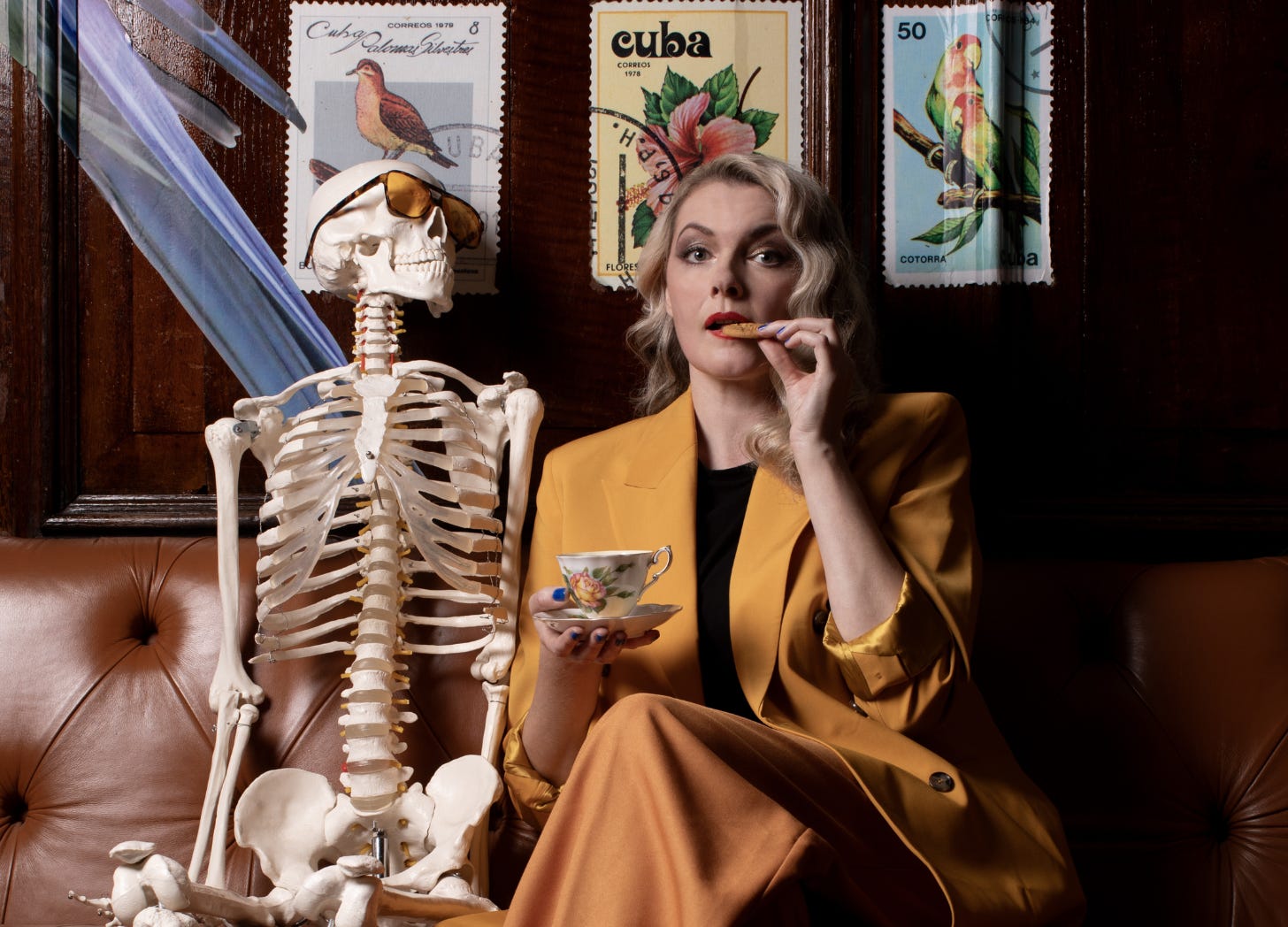
So this week, we’re fangirling over So Hilarious Comedy Workshops, created by comedian, writer, producer and LGBTQ+ comedy fairy godmother Jane Postlethwaite.
Jane first tried stand-up in 2014, wandered into the world of dark comedy characters, took shows to Brighton Fringe, Edinburgh Fringe and Women in Comedy Festival, then found her way back to stand-up after the pandemic — with more stories, more life experience, and (crucially) more things to complain about.
Since then, she’s performed across the North West, created So Hilarious as a women and LGBTQ+ comedy night, built an online comedy education platform, launched apparel, hosted podcasts and continued writing new solo work.
Some people train for marathons. Jane writes a new hour of comedy.
We asked her about coming back to the mic, building spaces for women and LGBTQ+ comics, and why comedy workshops can be the difference between “I’ve always wanted to try stand-up” and “I just did my first gig.”
How long have you been performing stand-up comedy?
I first dipped my toe into stand-up comedy in 2014. After a brief flirtation with stand-up, I wandered off into the world of comedy characters in 2015, mainly because I didn’t want to talk about my personal life at the time and could hide behind my characters.
These characters were also roles I would never be cast in as an actor, so it was fun to do whatever I wanted with personalities and storylines. I went very dark, which felt true to my soul and something female characters are not always given the opportunity to be.
At the time I was living in Brighton, so that led to my first character show, Made in Cumbria, at Brighton Fringe. Over the next few years, I created a collection of characters, sketch shows and slightly chaotic festival ideas which I performed at Brighton Fringe, Edinburgh Fringe and Women in Comedy Festival.
By late 2019, I was back living in Cumbria and felt the pull back towards stand-up. I’d reached an age where I had more life experience, more stories and, crucially, more things to complain about.
I started making the transition back to stand-up, only for a global pandemic to arrive and completely ruin my plans. It was rude, really.
When live comedy finally returned, I threw myself back into it. In 2023, I moved to Manchester for the best part of a year so I could join the Manchester comedy circuit and took every gig I could get my hands on in the North West of England.
If there was a microphone, some form of stage, and the faint possibility of an audience, I was there.
To say, “I have seen some things” would be an understatement in terms of some of the gigs I have performed at. However, it was the perfect way to rebuild my confidence, sharpen my writing and fall back in love with stand-up.
Since then, I’ve focused primarily on stand-up, performing at female-led and LGBTQ+ comedy nights while continuing to develop my own solo work.
One of the things I enjoy most is creating new material, so every year I write pretty much a brand-new hour-long show to take to festivals such as Brighton Fringe and Edinburgh Fringe.
Some people train for marathons; apparently I prefer repeatedly putting myself through the emotional and financial challenge of writing a new comedy show.
What first sparked your interest in stand-up?
I came to comedy through acting. After completing a two-year acting diploma at 30, I realised I loved comedy performance but felt uncertain about the traditional acting route, which relies on you being cast for things because of the way you look or sound on paper.
On a whim, I attended a Funny Women workshop where afterwards , founder of Funny Women, invited me to perform that night at Leicester Square Theatre.
I knew it was a sliding-doors moment and said yes even though I was absolutely bricking it.
Doing that first gig changed the direction of my career and, not to be dramatic… my life.
My first set was far from perfect. I had no ending and literally walked off stage backwards while bowing. But that experience made me determined to learn the craft properly.
I began studying joke writing and structure, and from there I started getting more opportunities and building my career in stand-up.
At the time I was based in Brighton, so I quickly became part of that comedy scene and made loads of new comedy friends.
What kept you coming back to the mic all these years?
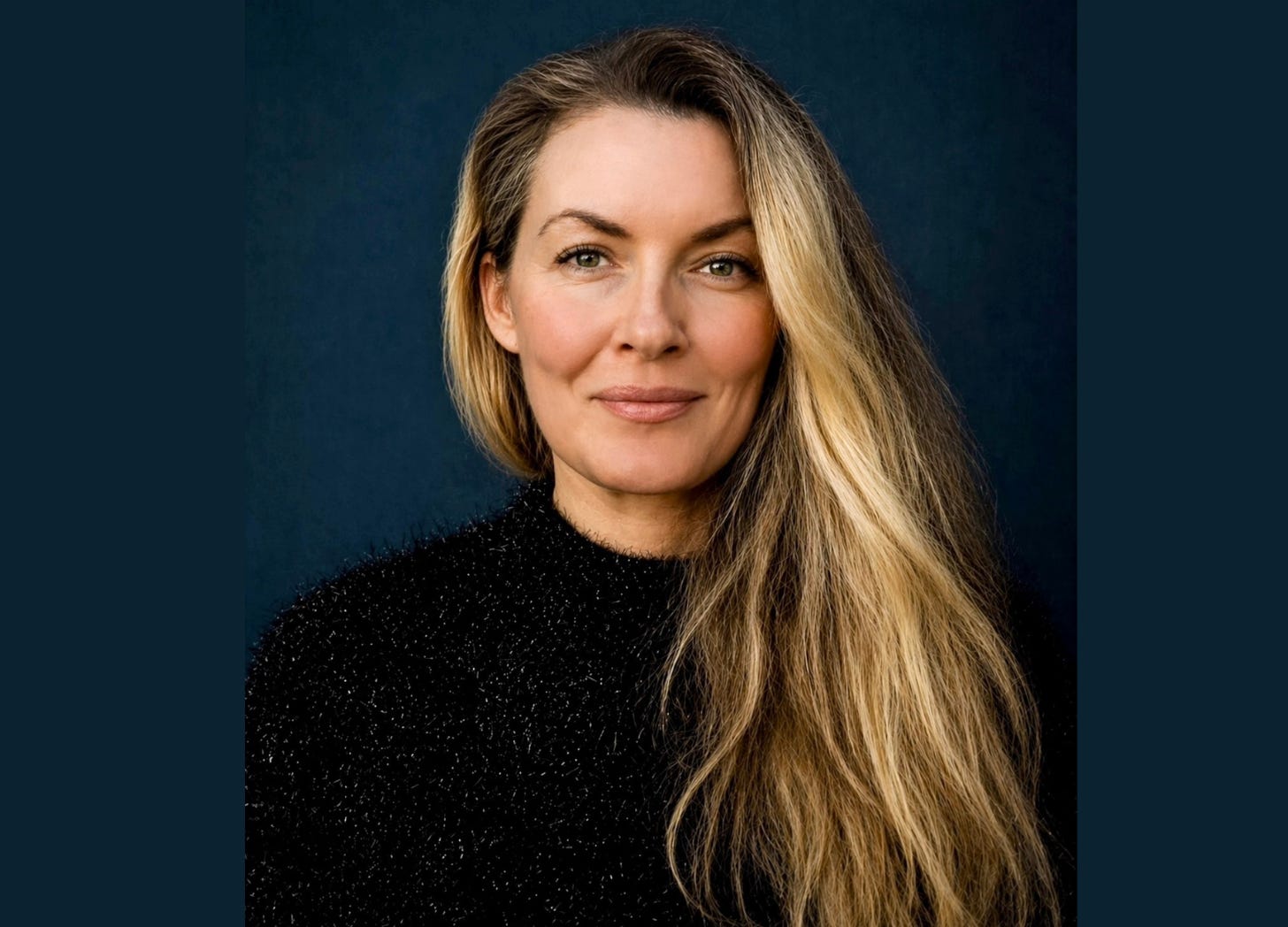
I came back to stand-up because I reached a point in my life where I genuinely had something I wanted to say.
I’ve always loved the art form, but during the pandemic I found myself back living with my parents and, just before turning 40, I came out as a lesbian.
Like many people, I suddenly had a lot of time to reflect. It was a huge turning point for me personally, creatively and, most importantly, comedically.
Coming out gave me a much clearer sense of who I was and what stories I wanted to tell.
When I returned to stand-up, I felt more authentic on stage because I wasn’t performing a version of myself anymore. I was finally speaking from a place of honesty, and I think that made me a better comedian.
I also had control over all the things that happened in my life, even the painful bits, and could rewrite my experiences into comedy material.
When live comedy returned, I also wanted to create the kind of spaces I wished I’d had when I started.
I launched my own women and LGBTQ+ comedy night, So Hilarious, in Manchester. We ran the night from a gay café and it became a welcoming space for new and established performers.
Creating that environment was important to me because comedy is still a very male-dominated industry, and not every room feels accessible, supportive or safe.
The So Hilarious brand has since grown beyond live comedy. It now includes LGBTQ+ apparel, my comedy masterclasses and an online community.
I’ve always been interested in building things independently rather than waiting for permission. That’s one of the reasons I embraced social media, creating silly short videos from my living room and building an audience directly rather than relying on anyone else to control what I can or can’t do.
Alongside stand-up, I also host two LGBTQ+ podcasts. All the Terrible Things explores ghost stories and paranormal experiences within the LGBTQ+ community, while That’s So Sapphic, which I co-host with my girlfriend, comedian Alexi Melvin, celebrates sapphic culture and the women who inadvertently helped us realise just how gay we really were — think Gillian Anderson, Cate Blanchett and Rachel Weisz.
Ultimately, I keep coming back to the microphone because I don’t believe there’s one route into comedy or one definition of success.
We’re living in a time when performers can create opportunities for themselves, connect directly with audiences and build careers on their own terms. That’s something I’ve always found incredibly exciting, and it’s the approach I’ve tried to take throughout my own career.
Oh, and I also update my comedy vision board every six months so I am aligned with the things I want to achieve.
Why is it important to attract and nurture new talent in stand-up?
I think it’s incredibly important to attract and nurture new talent because comedy thrives on fresh voices, different perspectives and people who have lived different lives, no matter their age.
If the industry only welcomes the same types of performers from the same backgrounds, audiences miss out on a huge range of stories and experiences.
One of the reasons I started teaching was because I wanted to create the workshops and masterclasses I wish had existed when I was starting out.
There are some fantastic comedy courses available, but I wanted to offer something a little different. I encourage students to learn from lots of different teachers and approaches because there isn’t one “correct” way to do stand-up. Every comedian ultimately has to find their own voice.
What I bring to my teaching is that I’m still actively building my own career. I’m not teaching from a place of looking back 20 years ago and trying to remember what it was like.
I’m currently writing shows, performing at festivals, creating content, producing gigs and navigating the realities of doing comedy.
That means I can give students an honest and realistic picture of what building a career in comedy looks like today.
A lot of the people who come to my courses are women and LGBTQ+ performers who haven’t always had positive experiences elsewhere. Some have been made to feel unwelcome, judged or simply overlooked in rooms with white cis men.
Creating a supportive and encouraging environment is really important to me because confidence is often the biggest barrier people face when they start.
Most people are far funnier than they realise. They just need the space and encouragement to discover that.
What’s the most rewarding part of teaching comedy?
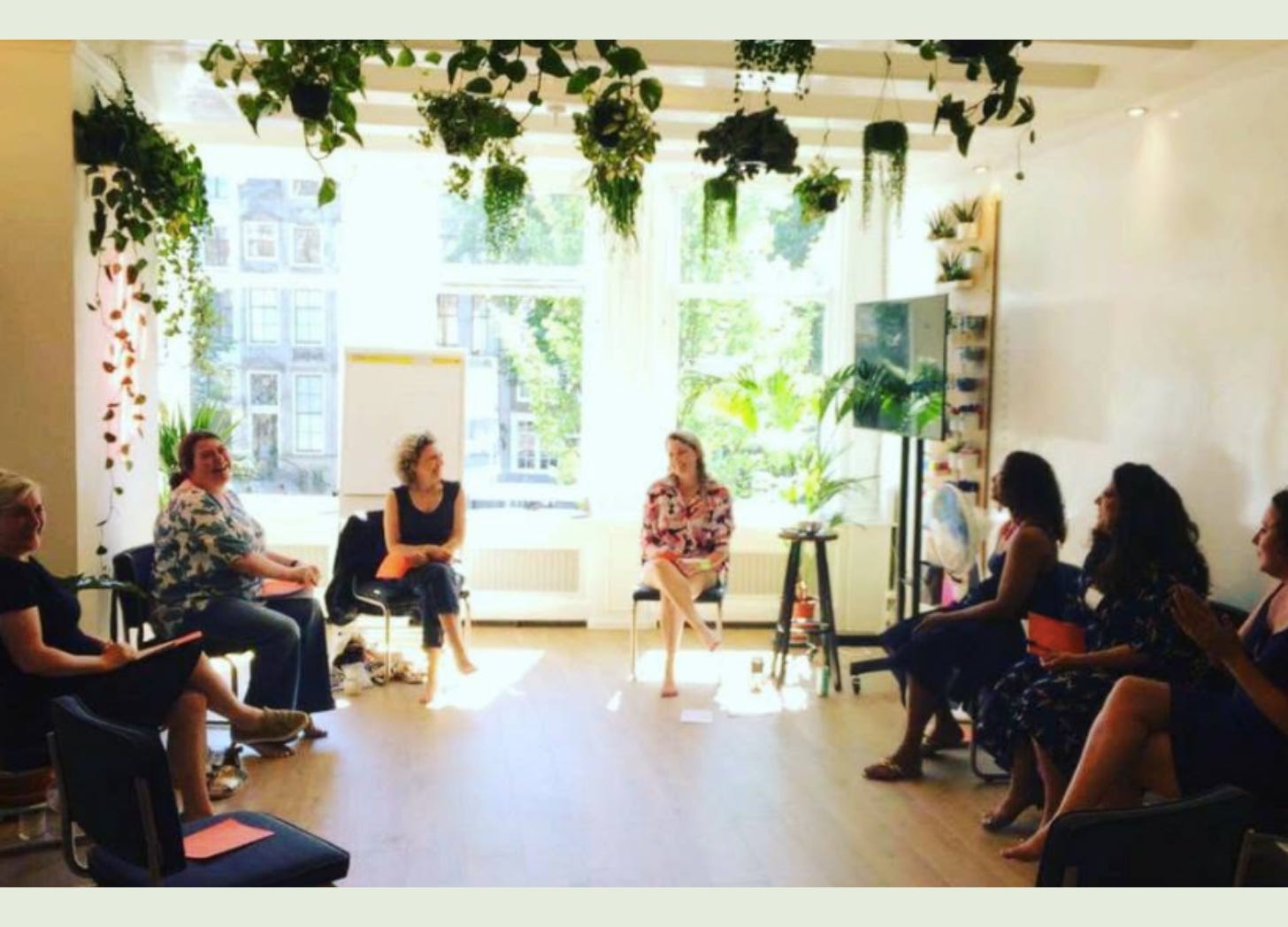
The most rewarding part of teaching is seeing that transformation happen.
Watching someone arrive on day one convinced they have nothing interesting to say, and then seeing them perform with confidence a few weeks later, is incredibly special.
I love seeing students find their voice, support each other and go on to achieve things they never thought possible.
Some have started performing regularly, taken shows to festivals, won competitions or simply gained the confidence to get on stage for the first time. Every one of those successes feels like a win.
For me, teaching isn’t just about helping people write jokes.
It’s about helping people realise that their voice matters and that there is a place for them in comedy.
What workshops and courses do you offer?
All of my workshops and masterclasses are designed specifically for women and LGBTQ+ people.
They now mostly take place online so participants can join from anywhere in the world, though I occasionally do in-person classes.
Creating a supportive and inclusive learning environment is incredibly important to me, especially for people who may not always feel represented in traditional comedy spaces.
I’m also keen to support people who have anxiety, ADHD, autism or dyslexia, so I’ve adapted learning techniques to support them.
Write Your Own One-Person Show Masterclass
My most popular programme is the six-week Write Your Own One-Person Show Masterclass.
It’s designed to take participants from an idea to a fully developed show concept.
Been dreaming of performing your own one-person show for the last few years? Got too many ideas and don’t know where to start? Want to just step out of your comfort zone?
I can help you.
I cover everything from finding the central theme and structuring the show to practical topics such as marketing, poster design, press releases, festival applications and budgets.
My aim is not just to help people create one show, but to give them a repeatable framework they can use every time they develop a new hour of comedy.
I often describe it as the course I wish I’d had when I started taking shows to festivals, as it can save people a huge amount of time, money and trial and error.
I made some very big financial mistakes when I started doing festivals and I don’t want others to experience that.
Write a New Five Minutes of Stand-Up Comedy
I also run a Write a New Five Minutes of Stand-Up Comedy masterclass.
The goal is for every participant to leave with a polished five-minute stand-up set, although many people end up writing 10 or even 15 minutes of material along the way.
The course focuses on generating ideas, joke-writing techniques, structure and editing, helping people develop material much more quickly than they might on their own.
Rather than spending months testing ideas at open mics, participants leave with a solid foundation of material and a much clearer understanding of how to write comedy.
Both courses are suitable for complete beginners as well as more experienced performers.
The mix of experience levels often creates a brilliant learning environment, as participants learn as much from each other as they do from me.
Regardless of where they start, I want everyone to leave feeling more confident, creatively energised and with a clear plan for their next steps in comedy.
Yes, I will get you making your own vision boards.
What else do you offer?
Alongside my comedy-writing programmes, I also occasionally run social media workshops, sharing tips for building an audience online.
As the industry continues to evolve on digital platforms, I think it’s important for comedians to understand not only how to write great material, but also how to connect directly with the audiences who will support their work.
There is also a character writing workshop I may reprise too.
I also offer one-to-one coaching on your comedy career, stand-up set or show.
Ultimately, I want participants to leave my courses with more than just jokes or a show outline.
I want them to leave with confidence, practical tools they can use throughout their career, the belief that their voice deserves to be heard and some cool new comedy friends.
Where can people find you?
For masterclasses, t-shirts and other cool stuff:
My personal website:
www.janepostlethwaitecomedy.com
Instagram / TikTok:
Thanks for reading Jokes Before Blokes! Subscribe for free to receive new posts and support my work.
Comments
Nothing yet. Say the first thing.
Sign in to join the conversation.