
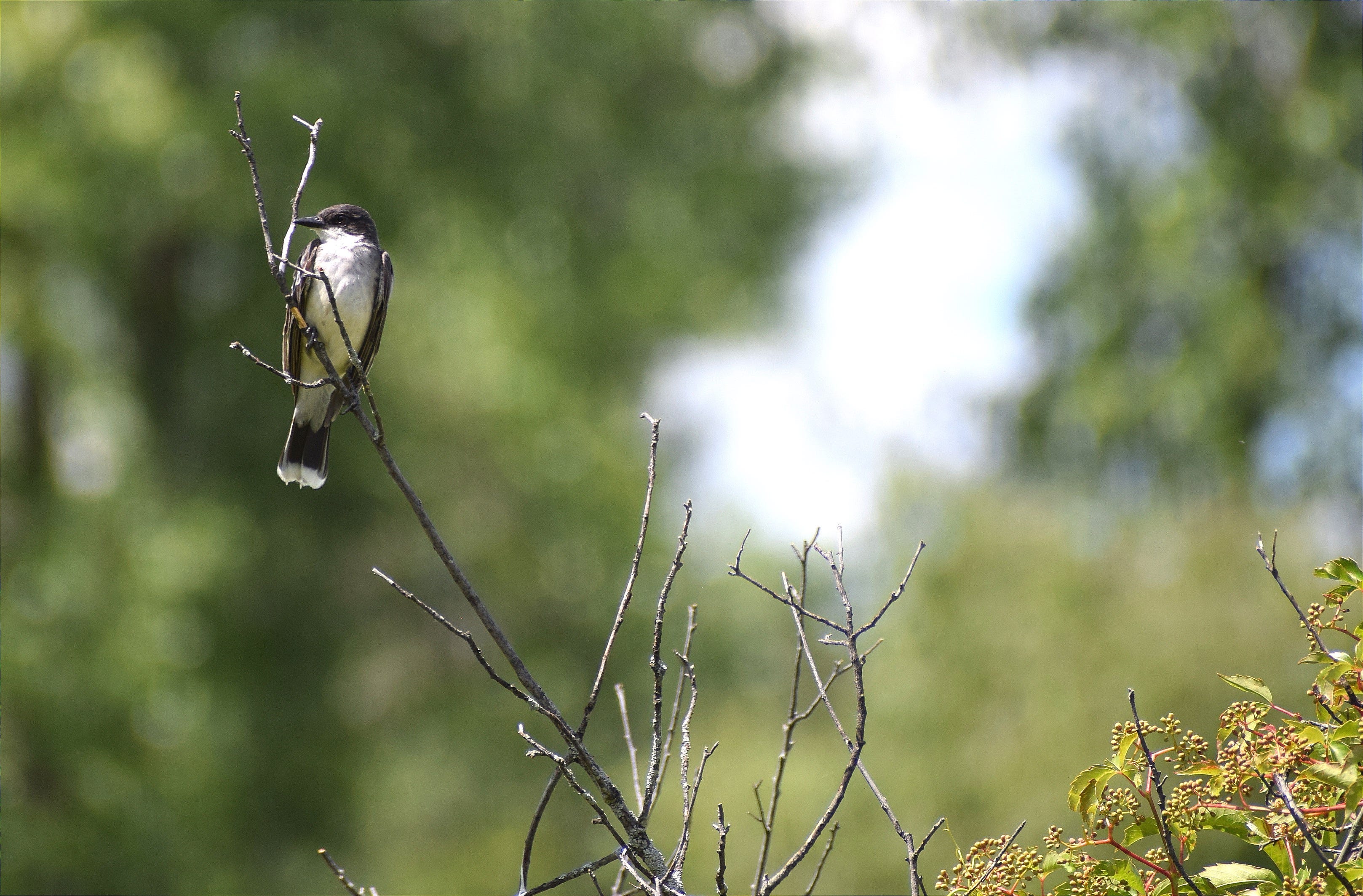
I know I get excited when taking longer trips to visit state parks or a national wildlife refuge but in total hours birded every year, the majority of my birding trips are done locally. It is easy to fit in an hour of birding when one does not have to drive far to get there. Which leads to the importance of preserving natural areas on a local level in order to provide convenient access for wildlife viewing, a place for quiet moments or a good walk opportunity for all in a community to enjoy. Studies have shown that cities having passive natural areas will often reap benefits from the participation by all ages and create the sense of open space that citizens rank as important to the quality of life in their community.
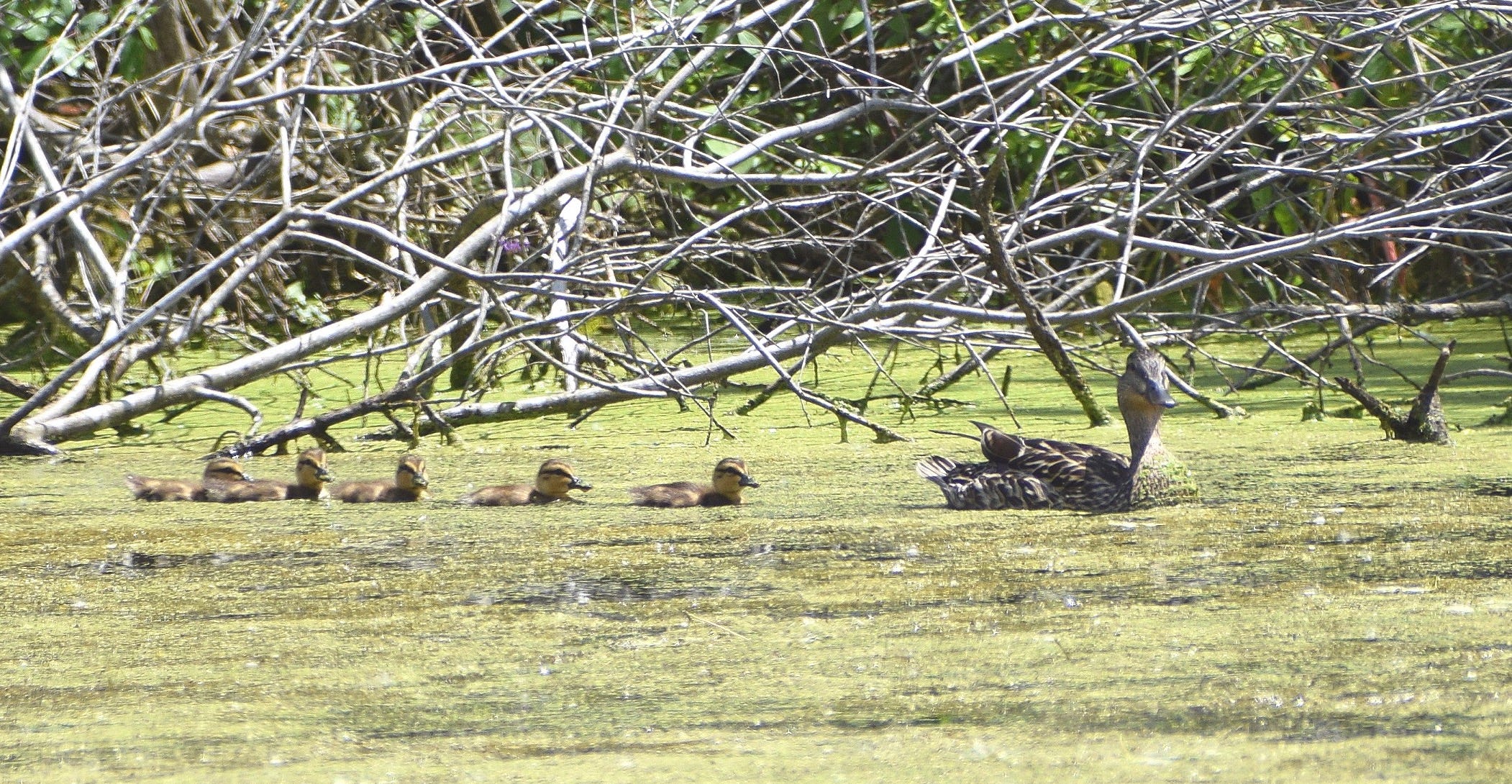
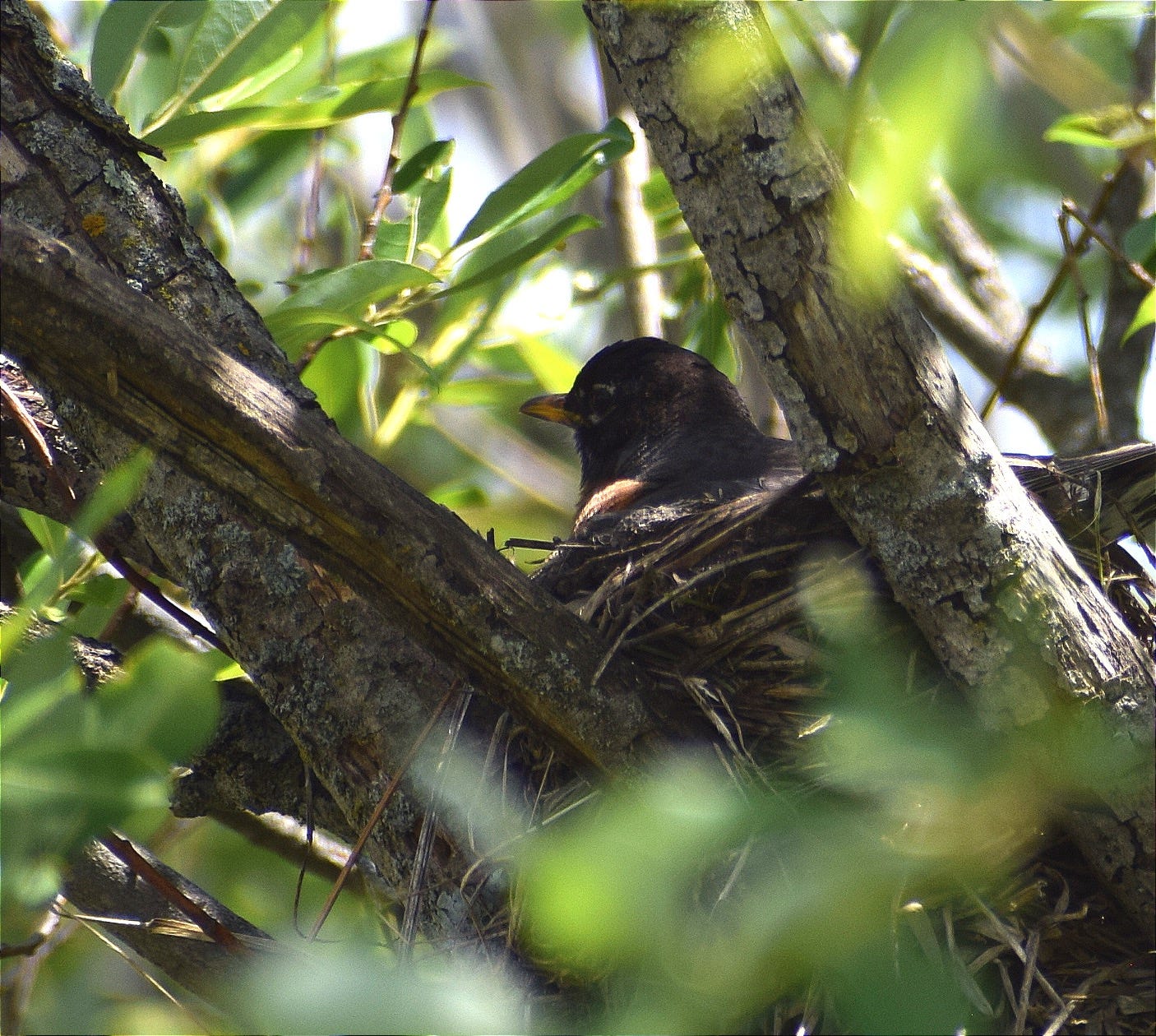
Harriet Alexander Nature Center in Roseville, MN is an example of a citizen-funded and locally-managed endeavor that provides excellent viewing opportunities for nature goers. The city-owned natural preserve is a very unique 52 acre complex of marsh and woods with an extensive boardwalk system allowing for great access into the marsh area. There is also an interpretative nature center thanks to a large bequest in 1990 from Harriet Alexander who appreciated the beauty and wildlife during her walks by the marsh.
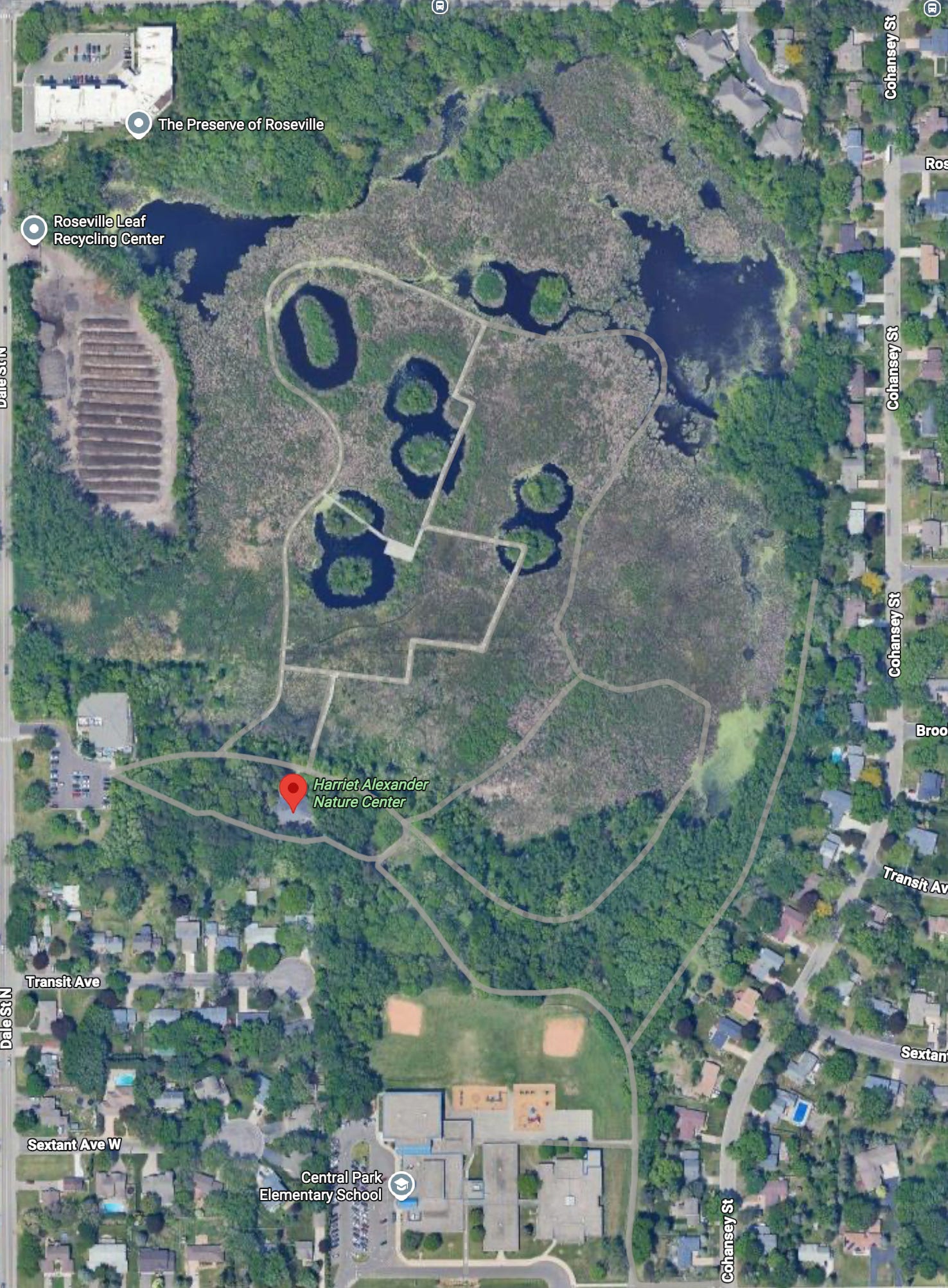
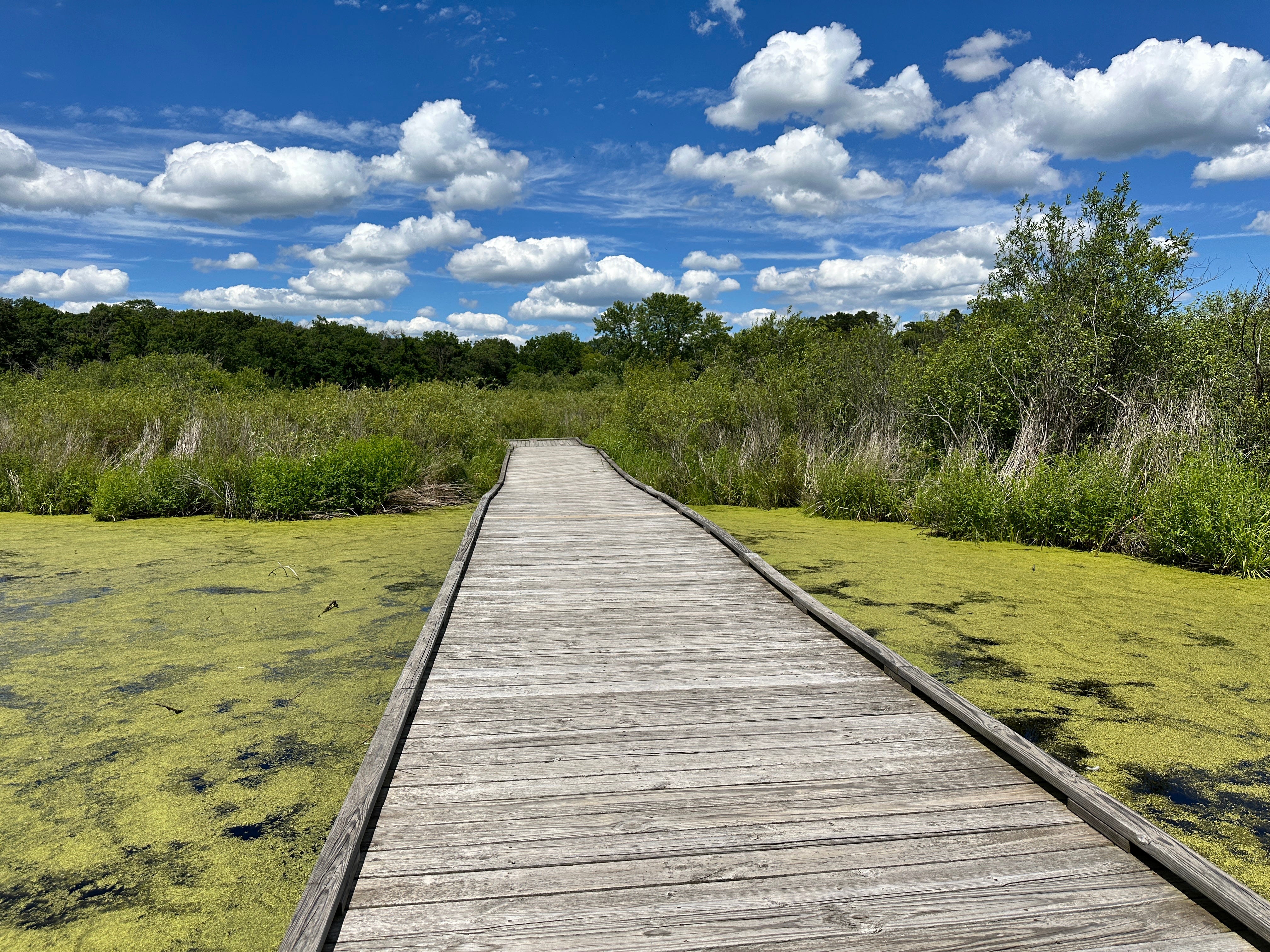
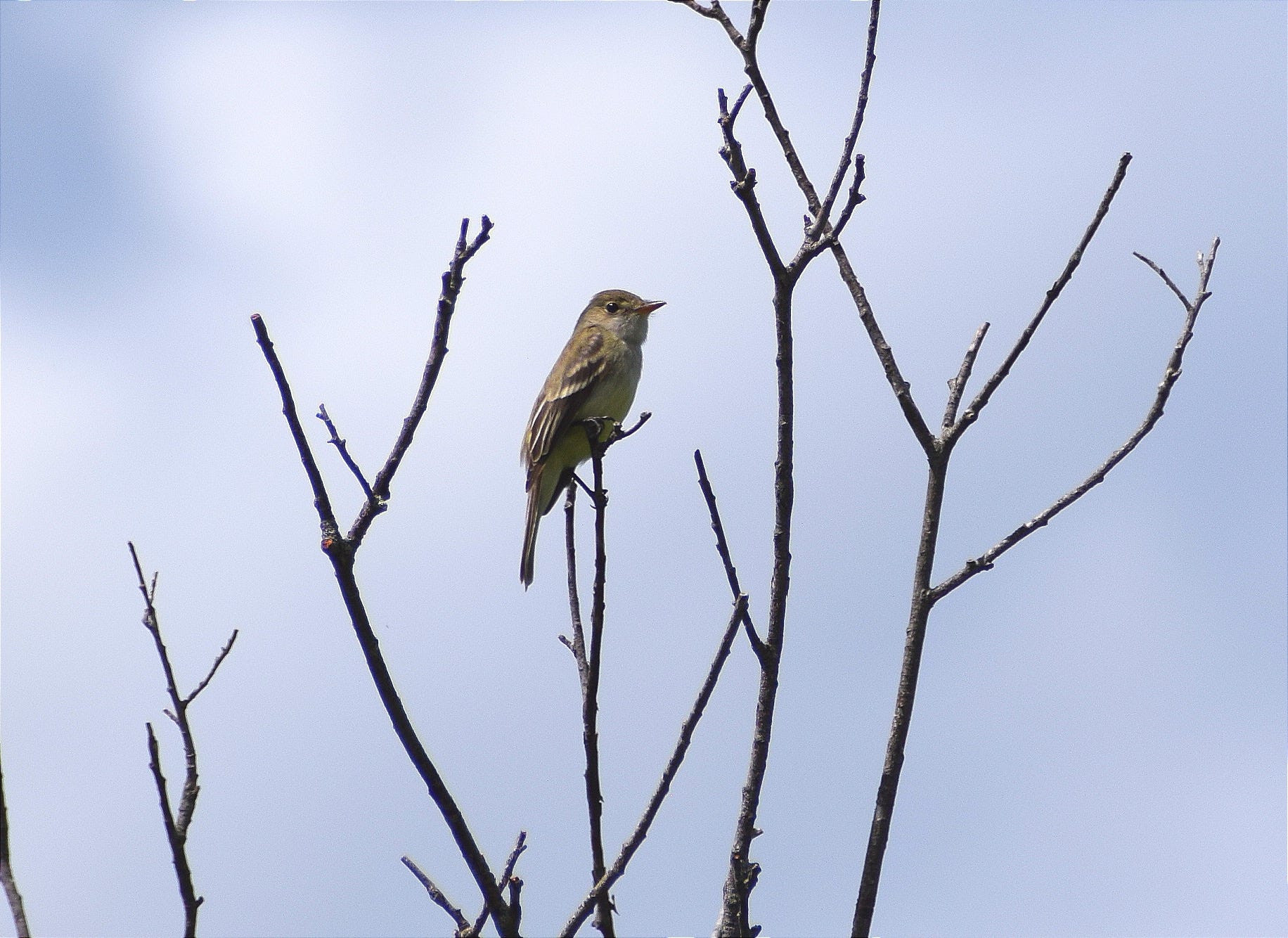
This preserve has smaller open areas of water surrounded by patches of willow thickets. One of the distinctive birds attracted to this habitat is the Willow Flycatcher.
Having the foresight to preserve and fund access to this gem is an example of thoughtful citizenship and government leadership in a city that respects its natural features.
From Rewilding Roseville:
For more than a decade, the Roseville Parks Natural Resources Management Plan has prioritized:
Preserving and restoring native plants and habitats
Maintaining biodiversity
Implementing sustainable practices to combat emerging environmental challenges
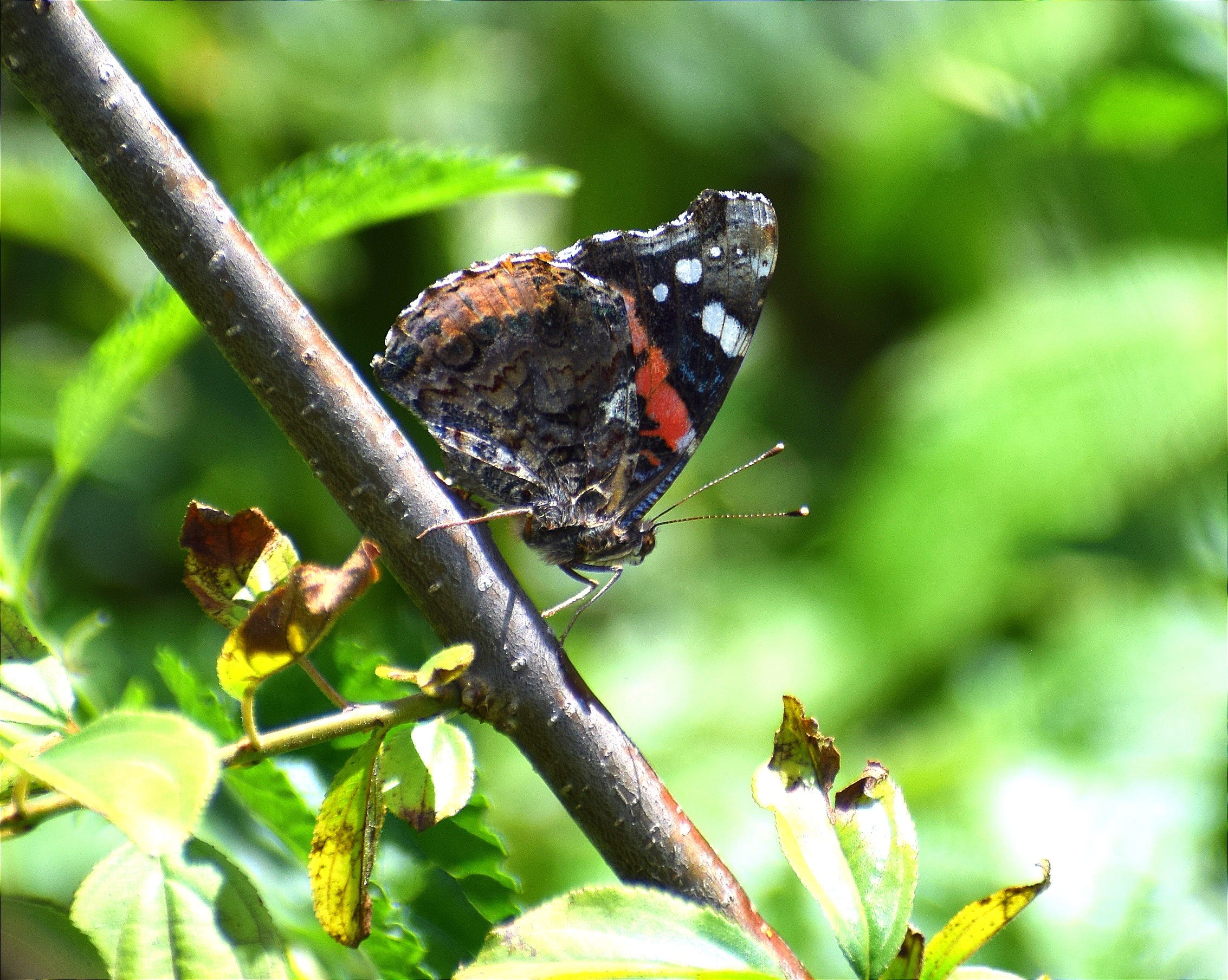
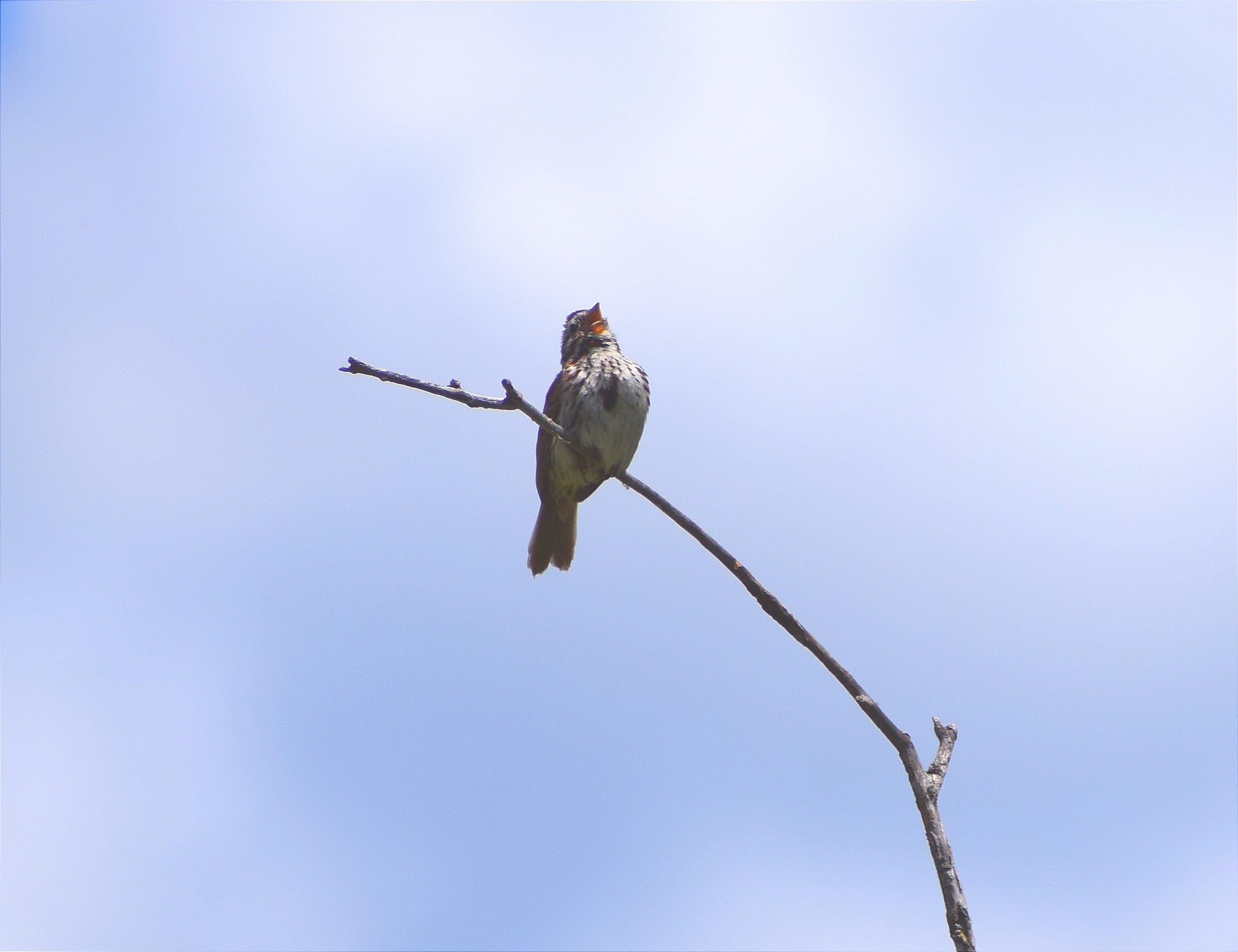
Roseville is part of a national movement of urban nature restoration, which restores and maintains important habitat for native flora and fauna. These efforts benefit humans by improving air quality and reducing pollutants. They also create amazing opportunities to see plants and animals in their natural habitat.
“We are so grateful that our early city leaders had the foresight to acquire property and develop parks. It’s an enduring legacy for our residents,” said Roseville Parks Superintendent. Jim Taylor. “But back in the day, city parks in Roseville and across the country were designed primarily for the use of people. The conservation movement hadn’t taken hold, and restoring habitat that supported native populations of birds and animals wasn’t a priority. That really started to change almost two decades ago.”
Further resources: For a copy of the city of Roseville’s Parks Natural Resources Management Plan - click here.
Comments
Nothing yet. Say the first thing.
Sign in to join the conversation.