
In Minnesota we are days away from the FOY (first of the year) backyard visits of three new species of feeder birds - the hummingbirds, the orioles and the grosbeaks. Every spring these three species never cease to produce excitement and delight when they magically appear in the yard. This grouping of species tends to arrive within days of one another - brightening up the yard with an extraordinary show of brand new colors to the landscape. Remarkably all three of these stunning species have been documented making non-stop flights across the Gulf of Mexico on their way up here in the spring.
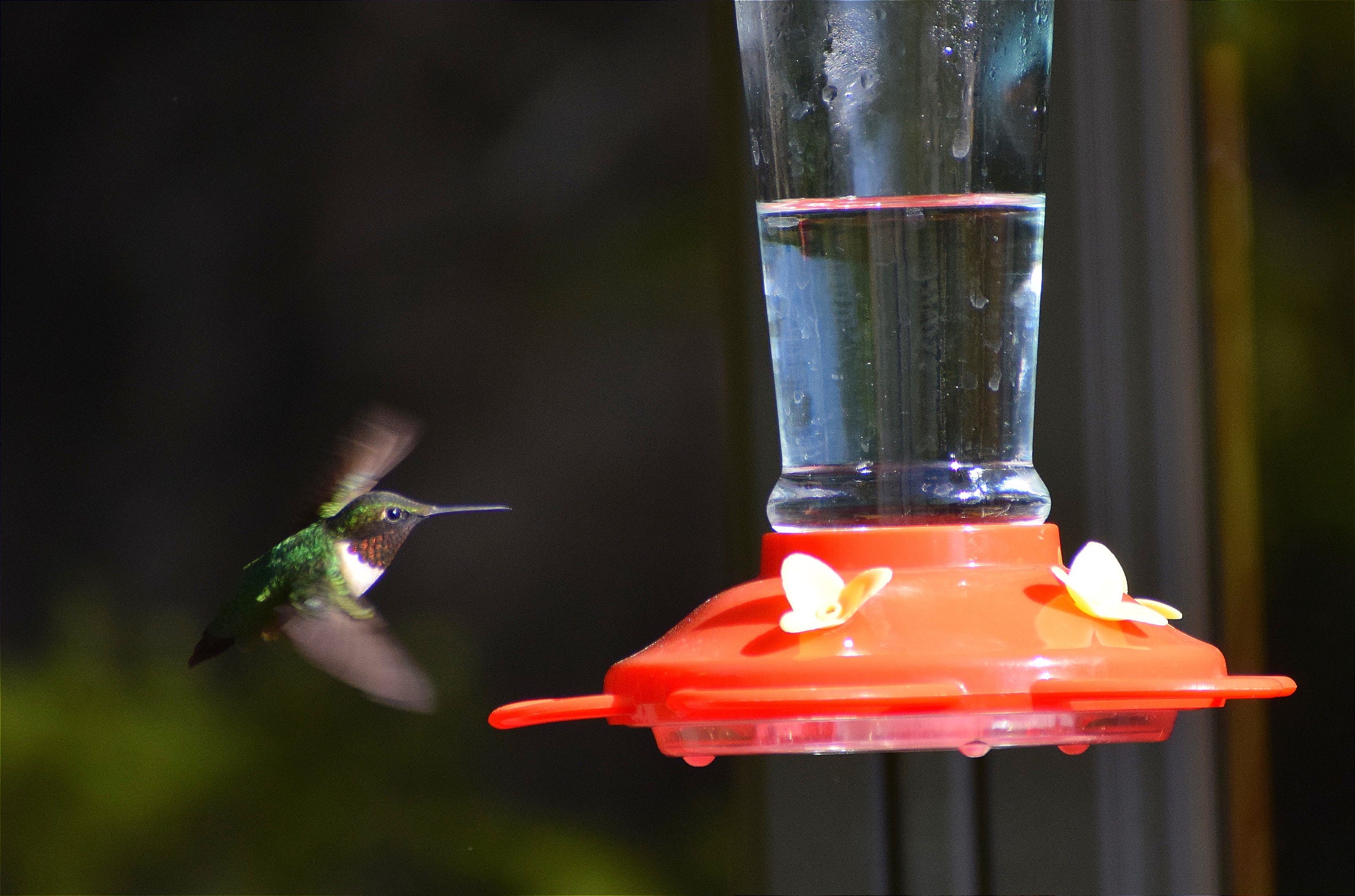
The smallest of the group but by no means weak or timid is the Ruby-throated Hummingbird. This bird migrates up to 1,000 miles twice a year - from Central America to Minnesota and back again. Some will fly directly across the Gulf of Mexico on their way north - a 500 mile non-stop flight that will take them 18-24 hours to cross!
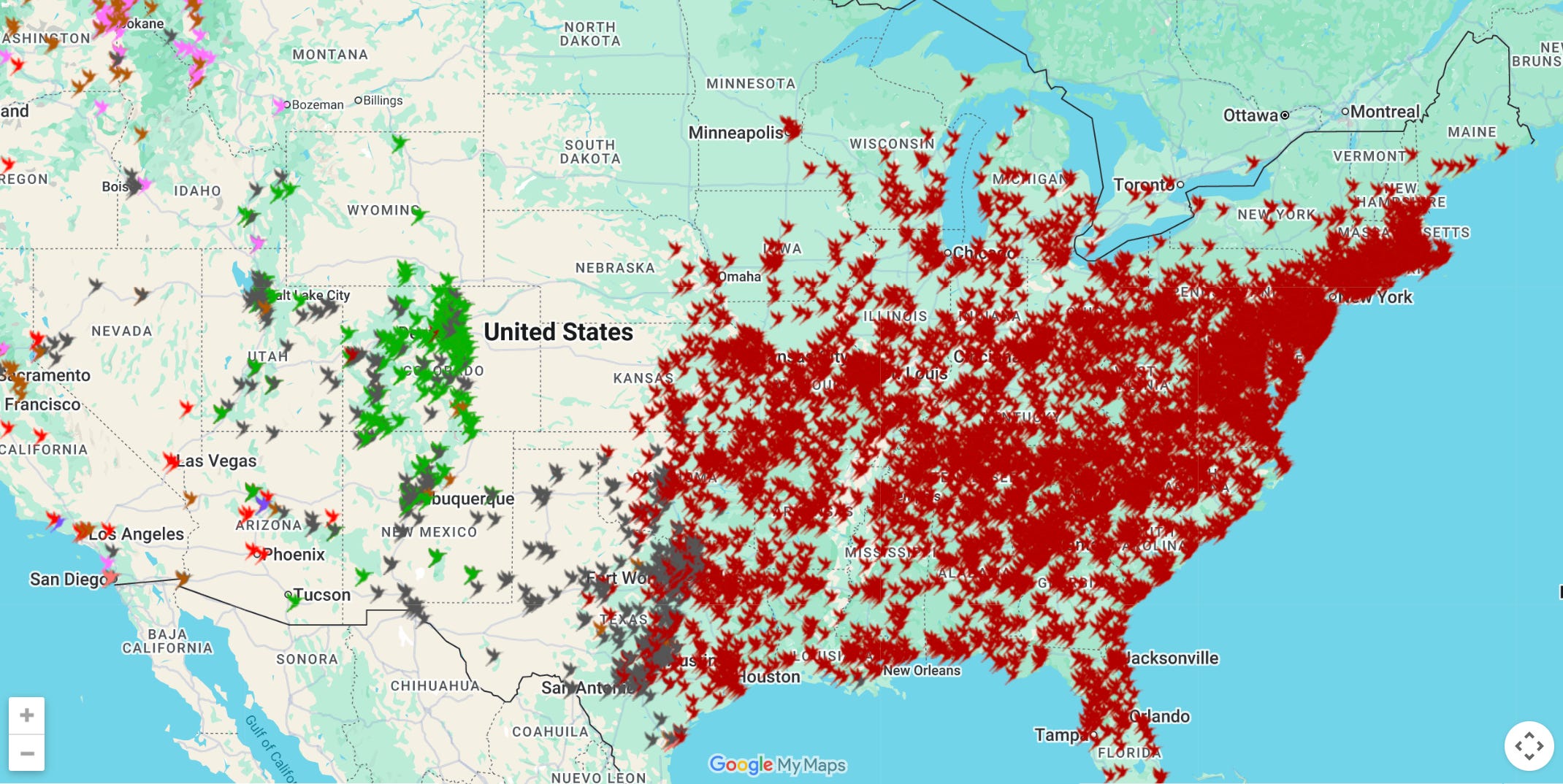
According to the Hummingbird Central Migration Map, a few hummers have made it this far north already.
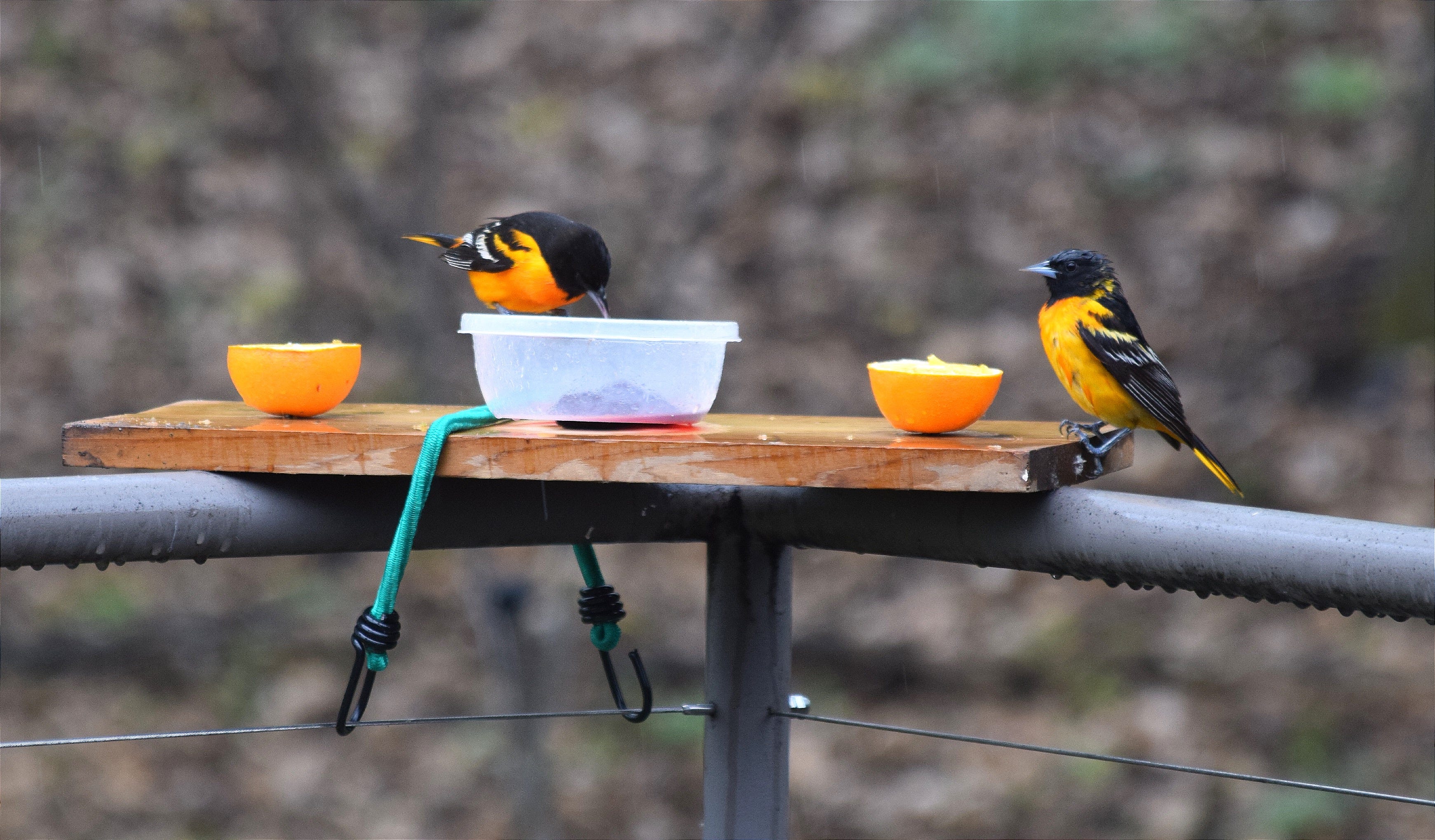
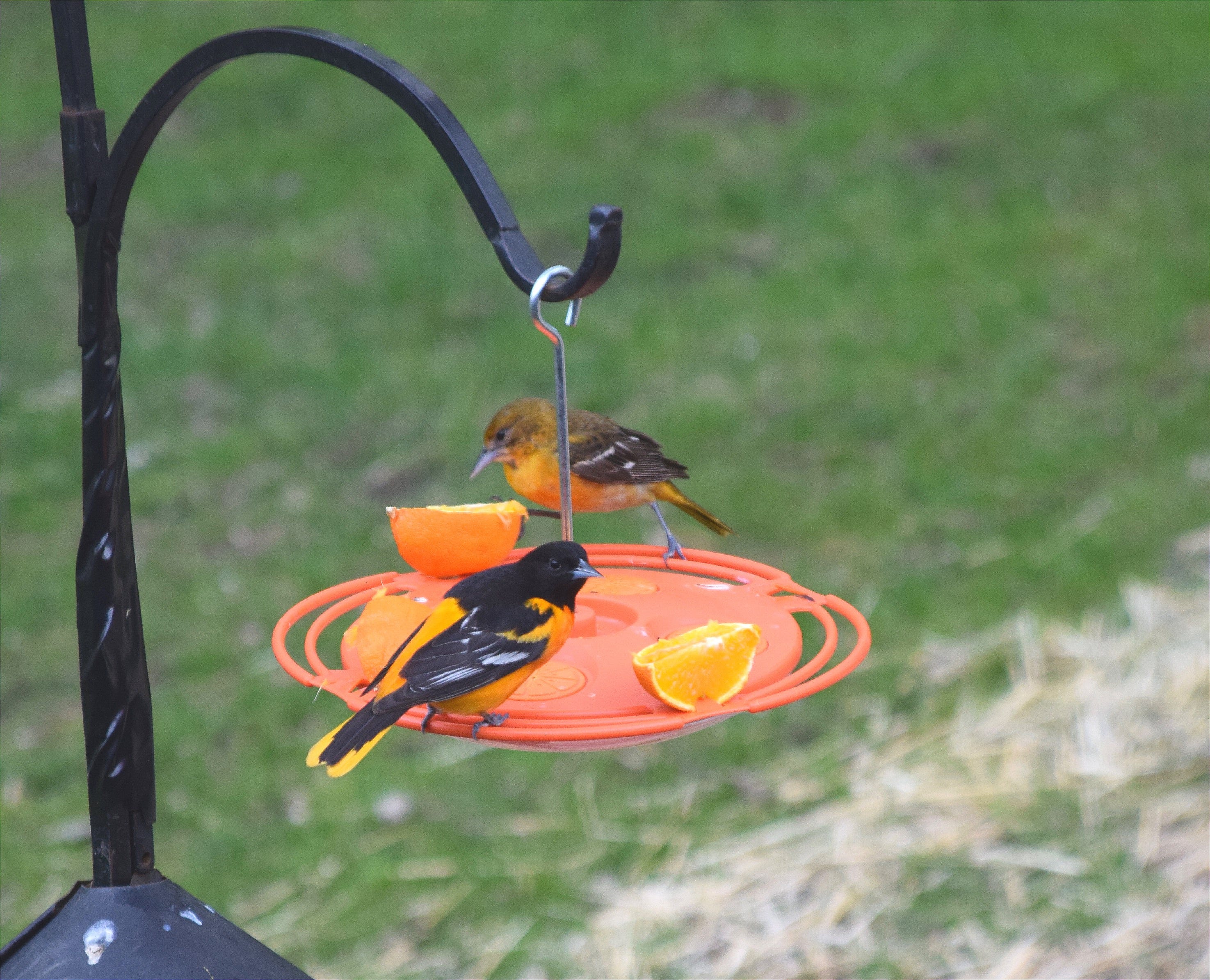
Baltimore Orioles are also a medium to long-distance migrant wintering in Central America and arriving north at the same time as the hummingbirds. The orioles can cross the Gulf of Mexico rather swiftly in a 11-12 hour nocturnal flight. They seek out fruits and nectar-bearing flowers including oranges, grape jelly and sugar water in feeders to quickly refuel after migrating. In my yard the orioles feed for a week or two before moving on to nesting sites so I only put out food for a short time.
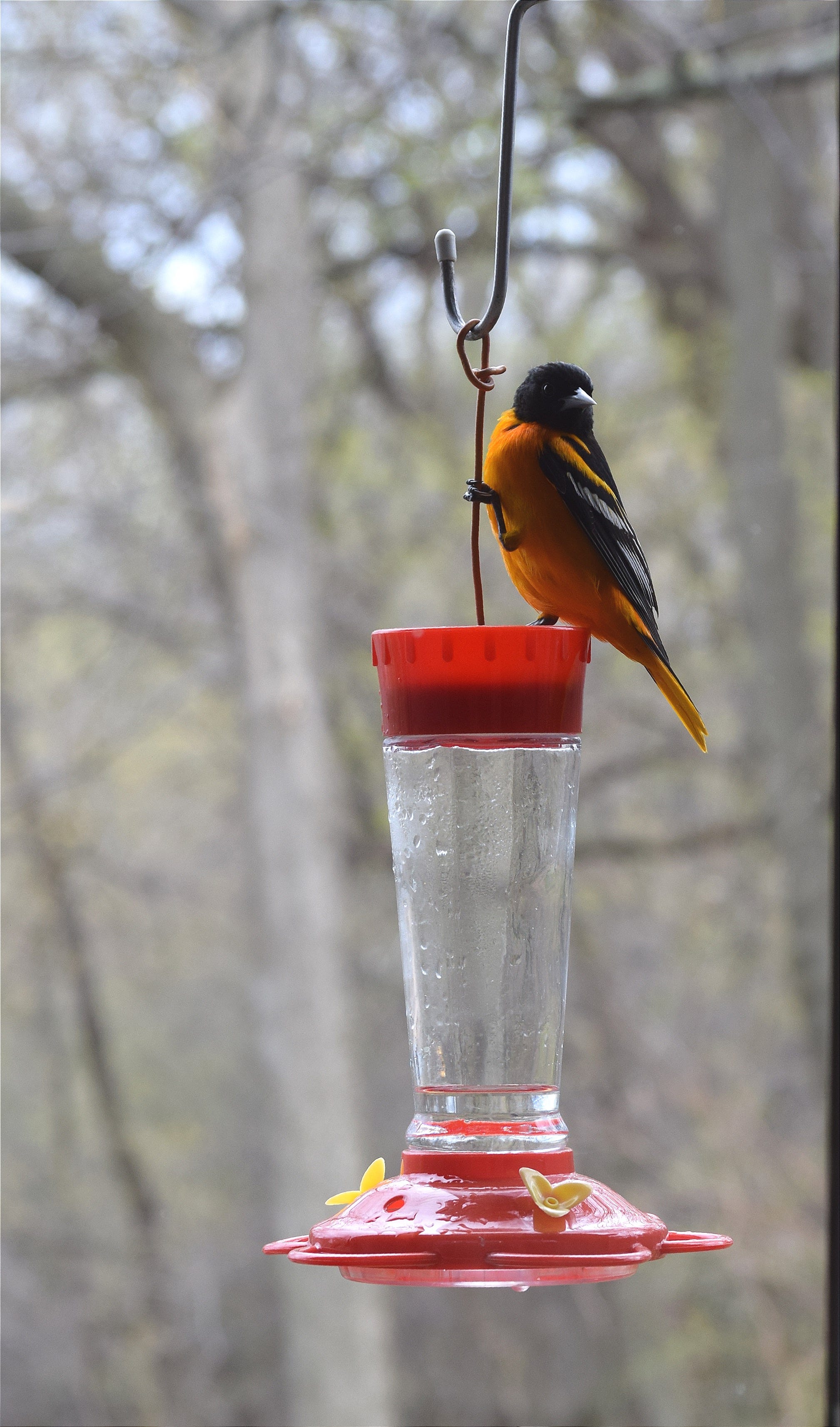
The third of the “fun three early May feeder migrants” is the Rose-breasted Grosbeak. Always a joy to see these strikingly beautiful birds show up one morning at the feeders. The Rose-breasted Grosbeak migrates even a longer distance than the other two, wintering as far south as northern South America. Most of these birds will fly across the Gulf of Mexico in a single night - the journey of 500 miles taking 15 hours of continuous flight.
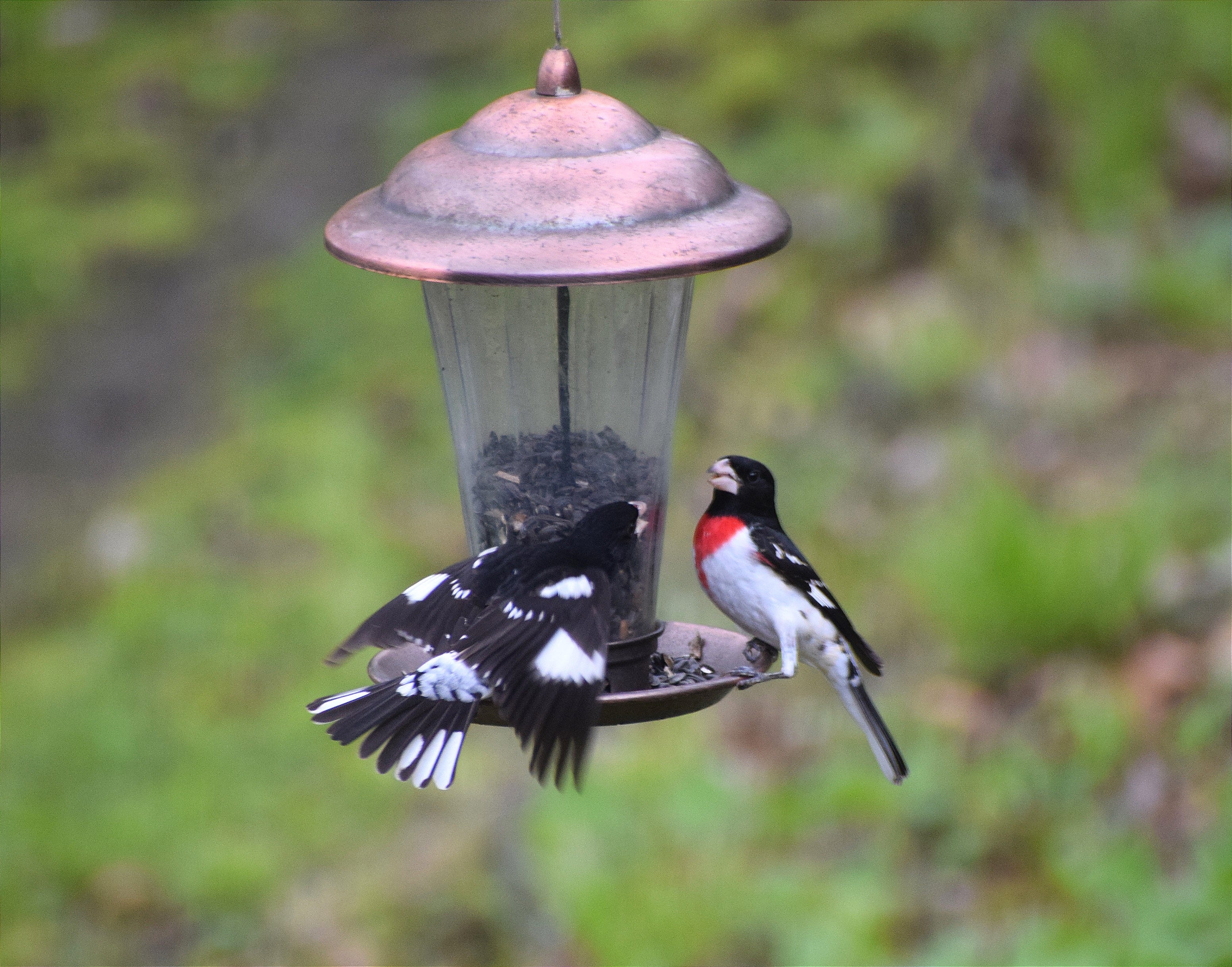
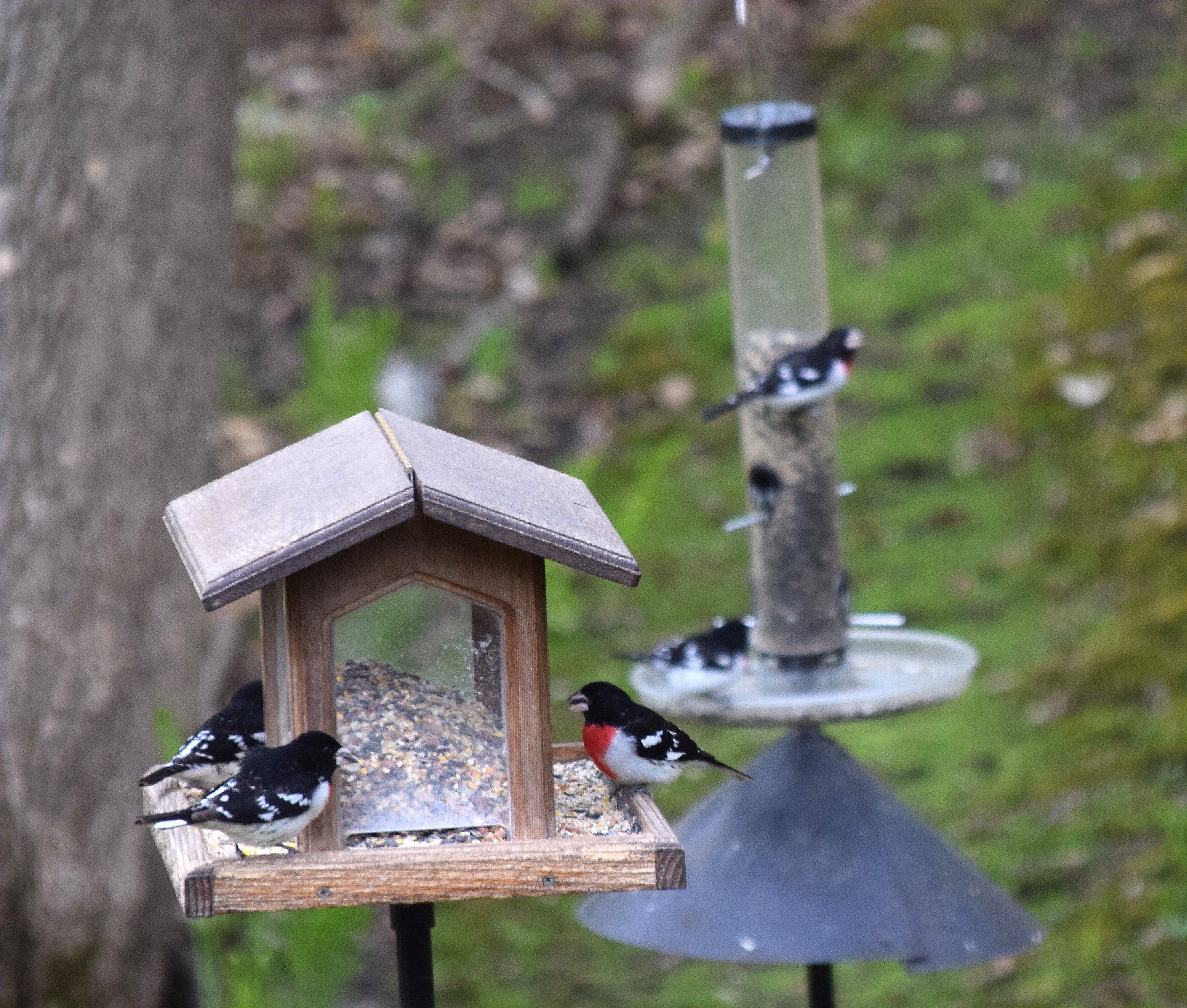
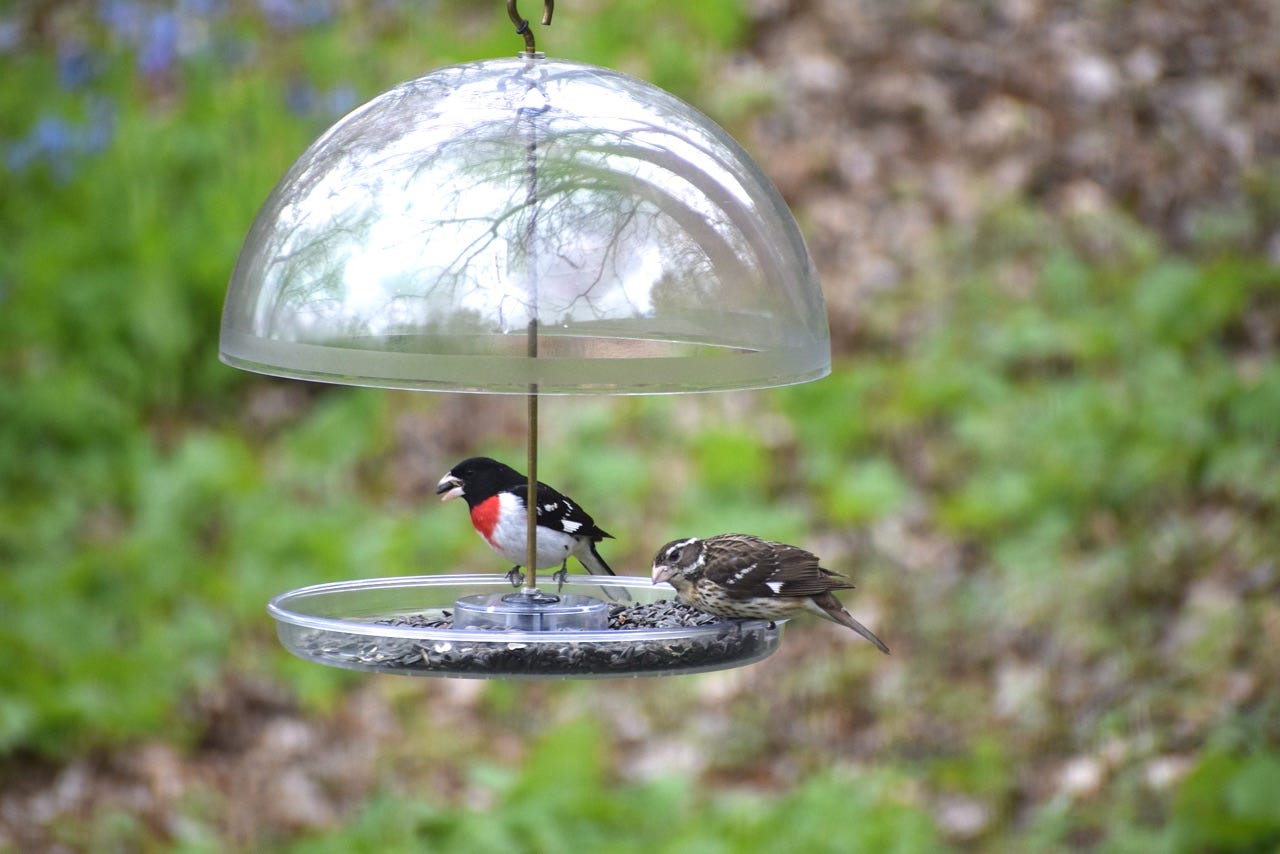
Looking forward to welcoming back these true travelers of the Western Hemisphere!
Comments
Nothing yet. Say the first thing.
Sign in to join the conversation.