
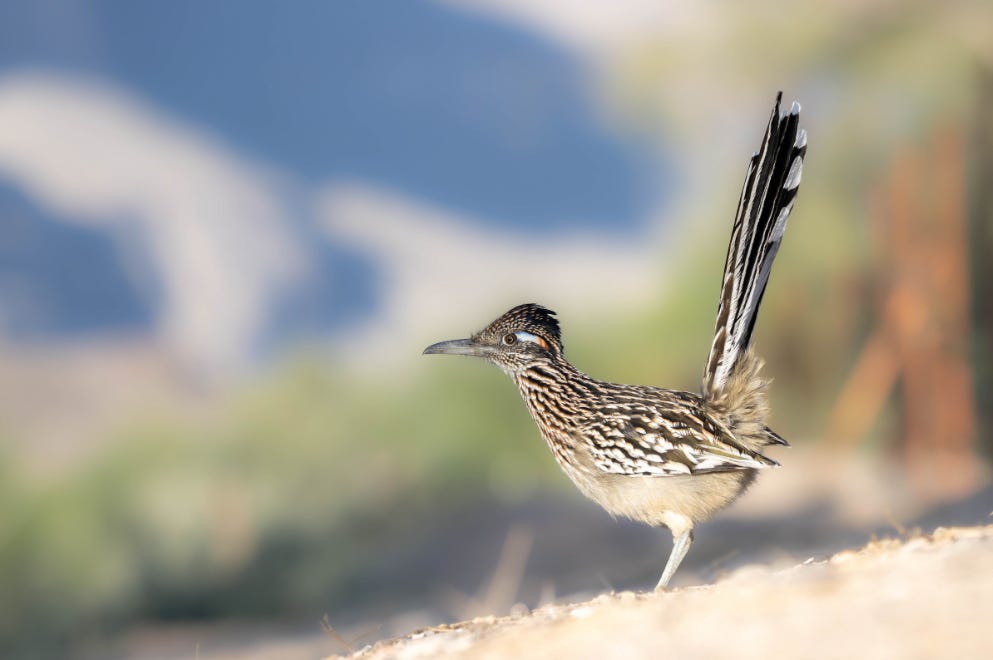
Welcome to the birdy side of the internet! This week’s newsletter pairs a warbler with an Atlantic drift and a practical look at staying prepared during long, hot field days. In This Week in Birding History, we revisit a warbler that turned up far from its expected side of the continent. In Birding Tip, we focus on packing for summer birding so you can stay comfortable, safe, and ready when conditions change.
This Substack is reader-supported. To receive new posts and support our work, consider becoming a free or paid subscriber.
This Week in Birding History: A Warbler on the Wrong Coast
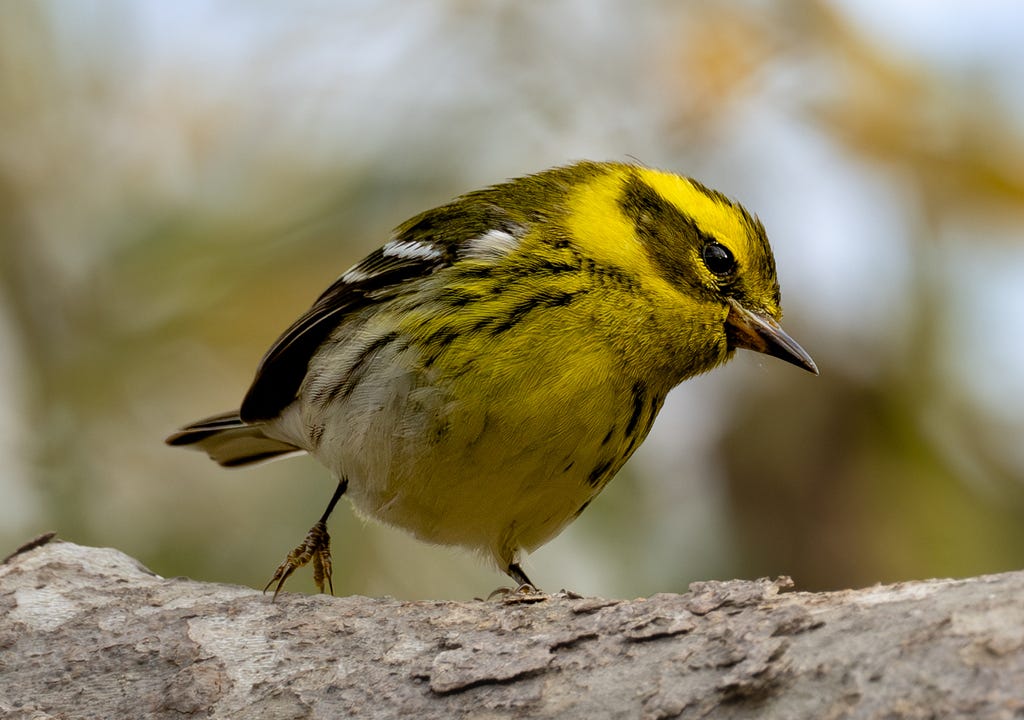
August 13, 2012 — Fourteen years ago this week, birder Donald Freiday was exploring the Lily Lake area of New Jersey’s famed Edwin B. Forsyth National Wildlife Refuge when he encountered an unexpected surprise. Donald’s brief, 15-minute outing began with the usual mid-August fare: a handful of Laughing Gulls, several Carolina Chickadees and Tufted Titmice, and American Robins feeding their last fledglings of the breeding season. Then Donald encountered a mixed-species flock of songbirds—a familiar hallmark of post-breeding birding, but one that held an unexpected western visitor.
This particular flock included a collage of colorful warblers: Blue-winged, Black-and-white, Northern Yellow, and Chestnut-sided warblers, along with a couple of American Redstarts. And a Black-throated Green Warbler? No—this bird had a yellow breast, a prominent dark ear patch, and a slim yellow crescent below the eye—a Townsend’s Warbler.
Townsend’s Warblers breed in conifer forest from Idaho north to Alaska before overwintering along the Pacific coast south to the highlands of Central America. During post-breeding migration, they generally remain west of the Great Plains, yet vagrants have turned up in nearly every eastern state and province, as well as far-flung locations including Newfoundland, Bermuda, and Puerto Rico. Among these eastern records, coastal and offshore locations account for more sightings than inland areas.
The Lily Lake Townsend’s Warbler is notable for both its place and timing. It ranks among the easternmost August records of the species, while August itself is one of the least productive months for finding vagrant Townsend’s Warblers in the East. The August 13 observation also represents the earliest sighting of a Townsend’s Warbler east of the Great Lakes during post-breeding migration. While still rare, eastern Townsend’s Warblers become considerably more frequent in September and October, and even more so between November and January. Many of these later-season individuals have been documented overwintering along the Atlantic seaboard.
Birding Tip: Packing for a Summer Day in the Field
Fall migration is beginning to creep into the birding calendar, but summer conditions are still very much with us. From the car, summer birding can seem simple. Heavy coats and icy trails are a thing of the past; the days are long, and on average a birder needs less gear to be comfortable. Spend a full day in the field, though, and summer presents its own set of problems. Heat, insects, sun, and quickly changing weather can all affect how long you can stay out.
Packing for a summer day mostly comes down to three things:
Staying hydrated
Staying cool and protected from the sun
Being prepared when conditions change
Getting those basics right makes birding easier and more comfortable even as the day heats up.
It All Starts with Hydration
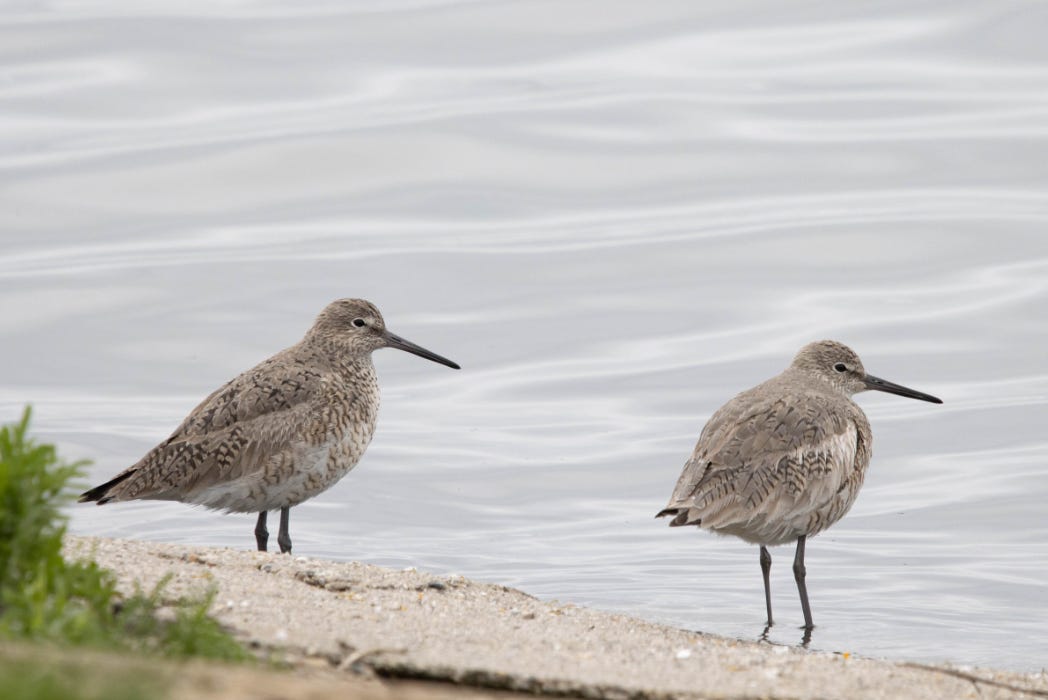
Water will be the most important piece of gear for any summer birding trip and should be the first item a birder prioritizes before stepping out the door. Without water, birders may incur a whole host of health issues such as dehydration or, in more serious cases, heat stroke. It’s important always to carry more water than you expect to drink, especially when visiting sites that are highly exposed to the sun. Beaches, mudflats, and fields are some of the top contenders.
When it comes to hydration, an insulated bottle is the safest choice, and there are numerous brands and models on the market. Not only do they keep your water cooler longer, but they also help safeguard against chemicals leaching into your water if the plastic becomes too hot.
An additional bottle left in the car, especially in a cooler, provides a useful reserve for the return trip or an extended day.
For longer outings, especially those that require a lot of walking for extended periods, consider carrying a drink with electrolytes. Sweating helps cool us down, but it also removes both water and salt from your body, and replacing only water may leave you feeling drained during extended periods of heat and exertion. If you do not like drinks that include electrolytes, such as many of the major, shockingly colored sports drinks that line a store’s coolers, you can buy them separately and add only the amount that you enjoy. Beyond crystallized electrolytes you add to water, consider more natural drinks like coconut, watermelon, or banana waters, each of which has good amounts of minerals to replenish what you lost.
Snacks are another important component of a summer bag. Nuts, dried fruit, crackers, or other foods that will not spoil in the heat are best.
Building Your Kit Around Heat
Lightweight, breathable clothing helps your body release heat while still protecting you from the sun. Loose-fitting long sleeves and lightweight pants may seem counterintuitive given the heat, but they can often be more comfortable on a hot sunny day. There’s also lots of clothing on the market with built-in protection against the harmful effects of the sun. Many standard tech companies carry articles, but also check out clothing lines for boating or fishing specialists, as they often are geared toward outdoor enthusiasts who spend lots of time in the sun without shade. You can complete the outfit with a wide-brimmed hat or a baseball cap to provide your head and eyes with some relief from the strong rays of the sun.
Sun protection is just one reason long clothes are better in the summer. Exposure to ticks, biting insects, and vegetation such as poison ivy or oak will be significantly easier when you limit the amount of exposed skin.
Summer mornings may feel cool and comfortable, and as a result it is easy to forget how uncomfortable the hot afternoon sun can be. Because conditions are so variable in the summer, it is necessary to prepare for a return journey that will be less comfortable than when you initially embark.
Prepare for Sun, Insects, and Sudden Weather
There are several hazards a birder may face in summer that can all compound if not properly prepared for. Two such hazards can be accounted for simply by remembering to include sunscreen and an insect repellent in your bag. Be sure to apply sunscreen before leaving the house rather than waiting until the sun feels intense. If you wait until you start to feel your skin burning, it is often too late to prevent the damage. Be aware that chemicals in sunscreen or bug sprays can have corrosive effects on optics, especially if they get onto the glass. Always apply sunscreen or insect repellents away from your optics or camera gear if possible.
The presence of different insects varies considerably based on the habitat you are birding in. Mosquitoes may be most troublesome near wetlands and floodplains, while ticks are a greater concern in tall grasses, brushy edges, or overgrown trails. A lightweight head net — while not necessarily the easiest thing to wear while birding — can be invaluable in locations with persistent mosquitoes or flies and takes up almost no space in a pack.
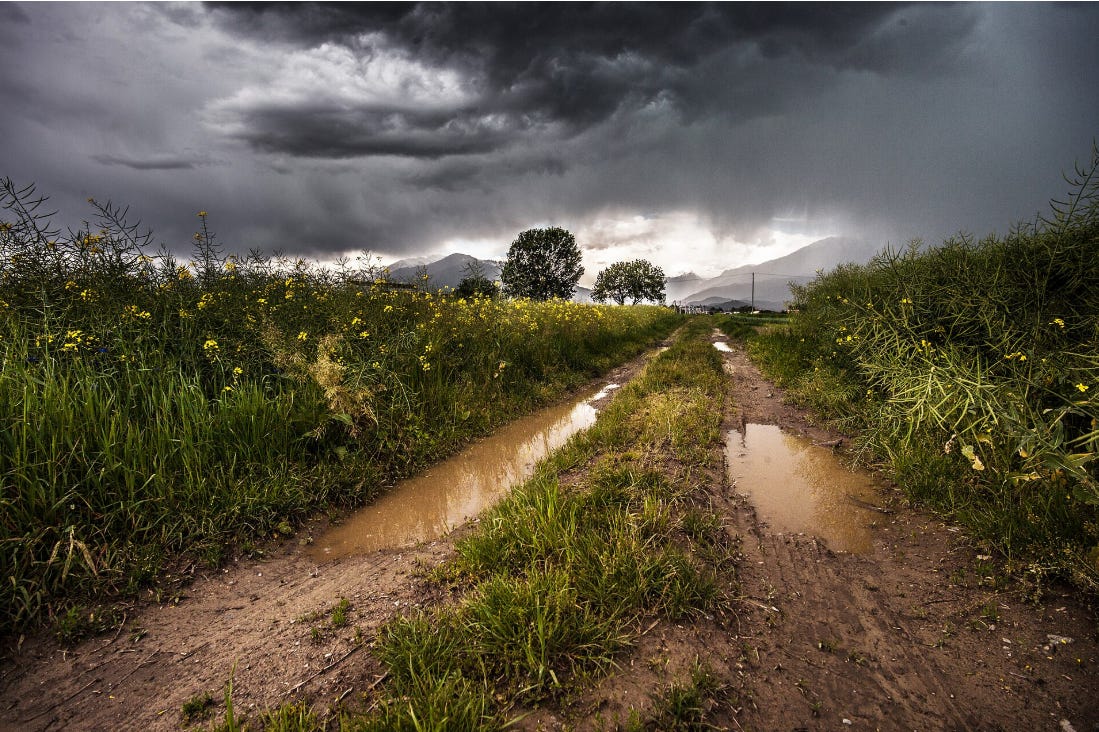
Summer weather often changes abruptly. When the forecast appears favorable, it is usually a good idea to include a light rain shell in your bag regardless, as summer storms generally come on fast and hard. A small dry bag or resealable plastic bag can protect any items that could be damaged by water if rain arrives before you can return to cover.
Check the weather before leaving but keep an eye on any developments while in the field. Darkening skies or increasing wind may be a signal to move toward shelter rather than trying to squeeze in one more checklist. Any open habitat such as a beach or a ridgeline makes for especially poor places to wait out a storm, so be extra careful when your itinerary includes these types of locations.
Pack for the Habitat and the Birds
A summer packing list should reflect where and how you plan to bird. Certain outings are tailored towards long stints scanning with a spotting scope while others will require much more movement. Locations that are close to your car but require long stints in the sun may mean taking less water in favor of saving weight can be a good choice. Long hikes, however, will require a lot more hydration, and bringing water and electrolytes is a priority despite the weight it will add to a bag.
Woodland birding places different demands on your kit. Trails may be less than ideal, especially following a storm. This makes sturdy footwear, long pants, and wool socks (or something that will wick moisture) invaluable. Ticks are often more prevalent in woodlands, so be sure to read up on any potential tick-borne illnesses and keep a close eye on spots where ticks like to attach, such as waistbands or at the top of your socks.
Summer is synonymous with dry, dusty weather. When facing these conditions, it is good to pack basic cleaning supplies for optics. Dirt or sweat can quickly coat binocular lenses. Optics are even more prone to getting dirty when you are using sunscreen or bug spray near them. A clean microfiber cloth and a lens brush are far less likely to do damage to your glass than using a sweaty or dusty shirt. A lens cleaning solution can also be useful if your lenses appear oily from sunscreen or sweat. Remember to avoid leaving your optics in a closed vehicle where extreme heat can damage equipment over time.
Stay Flexible as the Day Changes
Recognizing that the best conditions may last only a few hours is crucial to a successful birding outing. You want to maximize your time in the field, after all! Birds are often most active during the cooler parts of the day, while midday heat can reduce both bird activity and overall comfort levels for birders who seek them out. Take advantage of peak activity by starting early and try to finish exposed portions of a route before temperatures become too oppressive. On the hottest days, hit up the exposed beach first and save the shaded trailhead for later in the day.
To maximize your flexibility, a well-prepped birding bag or backpack can help mitigate the hardships that come with birding during the hottest months of the year. Extra water, a rain jacket, sunscreen, and insect repellent are crucial additions to your bag. Good preparation does not eliminate the challenges of summer, but it keeps them from dominating your day. The less attention you end up devoting to discomfort, the more you can give to the birds.
Thanks for Reading
At times, summer birding can feel like type two fun. There is often a significant element of discomfort associated with heat and insects. Tumultuous conditions can quickly shape the quality of a day in the field but well-packed kit helps keep your focus on the birds. By planning ahead, the intrepid birder awards themselves more time and energy to enjoy the season’s surprises.
Get Your Birding University Sticker!
Show your love for Birding University and brighten up your gear with our official sticker. Grab yours today—every purchase helps support our work!
Comments
Nothing yet. Say the first thing.
Sign in to join the conversation.