
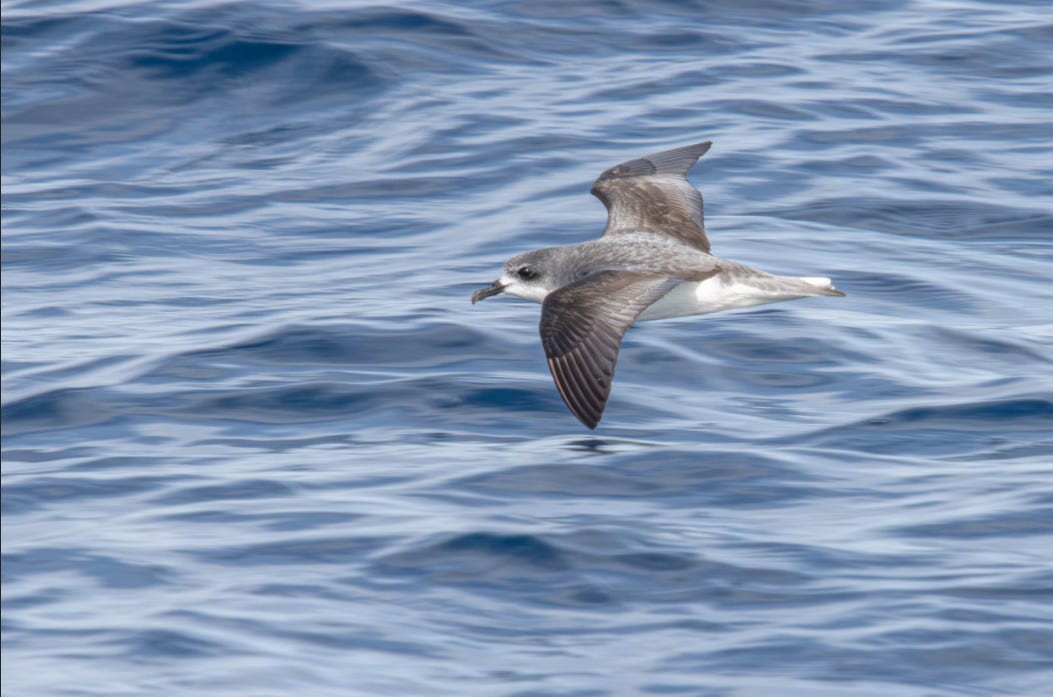
Welcome to the birdy side of the internet! This week’s newsletter shines a spotlight on pelagic birding. In This Week in Birding History, we investigate an unusual seabird encounter near one of the world’s northernmost archipelagos. Then, in Birding Tip, we remain offshore to explore how a little preparation can make your first pelagic birding trip more comfortable, enjoyable, and rewarding.
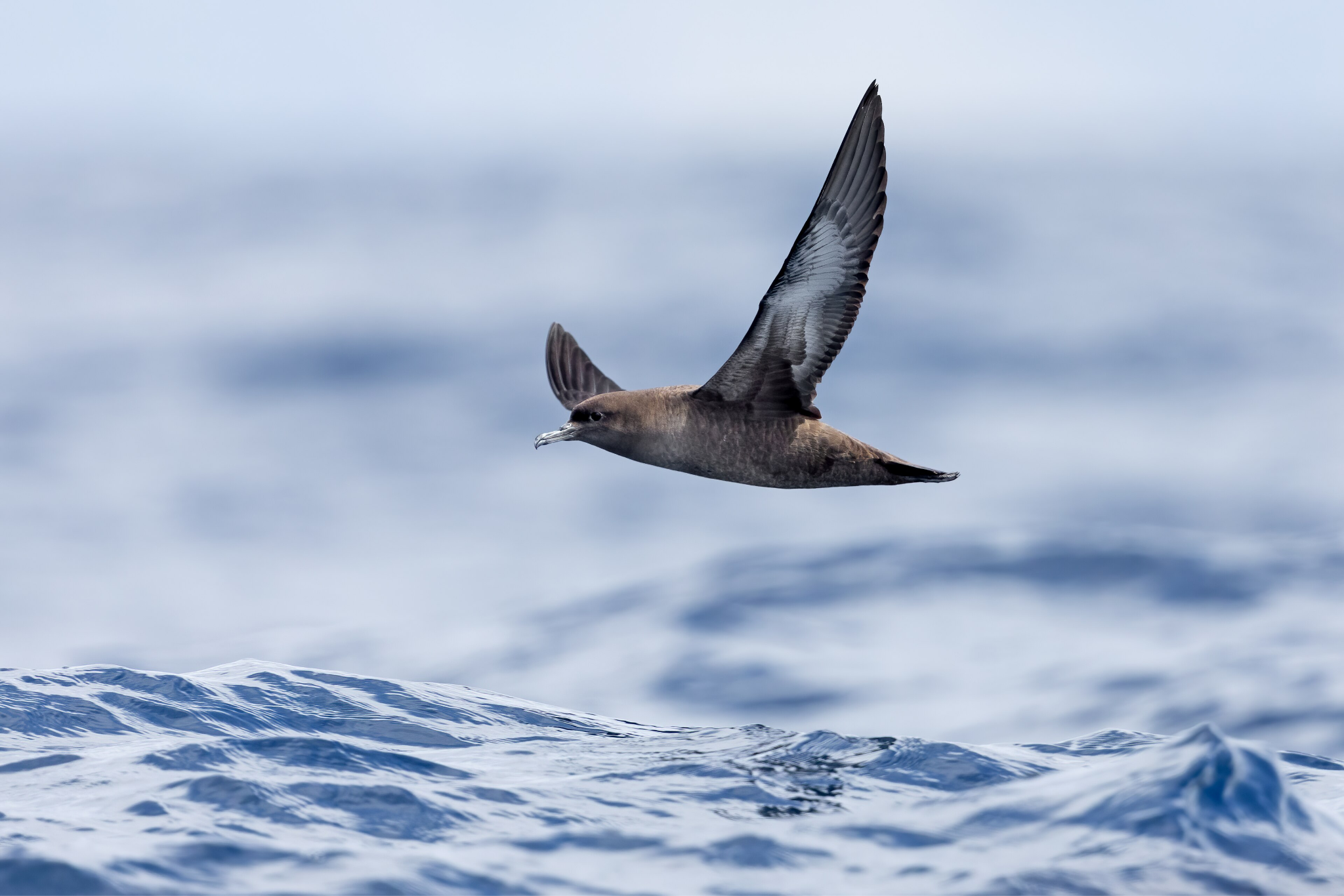
August 21, 2024 — Two years ago this week, birder Ian Mears was boating off the west coast of Svalbard, the Arctic Ocean archipelago situated about halfway between mainland Norway and the North Pole. Among familiar North Atlantic seabirds such as Atlantic Puffins, Black-legged Kittiwakes, and Northern Fulmars, Ian spotted something less expected: a low-flying, dark brown, medium-sized shearwater with silvery underwing patches—a Sooty Shearwater.
Sooty Shearwaters are among the world’s most abundant and widespread seabirds, occurring in all oceans, but they seem to rarely venture this far north in the Atlantic. Most North Atlantic records come from Iceland and southern Greenland. Historically, Svalbard’s handful of records—virtually all involving single birds—have been concentrated between late July and early September, coinciding with the species’ remarkable post-breeding movements. After breeding deep in the Southern Hemisphere, Atlantic Sooty Shearwaters migrate en masse to offshore waters along eastern North America. From there, prevailing winds transport the birds eastward, delivering tens of thousands of shearwaters to offshore western Europe in the late local summer.
A similar phenomenon occurs in the Pacific ocean, where Sooty Shearwaters undertake another enormous clockwise migration. Satellite-tracking studies have revealed just how extraordinary these journeys can be: birds traveling these trans-equatorial routes can cover 18,000 miles (29,000 kilometers) annually. Some non-breeders—those that skip breeding in a given year—take an even more circuitous figure-eight route, covering an astonishing 39,000 miles (64,000 kilometers) in a single year.
Here at Birding University, one of our primary goals is to help birders everywhere enjoy their craft to the fullest extent. There are many ways to improve your birding skills or extend your birding experience. One such way is to take your birding to the sea on a pelagic. Pelagic birding is understandably intimidating, big seas with no shoreline in sight. Pelagic birding means no access to any resources that you don’t pack out with you. Every successful pelagic trip begins with proper packing and preparation.
For those intrepid birders who schedule their first pelagic trip without an abundance of experience at sea, you may not know whether sea sickness will be an issue for you. A common trope in the birding world begins with the unprepared pelagic birder who boards the boat eager to add a few lifers to their list only to find themselves spending most of the day leaned over the side of the ship and missing many of the birds they hoped to see. Given this it’s easy to assume that you are better off using medications to tackle sea sickness but oftentimes the side effects of these medications can have a negative impact on your day as well.
If you are unsure of whether you’re affected by seasickness it is best to come prepared but not pre-medicated. If possible, test the extent of your motion sickness prior to boarding the boat in order to determine whether medication would be a good option for you. Always remember that the best resource when you’re considering medications would be your primary care physician. There are many medications both sold over the counter or with a prescription that may be an excellent resource for you.
When a birder at sea is nervous about feeling sick they will often head to the cabin to sit down. This is an easily avoidable mistake. In general, spaces with limited sightlines will make symptoms of motion sickness worse. Often, being outside where you can see the contours of the water will allow your vestibular system to respond accordingly.
The bathroom is the most likely source of motion sickness. Pelagic trips often make for long days so it may be unrealistic to not use the bathroom for the extent of your trip. It is possible to plan your bathroom breaks tactically for when the surf is at its smallest point. Anecdotal evidence from BU writers would suggest that spending a little time at the midpoint of the boat (where the rocking will be least significant) before going to the bathroom can help prevent bathroom breaks from becoming the turning point for your trip.
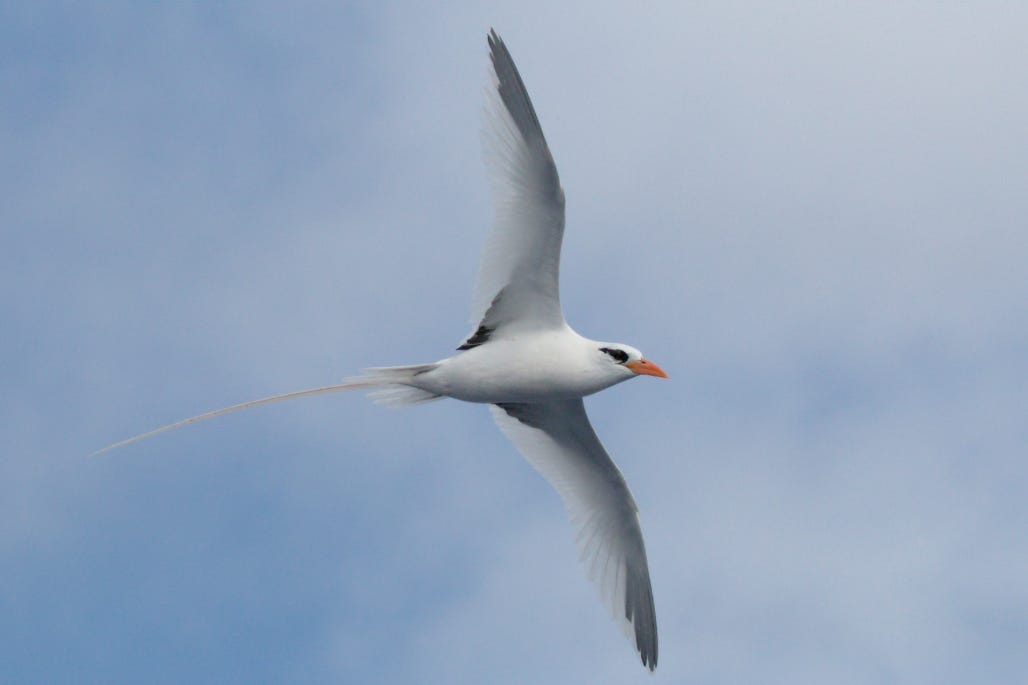
It’s easy to get extremely excited when on a pelagic and try to get good looks at every bird. This is a great attitude for seasoned pelagic goers who are tolerant of motion and have developed strong ID skills. For pelagic beginners it’s often over ambitious. Constantly trying to keep your binoculars steady on distant birds can be a cause of motion sickness and generally birds are very difficult to identify under those conditions. Be patient when watching from the deck and take advantage of the moments when birds fly close to the ship. Oftentimes views are excellent even without using optics.
If your goal is to maximize your time on the water the best method is often not to over analyze every bird. Guided pelagic trips are generally led by experienced sea watchers who can help steer the boat and its passengers towards the really unique or unusual visitors. Stick close to those people who have a lot of pelagic experience and listen for call outs of specific birds. Beyond that, enjoy the species that offer up a show close to the boat. Don’t stress yourself out over identifying every species that enters the vicinity. Pelagic birding can include some really challenging IDs paired with very difficult spotting conditions so keep an open mind and a positive attitude even if you feel like you’re missing birds you’d like to see.
Above all when on a pelagic trip, make the most of your time and never stop watching. The sea can yield so many spectacular surprises. From soaring albatrosses to wayward songbirds, you never know what birds may grace the deck of your ship next. Keep your eyes on the horizon and you’ll be less likely to get motion sick while also increasing the odds that you get eyes on your target species.
Late summer and early fall can offer excellent pelagic conditions in much of the United States and Canada. If you’ve been curious about pelagic trips before, consider this a sign and give it a try. Just remember to come prepared and start your trip slow. From there if you prove to have a sturdy set of sea legs, expand your search and always make the most of your time on the water.
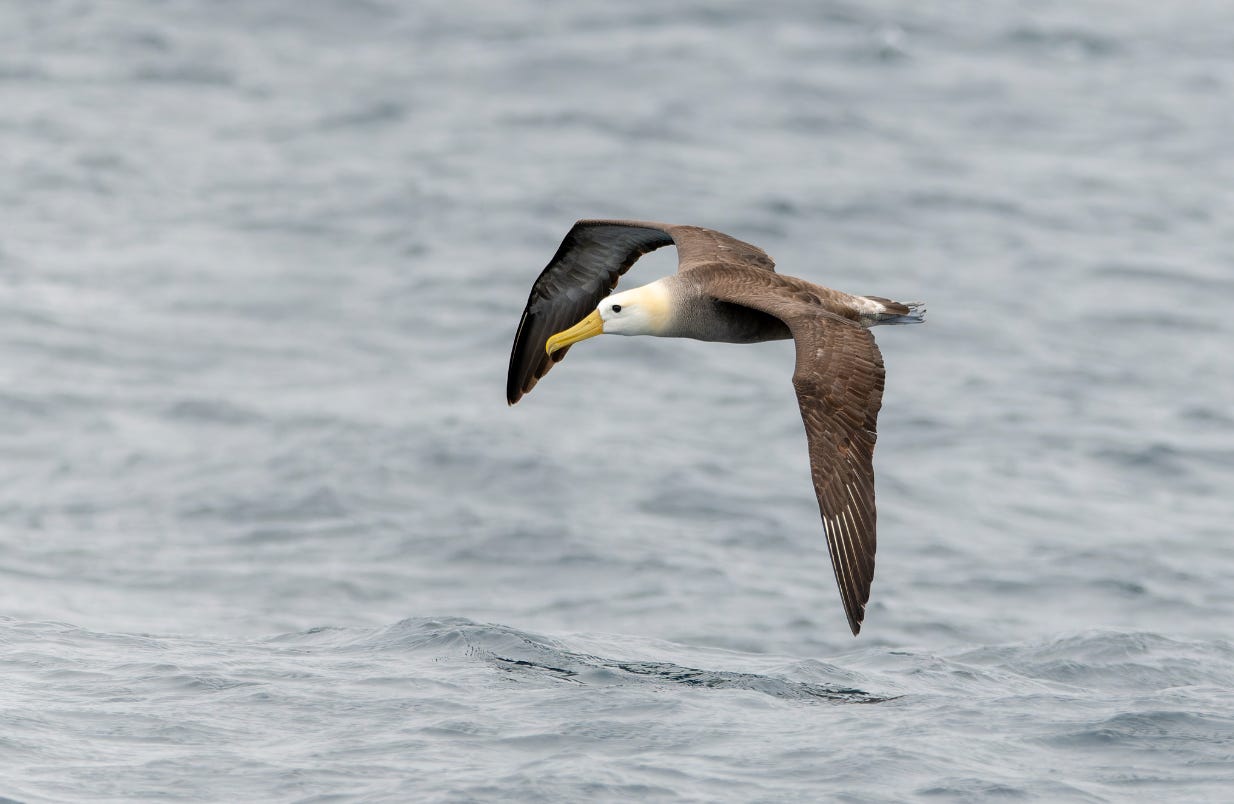
Whether you’re a veteran of the seas or a trepidatious landlubber, the ocean offers birders a unique opportunity. Many of the species you will find off shore will be species you may never encounter anywhere else. Due to the dynamic nature of the seas, you never know what you may find out in deep waters. Use these tips to prepare for your first pelagic birding outing, or reup your skills before your next trip!
Show your love for Birding University and brighten up your gear with our official sticker. Grab yours today—every purchase helps support our work!

Comments
Nothing yet. Say the first thing.
Sign in to join the conversation.