
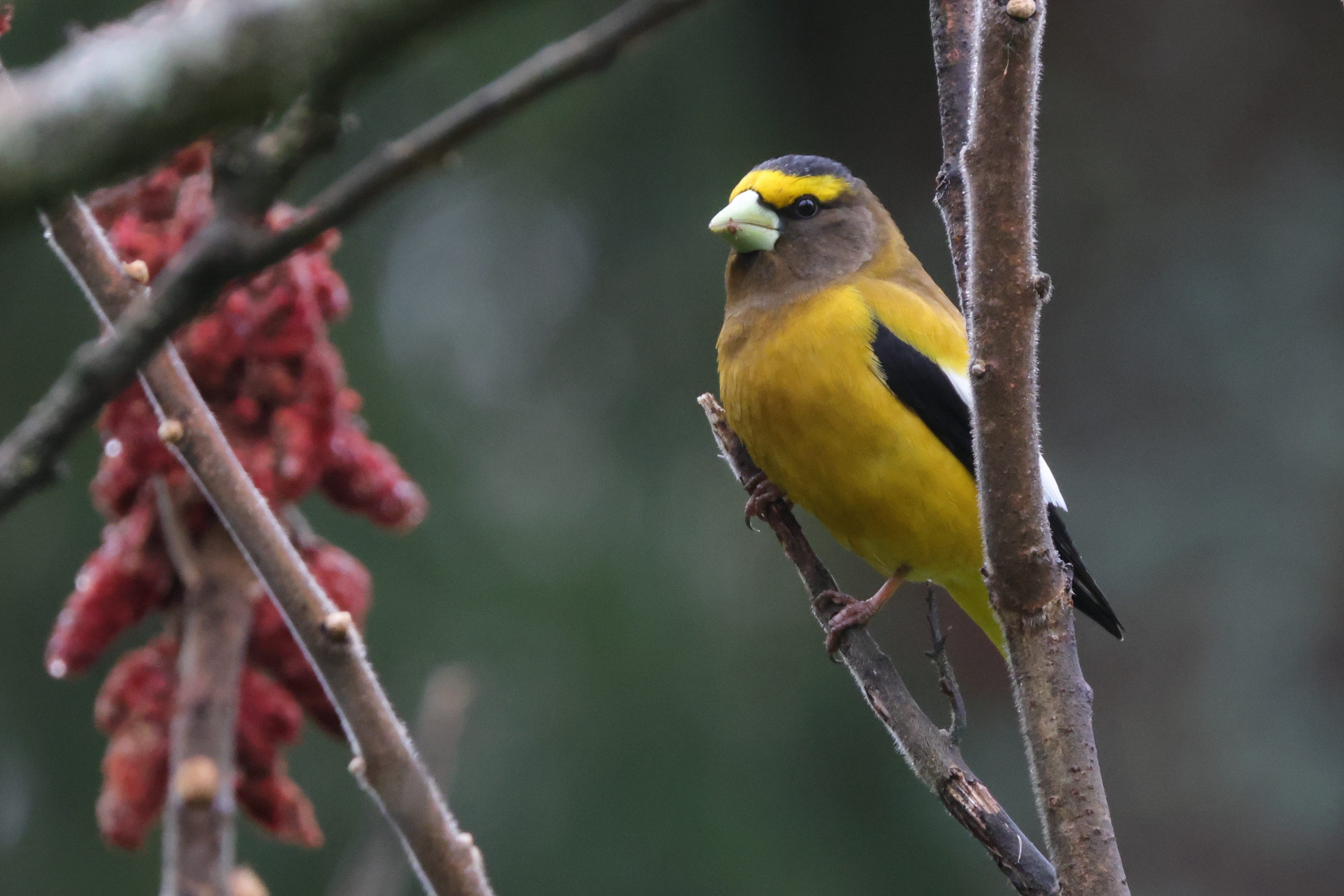
As 2023 winds down, it's a perfect time to reflect on a remarkable year. The year began for us with a road trip across the United States, from Palm Springs to our cottage in Western New York. We gathered invaluable insights and ideas, shaping our vision for a dedicated birding application. For example, missing the Slaty-backed Gull in Oklahoma City gave us the idea for push notifications of rare birds from eBird. Initially planned as a website, we pivoted to focus exclusively on app development. This shift coincided with the great spring thaw across the northern US. One misty morning in early May, a flock of Evening Grosbeaks visited the yard. These birds are the very embodiment of persistence and adaptability--they will happily stay and eat all of your sunflower seeds when available, but won't hesitate to fly hundreds of miles when the seasons change or the food runs out.
In May, we embarked on a new move to Chattanooga, Tennessee—a location I've always sensed had immense birding potential from my brief visits. My affinity for Chattanooga may partly stem from its winter-long abundance of two of my favorite birds: the serene and mysterious Common Loons and the buoyant and energetic Bonaparte's Gulls. Beyond that, I had an intuitive feeling about the presence of an untapped birding community waiting to be explored.
Following a particularly hot and dry summer, we launched BirdingApp for Android on September 1st. Early users likely laughed at my expense at the flurry of messages I sent through the Nearby Chat, even when no one else was around to read them. Then, just a month and a half later, we were thrilled to extend our reach with the launch of BirdingApp for iOS. This proved to be a good strategic move, as iOS accounts for about 75% of our 400+ users so far. As the Christmas Bird Count season approaches, let's highlight some of the exciting new features in BirdingApp that promise to enhance your birding experience:
Nearby Birders Chat: This feature can be a vibrant hub for real-time birding updates in local communities, but it does require a critical mass of birders. It has begun to take off in a few localized areas, so if you are in an isolated area you can help by making a comment or inviting your friends. Share photographs of unique places or birds (like a Leucistic White-throated Sparrow I recently spotted!), or let others know what birds you are seeing or looking for. There is no need to be shy, as notifications for this chat are off by default.
Rare Bird Alert (RBA) Posts and Sharing: Found a rare bird? Unsure about its identification? Start with the Nearby Chat for confirmation. Once you're confident, go to “New Post”, choose “Rare Bird Alert” for the post type. This streamlined process includes selecting the location, species, rarity level, and adding notes or photos. Nearby birders with the app then immediately get a push notification! For birds where you want to get the word out right away, you no longer need to stress about prematurely ending your eBird track or writing a hasty description for the reviewer. We believe this approach has several advantages to existing rare bird alert platforms such as Discord, GroupMe, and Telegram:
Only one notification for the rarity is sent out. Any further discussion about the bird takes place in the nearest hotspot chat.
This feature is available for any traveling birders in your area with BirdingApp, most of whom likely have no idea how to sign up and join the local rare bird group.
Birds ignore state lines, so notifications of their presence should as well. Why miss a life bird just because you didn't sign up for the rare bird group across the border in a neighboring state?
A standardized format including all relevant fields for an RBA means less ambiguity about the precise location and species. Just click “directions” and you’re on you way!
Customized reactions to RBA posts, including "chasing", "seen", and "missed" are not available in these other platforms. These reactions can provide crucial information to those interested in trying to relocate the bird.
Enhanced Map Functionality: Our map now displays recent rarities from eBird as little red triangles. The hiking trails layer on the map should be especially helpful during the CBC.
Itins, Trips, and Routes: While these features may seem intimidating for the casual birder, they offer great potential even for informal gatherings. For example, if you have a local lake-watching spot this winter, just make a Route (can just be a parking area and the scanning point), press "Create Itin from Route" from the menu in the upper right, and set a schedule of when you plan to be there. When it comes to lake-watching, the more eyes the better!
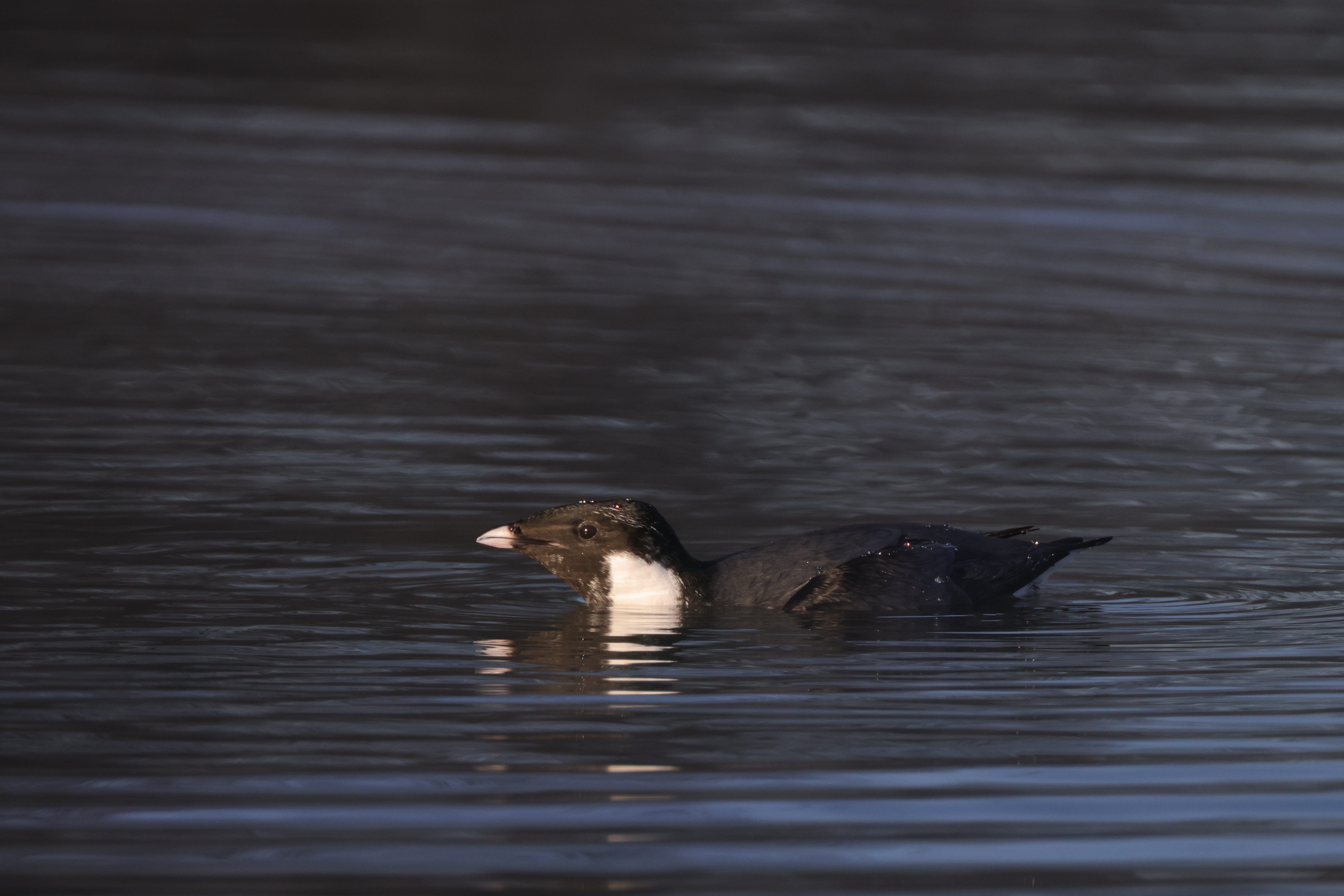
Finally, I have to mention the star of the fall season in Chattanooga, this Ancient Murrelet that appeared at the Chickamauga Dam on November 24, while we were on Thanksgiving Break in Texas. For the next five days, it was a perfect time to practice gratitude, until we could take it no longer and drove straight home from Baton Rouge with the intent to see the bird the next morning. Miraculously, it lingered and fed on small fish through December 3rd. Then, on a night graced with gentle winds, it took flight. Its next destination remains a mystery. Will it make it back to its home in the Pacific Ocean? Or will its presence thrill birders elsewhere, perhaps even in your local Christmas Bird Count circle?
We hope you enjoy these updates and that you will have a fantastic CBC season! Your feedback and ideas are crucial for our continuous improvement in 2024. Please share your thoughts and help us make BirdingApp even better.
No posts
Comments
Nothing yet. Say the first thing.
Sign in to join the conversation.