
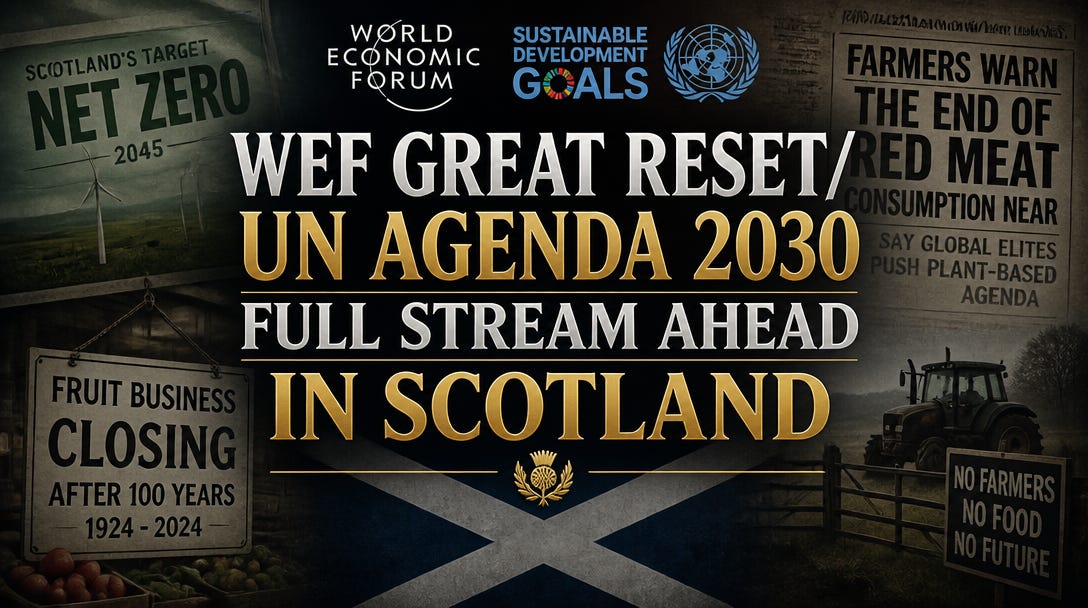
Blairgowrie fruit farm a family business over 100 years old and once so famed for its production of soft fruit that it became know as “Berry Toon” or “The Berry Capital of the UK” is to close.
Unable to make a profit.
Rising labour costs.
Cheap imports.
‘Livestock numbers in Scotland have been declining in recent years because of a rise in costs and labour shortages. But farming unions fear the issue is compounding because of an old funding model used by the Scottish Government. The Less Favoured Area Payment is offered to those farming in remote areas, but hasn't been evaluated since 2009. There are plans to update it by 2030, but farmers fear that could be too late for some.’
LFA payment rates to support ‘sustainability’ reduced up to 10x.
Rising labour costs and shortages.
Rising costs for fuel and fertiliser due to Iran war.
Red meat sector in danger of extinction.
An ageing workforce, limited access to land and rising costs are threatening the future of farming in Scotland.
Rising costs facing the industry create significant hurdles for young entrants.
Straw costs more than doubling. Electricity, fertiliser, animal feed and motor fuels increased by 38–50% compared to 2019.
-84-year-old Farmer David Smith
‘BP's North Sea portfolio includes two production hubs and employs around 1,100 people.’
Years of policy uncertainty, punitive taxation and mixed messages about the future of the industry.
Unless investors have confidence that Britain is open for business, more capital, more jobs and more expertise will continue to leave.
‘The Climate Change Committee suggests a 20% reduction in meat and dairy by 2030 and 35% reduction for meat by 2050 1. The independent National Food Strategy review proposed a more ambitious target – a 30% reduction in meat consumption by 2032 – to be achieved alongside increases in fruit and vegetable consumption (by 30%) and fibre consumption (by 50%), and decreases in consumption of foods high in fat, salt and sugar (by 30%) 2. The Eating Better alliance, which promotes consumption of “less and better” meat is most ambitious of all, pushing for a 50% reduction in meat and dairy consumption in the UK by 2030, and for a transition to ‘better’ meat and dairy as standard 3.’
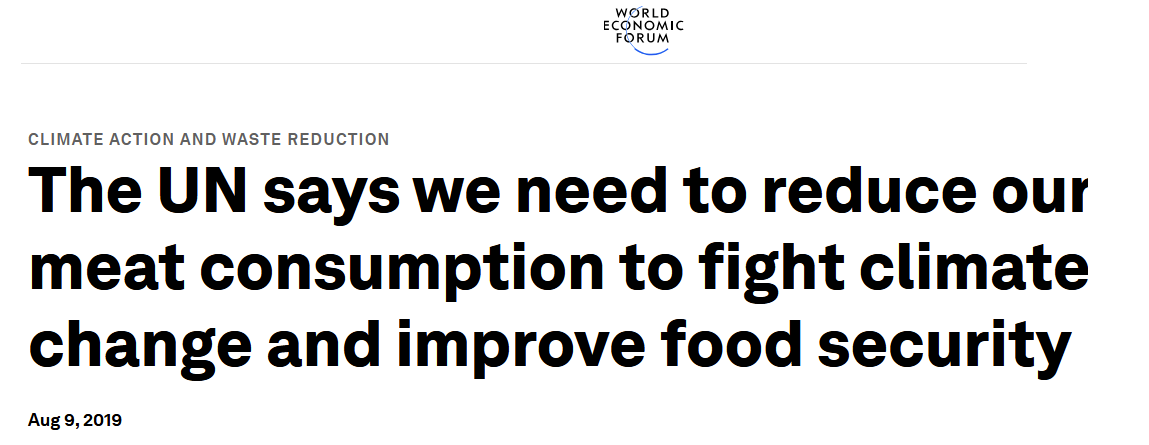
‘Global meat consumption must fall to curb global warming, reduce growing strains on land and water and improve food security, health and biodiversity, a United Nations report on the effects of climate change concluded.’
Thanks for your attention.
All feedback welcome.
End
Comments
Nothing yet. Say the first thing.
Sign in to join the conversation.