
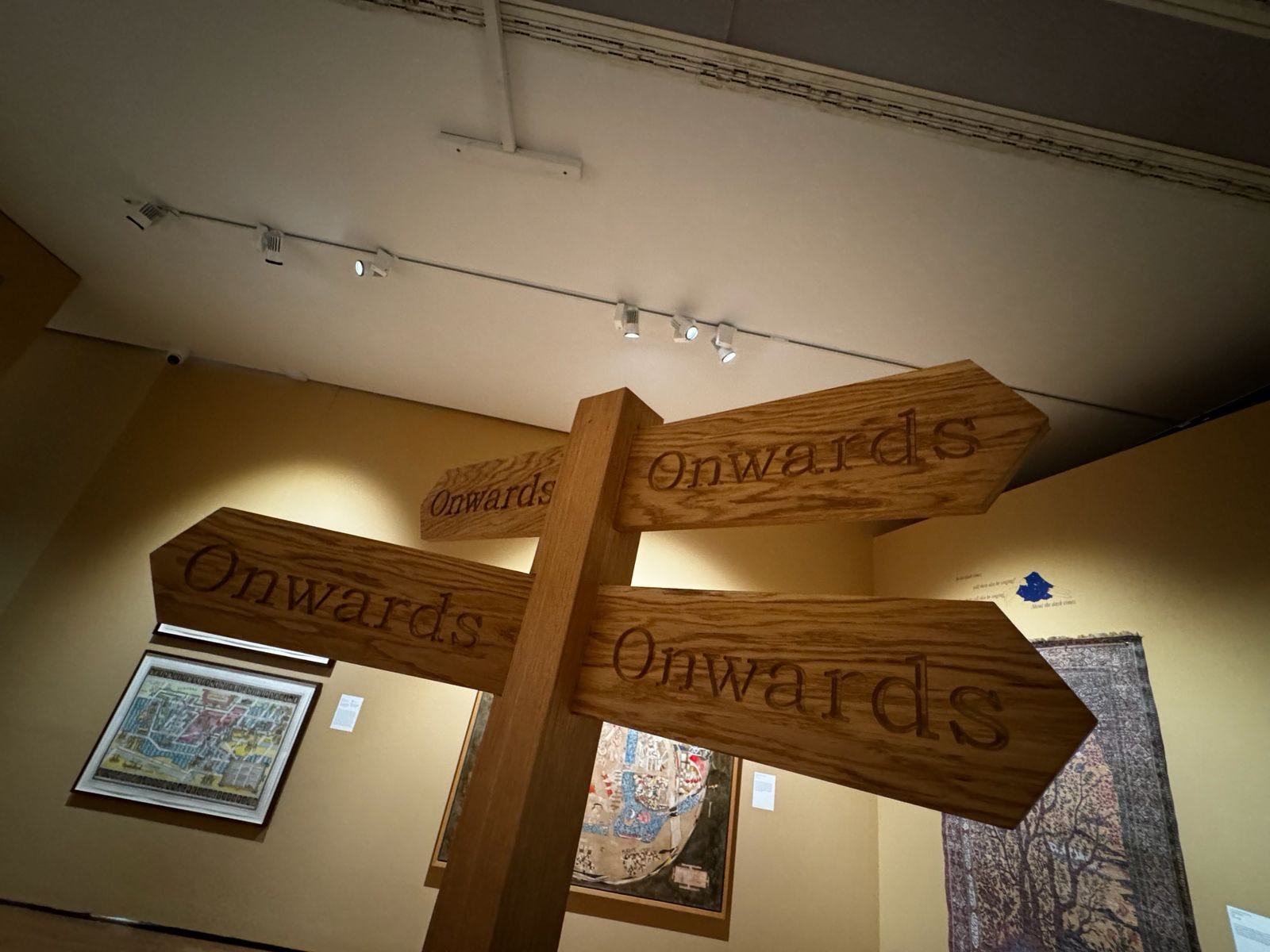
A month ago now, for my birthday, I went to Compton Verney to view the surreal and wonderful The Shelter of Stories exhibition curated by fairy tale academic Marina Warner. Soon after, I was tumbled down the deep, dark rabbit hole of illness again; over a month now of shadows, crushing fatigue, and pain so severe at times I could do nothing but breathe. It has been a time of profound undoing, again, again, and yet each time this happens, I learn something new; something shifts, something grows. More on that when I have some strength back.
Was it the extra exertion of my trip, or just the time of year? A new medication? I’m still not sure, but before I crashed, during that bright day at Compton Verney, I scribbled long notes, happy, utterly enchanted. My notes were full of more questions than answers, but they felt important. I wanted to share them with you before they were lost to more time passing.
(Because I want to share pictures too, you may find the end of this email cuts off in your inbox. Just click on the title or on ‘view entire message’ to read the view the whole thing in your browser — it’s worth it, I promise!)
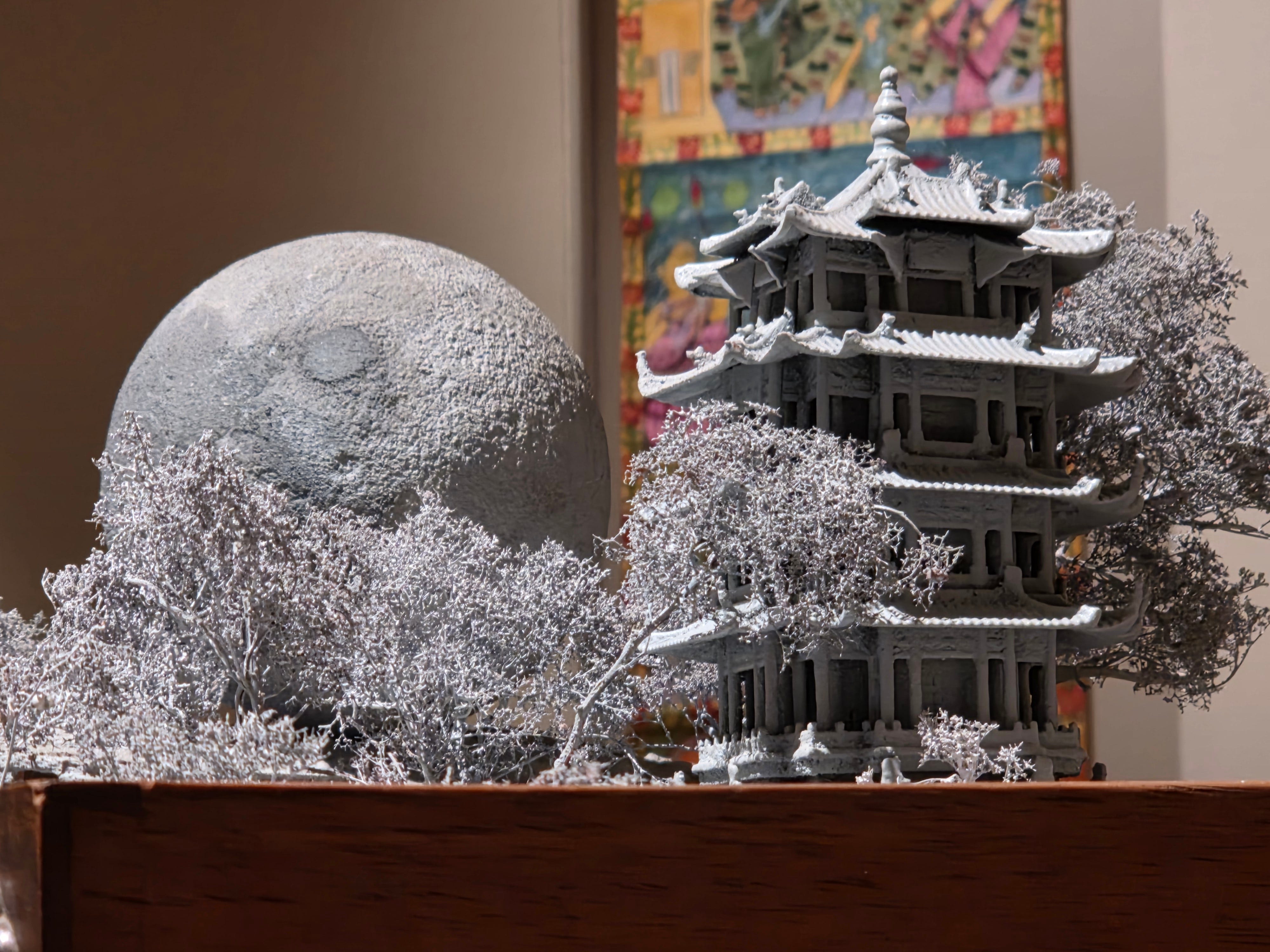
“Stories can provide shelter, where fears can be faced, difficult subjects addressed, knowledge passed on, and hope kindled.” - The Shelter of Stories
I am someone trying to write a story, and someone trying to learn how to draw them. I am left both fascinated and wildly intimidated by story, by storytellers, by all who came before me.
Here, I join a legacy as old as humanity itself. Tale after tale, written, drawn, danced, mimed.
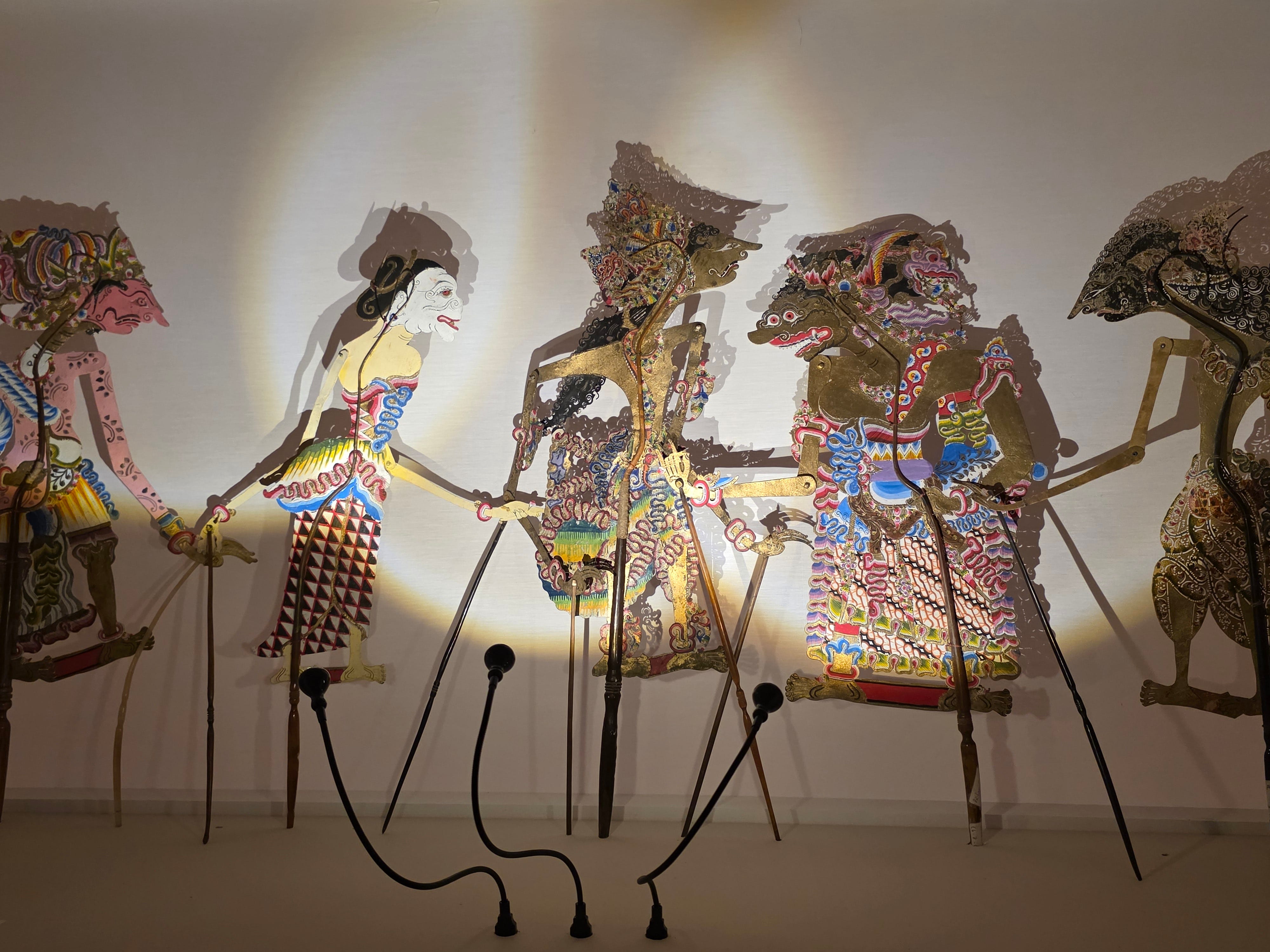
Let’s not pretend otherwise: stories are dangerous. To write one or to tell one is an abject responsibility. There are stories that have split the world and stories that have mended it. There are stories that have lulled people into conformity, stupor, sleep, and stories that have woken people up — GASP! — before they walked off the cliff they were headed towards. There are stories that have rocked and comforted and held people in good rest, and stories that have slowly poisoned.
There are no morally neutral stories. They are made of words, concepts, ideas, and that makes them dangerous. All stories are illusions, all of them just one version of truth, warped and flawed. Which illusions help us live and think better? Who chooses what ‘better’ is? Does ‘better’ even matter?
Every story is a point of view and every point of view is flawed, and that means it should be examined, carefully.
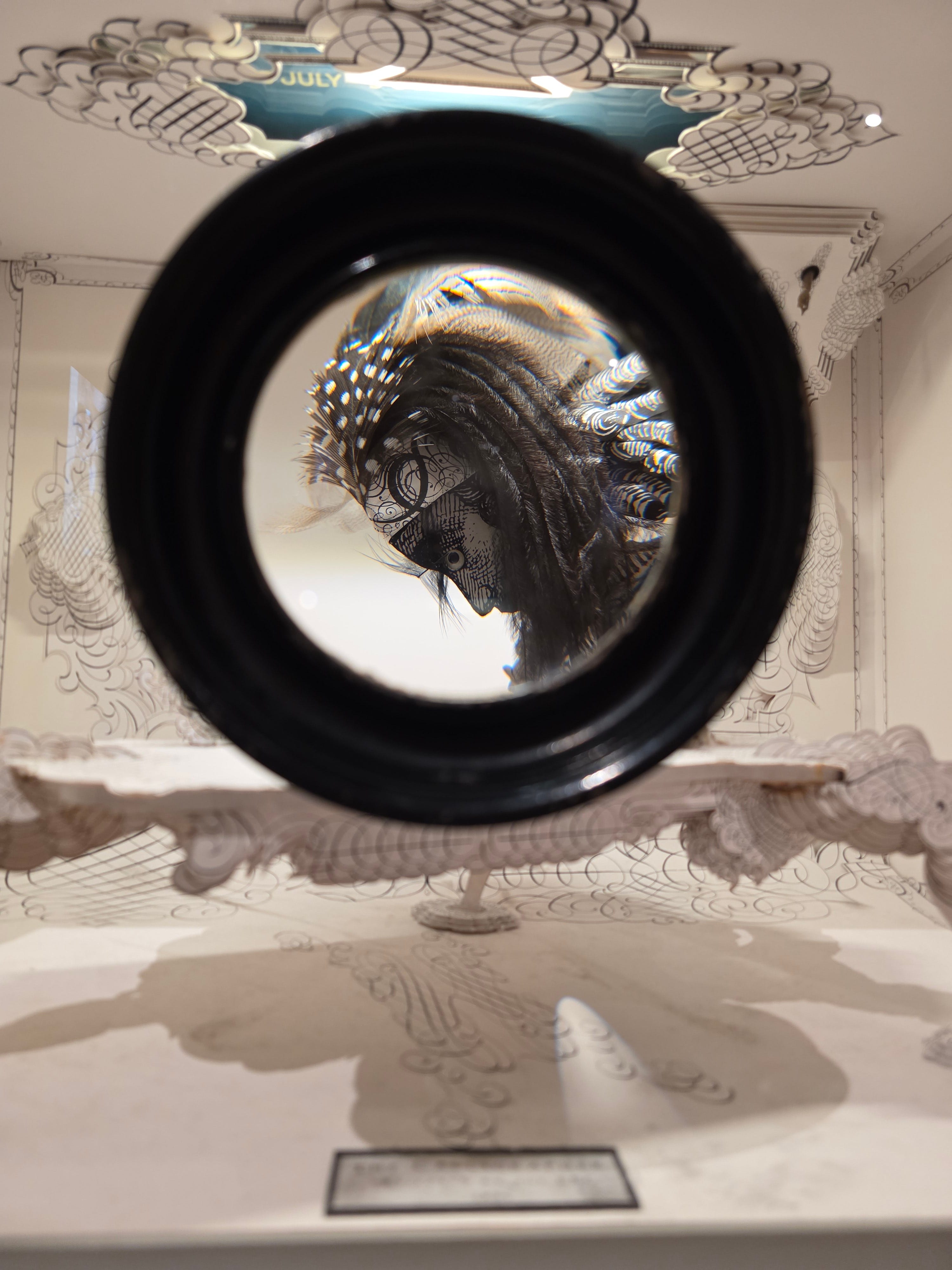
What is each story for? Each holds a purpose, whether it is made explicit or not.
Does the story exist to teach? To warn? To reassure?
Does it exist to illustrate — to provide words and images for something immutable but known, helping us understand something better?
Does the story exist to deepen our connection with a place, or a time, or each other?
Does it exist to subvert, rewrite, or reinterpret the stories that came before us? Stories that empowered us or hurt us?
Does the story exist simply so its author can assert — perhaps desperately, perhaps jubilantly — “I EXIST,” to raise their voice above the noise?
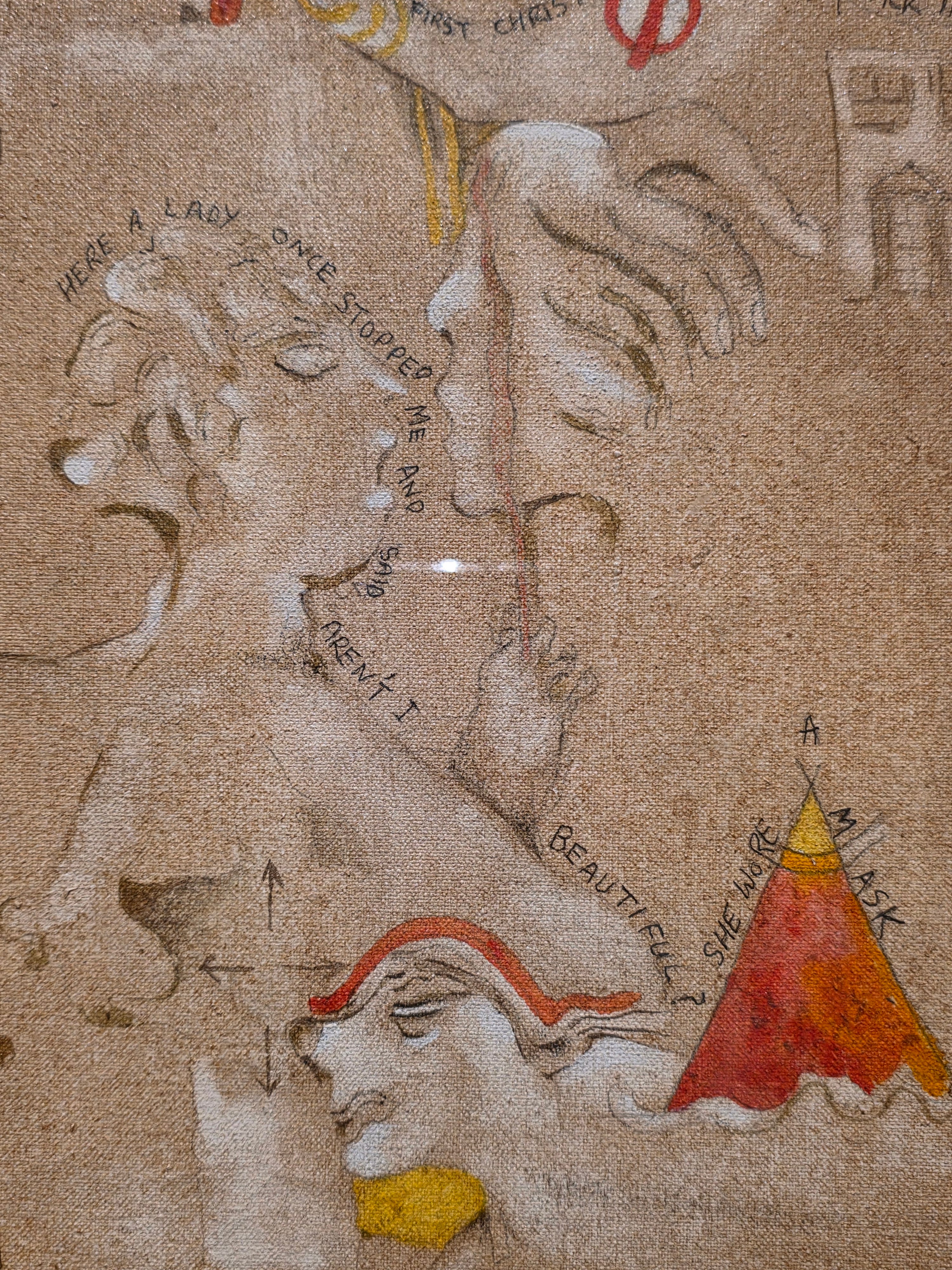
What’s kept in the story, and what’s kept out? If the story is told for entertainment, what does this say about what we find entertaining, and what we don’t?
Even if a story exists only for ‘escapism’ — something many authors claim — what is it encouraging us to escape from? What is it offering as an alternative to reality, and why should we spend time there? Does it do us good to escape this moment or this life that we’re in? Or not?
“It’s not that deep,” you might say, yet IT IS.
Even if you don’t ask these questions, they exist without you, and the exert force on your thinking, your experience, your choices.
We can’t revere a story just because it is a story.
What does solidify? What does it dissolve?
Is it medicine?
Is it poison?
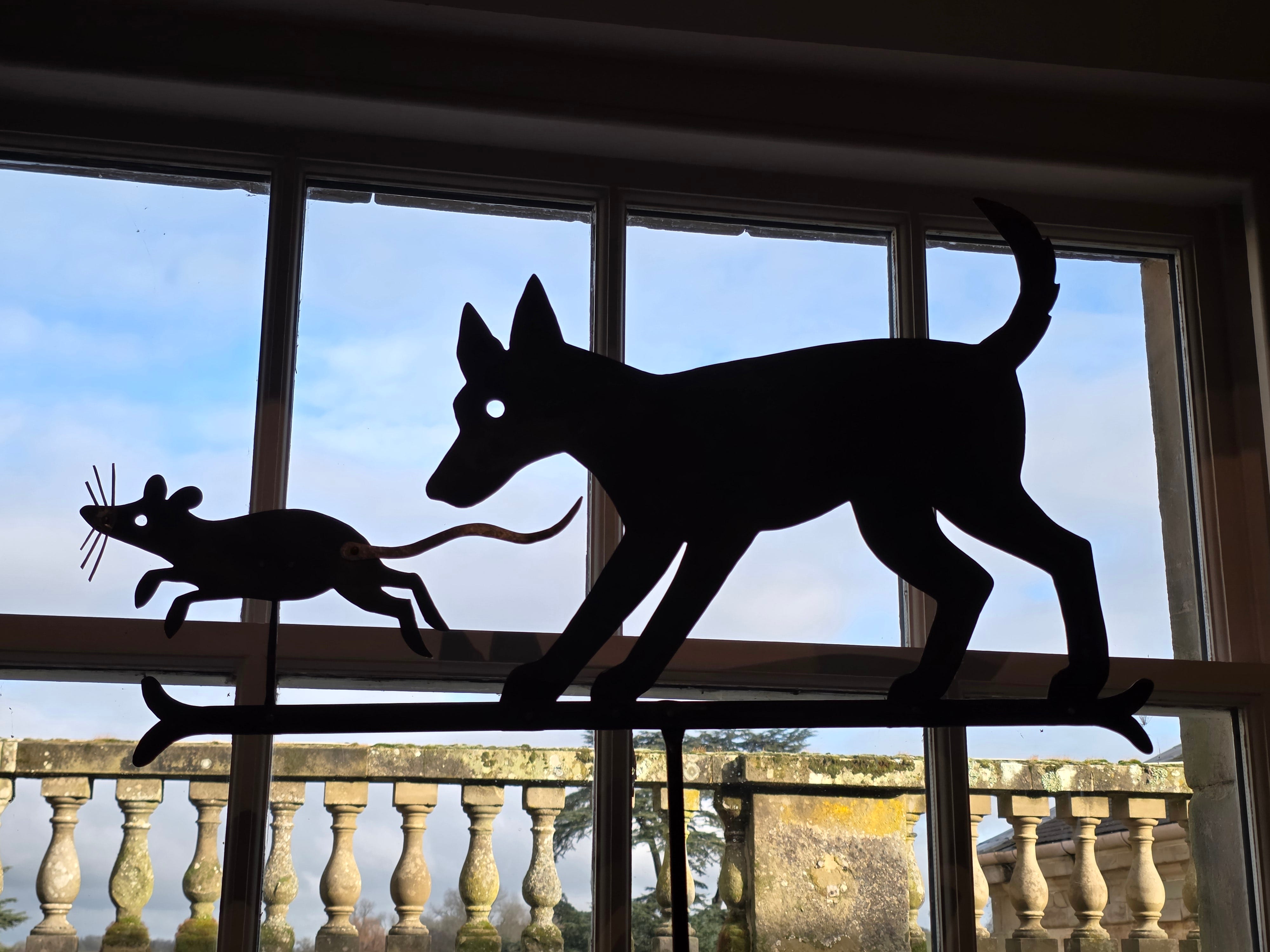
There is a lot of darkness in this exhibition and I am glad of it.
Without some threat, without shadow, even horror sometimes, stories can too easily descend into whimsy.
Whimsy is wonder without truth. Nice but shallow. There is more — to us, to life — and I hunger for more these days.
I want the whole thing, not the nice facade.
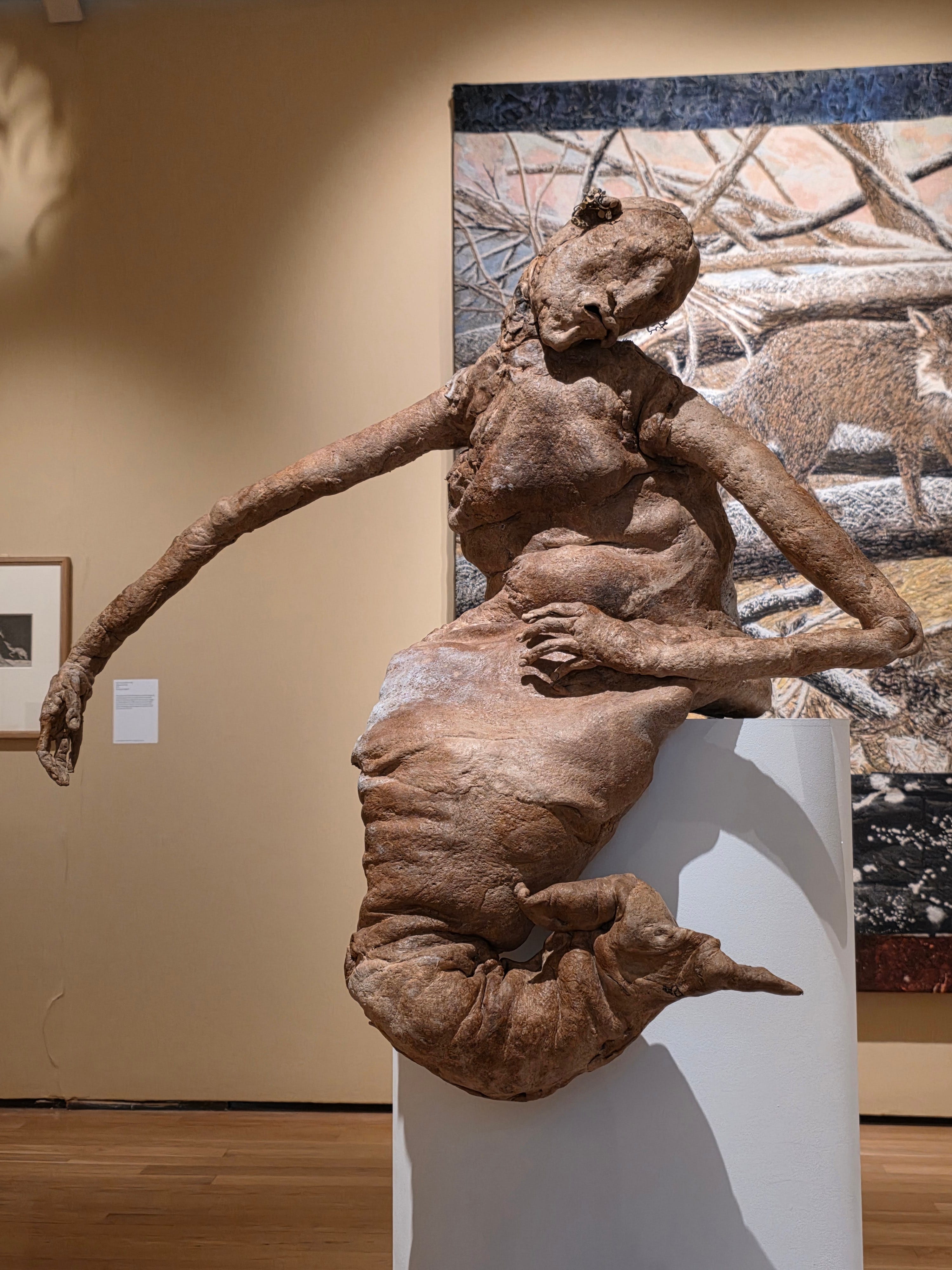
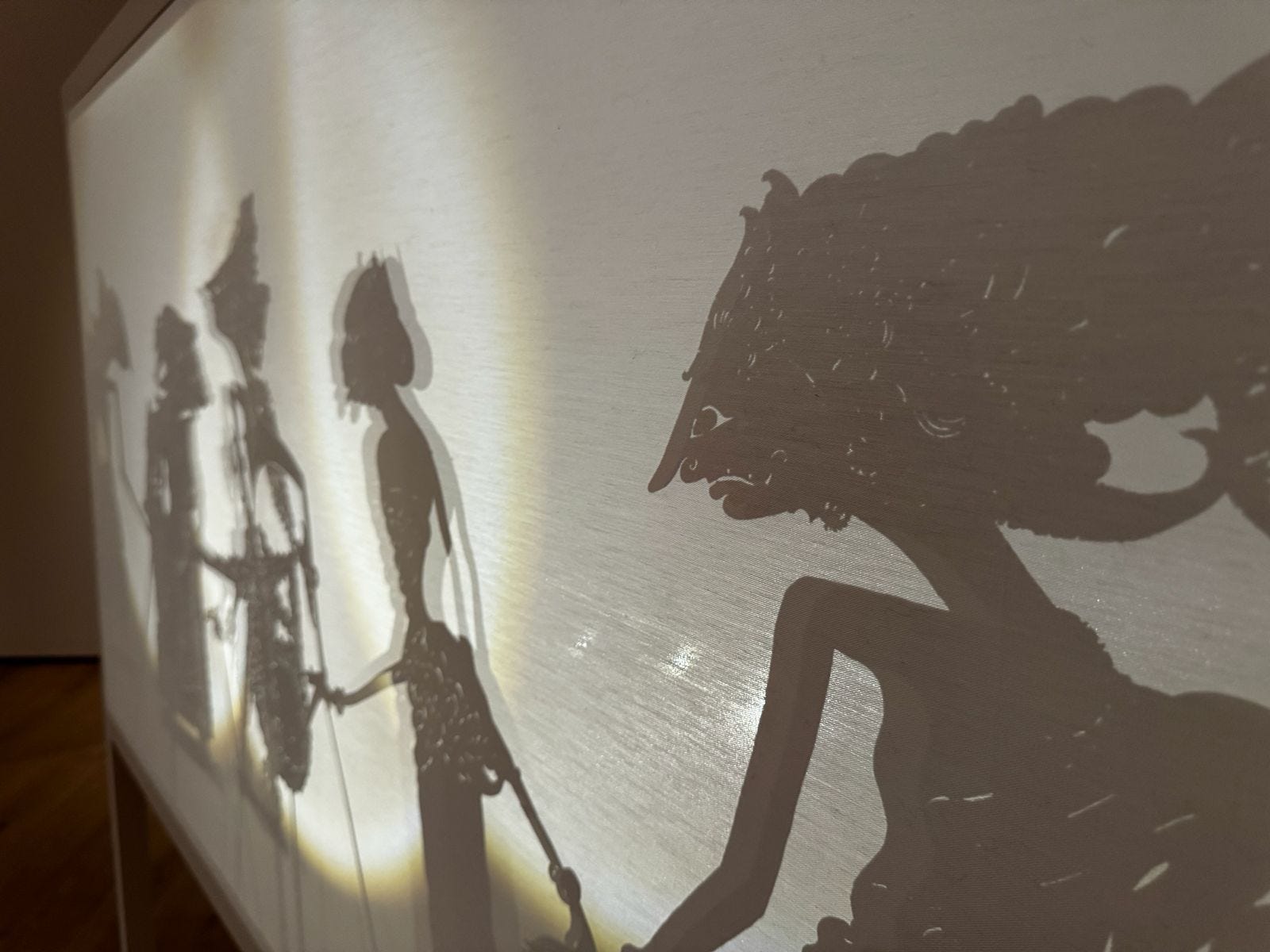
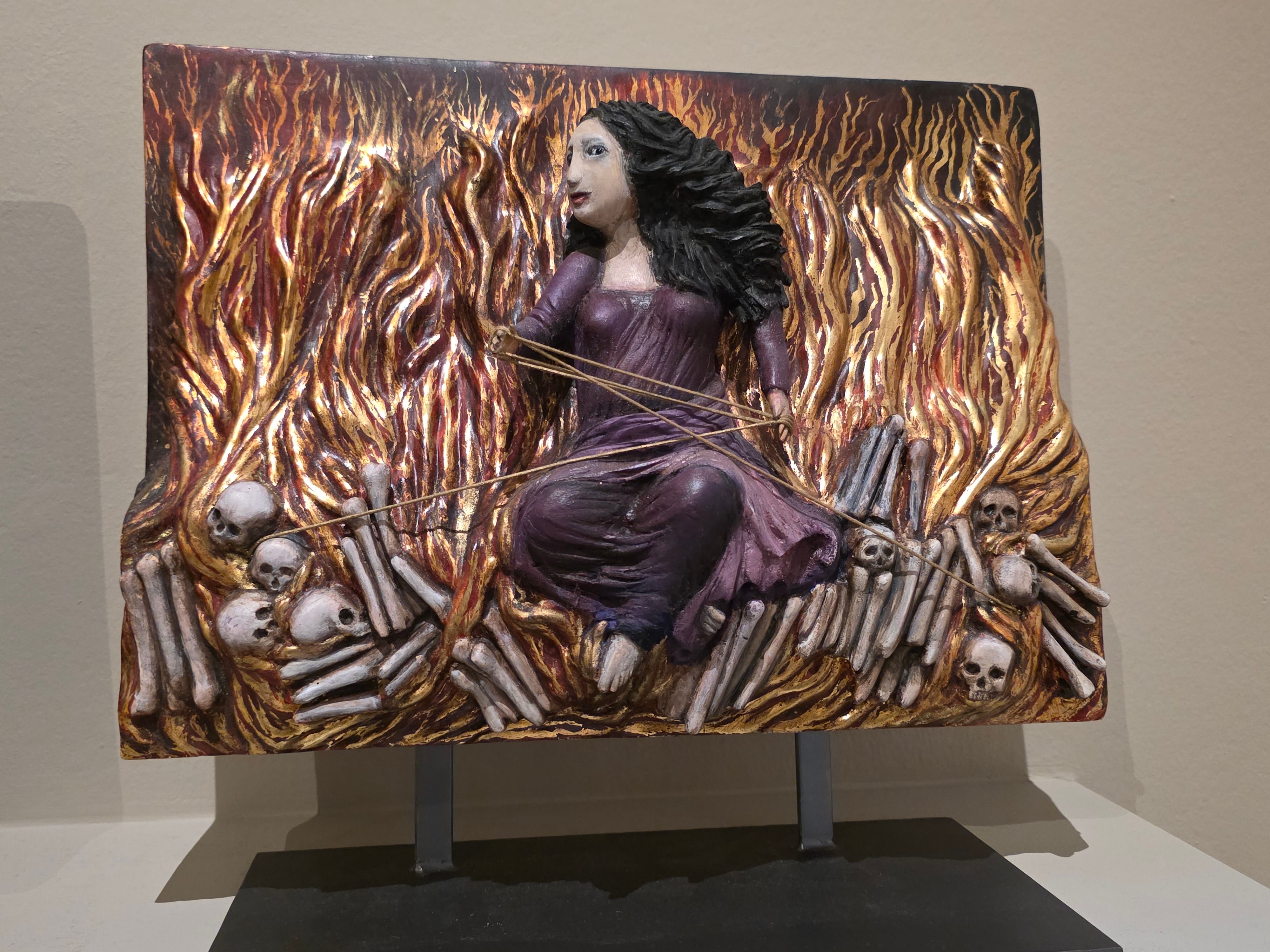
Moving around the exhibition, I am struck how it’s the dark and uncanny pieces that affect me most. I suspect it will also make them more memorable. Predictable images, even the more realistic images, slide right off me.
Will I remember the prim, classical collections downstairs in this museum, or will I remember this?
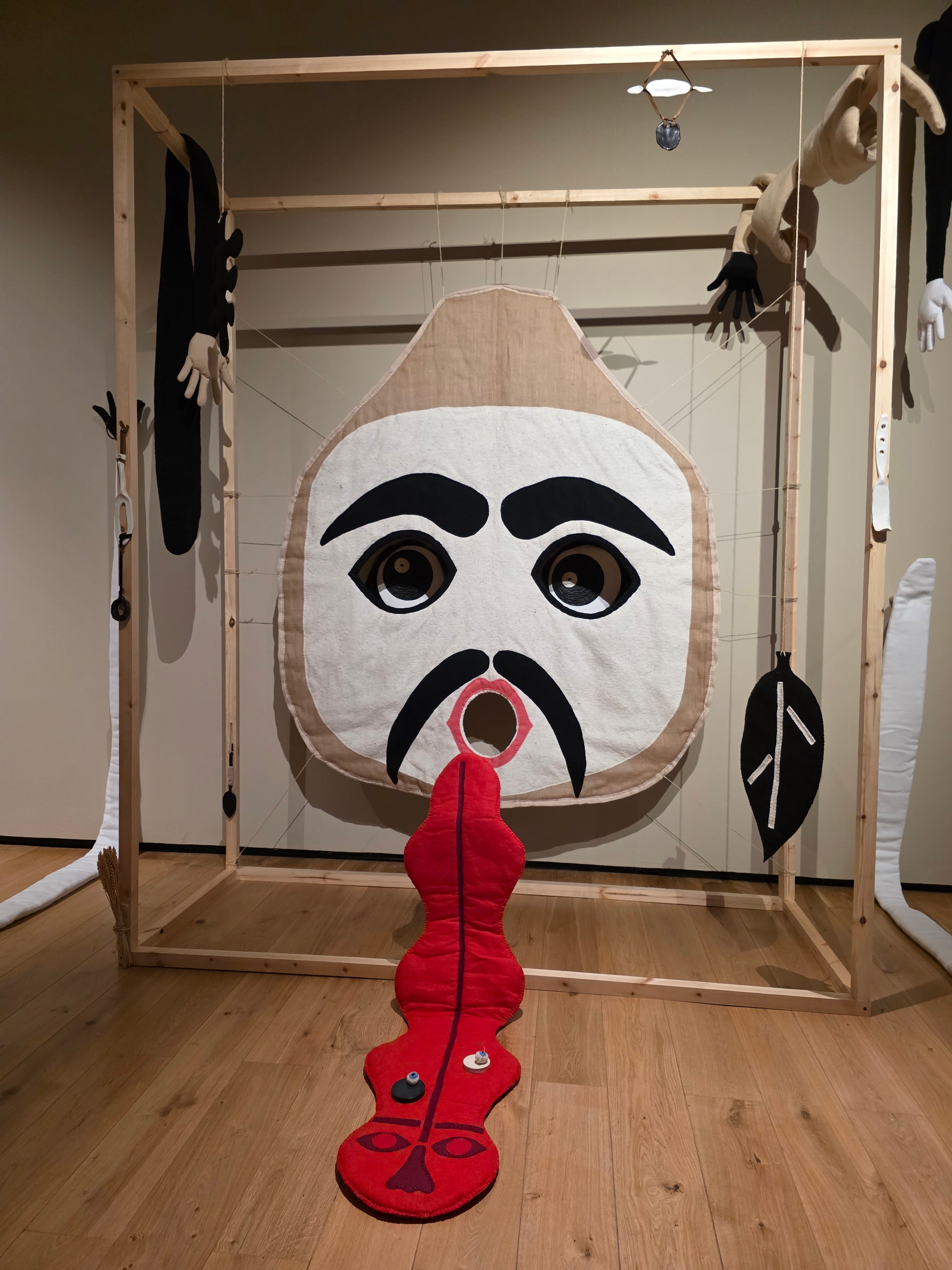
(Reader: I can in fact not remember the prim, classical collections)
As a storyteller, this is useful..
I do not want to write, tell or make disposable stories that are instantly forgotten
If we want stories stick in our minds like dreams, MAKE them like dreams. Make the experience of them visceral, so we can feel them in our bodies not just in our heads.
Make them not too nice.
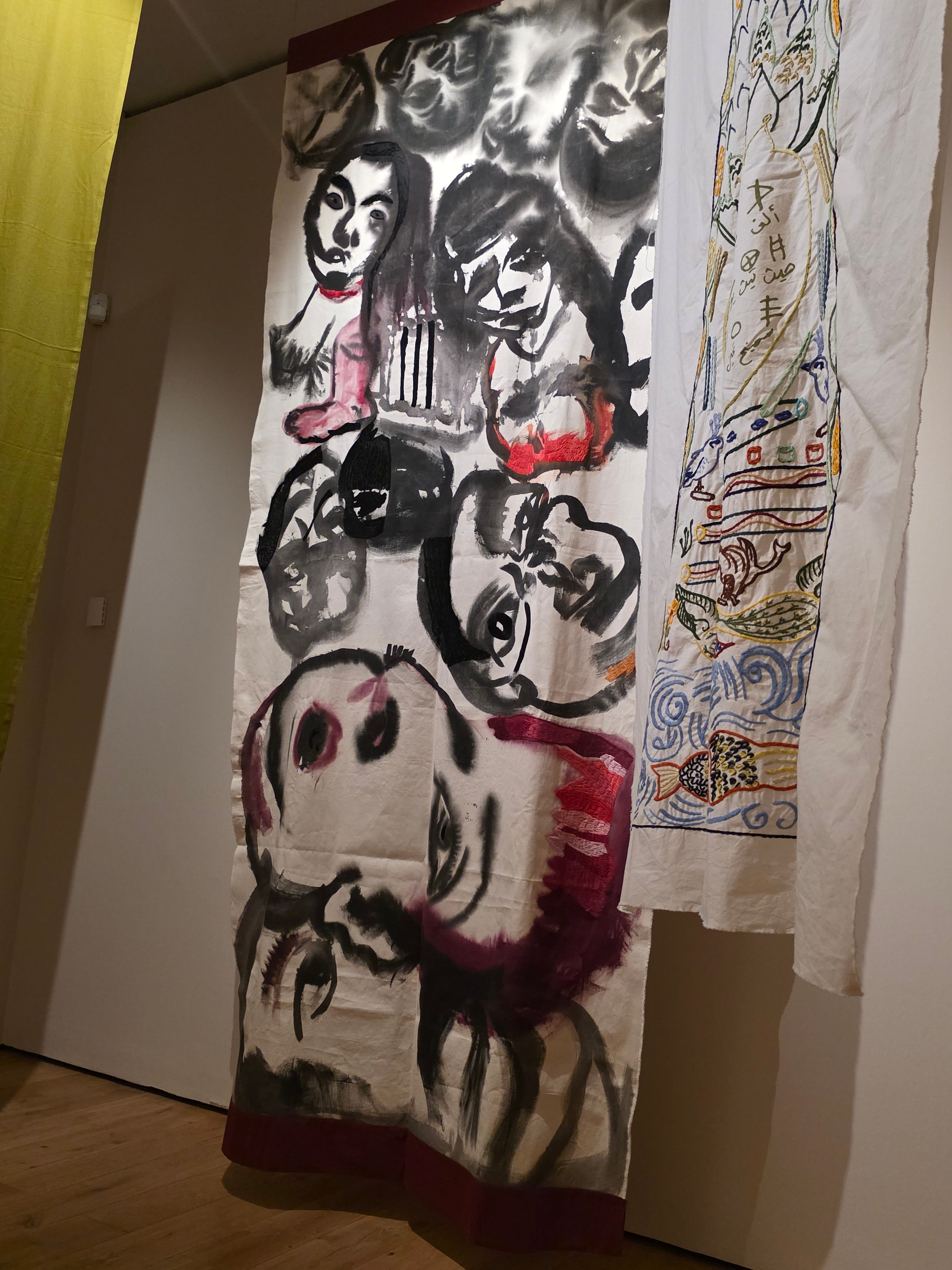
Something I’ve found fascinating is that none of the characters in this exhibition here are depicted particularly realistically AND IT DOESN’T MATTER.
There is something in us that recognises story when we see it, however crudely it’s depicted. We are built to connect to deeper things: archetypes, emotion, experience, values, choices, pain, joy, belonging, loneliness, death… the list goes on and on.
The deepest part of us doesn’t care about aesthetics, the neatness or obedience of things. It doesn’t care about being good or looking perfect, it just craves something that feels…real? Honest? True?
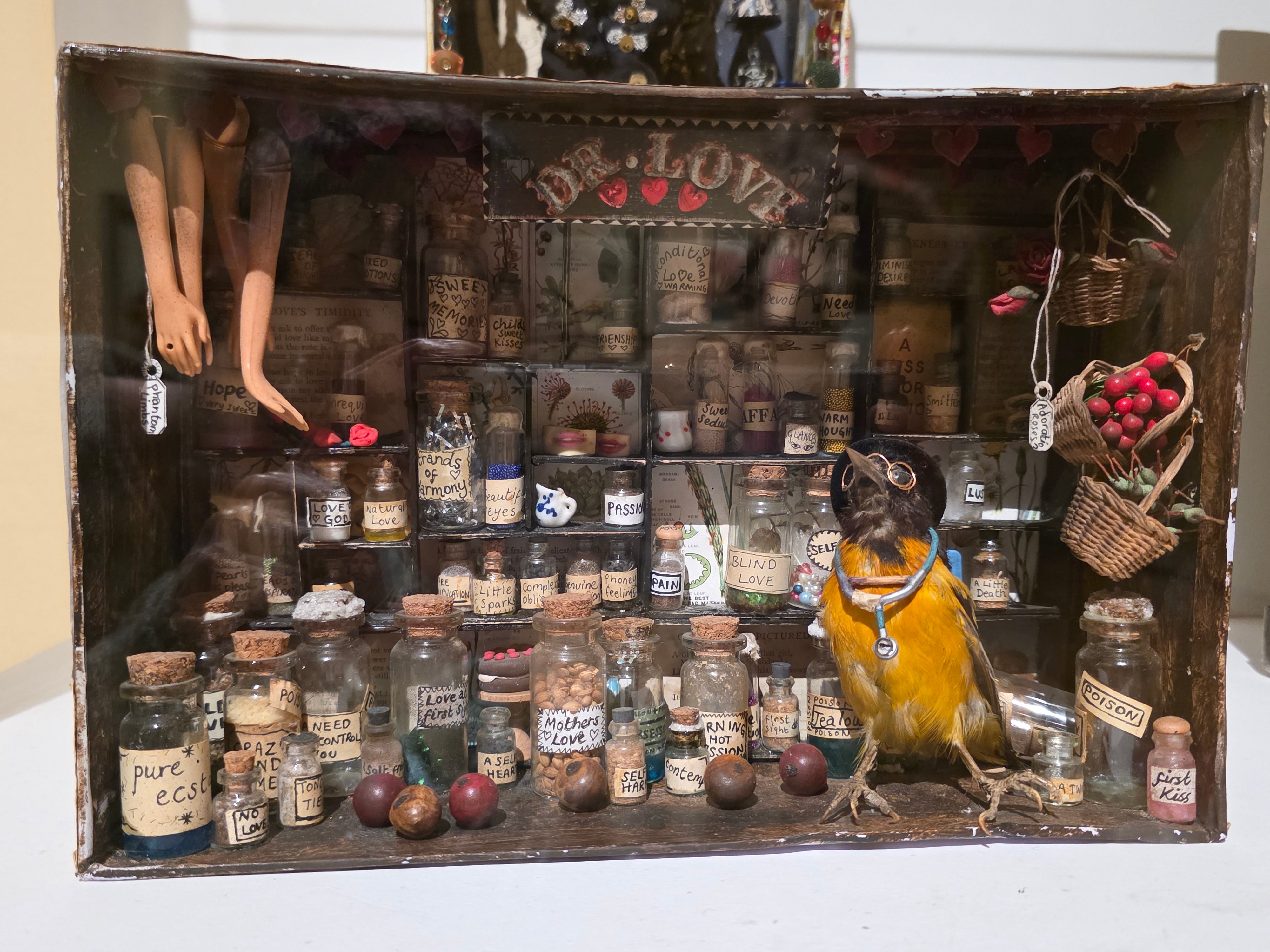
It is deeply humbling.
All these strange and wonderful things came about because someone saw or imagined an image in their head, or felt a story inside them, or heard a line from one, and then had the courage to bring it to life.
It is this courage and faith that changes things, not necessarily proficiency.
“I could have painted that,” someone says. Yes, but you didn’t.
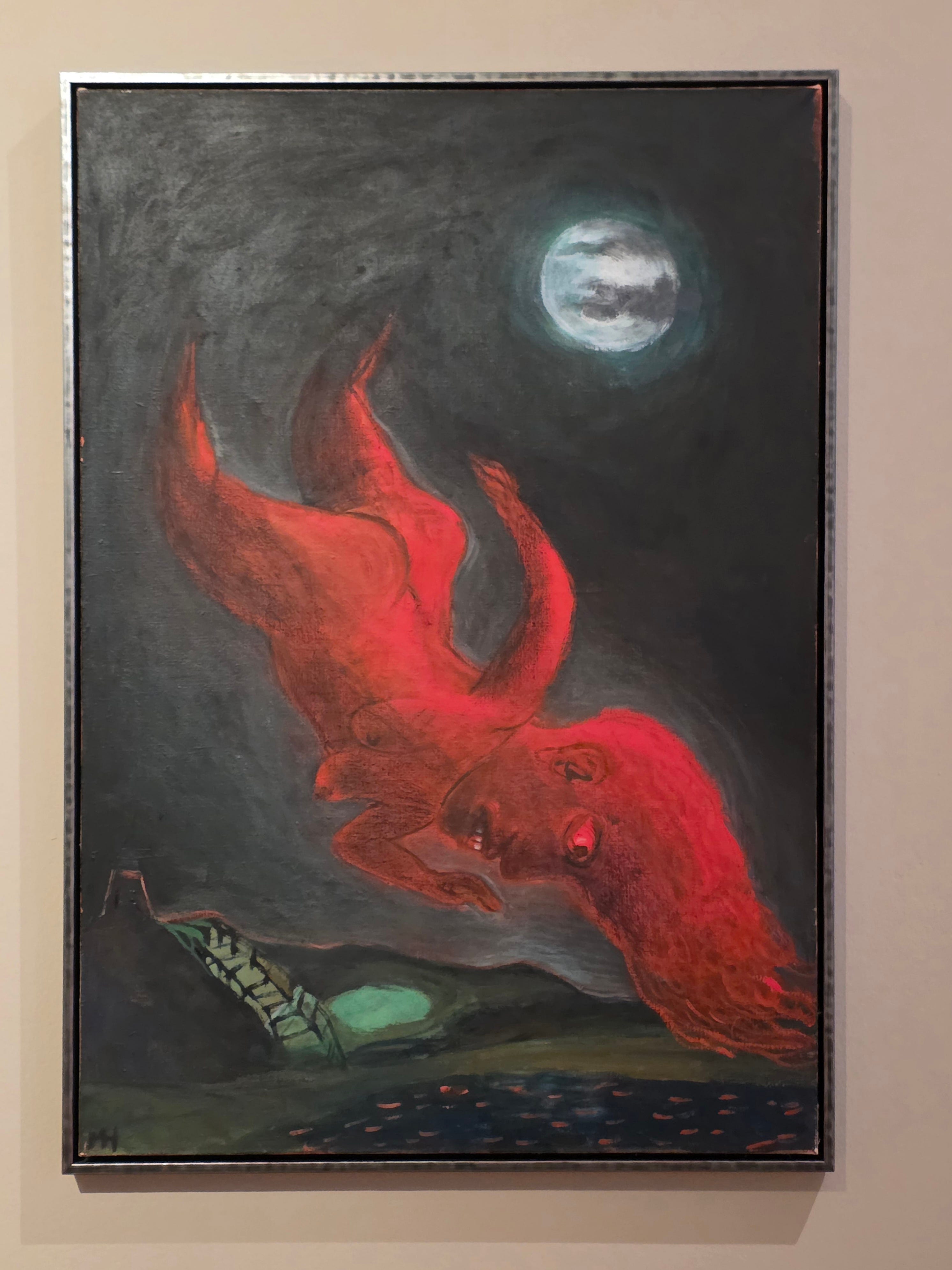
I am surprised at how small all this makes me feel.
Insignificant, inept.
There is a strong sense of envy and shame too.
I am not this brave. I am not this persistent.
I am not one of these people, yet.
I want to be.
One of the exhibits is a gorgeous old board game.
The words at the bottom are the words I needed.
Upstairs, there is the opportunity to make a badge with a badge-making machine, and I write the game’s words out so I will remember them:
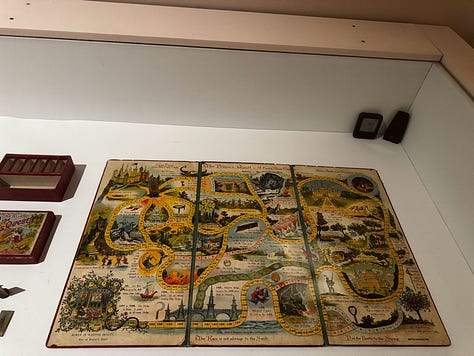
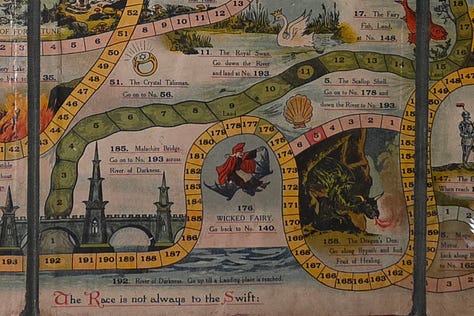
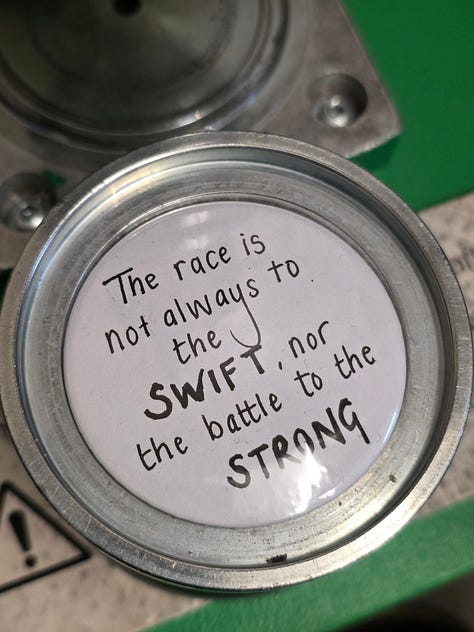
The words give me courage, courage enough to pull out my sketchbook and draw.
The room next to the exhibition is full of ritual wine vessels made of bronze. I love their shapes, the mystery of them, their plumpness and their sturdiness.
I love thinking of who might have held them.
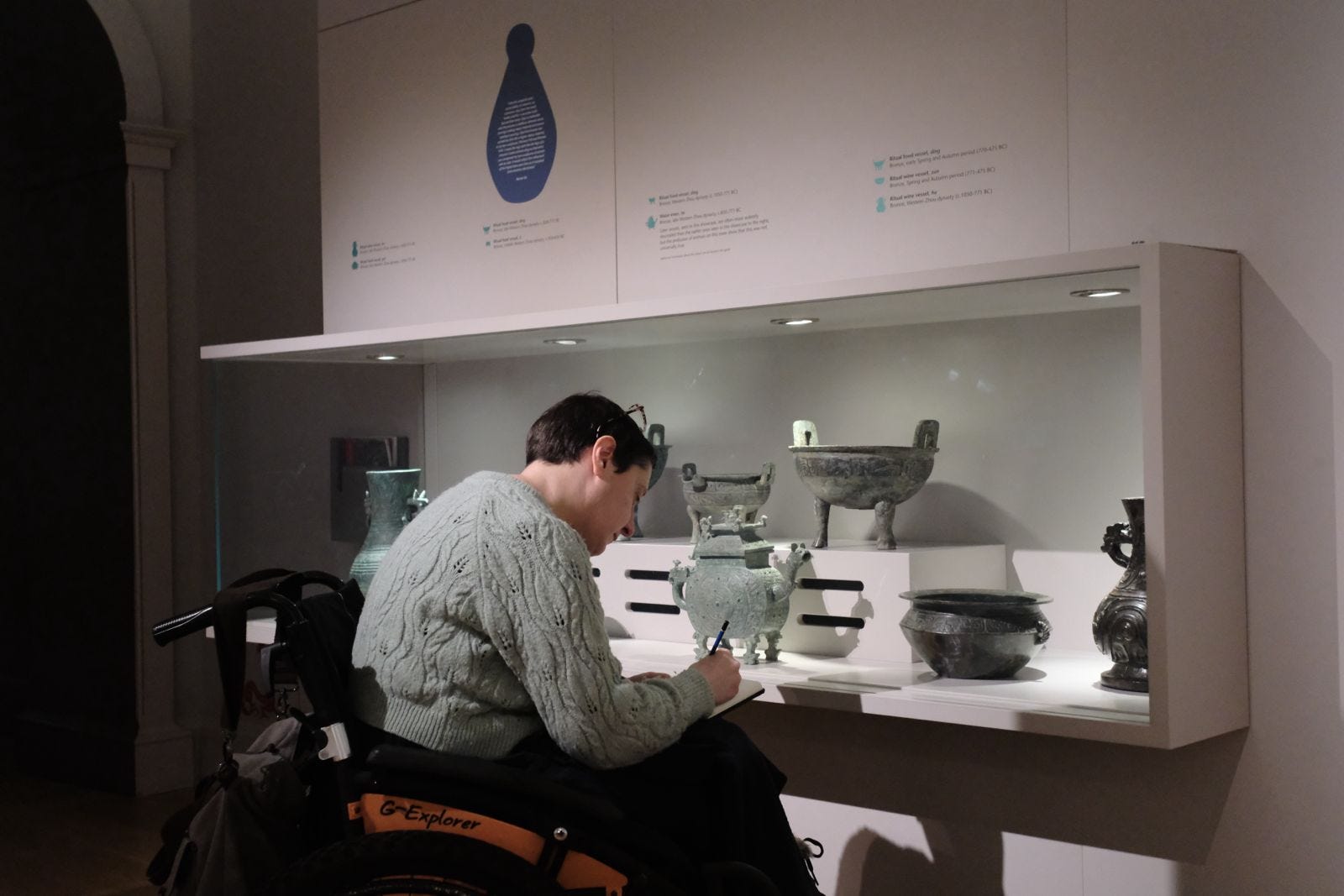
Three of the museum staff pass and make comments while I draw,
“Oh gosh, it’s rare to see someone drawing, how lovely!”
“A little bird told me someone was making ART in here!”
I flush beetroot with embarrassment and yet something feels sturdier in me for the experience. I feel as an ancient and as indestructible as the pots, because I did it, even if just for a moment — I joined the legions who had the courage to turn wishing into something tangible.
I made a mark.
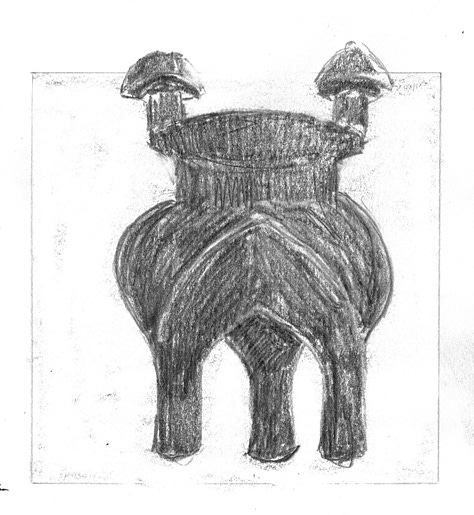
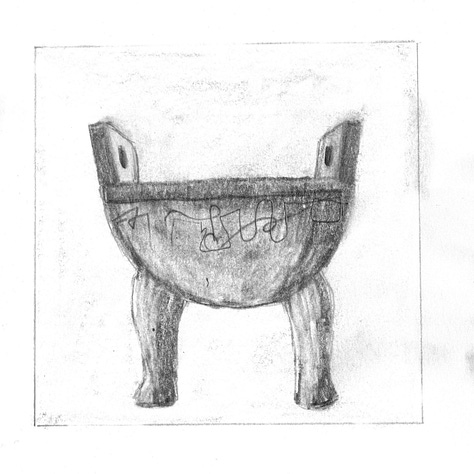
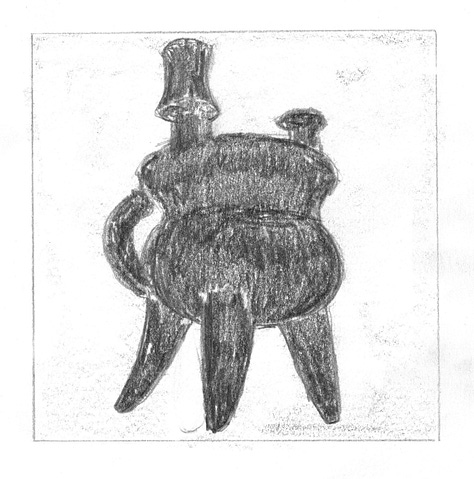
I could wait for ever to be ‘ready,’ to be good enough, or I could just start now, again.
Who wins the race? Who wins the battle?
The persistent. The canny. The patient. The bold.
Here’s to that.
Comments
Nothing yet. Say the first thing.
Sign in to join the conversation.