
This post is so jam-packed full, it might cut off in your email! If so, make sure to click ‘view entire message’ so you can see the lot.
My life holds within it a fundamental tension. Well, many tensions, if I’m honest; I often feel like a walking battleground. A big one though is the way I’m pulled between words and pictures. It’s a hard one to explain, just how much unrest it causes me.
I love writing. I have a mind that runs hot and goes fast and the relief and deliciousness of being able to pour some of that out on the page has saved my life many times over. To be able to translate the confusing agony and delight of the human experience into words so that another body can read them, feel what you feel, know what you know, and maybe even have a whole new experience in the process — oh, it feels intoxicating and urgent. I love it. I love writing. I love story and the clever way it can capture what it really means to be alive; how hard it is to change, really, and how important it is that we do.
But, oh god, how words twist, obstruct and kill things, often. To commit something to words is to turn it to stone. Writing filters things — it can’t help it. It filters things through opinion, feeling, belief, projection. There is no ‘clean’ writing. It’s always loaded and always, always dangerous. I’ve talked about that before. Words can often act as an obstacle to actual experience, too. They are another finger pointing to the moon, not the moon itself, and I’m always too aware that by asking you to look at my hand — look, look at me!! — you may miss what’s actually happening. You could spend your own time, heart, mind, body exploring all of this. You don’t need me.
And so, frustrated, confused, disillusioned, I turn to pictures instead.
Art carries all the same blessings and risks, of course. It can obscure, manipulate, reveal, translate, with all the same glory and bias. And yet, it often feels easier to me to make a ‘cleaner’ picture with images rather than words — to just show, not tell. It’s easier to get out of the way and let something speak for itself. And that’s what I find I want, often, these days: to get out of the way. To make something more visible to you, but not make it all about me and not dress it up in endless words. And already I’ve failed here by writing this, over-explaining. You see? I suffer from that terrible human compulsion to want to be understood. You see the battleground, right?
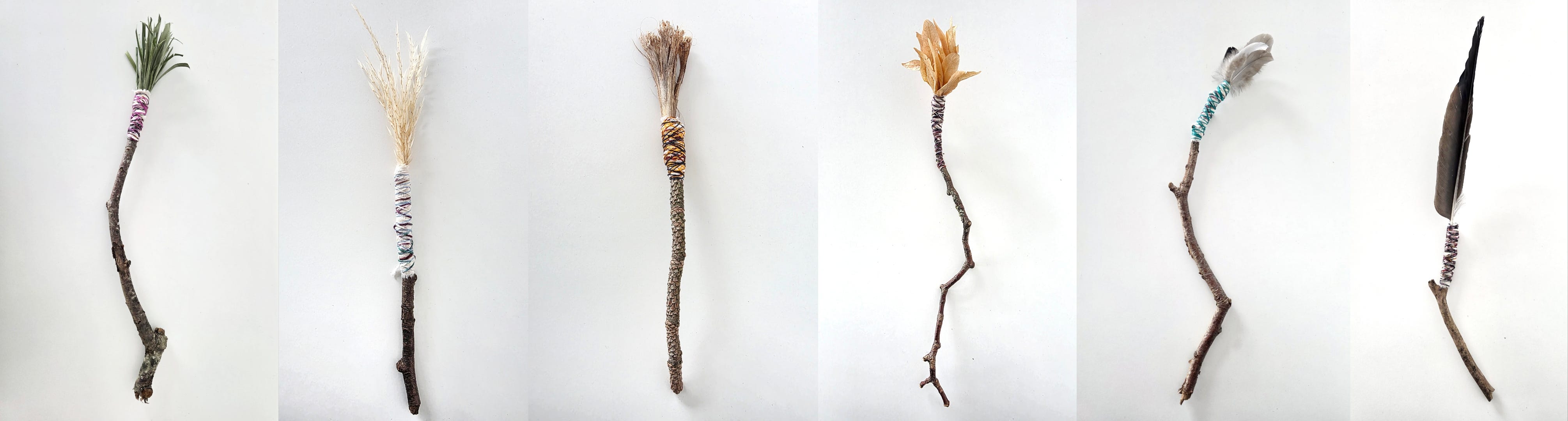
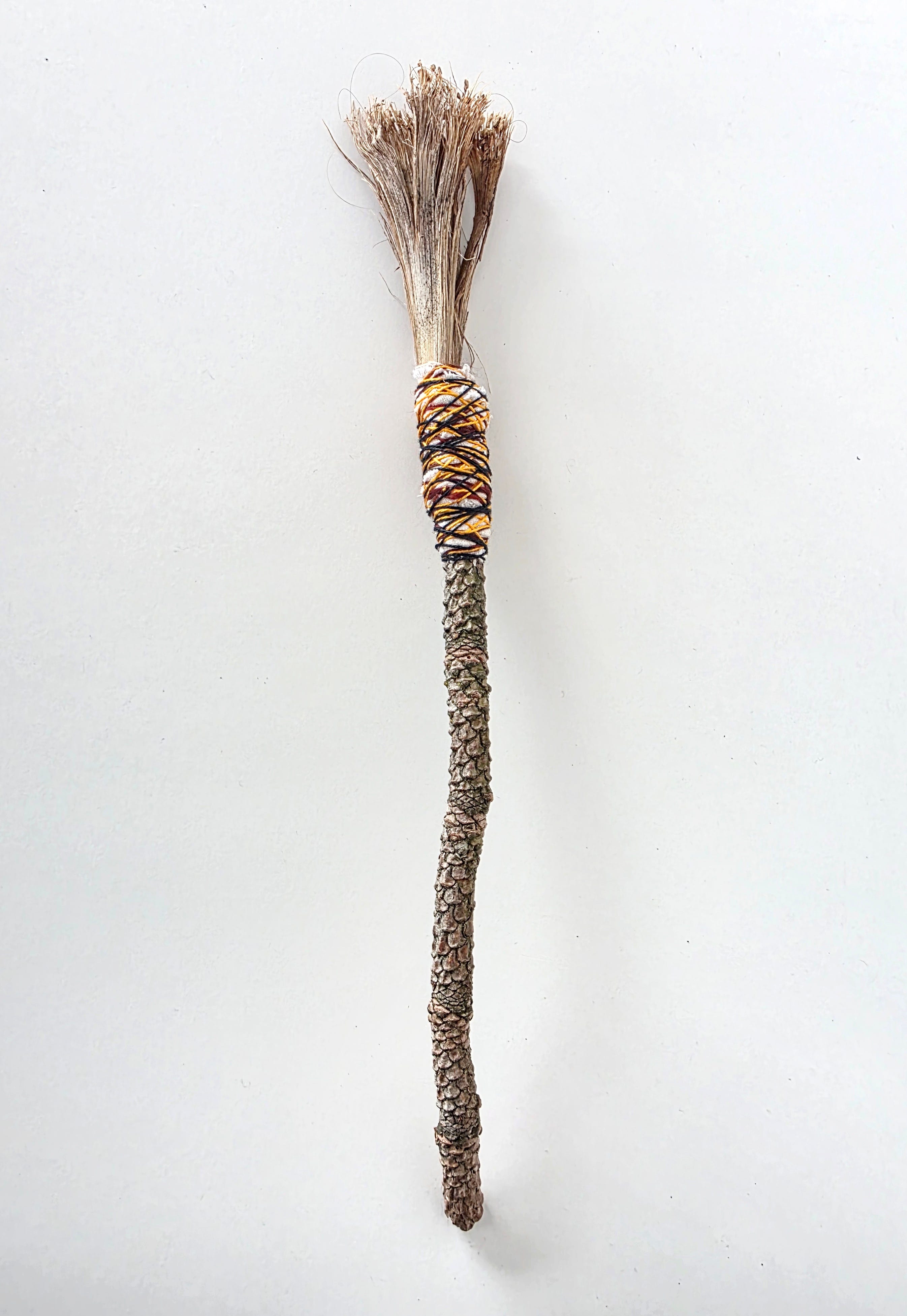
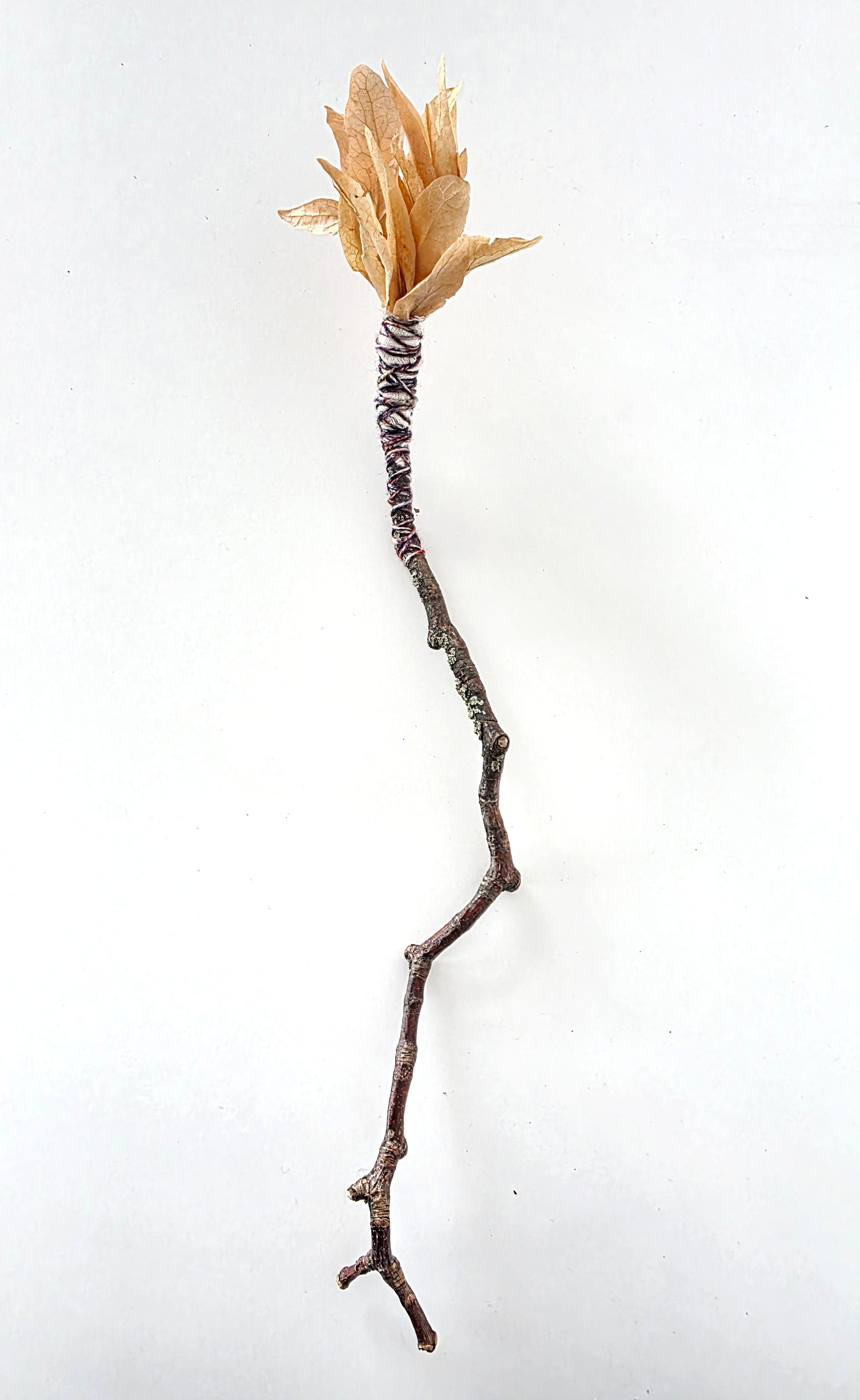
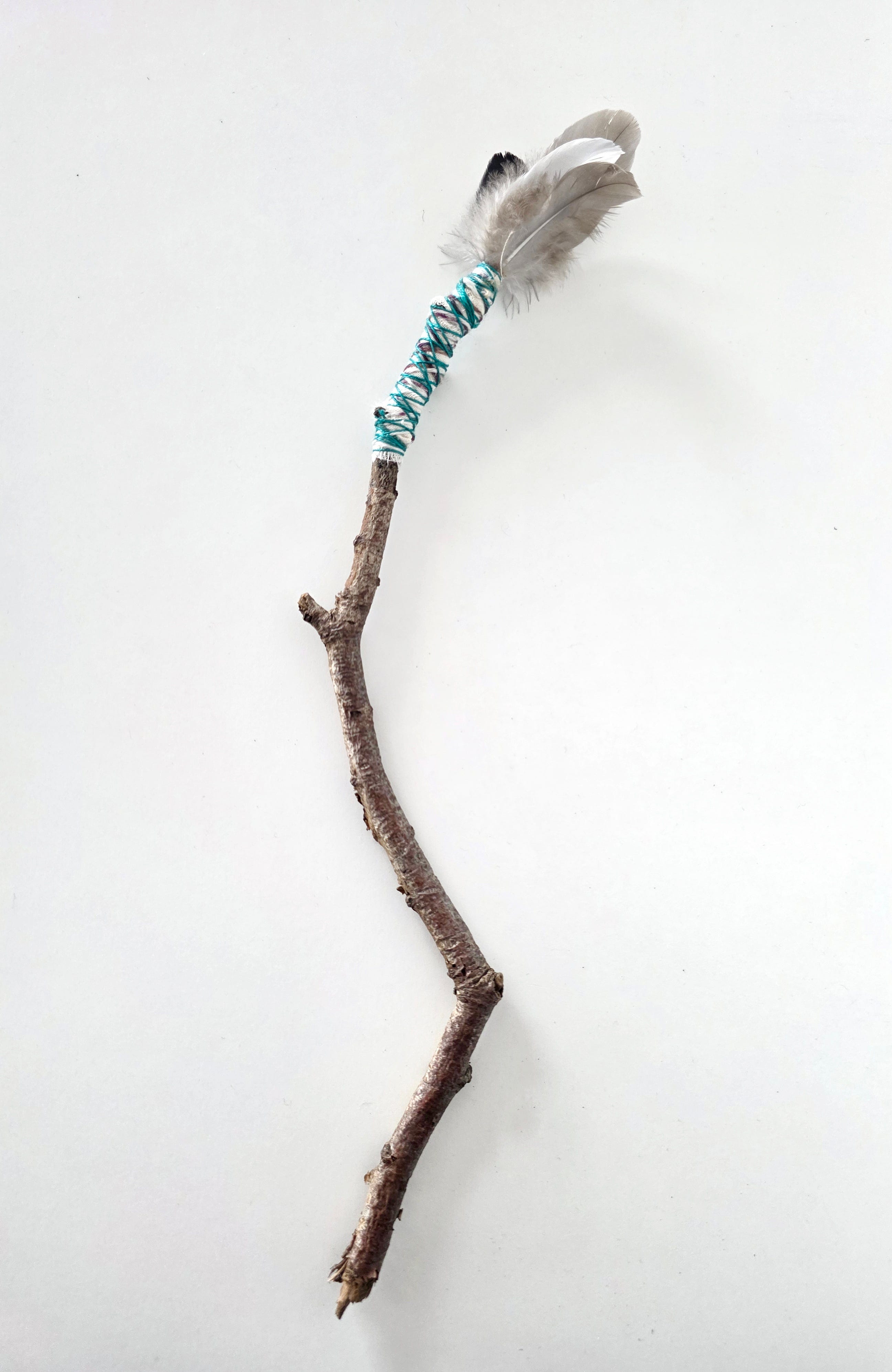
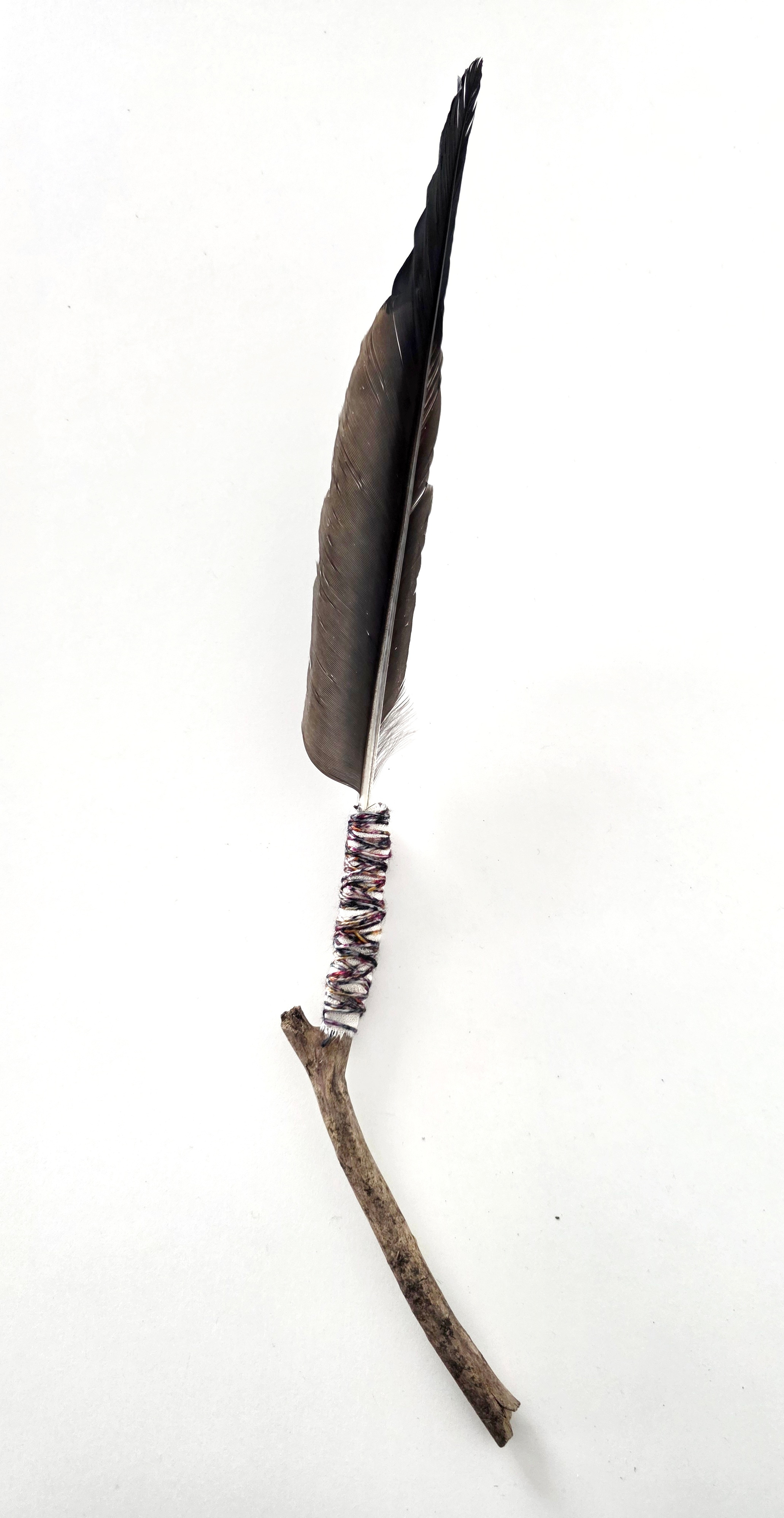
I was feeling sad about the drought. Heartbroken, really. The parched, crisp horror of it all, the way green has gradually been erased, how thirsty everything feels and looks. Alongside, I watched a video of artist Lorna Crane making her own brushes from things she found on the lush beaches of Eastern Australia. I loved the idea of it, and so, heart aching, I went out on my scooter in the hot sun and collected things I found to do the same.
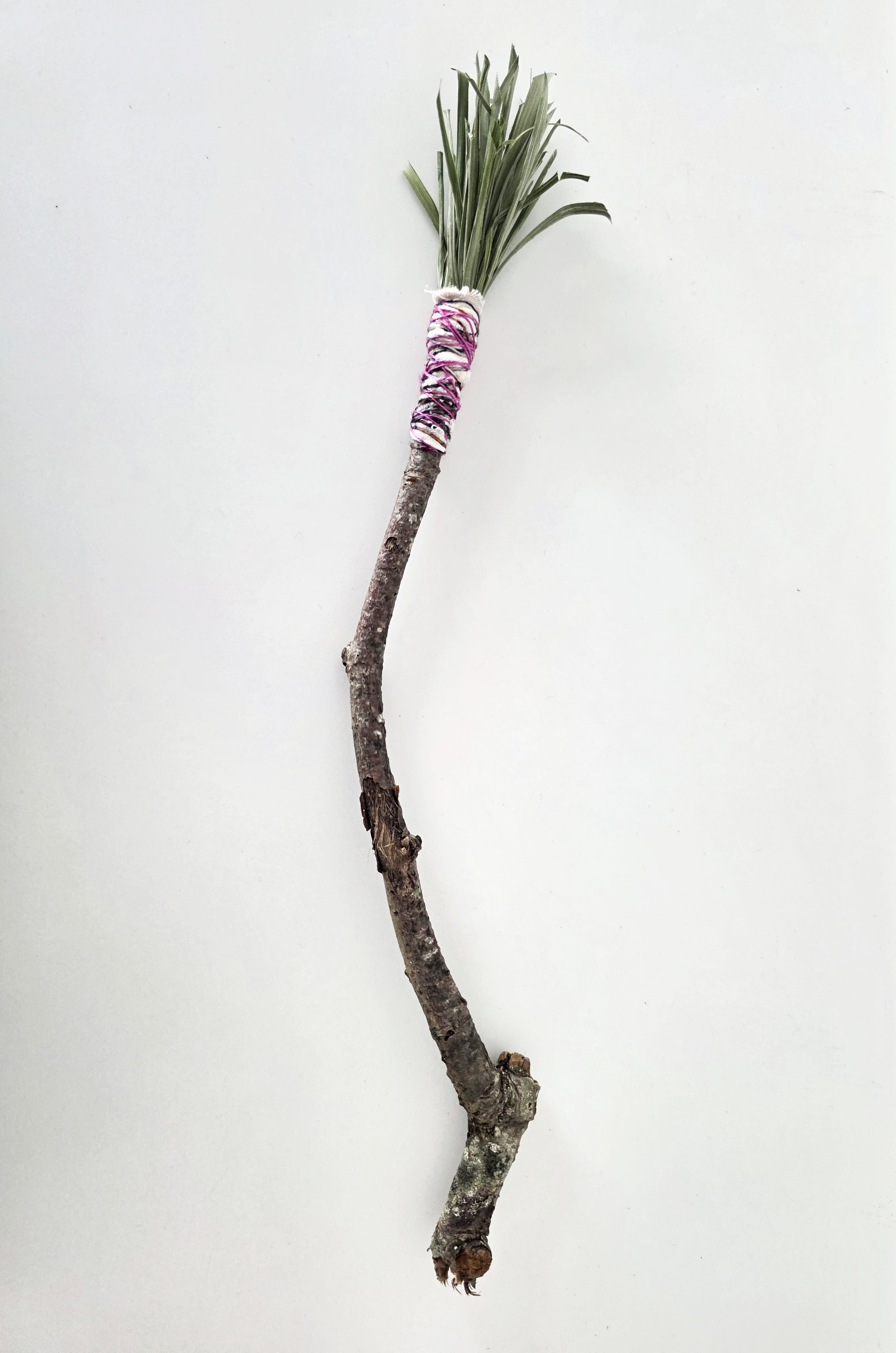
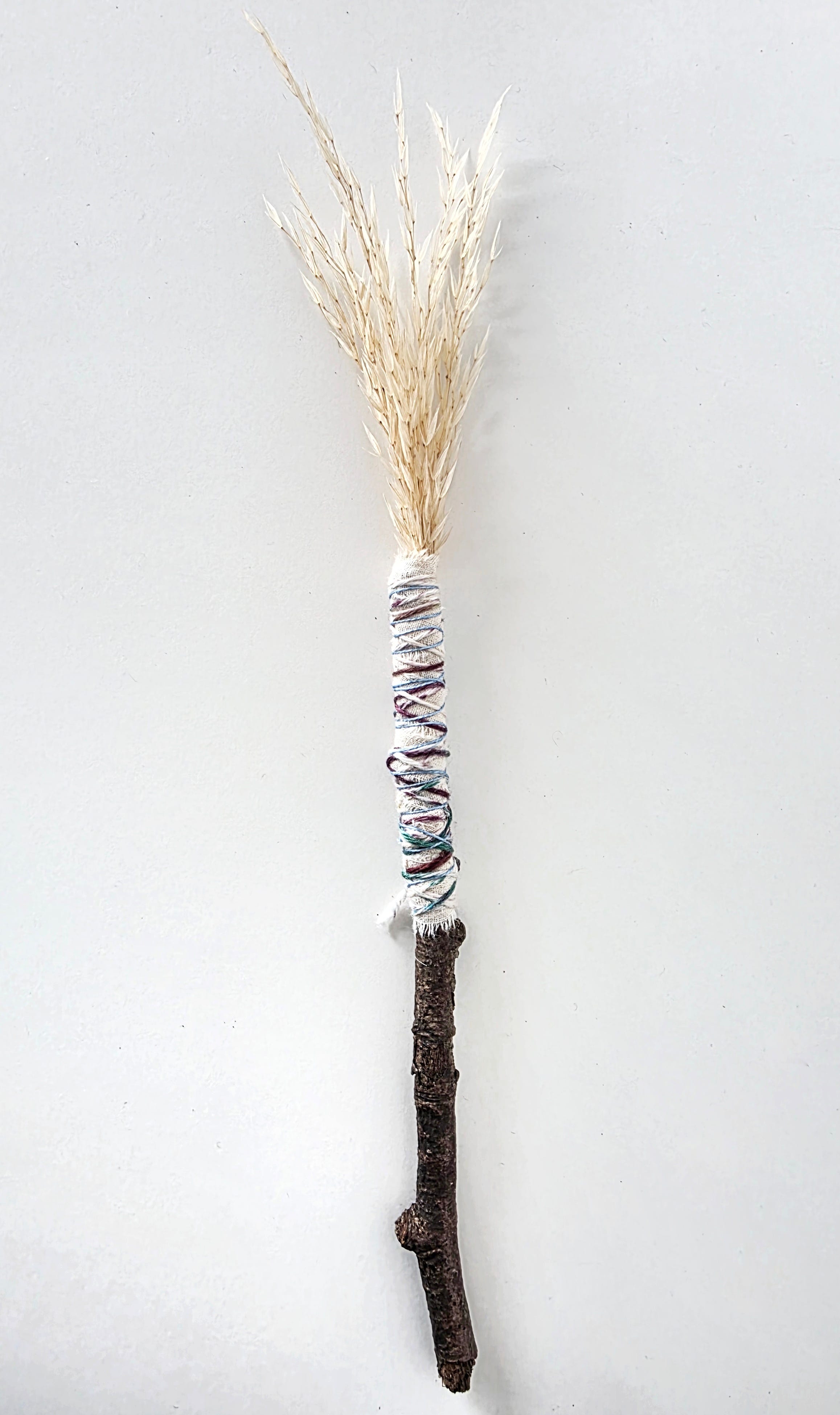
I do not live in an idyllic place. I had to seek out the tenacious, grubby, wild places I know that weave quietly between the concrete housing estates. My scruffy, green oases, usually rambunctious with weeds, are not very green any more. The bigger trees hang on; the smaller ones are looking decidedly more at risk now. Everything is bleached and stiff. But still, I did my best. I collected dry, fallen sticks and felt like I was collecting the bones of this place. I gathered grasses, as many different ones I could find, and handfuls of dried lime flowers from the pavements, thirsty pigeon feathers, crow feathers (have you seen them? My poor friends, walking around with their beaks open?) Bark, dried brush. Ashes of a summer that didn’t go well.
I bound them into brushes and I dipped them in ink and I let them speak. Some of the things I gathered disintegrated in the process, the grasses especially — they were too far gone. I let them go. I came back to what was left. I tried not to say anything. I just moved with them, filling great sheets of paper, and then I looked within the great mess of it for things that seemed important and I cut them up and stuck them down.
Here then, is the language of things, and what they wanted to say.
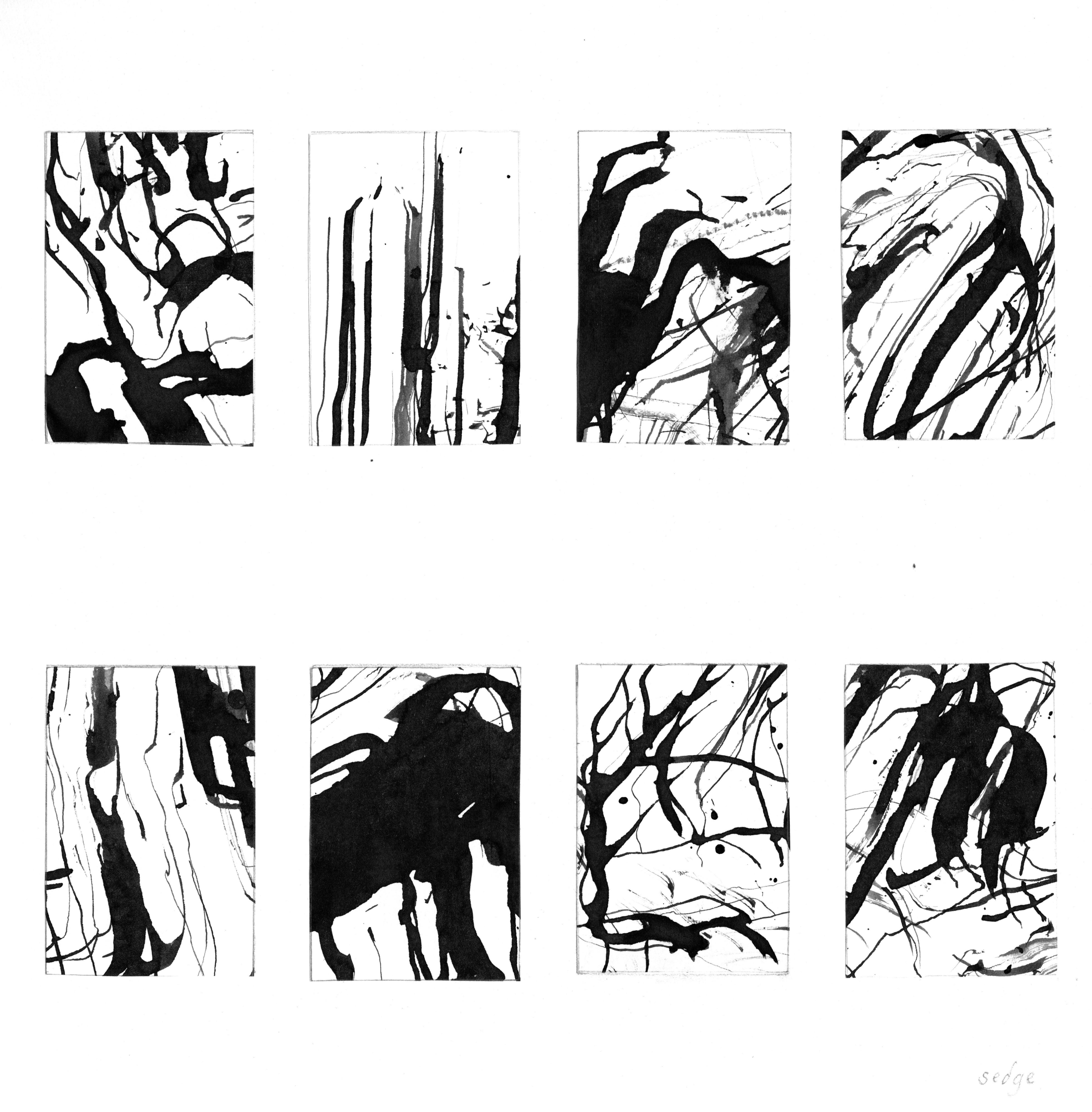
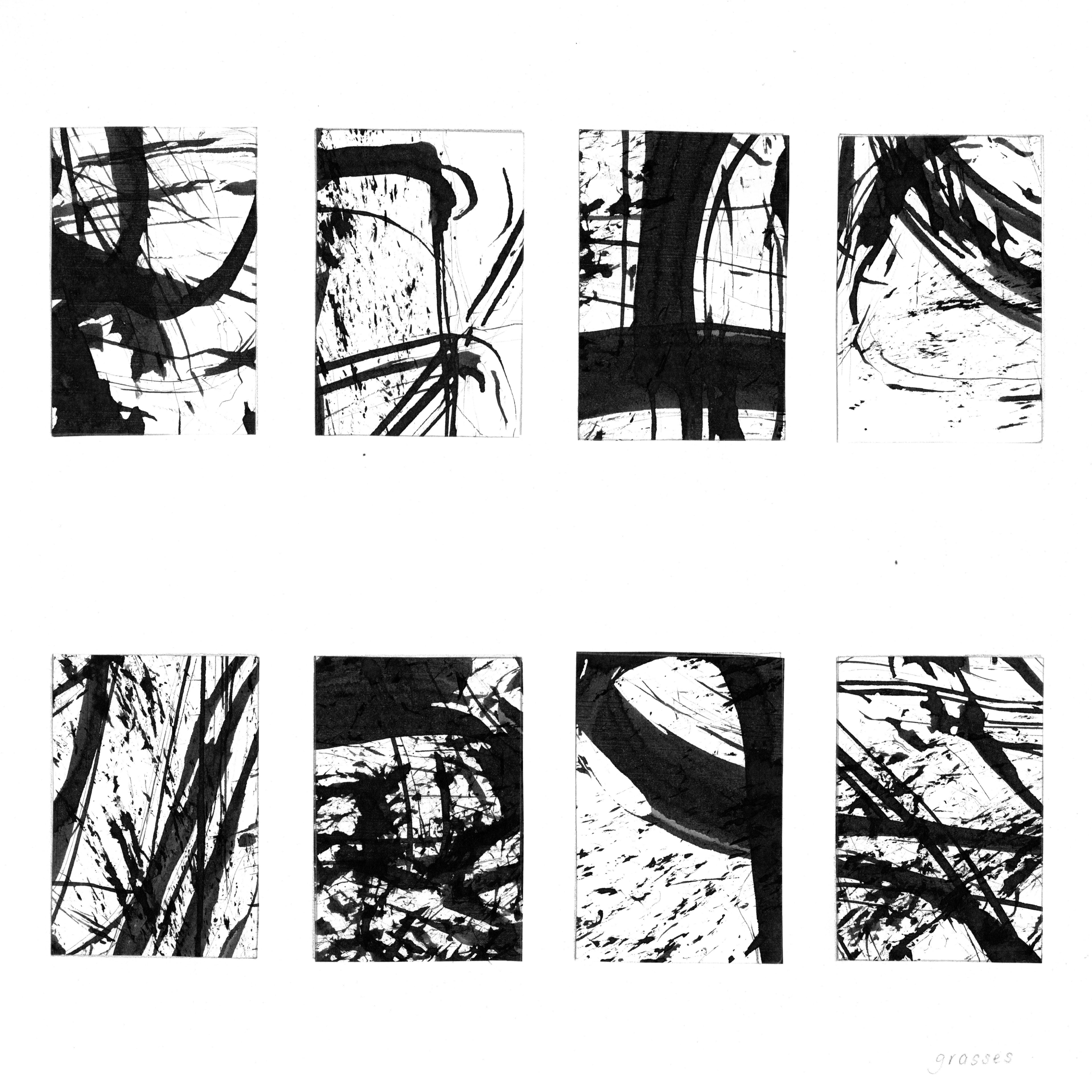
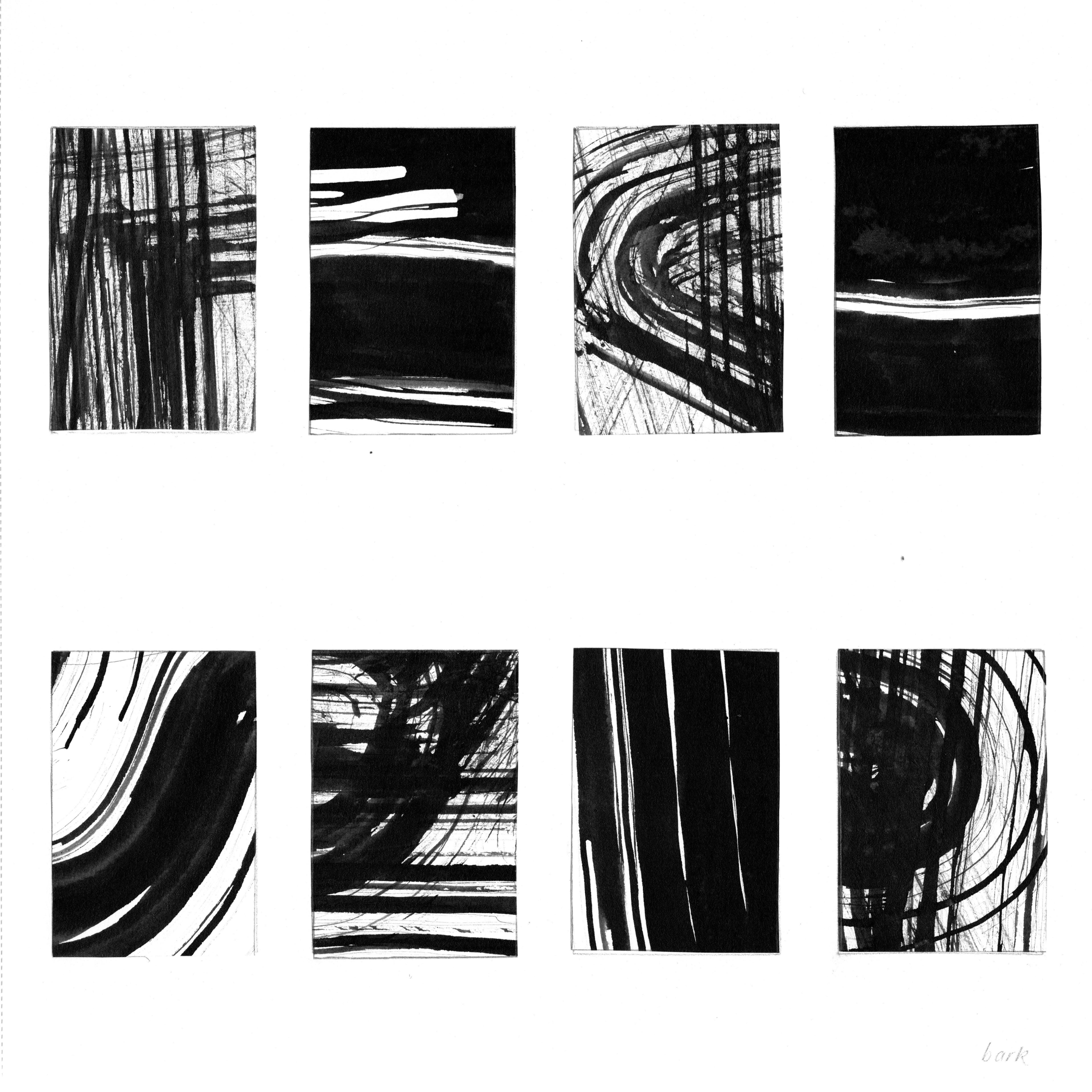
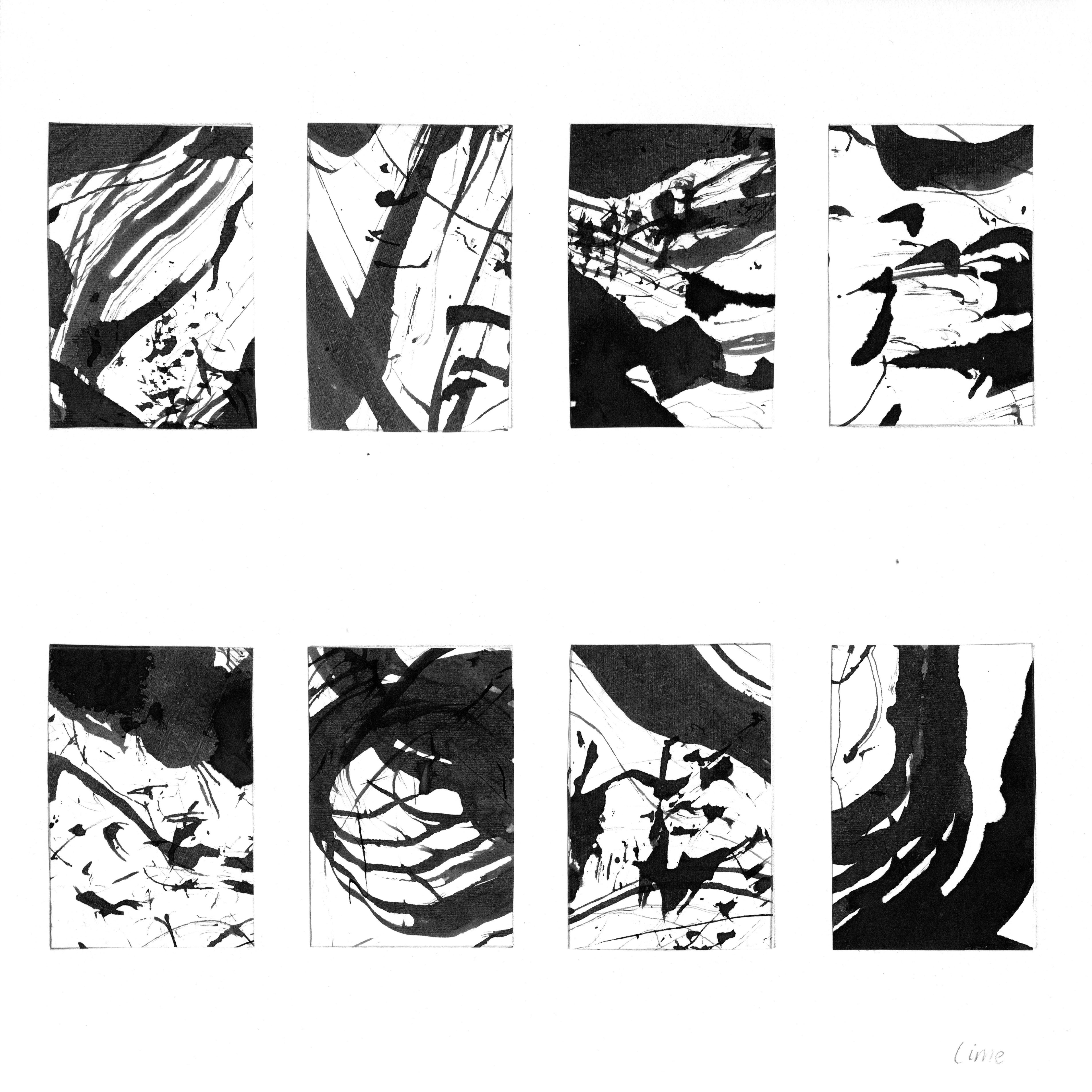
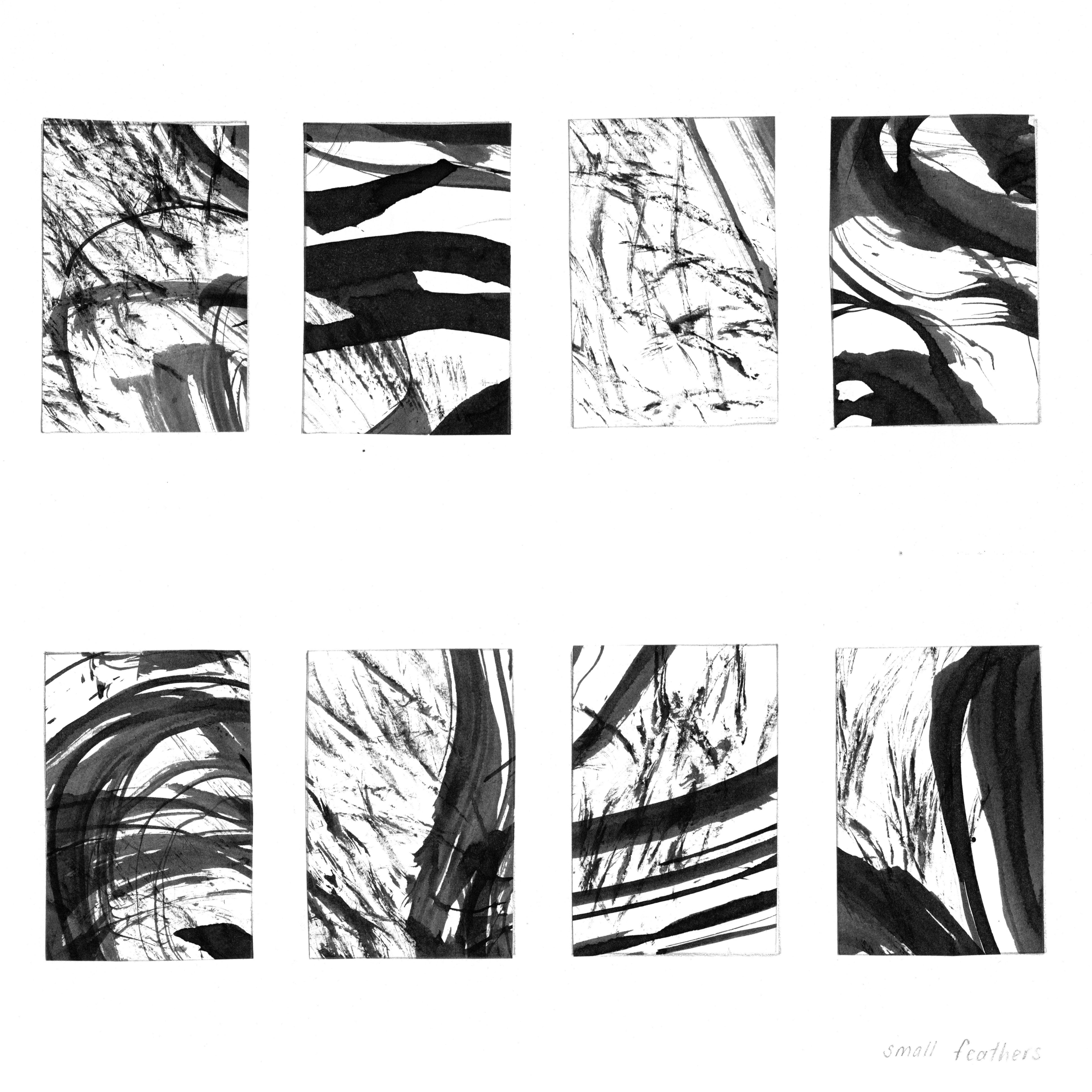
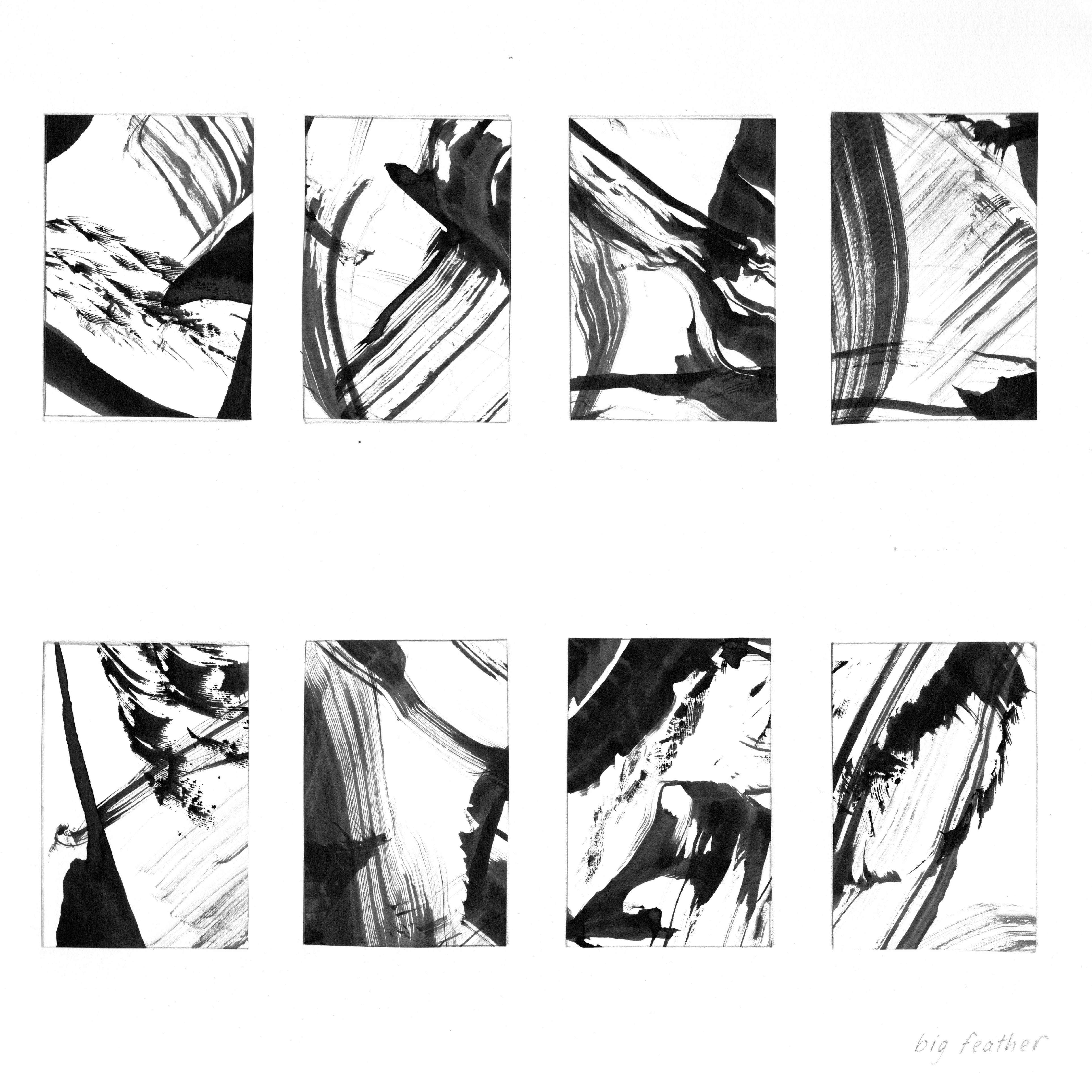
What are they saying, do you think?
Ah, but our battle rears its head again. To put it into words risks losing something, doesn’t it?
And what of me in these images? Did I creep in, despite myself? I must have done. It is my body that moved; my eye that decided to what sections to pick out. And yet I came closer to something here, I think. Something important to me. To get closer to the true nature of things, somehow — in words and in pictures. That is what I want.
God, how hard it is, and how exciting. It is a battleground and always will be, and it’s one I shall enjoy for the rest of my life.
Thanks goes to Take Two and Lorna Crane for their brush-making tutorial, given as part of a longer course on mark-making, linked here. As is my usual way, I bought the course on sale years ago, only did the brush-making part last month, and then wandered off on my own tangent!
Paid subscribers can keep reading to find a video showing my process making the images above. In it, I talk more about the language of things and why I think it’s worth doing something like this. Put the kettle on (if you’re not too hot!) and join me for a very informal conversation about letting things speak, falling in love, and why art-making gives me hope. Keep scrolling to find your video waiting!
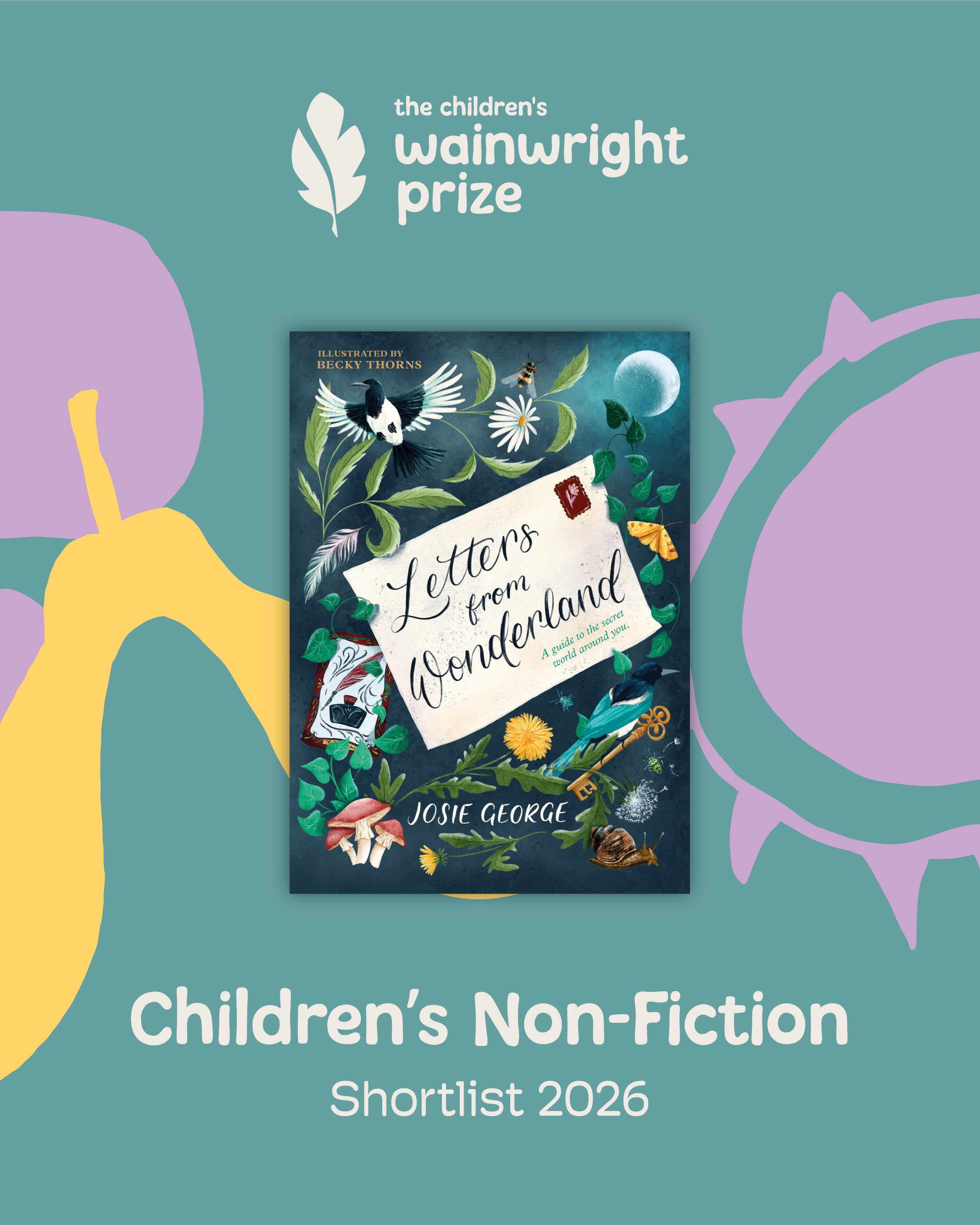
My last book, Letters From Wonderland, published by Faber & Faber and illustrated by Becky Thorns has made it onto the Wainwright Prize Shortlist in their non-fiction category! Thank you to all of you who have sent such warm congratulations and support — it means so much to me.
Comments
Nothing yet. Say the first thing.
Sign in to join the conversation.