
Abstract: This article narrates my lifelong journey of exploring aging from childhood to adulthood, ranging from phenomenal observation and logical deduction to experimental verification.
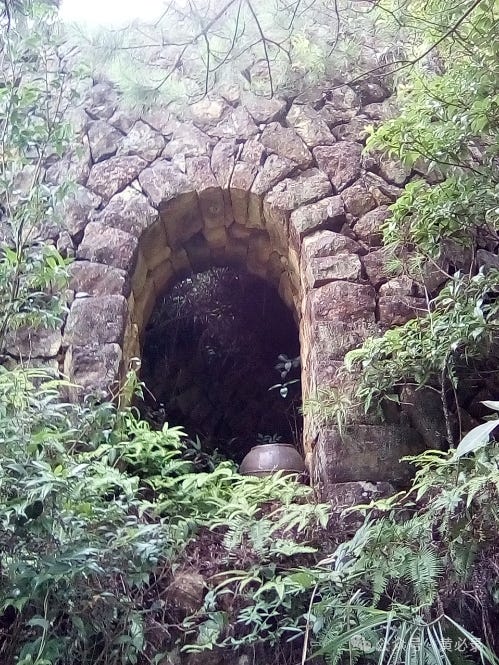
At the age of eight, in a gully not far from home, I saw an earthen jar containing human skulls. Covered with green moss, the jar gave off a piercing cold chill. In that moment, I realized that one day I would also be confined in a dark earthen jar, doomed to eternal darkness and never rebirth. The overwhelming horror sparked my aspiration to conquer aging. After graduating from primary school, I began to observe the aging processes of plants and animals and collect all kinds of knowledge related to aging.
1. Preliminary Theoretical Exploration
At first, I believed that aging resulted from the continuous accumulation of certain harmful factors, such as the toxification theory, damage accumulation theory, and entropy increase theory. Later, I noticed clear developmental patterns in human life: infants begin to grow primary teeth at six months after birth, deciduous teeth are replaced by permanent teeth at the age of six, and facial hair starts to develop around the age of sixteen.
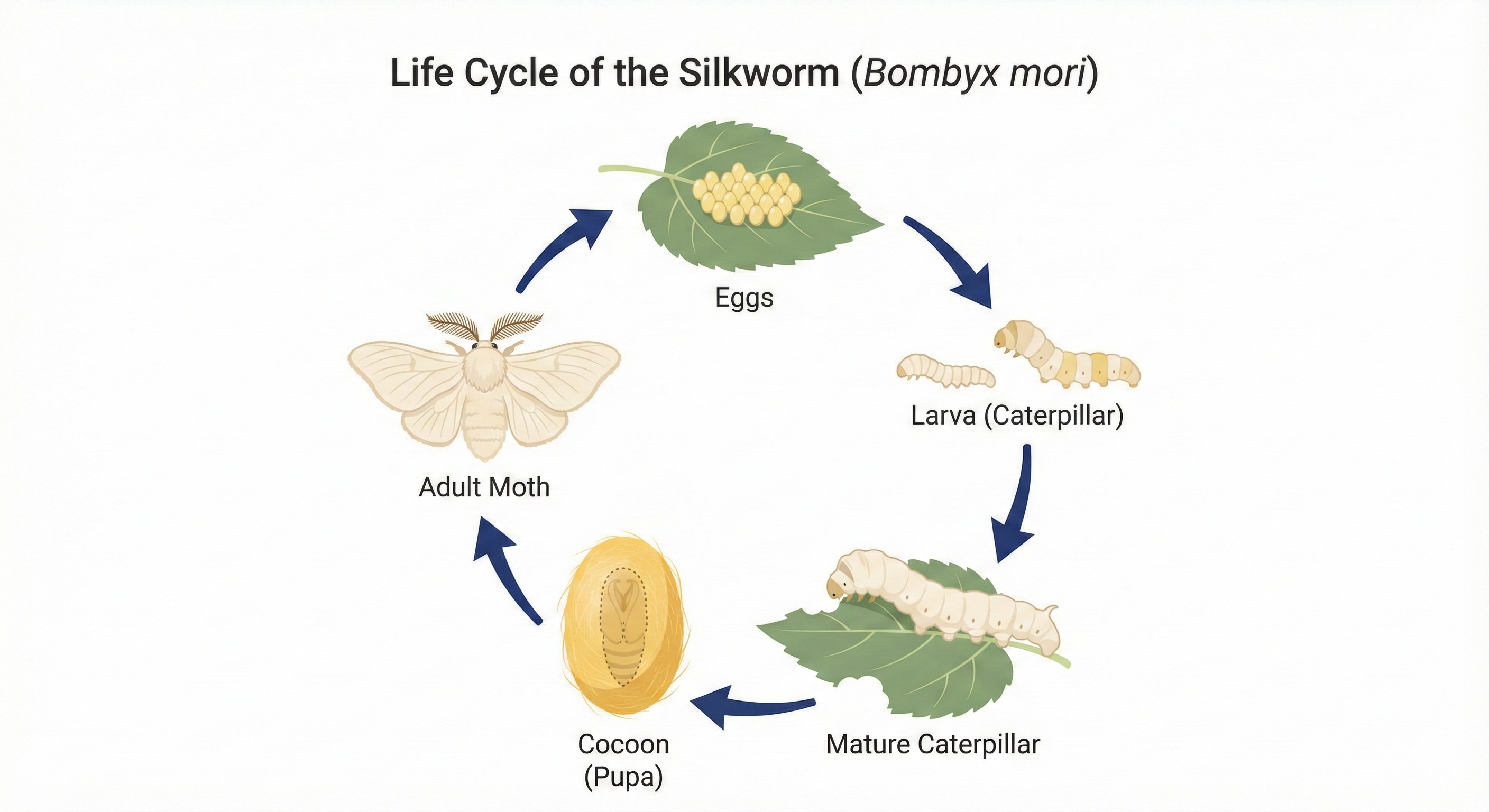
Similarly, silkworms hatch from eggs as larvae, molt several times, develop into pupae, and finally emerge as moths. After mating and laying eggs, they perish. These distinct life stages clearly follow a fixed biological program. Accordingly, I abandoned all accumulation-based theories of aging and came to recognize that individual development, maturation, aging and death of organisms are genetically regulated processes operating on a relatively fixed timeline.
2. The Aging Program and Its Driving Mechanisms
The execution of such a biological program requires a unidirectional driving force, just as a mechanical clock relies on the potential energy stored in a clockwork spring, or programs stored on a computer hard disk depend on a disk drive to run. Fundamentally, a clockwork spring, much like an hourglass, essentially functions as a timekeeping device.
In 1995, I wrote a short article of several hundred words on the programmed theory of aging and telomeres. I proposed that telomeres serve as the timekeeper in this programmed mechanism, and that individual growth, development, maturation, aging and death are all driven by telomeres. Afterwards, I asked my friend Wang Yongzhang, who was studying at Tsinghua University, to deliver the manuscript to biology professors for review, and they acknowledged that my viewpoint was reasonable.
3. Core Theory in my 1998 Monograph
In 1998, I published a monograph titled The Mechanism, Significance and Treatment of Aging at Beijing Yanjing Correspondence Medical College. I proposed that the progressive shortening of tandem repetitive multicopy DNA sequences such as telomeres in tissue stem cells constitutes the fundamental cause of organismal aging. I further reaffirmed the programmed theory of aging: for a genetic program to operate, the cell nucleus must be equipped with a biological “clock” or “clockwork” driving device. Multicopy tandem repetitive DNAs represented by telomeres are the optimal candidate for this intrinsic timing mechanism, and the gradual reduction of their copy numbers is the root driver of stem cell senescence.
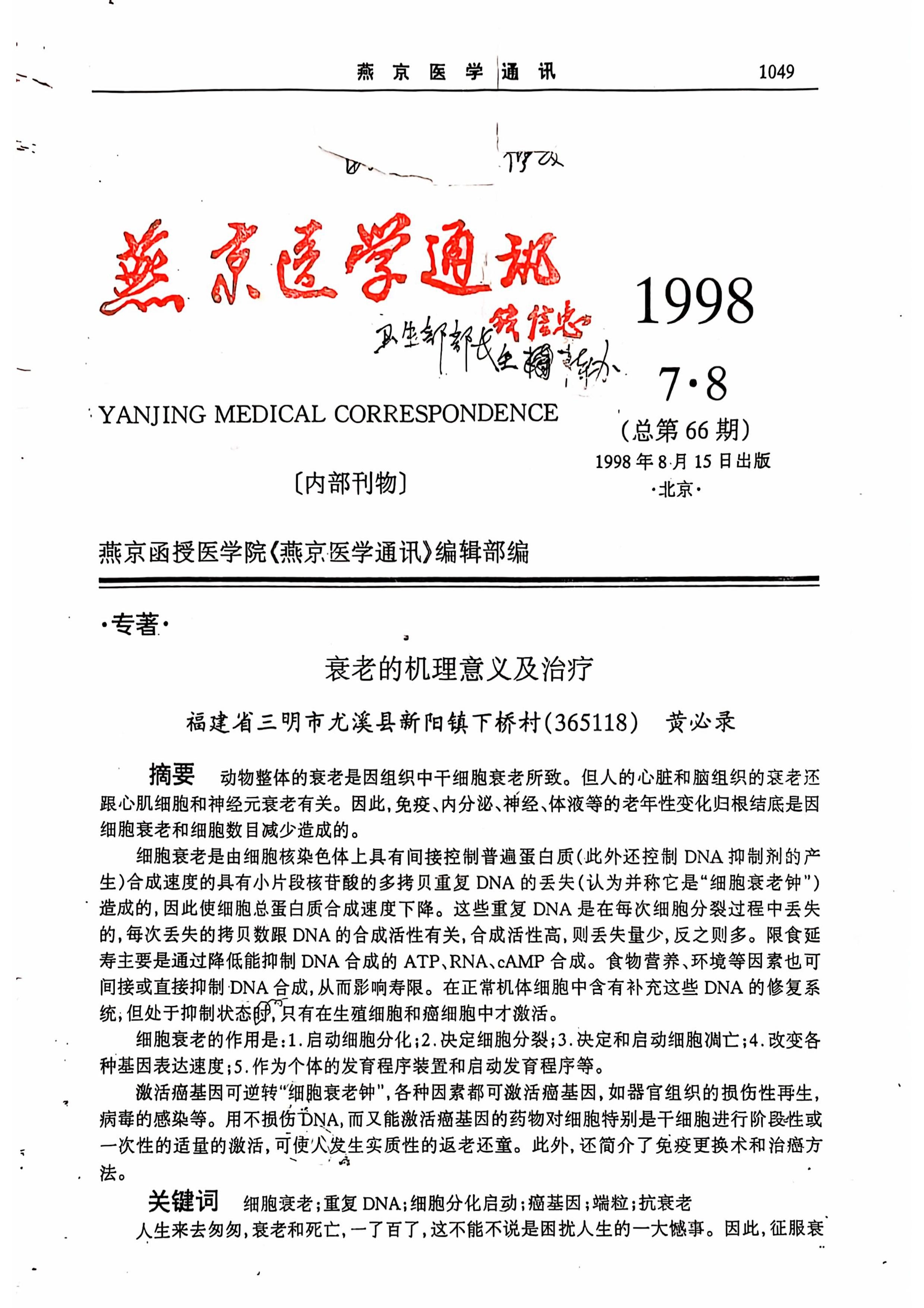
衰老的机理意义及治疗 The mechanism significance and treatment of aging:
To generate an irreversible temporal trajectory, telomere shortening must proceed in a unidirectional manner. Consequently, telomere length is necessarily reset in germ cells. Additionally, life has evolved sophisticated and redundant defensive systems over hundreds of millions of years of natural selection. Based on this framework, I concluded that mutated mitochondrial DNA (mtDNA), cross‑linked proteins, and other damaged biomolecules are not the causes of cellular aging, but rather secondary pathological outcomes arising from the aging process itself.
In 2010, Ergün Sahin published highly analogous perspectives in Nature, stating that the senescence of tissue-resident stem cells drives whole-body aging, and that telomere attrition along with accumulated mtDNA mutations act as the primary inducers of stem cell decline.
4. Published in 2002: Prediction of mitophagy
In 2002, I published an article in Science and Technology Daily entitled Can We Live Forever?. It pointed out that most people stubbornly hold the belief that aging is an irresistible natural law. However, many lower animals in nature are capable of rejuvenation, which proves that rejuvenation never violates natural laws, and human aging can therefore be conquered. Meanwhile, I proposed that lysosomes can target and eliminate mitochondria carrying mutated mtDNA, a process defined as mitophagy.
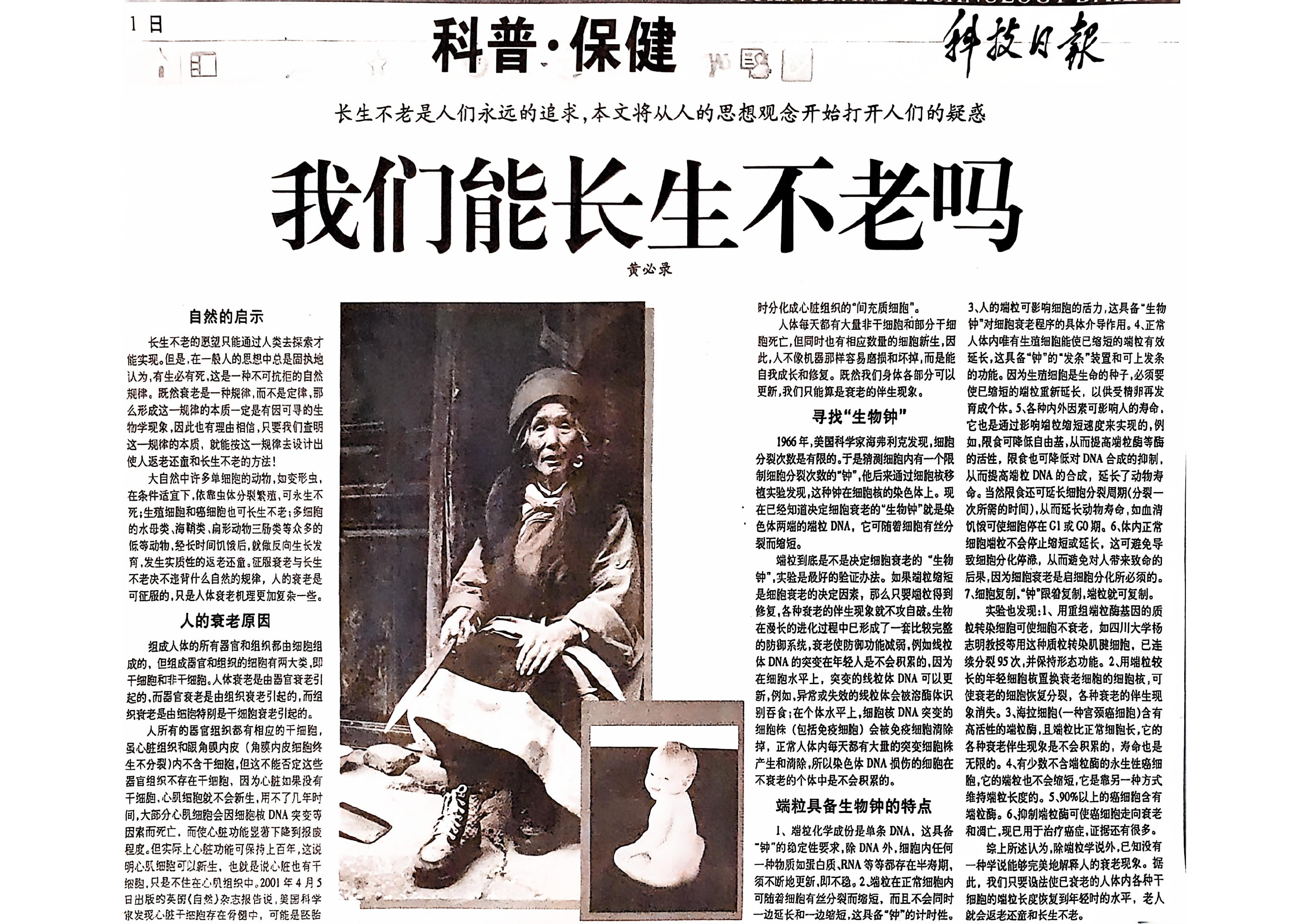
我们能长生不老吗? Can We Live Forever?:
https://www.researchgate.net/publication/403682254_womennengzhangshengbulaoma_Can_We_Live_Forever
On November 14, 2016, a study published in Nature Communications by research teams from the California Institute of Technology and the University of California, Los Angeles, confirmed that fruit flies can selectively clear mitochondria with mutant mtDNA in muscle tissue through mitophagy.
5. Subsequent series of papers
Subsequently, I successively published a series of papers, including Several Technical Conceptions for Anti‑Aging, Technical Conceptions for Stem Cell Telomere Repair, The Causes of Organismal Aging, Individual Aging and Stem Cell Application: Subverting Traditional Theories and Revealing the Mechanism of Aging, The Universality of the Telomere Theory of Aging, The Relationship between Ontogeny and Telomeres, and The Life Cycle-Driven Theory of Aging. These works mainly supplement and further elaborate the core viewpoints I put forward in 1998, focusing on stem cells, telomeres, and the programmed theory of aging.
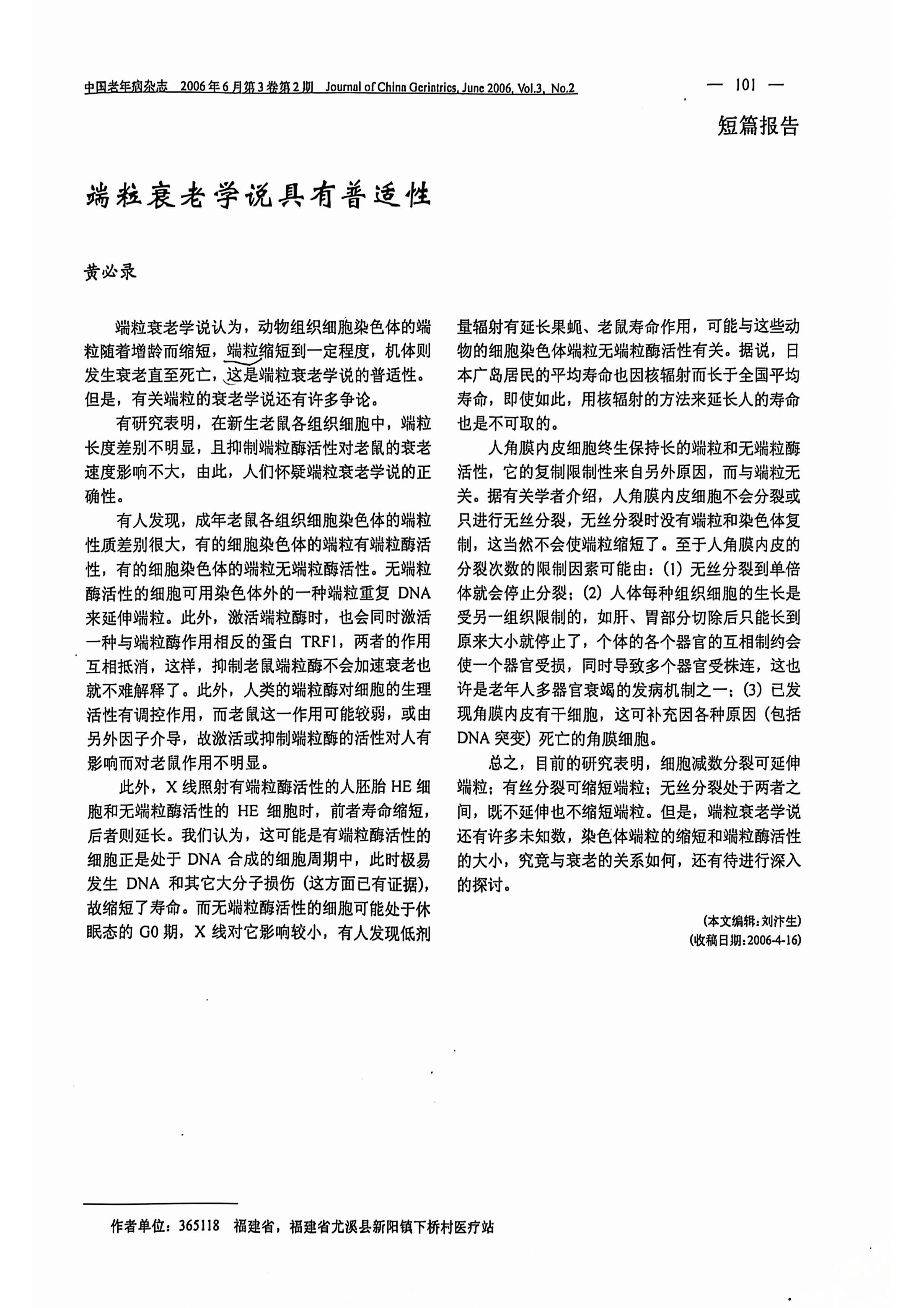
端粒衰老学说具有普适性 The Telomere Age Theory is universal:
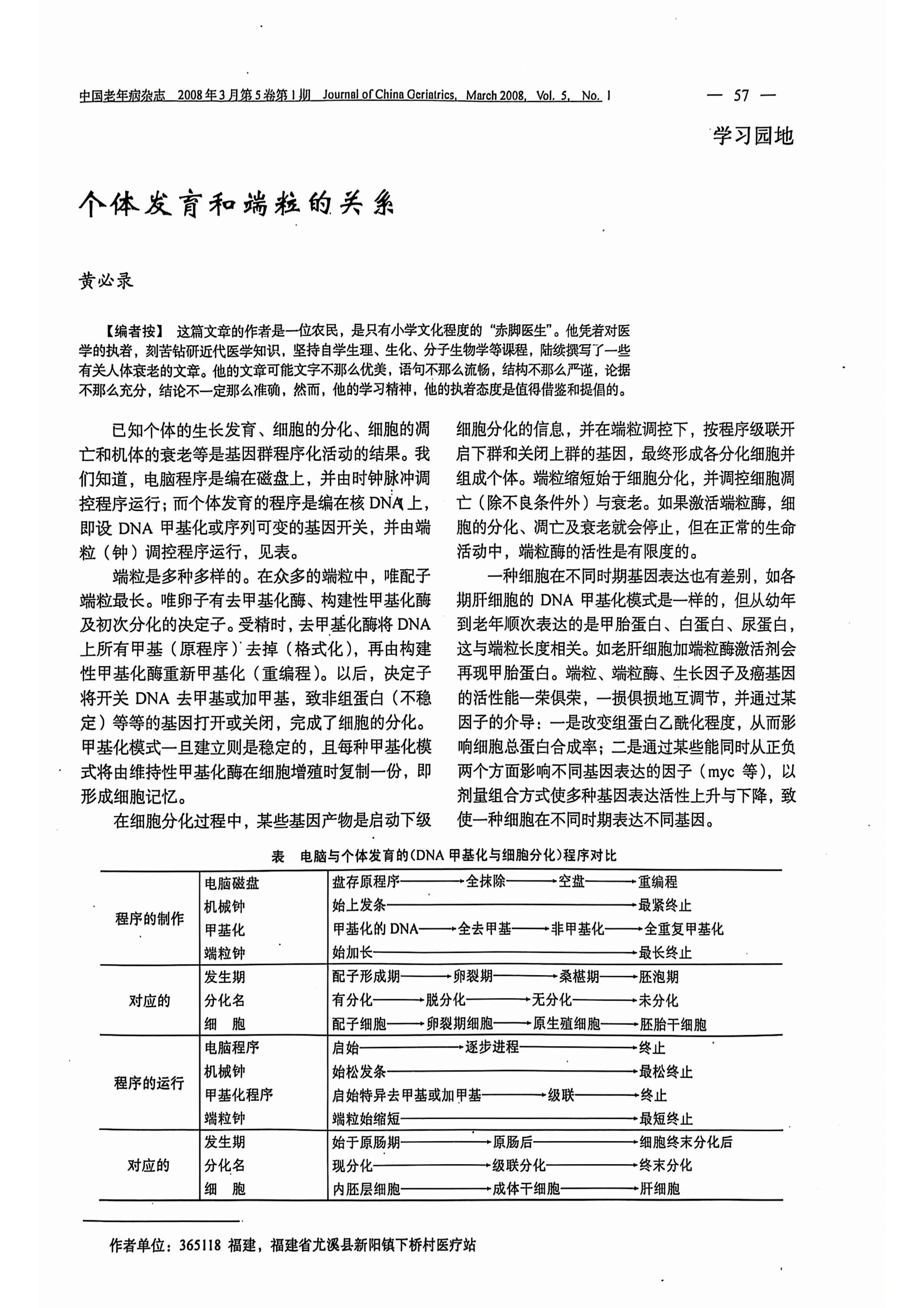
个体发育和端粒的关系 The relationship between ontogenesis and telomeres:
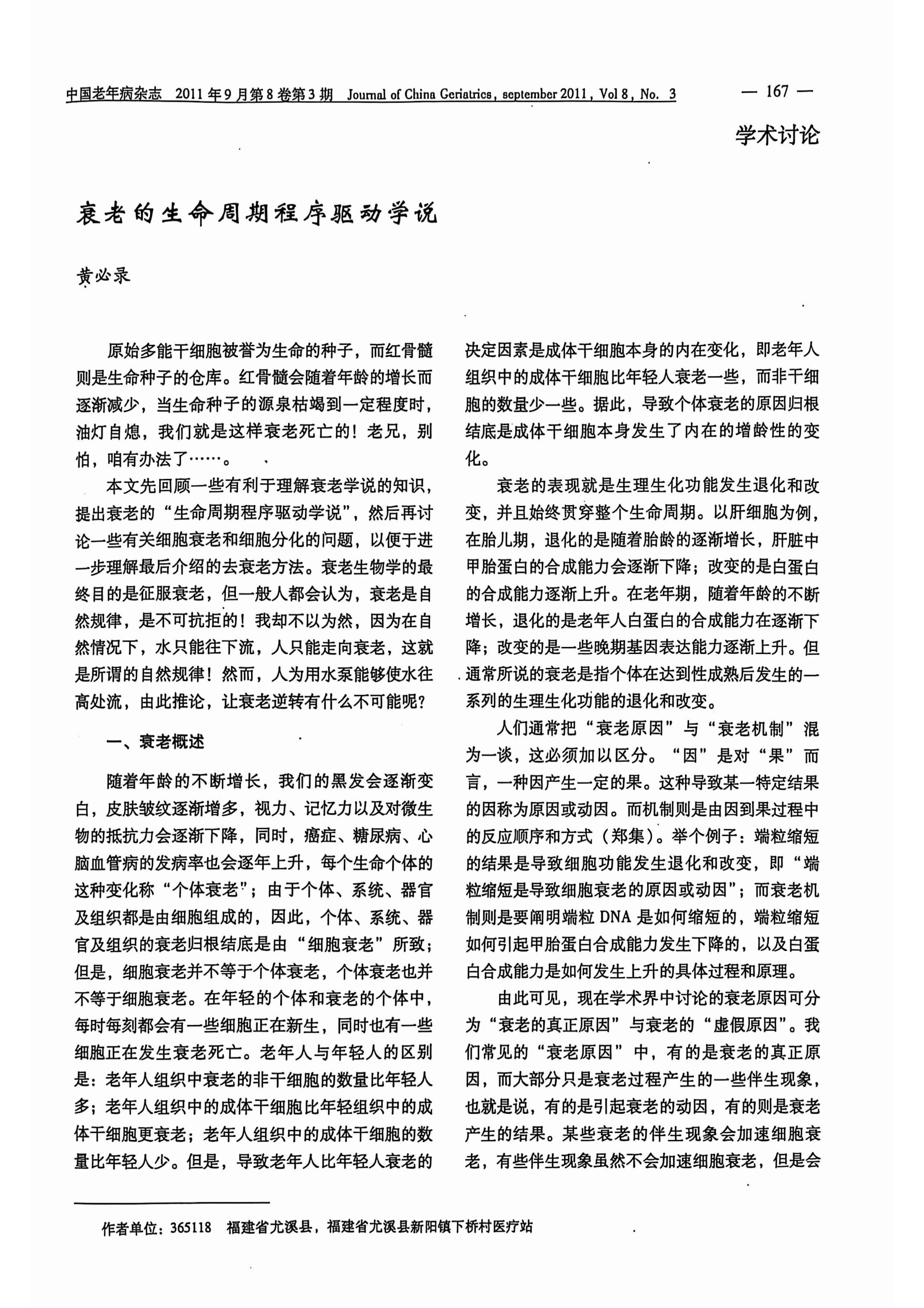
衰老的生命周期程序驱动学说 Life cycle program driven theory of aging:
6. Theoretical Upgrade: The TRCS Model
When I learned that certain cell types can still undergo senescence regardless of cell division status, even though their telomeres do not shorten, combined with a 2015 study published by Helen M. Blau’s team at Stanford University — which demonstrated that even in telomere-shortening cells, repeated telomere elongation via hTERT mRNA failed to grant unlimited replicative capacity — I began to rethink my theory.
Back in my 1998 monograph, I had already proposed that the biological “clock” or “clockwork” driving aging must consist of multicopy tandem repetitive DNA sequences. Based on this foundation, I hypothesized that beyond telomeres, the cell nucleus must contain another set of analogous multicopy tandem repetitive DNA to jointly drive cellular aging.
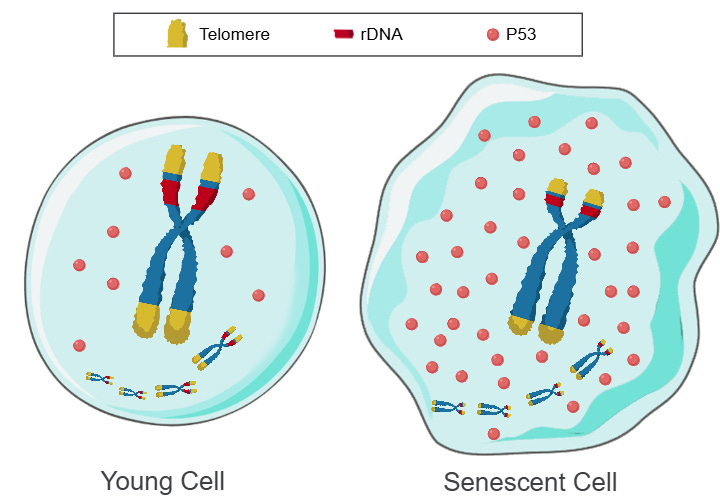
After long-term exploration and verification, I finally identified this key element: ribosomal DNA (rDNA). Just like telomeres, rDNA exists as abundant tandem repetitive multicopy sequences. In 2021, I published the paper titled The Telomere DNA and Ribosomal DNA (rDNA) Co-regulation Model for Cell Senescence (TRCS) in Negative. In this work, I formally proposed that the fundamental cause of cellular senescence lies in the progressive array shortening of telomeres and/or rDNA.
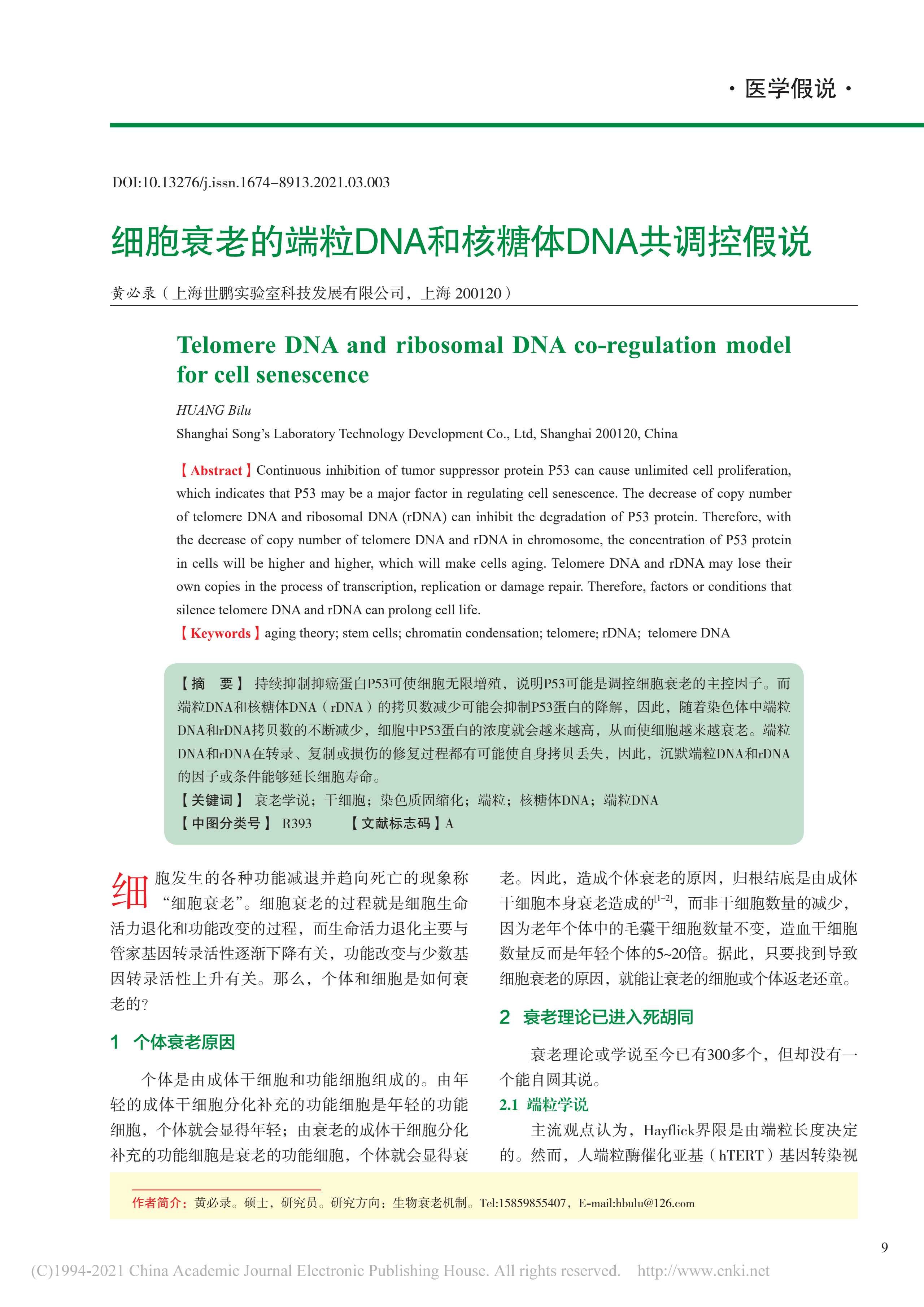
细胞衰老的端粒DNA和核糖体DNA共调控假说 Telomere DNA and ribosomal DNA co-regulation model for cell senescence:
7. Experimental Verification and Future Plans
From 2022 to 2024, I conducted experimental validation of the TRCS model. The results strongly supported its core predictions, including the co-regulatory effects of telomeres and 45S rDNA on cellular senescence, as well as the mechanisms underlying the rejuvenation of pluripotent stem cells. Preliminary findings were shared as a preprint, but it was later withdrawn due to authorship disputes. Currently, we are advancing independent multi-laboratory verification across the globe, aiming to draw a definitive conclusion on aging theories with indisputable experimental data.
8. Improvement of the TRCS Model and Research on the Causal Relationship of Aging Hallmarks
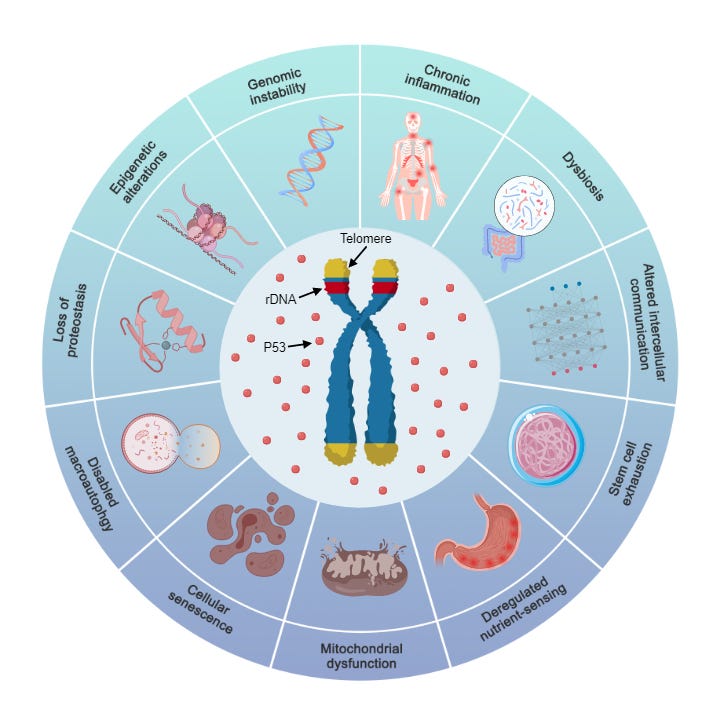
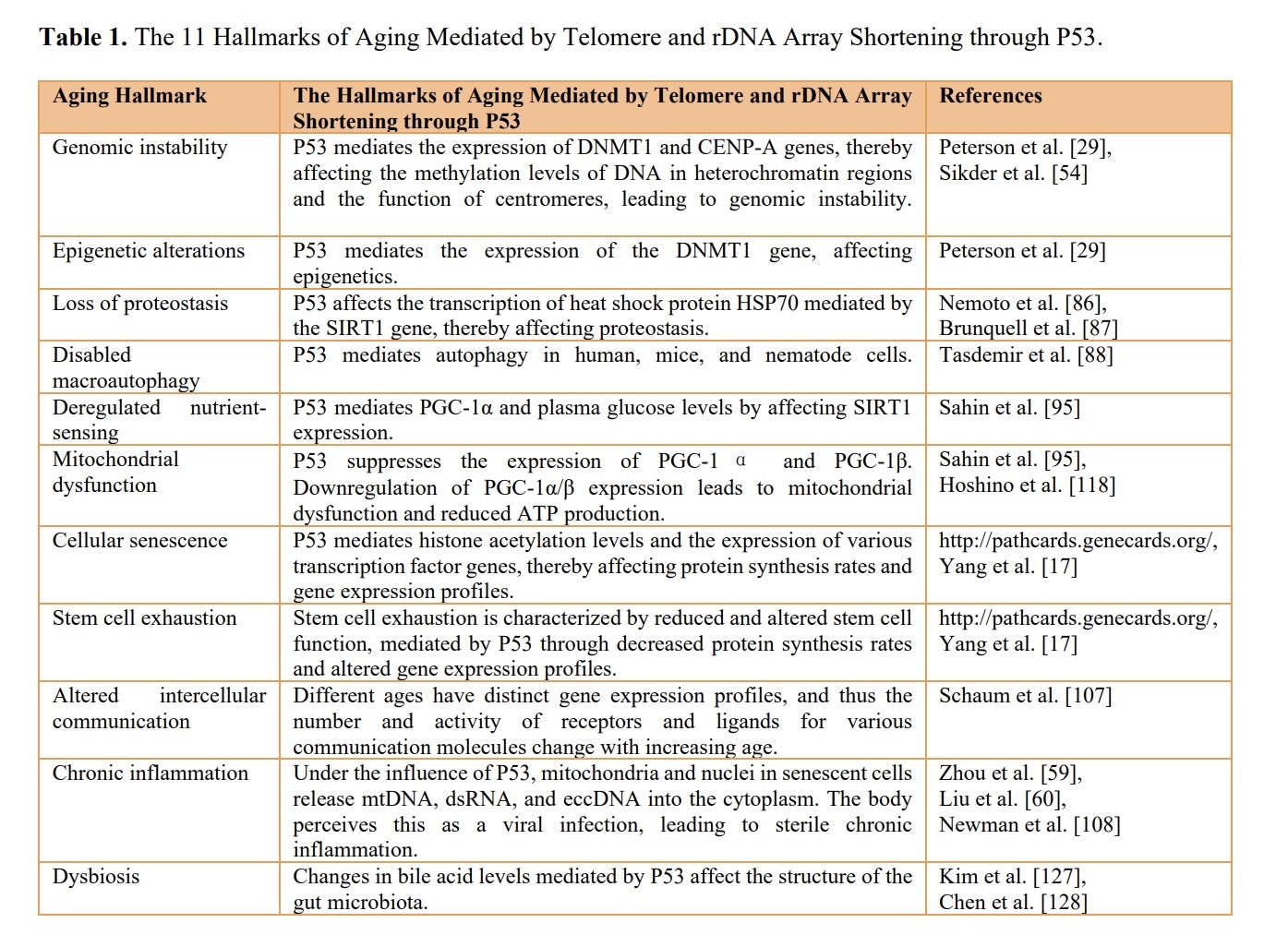
In 2025, our team has published the study Causality of Aging Hallmarks in the journal Aging and Disease, which further refined the TRCS model. This research systematically clarifies the causal relationships among the twelve hallmarks of aging and establishes that telomeres and rDNA occupy the definitive upstream position in the aging-driven cascade via the p53 signaling pathway.
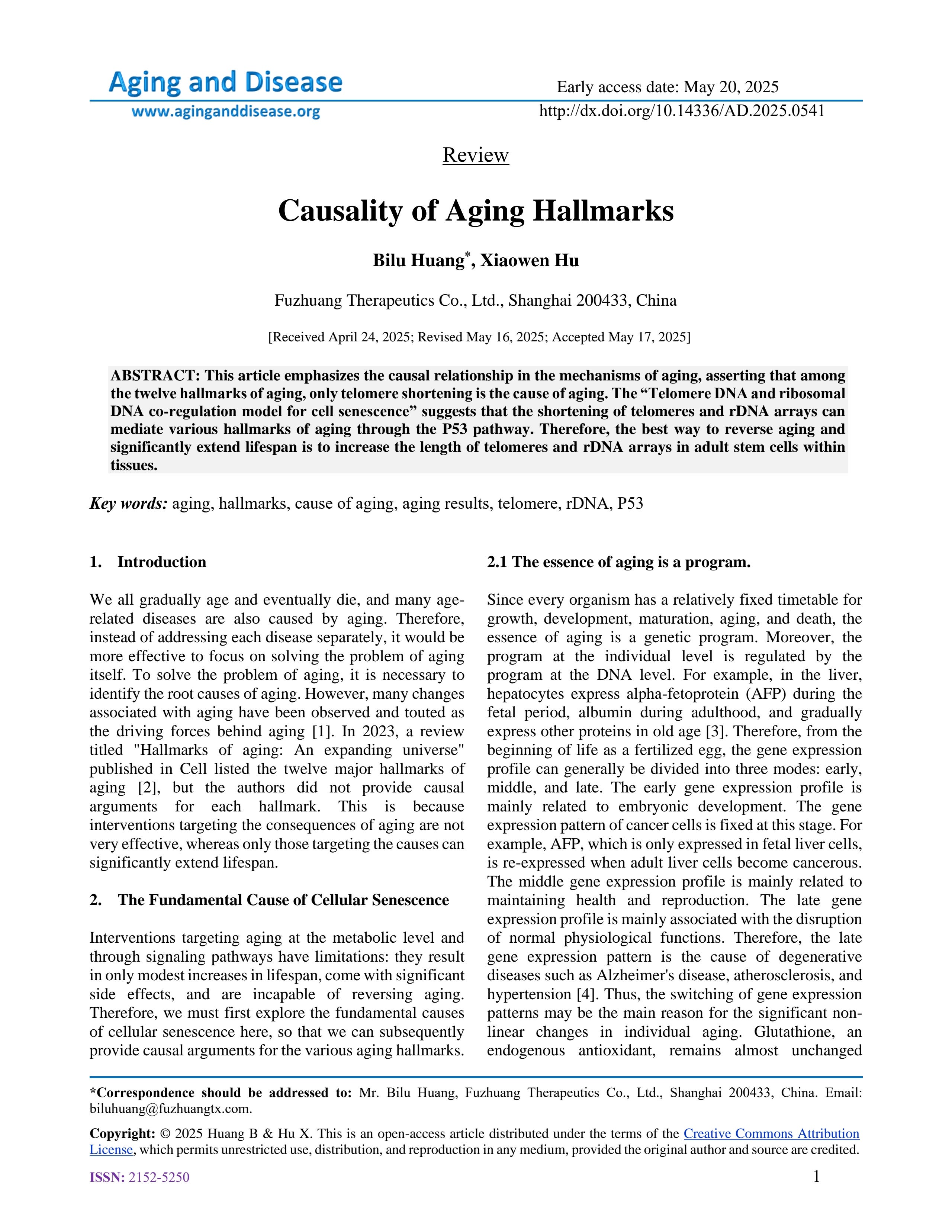
Bilu Huang , Xiaowen Hu. Causality of Aging Hallmarks. Aging and disease. 2026, 17(3): 1236-1253. https://doi.org/10.14336/AD.2025.0541
Thanks for reading Bilu Huang Institute for Aging Research! Subscribe for free to receive new posts and support our work.
Comments
Nothing yet. Say the first thing.
Sign in to join the conversation.