
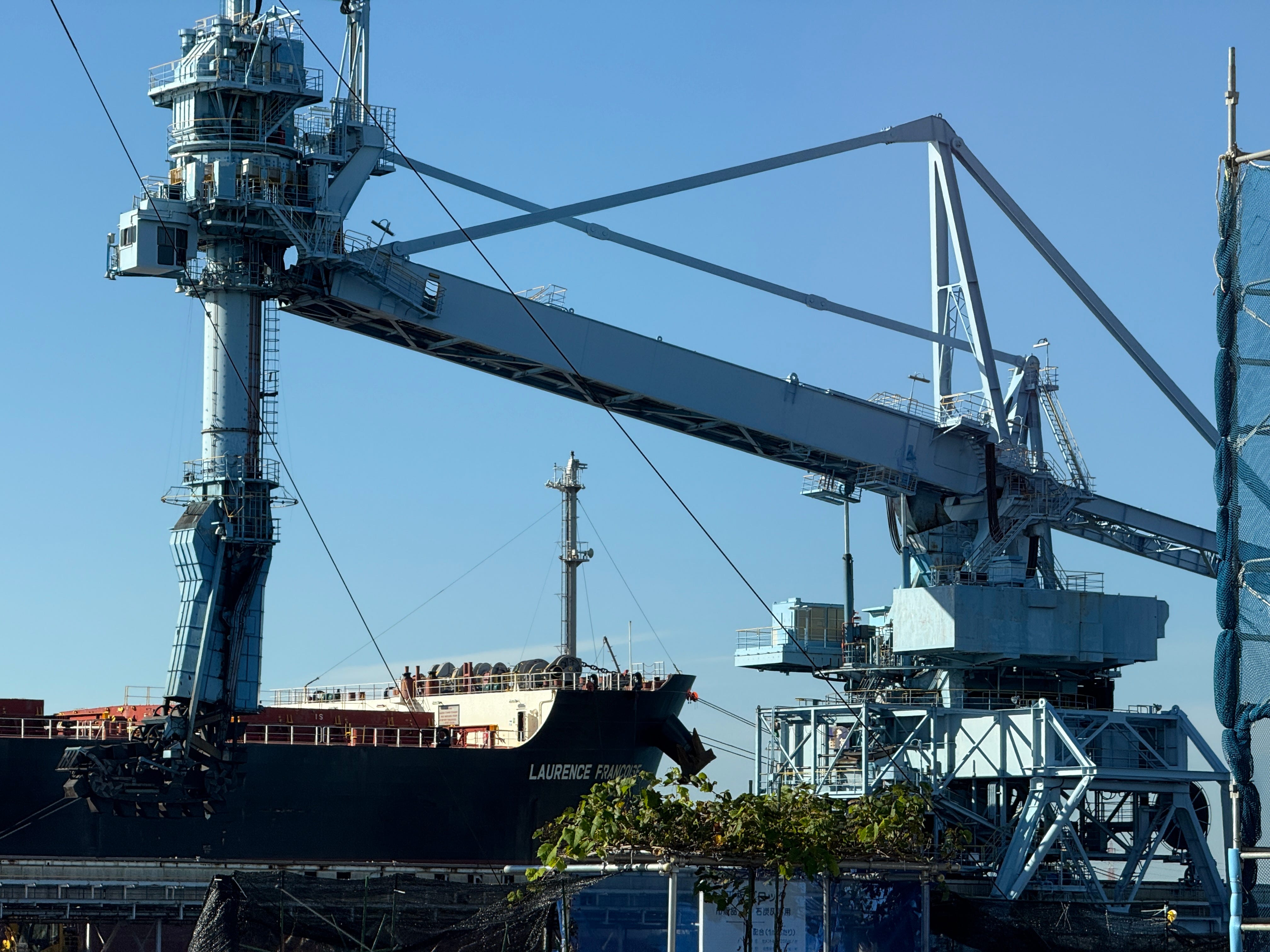
With the Iran conflict stuck in a shaky stalemate that’s left the Strait of Hormuz still largely closed, we’ve been looking at the region most impacted by the war beyond the Persian Gulf itself: Asia, where 90% of the energy resources produced in the Gulf head after crossing through the Strait of Hormuz.
Asia is where the near-term fallout from the crisis is hitting most directly, and where the long-term impacts on the global energy system are beginning to emerge.
In previous posts, we looked at China, better prepared for the energy crisis caused by the war than any country and now finding ways to take advantage of the crisis. We looked at Southeast Asia, where countries simply aren’t big or wealthy enough to meaningfully prepare for a crisis of this scale. They’ve declared energy emergencies and reacted in ways that will shift the global energy landscape in favor of China’s renewable energy technologies and away from globally traded fossil fuels over time.
This post looks at North Asia — Japan and South Korea. They are the biggest, most industrialized, most fossil fuel import dependent economies in Asia.
Japan and South Korea have been fully integrated into America’s global power structure every bit as much as Europe.
That’s made these nations — treaty allies the U.S. has promised to defend, hosts of massive, permanent U.S. military bases — critical far eastern outposts of the industrialized democratic world often referred to as the “West.”
Over the last half century, their economies have become especially enmeshed with America’s financial and economic might, both at home and abroad.
Their sophisticated manufacturing industries play key roles in an international chain of semiconductor production controlled by the United States. Japanese and South Korean companies also have enormous American manufacturing operations, from car factories in Tennessee and Kentucky to battery plants in Georgia and Michigan
Their strong U.S. ties have helped lull both countries into a profound dependence on Middle Eastern energy supplies. Just as the U.S. is treaty bound to defend them, America had also vowed to ensure the free flow of energy and other trade from the Persian Gulf through the Strait of Hormuz and on to any global destination.
The shattering of that assurance has left the two north Asian powers reeling.
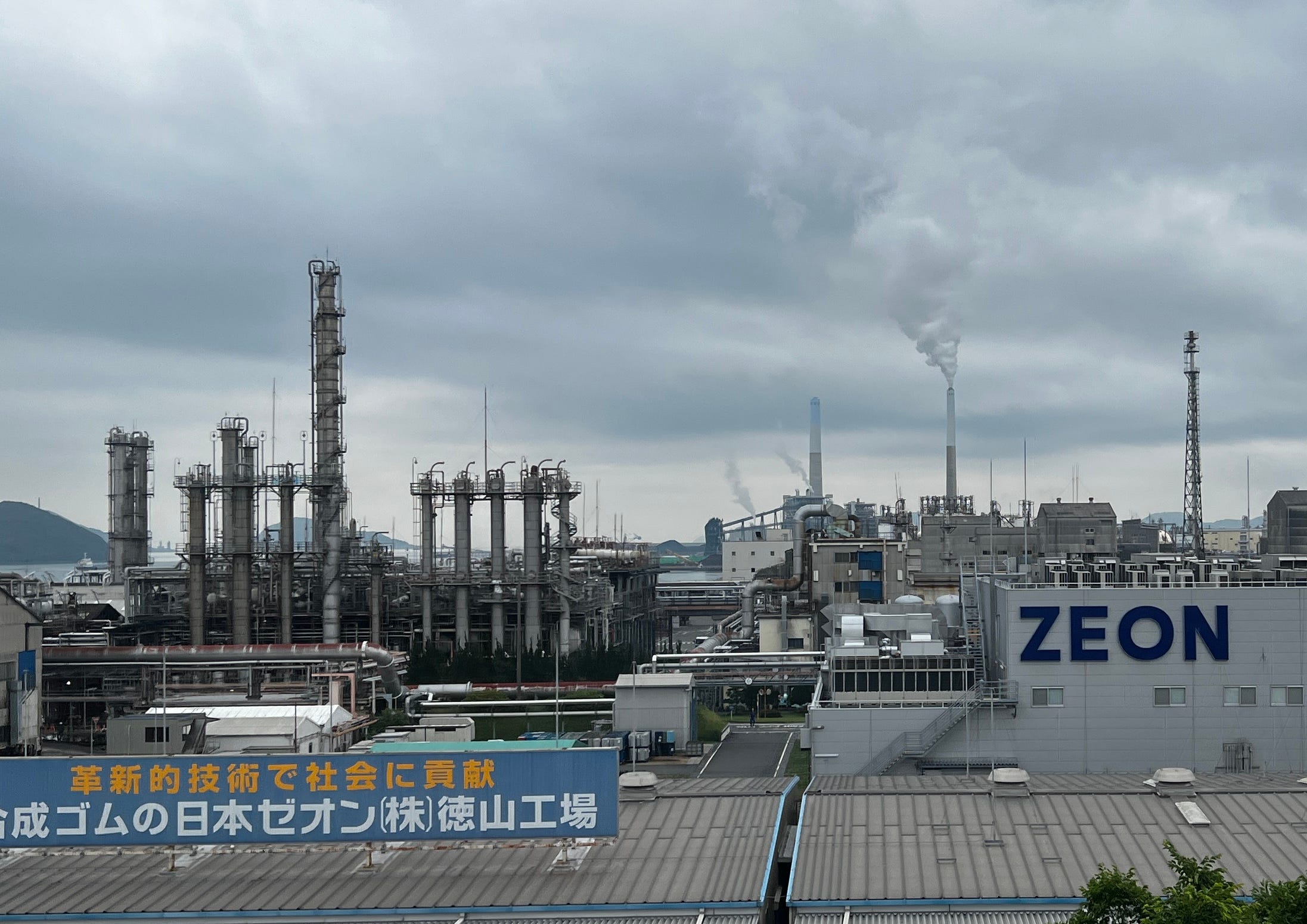
Both Japan and South Korea are wealthy and well-provisioned enough to avoid the full-scale emergency measures seen across Southeast Asia to reduce energy use. But their dependence on shipped oil and gas has left them scrambling to secure oil and gas shipments from where ever they can get them, bidding up prices for oil and gas globally in the process.
Longer term, their challenges are further complicated by their own fraught histories and rocky relations with China, a rising global power that offers some of the most obvious ways to reduce dependence on fossil fuels from the Persian Gulf.
And dependent they are:
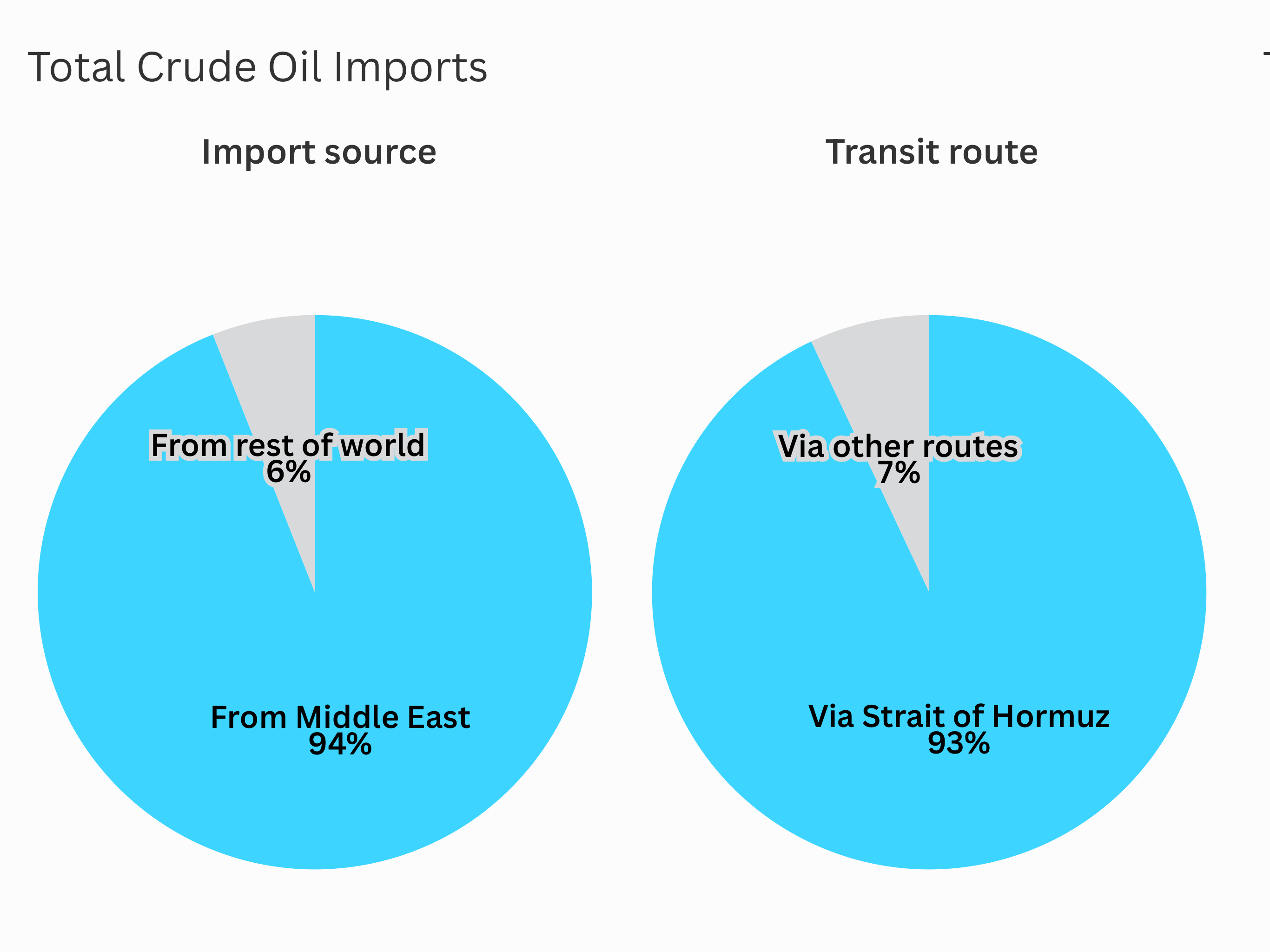
— Japan relies on imports of coal, oil and gas to meet more than 85% of its energy needs. More than 94% of the country’s crude oil and 11% of its natural gas came from the Middle East last year. Nearly all it passed through the Strait of Hormuz.
— South Korea imports 95% of the energy it uses. More than 70% of its oil comes from the Middle East, nearly all of it transiting the Strait of Hormuz. A fifth of South Korea’s natural gas passes through the strait.
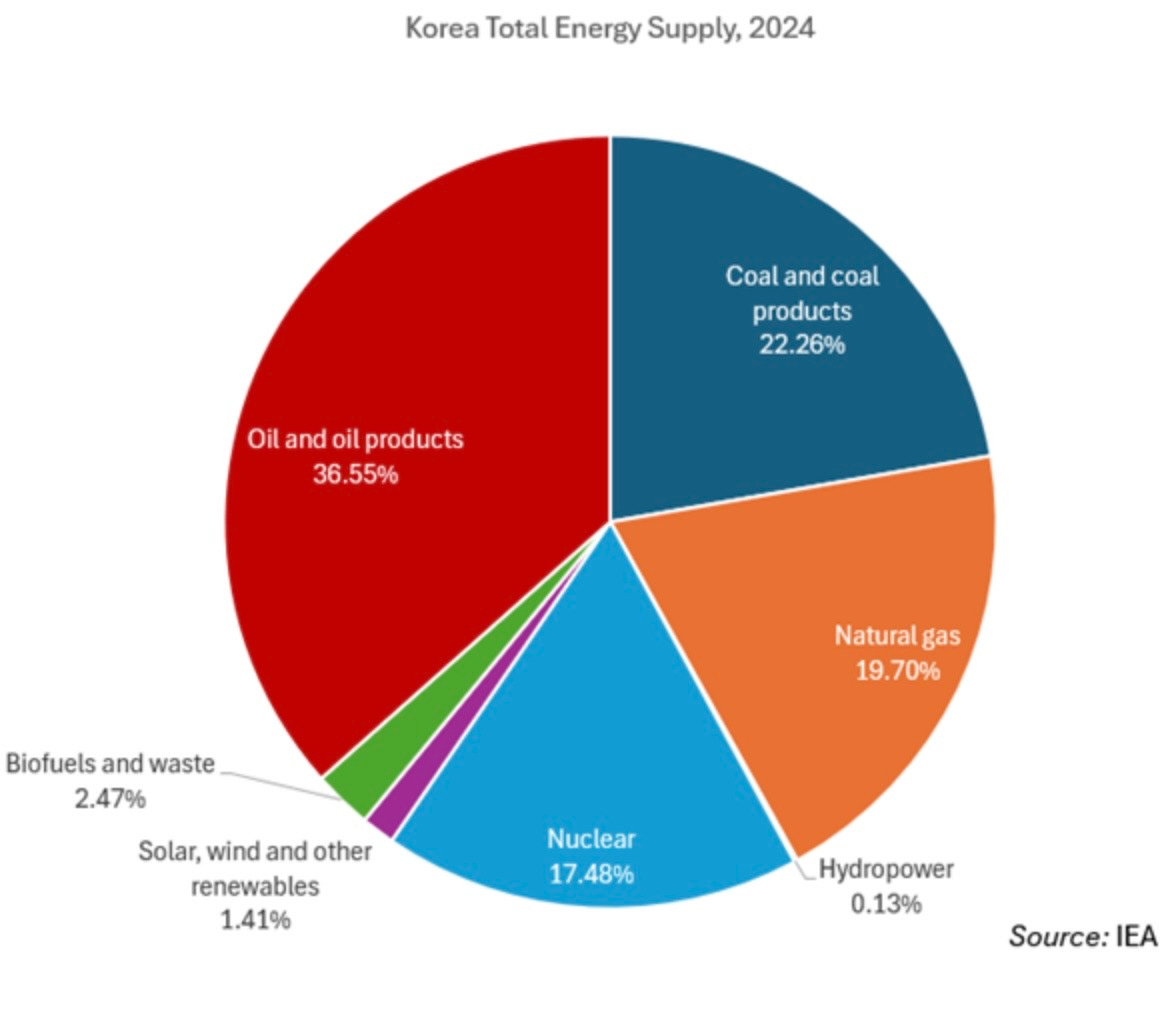
So dependent are they, in fact, that they have long struggled to articulate, or even envision, a path towards greater energy independence as opposed to simply attempting to diversify their dependence.
Nuclear power, their biggest domestic source of energy, has been a particularly rocky journey for Japan.
Nuclear reactors provided close to a third of the country’s electricity before the 2011 Fukushima Daiichi nuclear plant disaster and were slated to climb to 40%. After Fukushima, the entire nuclear industry shut down. Imports of Liquified Natural Gas (LNG) largely replaced it, aside from a significant but short-lived surge in solar power installations.
Throughout, the country’s large fleet of coal-fired generators have continued to produce electricity. They are also fed by shiploads of coal from abroad, mostly Indonesia and Australia. A few weeks into the Persian Gulf crisis, rules restricting coal use were temporarily relaxed so these plants could fill in for LNG that remains bottled up in the Gulf.
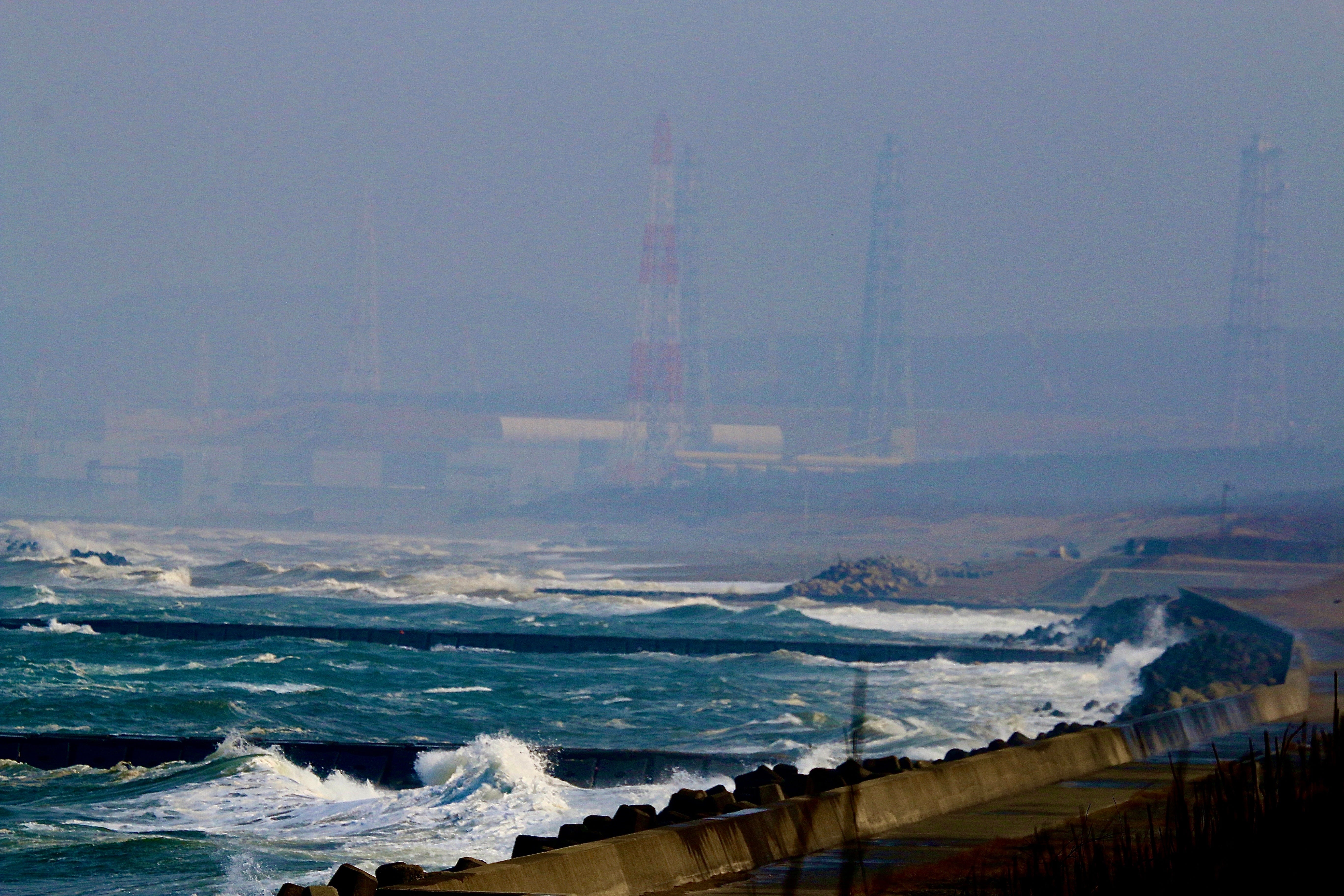
In the past decade, nuclear power has climbed back to account for a little over 10% of electricity generation in Japan. Reactors are coming back on line sporadically, the most recent being the Kashiwazaki-Kariwa nuclear facility that became the 15th reactor to restart last year.
Another 10 reactors are in the process of gaining approval to fire up again. But to make a real dent, Japan would have to start constructing an array of new plants, not simply fire up old ones. Right now, only three of those are under construction.
So far, Japan’s overall response to the Persian Gulf crisis has been to adjust how and where it gets its fossil fuels from, rather than diversify away from fossil fuels.
With the government’s encouragement, Japanese companies have invested more in American natural gas projects, from drilling and pipelines to facilities that turn gas into its highly chilled, shippable liquid. The government has also stepped up to provide $10 in financial support to help southeast Asia nations purchase U.S. and other oil and gas at higher prices to replace disrupted Persian Gulf supplies.
What Japanese leaders have not done that other countries increasingly seem to be doing is accelerating adoption of renewable energy.
Whether it’s easing adoption of electric vehicles or encouraging more renewables — both steps renewable energy advocates have touted — Japanese leaders and policy making bureaucrats still seem unconvinced.
That’s where the contrast with South Korea is noteworthy. South Korea has eased coal restrictions and moved to restart nuclear reactors like Japan. It’s adopted urgent measures to tamp down energy use like many countries in southeast Asia.
Increasingly, though, the country’s leadership is highlighting the crisis as a historic pivot point:
“The Republic of Korea as a whole must move very quickly toward renewable energy.” President Lee Mae Myung told a regional town hall meeting in March. “Our future will be at serious risk if we continue to rely on fossil fuels.”
A week later his cabinet unveiled an accelerated plan to put renewables at the center of a long-term energy overhaul. It includes boosting renewables to above 20% of power generation, transitioning from natural gas-fired heating to renewables.
Comments
Nothing yet. Say the first thing.
Sign in to join the conversation.