
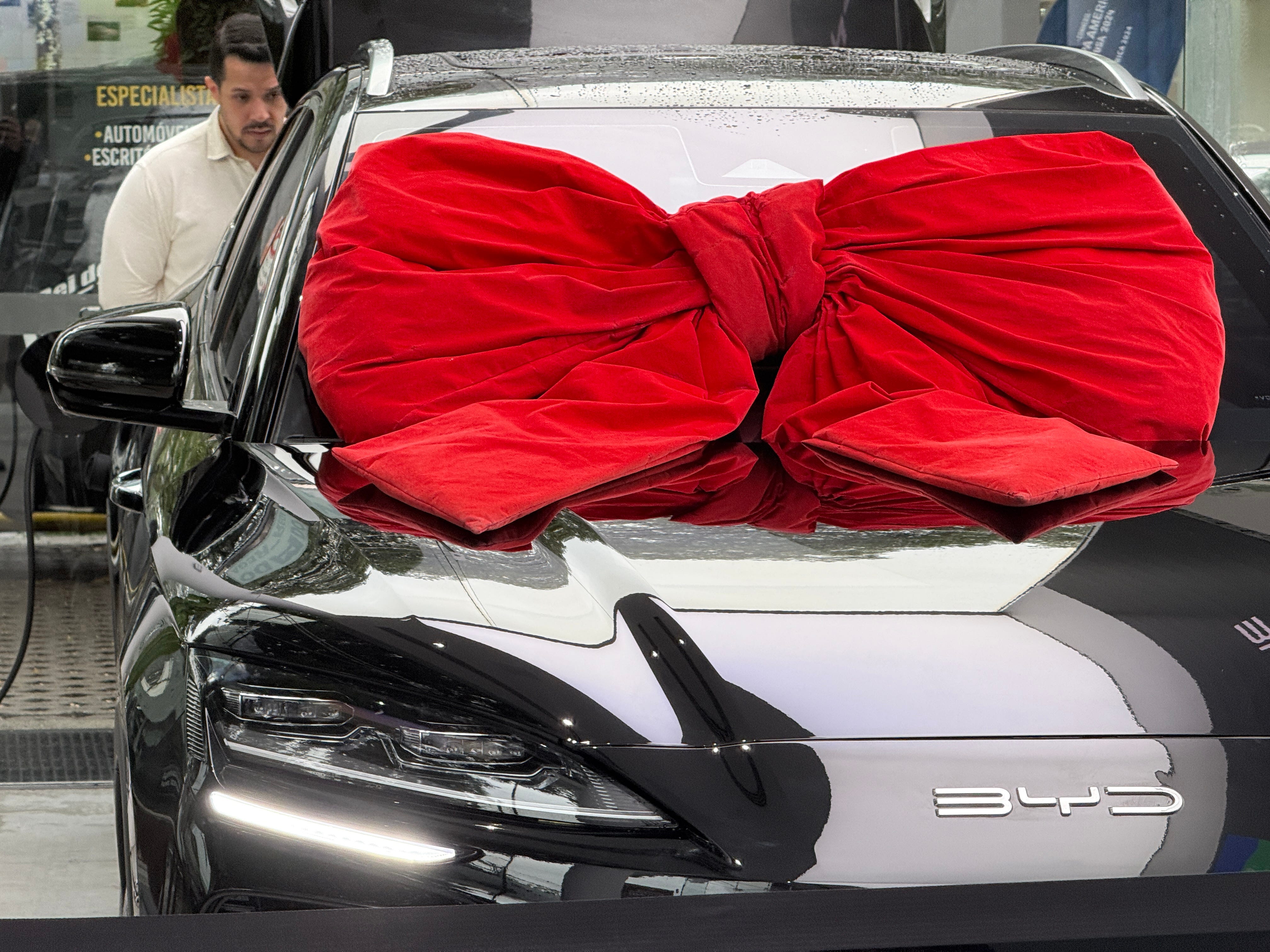
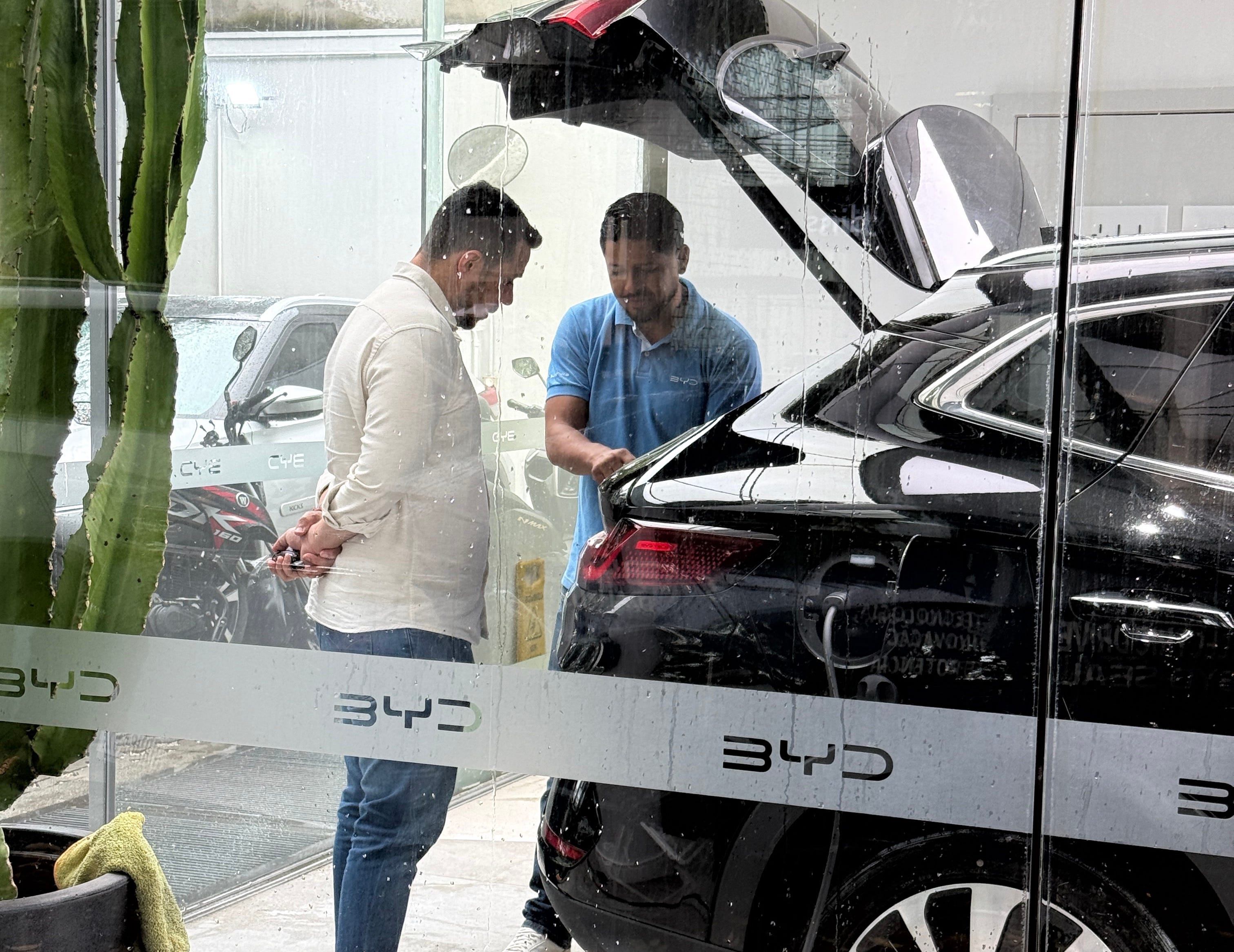
In Brazil this week, I stopped into some car dealerships in the toniest neighborhood of São Paulo: Lexus, Ranger Rover, Volkswagen, Jaguar, Jeep, Kia, Mercedes. And the most recent arrival: BYD, the Chinese EV powerhouse.
BYD, an English acronym for the company’s slogan, “Build Your Dreams,” is the largest seller of electric cars in the world. The company’s Dolphin model, an affordable high-tech masterpiece of a car, is taking Brazil by storm.
As we’ve seen, BYD and other Chinese carmakers’ sales have been exploding in nearly every country globally except for the United States. They’ve gained momentum due to the energy crisis caused by the war in the Persian Gulf this year.
I also recently visited Mexico, the other big vehicle market in Latin America. Together, the two countries account for three-quarters of all cars sold in Latin America.
Mexico and Brazil are also major manufacturing centers, including for export. Brazil makes cars that go to other countries in South America under a regional free-trade alliance. Mexican factories serve the U.S. market under a free trade agreement.
Chinese automakers are rapidly gaining traction in markets long been dominated by American, European and Japanese brands, all of which mostly sell traditional gasoline-powered engines. At a conference I attended earlier this year, Ford Motor Company CEO Jim Farley described the challenge of competing with Chinese companies in countries like these — fast-growing markets with no homegrown automakers — as “existential” to Ford.
In Brazil, as elsewhere, this competition is going very well for Chinese automakers — and not well at all for Ford and other traditional automakers.
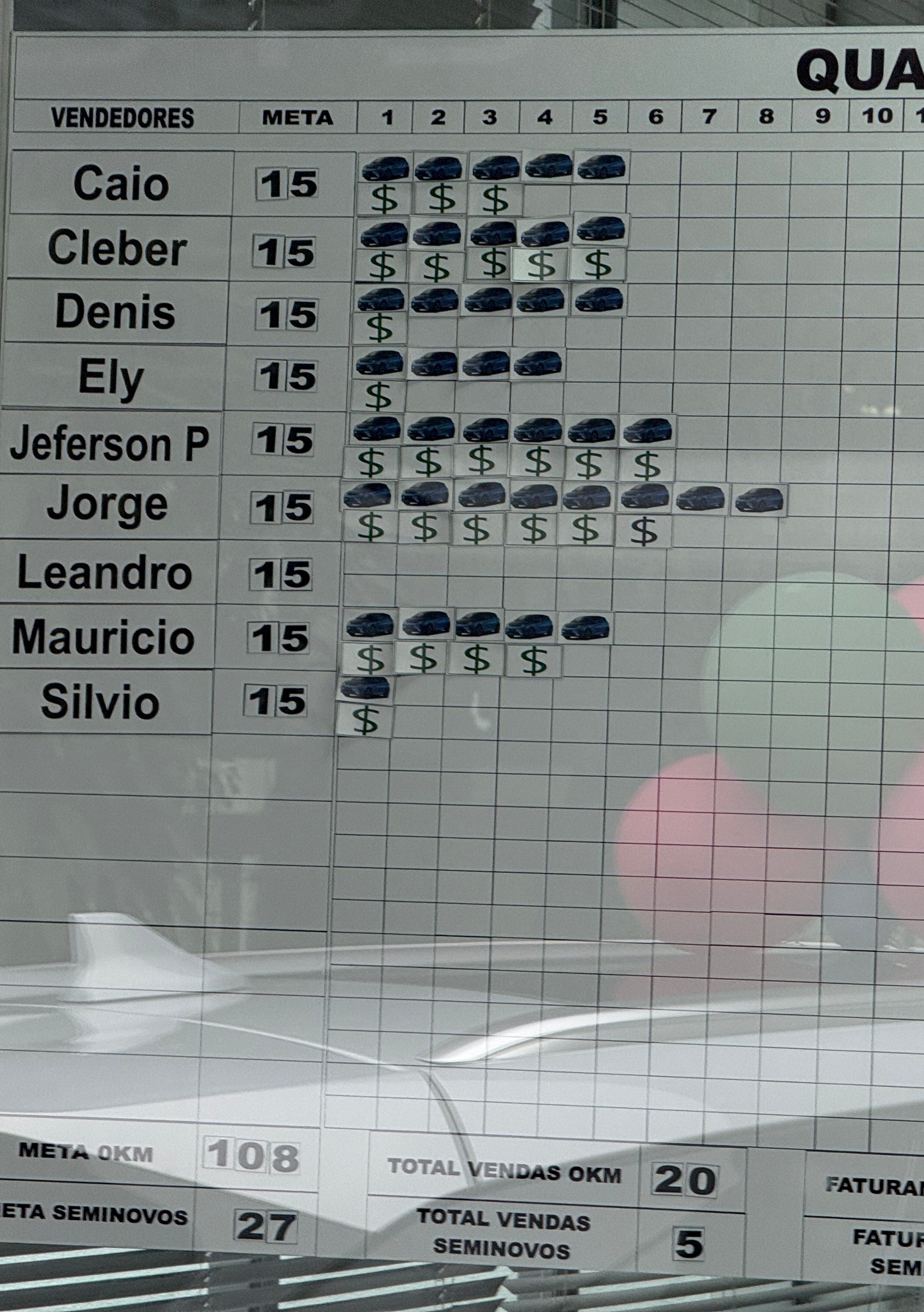
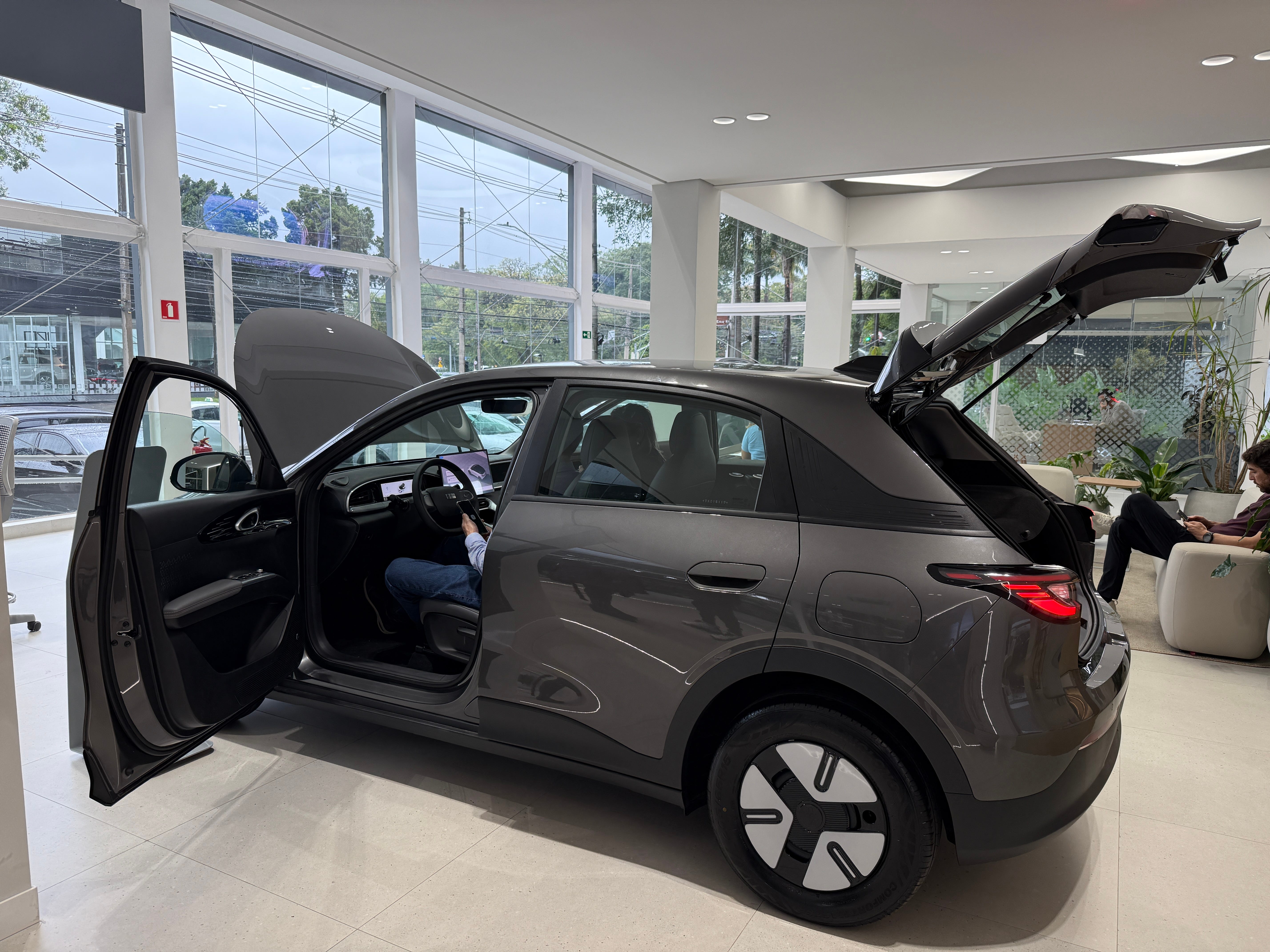
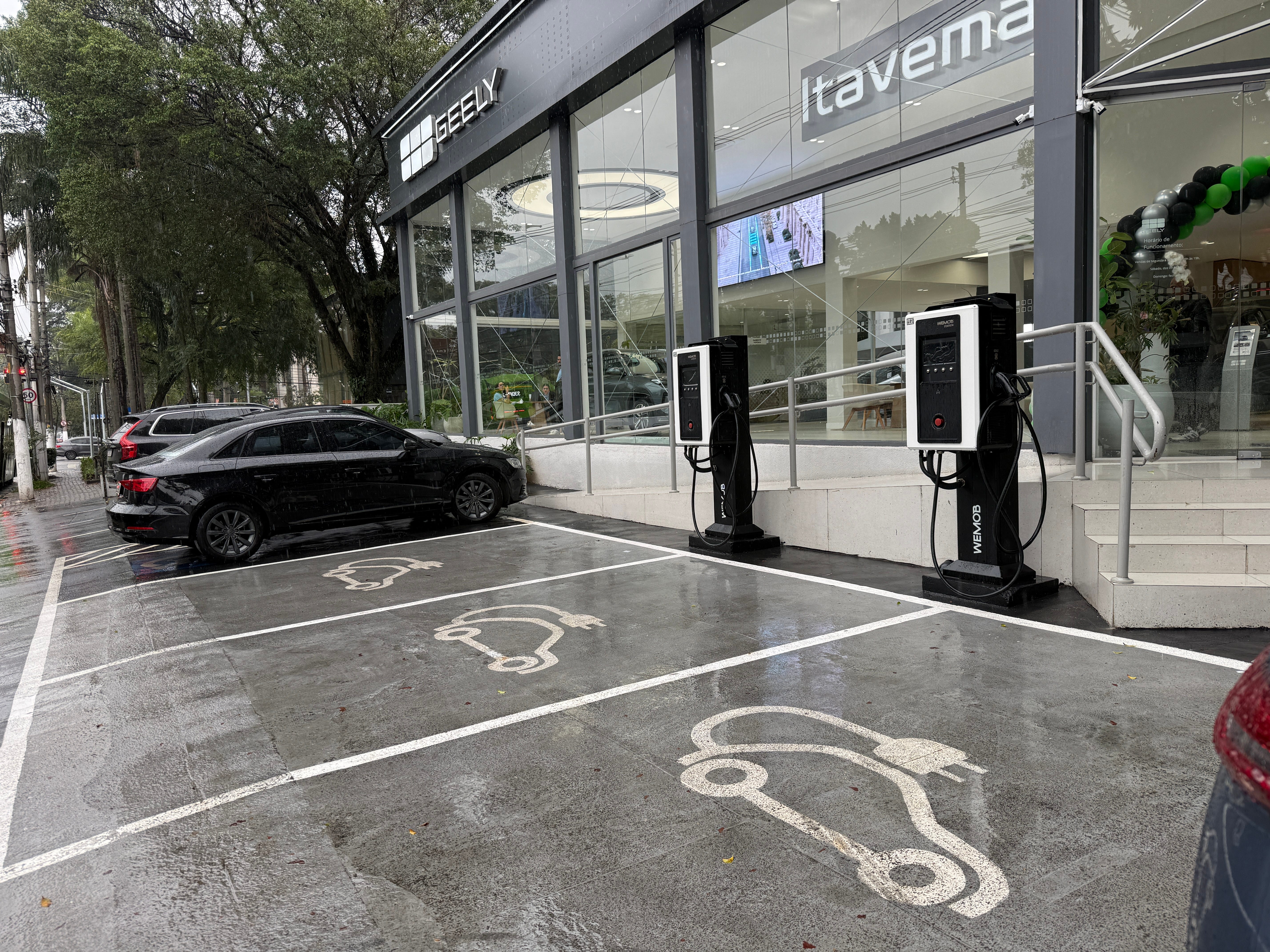
On the rainy Tuesday morning when I visited São Paulo’s car dealerships, the Chinese dealers — Geely, another top-tier Chinese EV maker, was located down the block — were festooned with colorful balloon welcome arches. They bustled with salespeople showing models to prospective buyers.
The non-Chinese dealers I visited had far fewer browsers.
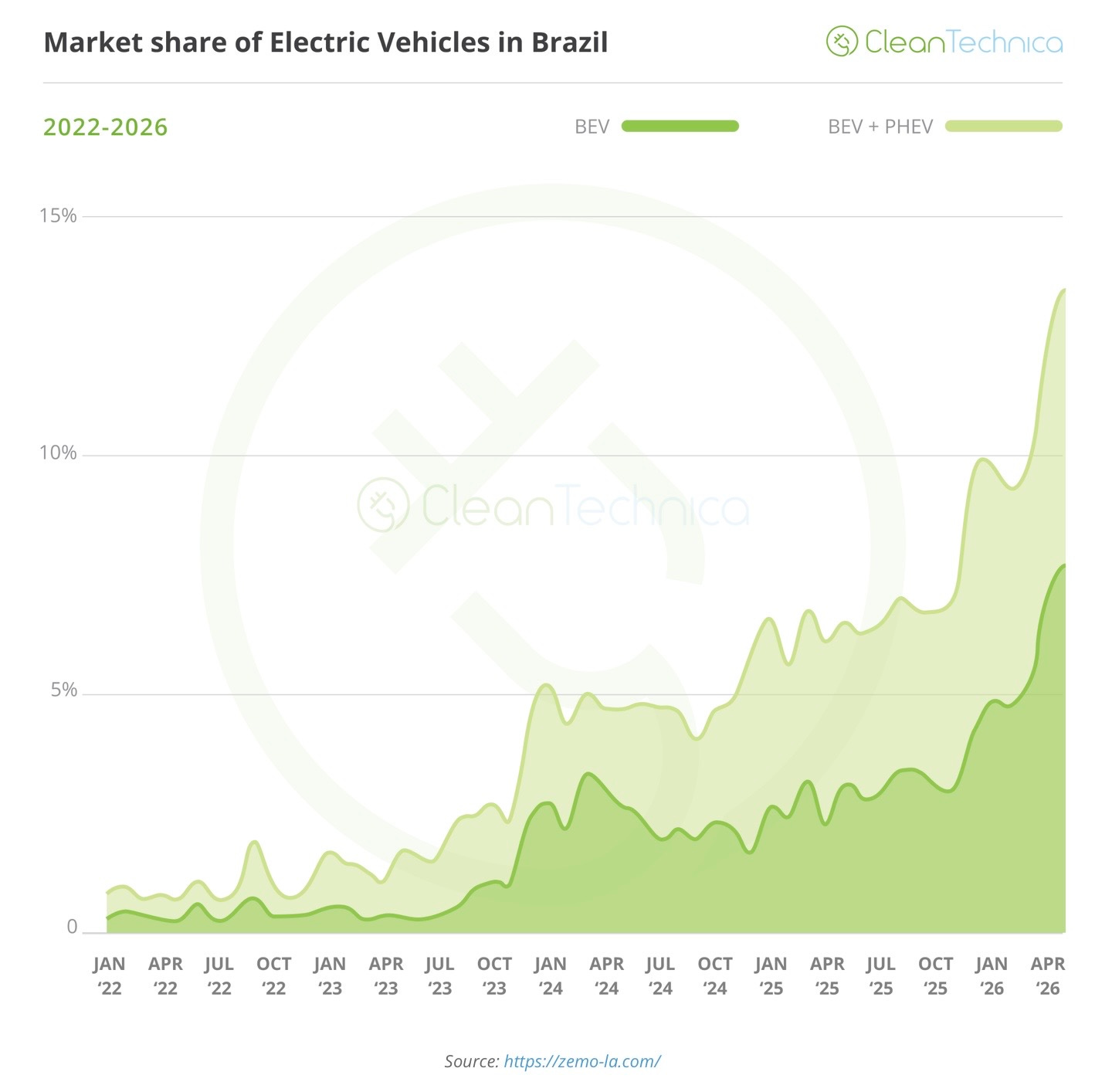
Brazil’s recent auto sales echo the difference. In May, two Chinese auto makers cracked the top ten in sales for the first time,as electric vehicles doubled their share of the Brazilian market to more than 13%. BYD climbed to fourth overall, behind traditional giants Fiat, Volkswagen and General Motors. BYD beat out Hyundai, Toyota, Jeep, Renault and Honda, as well as Chinese competitor Great Wall Motors, which placed tenth. (Ford didn’t make the top ten).
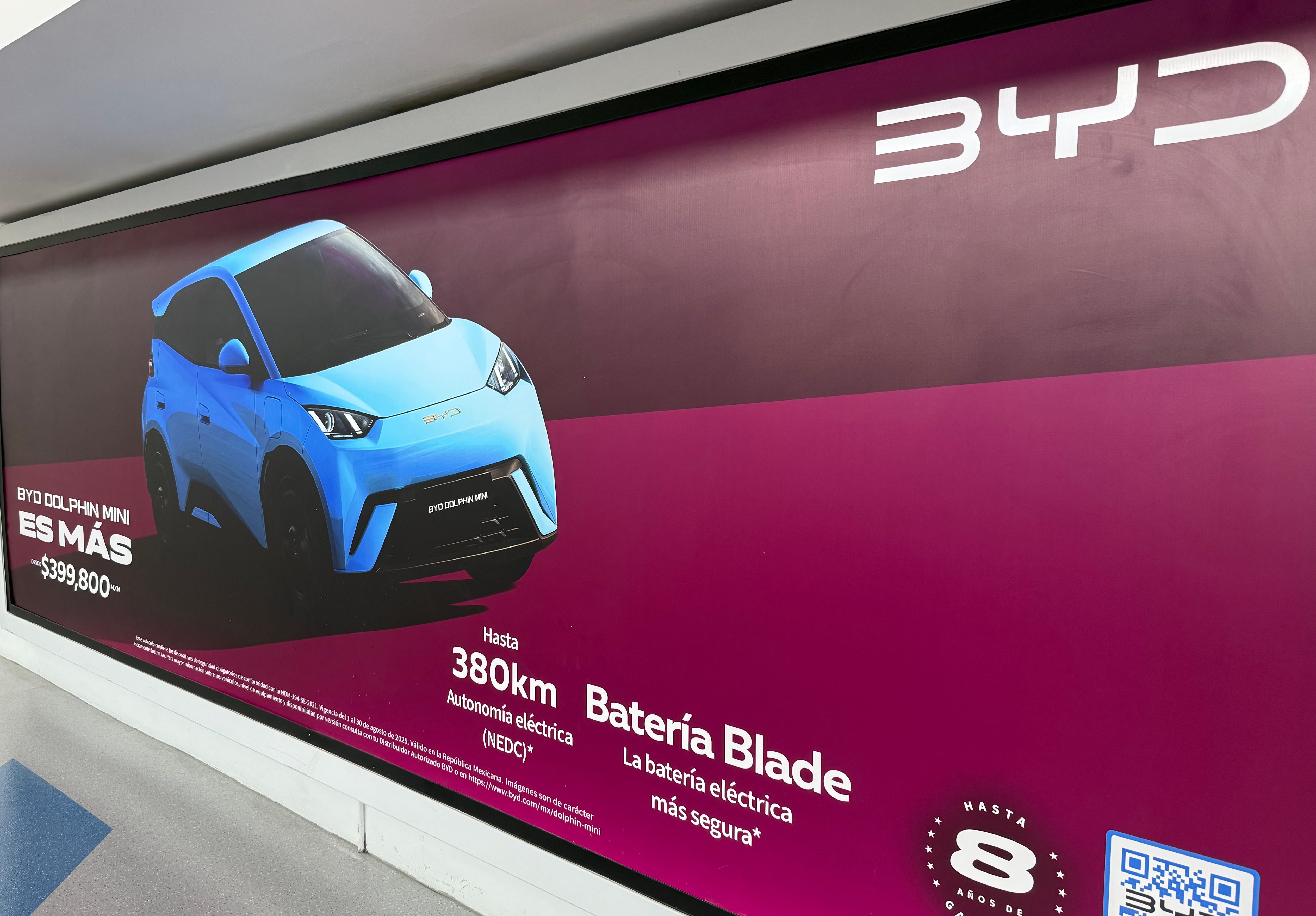
More than one in ten cars sold in Mexico are now Chinese, up from almost none five years ago. When we landed at Mexico City’s main airport, the corridors, entries and exits were virtually wallpapered with advertisements for Chinese cars.
Mexico slapped a stiff 50% tariff on imported Chinese cars last year after U.S. officials pressured the country to slow the rise of Chinese car sales. Nevertheless, Chinese carmakers grew sales by 25% in the first three months of this year.
Almost all Chinese cars were imported from China, though that’s changing.
After the Biden administration put restrictions and 100% tariffs on Chinese cars — effectively prohibiting their sale the U.S. — the Trump administration has heavily pressured Mexico (and Canada) to thwart Chinese companies to prevent them from reaching the U.S. even if they’re manufactured in those countries.
Trump’s team is determined to prevent America’s neighbors from becoming a backdoor to the U.S. by allowing Chinese companies to assemble cars in their countries, then ship them into the U.S. around the tariff wall.
That’s stymied Chinese car manufacturing in Mexico so far, though
Chinese manufacturers are making progress in Brazil. BYD is now ramping up production at…as if to add insult to injury…a former Ford Motors factory in the city of Camaçari. Ford closed the plant in 2021, leaving its 5,000 employees without jobs and dealing a blow to its 300 dealers in the country.
When BYD opened, the city pointedly switched the name of a nearby street from Henry Ford Avenue to Avenue BYD.
BYD, which now employs more than 2,500 workers, plans to source half its component in Brazil by the end of this year.
I wasn’t able to visit the plant, BYD’s largest industrial park outside of Asia, but you can see a bunch of photos of it here.
BYD can then not only sell in Brazil without tariffs, but also across much of South America within a trade block Brazil is part of. That will help it increase sales even more in places like Uruguay, where EVs have exploded after the Persian Gulf war, recently coming to almost half the car market.
BYD Brazil is also beginning to manufacture batteries for buses, as well as for use on Brazil’s electrical grid, where renewable energy already accounts for almost 90% of electricity generation.
Comments
Nothing yet. Say the first thing.
Sign in to join the conversation.