
T. S. Eliot’s poem Silence was published in 1910 in the Harvard Advocate, the literary magazine of Harvard College. Eliot received his AB degree in 1909, studying history, literature, and the classics.
In Wyndham Lewis’s portrait of Eliot, his dysphoric demeanour conveys his distaste for the low culture that traps him.
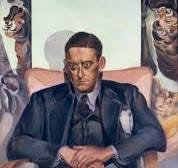
This portrait also presents a man who, apprehending the crux of his time, wrote poetry that defined how my father’s generation and I understood the world.
However, that portrait is not the Eliot of 1910, an 18-year-old undergraduate.
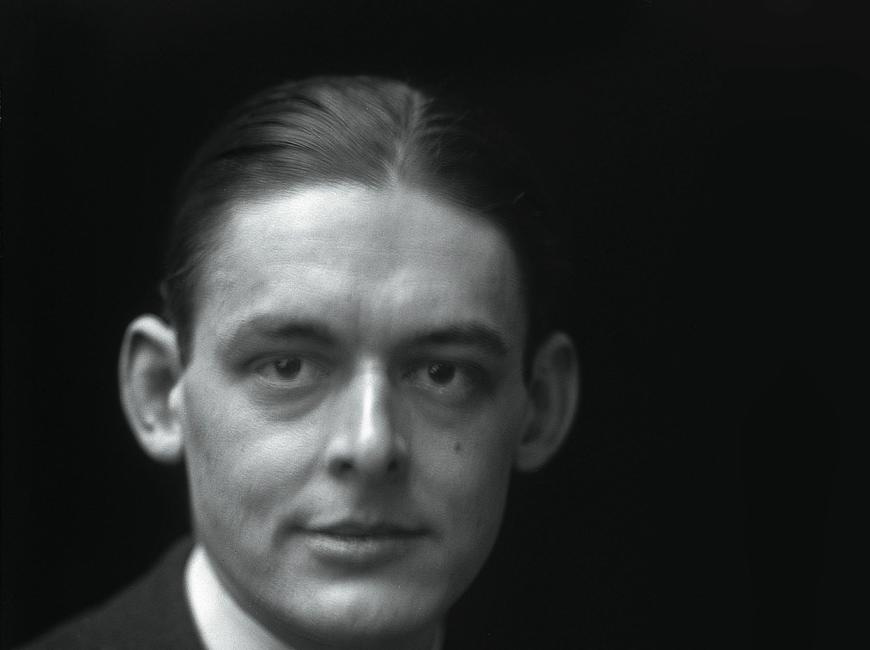
The events that would smash Edwardian culture—above all, the Somme, in which 1 million British, Germans, and Frenchmen were killed and wounded—hadn’t occurred.
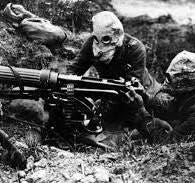
These catastrophes were beyond anyone’s imagination.
Thank you for reading ‘I have serious news...’. This post is public, so feel free to share it.
Silence is a brief lyric, like a prelude to Eliot’s later poetry. It poses questions answered only at the end of Eliot’s career in his masterpiece, the Four Quartets.
Richard Armitage reads Silence here.
Silence (1910)
by T. S. Eliot
Text within this block will maintain its original spacing when published
Along the city streets
It is still high tide,
Yet the garrulous waves of life
Shrink and divide
With a thousand incidents
Vexed and debated:—
This is the hour for which we waited—
This is the ultimate hour
When life is justified.
The seas of experience
That were so broad and deep,
So immediate and steep,
Are suddenly still
You may say what you will,
At such peace I am terrified.
There is nothing else beside.
Text within this block will maintain its original spacing when published
Along the city streets
It is still high tide,
Yet the garrulous waves of life
Shrink and divide
With a thousand incidents
Vexed and debated:—
What was this tide on the city streets; why was it high? Cities house the engines of production and culture: Perhaps the tide was the technological revolutions of railways and electrification. Perhaps it was the rise of Progressive politics.
Whatever it was, Eliot wasn’t buying it. The garrulous waves were the clamours of a thousand incidents, of people in trivial conflicts over who gets what. These shallow waters did not support the life that Eliot wanted.
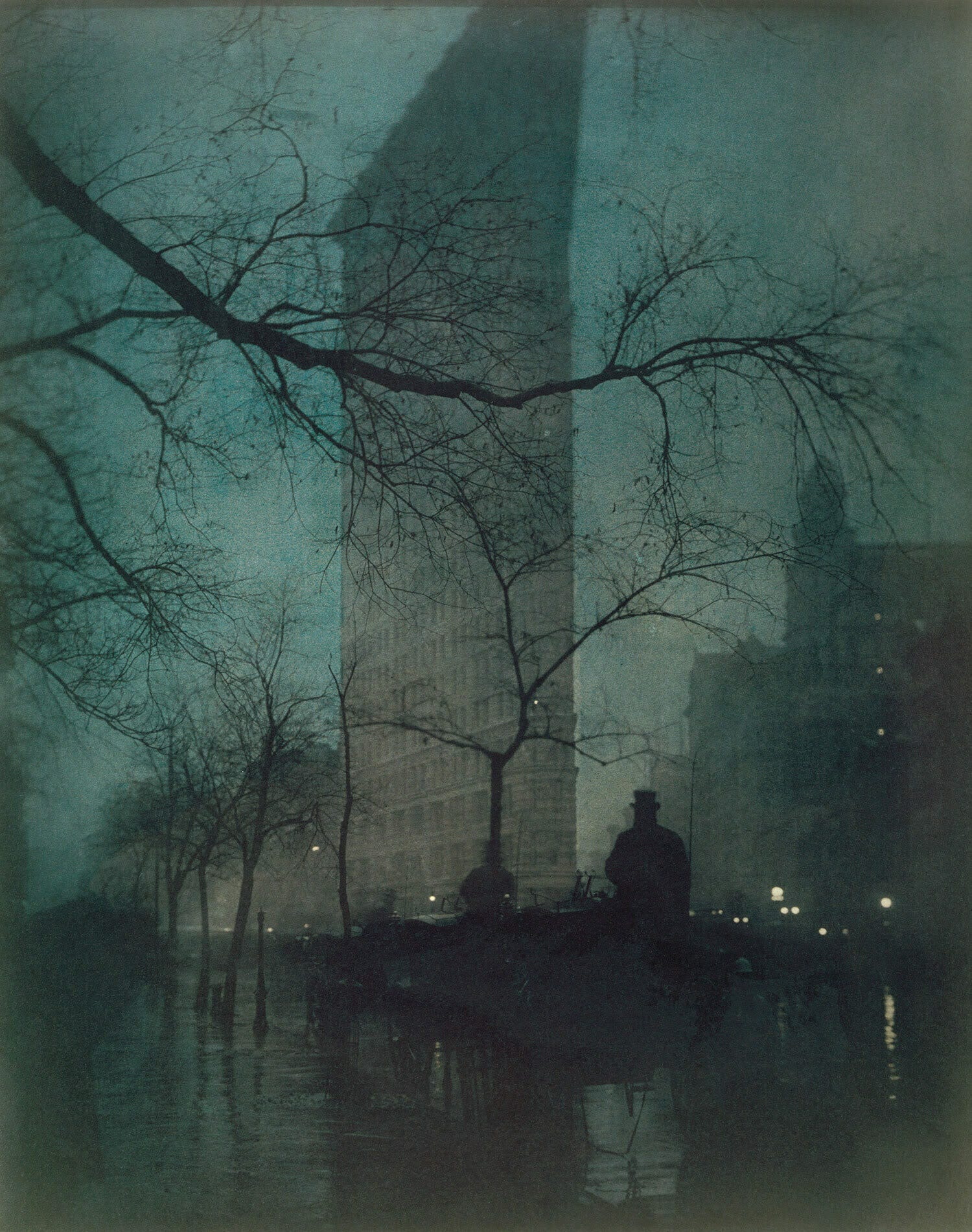
.Then, something silenced the waves and stilled the vexatious conflicts. The rhythm of the verse brings the reader to a hard stop at each of those powerful em-dashes.
Text within this block will maintain its original spacing when published
This is the hour for which we waited—
This is the ultimate hour
When life is justified.
The seas of experience
That were so broad and deep,
So immediate and steep,
Are suddenly still
Eliot had been waiting for an experience that would transform and justify life. But what was it? Did he know?
Text within this block will maintain its original spacing when published
You may say what you will,
At such peace I am terrified.
There is nothing else beside.
Why did the expectation of peace terrify him? What was so comprehensive that there was nothing else beside? Having experienced religious conversion, I know these expectations and fears. Eliot will convert later in life, and Silence feels like the prodrome of that conversion. However, the poem makes no explicit reference to Christianity. Eliot seems to know something about what he will later find, even if he does not know what it will be.
Eliot acknowledges that his agitation will be inexplicable to most: “Say what you will.” And rightly so: peace and terror are genuinely paradoxical. But Silence has done what only poetry can: communicate impossible possibilities.
I recently published Disciplines of Freedom in Plough.

In cancer news, I have had a month from Hell. However, I am safe and home from the hospital, and my health is stabilizing. Writing I Have Serious News focuses me on staying alive to be of service. And if reading I Have Serious News can lighten the burden of suffering for one reader, the effort will have been worthwhile. Dear readers, I feel your presence, and it is life-giving. Please continue to read and support I Have Serious News.
Comments
Nothing yet. Say the first thing.
Sign in to join the conversation.